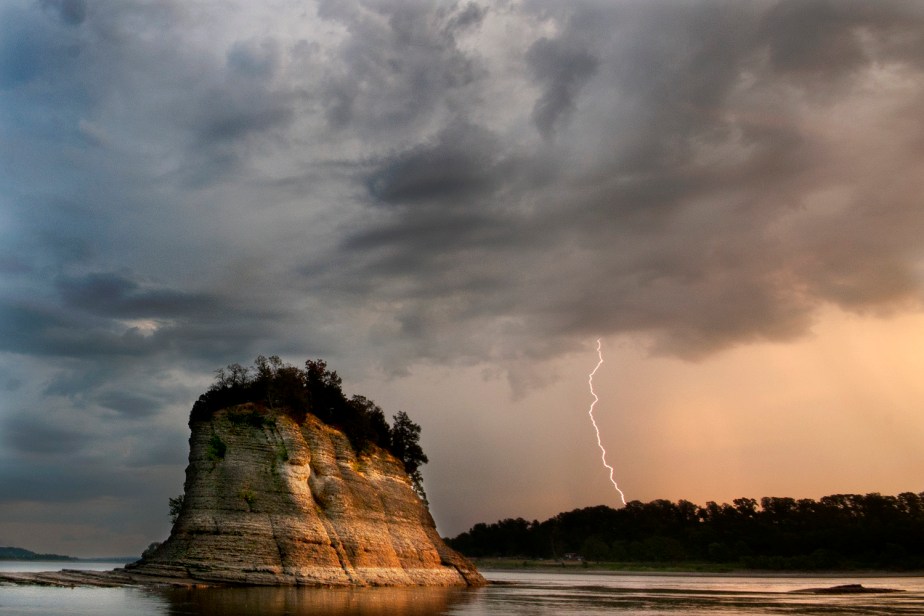
Special Guest Post – Overlooked Landscapes

Today I’m happy to provide a platform for renowned nature photographer and friend, Casey Galvin, to share his words and fantastic landscape photography from lesser known areas between the coasts. This article is exactly my philosophy when it comes to landscape photography – what little I do of that these days. I am much more interested in finding hidden gems without a plane trip or a multiday car ride. This is actually much tougher to do than placing your tripod in the holes dugout by the throngs of photographers chasing the iconic landscape subjects. Casey doesn’t usually present his works in an online format, so prepare yourself for a real treat! What follows are the writings and photographs of Casey.

When one thinks of great landscapes, Missouri and the two other Midwest states, Iowa and Illinois, do not come to mind. With the great American West along with coastal states available to most landscape photographers it is easy to fly over or drive through these three states without a thought of stopping. What makes this area special, most landscape photographers have never taken the time to be here in the Midwest. You make images no one else has, unlike in the western USA. However, because of this anyone who does stop and take the time to explore will find something that most people do not think of photographing. These three states have unique and special geological sites and plenty of water resources (rivers, creek, lakes, world class springs and seepage areas) and open landscapes.
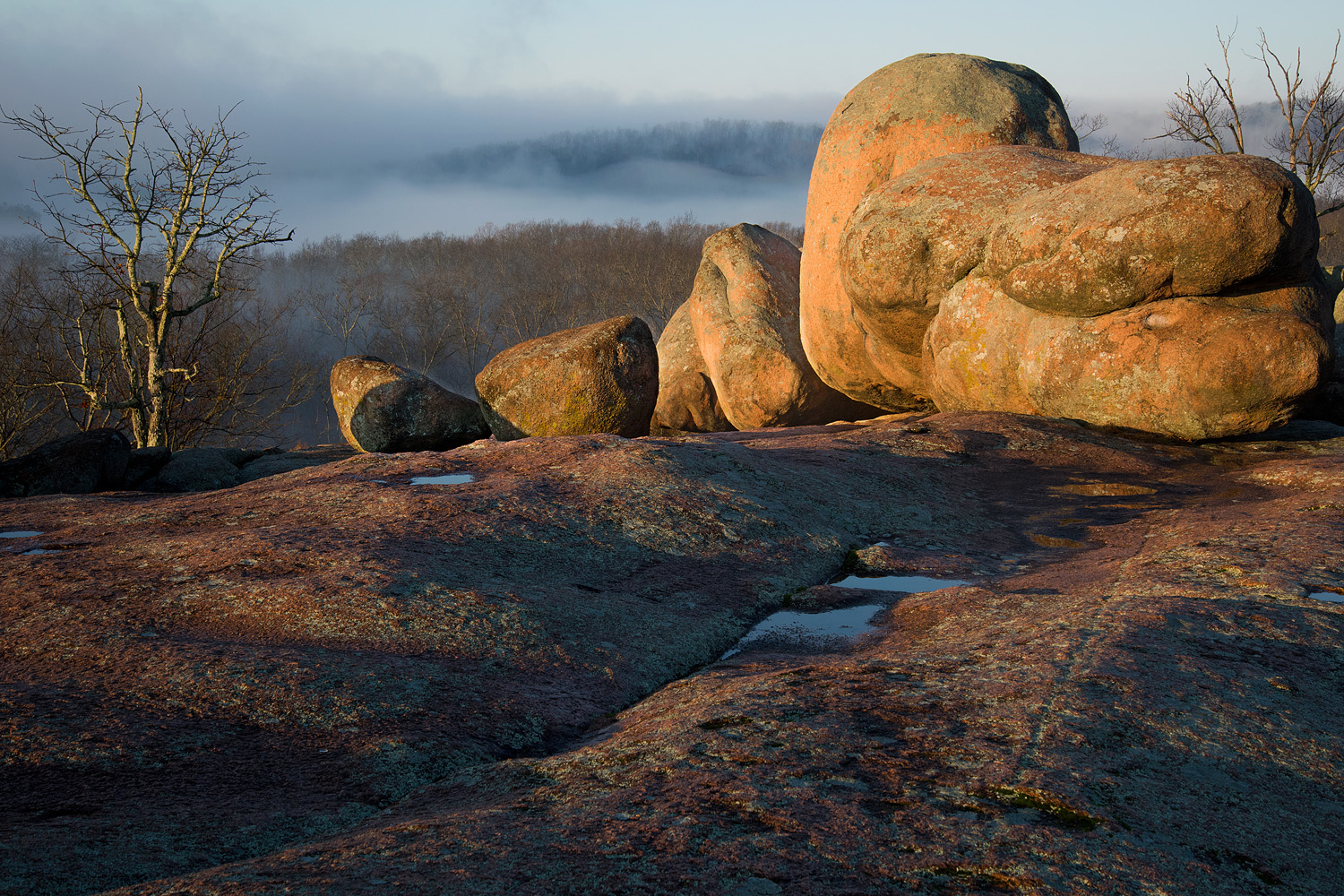
Elephant Rocks State Park
Iron County, Missouri

This being the heart of Tallgrass Prairie, there are still remnants left of this rarest of North American biomes. These systems were lost because it is some of the most productive farmland in the world, sand and gravel mining took others and conversion to urban development took the rest. Most people do not understand these grasslands probably because they have never experienced a true prairie. Unfortunately, there are not many large areas that are left untouched, but one can still find several remnants that are 1000 acres or even larger. This is where the buffalo roamed in large herds and in some locations, one can still find these animals ranging freely. The other nice feature for a photographer when visiting these sites is that you will most likely be the only one at that location. I have been on many a prairie for hours and have never seen anyone else.
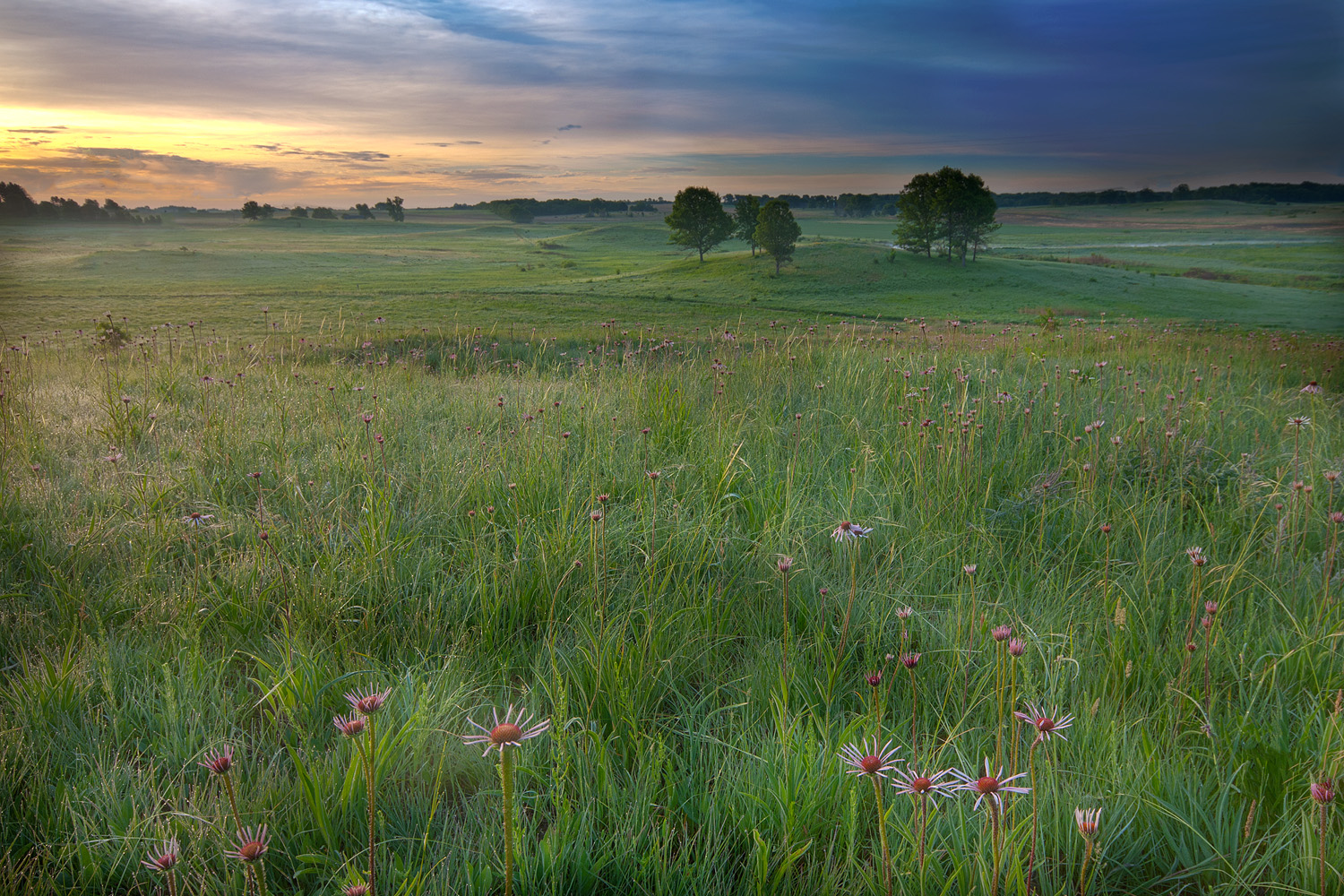
Nachusa Grasslands
​Franklin Grove, Illinois

Like the West, where they get super blooms with the heavy winter rains, as long as the rains are steady, Tallgrass Prairies get super blooms at least once a month in the growing season. These systems are made for hot, dry weather. May brings profusions of paintbrush (Orabanche coccina), in June coneflowers rule (Echinacea pallida or if you are lucky in prairies near the Ozarks, E. paradoxa), in July blazing star (Liatris pycnostachia) takes over. Autumn is dominated by yellow composites, gentians and late Liatris species.
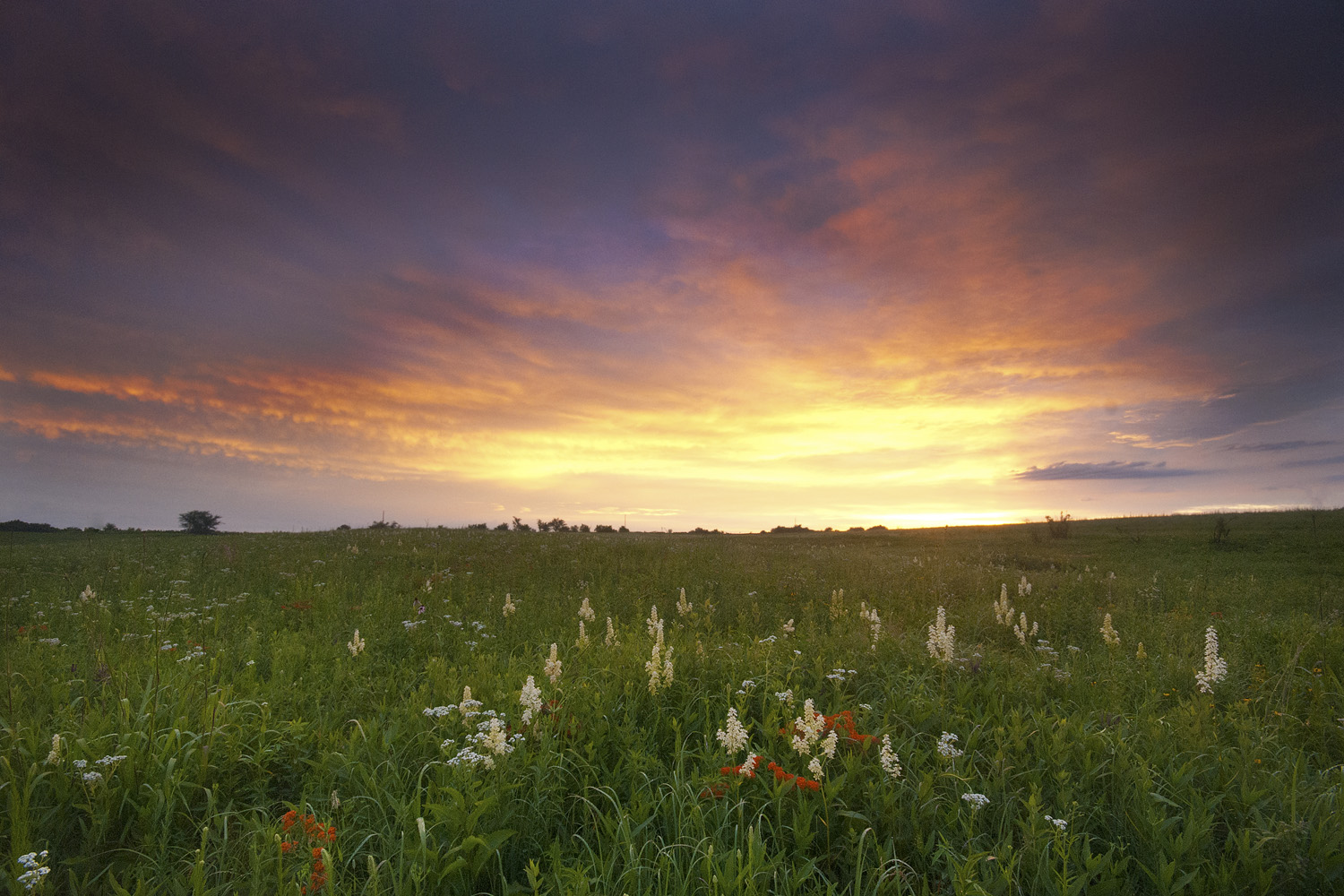
Helton Prairie Natural Area
Harrison County, Missouri

Savanna, another biome type, is usually tied to the prairie. This is the transitional biome between prairie and forest, and here you will find a mix of species from both. I have found that you can get good to great photographs on these lands, but because it does take work, you can develop photographic skills you can use elsewhere in the world. These can be difficult landscapes because of the open space
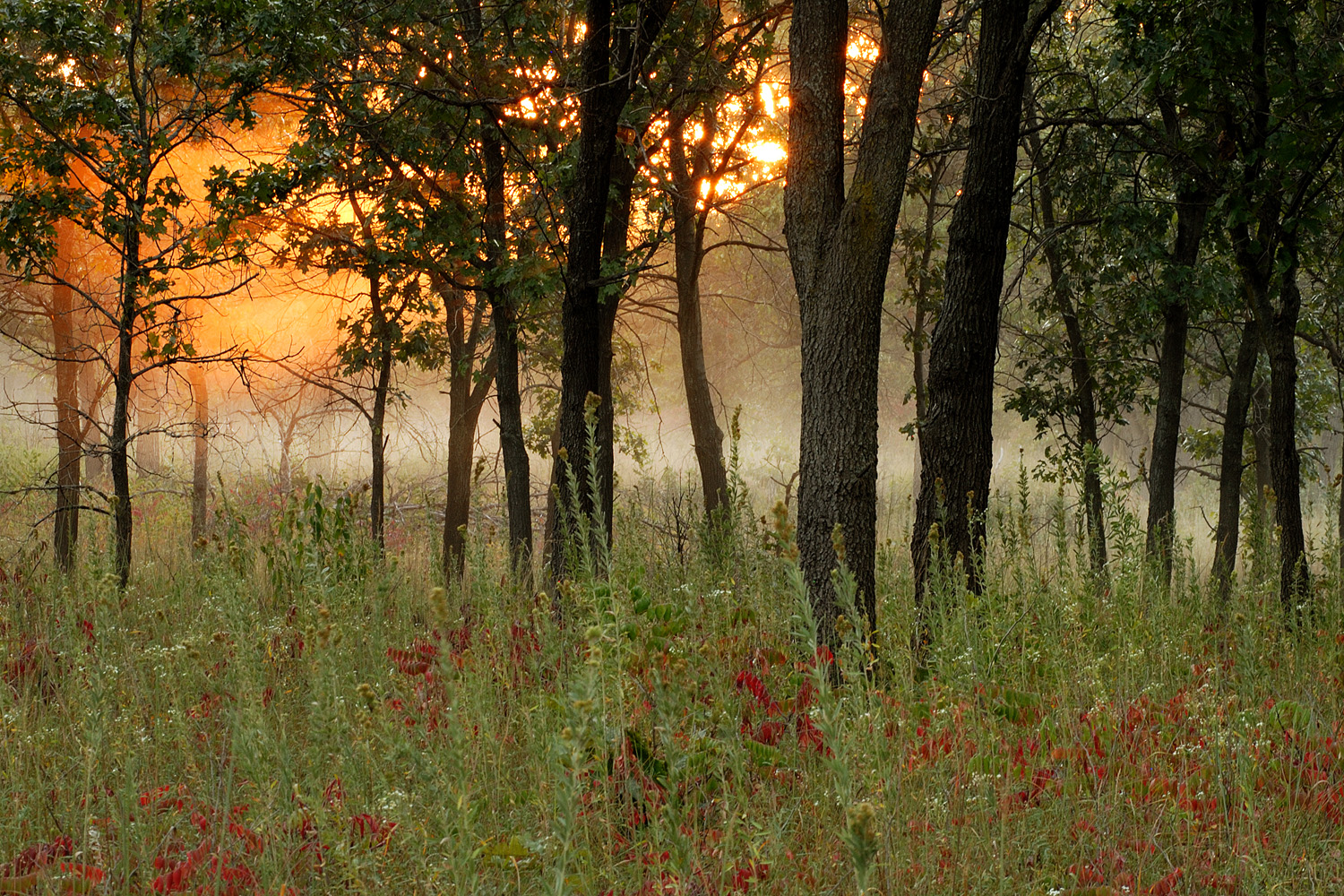
Kankakee Sands
Kankakee County, Illinois

There are also unique geological features found in this region. The Saint Francois Mountains in SE Missouri are extinct volcanoes and ancient lava flows. Most have been exposed for over one billion years. With its acid soils it make for great plant diversity. When a river or creek flows through one of the lava flows you have what Missouri calls a shut-in (water is restricted or shut-in to a narrower passage due to the slow-to-erode nature of the underlying granite). These are extremely attractive to photograph in all seasons. Unfortunately, some of the more attractive ones are well visited. So unless you’re early or late in the day you may find yourself in large crowds. These are not tall mountains, being eroded for eons, but this is still mountainous country.
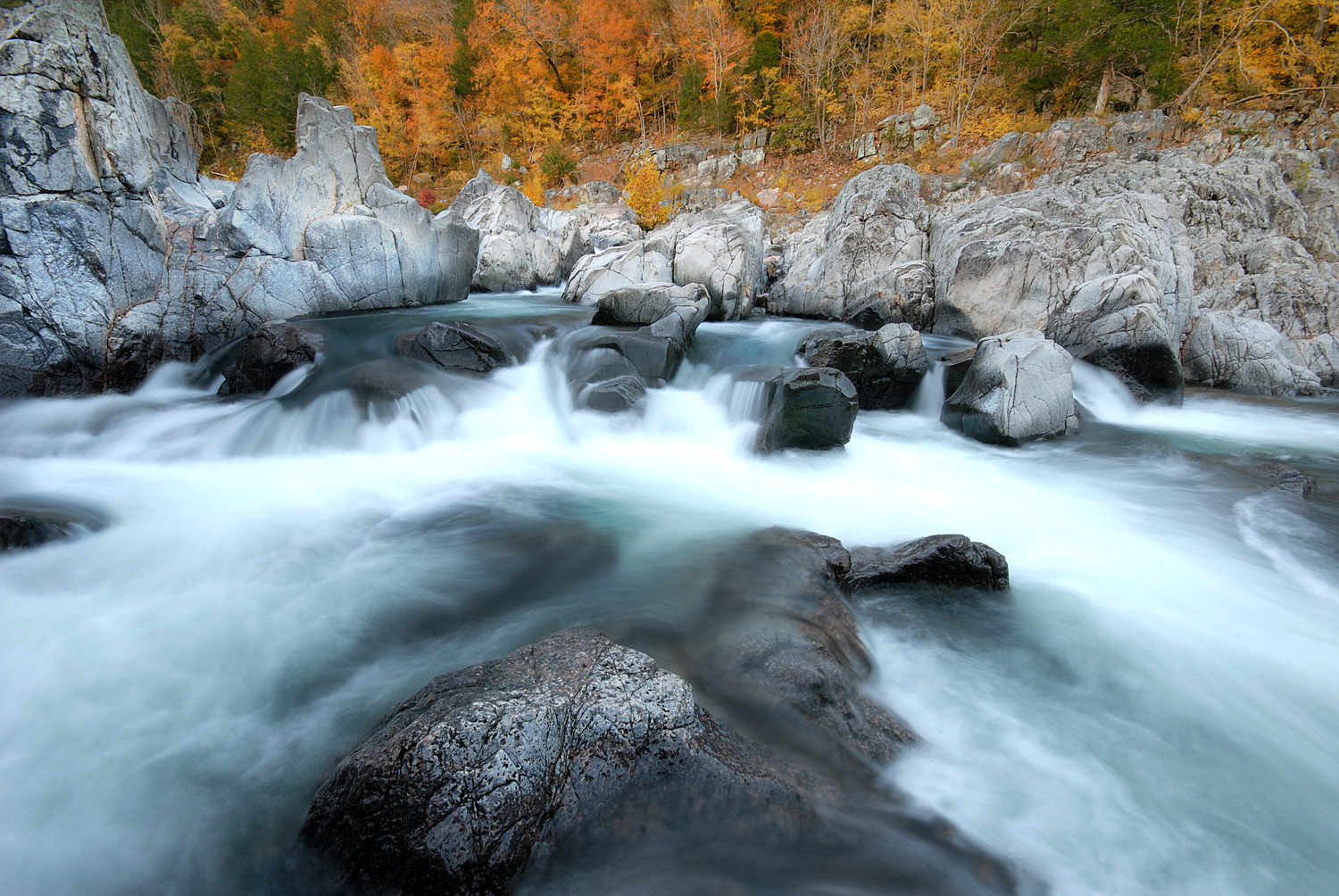
Johnson’s Shut-Ins State Park
Reynold’s County, Missouri

In southern Missouri there is also a unique set of monadnocks, an example being Caney Mountain Conservation Area – a remote area was once one of the last bastions for deer and turkey in the eastern USA.
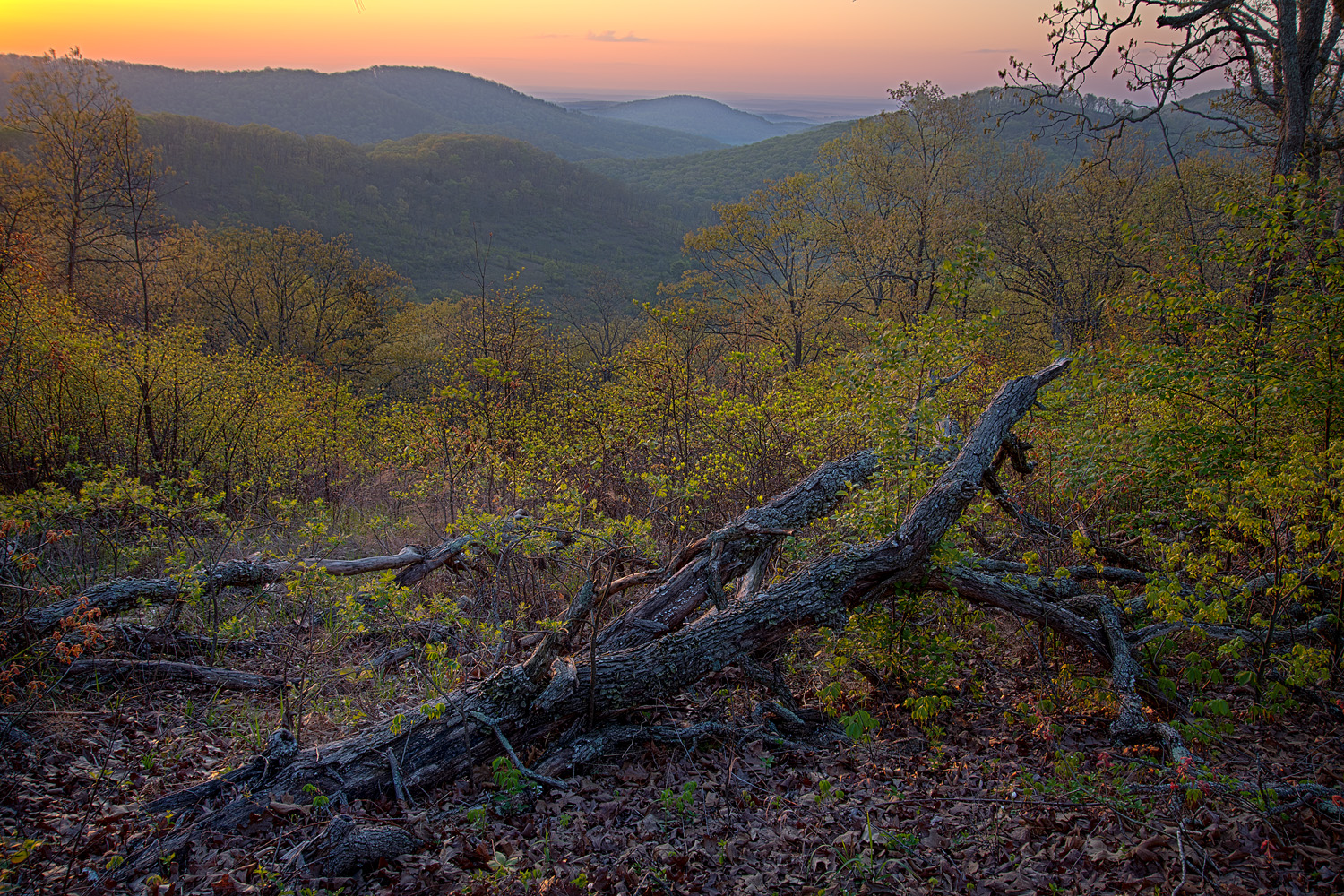
Caney Mountain Conservation Area
Ozark County, Missouri

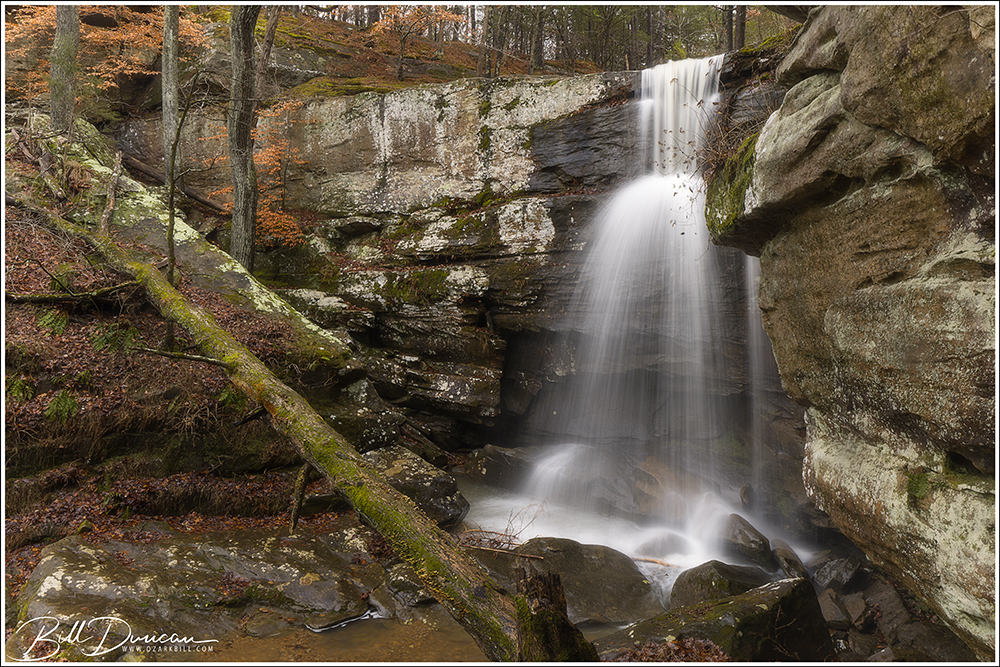
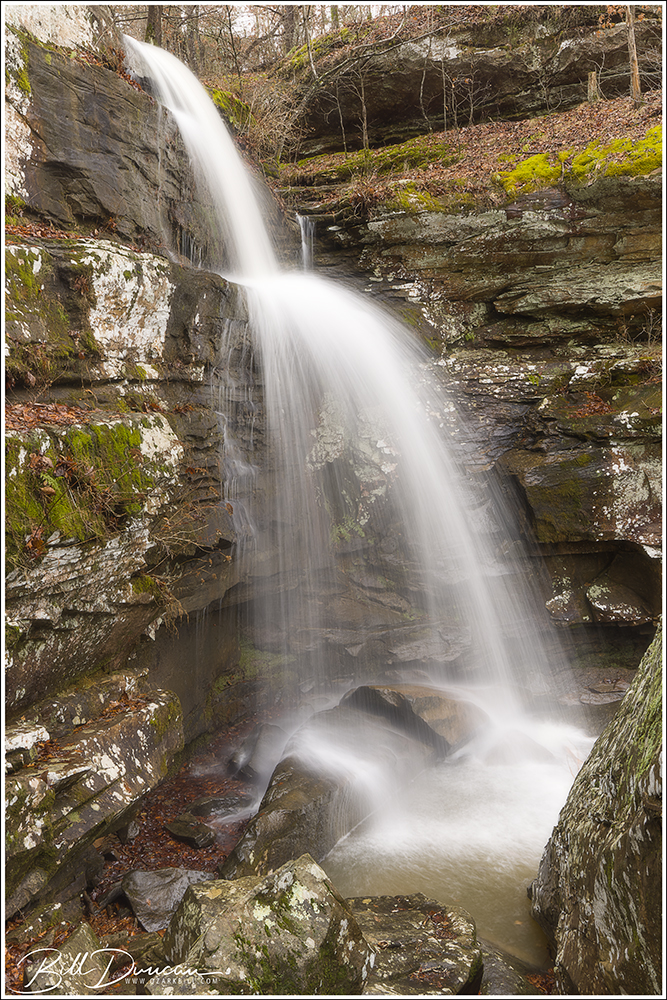
In southern Illinois the Shawnee National Forest with its limestone and sandstone escarpments (Greater and Lesser Shawnee Hills and Ozarks) can make for nice areas to explore photographically. Garden of the Gods is very scenic. Wet weather waterfalls are abundant (yes, Illinois is not flat here). La Rue Pine Hills ecological area not only has tall limestone bluffs. Below them is one of the most floristically rich areas in the Midwest with over 1200+ plant species. According to Robert Mohlenbrock, an authority on the flora of Illinois, the Shawnee NF is more diverse than the Great Smokey Mountains National Park. The area south of the Shawnee Hills also has some of the best southern swamps remaining in North America.
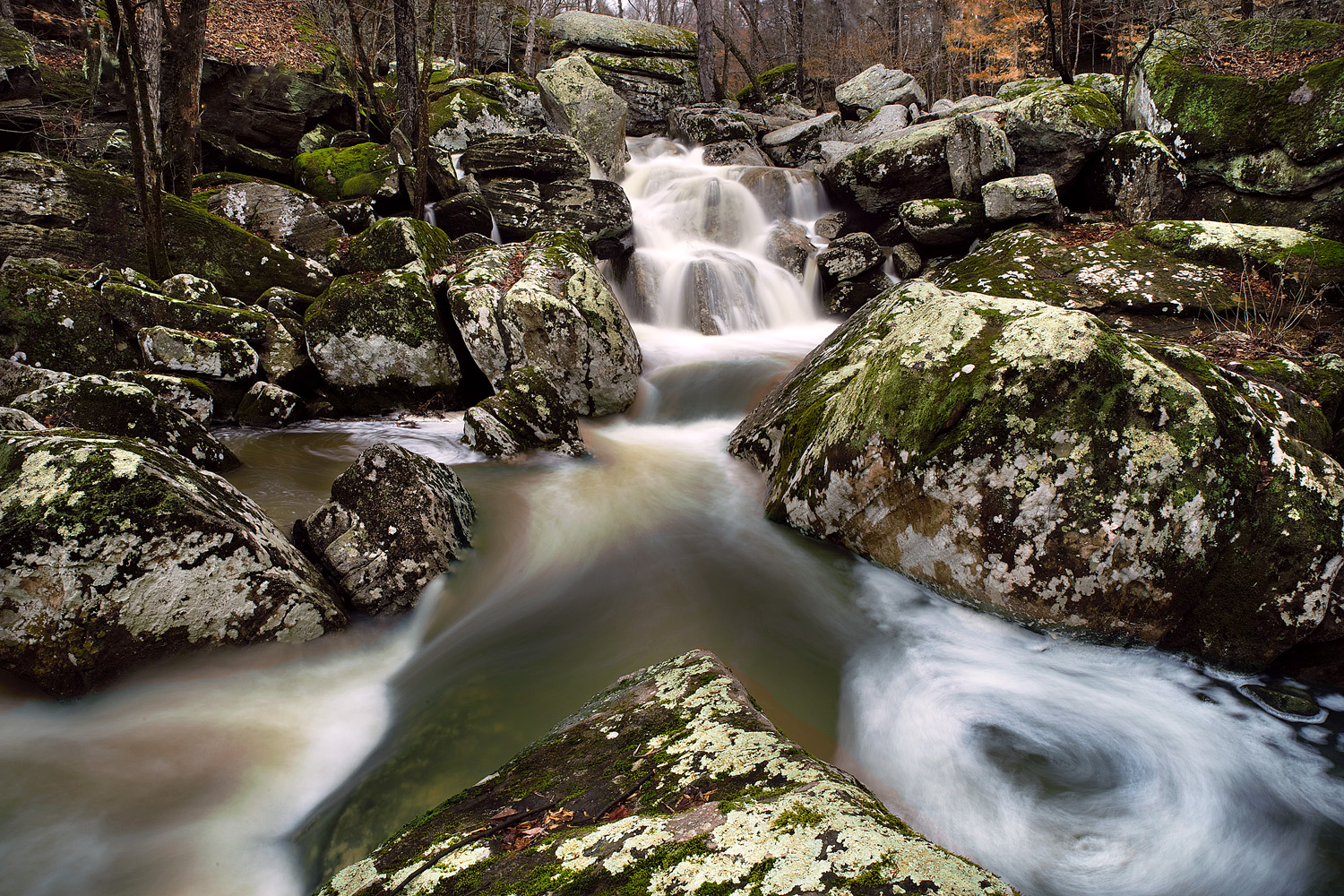
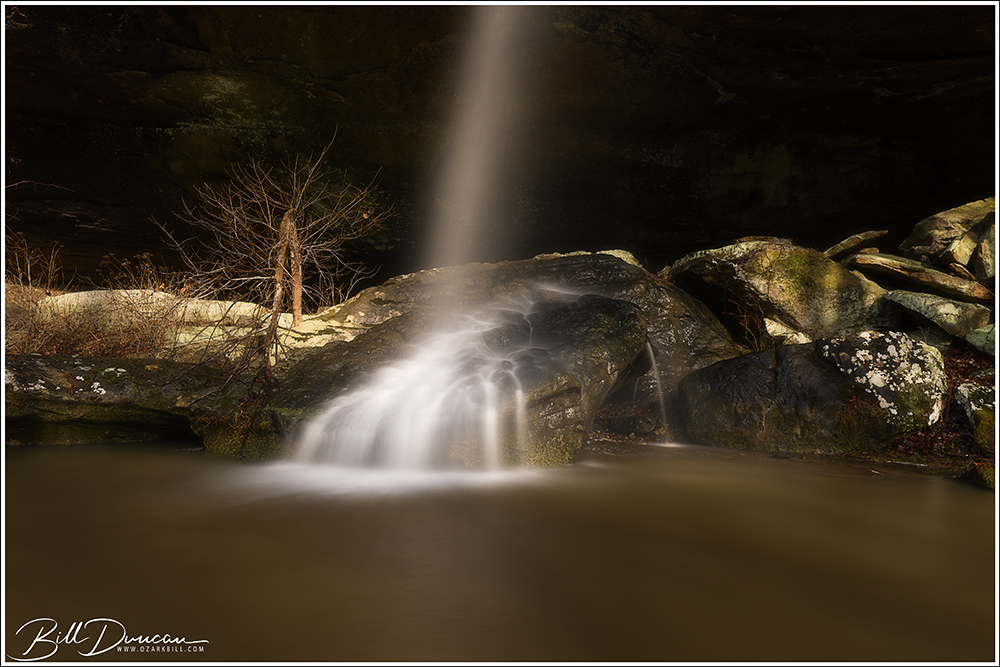
Ghost Dance Falls
Shawnee National Forest, Illinois

Along the west coast of Iowa and NW Missouri is another unique landform. The Loess Hills made up of windblown dust (loess soil) from the last glaciation. These type of hills are found only in three locations in the world and this being the only one in North America. The plants and animals found here are similar to those found nearly 100 miles west in Kansas and Nebraska. This is another type of tallgrass prairie with disjunct populations of mixed grass prairie species.
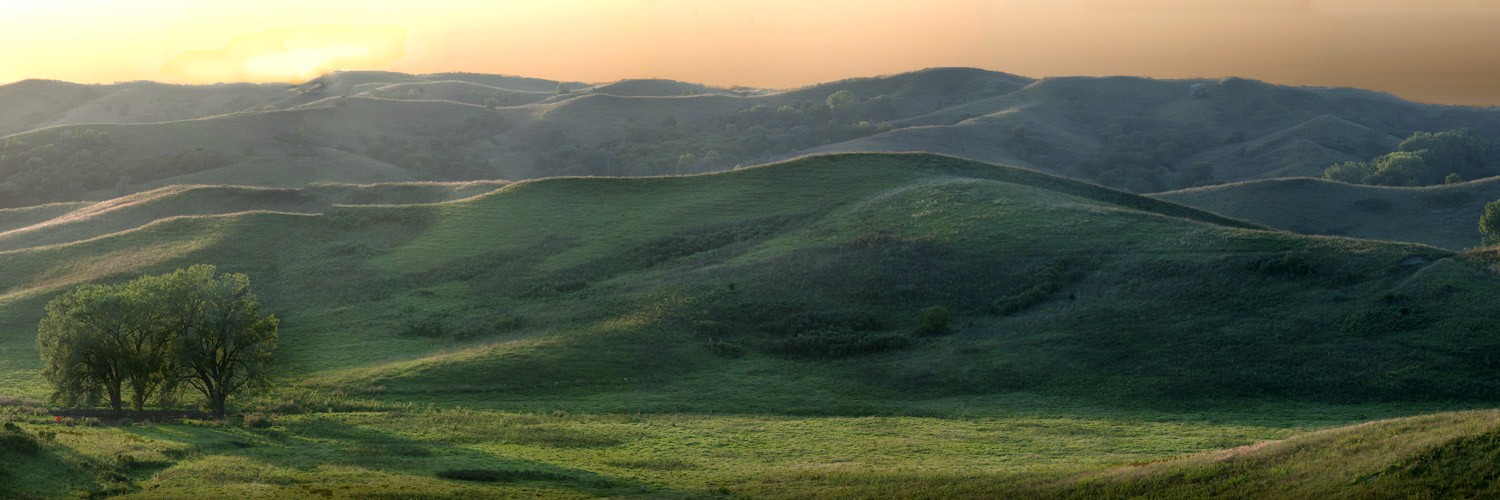
Broken Kettle Grasslands Preserve
Plymouth County, Iowa

Forest covers the southern one-third of Missouri and the Shawnee NF in Illinois. Spring and autumn bring many landscape opportunities especially along the rivers and other water features. Wildflowers abound here through the growing seasons in the forest and in the spring and on rocky glades (opening between the woodlands) throughout the growing season. These are some of the more diverse forests in the country, with several species restricted to the Ozark Plateau. This is also a world class birding area.
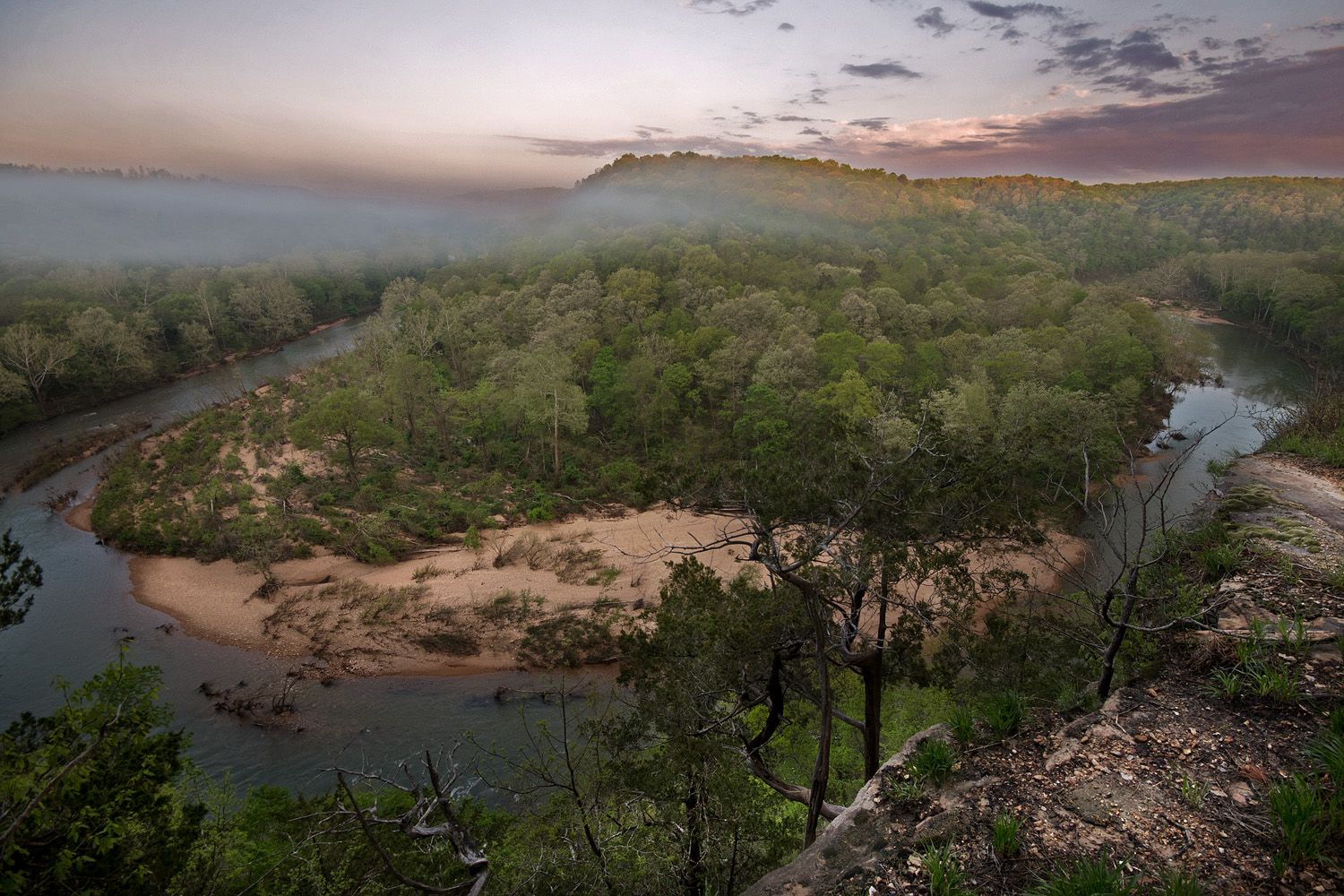
Chalk Bluff, Ozark Scenic Riverways
Shannon County, Missouri

Water features are abundant as stated prior. This is one feature that many areas in the country lack. Even in deep droughts, the larger springs still have plenty of output keeping many rivers flowing well deep into the autumn. Every 10 to 20 years there comes a drought where the biggest of rivers have levels that fall enough to be able to walk to some of the islands that are within them, allowing us to get images that might be harder to access without a boat.
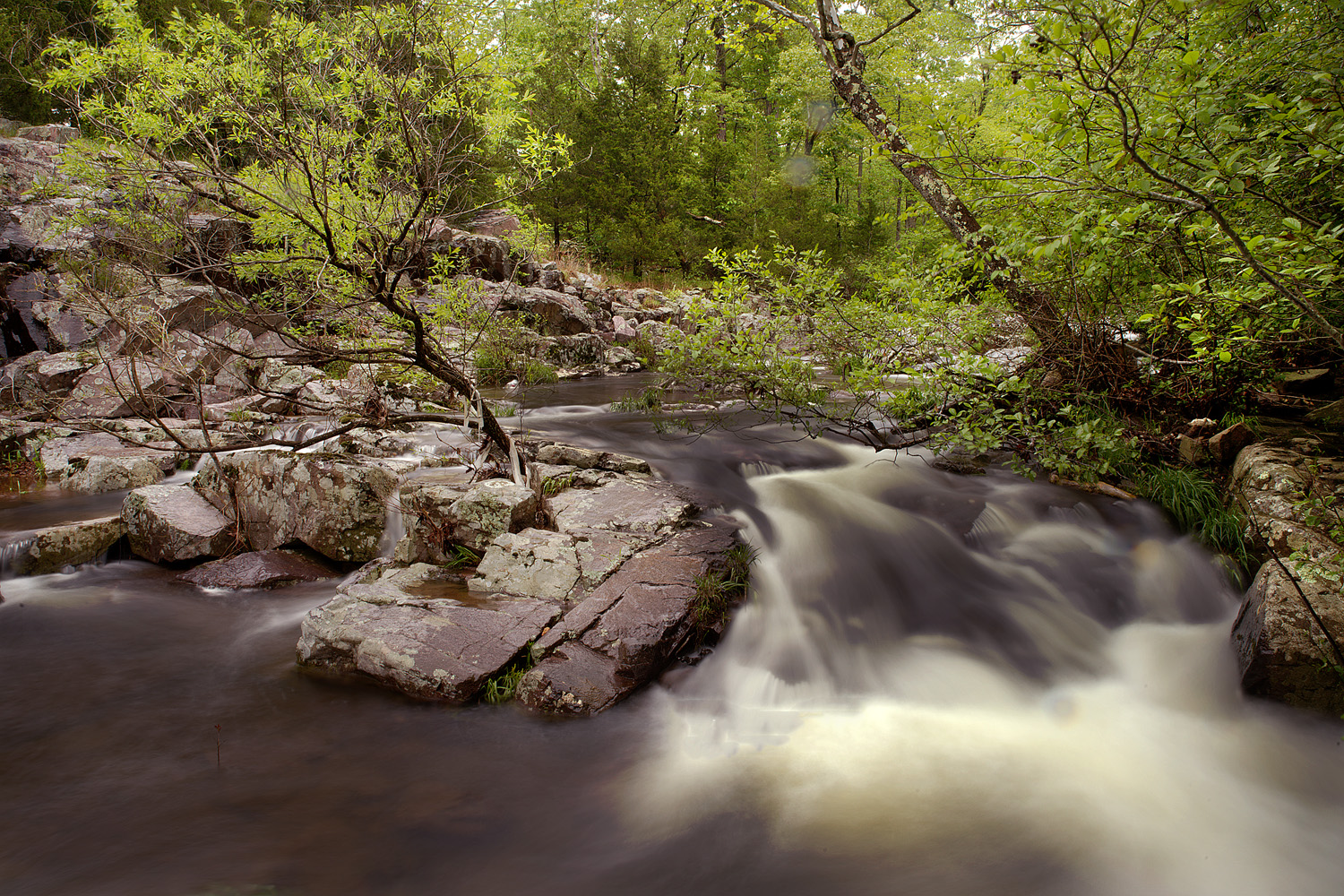
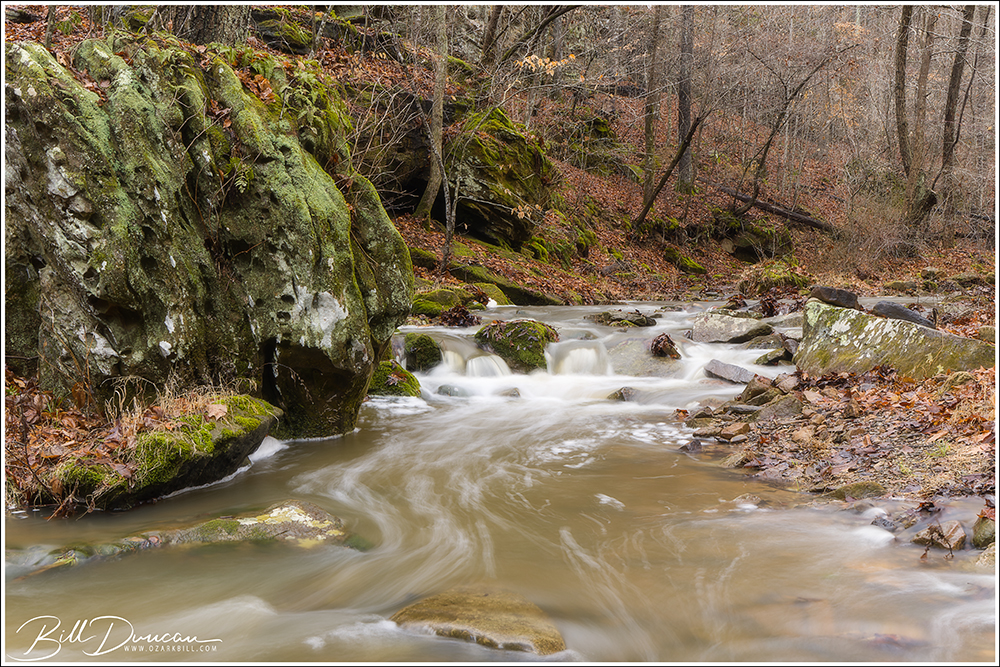
Carver Creek Shut-ins
Iron County, Missouri

I have spent many years studying and exploring these areas, through all four seasons. It is well worth the time to visit and explore.

Casey Galvin
May, 2023
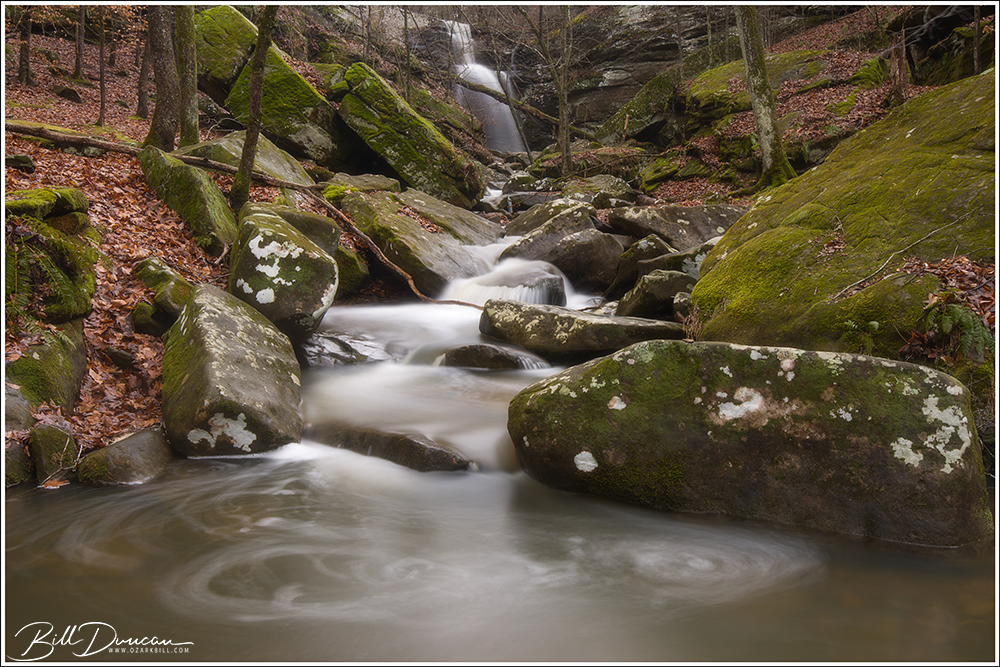
Chasing More Waterfalls in the Shawnee

Casey and I hit the roads and trails back in January looking for new waterfalls in the Shawnee Forest area of southern Illinois. January isn’t the prettiest time for waterfalls but finding them is often easier in the winter.

Burden Falls Wilderness Area

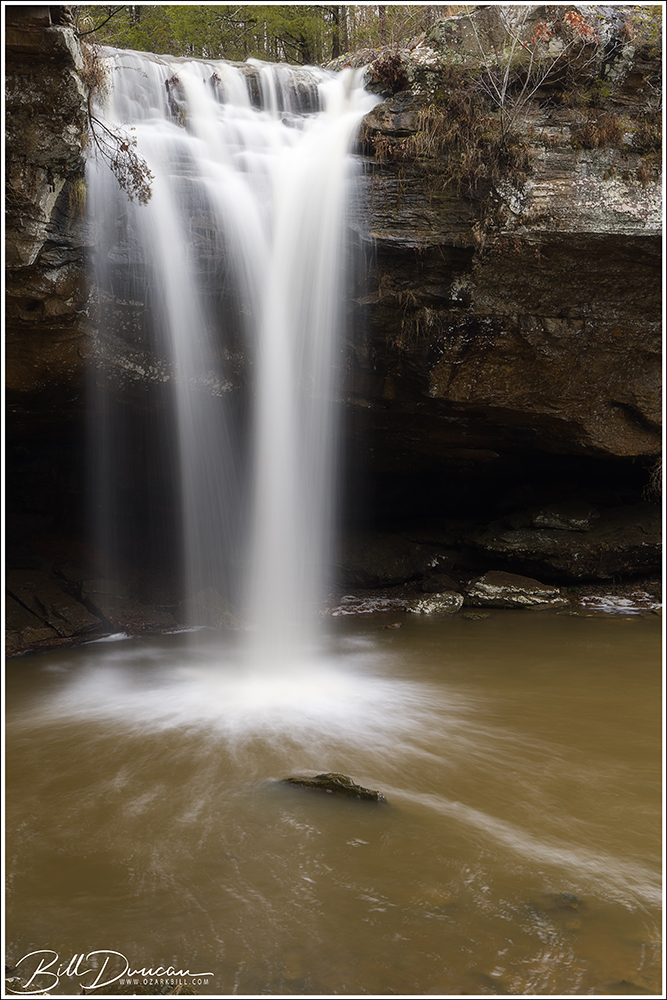
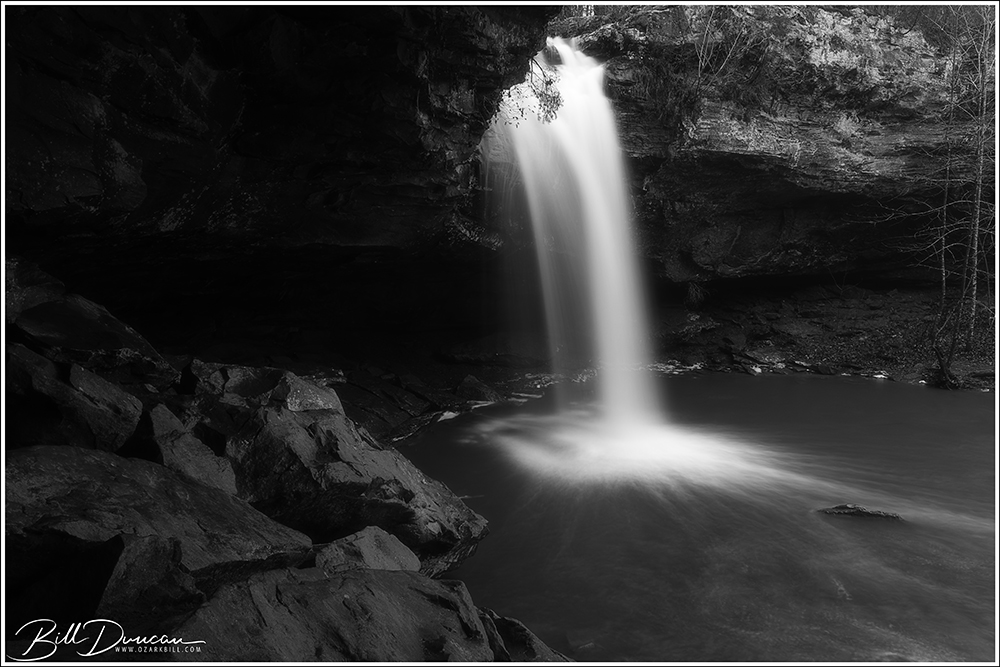
Up first is Burden Falls. Like most of the falls and features in the Shawnee, Burden only flows following significant rainfall. The amount of water flowing over the falls was not the highest it could be, but there was enough flow to be interesting. Here are a few more from this fantastic area.

Next up is Bork Falls.

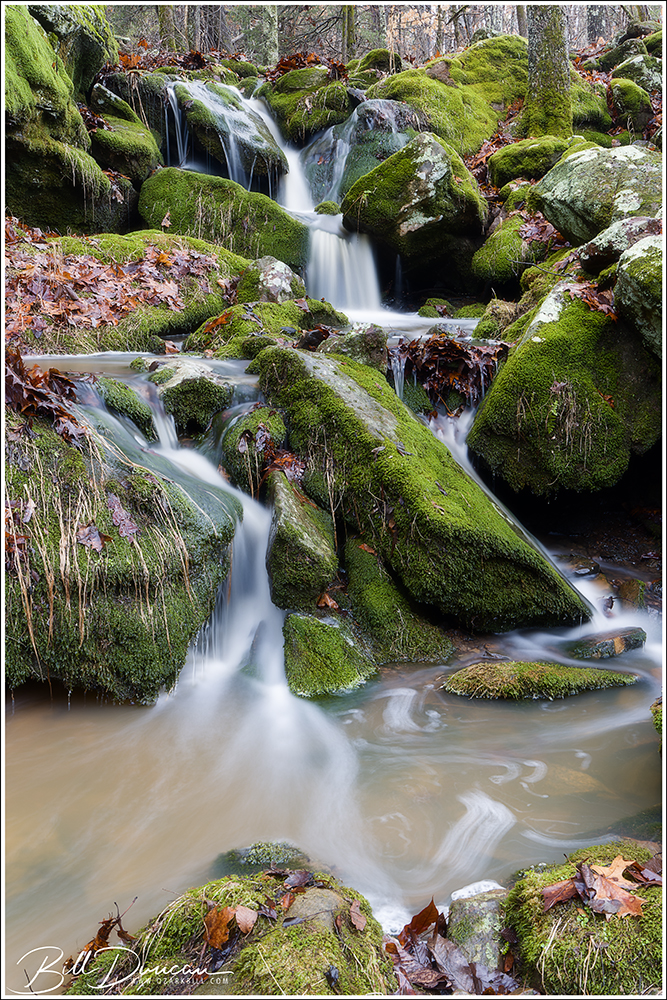
Happy Hollow Falls

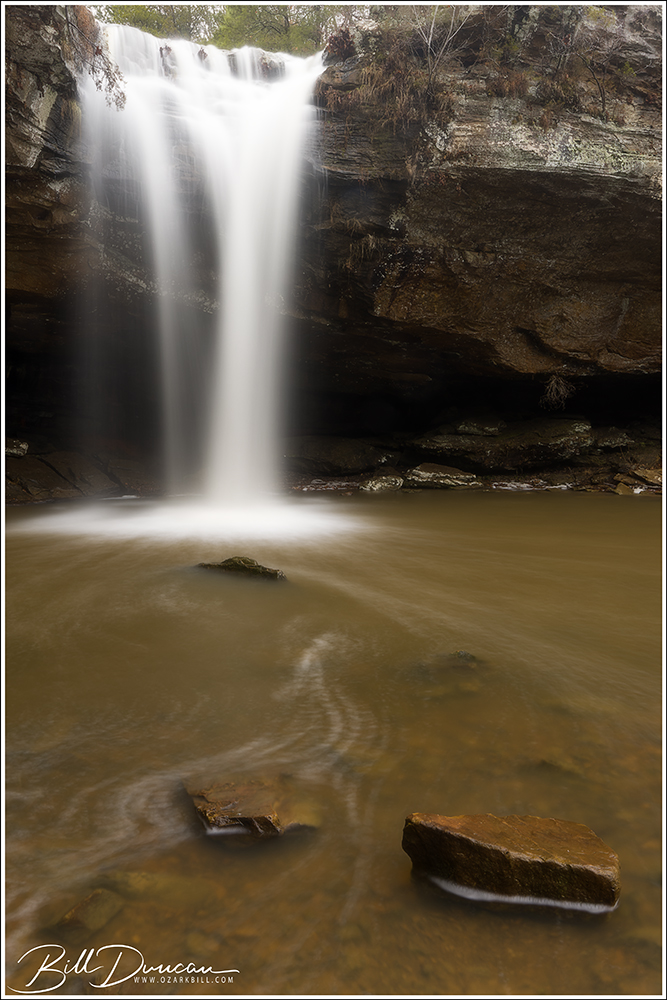
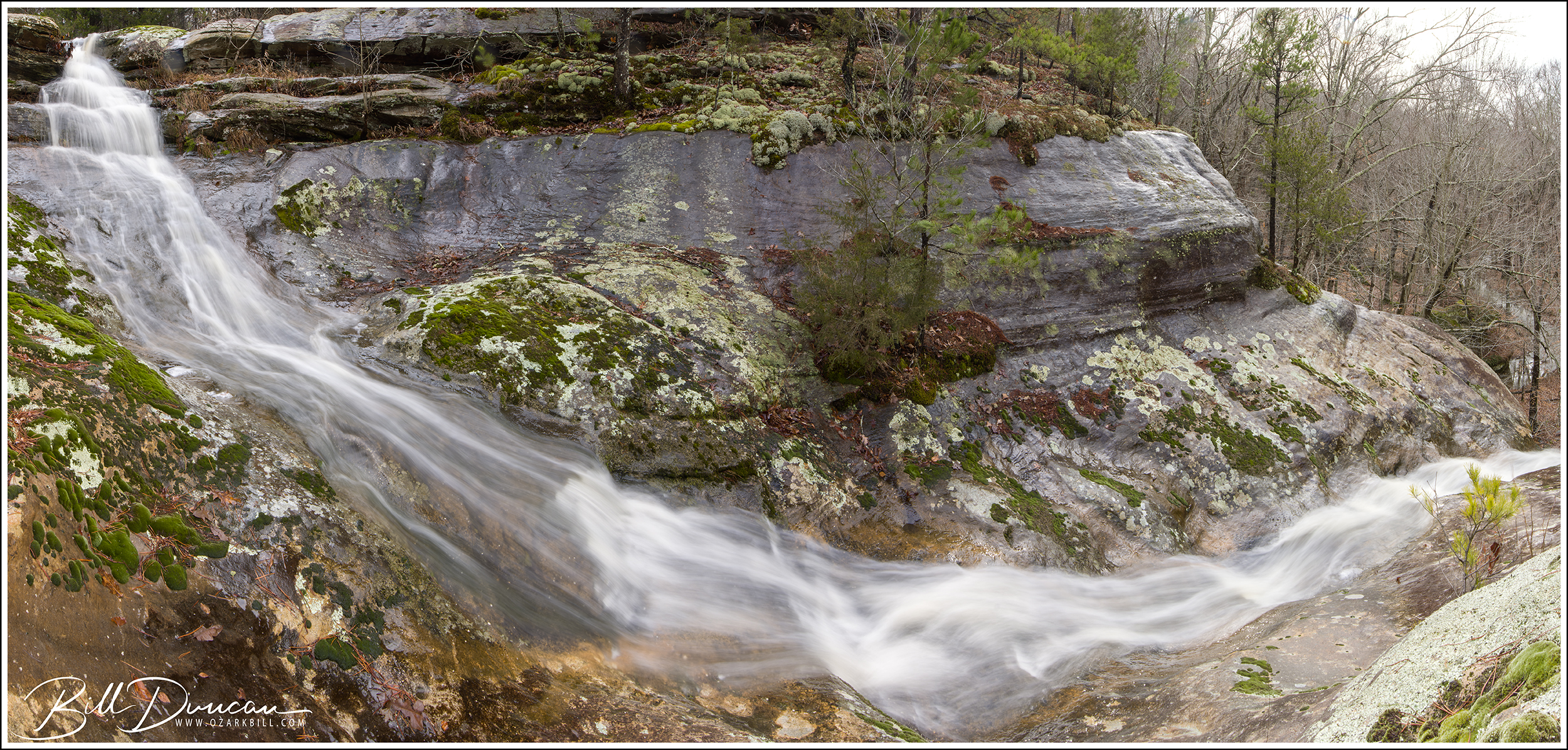
Last up is Jackson Hole Falls. This incredible two-stage set begins with a long slide that I captures in the panorama below. It then ends in an approximate 40′ drop.

Jackson Hole Falls – The Slide
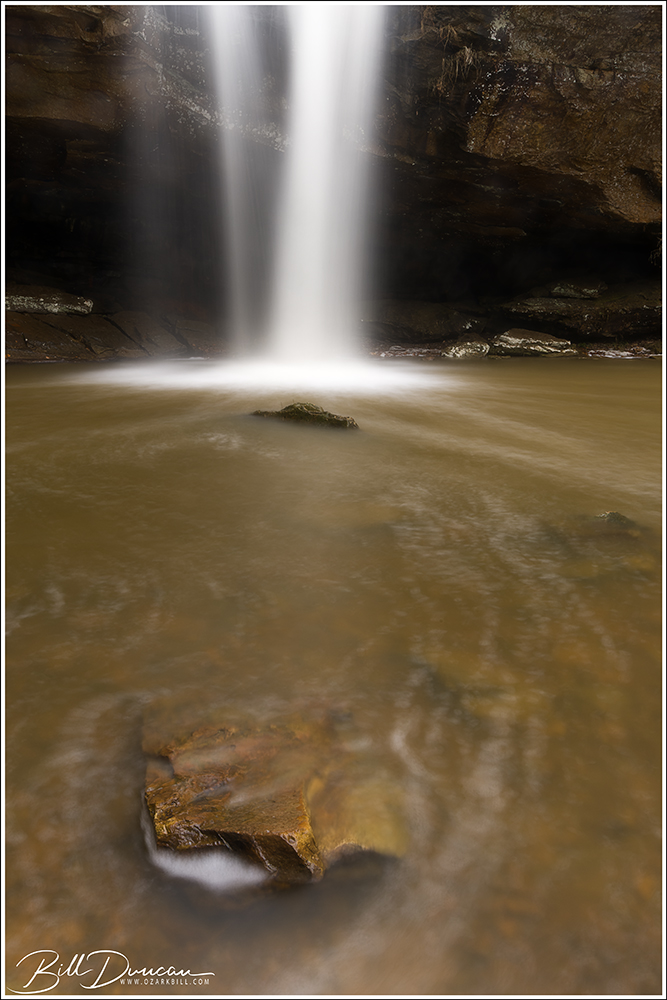
Jackson Hole Falls – The Plunge Pool

Autumn Photography in the Shawnee – 2022

The following images were taken during the WGNSS Nature Photography Group’s trip to Garden of the Gods (GOTG) and other locations this past April. This group is currently being led by Miguel Acosta. If you are interested in joining us for one of the group’s monthly outings, please see details at http://www.WGNSS.org!

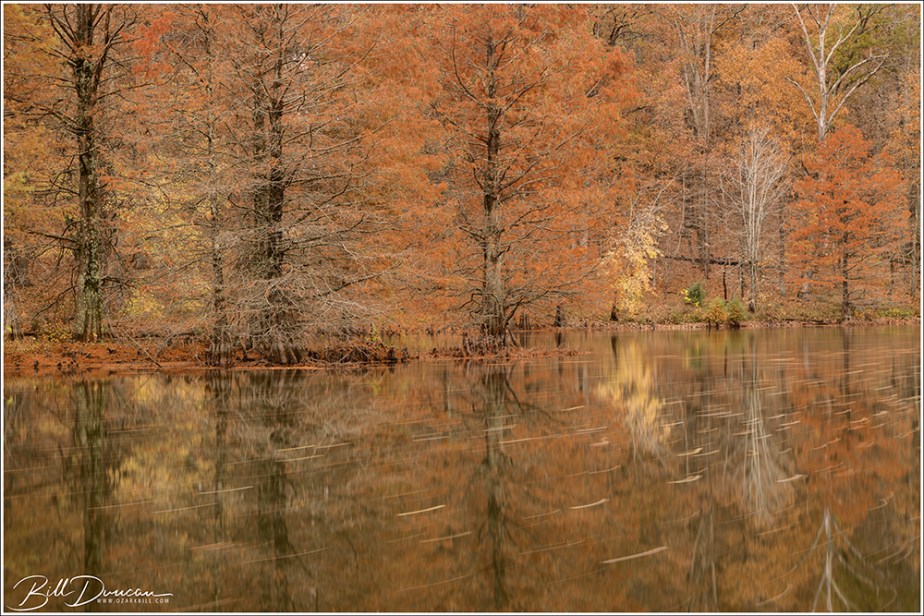
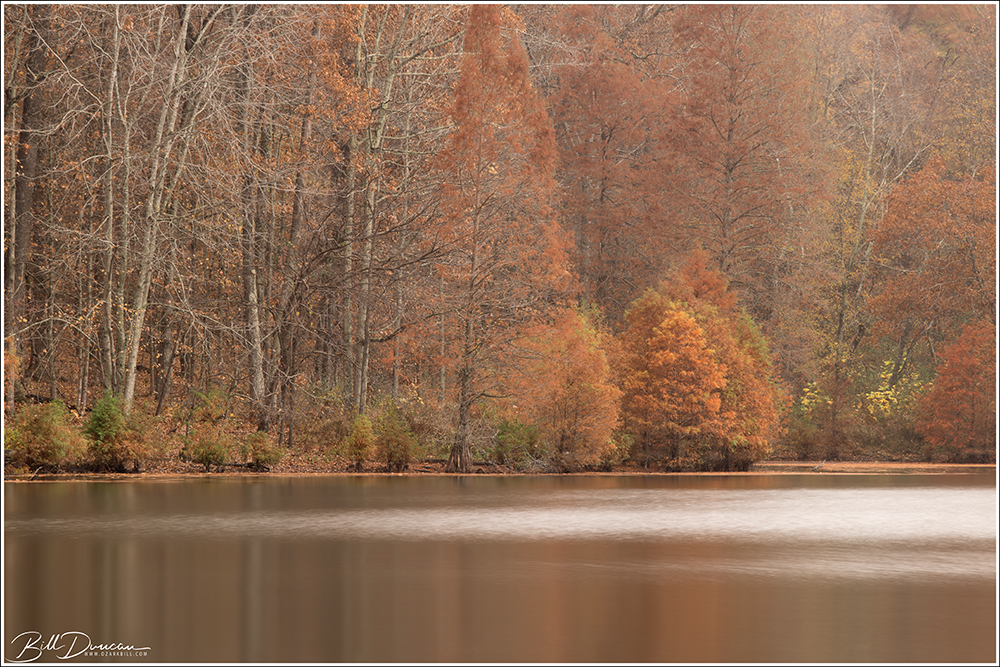
Late autumn colors on a mirror lake.

Many thanks to the photographers we met on the trail at Bell Smith Springs Wilderness who tipped us off to a spectacular mirror lake in the Shawnee. Miguel and I stopped at this location before heading back to St. Louis. The peak fall colors were obviously passed but this place screams potential and I hope to get there again next year. We had really nice conditions for this type of photography, with cloudy skies and winds which weren’t too bad. We could have found a few more compositions but the rains came and the winds got worse so we called it a day.

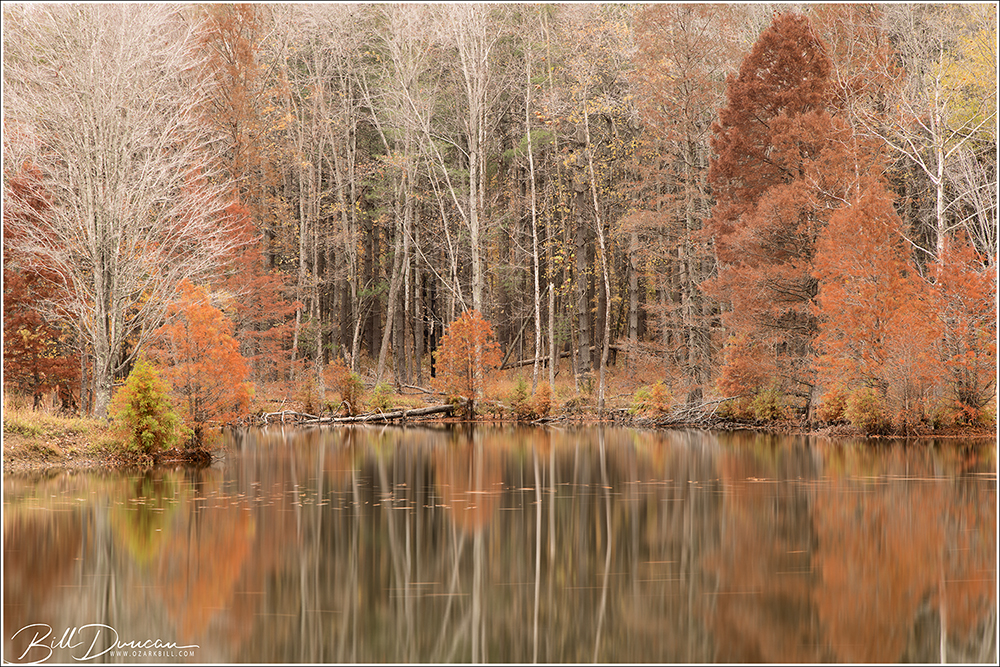
A different composition from the same scene as above.

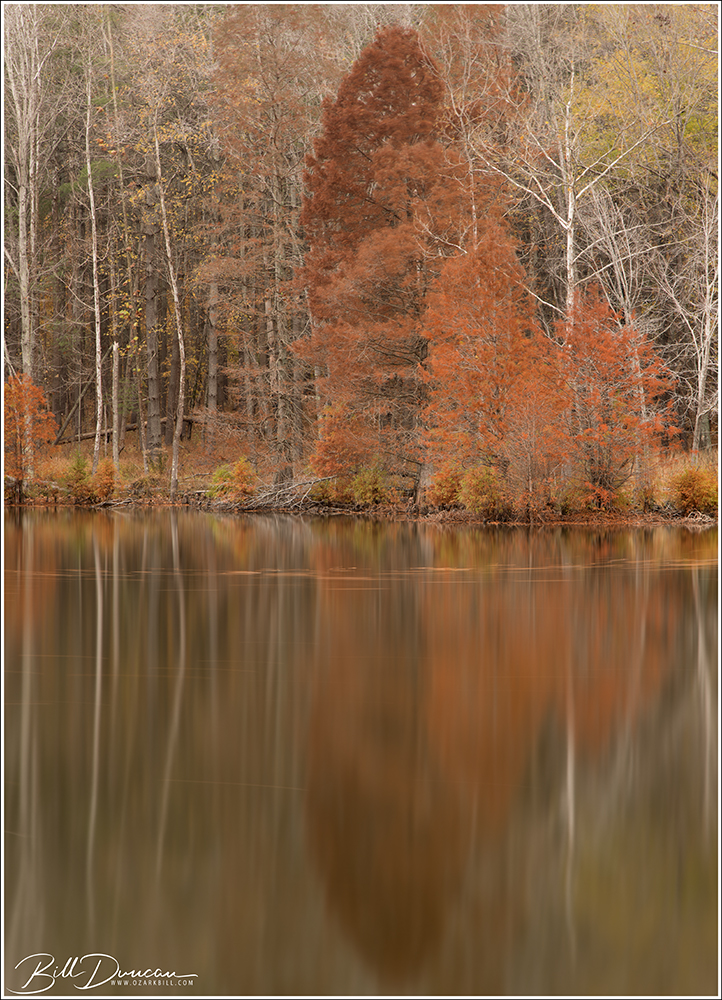
The waters here were not as calm as to be desired for our purposes, but using polarizer and neutral density filters allowed us to get long shutter speeds that helped to lessen the effects of any wind-blown ripples on the water’s surface. All images in this post from this location were taken with shutter speeds between 20 and 30 seconds.

A wind-blown mirror lake

In the photo above the wind was starting to move pretty quickly across the wider portion of the lake. Using a shutter speed of 30 seconds allows the ripples created to appear with a more painterly appearance.

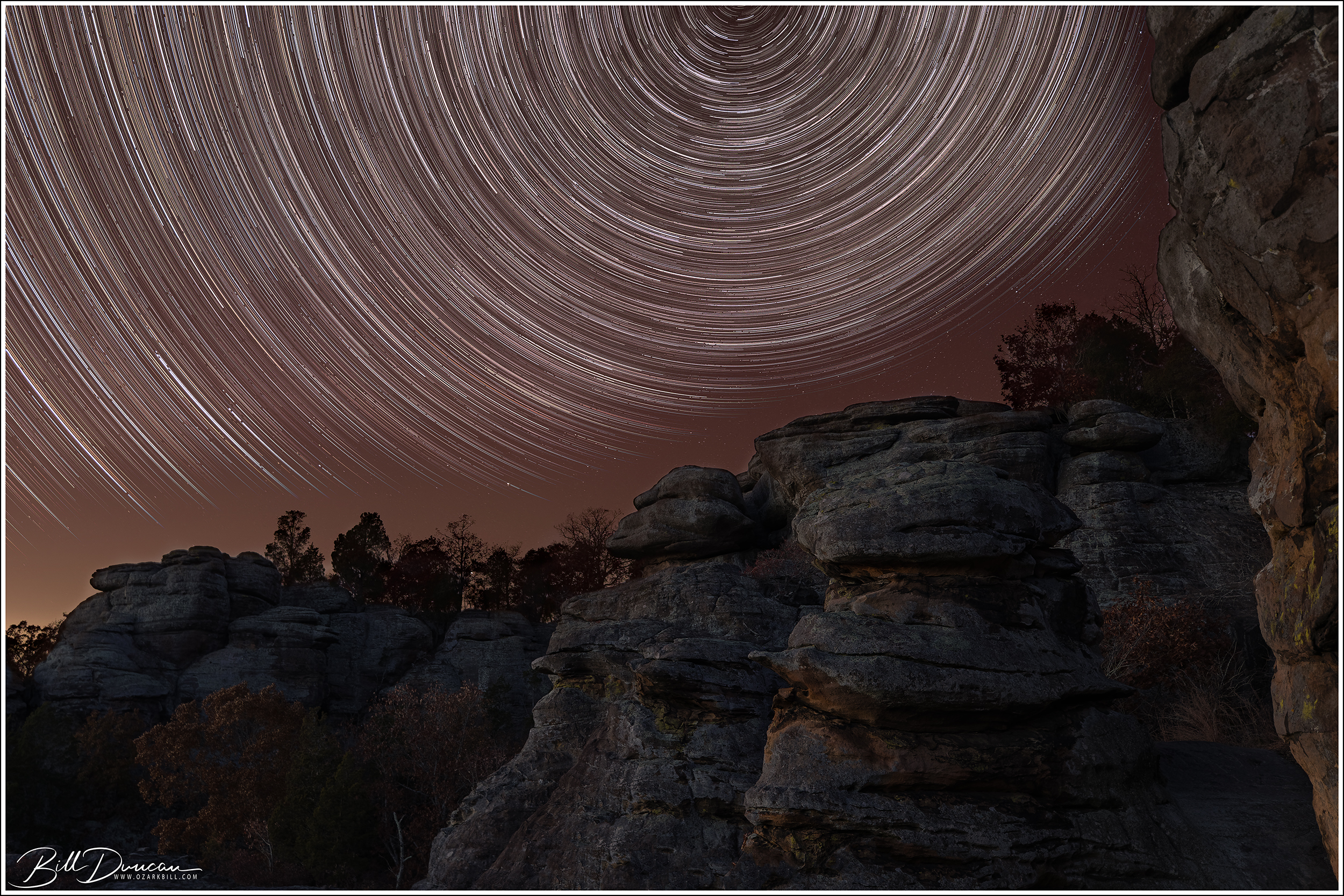
Monkey face with star trails

During this weekend trip, some of us enjoyed the camping experience while others chickened out and stayed at hotels or cabins. Similarly, some of us stayed late at GOTG to do a little astrophotography. Well, I should say that I stayed late. 😉 After my friends nabbed a couple of quick Milky Way images, they headed back to their air conditioned rooms and I was left by myself to work on the photo seen above. This photo was made by combining 213 30-second images in the computer to build the star trails with the iconic “monkey face” and other rock formations that GOTG is known for in the foreground.

This was a great weekend of friends, photography, hiking and camping.

Peregrine Falcons 2022 Season – Part 4

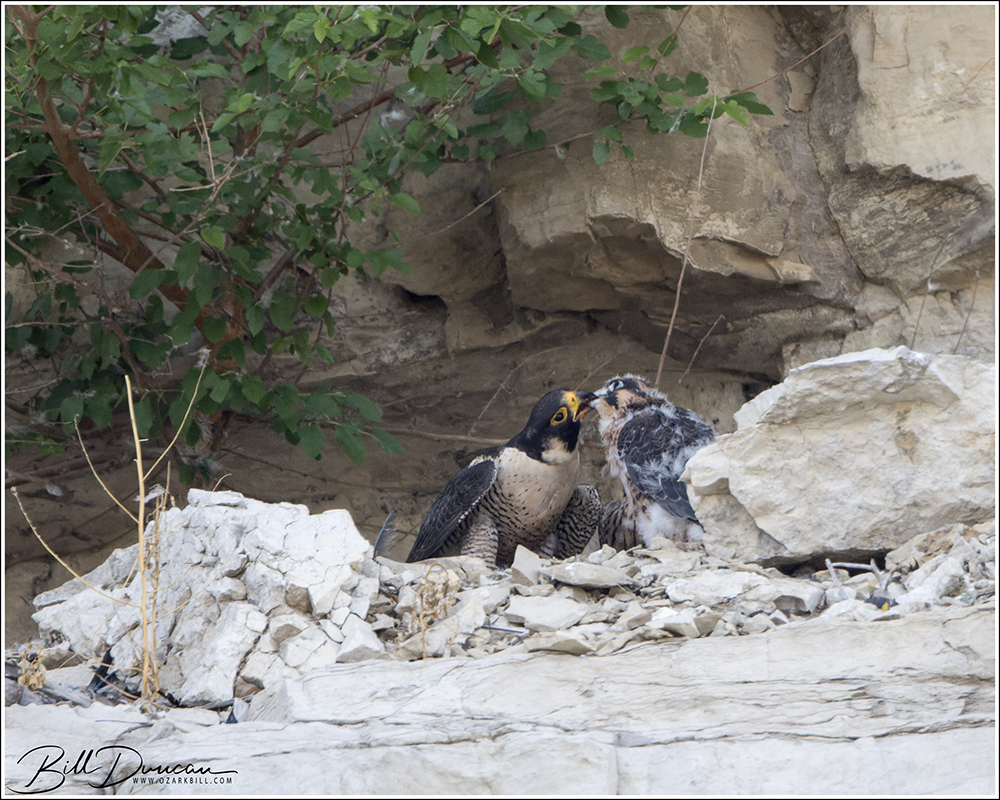
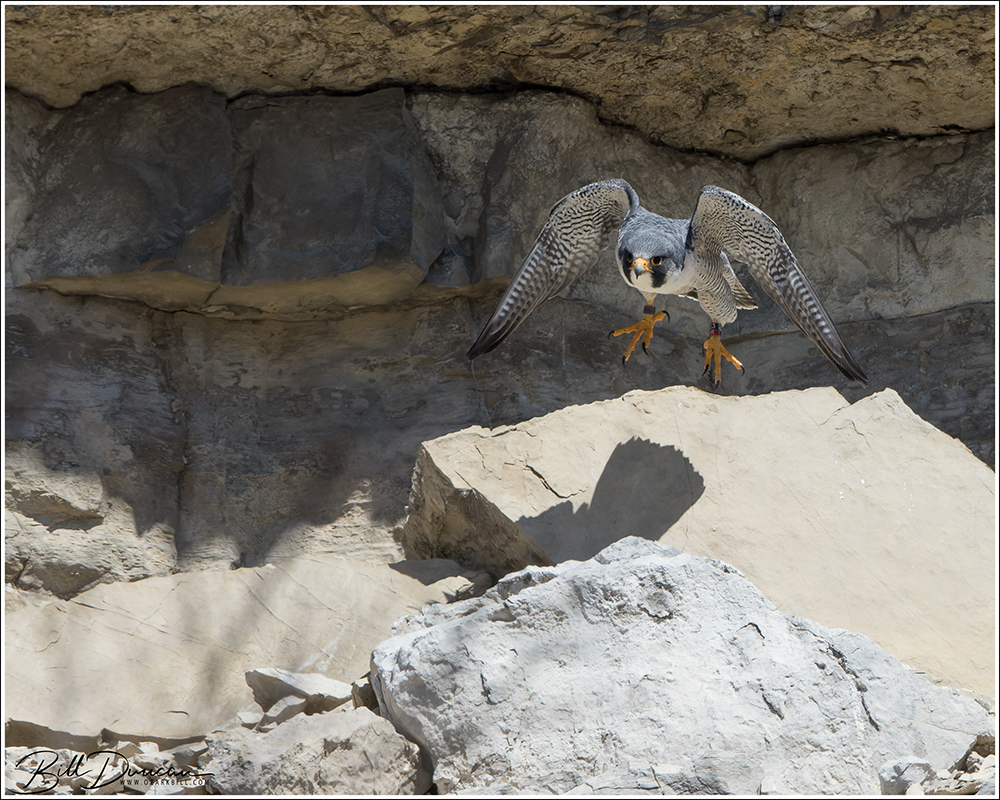
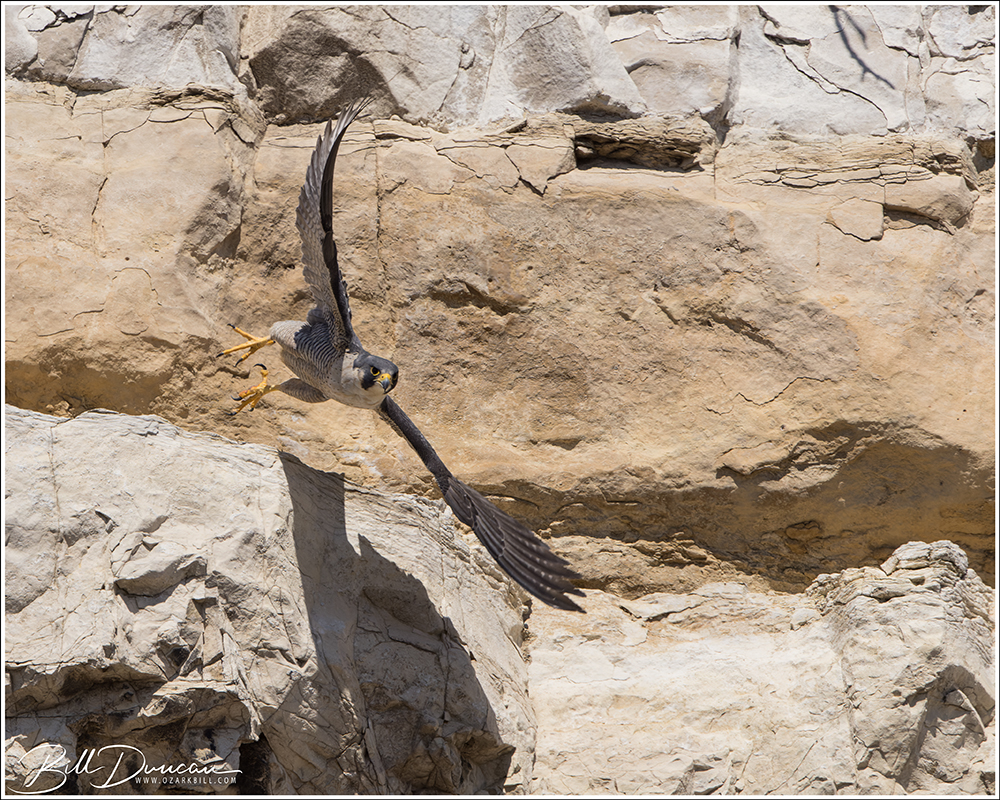
Unfortunately, the story of the family in this nesting season has an unfortunate, and uncertain ending. At least, I do not know the final outcome of everyone. In early June, we had heard that the father was struck and killed by a vehicle on the River Road, within a few hours after Miguel and I left for the day. Our next opportunity to visit was a few days later. This was devastating news, obviously. In this species, both parents are critical in providing for the chicks and ensuring the best chances of successfully raising the entire brood. Still, with mom being a great provider and at least one, or potentially two, chicks capable of flight, we had good hopes that she could finish raising 1-3 of the chicks successfully. Once fledged, the parents still need to provide for the chicks for another 6-8 weeks until they are capable hunters. It would be a long hard struggle, but we had high hopes she would do her best.

Then more unfortunate news found its way to us. Another male had moved into the territory. At first this seemed like it might be good news, potentially someone to help mom complete the job of raising the brood. But as time went on, he seemed to be getting very aggressive with both mom and the chicks. He thwarted the mother’s attempts at bringing in food and harassed the chicks relentlessly every time they took to the air. Miguel and I visited for a number of hours over a few day period during this time and the number of successful feedings we observed were pitifully few – seemingly not enough for the chicks to complete their growth and perhaps move with mom to a different territory. We ended our observations around this time. I have heard through second hand accounts that mom was seen with two or three chicks flying away from the territory, so maybe there was a happy ending but I do not know.

Peregrine Falcons 2022 Season – Part 3

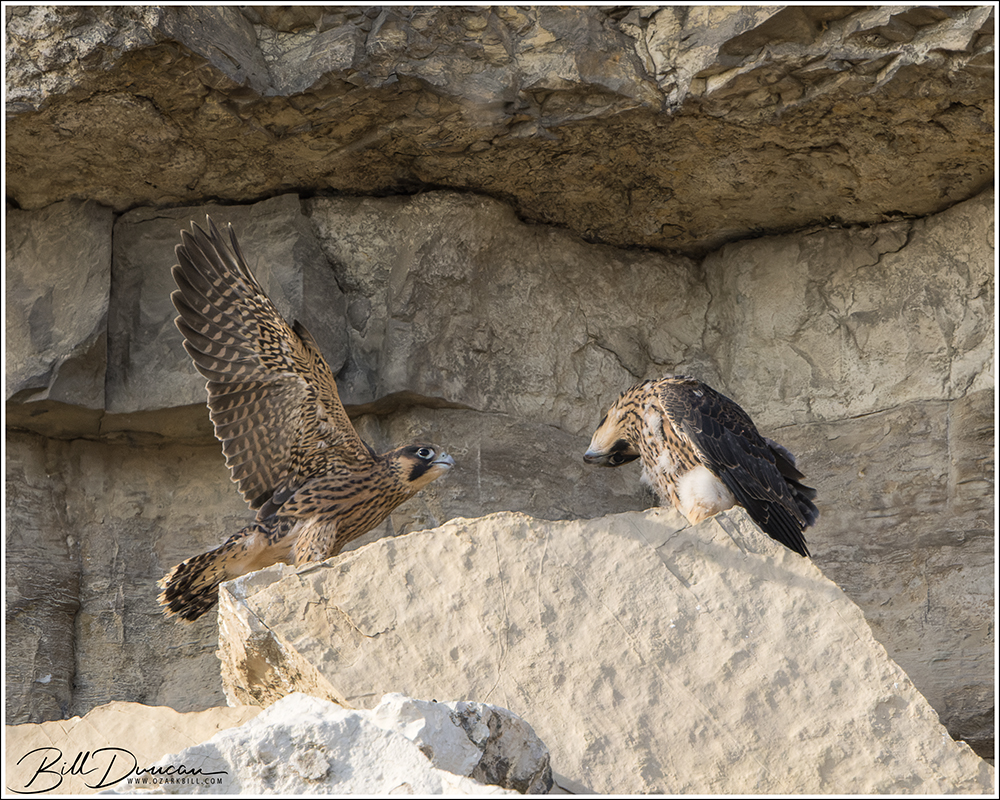
In this post, mom continues to provision the chicks with freshly caught birds. The chicks are beginning to try out their wings and are on the verge of fledging.

Peregrine Falcons 2022 Season – Part 2

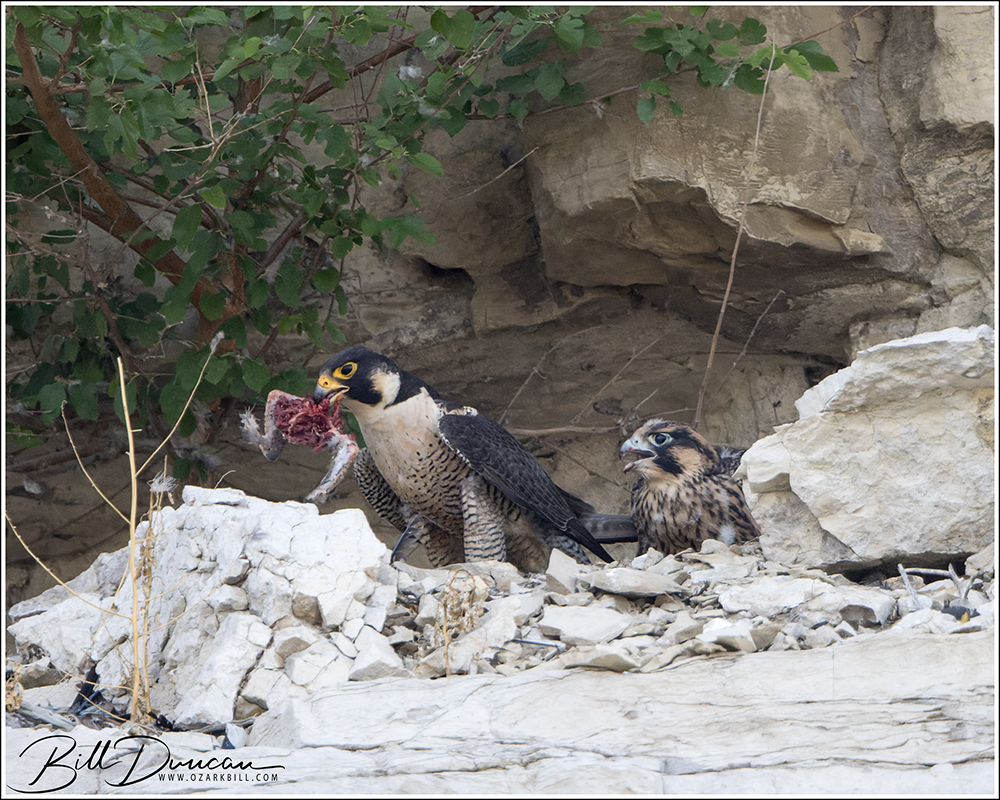
Unfortunately, we didn’t have an opportunity to get back to the nest site until late May. When we returned, we found the parents were busy raising four already good-sized chicks. The photography was challenging. We had to contend with the too-speedy traffic of the river road that lied between us and the bluff face where the nest was located and the heat distortion that this blacktop created. There is also the issue of trying to photograph the fastest vertebrate on the planet.

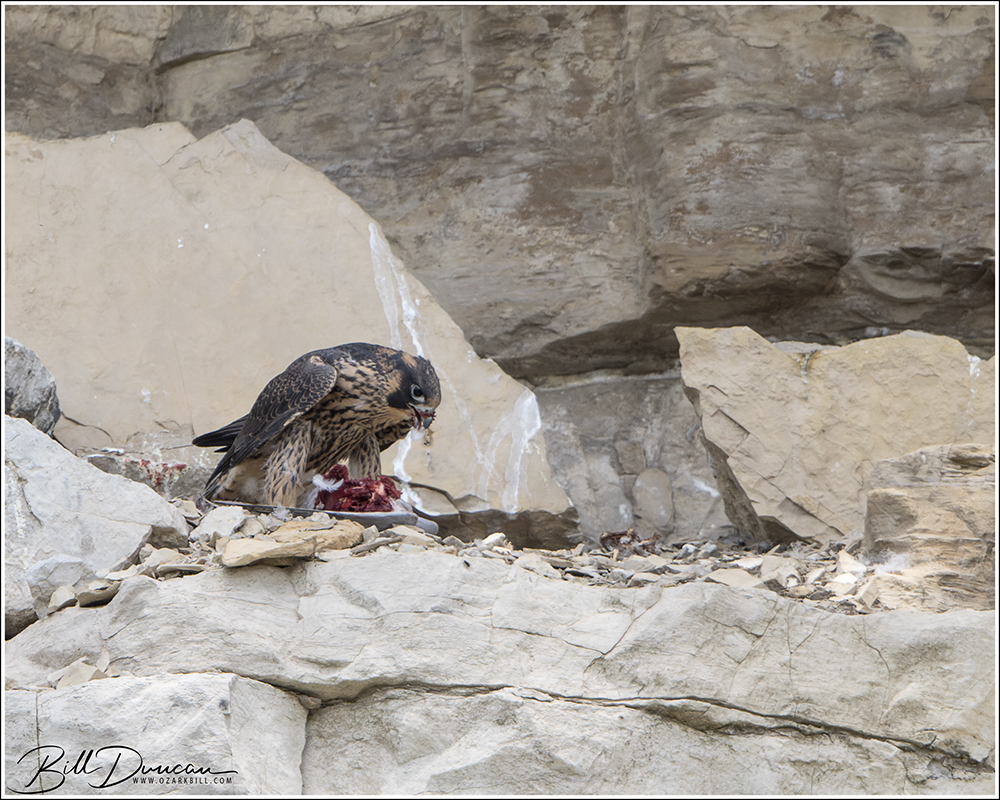
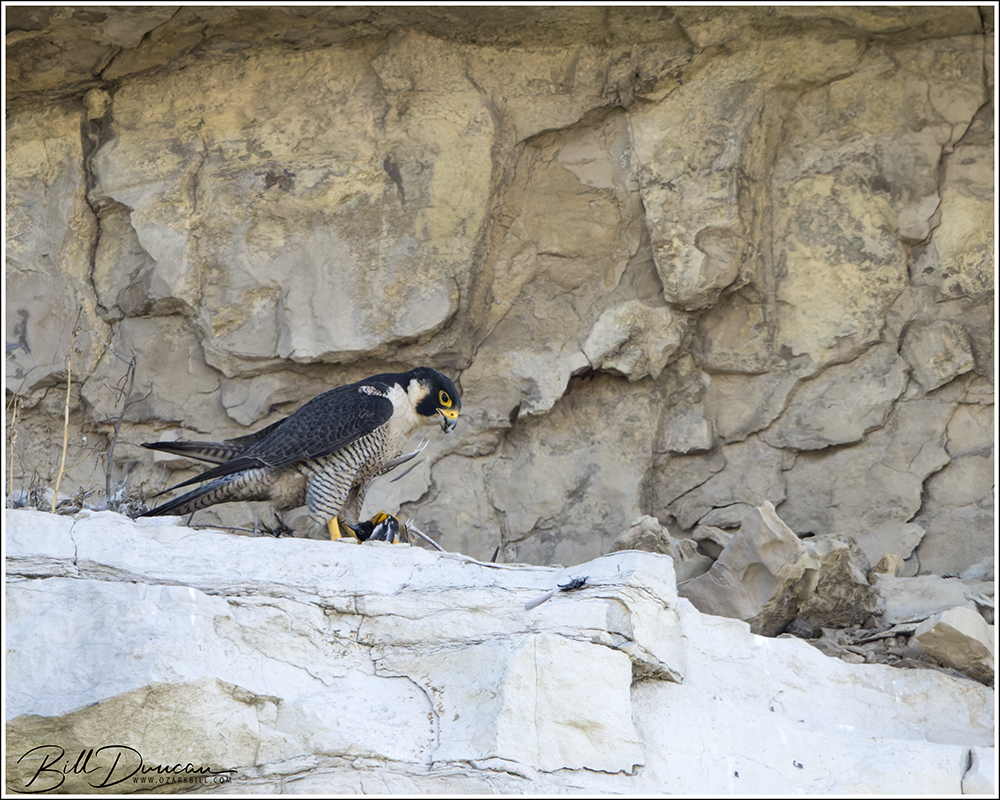
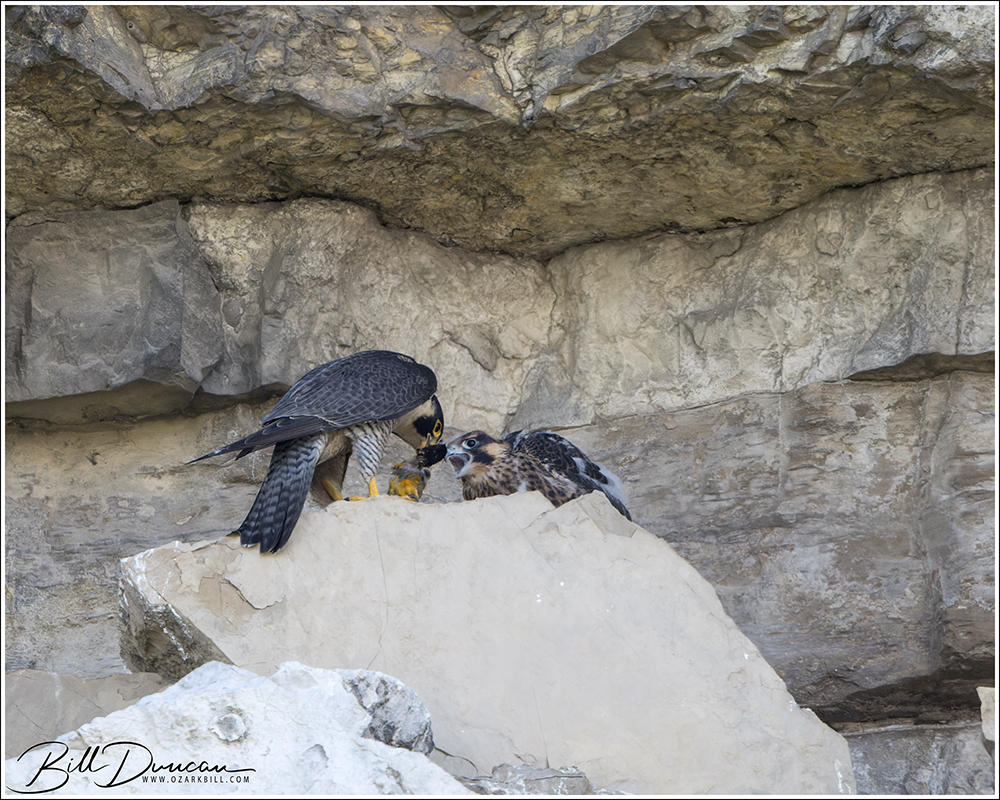
Most often mom would take responsibility of feeding the chicks directly. Dad was primarily the hunter and would drop off prey. Here dad takes some time to piece the prey and feed it to the hungry chicks.
Dad brings a Baltimore Oriole (future Peregrine Falcon) back to the nest.
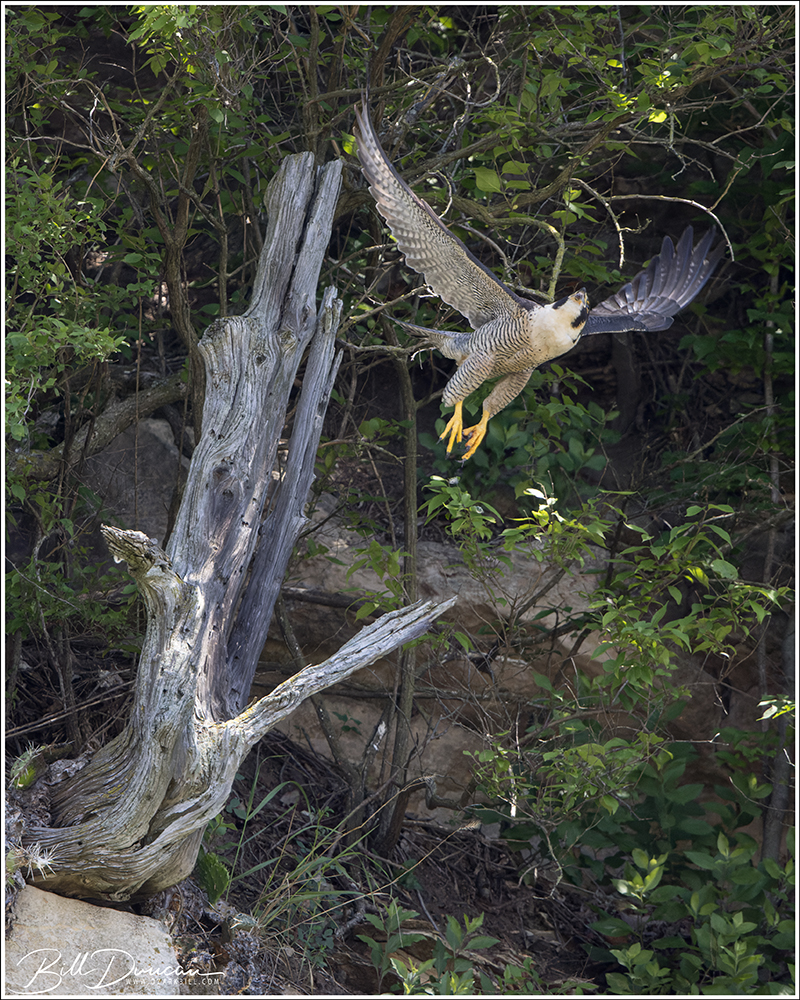
As typically done, dad would bring the prey back to a spot along the bluff and call for mom. Here mom has just picked up the Oriole and will take the bird to a new spot for processing.
Mom removes feathers from the prey bird on a bluff platform away from the nest site.
Mom begins feeding the impatient chicks.
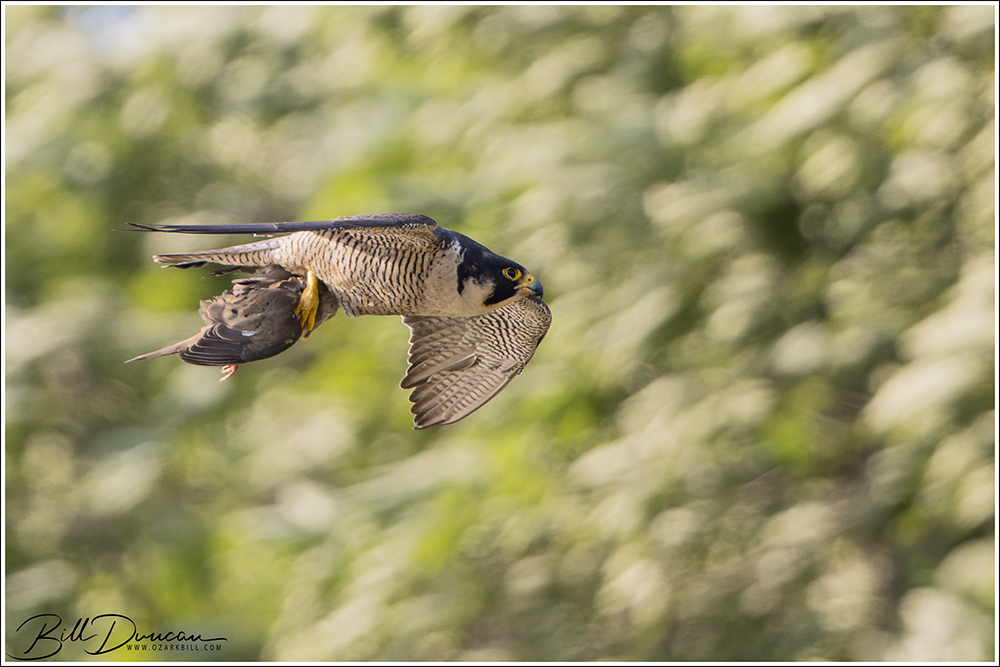
I suppose at a point of diminishing returns, mom would often take the remains of the carcass away from the nest and would pick the remains to feed herself.
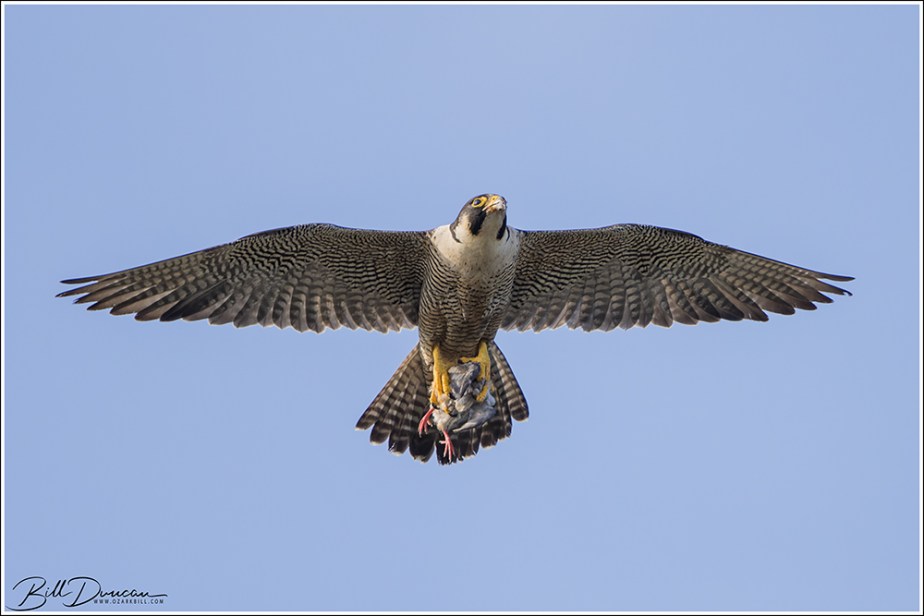
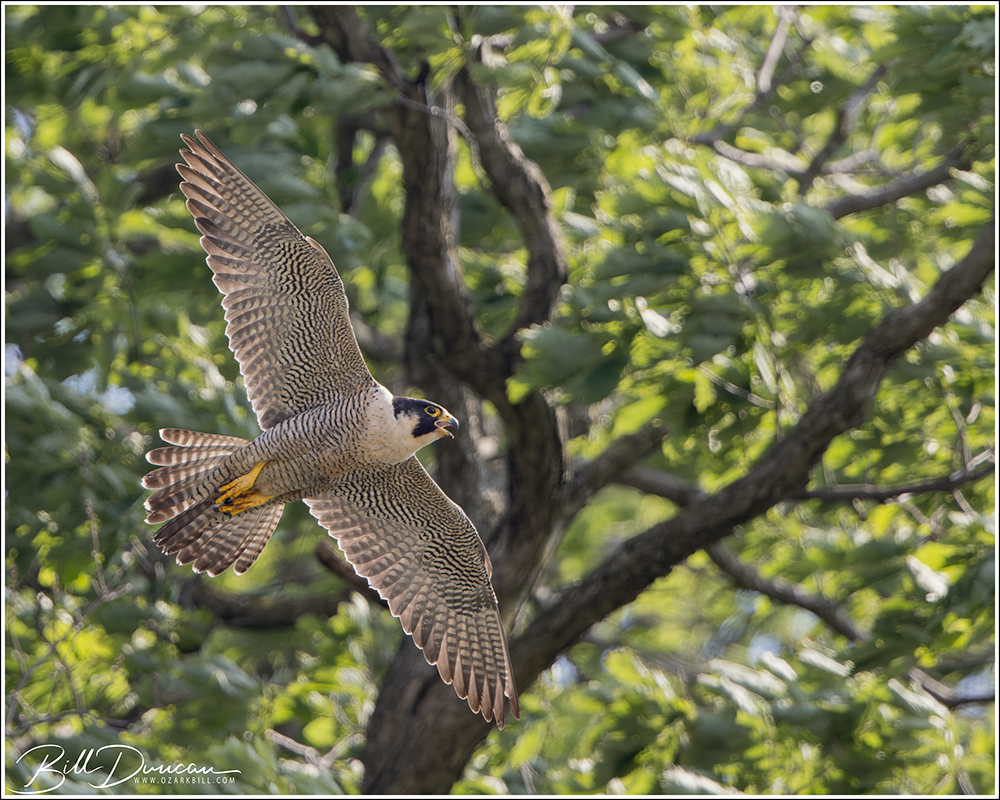
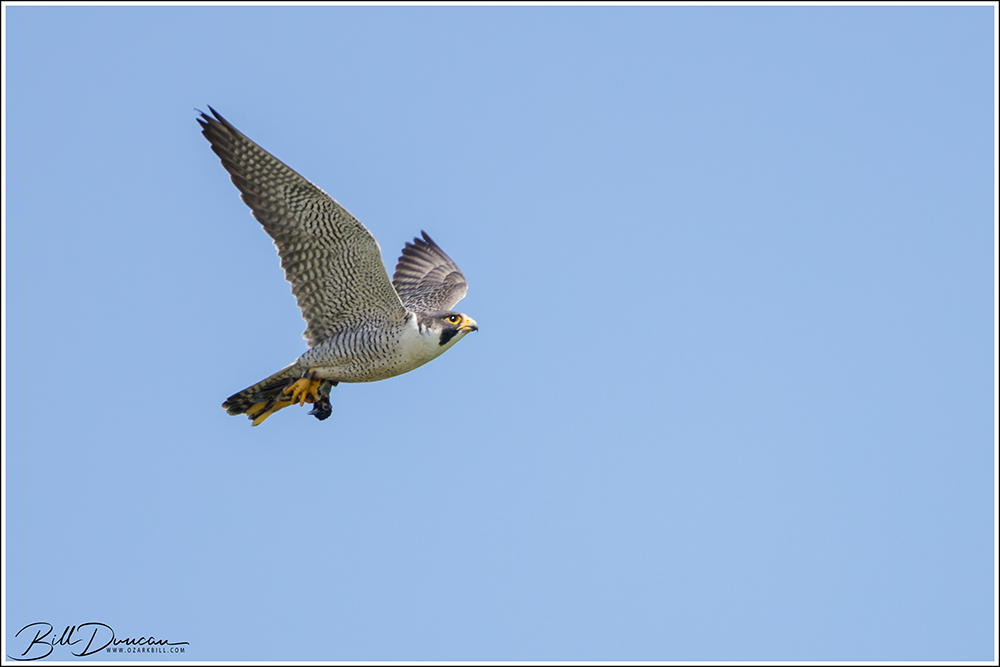
Mom soaring with remains of Oriole.

Peregrine Falcons 2022 Season – Part 1

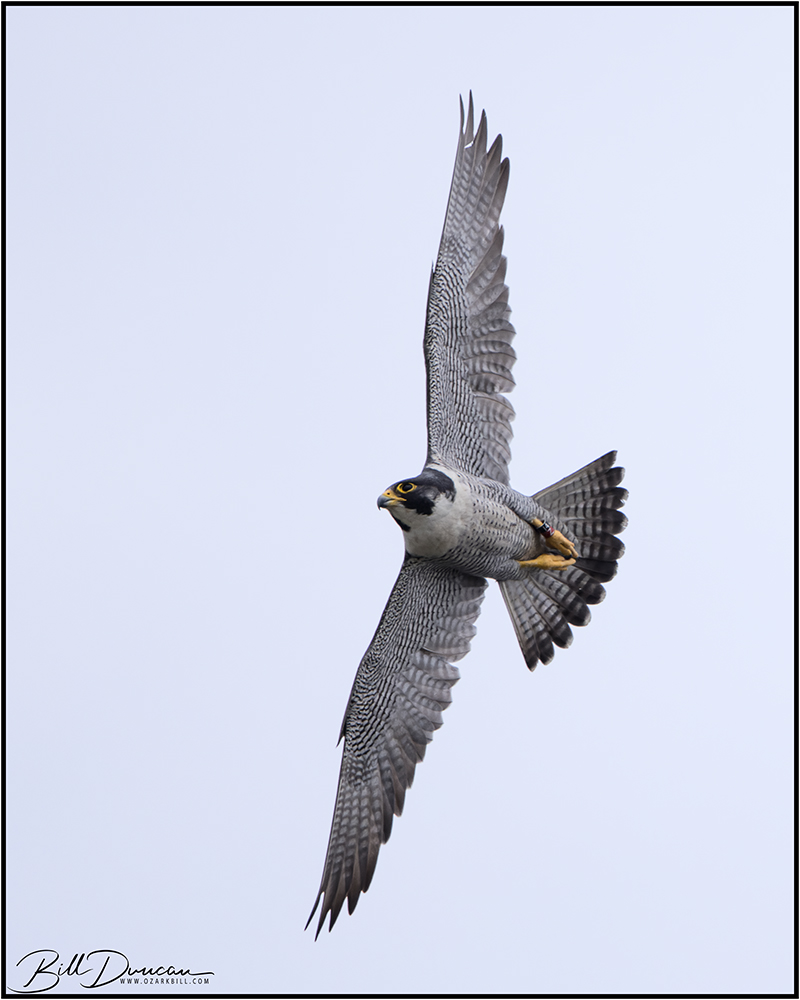
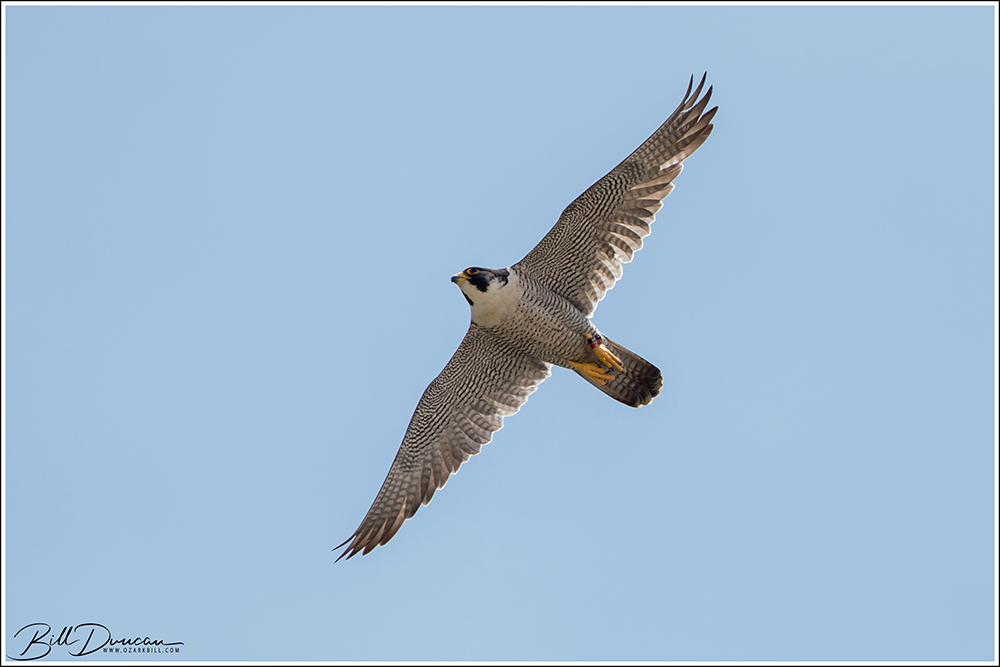
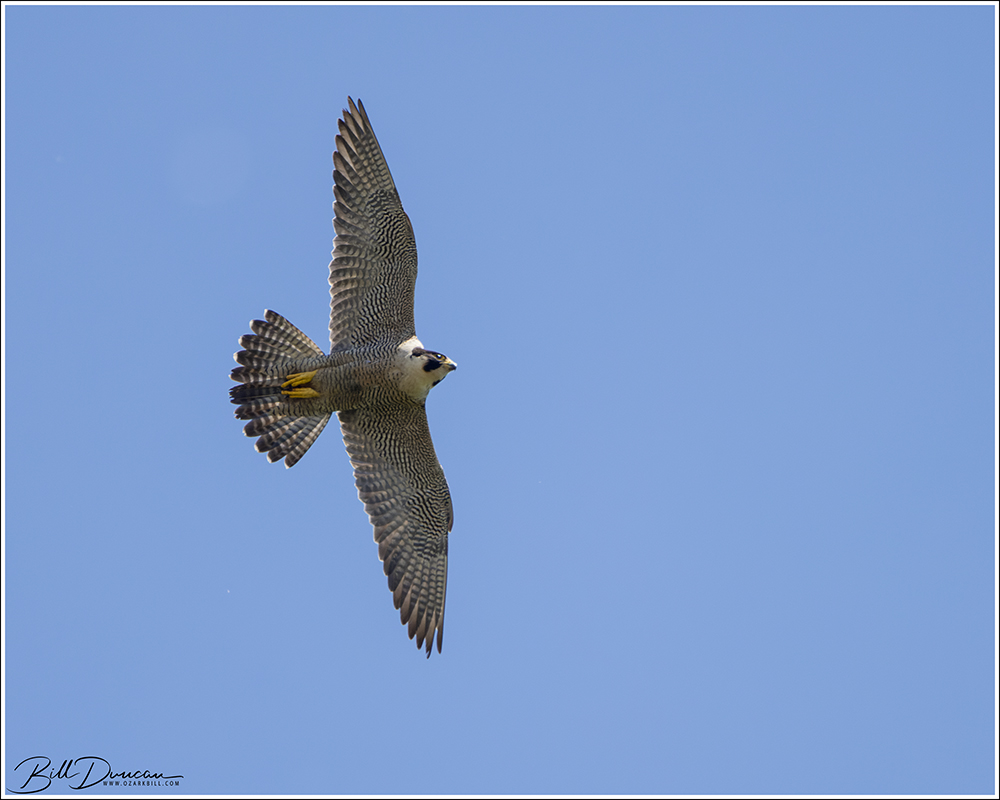
Miguel and I spent a few hours in the spring and early summer of 2022 photographing a pair of Peregrine Falcons in Madison County, IL during their nesting season. In this first post, the photos were taken in March. There were likely no eggs in the nest at this point and the pair was bonding by the male bringing in food for the female and the two soaring the skies of their territory. It wound up being a pretty dramatic nesting season. Lots more pics to follow.

Spiranthes ovalis – Another Look

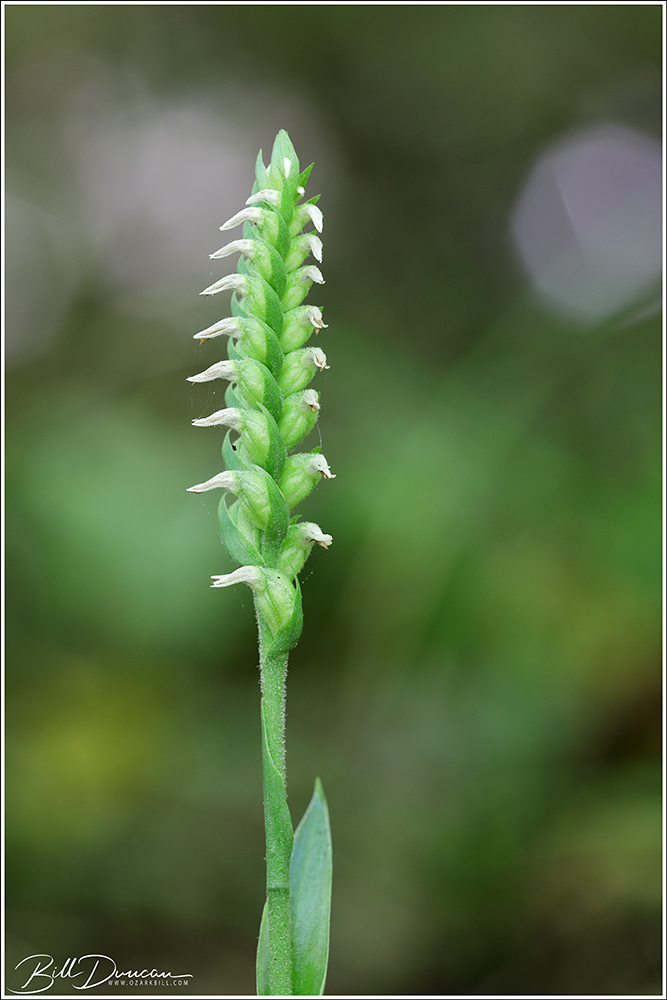
Spiranthes ovalis erostella. This variety of S. ovalis is primarily self-pollinated, hence the weak and withered flowers.

Pete and I had both seen Spiranthes ovalis erostella prior to this outing in late September in Pope County, IL, but we both agreed that this was the finest specimen we had seen of what is usually a small and insignificant plant with a puny inflorescence.

Spiranthes ovalis (lesser ladies’ tresses orchid) is typically found in open, woody habitat and particularly likes areas where disturbance has limited competition and opened access to light.