"What a thousand acres of Silphiums looked like when they tickled the bellies of the buffalo is a question never again to be answered, and perhaps not even asked." -Aldo Leopold
As much as I love the change of seasons generally, nothing can beat the excitement and enjoyment of the arrival of spring. I simply can’t get out of doors enough during April and May. This past weekend Miguel and I had a great time in hunting newly arrived birds and newly emerged plants at a few of our favorite spots not too far from home. Here are a few photos from our day out.
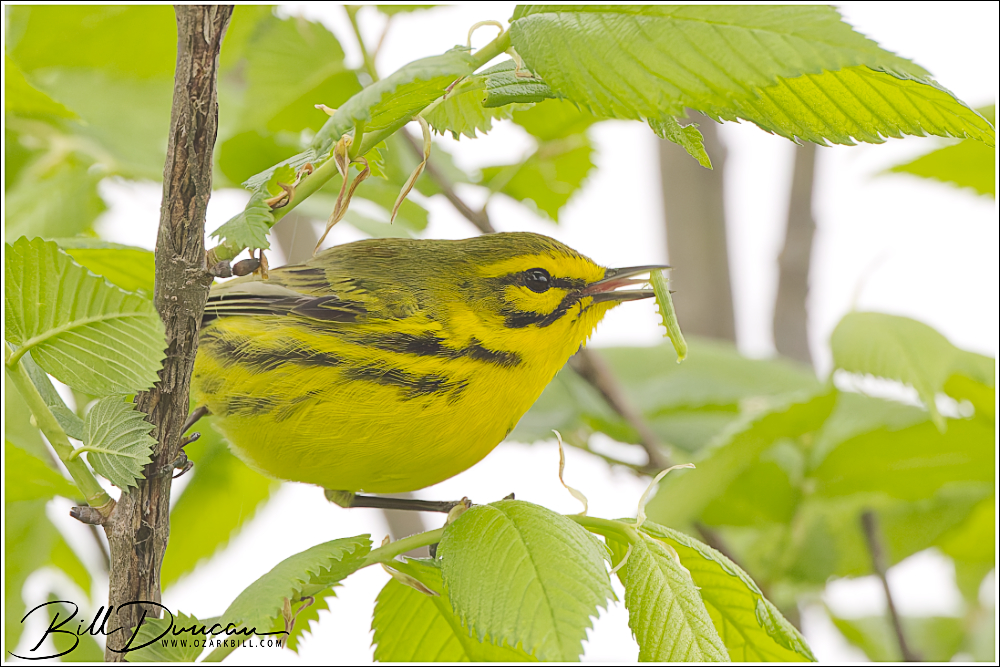
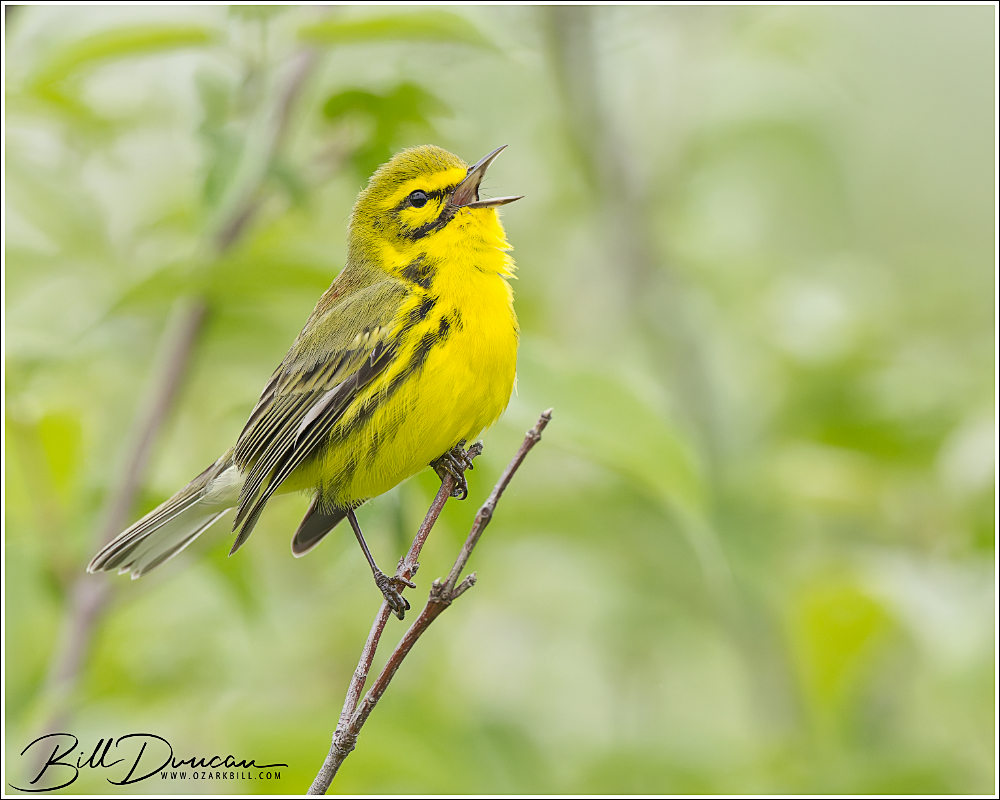
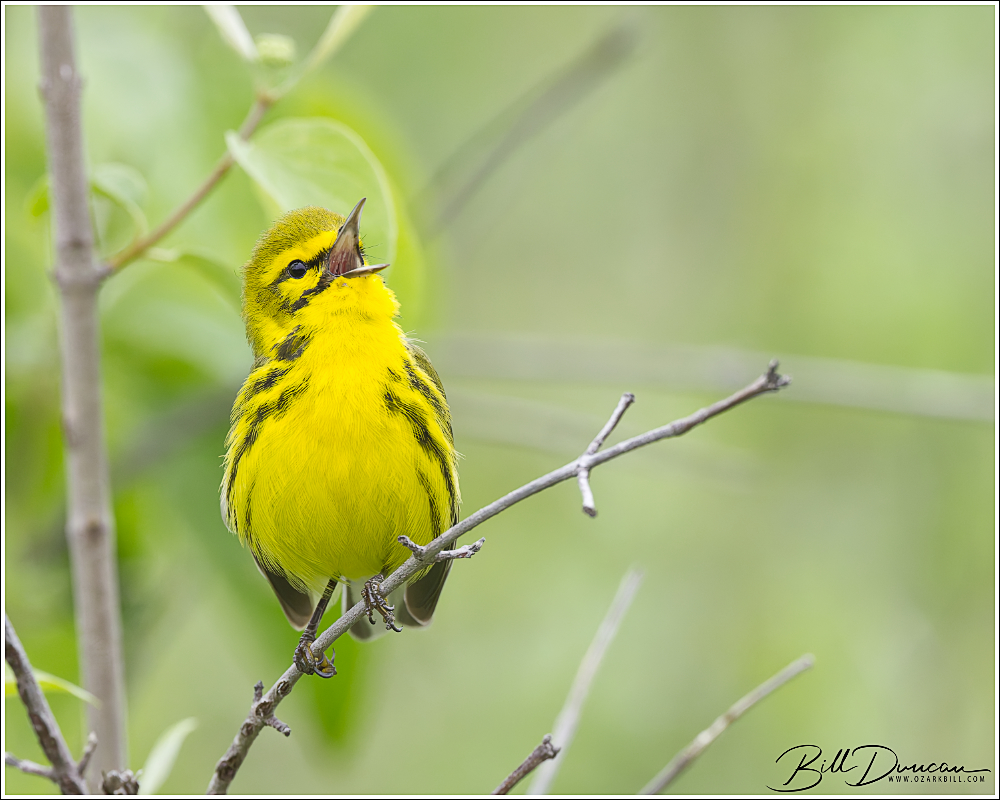
First, a beautiful male Prairie Warbler from Weldon Springs Conservation Area.
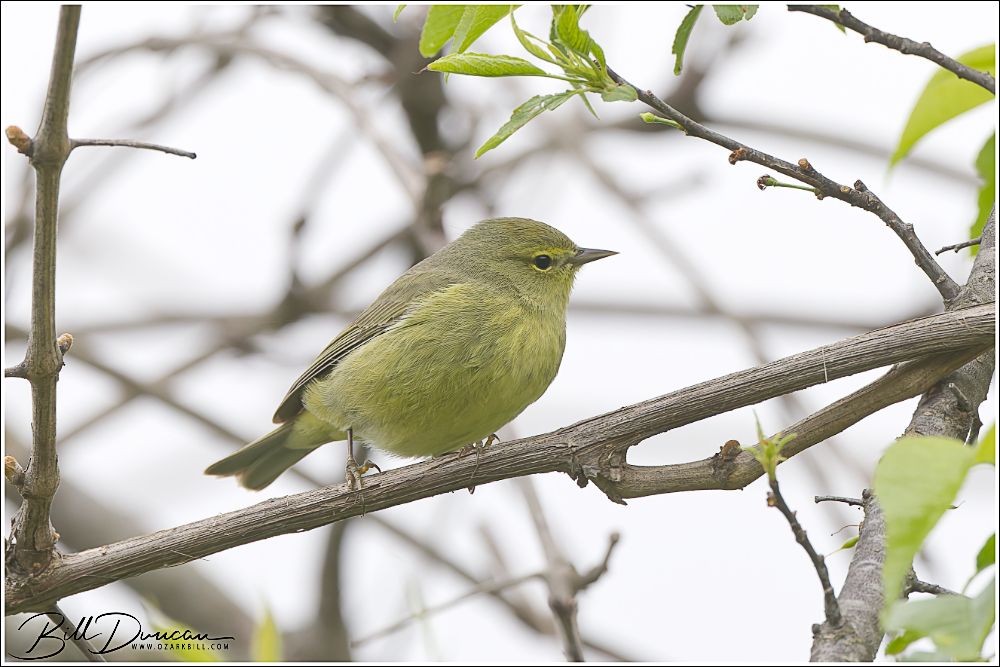
Orange-crowned Warbler photographed at Bush Wildlife Conservation Area
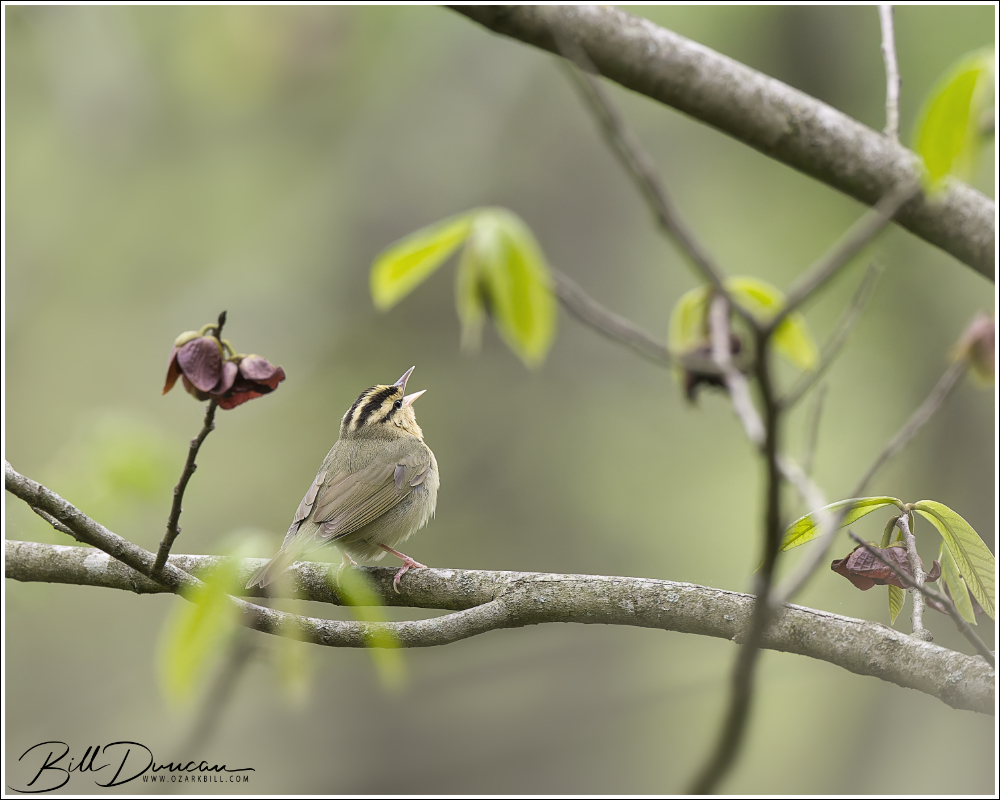
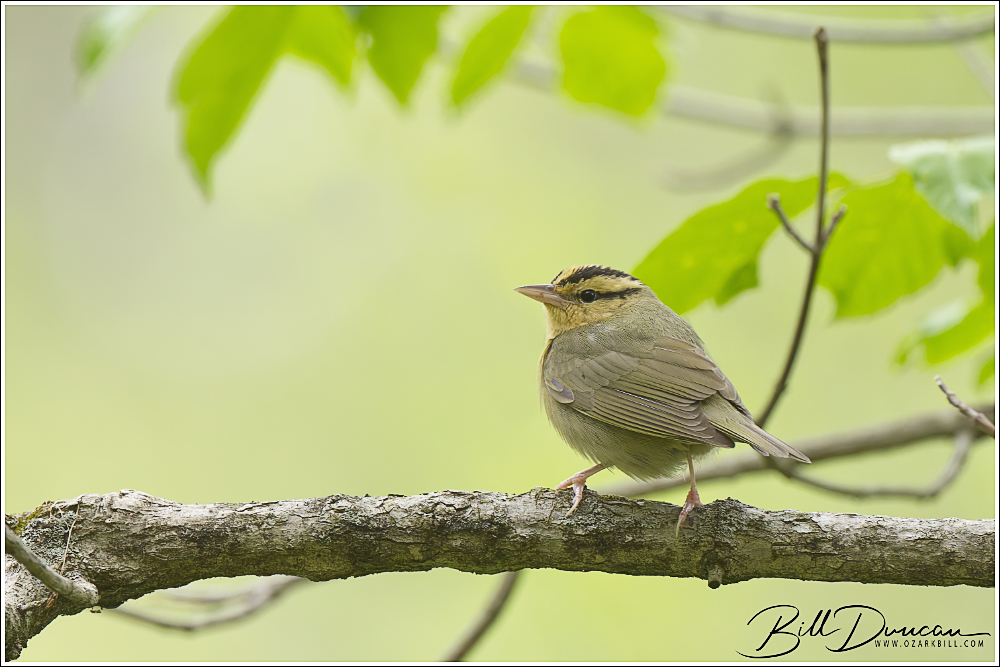
A Worm-eating Warbler also found at Bush Wildlife C.A.
After a brick-fired pizza for lunch, we crossed the river to another favorite nearby location – Engelmann Woods Conservation Area. Here we were hoping to find the Wister’s coralroot orchid for Miguel to scratch off his list. During a good year, hundreds of flowering stems of this species can be found here. This year we found 15-20 stems just by looking along a mile or so along the trail.
Corallorhiza wisteriana (Wister’s coralroot)
Finally, we were able to find three stems of the parasitic Orobanche uniflora (one-flowered broomrape) mere inches off of the trail.
Orobanche uniflora (one-flowered broomrape)
Hoping you find the time to get out and enjoy this wonderful spring!
Wister’s coralroot, Corallorhiza wisteriana – a single bloom. It is typical for the sepals and petals of this species flowers to not fully open.
The year 2020 has been smiling upon me with my attempts at photographing all the orchid species of Missouri. So far this year I have seen five new orchids and have photographed three of them in bloom. The focus of today’s post, Corallorhiza wisteriana, is known by its common names Wister’s coralroot or spring coralroot. The name coralroot is used due to the apparent likeness and growth habit of the plant’s rhizomes to undersea coral. There is one other known coralroot that I need to photograph in Missouri, that is the autumn coralroot, C. odontorhiza that I hope to photograph when it blooms this fall.
C. wisteriana is one of, if not the earliest orchid to bloom in the state. Going by the number of posts from folks on Facebook, and the fact that I and a couple of friends found well over one hundred stems with just a few minutes of searching, this species is having a terrific year.
This orchid is small, with a lowercase s. The leafless stems can grow 10 to 35 cm high and an individual flower when open is only but ~ 8 mm long – A challenge to photograph. I anticipated this, but what surprised me is its showiness. Looking closely, this plant is beautiful, with many stems and flowers colored deeply with maroons and purples and the labellum/lip with purple spots on white.
Wister’s coralroot, Corallorhiza wisteriana – a small colony
I found these flowering stems in singles, pairs and large-sized colonial groups. Typically, stems from these close groupings will be from the same plant. Below is from the largest colony I saw this spring.
Wister’s coralroot, Corallorhiza wisteriana – a larger colony
Corallorhiza orchids are considered to be ‘myco-heterotrophic’ plants, meaning these plants parasitize mycorrhizal fungi (fungi that get their carbon needs from symbiotic relationships with green plants) to get their primary nutrients. Therefore these orchids contain little to no chlorphyll, do not produce leaves and photosynthesis is a very negligible part of how they make their living.
Wister’s coralroot, Corallorhiza wisteriana – an aberrant raceme.
The photo above shows an aberrant flowering stem – the only one I found, that was very lightly colored and that had no spots on the labellum whatsoever. After realizing how strange this was, I went back to it a few days later to better photograph the whole stem. Alas, the stem was smashed because this was located on the very edge of the trail.
Even little things need a hiding place.
The preceding photo shows a hymenopteran nymph (~5 mm in length) that is hiding underneath this flower’s lip. I am unsure whether or not this insect is responsible for the webs seen here. These threads were often seen covering these orchids.
Wister’s coralroot, Corallorhiza wisteriana – a typical flower in profile.
I hope you enjoyed getting to know this little beauty. Stay tuned for more orchid profiles in the near future!



 A Thousand Acres of Silphiums