Don’t Skip Out on the Skippers: The How’s and Whys I Photograph the Overlooked Hesperiidae

Today I am featuring a guest post by my friend, Casey Galvin, who has spent ample time and efforts photographing rare skippers in recent years. Enjoy!

Butterflies through time have been written about more than any other insect. Their beauty and life cycle are a thing of wonder. Who doesn’t enjoy watching their flight on gossamer wings? Or, the idea to metamorphose from a crawling caterpillar into something that is not only colorful, but to be able to leisurely flutter? No wonder philosophers, artist and poets can’t stop from being in their thrall.
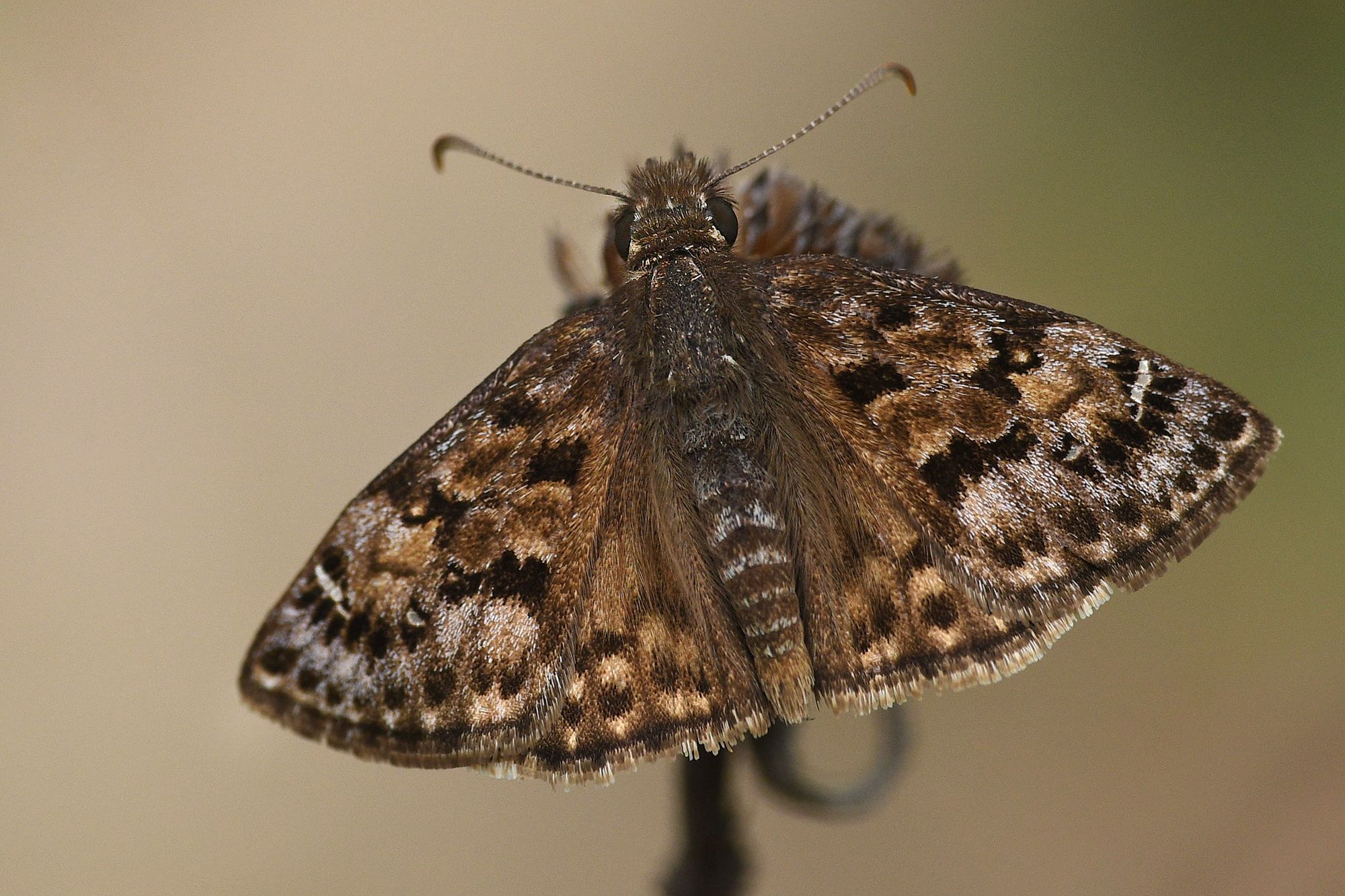
A spreadwing skipper that was once widely found, the mottled duskywing (Erynnis martialis) is now known from local and isolated populations. A species of concern in many states.

Unfortunately, not all members of the order Lepidoptera are given their just attention. Skippers, those brown moth-looking butterflies, which never seem to sit still and dart quickly from here to yon, are usually given a passing notice at best. Yes, they go through the same life cycle as other butterflies, egg to larva to pupa and then adult. They also serve the same important ecological functions that the rest of the order does. But it is hard for many to see their beauty in any of this when they look so small and often seem so drably colored.

Then there are those lucky enough to look closer and try to appreciate these creatures, opening up opportunities for exploration and adventure in finding and understanding this unique family – the Hesperiidae. If you would like to be in the latter group there are a few things to consider to help in this endeavor.
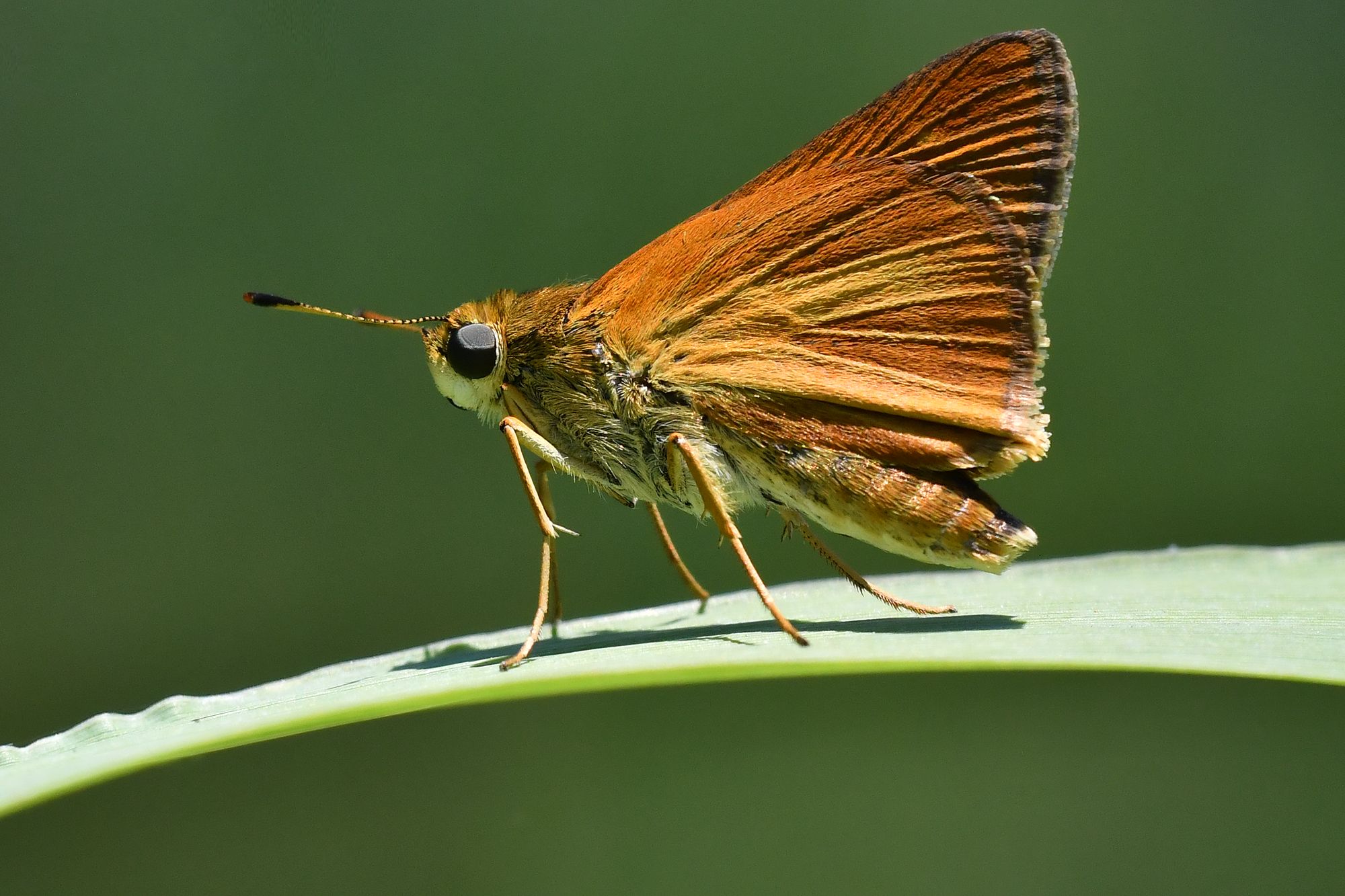
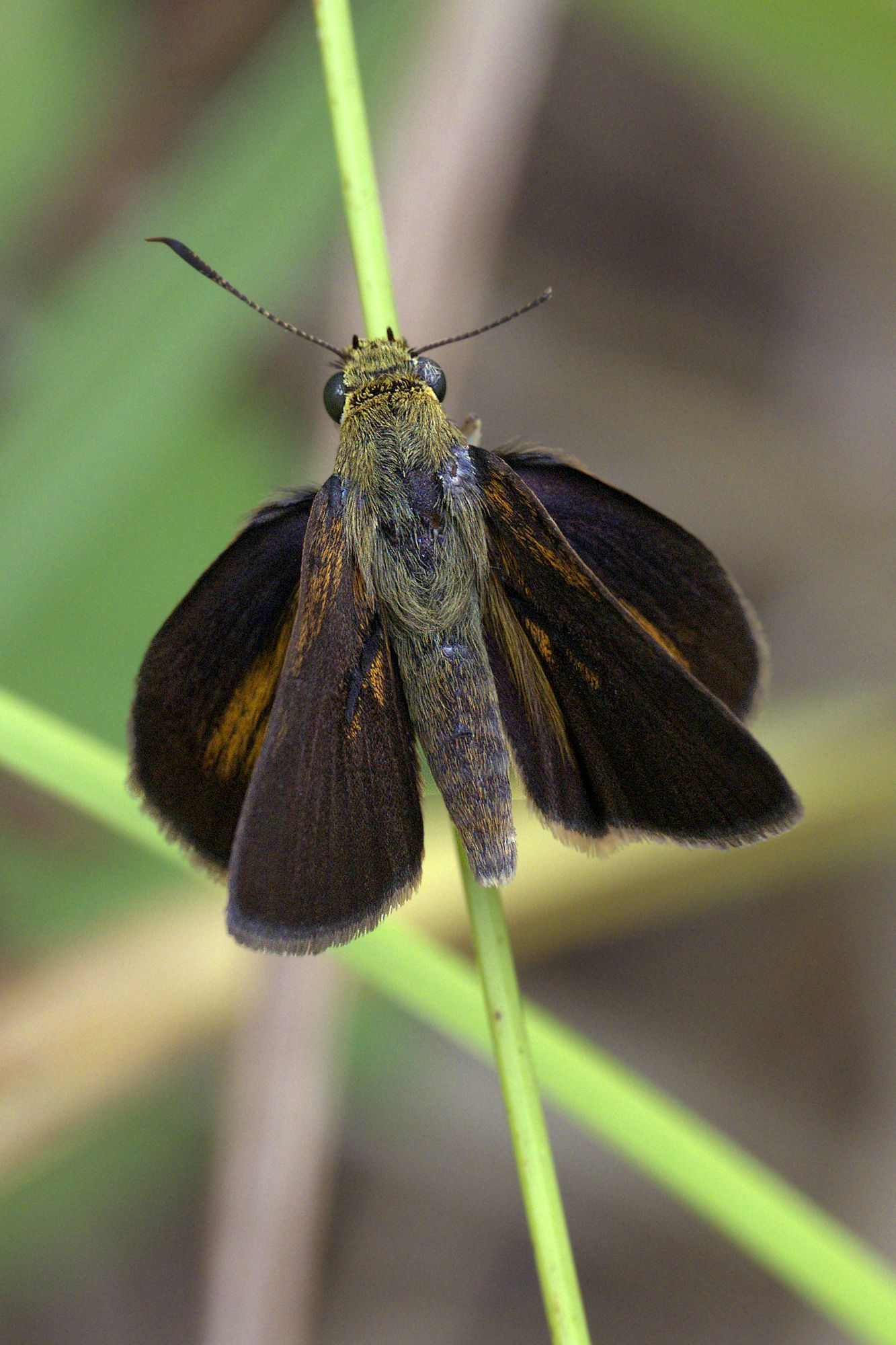
Duke’s skipper (Euphyes dukesi)

Skippers in the U.S.A. can be broken into three subfamilies within the family Hesperiidea. These are the Pyrginae (spreadwings skippers), Hesperiinae (Grass skippers) and the Heteropterinae (skipperlings). The first two groups have hooks at the terminal end of their antennae, whereas the skipperlings do not.

And now to the challenges which I call the three phonetic “F’s”. Finding them, Photographing them and then Figuring out what you have.
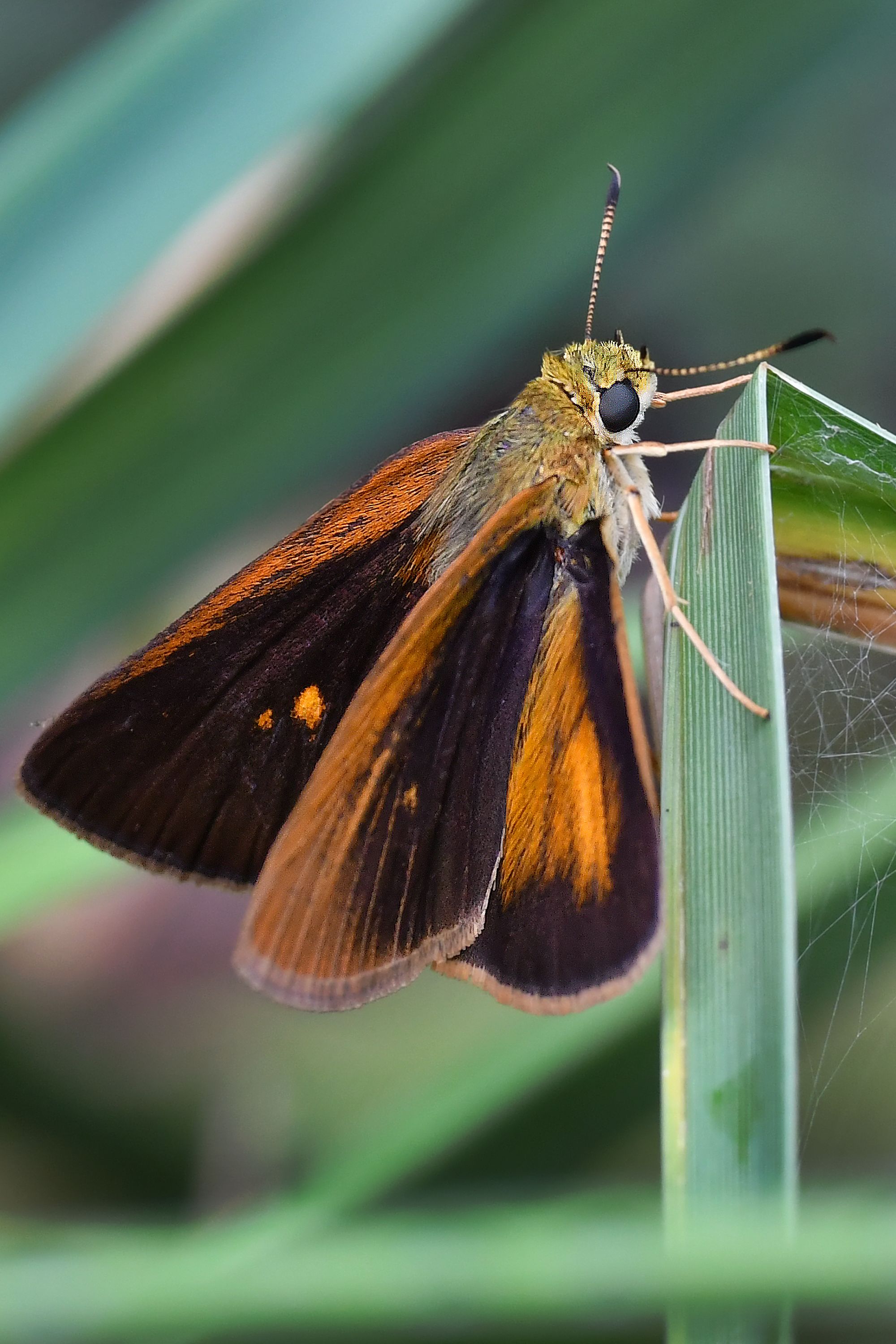
Dion skipper (Euphyes dion)

Finding them.
A key component of finding any living subject is to know their lifestyle. For many insects finding the host plant that the larval stage feeds on is critical. Without the host plant finding the adult can be difficult. The adult females need to lay her eggs on or near the host plant to allow the life cycle to begin. Knowing the flight time for adults is also important. Many of the most frequently seen skippers have two or more generations or broods (known as “polyvoltine”) within a single growing season. Others might have only one generation, or “univoltine,” making for short yearly adults periods. Rarer species usually have fewer annual flight periods.

Assuming you have found your subject, You are now ready to try and photograph them.
Like many insects, skippers are part of the food chain and are aware of their surroundings. Quick movements, casting your shadow across them, or disturbing the platform they are resting, feeding or searching for a mate on may cause them to flush, thus foiling your chances. To be successful, making yourself as small or low to the ground as possible helps tremendously. Walking on your knees or even crawling to get as close to the subject as possible is not out of the question. Also, paying attention to where your shadow is cast is important, as this sudden change may indicate a potential predator. Be aware of the platform the animal is on and how your movements might affect the platform helps in approaching the insect. Does this work all the time? No, but with patience and practice will come success.
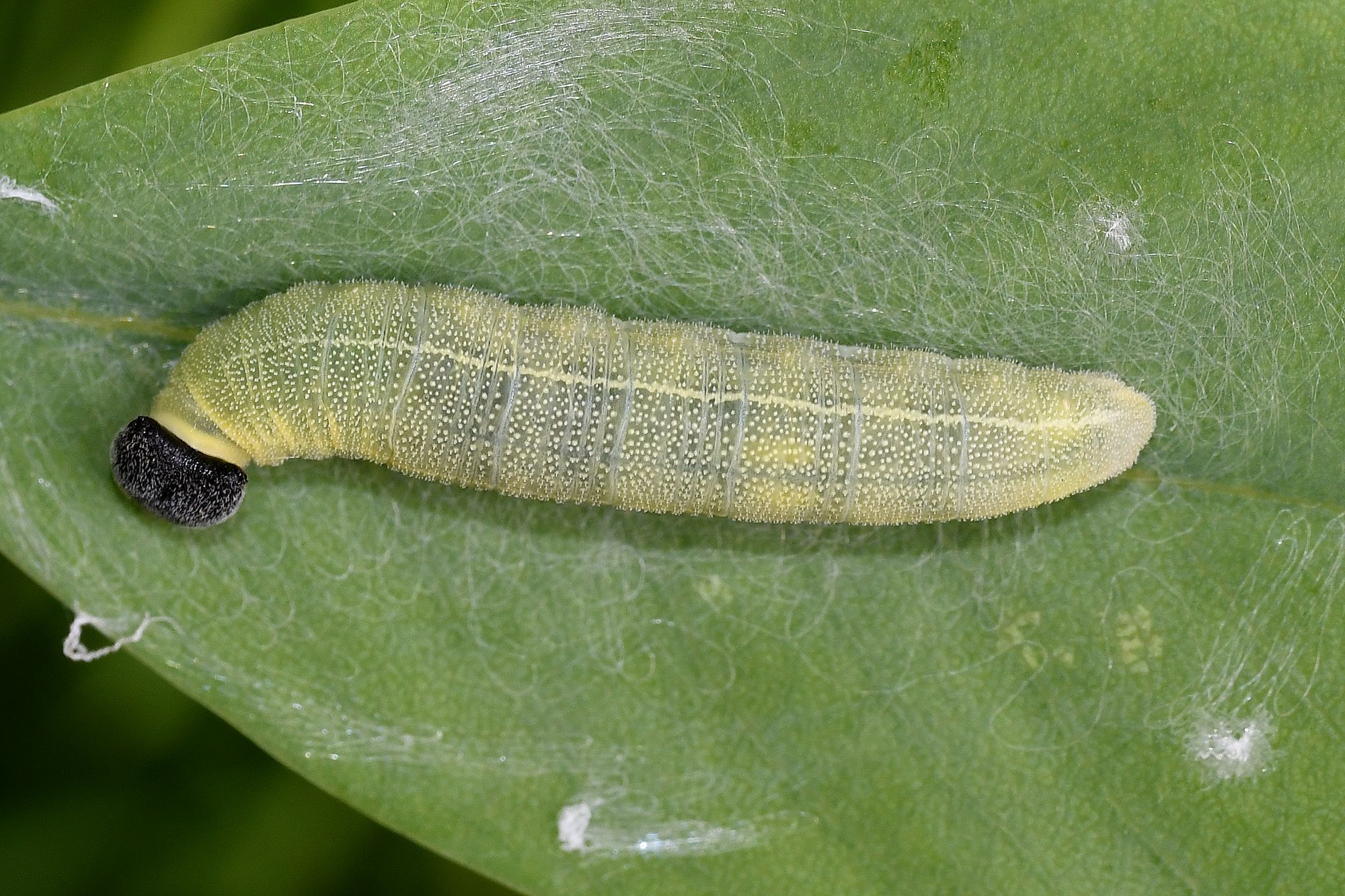
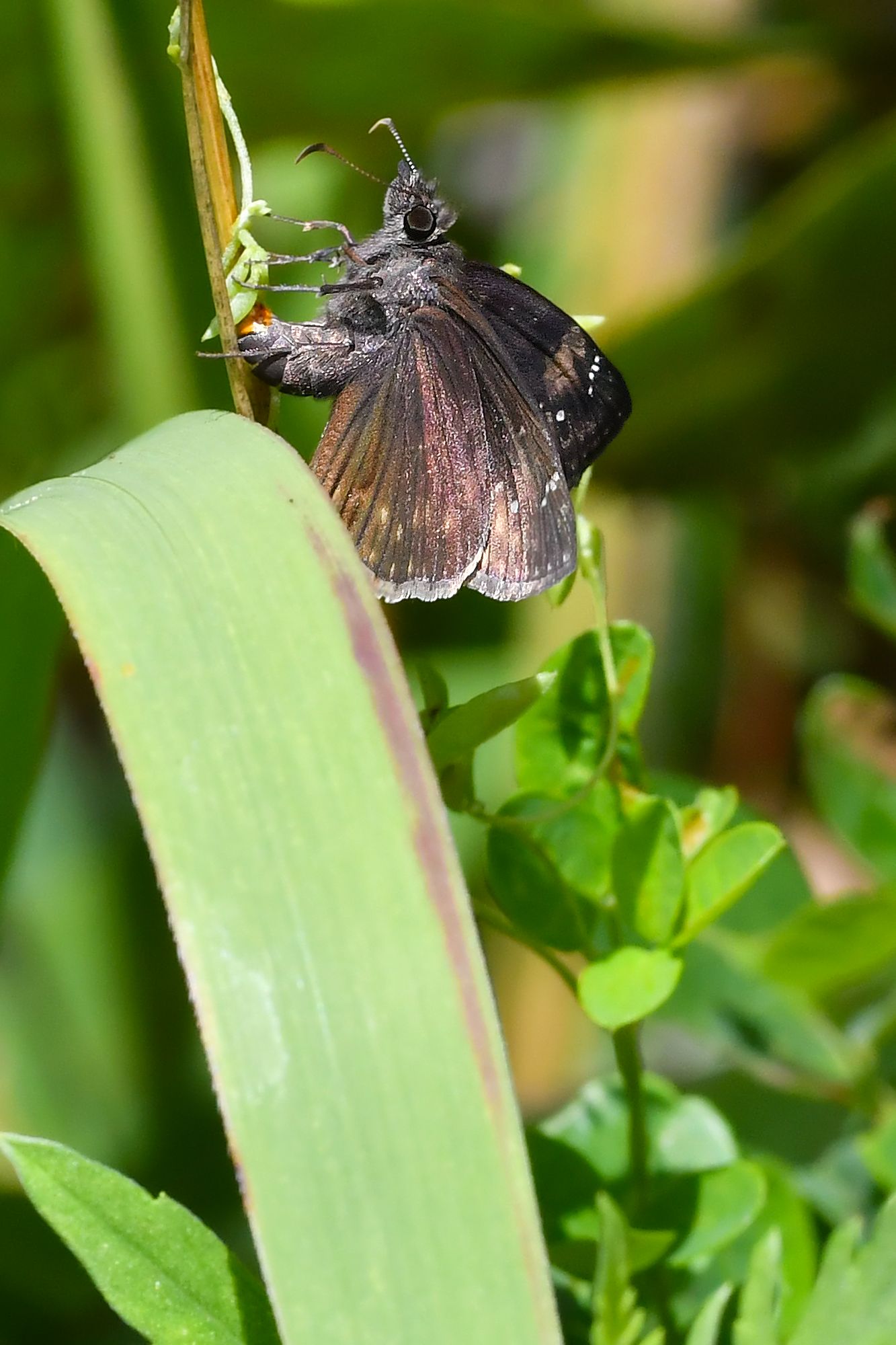
The wild indigo duskywing (Erynnis baptisiae) uses wild indigo (Baptisia spp.) as hosts

Once in a close enough position, try your best to align the plane of focus of your camera’s sensor with that of the butterfly, making sure the subject’s eye is the sharpest part of the image. Try to take as many images of the subject as possible, and make sure to document the sides of both fore and hind wings in the closed (ventral) and open (dorsal) positions, if possible, looking for scale patterns. This will help tremendously in the next process.

For my skipper photography, I use a Nikon D500 attached to a Sigma 180mm f2.8 macro lens. My ISO is typically set to 400 and I use Aperture Priority mode, with my f stop set at f6.3-11 and with autofocus turned on. I will change to fully manual mode and change my ISO and f stop occasionally when necessary. I will also switch off my autofocus if I need to. I carry a flash, but rarely use it, preferring natural lighting. With this photography I usually hand hold my camera.

With the loss of prairie, the Ottoe skipper has disappeared from most states in which it was once found

Once you have accomplished your goals in the field of collecting as many great images as possible, you are now ready to head home and figure out what you might have. This is often the most challenging phase of this process.

How they hold their wings is the first way to know which group a skipper belongs to. When they land, the spreadwings group usually put both sets of wings in a flat plane. The grass skipper group normally keep their wings closed, but can also put one set flat and the other perpendicular to the flat wings giving them a fighter jet look. These butterflies can also flatten the wings like the spreadwing group and usually do this when they are trying to warm themselves in the morning sun before flying. Skipperlings usually spread their wings at a 45 degree angle at rest or keep them closed.

The location where subject was found, local plants (hopefully the host you were looking for) and the time of year will definitely help in identification. Scale patterns will certainly be needed also. It might take some time looking at reference books and online resources to get an identification. Several skippers may have nearly identical patterns. Looking at the details matter in this step.
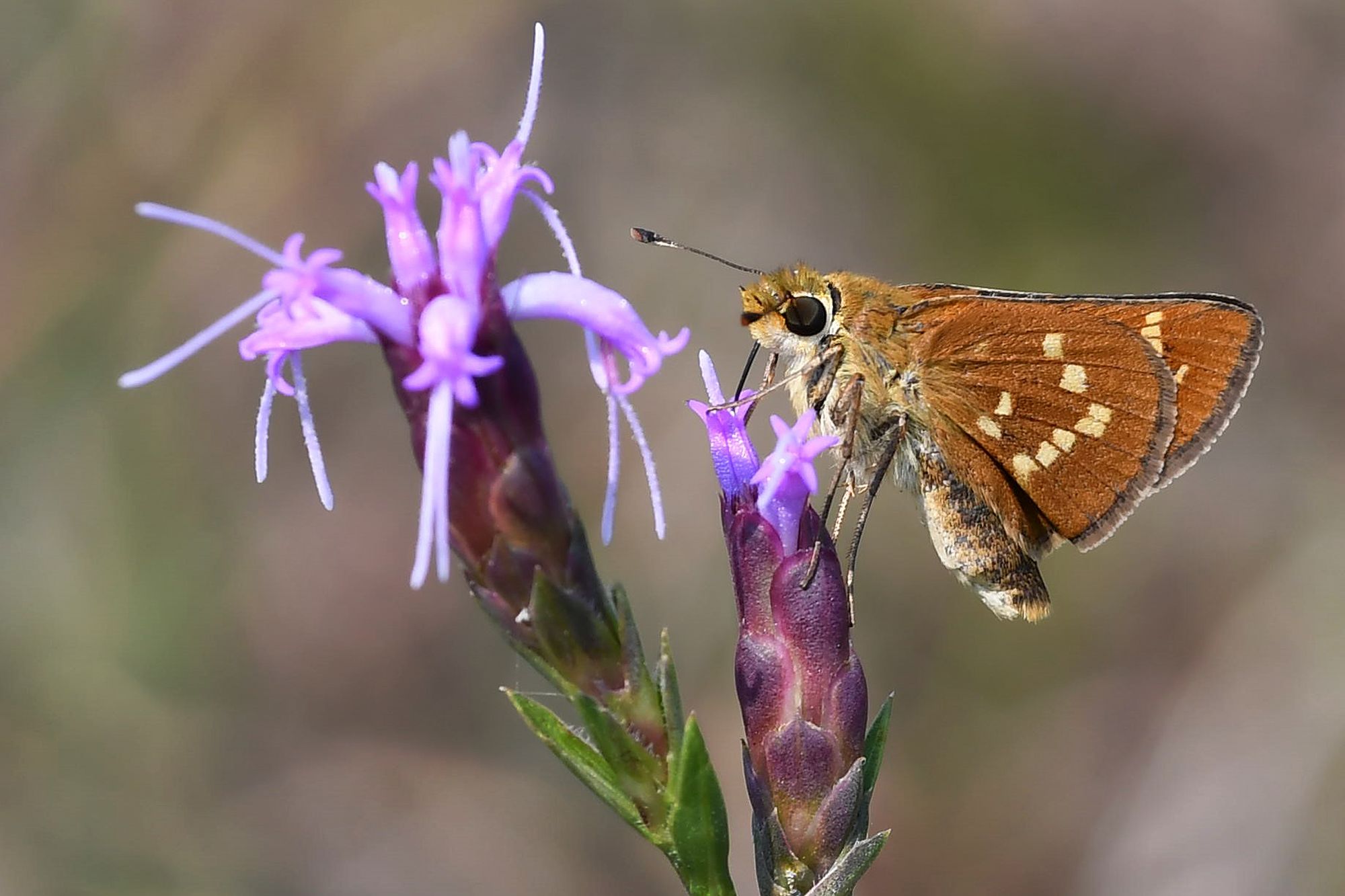
One of the more colorful skippers, Leonard’s skippers prefer grasslands. Still widespread but losing populations with habitat loss.

If you are still stumped after using reference guides and online resources, you might consider taking the next step of seeking help. Web sites like iNaturalist and Butterflies and Moths of North America allow you to create an account and then upload your photographs to have experts in the field help with identifying the subject.

With practice and experience, all the above methods help to make this less stressful and increases your chances for success. Making new acquaintances also becomes rewarding. Many photographers choose new projects in order to improve upon existing or make new skills. This is the latest one I have chosen.

Many of my natural history friends had just two question when I took on this subject. Why? Or really Skippers?

Here are my some of my reasons: Many of the skipper species are not looked for at all. In many cases, there is little information on whether or not a species may still be found at historical location records. Grass skippers, in particular, seem to be disappearing widely, especially ones that have only one or two broods per year. Secondly, I personally like grasslands, tallgrass prairie in particular. This biome and its skipper inhabitants have pretty much disappeared from North America along with the rest of its flora and fauna. To find some parts of it still among us is rewarding. Finally, I like to travel and explore. Even returning to well-known haunts, allows me to look at these sites from a different perspective.
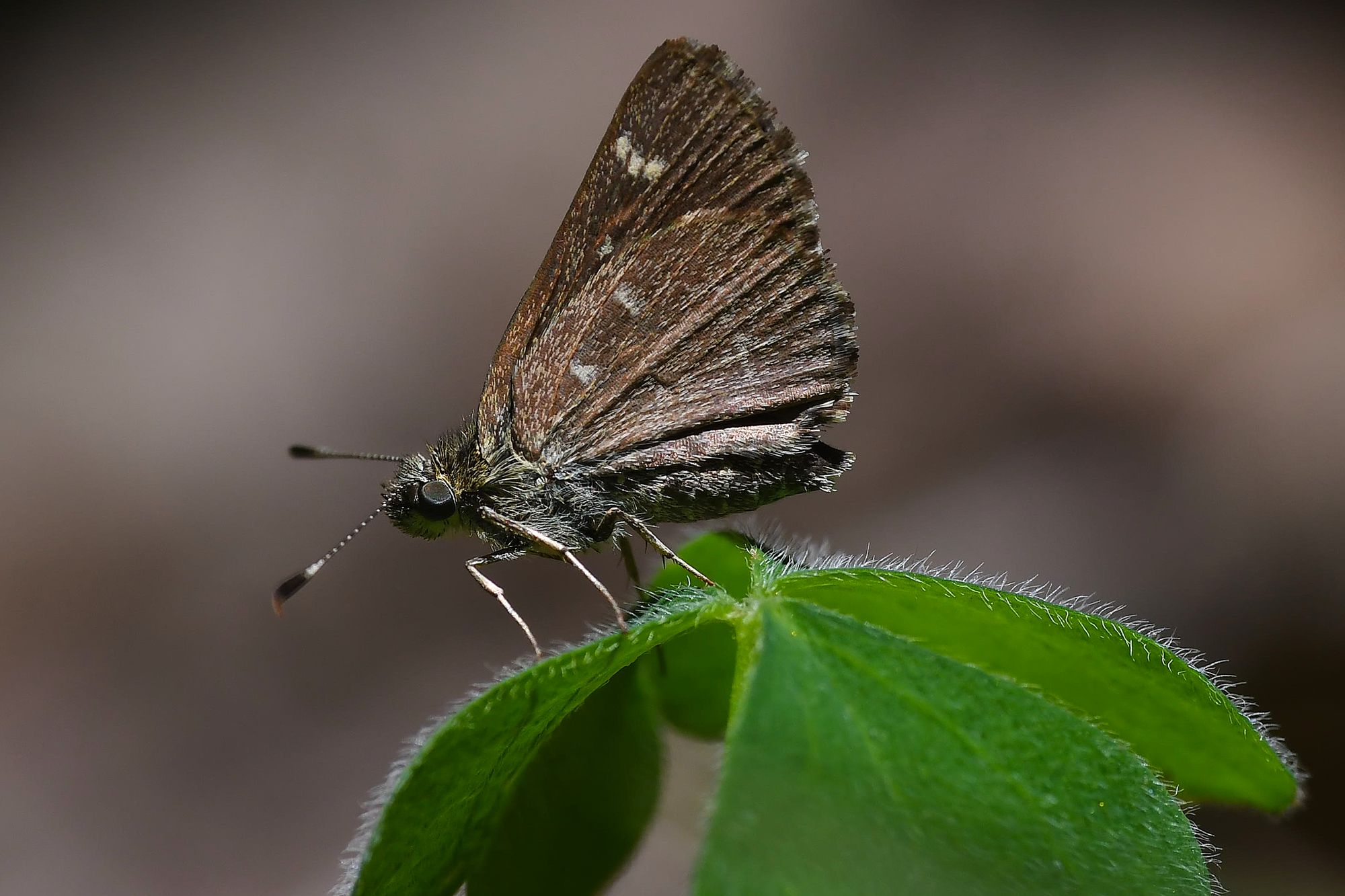
Linda’s roadside skipper (Amblyscirtes linda) is a species of conservation concern in every state that still contains populations.

There is still a small group of scientist and enthusiasts that want to keep these wonderful creatures around. We would like others to join our tribe. Why not become one also?
Special Guest Post – Overlooked Landscapes

Today I’m happy to provide a platform for renowned nature photographer and friend, Casey Galvin, to share his words and fantastic landscape photography from lesser known areas between the coasts. This article is exactly my philosophy when it comes to landscape photography – what little I do of that these days. I am much more interested in finding hidden gems without a plane trip or a multiday car ride. This is actually much tougher to do than placing your tripod in the holes dugout by the throngs of photographers chasing the iconic landscape subjects. Casey doesn’t usually present his works in an online format, so prepare yourself for a real treat! What follows are the writings and photographs of Casey.

When one thinks of great landscapes, Missouri and the two other Midwest states, Iowa and Illinois, do not come to mind. With the great American West along with coastal states available to most landscape photographers it is easy to fly over or drive through these three states without a thought of stopping. What makes this area special, most landscape photographers have never taken the time to be here in the Midwest. You make images no one else has, unlike in the western USA. However, because of this anyone who does stop and take the time to explore will find something that most people do not think of photographing. These three states have unique and special geological sites and plenty of water resources (rivers, creek, lakes, world class springs and seepage areas) and open landscapes.

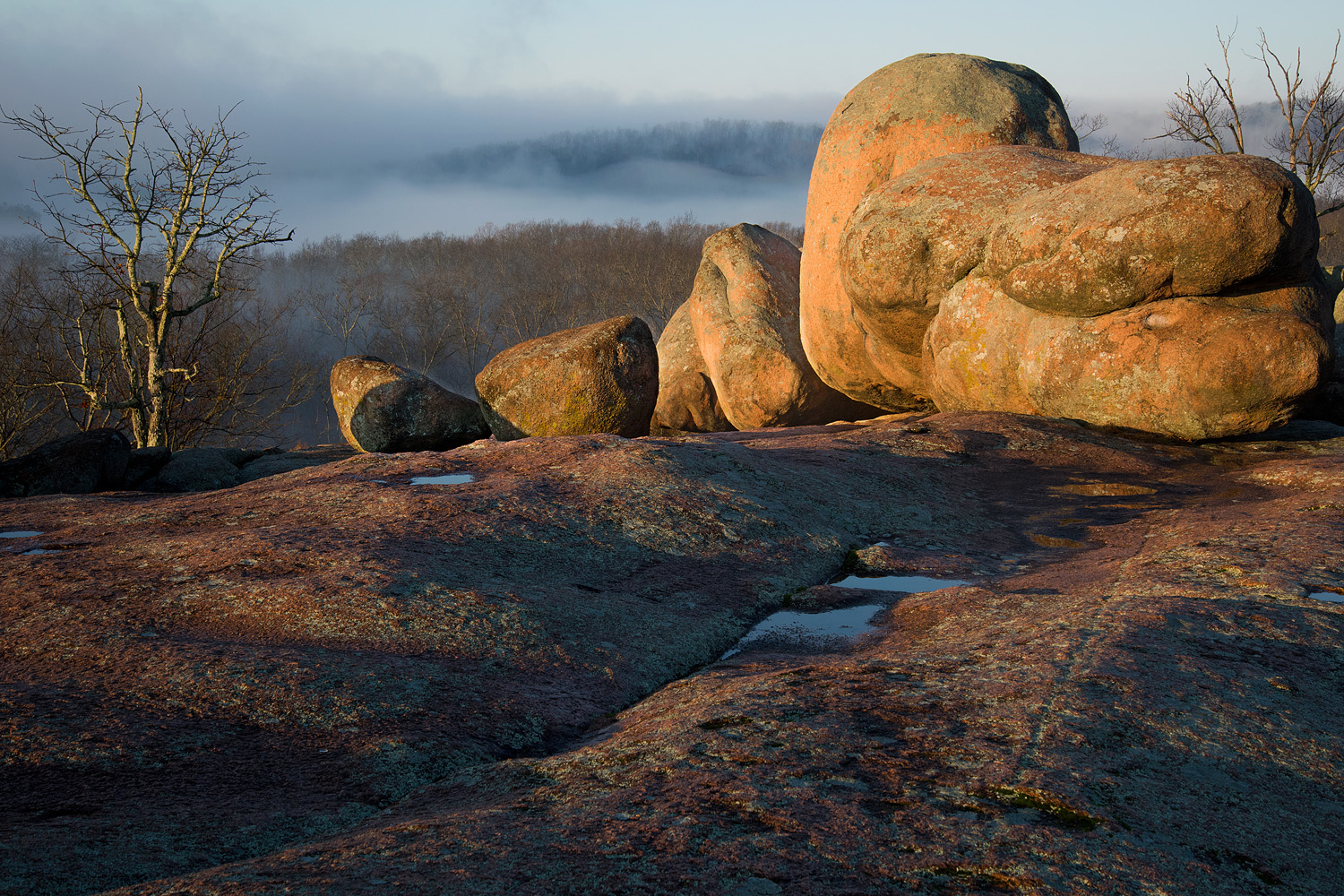
Elephant Rocks State Park
Iron County, Missouri

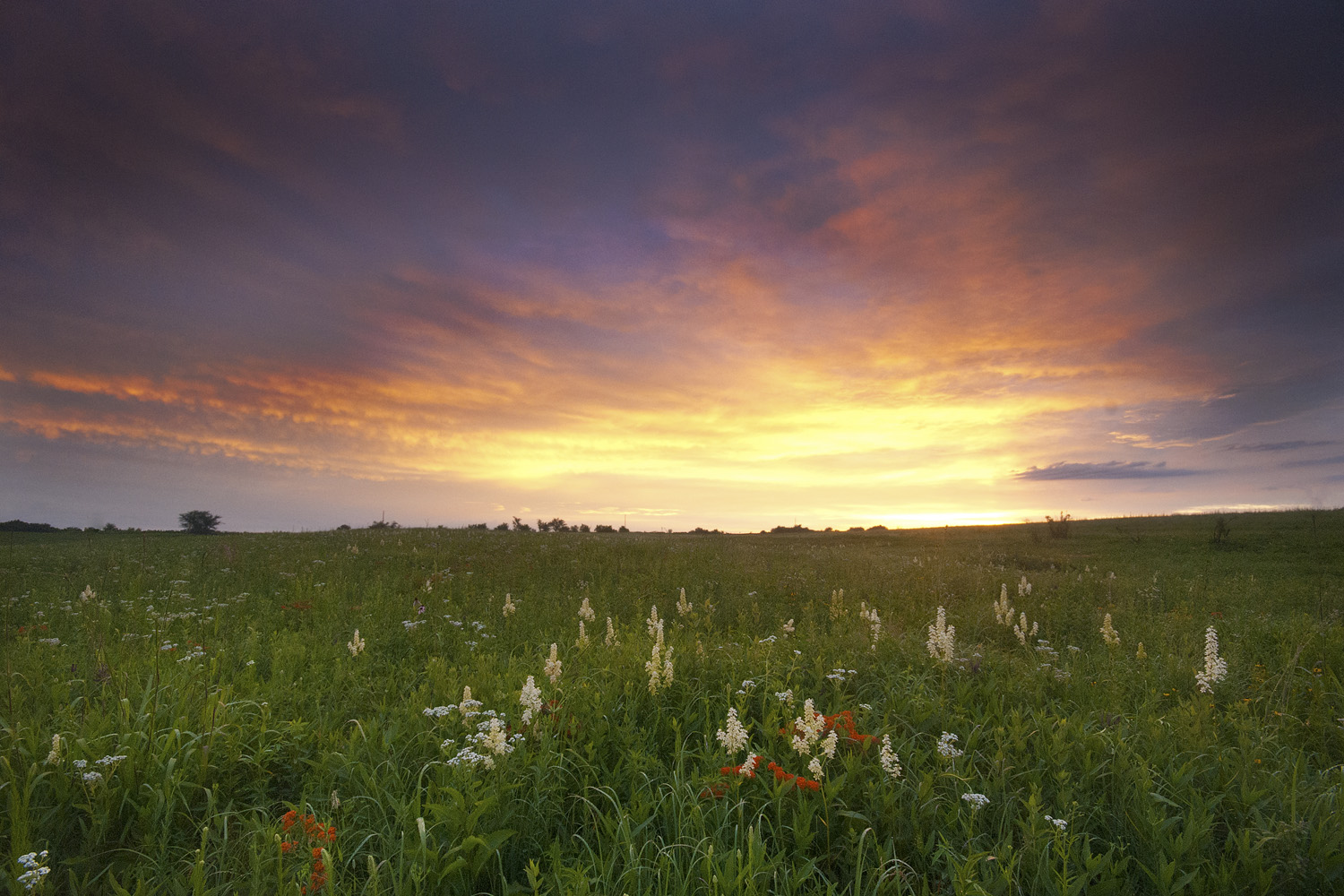
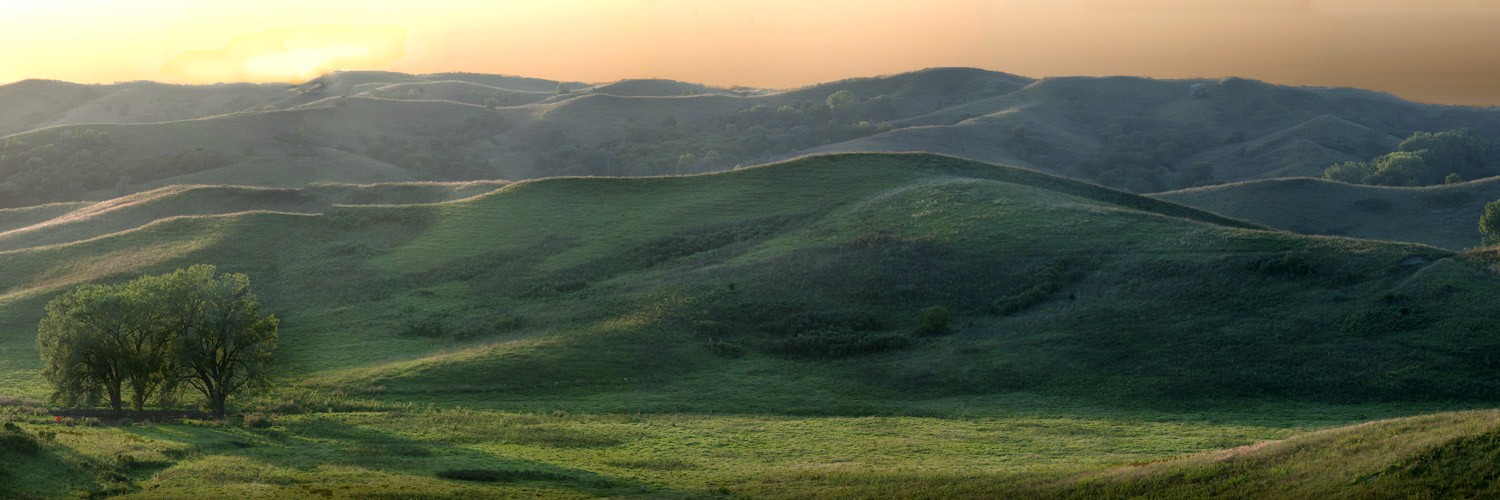
This being the heart of Tallgrass Prairie, there are still remnants left of this rarest of North American biomes. These systems were lost because it is some of the most productive farmland in the world, sand and gravel mining took others and conversion to urban development took the rest. Most people do not understand these grasslands probably because they have never experienced a true prairie. Unfortunately, there are not many large areas that are left untouched, but one can still find several remnants that are 1000 acres or even larger. This is where the buffalo roamed in large herds and in some locations, one can still find these animals ranging freely. The other nice feature for a photographer when visiting these sites is that you will most likely be the only one at that location. I have been on many a prairie for hours and have never seen anyone else.

Nachusa Grasslands
​Franklin Grove, Illinois

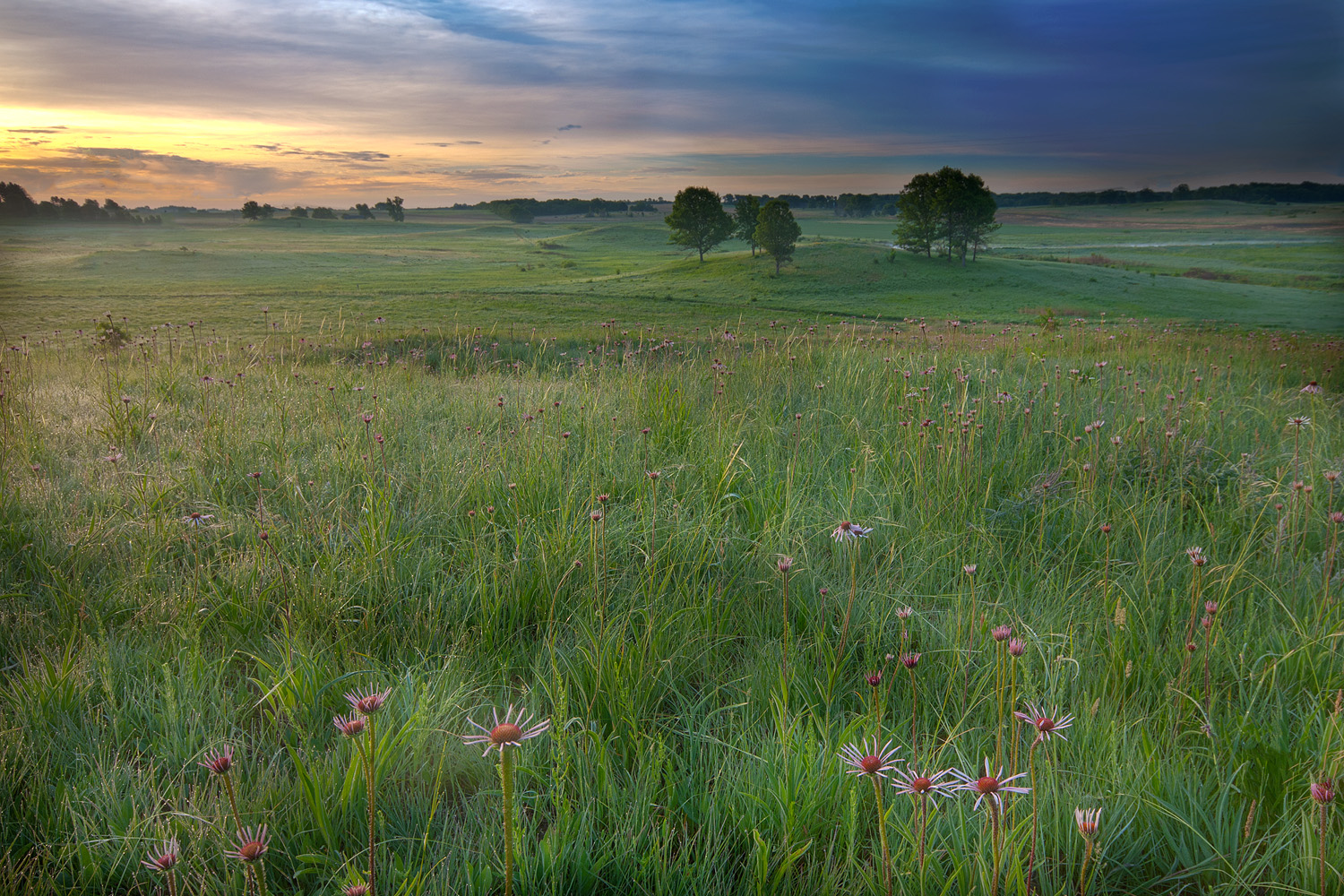
Like the West, where they get super blooms with the heavy winter rains, as long as the rains are steady, Tallgrass Prairies get super blooms at least once a month in the growing season. These systems are made for hot, dry weather. May brings profusions of paintbrush (Orabanche coccina), in June coneflowers rule (Echinacea pallida or if you are lucky in prairies near the Ozarks, E. paradoxa), in July blazing star (Liatris pycnostachia) takes over. Autumn is dominated by yellow composites, gentians and late Liatris species.

Helton Prairie Natural Area
Harrison County, Missouri

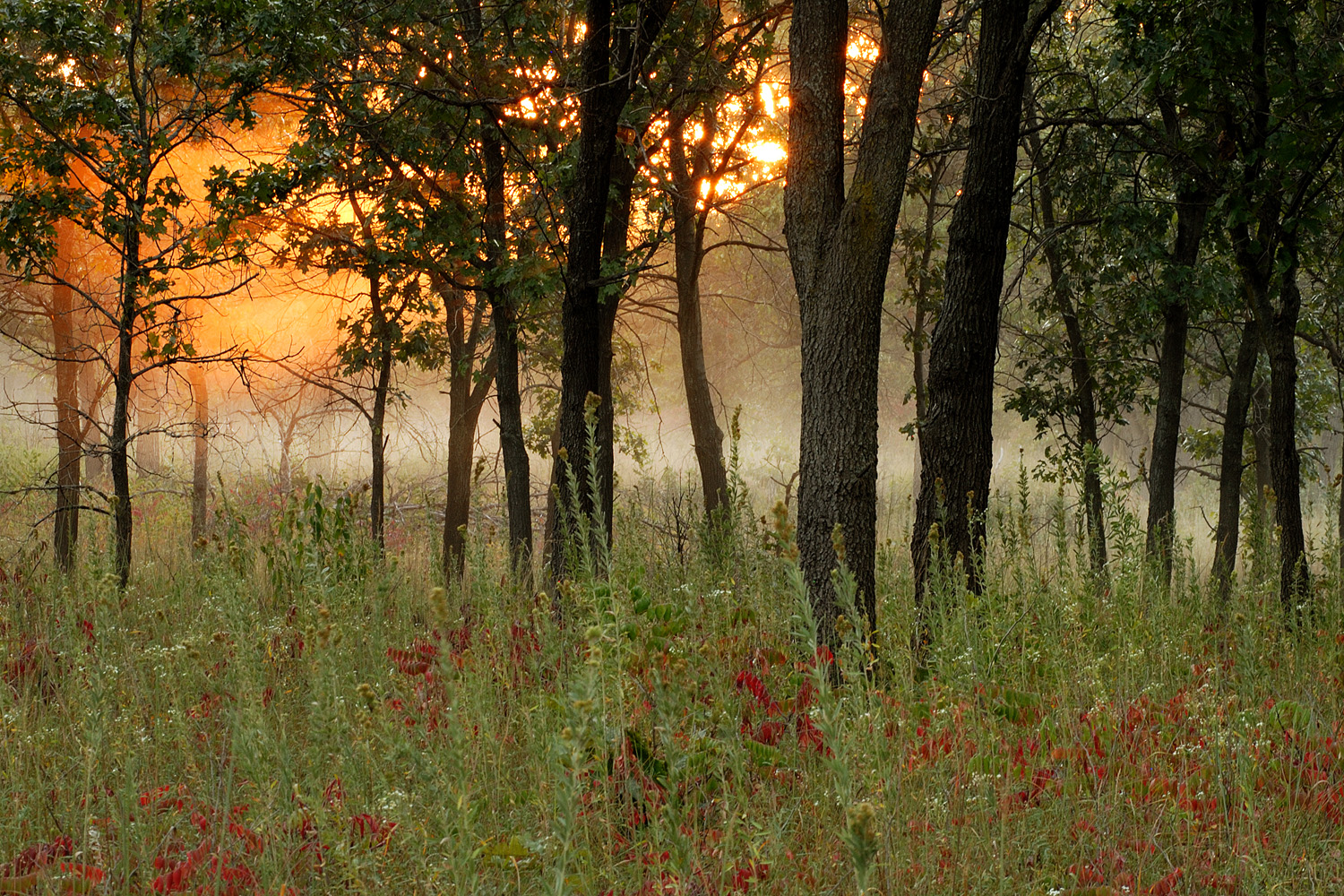
Savanna, another biome type, is usually tied to the prairie. This is the transitional biome between prairie and forest, and here you will find a mix of species from both. I have found that you can get good to great photographs on these lands, but because it does take work, you can develop photographic skills you can use elsewhere in the world. These can be difficult landscapes because of the open space

Kankakee Sands
Kankakee County, Illinois

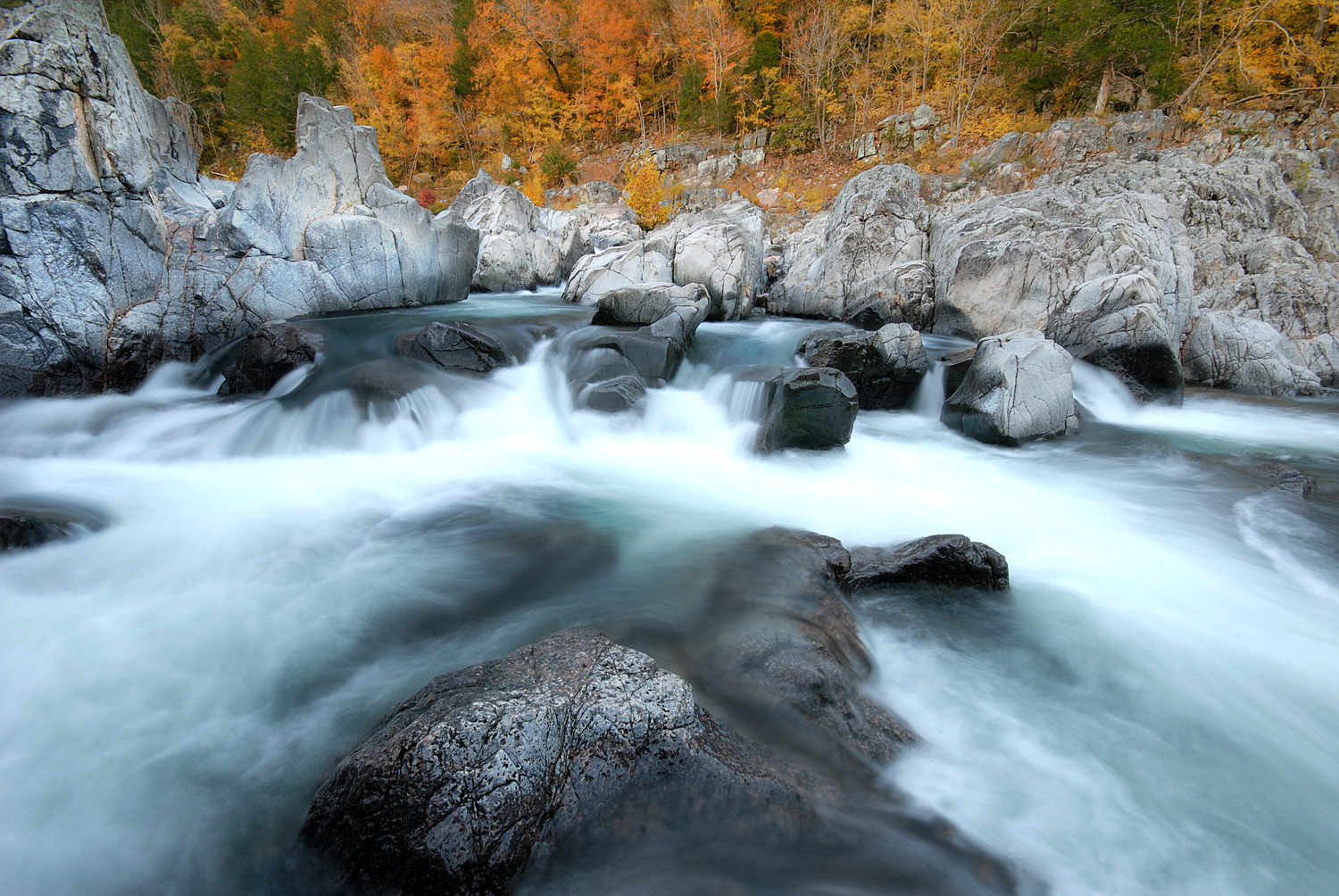
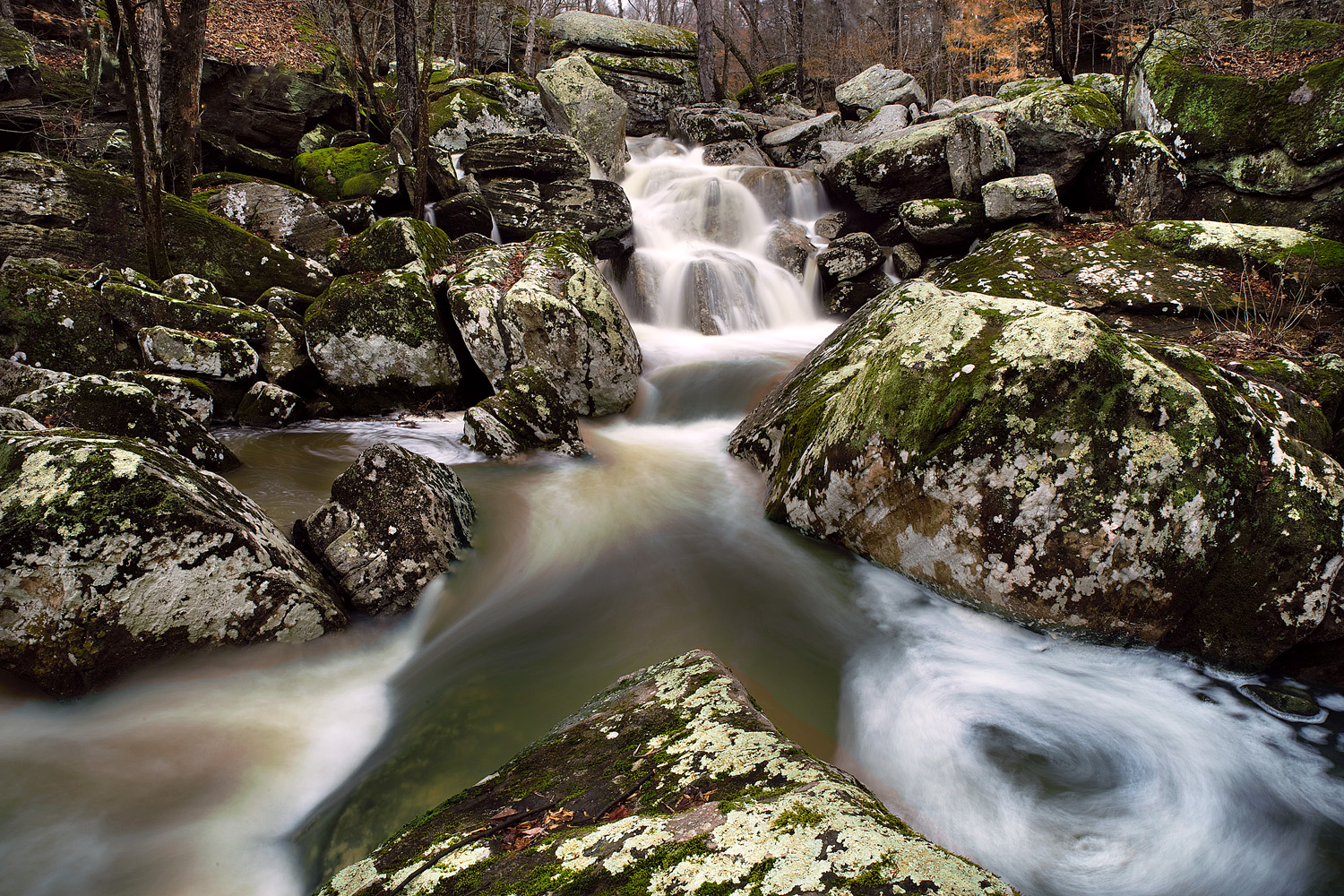
There are also unique geological features found in this region. The Saint Francois Mountains in SE Missouri are extinct volcanoes and ancient lava flows. Most have been exposed for over one billion years. With its acid soils it make for great plant diversity. When a river or creek flows through one of the lava flows you have what Missouri calls a shut-in (water is restricted or shut-in to a narrower passage due to the slow-to-erode nature of the underlying granite). These are extremely attractive to photograph in all seasons. Unfortunately, some of the more attractive ones are well visited. So unless you’re early or late in the day you may find yourself in large crowds. These are not tall mountains, being eroded for eons, but this is still mountainous country.

Johnson’s Shut-Ins State Park
Reynold’s County, Missouri

In southern Missouri there is also a unique set of monadnocks, an example being Caney Mountain Conservation Area – a remote area was once one of the last bastions for deer and turkey in the eastern USA.

Caney Mountain Conservation Area
Ozark County, Missouri

In southern Illinois the Shawnee National Forest with its limestone and sandstone escarpments (Greater and Lesser Shawnee Hills and Ozarks) can make for nice areas to explore photographically. Garden of the Gods is very scenic. Wet weather waterfalls are abundant (yes, Illinois is not flat here). La Rue Pine Hills ecological area not only has tall limestone bluffs. Below them is one of the most floristically rich areas in the Midwest with over 1200+ plant species. According to Robert Mohlenbrock, an authority on the flora of Illinois, the Shawnee NF is more diverse than the Great Smokey Mountains National Park. The area south of the Shawnee Hills also has some of the best southern swamps remaining in North America.

Ghost Dance Falls
Shawnee National Forest, Illinois

Along the west coast of Iowa and NW Missouri is another unique landform. The Loess Hills made up of windblown dust (loess soil) from the last glaciation. These type of hills are found only in three locations in the world and this being the only one in North America. The plants and animals found here are similar to those found nearly 100 miles west in Kansas and Nebraska. This is another type of tallgrass prairie with disjunct populations of mixed grass prairie species.

Broken Kettle Grasslands Preserve
Plymouth County, Iowa

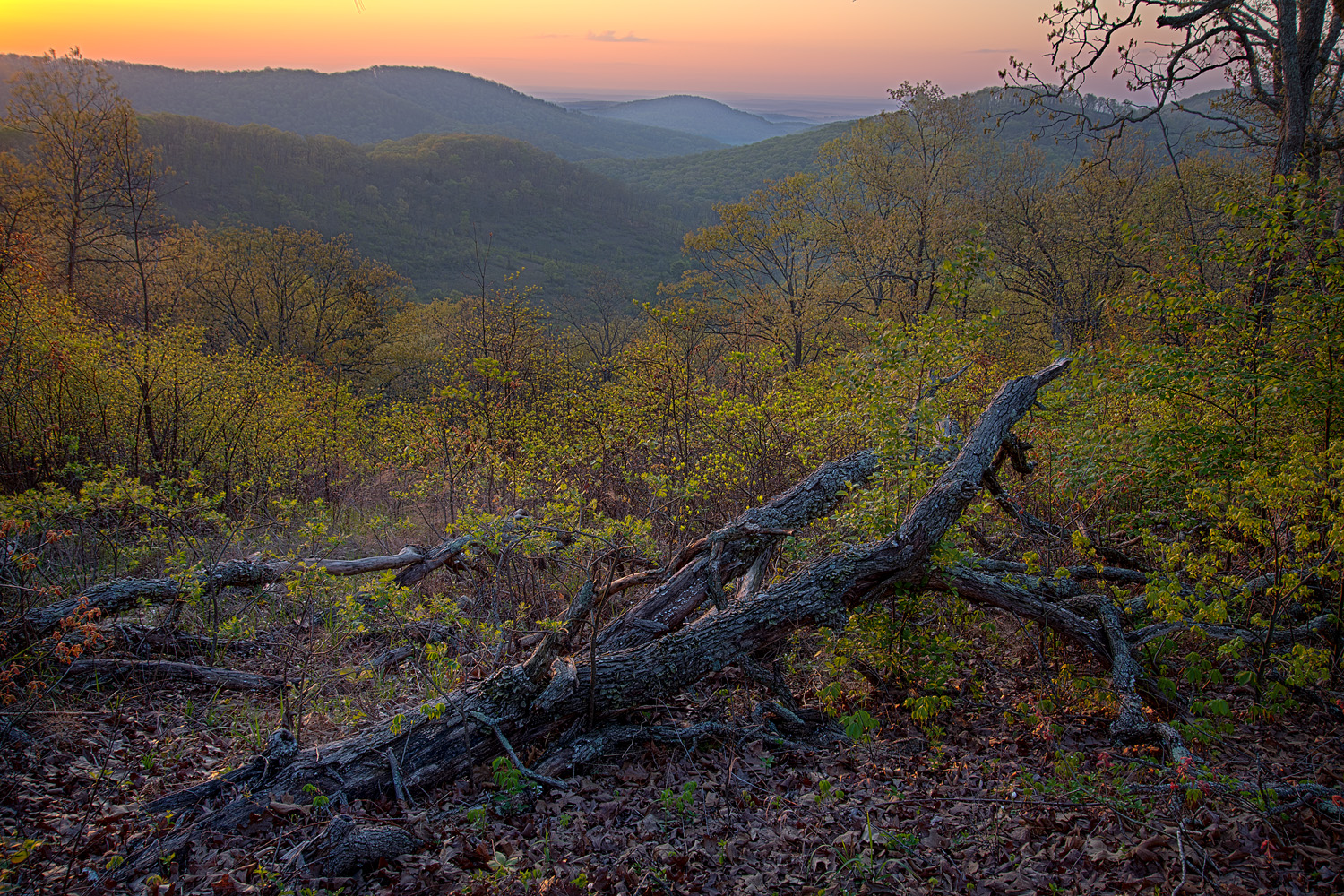
Forest covers the southern one-third of Missouri and the Shawnee NF in Illinois. Spring and autumn bring many landscape opportunities especially along the rivers and other water features. Wildflowers abound here through the growing seasons in the forest and in the spring and on rocky glades (opening between the woodlands) throughout the growing season. These are some of the more diverse forests in the country, with several species restricted to the Ozark Plateau. This is also a world class birding area.

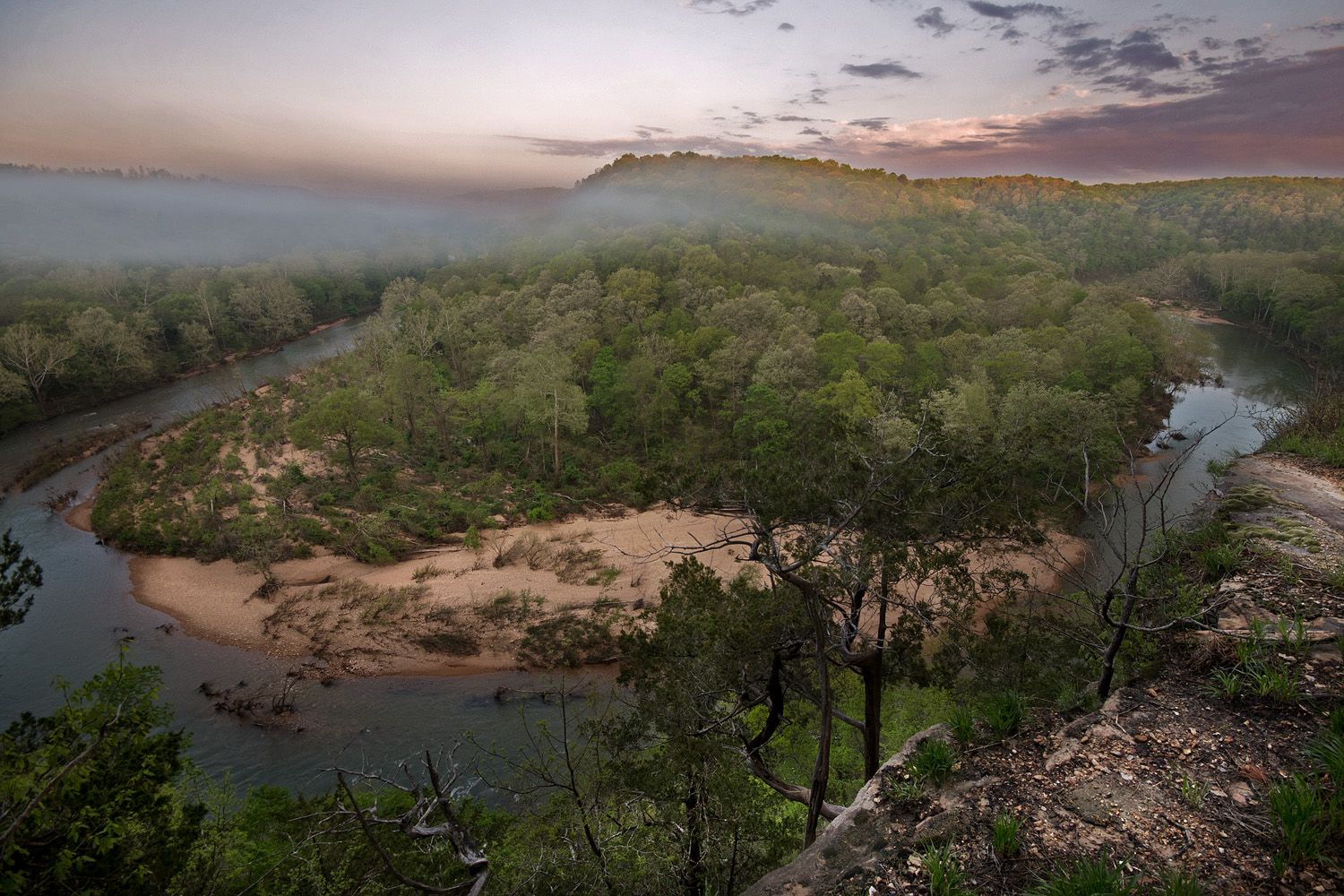
Chalk Bluff, Ozark Scenic Riverways
Shannon County, Missouri

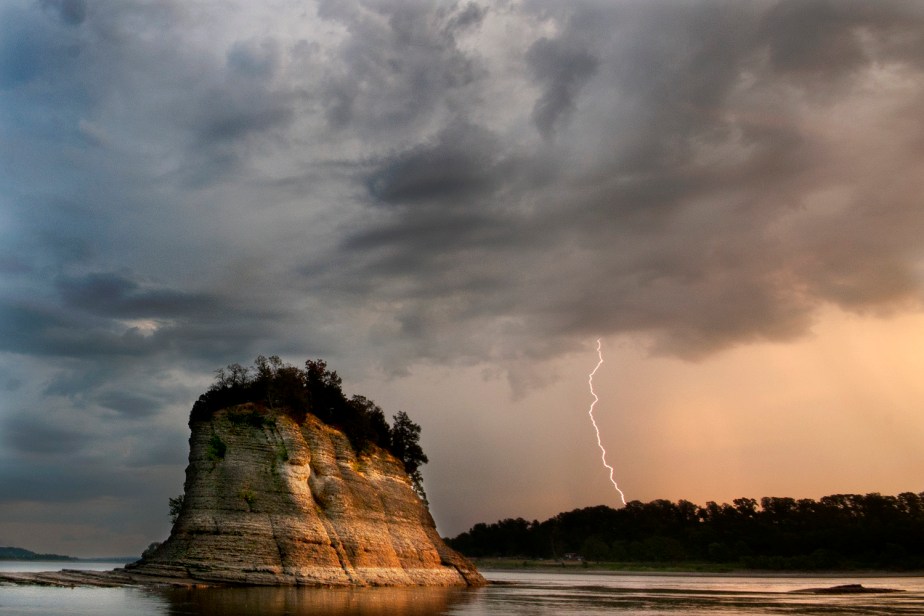
Water features are abundant as stated prior. This is one feature that many areas in the country lack. Even in deep droughts, the larger springs still have plenty of output keeping many rivers flowing well deep into the autumn. Every 10 to 20 years there comes a drought where the biggest of rivers have levels that fall enough to be able to walk to some of the islands that are within them, allowing us to get images that might be harder to access without a boat.

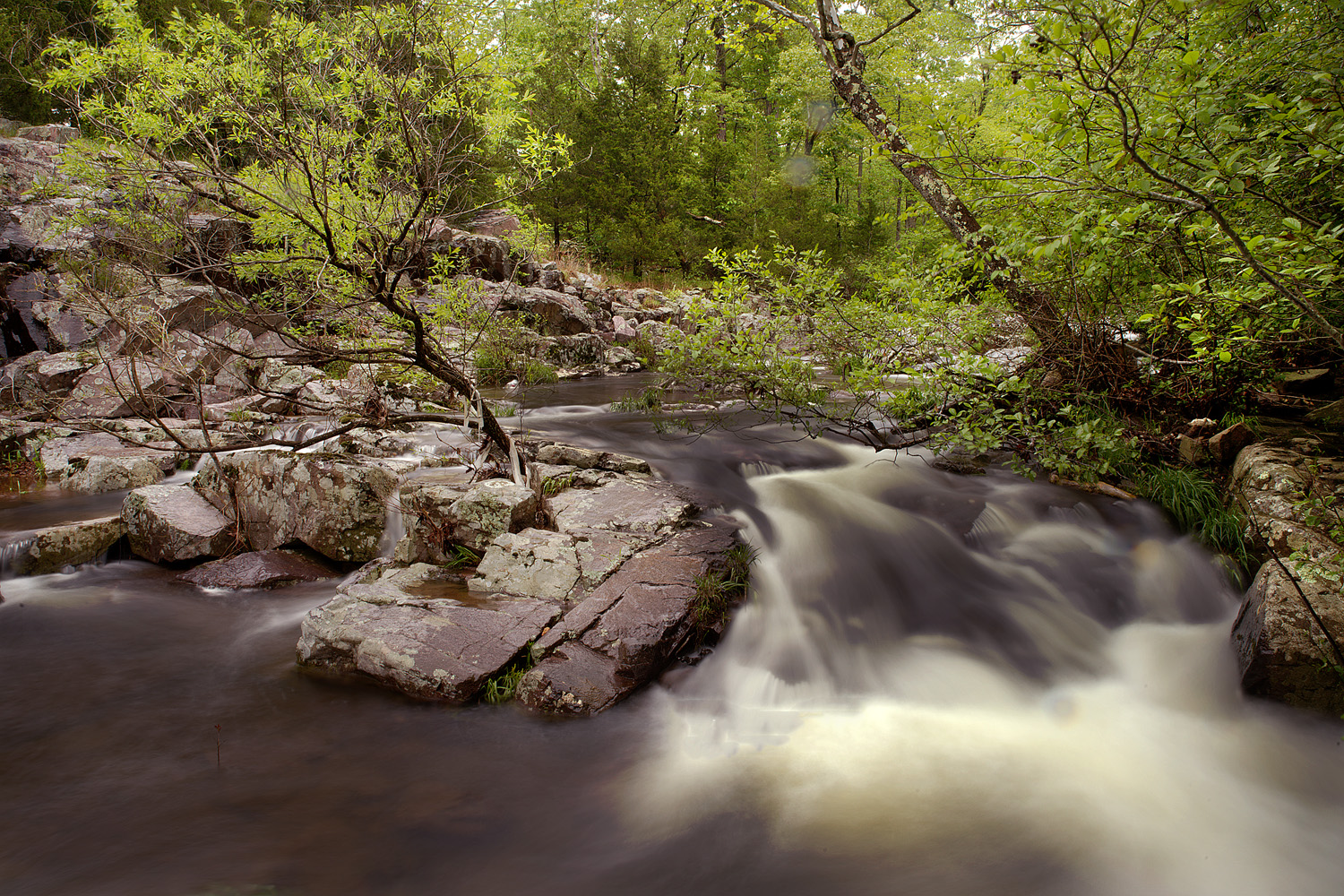
Carver Creek Shut-ins
Iron County, Missouri

I have spent many years studying and exploring these areas, through all four seasons. It is well worth the time to visit and explore.

Casey Galvin
May, 2023