
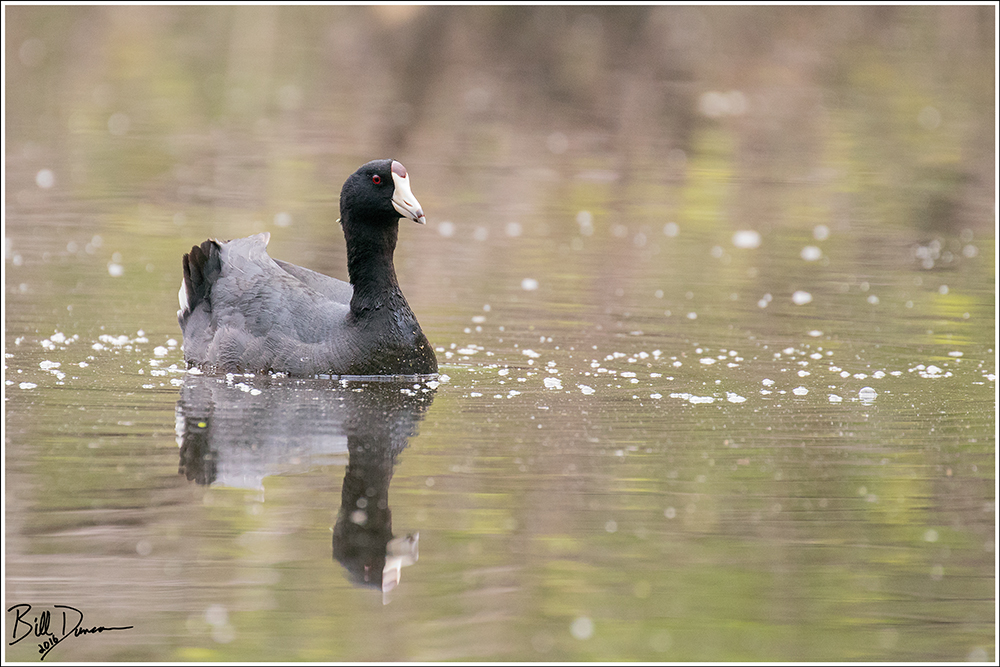
Way back in April, Steve and I grabbed the canoe and took another adventure into Mingo. We believe we were a bit too early in a long spring to catch a lot of wildlife activity, but we did catch a few sites worth remembering. For instance, this single Coot allowed us to get pretty close as we were just getting inside Monopoly Marsh.
Along with water-loving avifauna, certain reptiles can usually be a sure thing to find at Mingo. I heard the expected usual whimpering from the back of the canoe as I attempted to get a steady shot of this Cottonmouth that was trying to absorb some sun on this cool April morning. 😉

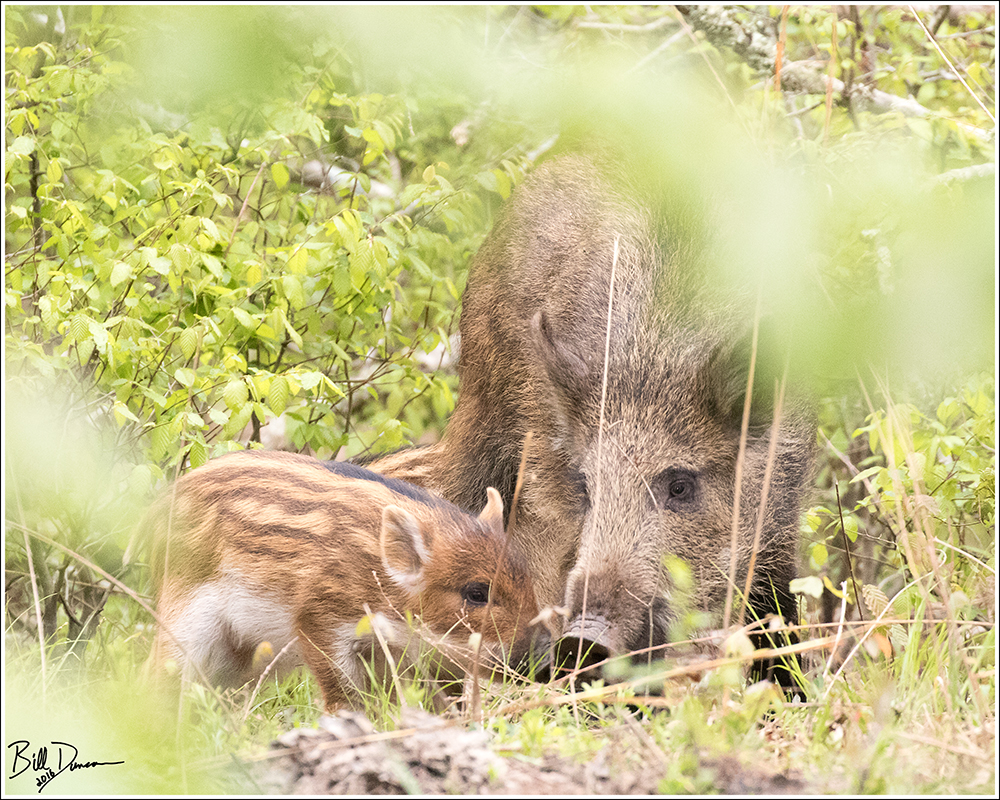
One of the more destructive and unfortunate of invasive species to be found in Missouri, the Feral Hog has a strong foothold at Mingo. Polluting water, destroying vegetation, negatively altering natural communities and competing with native wildlife for acorns and other food sources are the major examples of the damages caused by this invasive. The Missouri Department of Conservation has recently announced new policy that should make significant improvements in reducing the numbers of Feral Hogs in the Missouri Ozarks.
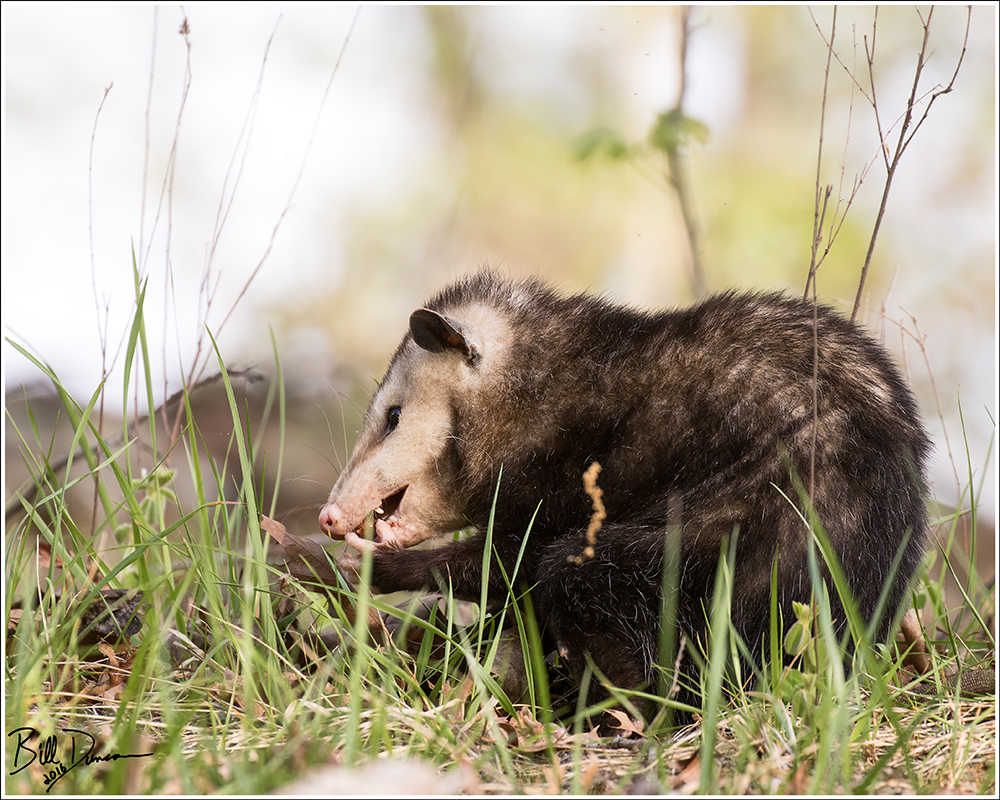
Finally, we have one of the expected and desired of Mingo’s mammals – the Virginia Opossum. This nicely colored possum didn’t mind that Steve and I watch as it had a mid-day snack.
-OZB


 A Thousand Acres of Silphiums