"What a thousand acres of Silphiums looked like when they tickled the bellies of the buffalo is a question never again to be answered, and perhaps not even asked." -Aldo Leopold
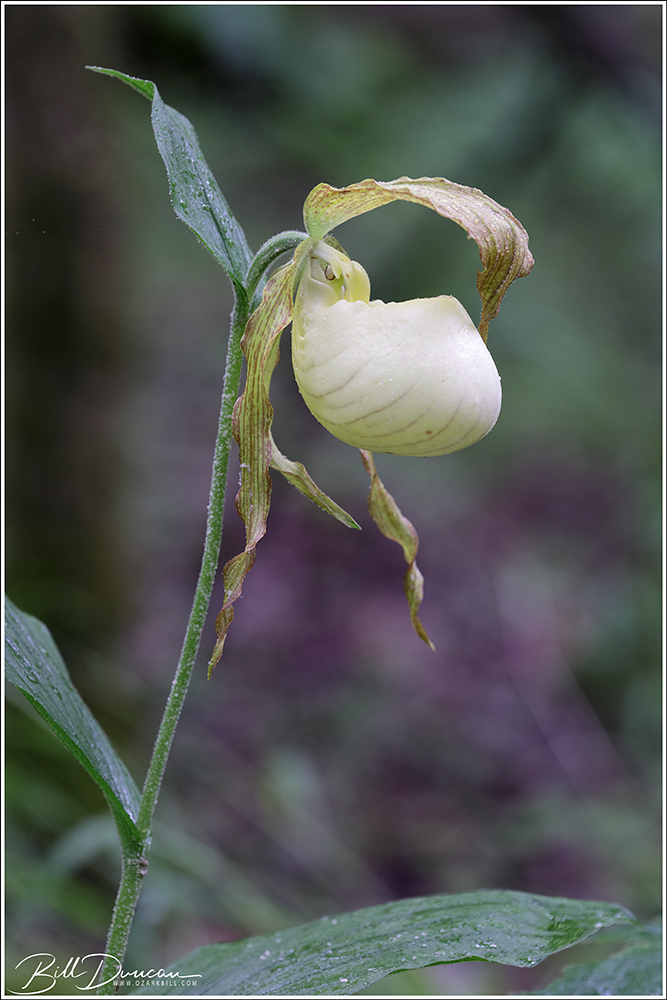
I have one more lady’s slipper orchid to share this year. I cannot count this one for my Missouri orchid list, but it is one hell of a slipper. The Kentucky lady’s slipper (Cypripediumkentuckiense) has the largest bloom of any in the Cypripedium genus and has nice diversity in colors and patterns. This is an orchid of the southeastern U.S. It has not yet been documented in Missouri, but can be found in the contiguous states of Arkansas, Tennessee, Kentucky and Oklahoma. Casey and I found these with some help in May in the Ouachita Mountains of Arkansas.
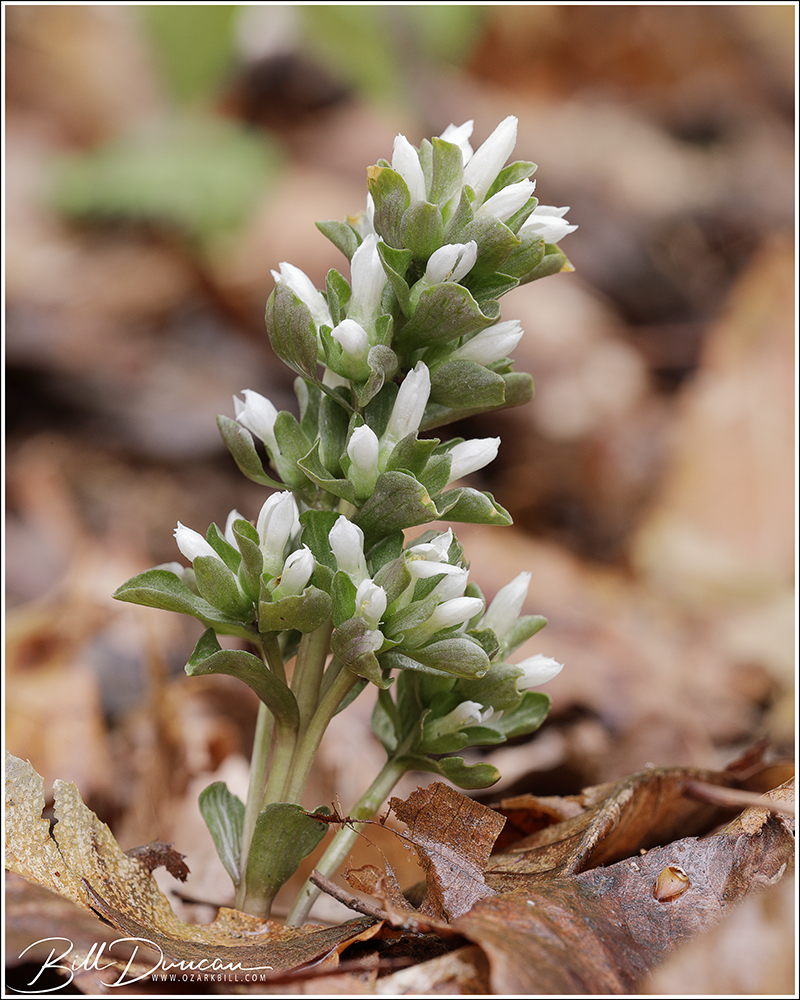
It’s not only orchids that I have had the pleasure getting to know during the past few years. Having new botanically-minded friends, I have been able to find and get to know a number of other interesting and sometimes quite rare plants found in other families. Obolaria virginica, known as Virginia pennywort or pennywort gentian, is indeed in the Gentianaceae family (gentians). It is ranked as S2 (imperiled) in Missouri, likely due to the small number of populations found here. This plant emerges very early and is much like a typical spring ephemeral. Like the coralroot orchids (Corallorhiza sp.), this plant is mycoheterotrophic, getting at least some of its nutrients by parasitizing microrrhizal fungi.
The diminutive Obolaria virginica (Virginia Pennywort) has been reported from only three Missouri counties in the southeastern portion of the state.
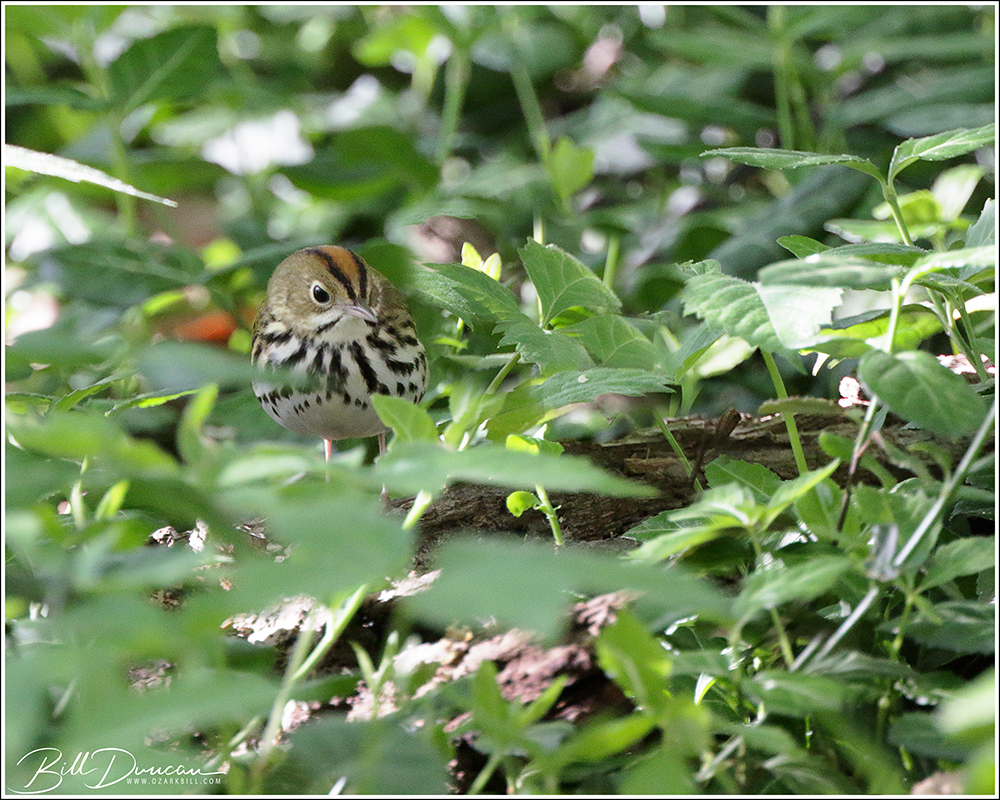
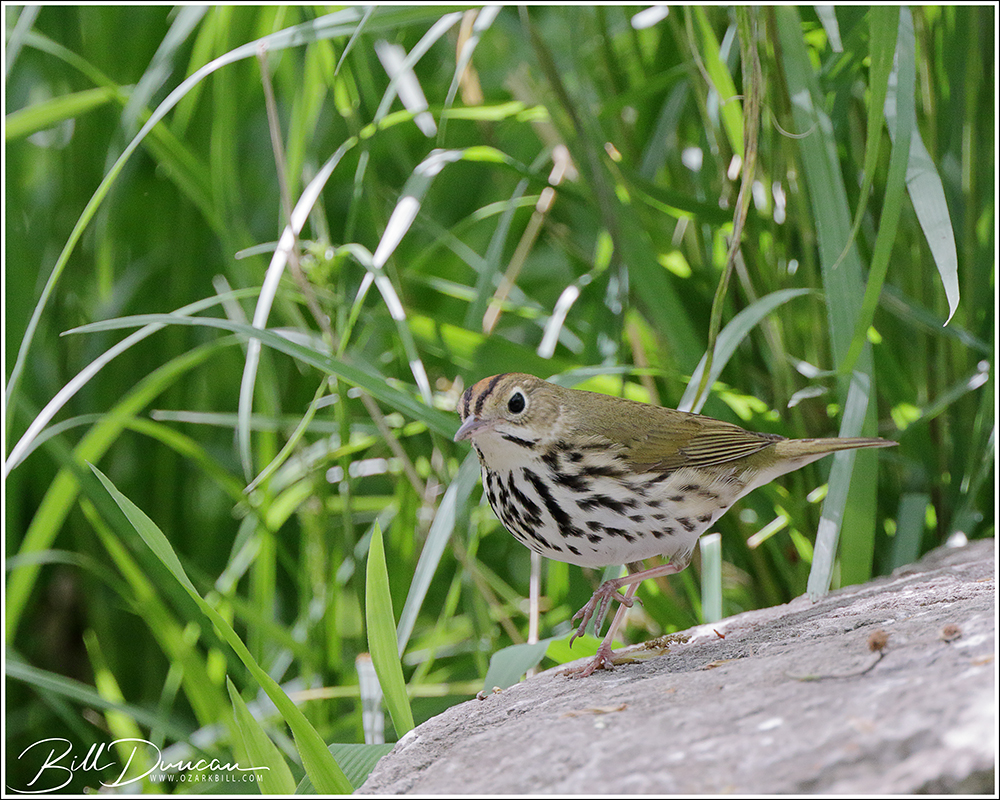
With the relatively recent removal of the Yellow-breasted Chat from the Parulidae, the title of the largest new world “wood warbler” may very well go to the Ovenbird, Seiurus aurocapilla. The Ovenbird is somewhat of a misfit itself. Seiurus is a monotypic genus, believed to have derived early in the evolution of the family. This pot-bellied, thrush-like bird nests and forages on the forest floor, getting its common name from its nest that supposedly resembles a Dutch oven.
Although the Ovenbird can be easily heard through much of the summer in any large-track deciduous forest, getting good looks and photographs is easiest by waiting to spot them in a migration trap like Tower Grove Park in St. Louis City where these photos were taken.
Getting a photo of an Ovenbird showing its orange crown stripe can be a fun challenge!
There is a singer everyone has heard, Loud, a mid-summer and a mid-wood bird, Who makes the solid tree trunks sound again. He says that leaves are old and that for flowers Mid-summer is to spring as one to ten. He says the early petal-fall is past When pear and cherry bloom went down in showers On sunny days a moment overcast; And comes that other fall we name the fall. He says the highway dust is over all. The bird would cease and be as other birds But that he knows in singing not to sing. The question that he frames in all but words Is what to make of a diminished thing.
“The Ovenbird” Robert Frost
Ovenbirds walk along their environments more often than flying.
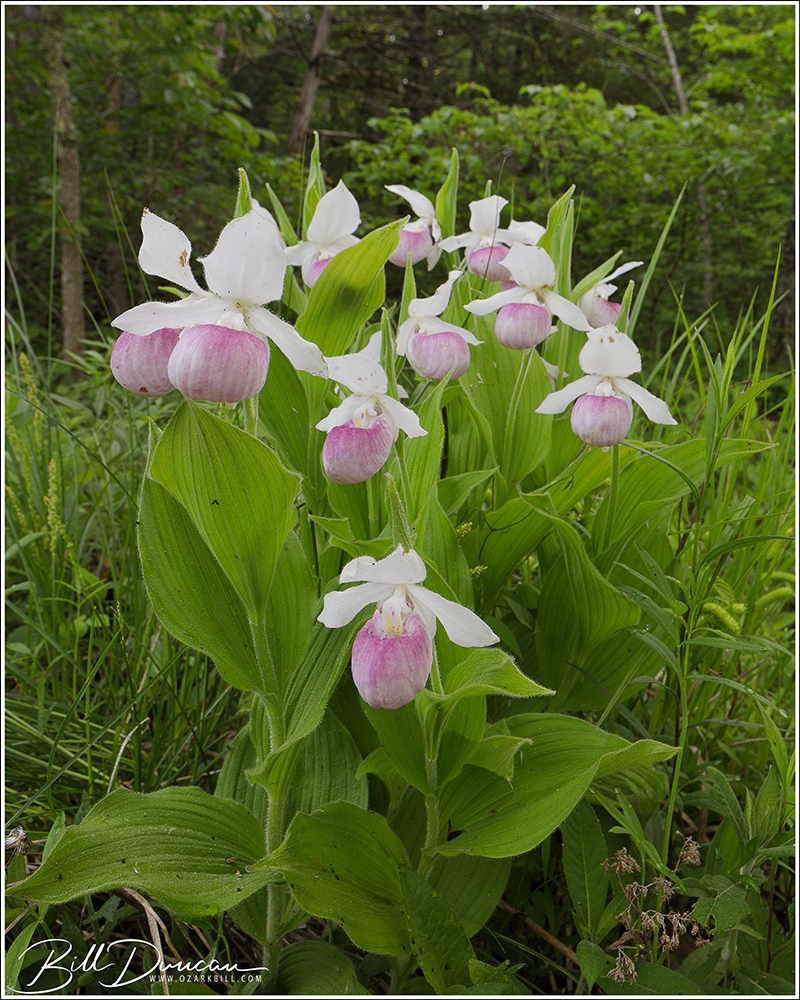
The conservation status of Cypripedium candidum, the small white lady’s slipper, is currently ranked as S1 (critically imperiled) by the Missouri Natural Heritage Program.
I have one more lady’s slipper we found in May to share. Cypripedium candidum or small white lady’s slipper requires moist and full-sun exposures, such as may be found in wet prairies, meadows, fens and forest edges. The reason for its rare status (likely found on fewer than five locations in the state) is due to habitat disturbance and orchid poachers digging them up for horticultural uses.
A small bunch of small white lady’s slippers
This species can hybridize with C. parviflorum (yellow lady’s slipper) when found in close proximity. This can potentially be a conservation concern in some states, but to my knowledge, there are no close associations between these two species in Missouri.
The habitat where these slippers where found in Shannon County, MO. You will not be able to see them, but I assure you, there are slippers in this photo.
It was wonderful finding this and the other lady’s slippers in the state this year. I’m hoping this one can still be found here far into the future.
A fresh Cypripedium parviflorum photographed in late May in St. Francois County, Missouri.
May was definitely a lady’s slippers month. My friends and I found four species within a week (three in MO, 1 in AR). Of the three species found in Missouri, two are species of conservation concern within the state – Cypripedium candidum, small white lady-slipper (S1) and C. reginae, showy lady-slipper (S2S3). I’ve shared photos of C. reginae on this blog before and a C. candidum post will be coming shortly.
I’ve posted photos of C. parviflorum (yellow lady’s slipper) here before as well but these accompanying photos were taken at a new location for me in St. Francois County. Some taxonomists, books and keys have this species split into two varieties – C.parviflorum var. pubescens, or the “greater” yellow lady’s slipper and C.parviflorum var. makasin, the “small” yellow lady’s slipper. Some authors have even split these two into specific status while even others have argued there is no basis in splitting these into varieties. From my limited experiences with these in Missouri and the taxonomic descriptions I have read, I have not seen ample evidence to suggest these should be split into varietal forms. There seems to be a lot of variation in the characteristics that are supposed to describe these two varieties and until someone shows me better proof that these should be treated as two separate forms, all I can say is that, “I’m from Missouri” and I will not be including these as two in my “master list” of the Missouri orchids.
If you are knowledgeable in this area and wish to argue, by all means, please let me know.
I shared images of this orchid last year. However, with an opportunity to visit one of its special homes this past weekend with a couple of friends, I couldn’t pass up the chance to see them again. I’ll be sharing photos of new orchids soon.
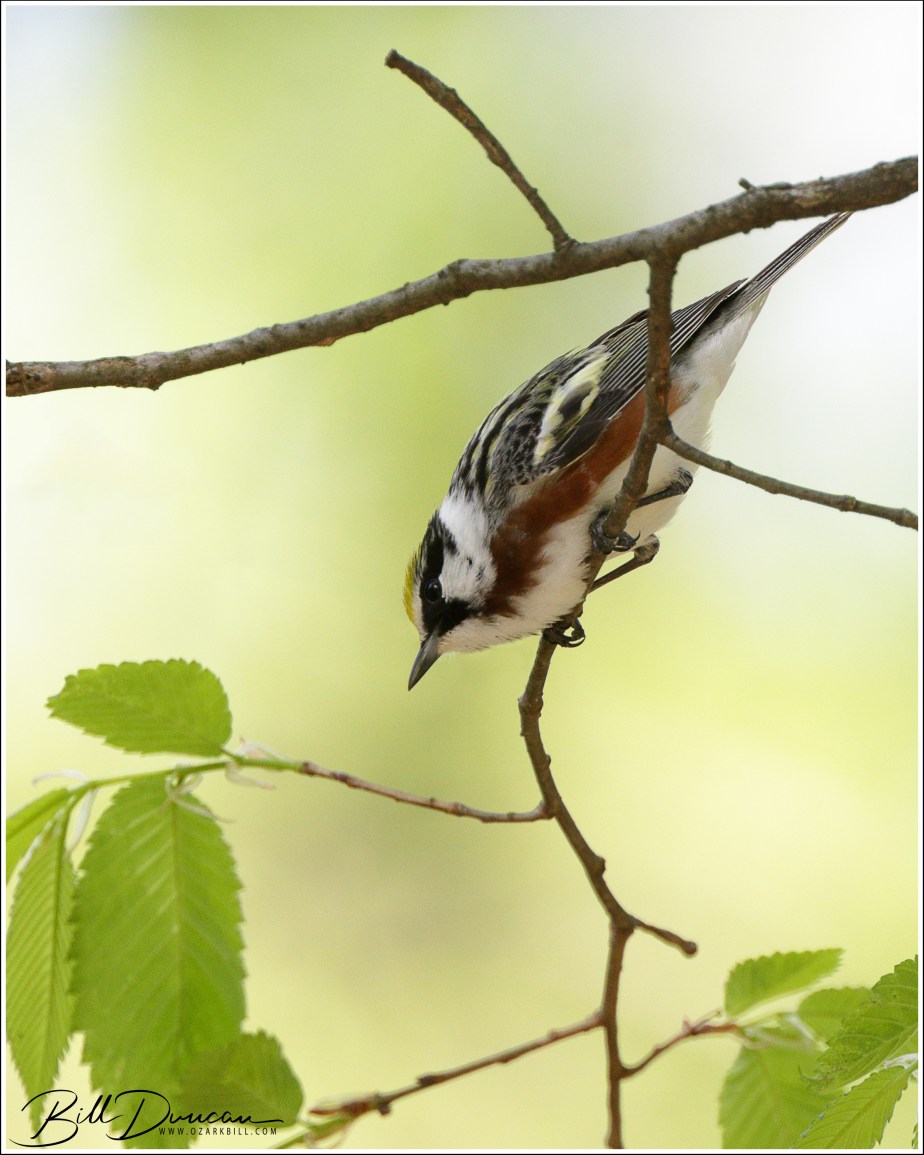
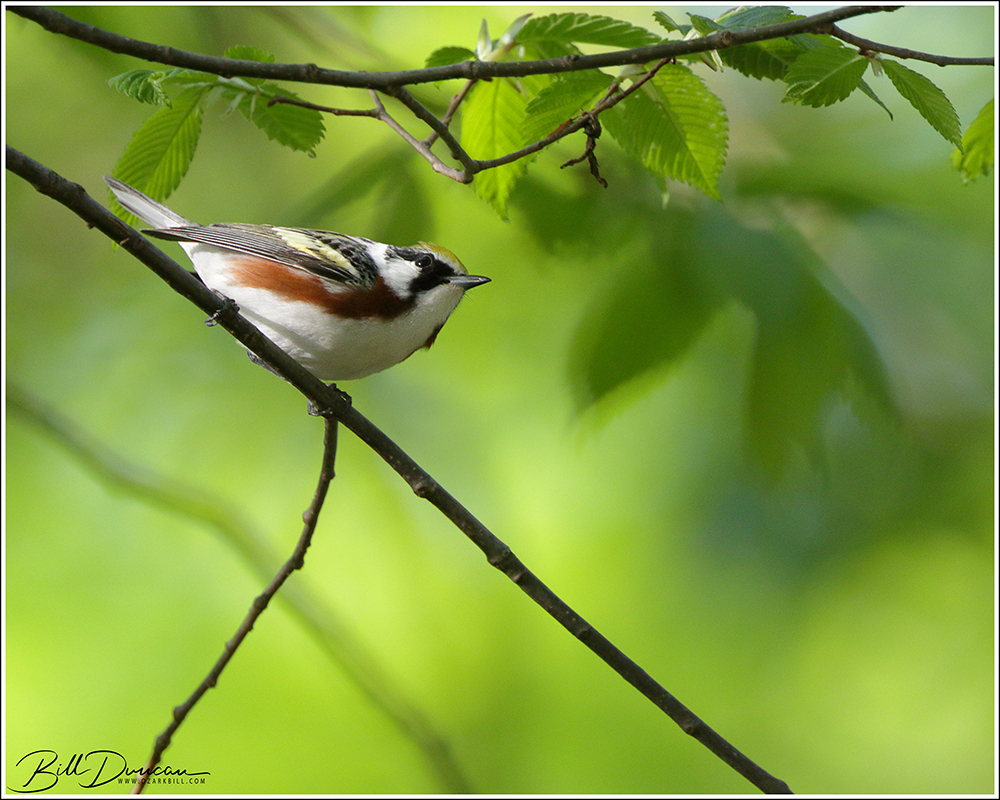
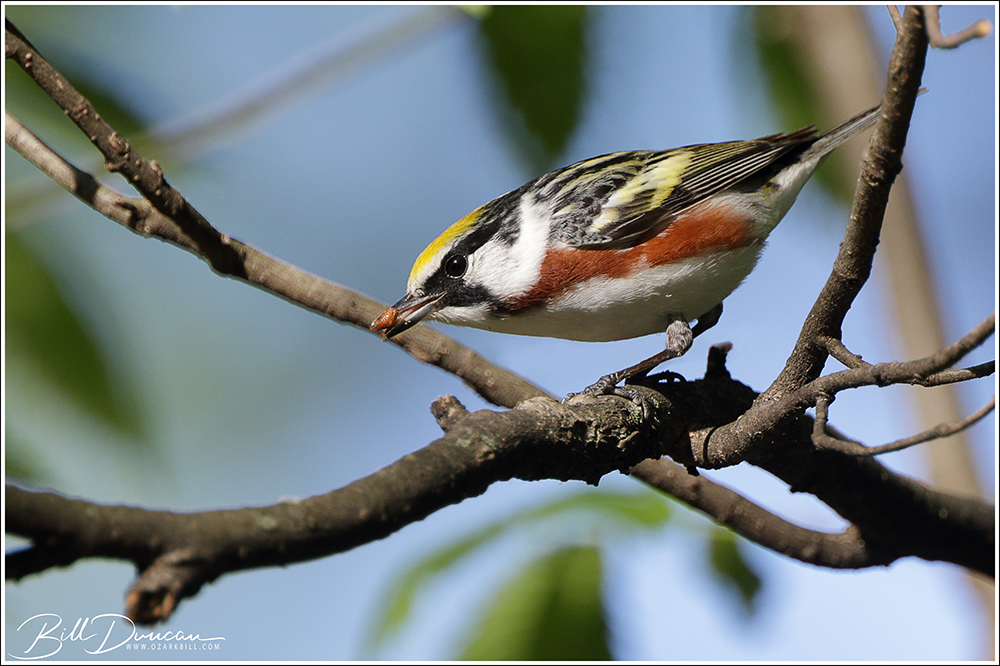
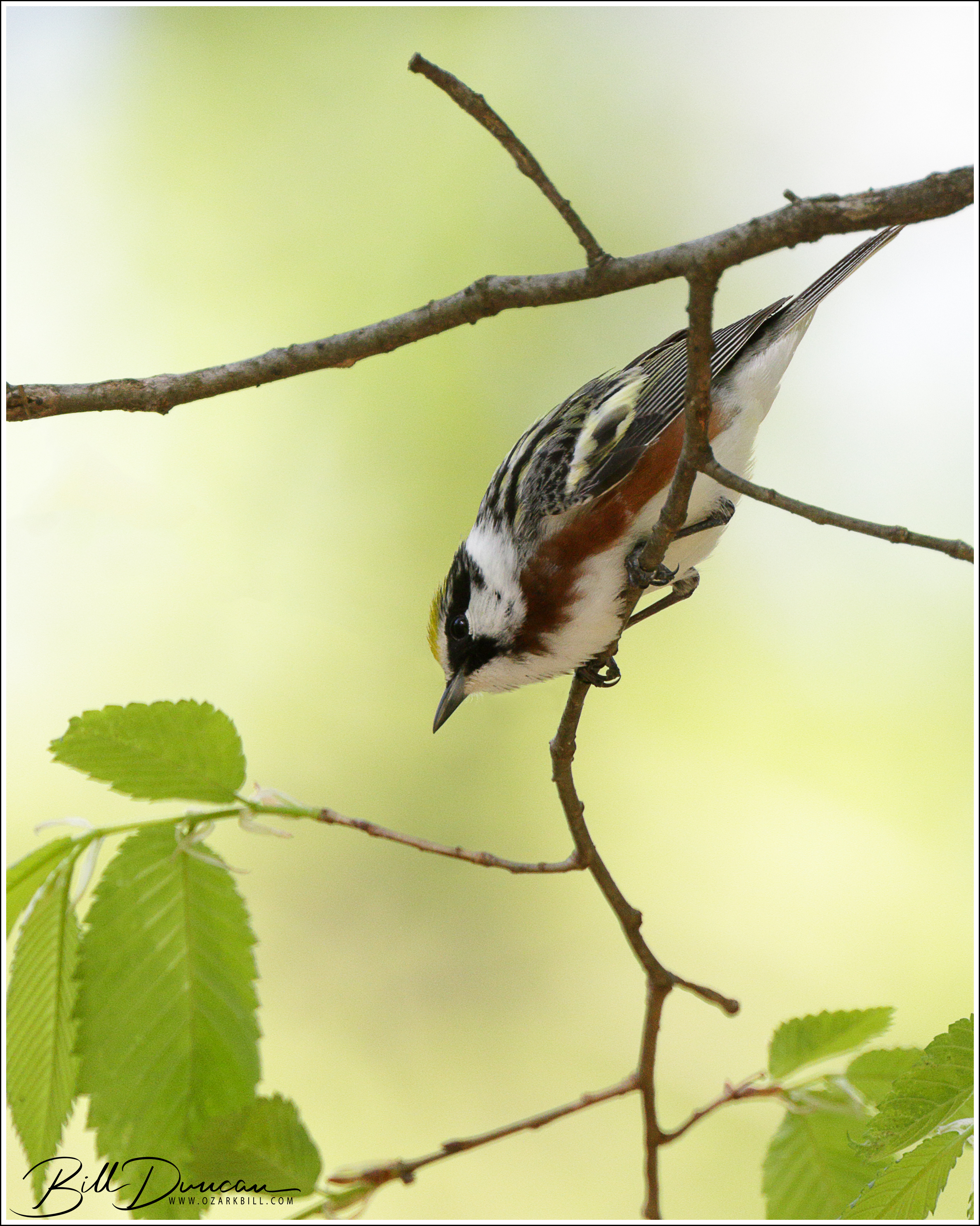
It looks as though I may get only one opportunity for Tower Grove Park this spring, but it was a good one. I’m glad it was a nice morning for Kathy Duncan’s first visit. We had quite a few cooperative birds at the water feature of the Gaddy Bird Garden where these photos of Chestnut-sided Warblers were taken.
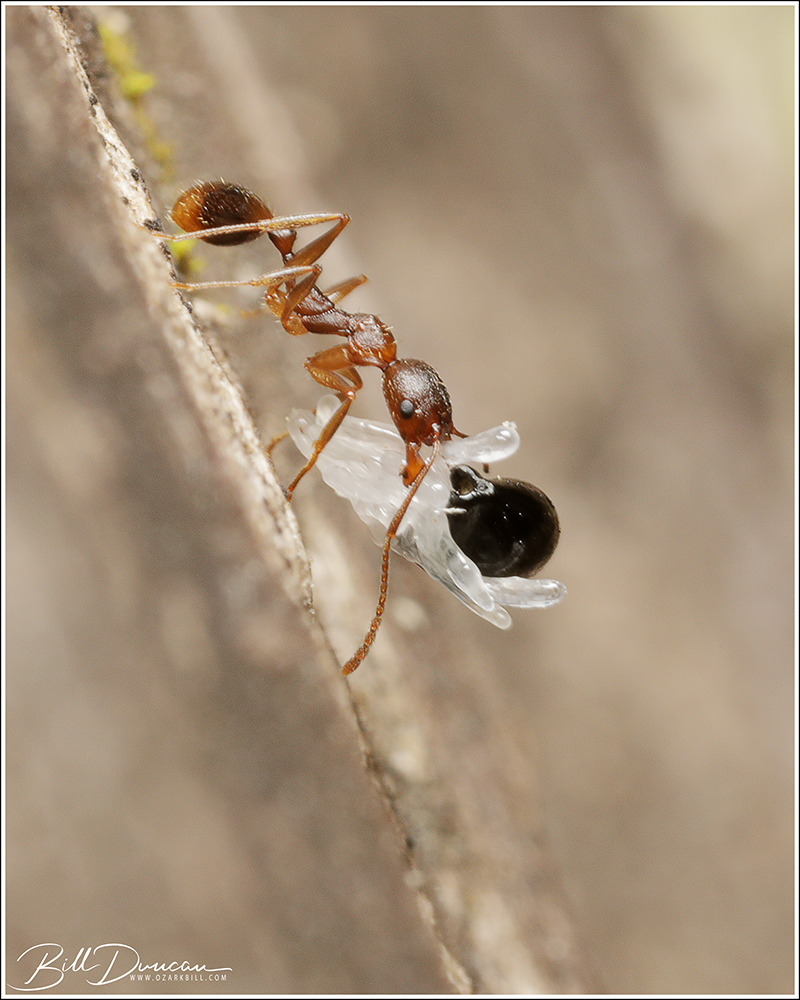
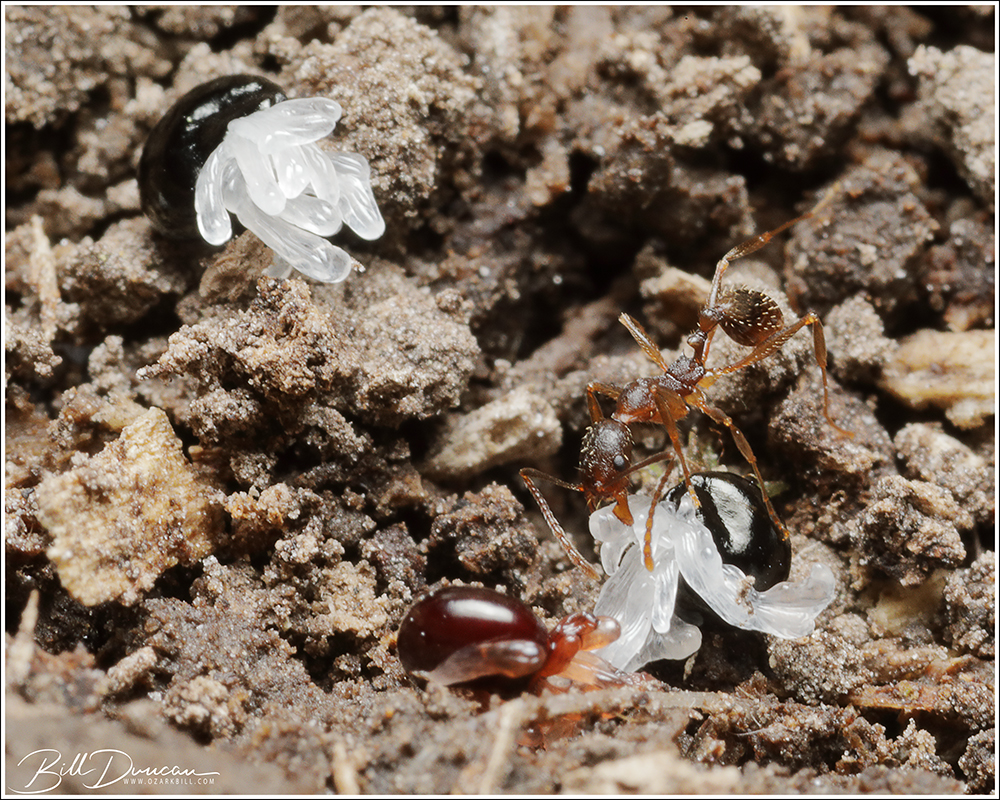
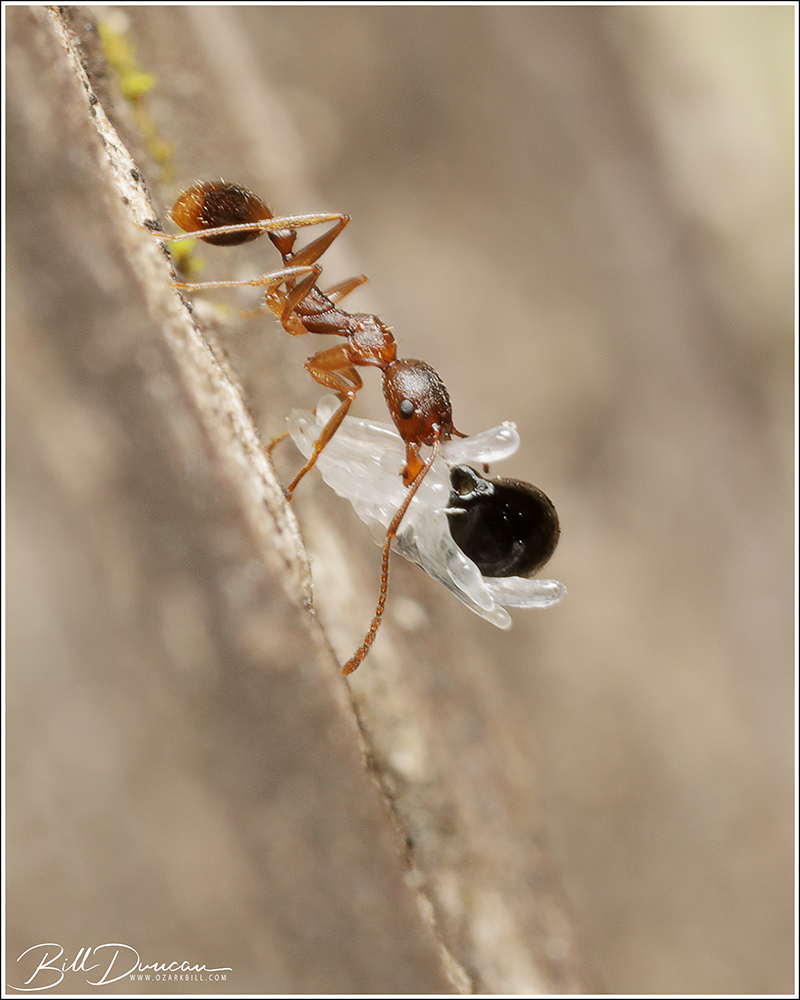
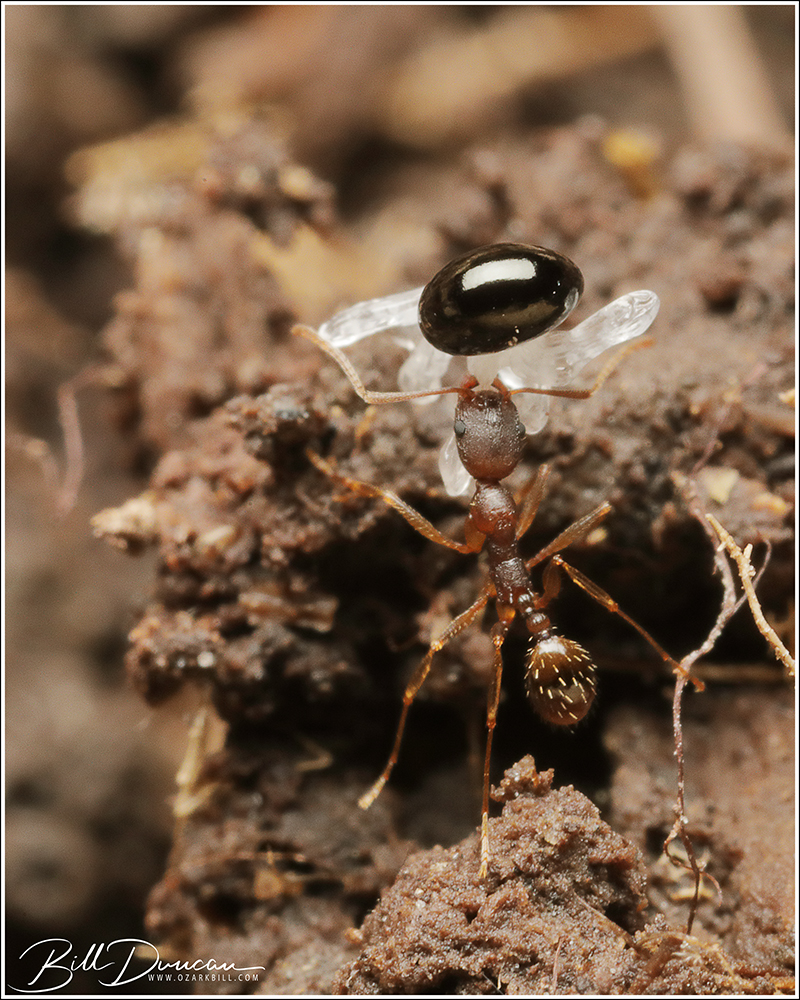
In continuing my work from last year, this year I was able to capture a few Aphaenogaster rudis moving the diaspores of Dicentra cucullaria (Dutchman’s breeches). Although this was the best year I’ve ever seen for D. cucullaria, getting everything to work just right in order to photograph this process was difficult. I was often short on the time needed to do this. Also, the cool temps we had this spring made it a bit difficult to find the foraging ants, even when the supply of diaspores I had at my disposal were ample.
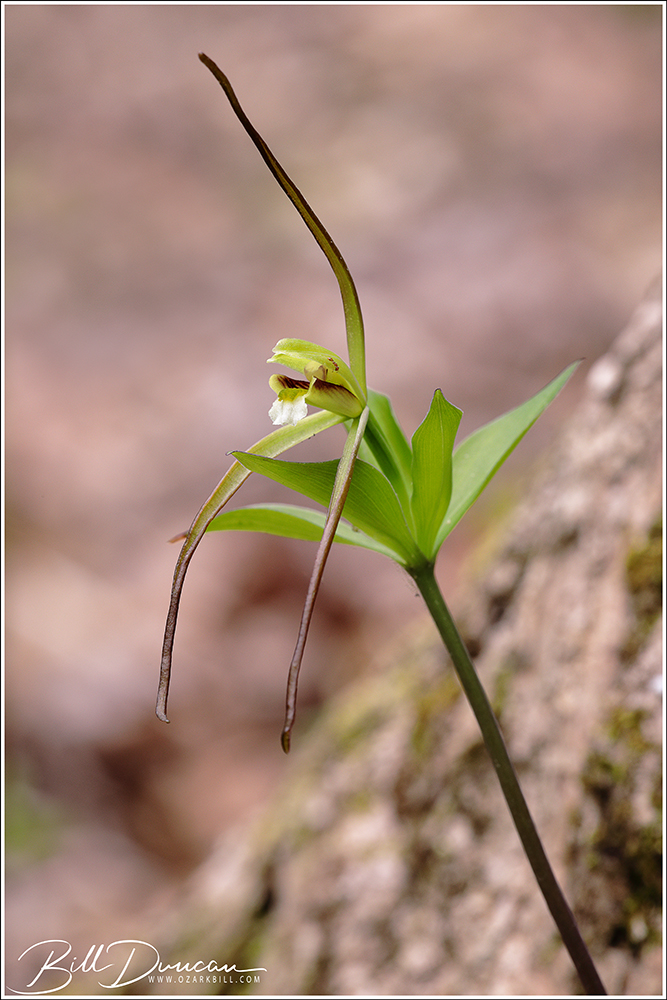
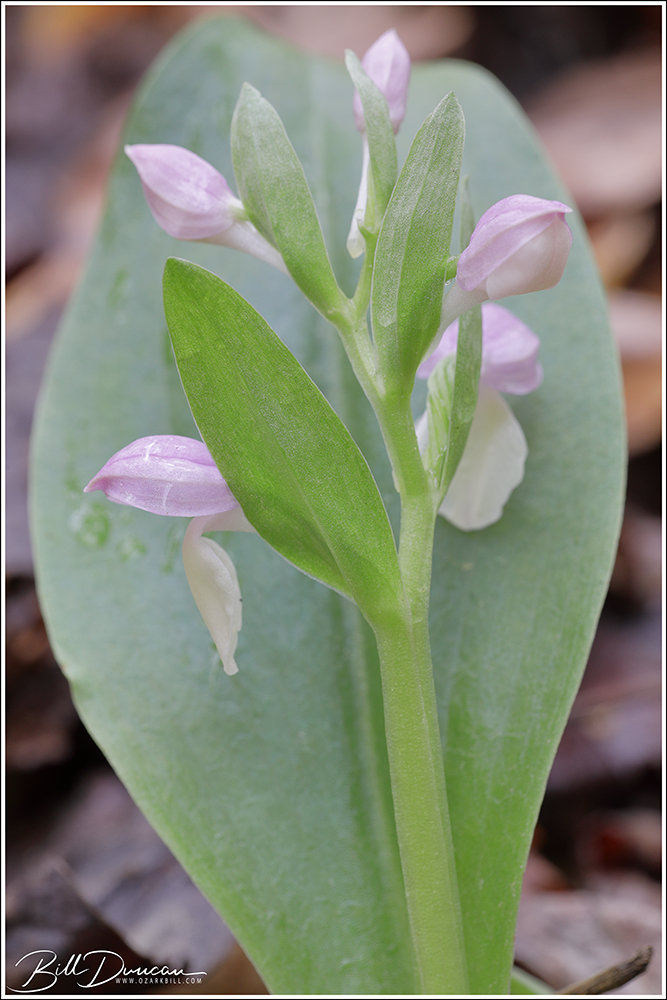
The 2021 season has started with great success. The following orchids were found in Stoddard County on a trip with Pete Kozich, Casey Galvin and Stephen Dilks. Many thanks to all of you for your parts in finding these and several other fascinating plants on this day. It was a pleasure botanizing with you.
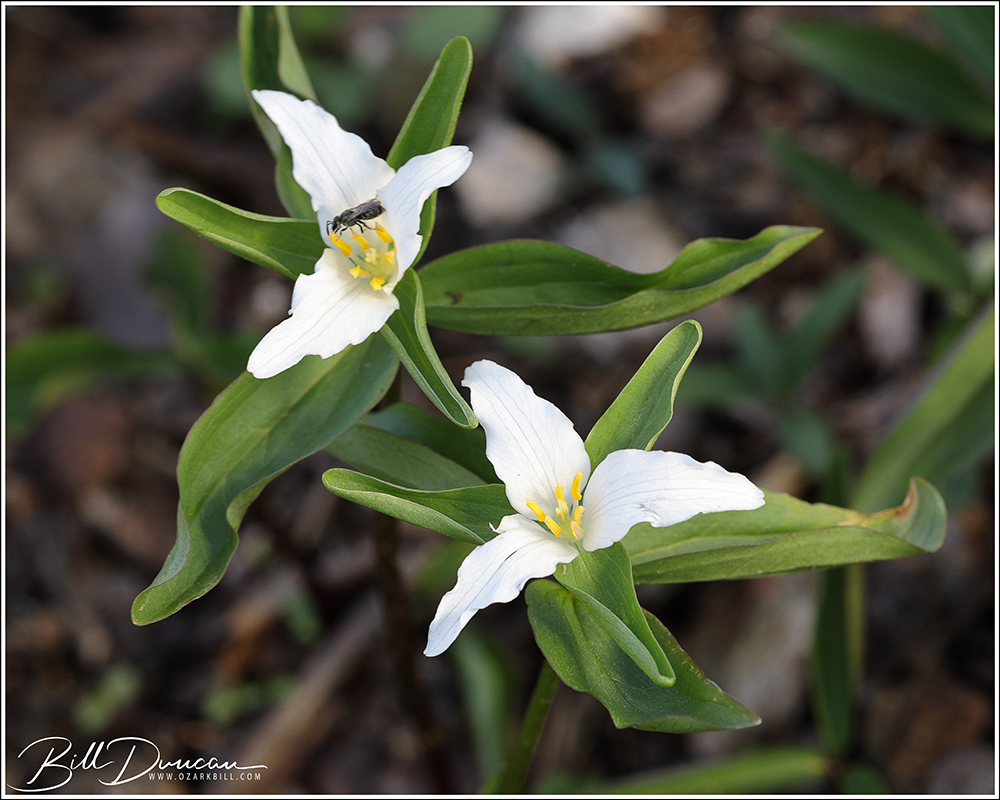
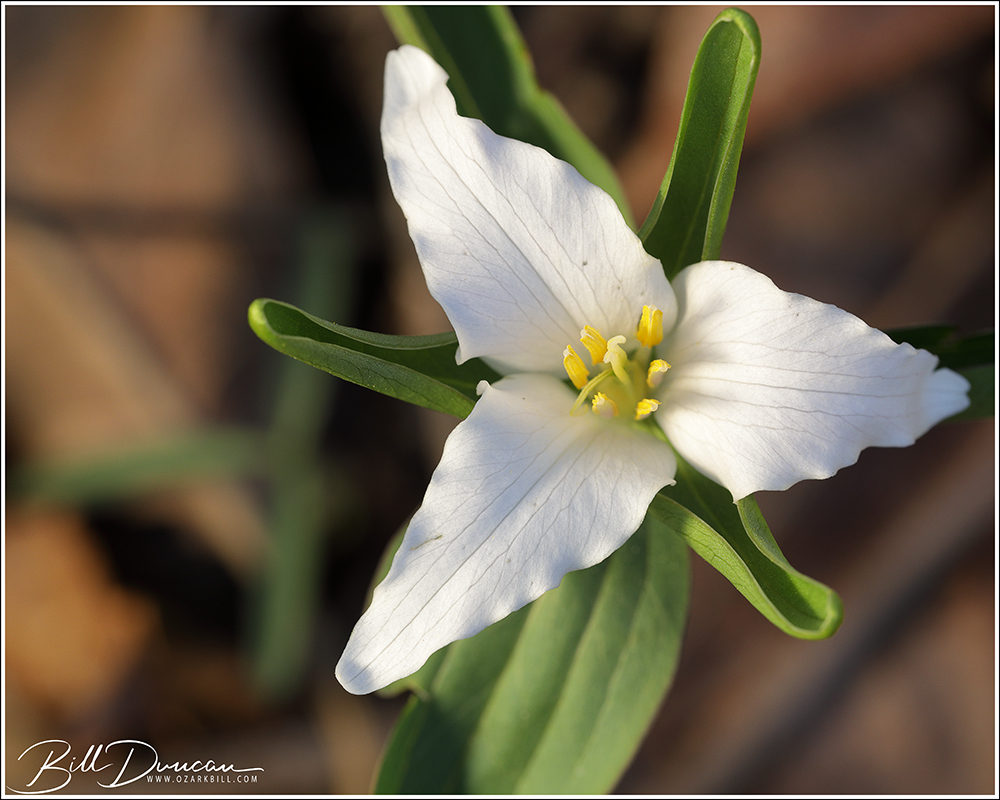
Another early-blooming trillium that is rare in Missouri. These Trillium pusillum var. ozarkanum were photographed in late March in southwestern Missouri.















 A Thousand Acres of Silphiums