
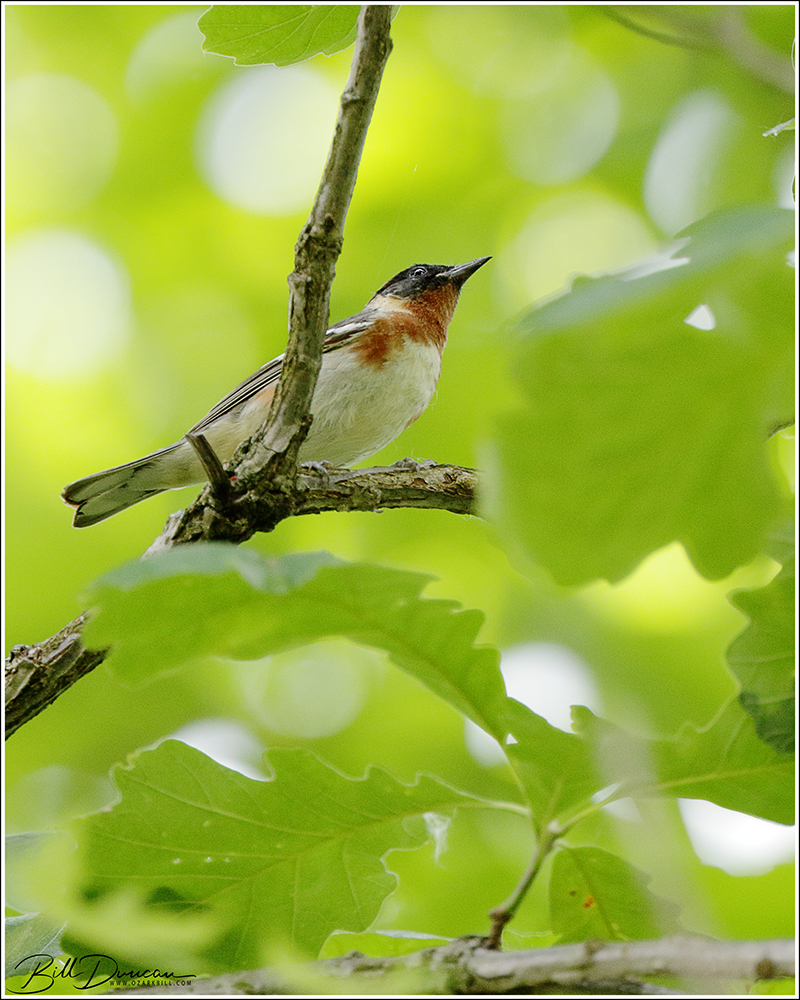
Dave and I found this Bay-breasted Warbler on May 20th this year at Creve Coeur Lake in St. Louis County. Always a pleasure to find a singing Bay-breasted.


"What a thousand acres of Silphiums looked like when they tickled the bellies of the buffalo is a question never again to be answered, and perhaps not even asked." -Aldo Leopold
Dave and I found this Bay-breasted Warbler on May 20th this year at Creve Coeur Lake in St. Louis County. Always a pleasure to find a singing Bay-breasted.

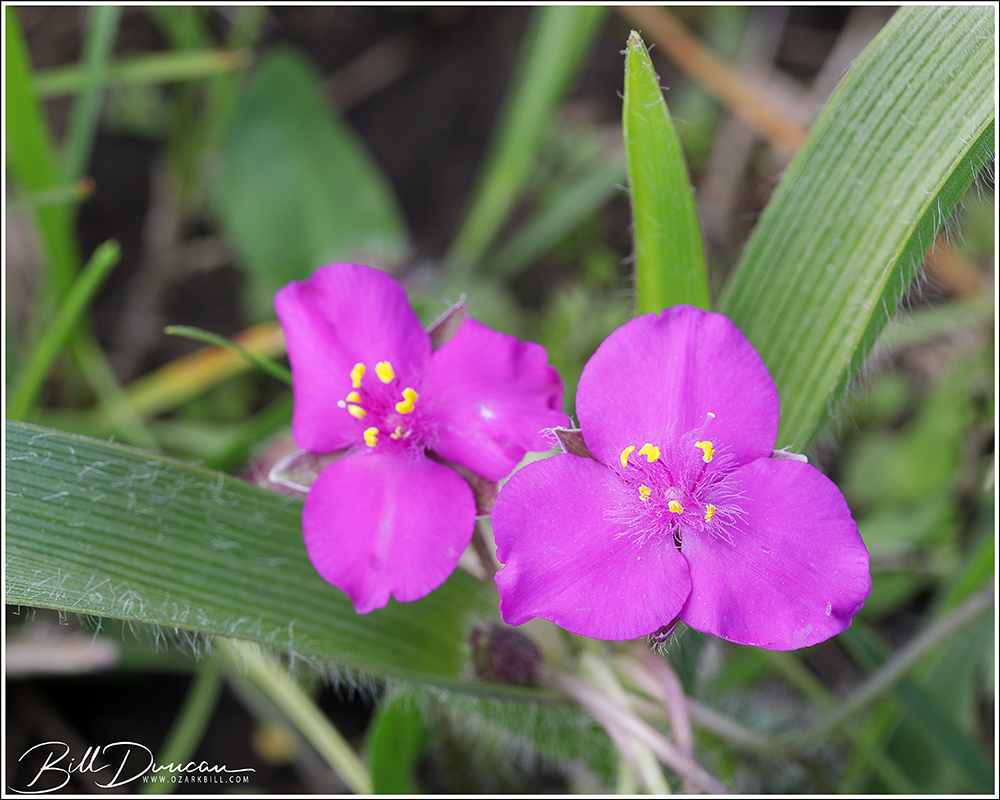
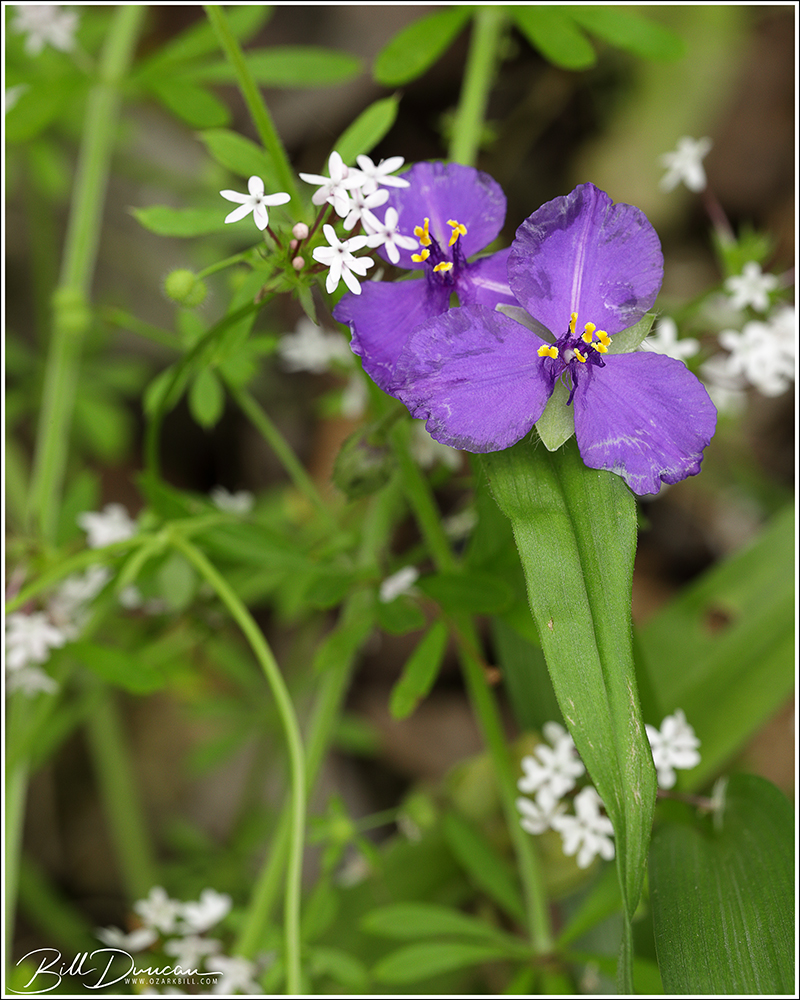
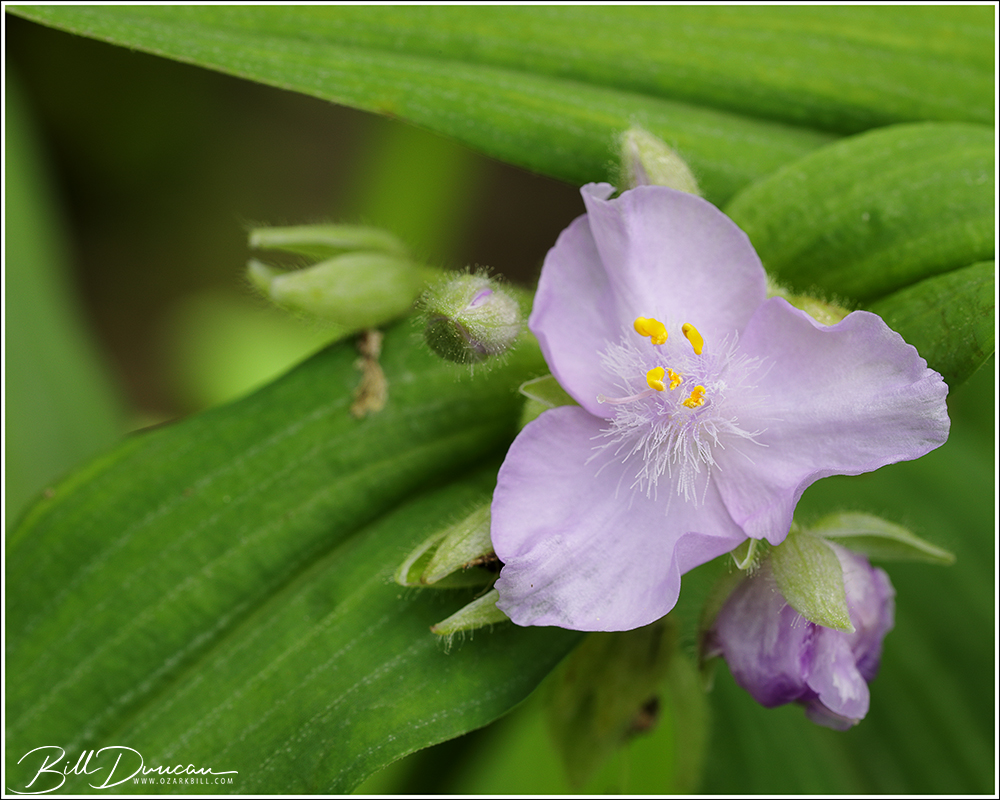
Casey and I ran into a number of spiderworts in forests, glades and prairies across Arkansas and southern Missouri during our trip in May. Although Casey did his best in identifying the plants as we came across them, my field note taking can often leave a lot to be desired and I didn’t record which photo was which plant. With approximately ten species of Tradescantia in this geography plus a few known hybrid situations as well as multiple flower colors possible in some species, identifying these just by closeup photos of the flowers would be challenging even for the experienced botanist. So, I am satisfied just to focus on the forms, colors and insect interactions of these flowers as seen in these photos.



This has me thinking about the possibility of sending in my 5D mk iv into Canon to have the conversion that enables voice notes recording. I used this a couple times when I had the 1D mk iv and think it would be useful during these trips where we are hurrying from plant to plant and location to location and I realize I left my pen and notebook in the car or at home, or am simply to lazy too use them.
Liparis loeselii (fen twayblade, Loesel’s twayblade) is ranked as imperiled in the state of Missouri. We found these in a marly fen in Butler County, MO in bloom during late May, 2021. Within this fen, these orchids grow on the edges between small tussocks and the marl/muck, out of the way of larger competitive plants.


-OZB
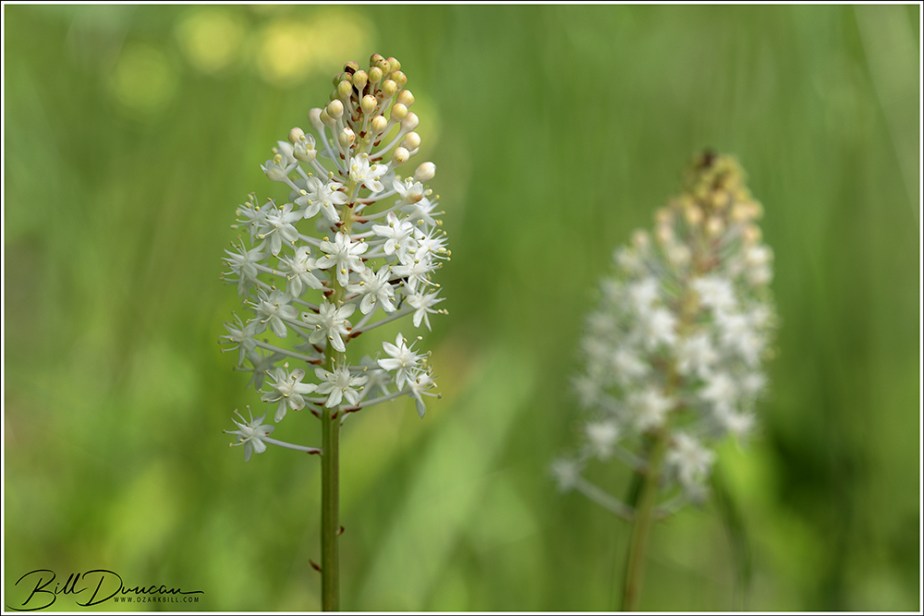
Another striking member of the Melanthiaceae family is Amianthium muscitoxicum, commonly known as fly poison. This name comes from the practice of early Americans who would crush the plant’s bulbs with sugar in order to, well, kill flies. Like many plants in this family, A. muscitoxicum contains a variety of toxic alkaloid compounds that provide it protection from a variety of herbivores. I think this might be a good candidate for horticulture in high deer pressure areas, but be sure no parts of the plant can be ingested by people or domestic animals. These plants were found in Mark Twain National Forest in Carter County on May 22, 2021.
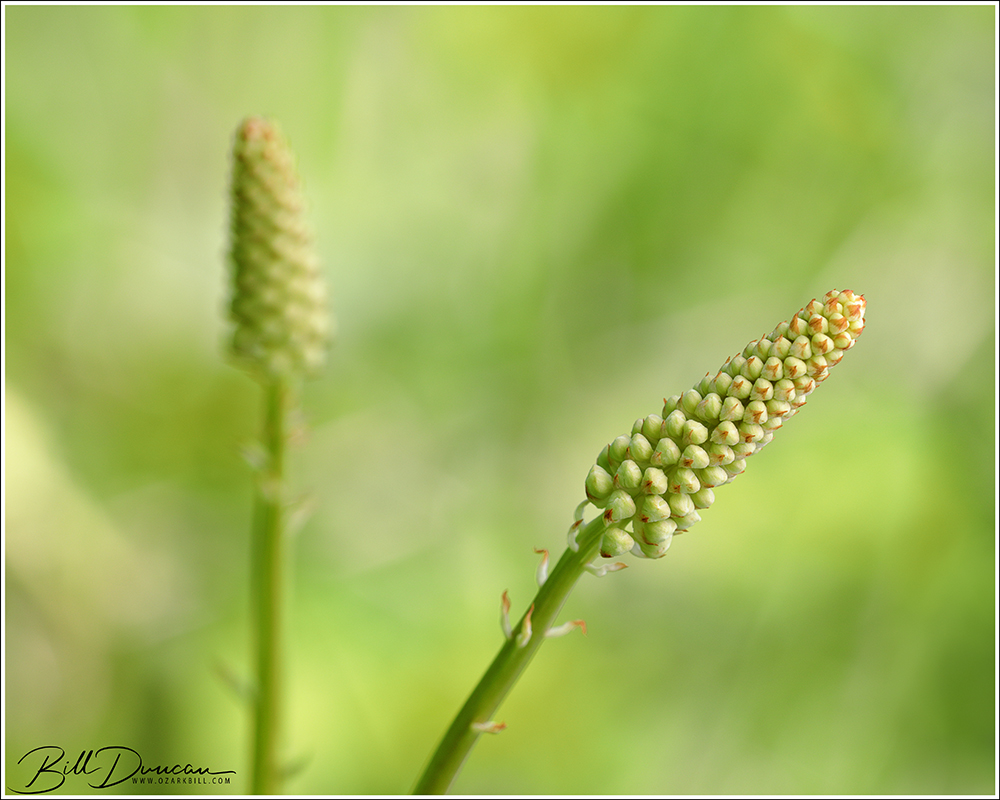
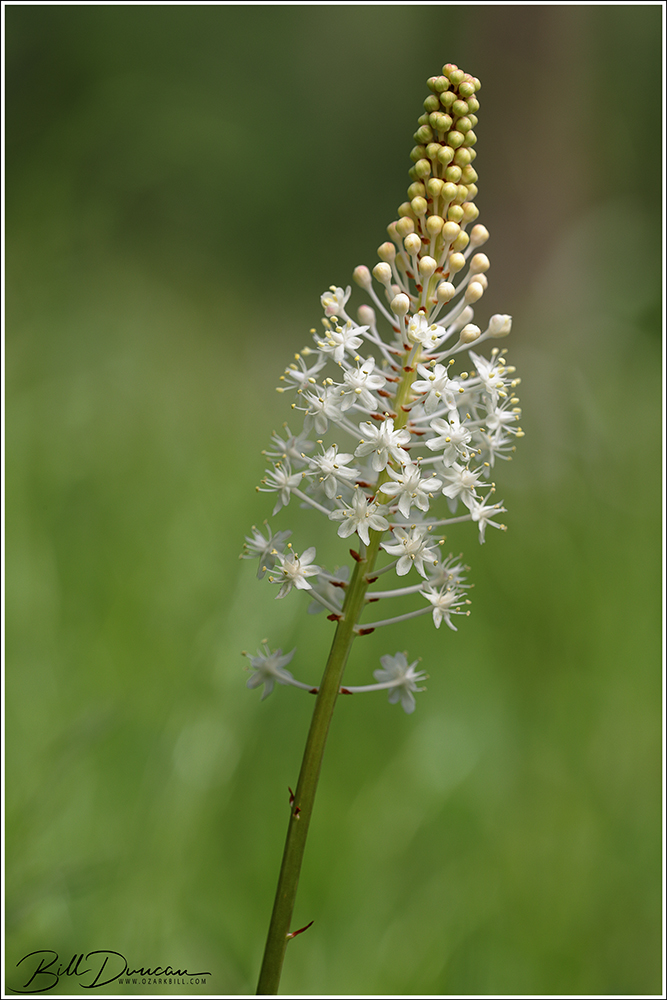
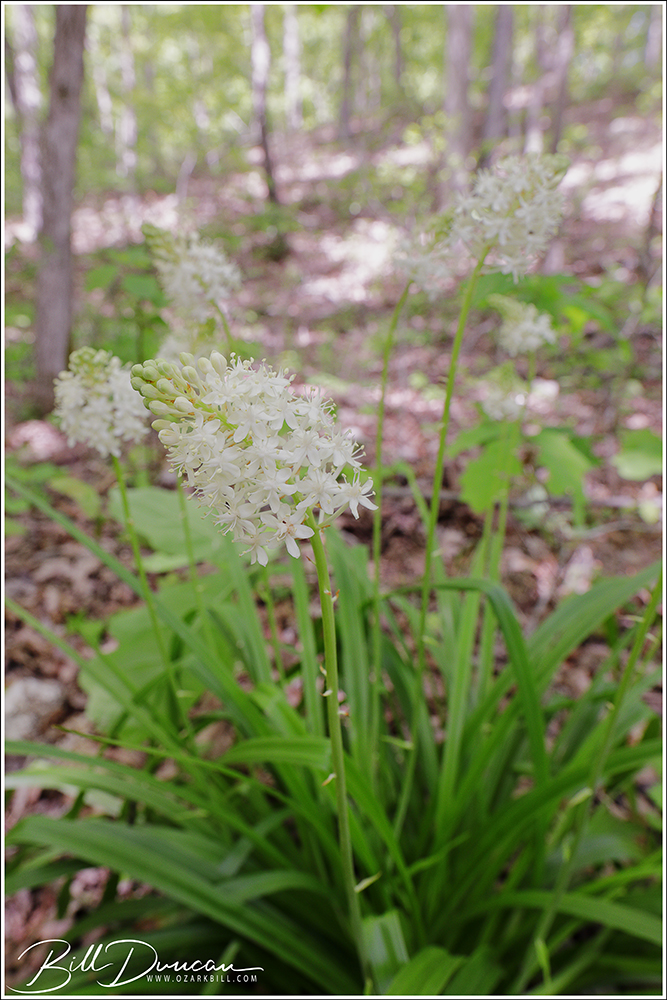
-OZB

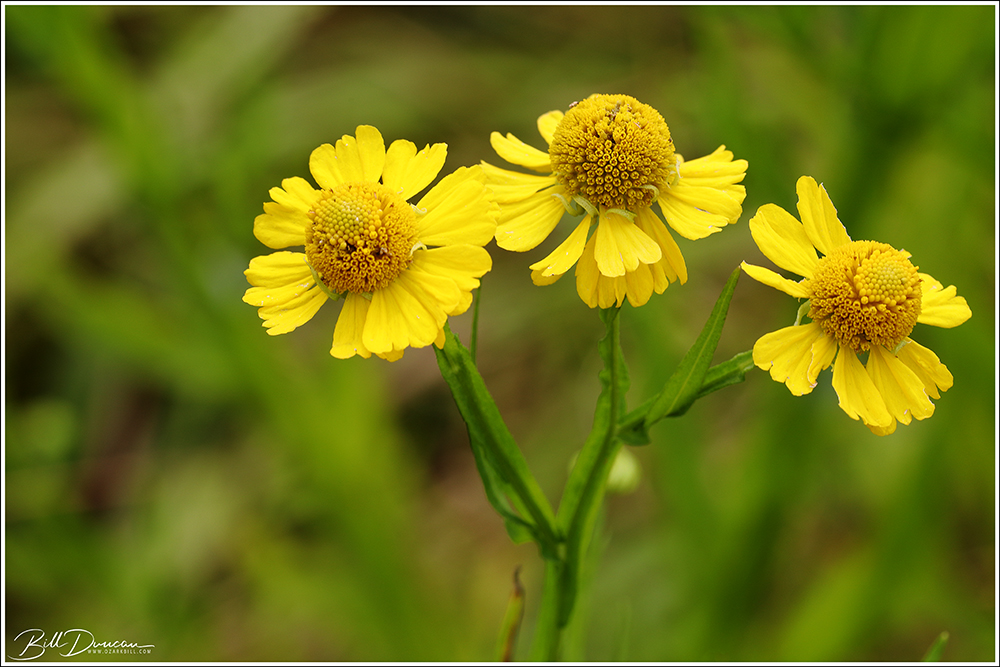
The Virginia Sneezeweed is a Missouri state endangered and federally threatened species of Helenium, first discovered outside of Virginia, by our own Julian Steyermark. I photographed these in August, 2020 at Tingler Prairie N.A. I encourage you to read this great article by Bridget Macdonald to read more of the story of this plant.
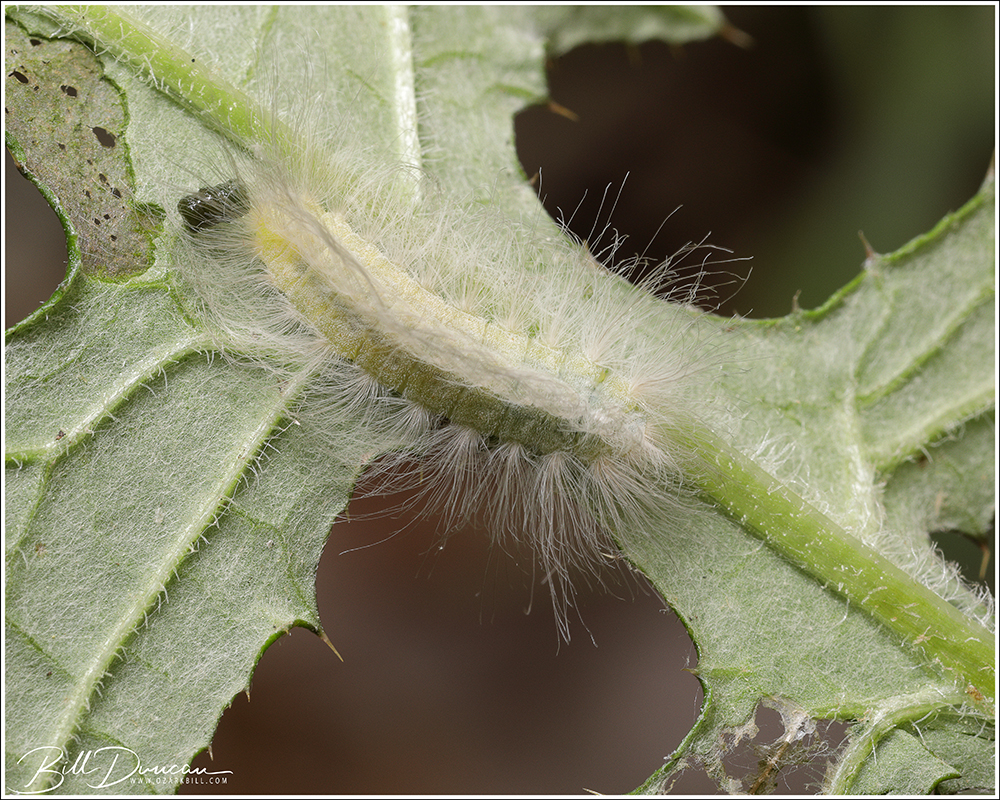
I previously shared photos of adult of swamp metalmark (Calephelis muticum). This spring, after a couple or three years of looking for them on their host plant, Cirsium muticum (swamp thistle), I finally found the caterpillar of this vulnerable species of conservation concern.
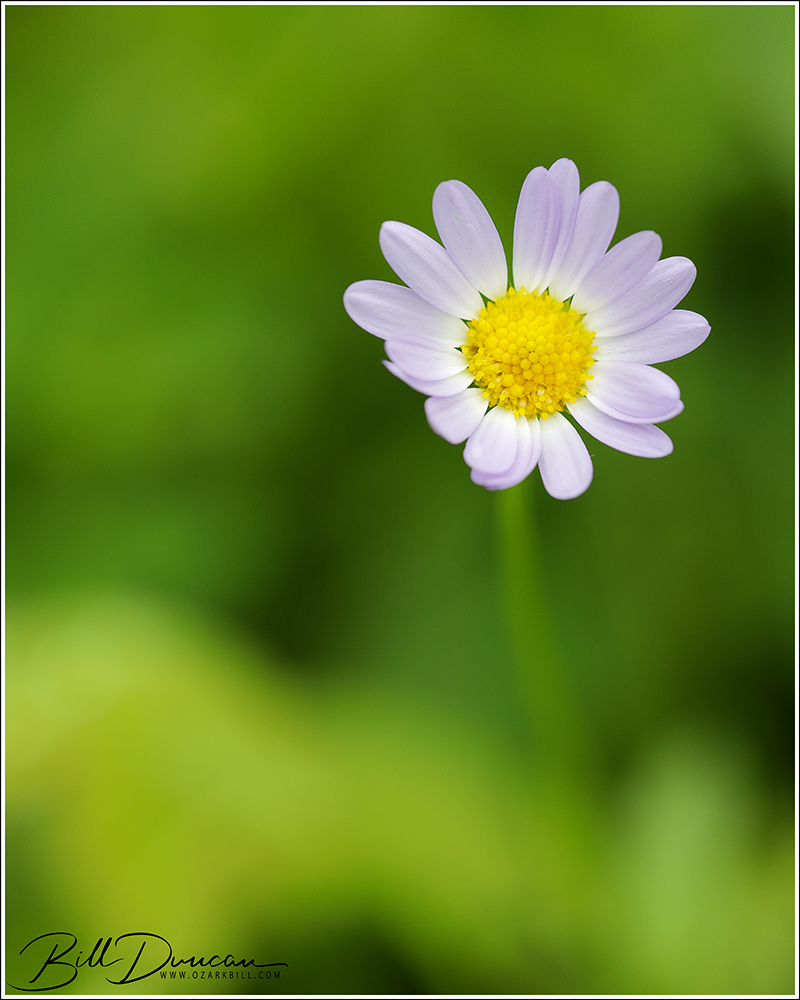
This fantastic little one is the western daisy (Astranthium ciliatum) that we found at Middle Fork Barrens Natural Area. In the xeric, shallow soils of the barrens this daisy was single-stemmed and and no more than 6″ off the ground. If only they would behave like this in the home garden! Their range is centered in Oklahoma and Arkansas although they can be found in southwestern Missouri. These were beautiful little plants and rank up with my favorites in the family.


 A Thousand Acres of Silphiums