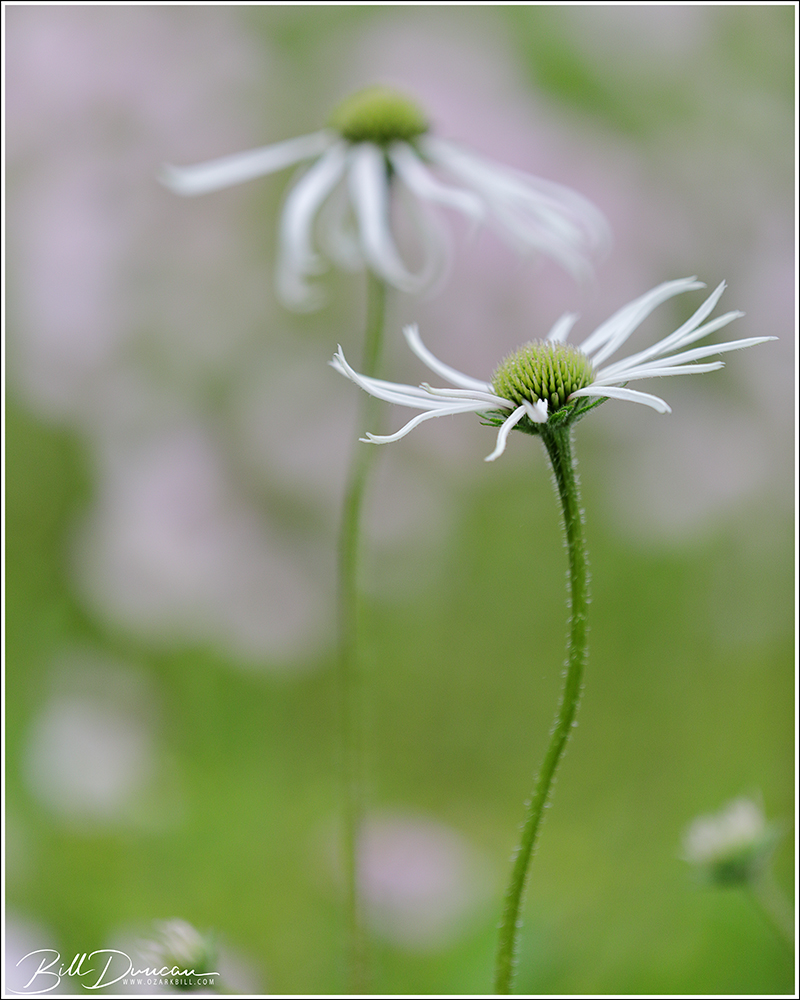
Echinacea pallida (pale purple coneflower)
"What a thousand acres of Silphiums looked like when they tickled the bellies of the buffalo is a question never again to be answered, and perhaps not even asked." -Aldo Leopold
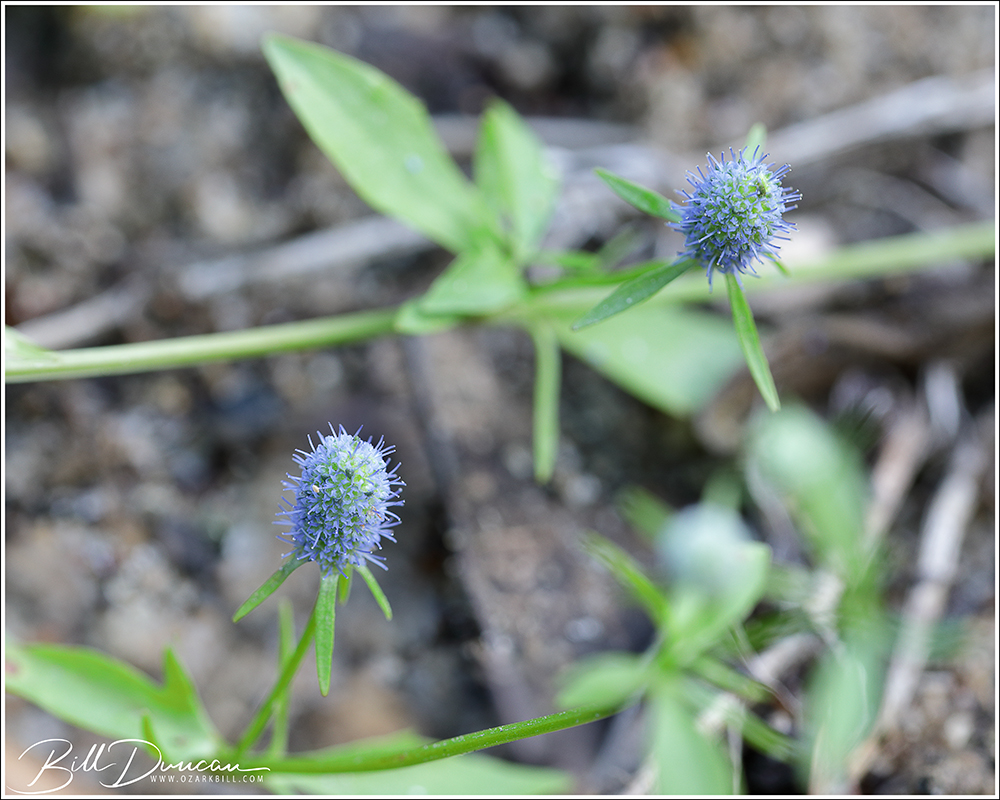
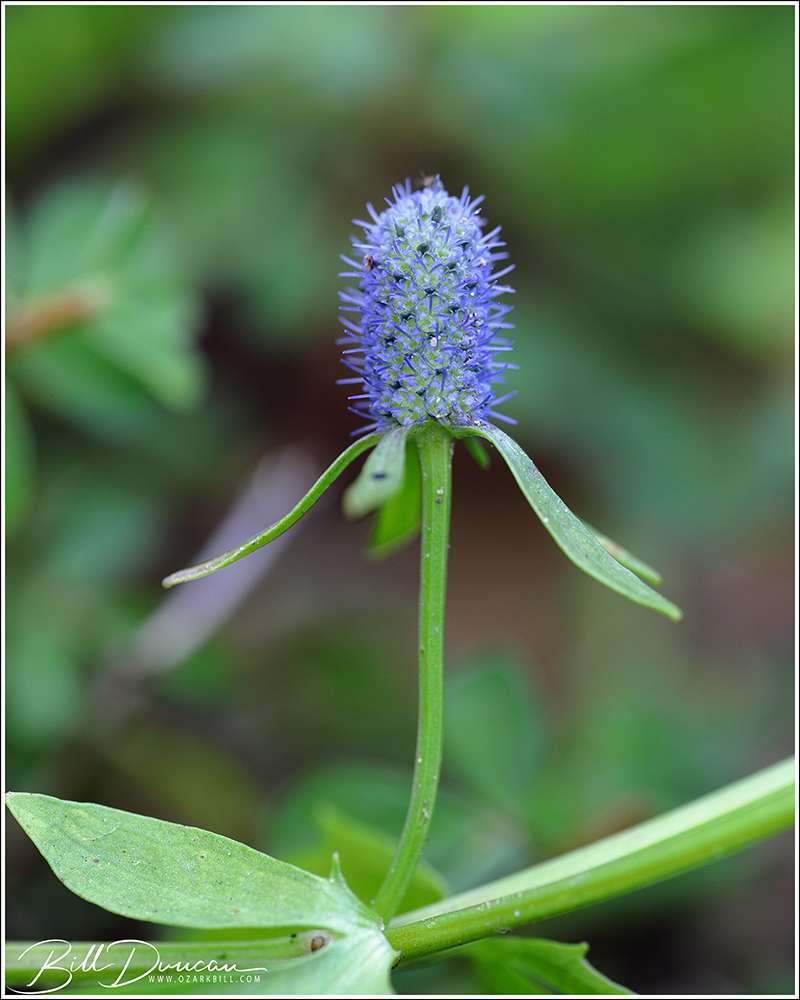
Eryngium prostratum is an odd little member of the Apiaceae family that is found in the southeastern most part of Missouri. Along with it’s blue flowering heads, its closet living relative in Missouri is the relatively gigantic E. yuccifolium. These plants were photographed at Charleston Baptist Association Prairie in Scott County, MO on June 27, 2021.
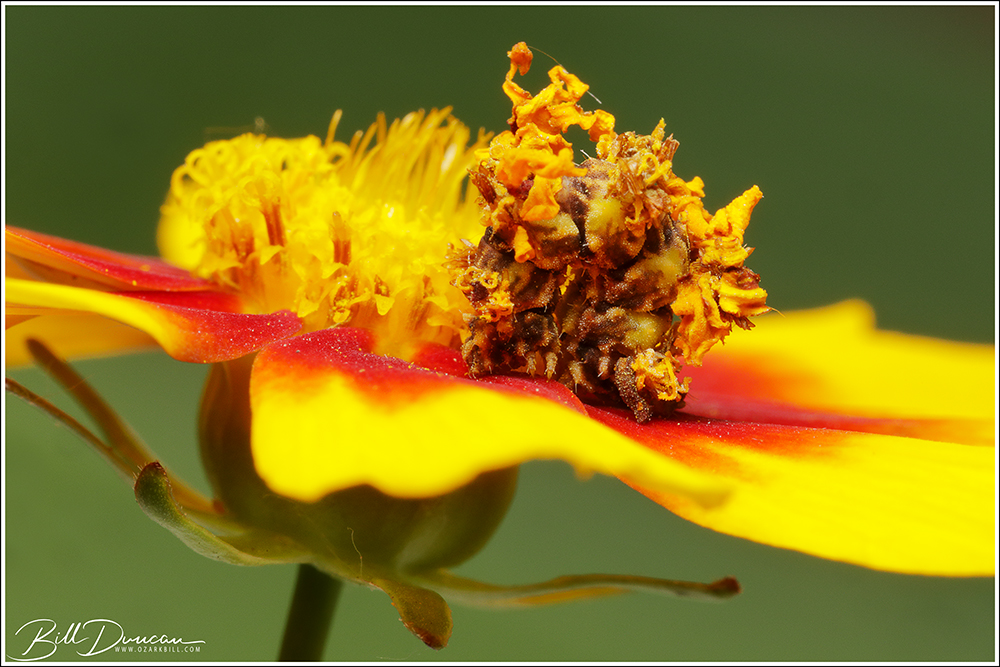
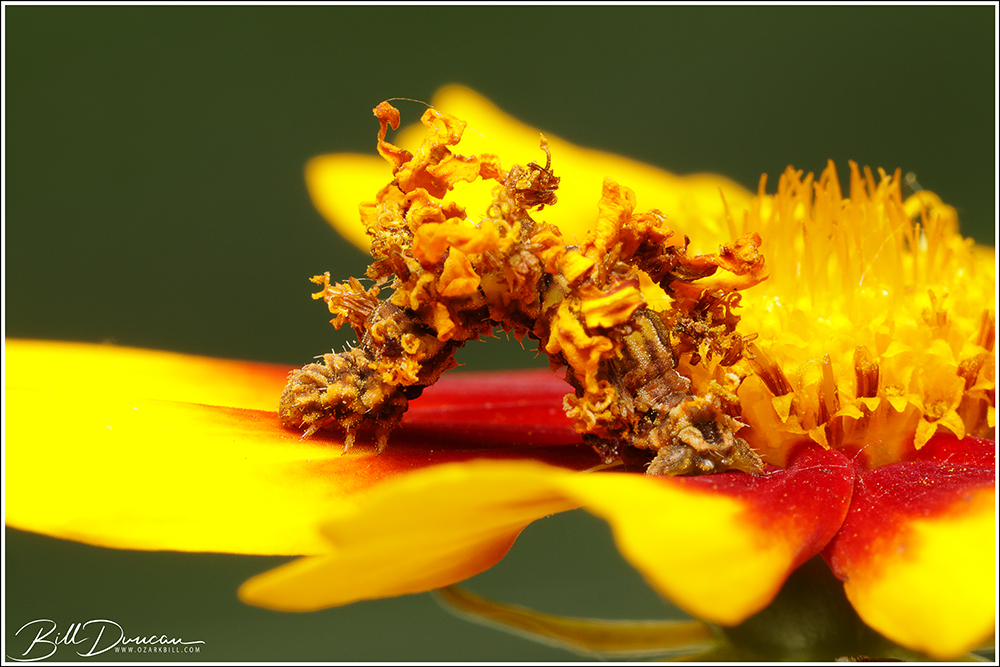
Back in mid-June I discovered a number of Synchlora aerata (camouflaged looper, wavy-lined emerald moth) that were using our coreopsis as host. Not only are these spectacular adult moths in the family Geometridae, but they are obviously special while in the larval phase as well. These caterpillars are known for attaching bits and pieces of the plant tissues they feed on (often flower petals) to their backs as means of camouflaging against their predators.
Photographed on June 11th of this year. I chose this species of Callirhoe because it is the most likely to stay small and behave in the front yard beds. However, I fear that the primarily clay soils will get the worst of it and it won’t stick around long. Of the three plants, only one made it to flower. These guys are adapted to more xeric and well-draining soils.

The Languria bicolor (Erotylidae) is placed in the tribe Languriini (lizard beetles). Larvae of lizard beetles develop within the stems of plants and adults feed on the tissues and pollen of the same or nearby plants. This individual was found in July 2021 at the Beaumont Scout Reservation, St. Louis County, Missouri.
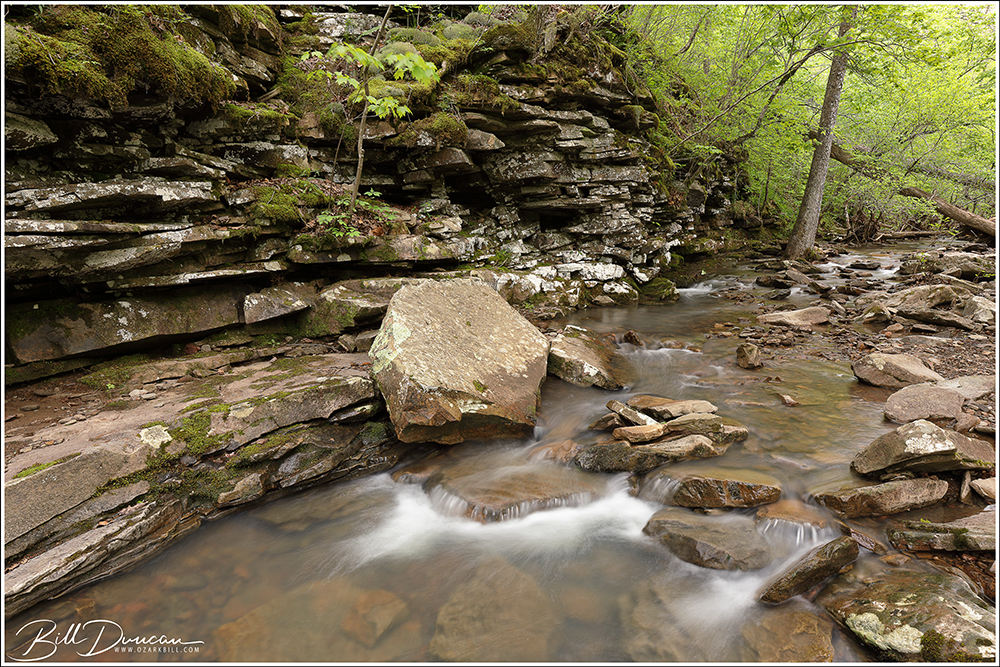
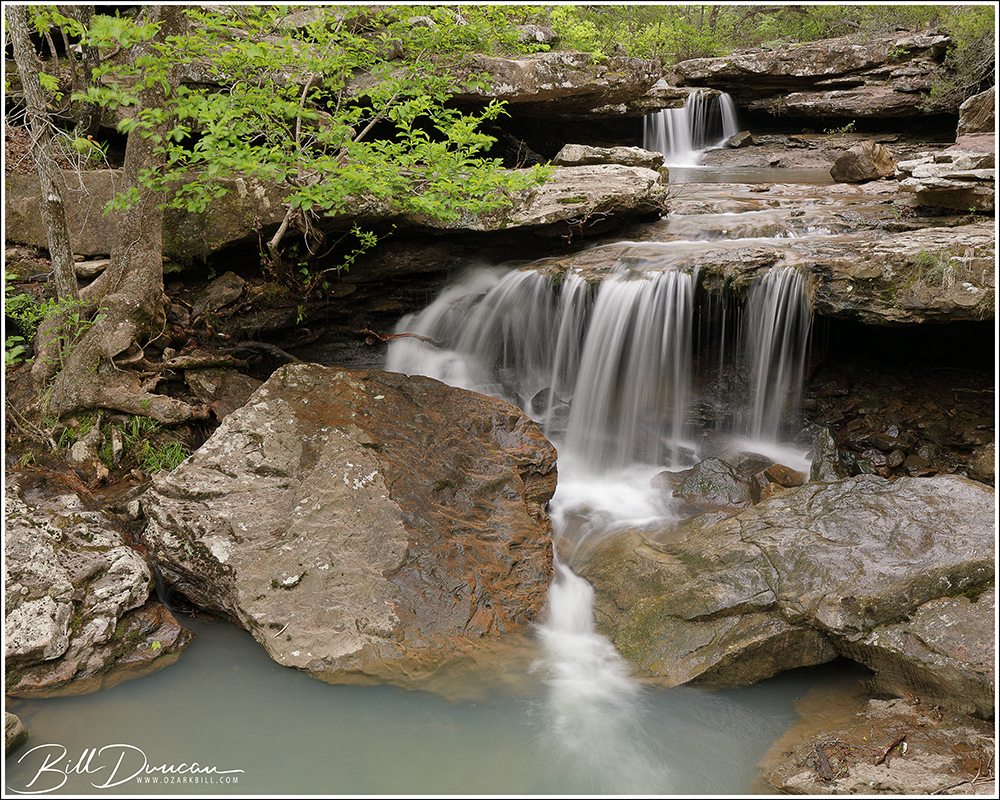
Another great spot from our Arkansas trip back in May 2021 was the appropriately, if not too imaginatively, named Falling Water Falls in Pope County. This one was a lot of fun.





The nine-banded armadillo invasion of Missouri is over. Armadillos have now been found near the Missouri-Iowa border and in the St. Louis metro area they are now almost as common roadkill as are racoons. I find these animals fascinating and Sarah and I once kept one as a pet for a brief time. Casey and I found several armadillos digging up plant bulbs in the fields of Peck Ranch while looking for elk last winter.

There are all sorts of interesting bits of information that can be shared about these guys. Here are a couple of my favorites. 1) Twenty five years ago you would not find armadillos anywhere in the state. 2) The armadillo is the only other known animal, besides humans, to carry the disease leprosy. These two factoids are related because they likely have the same underlying cause behind them – the lower body temperature of armadillos. Armadillos have a lower working body temperature than most mammals, maintaining it at about 89 °F. The increasingly warmer winters over the past few decades has allowed the armadillo to get through the previously limiting winters, allowing their northward expansion. Their lower body temperature also allows them to be carriers of the bacteria (Mycobacterium leprae) known to cause leprosy. This bacteria thrives in tissues of lower temperatures, such as the tips of our noses and fingers and within the armadillo.

-OZB
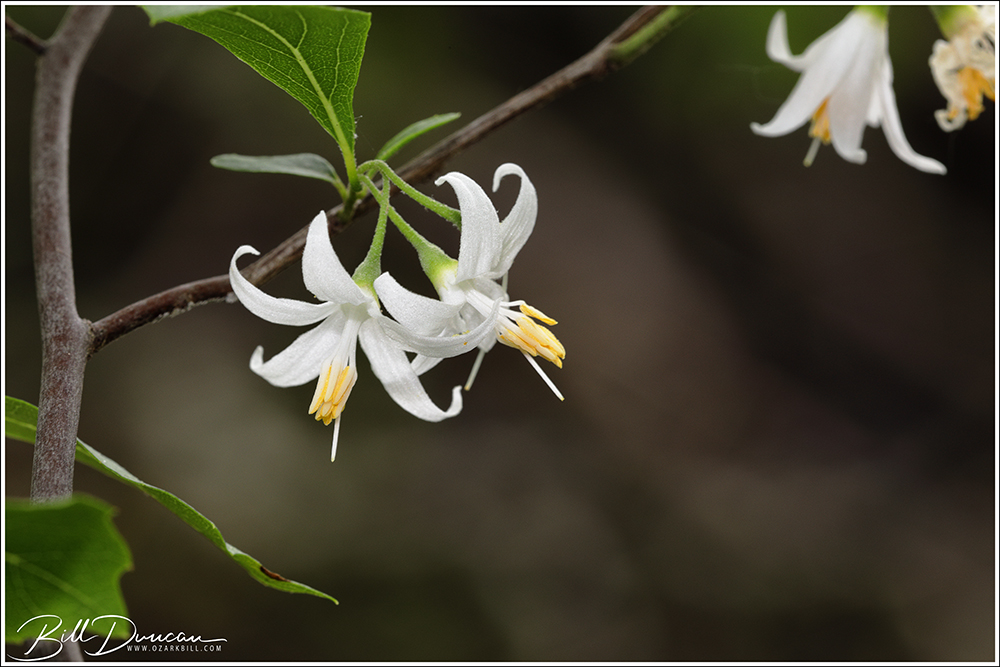
Found in approximately nine counties in southeastern Missouri, Styrax americanus can be found in low-lying wet habitats. This individual was found at Mingo National Wildlife Refuge. This plant is one of many different hosts of the promethea silkmoth (Callosamia promethea).
This year I was able to find and photograph the last two of the Spiranthes (ladies tresses) orchids that can be expected to be found in Missouri.
First up is a plant that Casey and I found in Nevada County, Arkansas on May 9th. To my knowledge, S. praecox (grass-leaved ladies tresses) is found in only one location in the Show Me State. However, after checking for it on a few occasions, it looks as though the plant(s) did not bloom this year. Hopefully this population is still there and will bloom in a future year. The couple of blooming spikes Casey and I found in Arkansas were very striking, with deep green venation on the labellum.


Spiranthes praecox, grass-leaved ladies tresses
It is interesting to me that the final two Spiranthes orchids I had to add to my list are the largest two species by far. While S. praecox can reach heights of up to 75 cm, S. vernalis (spring ladies tresses) has been recorded at a meter in height! This species is distributed throughout the state, but is considered locally rare. This plant was found at Otter Slough C.A.


Spiranthes vernalis, spring ladies tresses



 A Thousand Acres of Silphiums