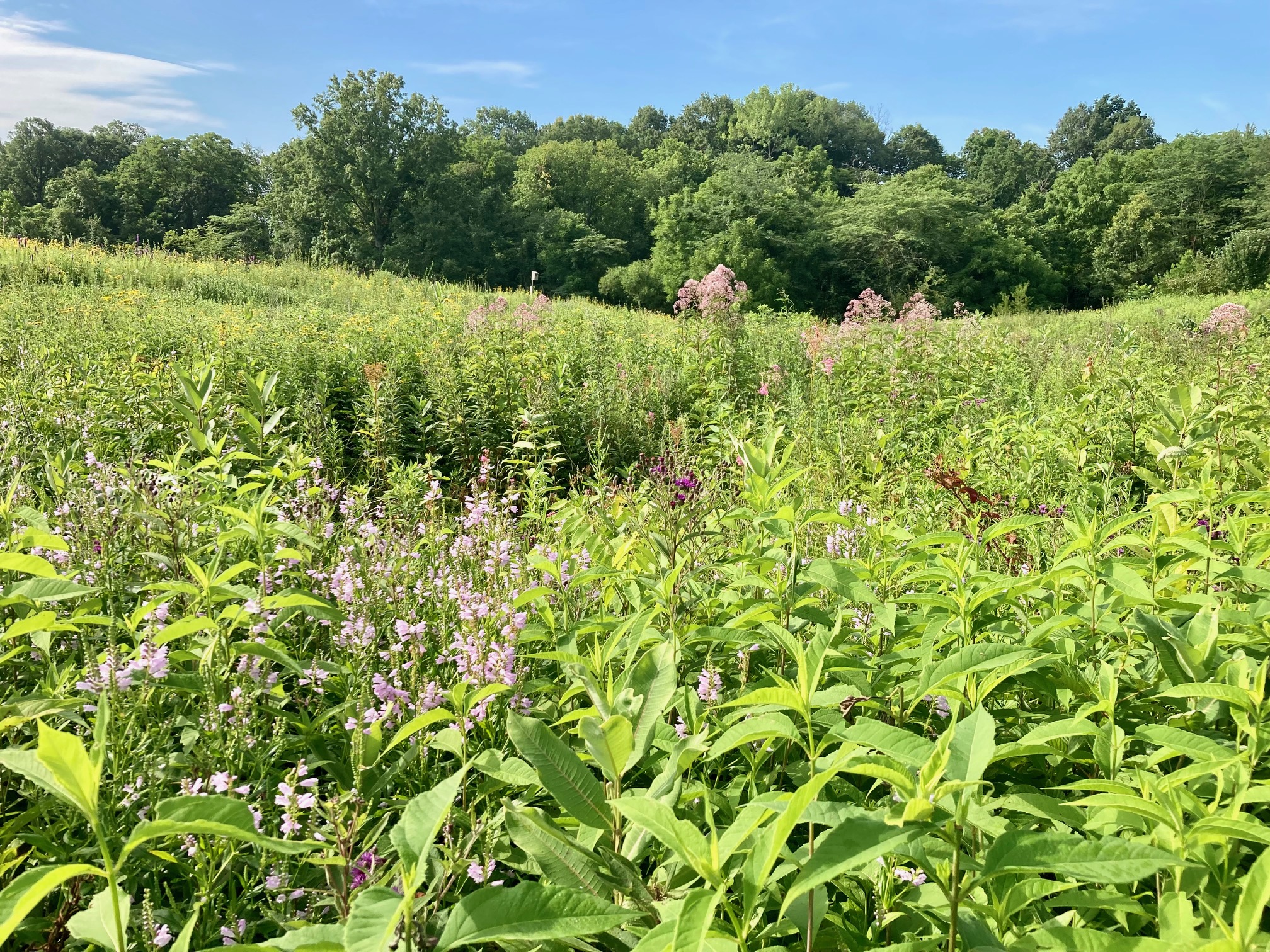
The WGNSS Entomology and Nature Photography Groups had a splendid treat in July of 2022 when we jointly visited Horn’s Prairie Grove Land Water Reserve (LWR) near Ramsey IL. This 40 acre patch represents part of the less than 1% of the remaining southern till plain prairie ecosystem that was nearly wiped from the planet due to land conversion for farming. Even better, about 30 acres are original “virgin” prairie, (the largest intact remnant prairie in IL) meaning these spots were never touched by the plow. Even better still, at this location there lies five different types of prairie habitat: seep/wetland, dry hillside, mesic, black soil and savanna.

The story of this land is interesting. The current owners, Keith and Patty Horn, purchased the land in 2001 as “junk land” from an old farmer who’s family had owned since the 1870s. They liked the fact that the majority of the land was in a “wild” state. The untouched 30 acres had been used as a wild hay field, being cut almost yearly. They had noticed some nice wildflowers in bloom but did not realize what they had until a few years into a wildlife habitat improvement plan that included periodic burning. Every year they noticed more and more species in bloom. They have sought help in identifying the plant species here and the current list is now at 619 species, including six native orchid species! Bravo to the Horns for identifying what they had and taking the steps to see their land improved. This remnant prairie could have been destroyed in the blink of an eye if it had fallen into the wrong hands.
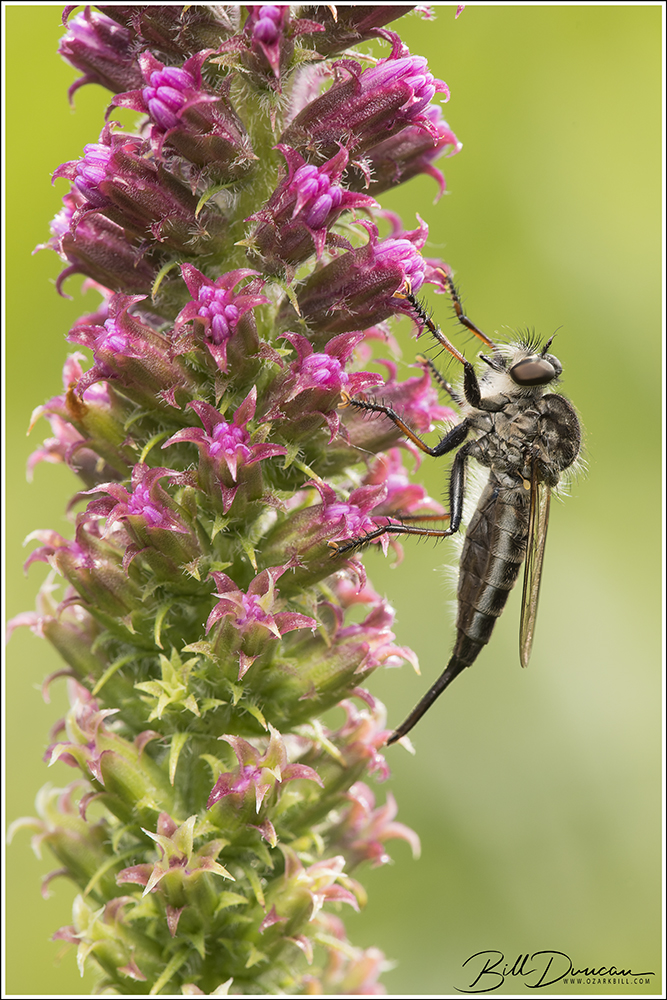
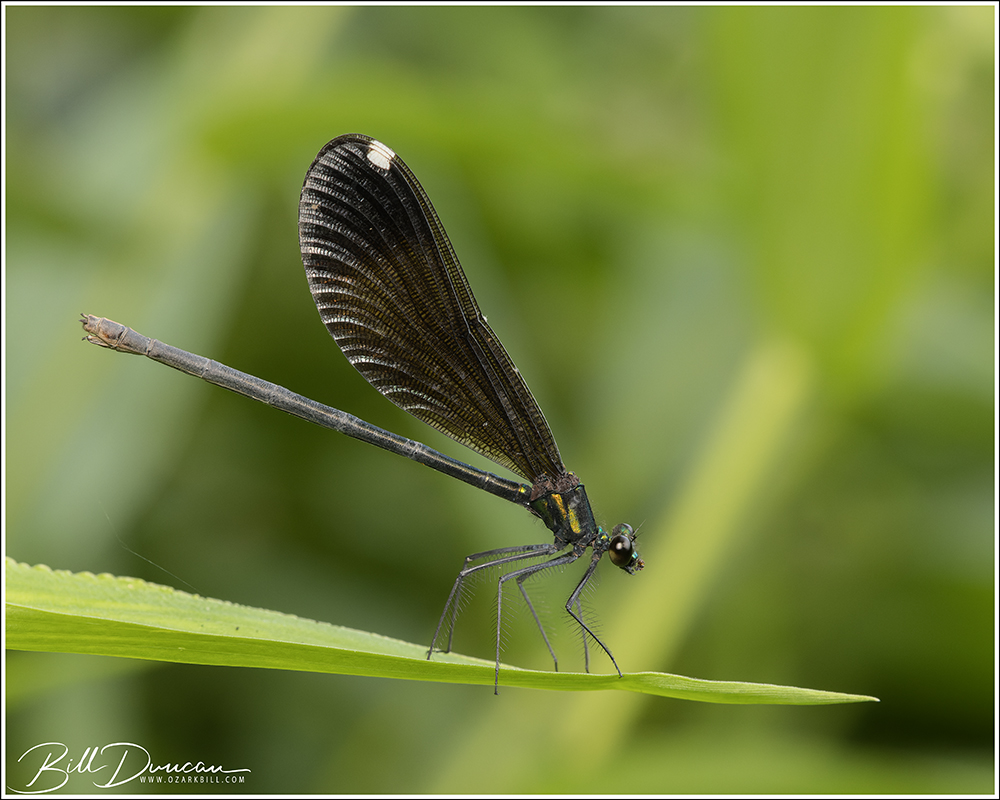
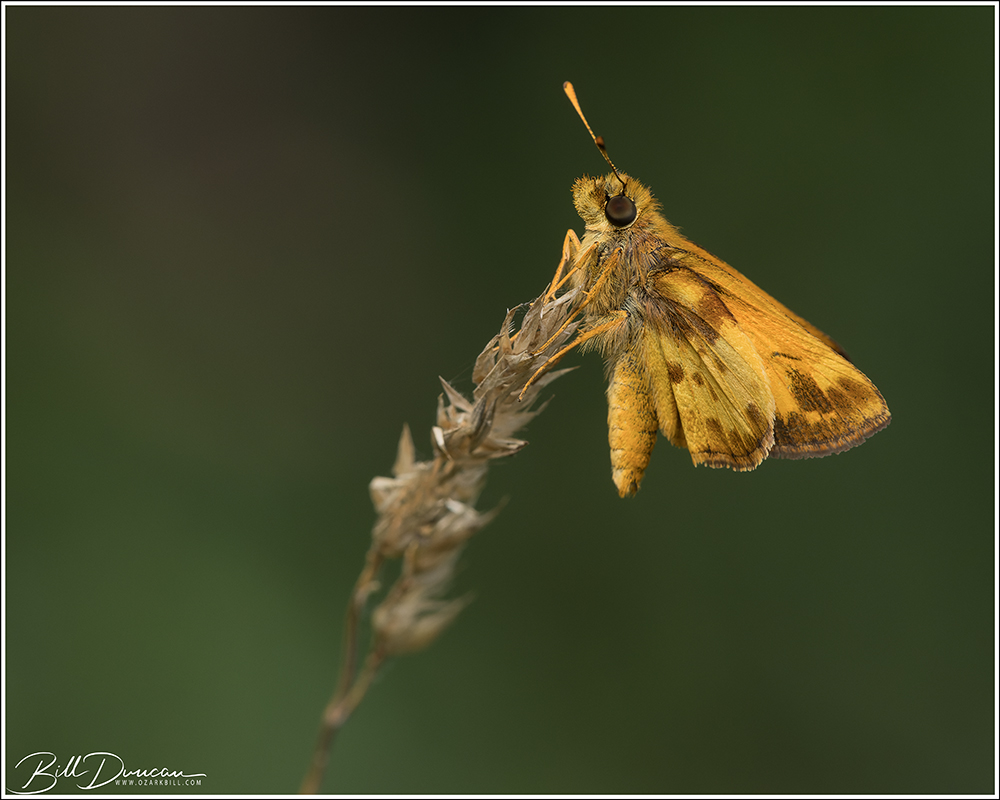
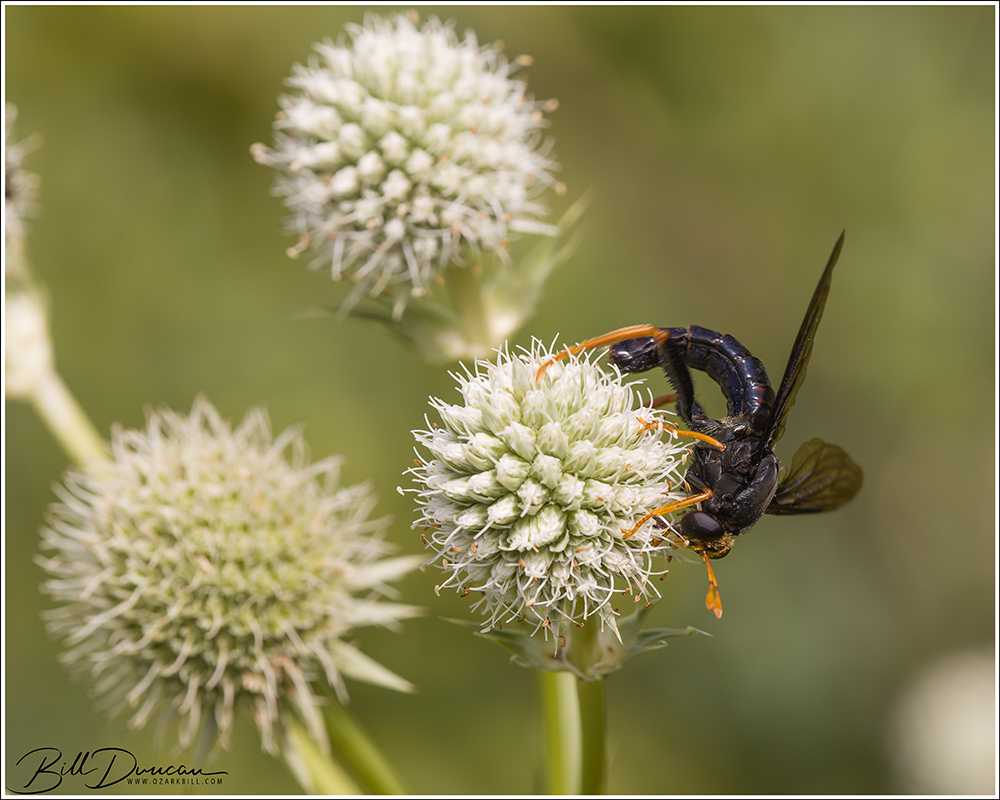
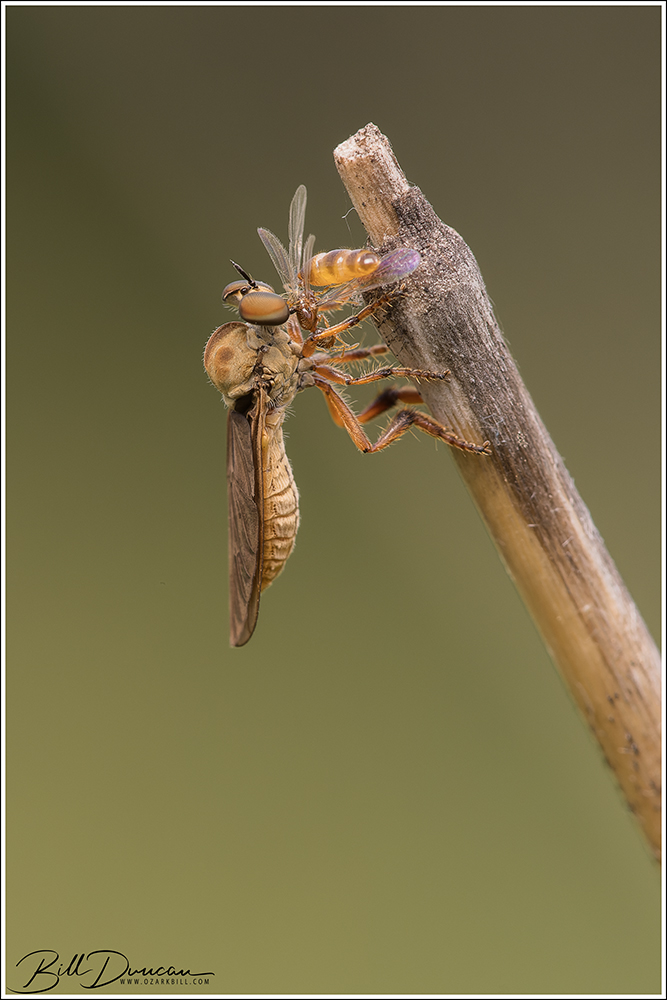
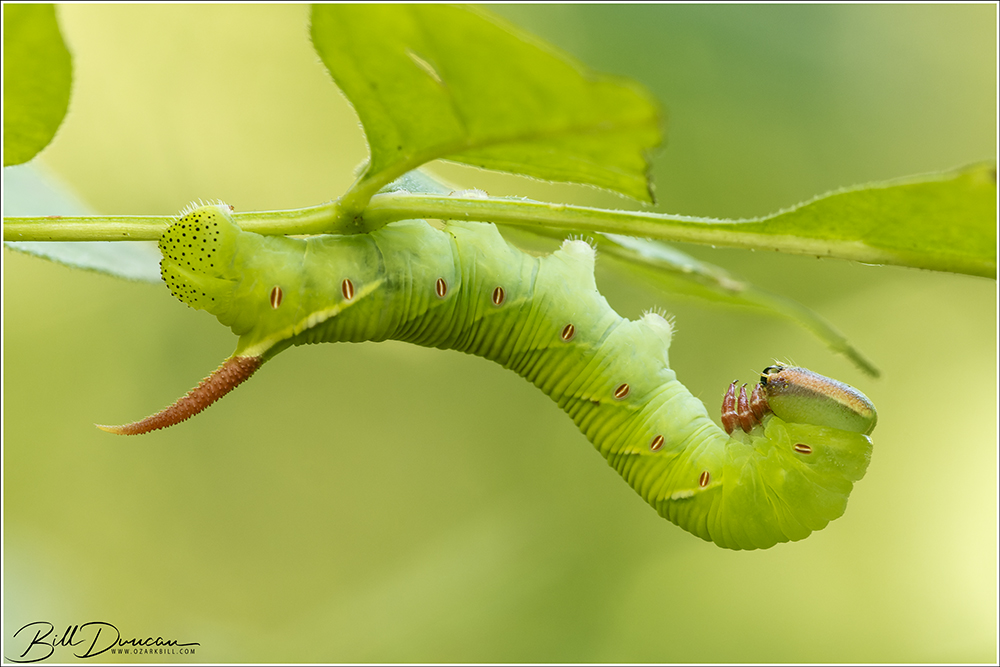
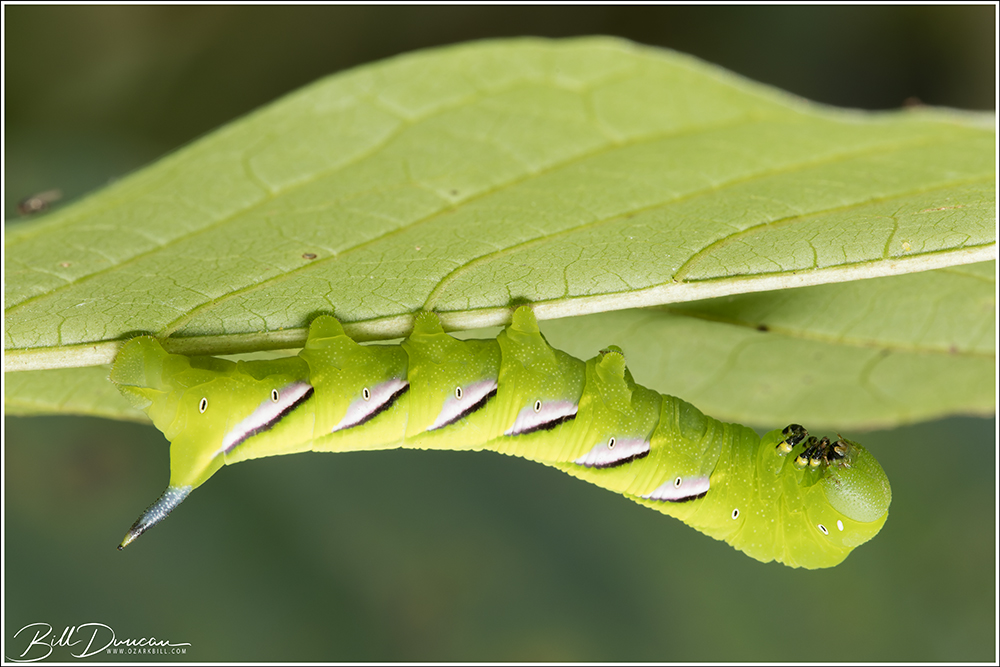
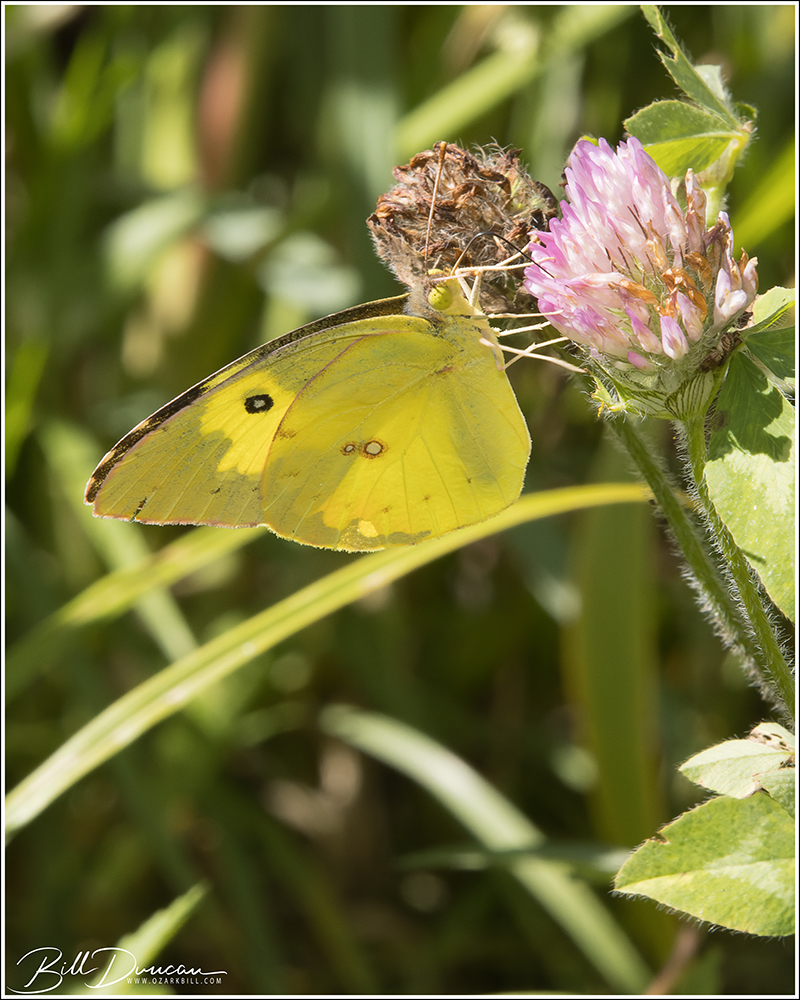
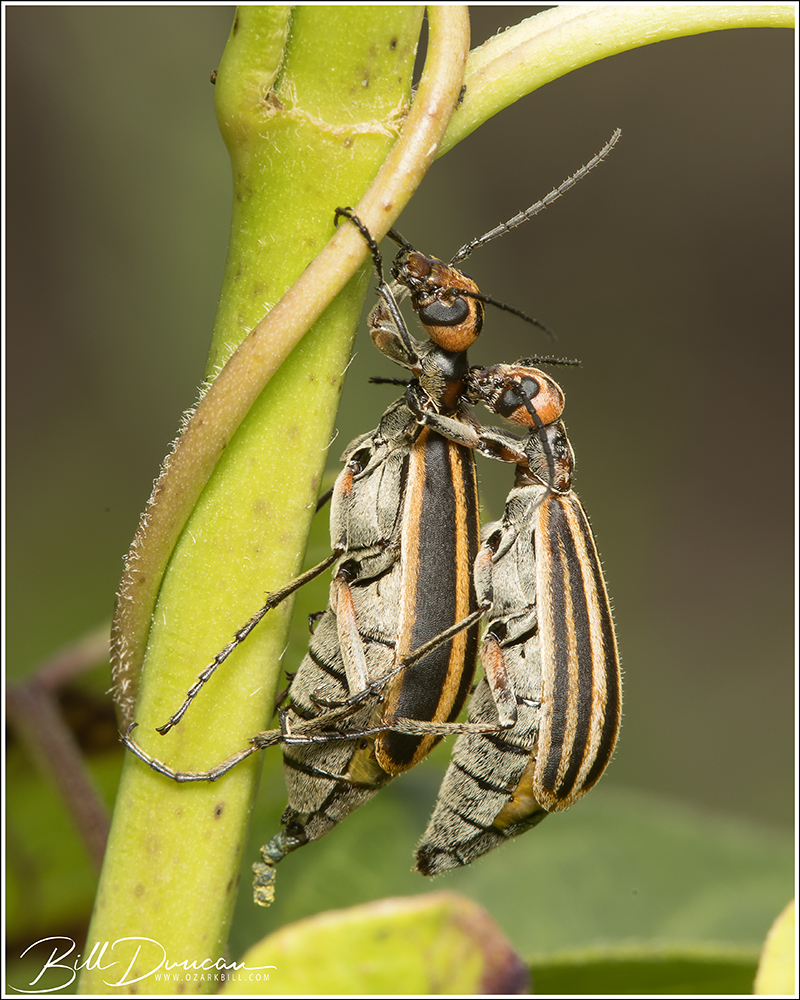
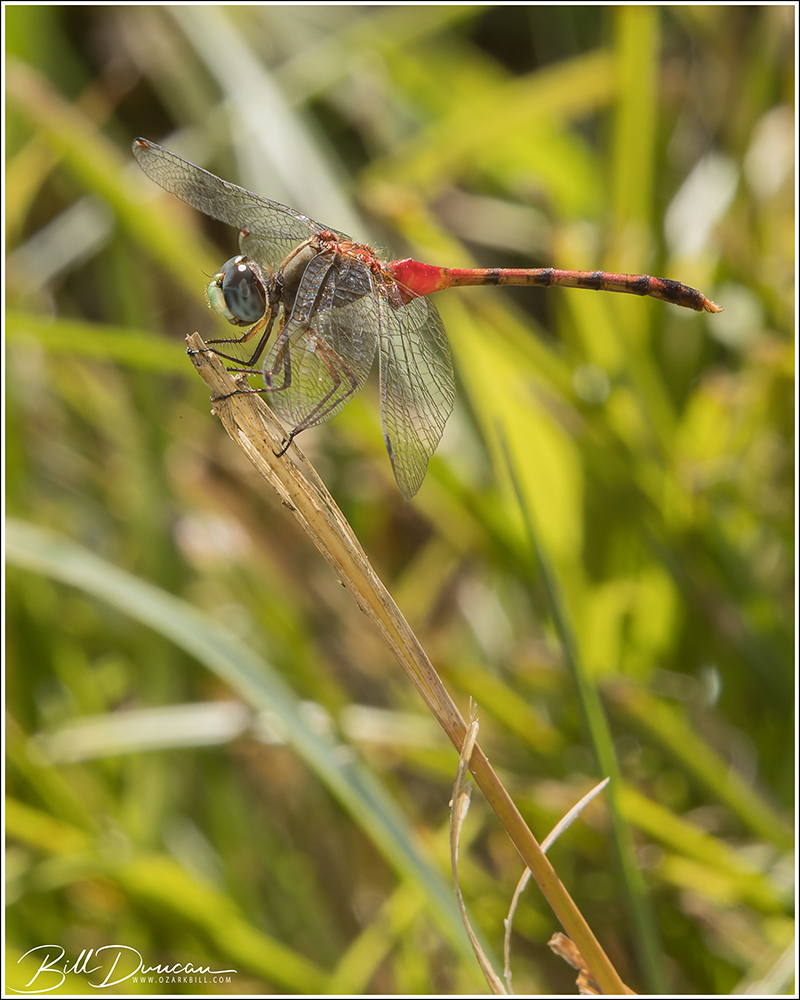
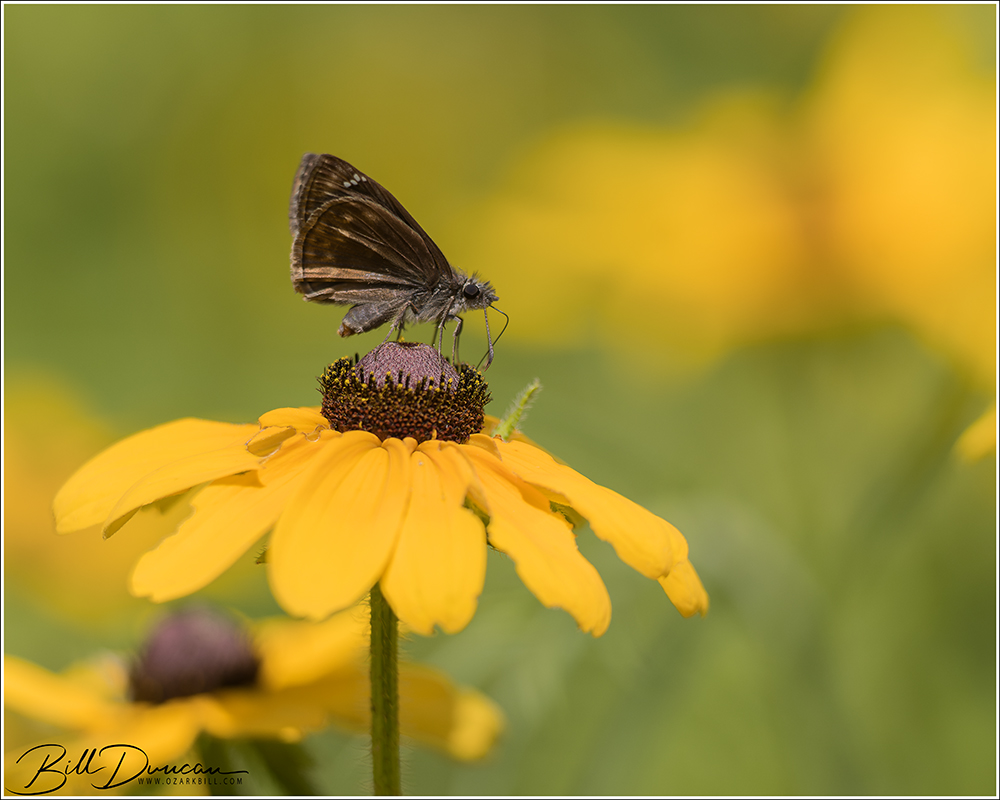
Although most of us were simply thrilled to be in such high quality habitat, the primary purpose of the trip was to check out the arthropod life. Unfortunately, in late July, we were there on a truly miserable day of weather. The heat and humidity created a heat index that was well above the safety zone. This meant not many of us had the nerve to do a great deal of walking and searching, especially much after lunch time.
















 A Thousand Acres of Silphiums