"What a thousand acres of Silphiums looked like when they tickled the bellies of the buffalo is a question never again to be answered, and perhaps not even asked." -Aldo Leopold
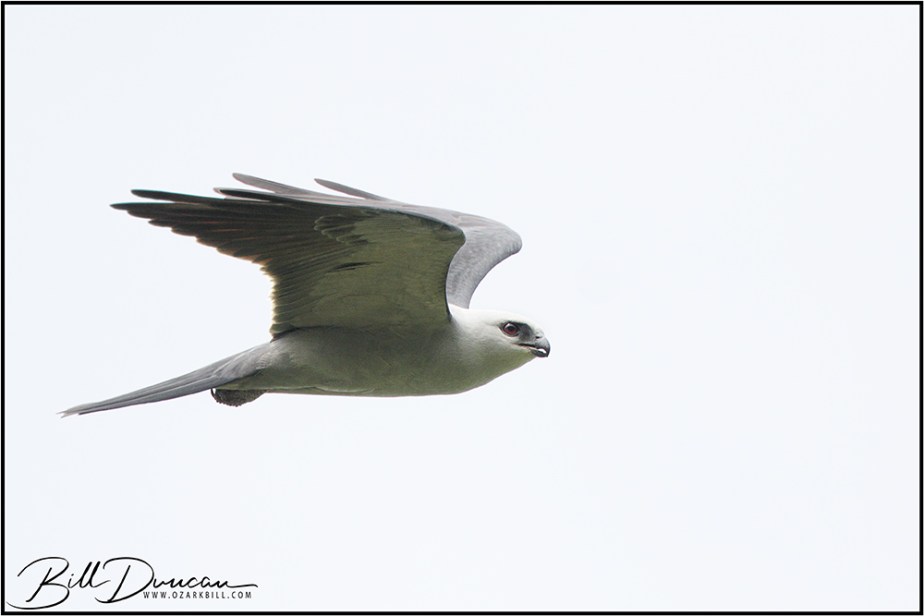
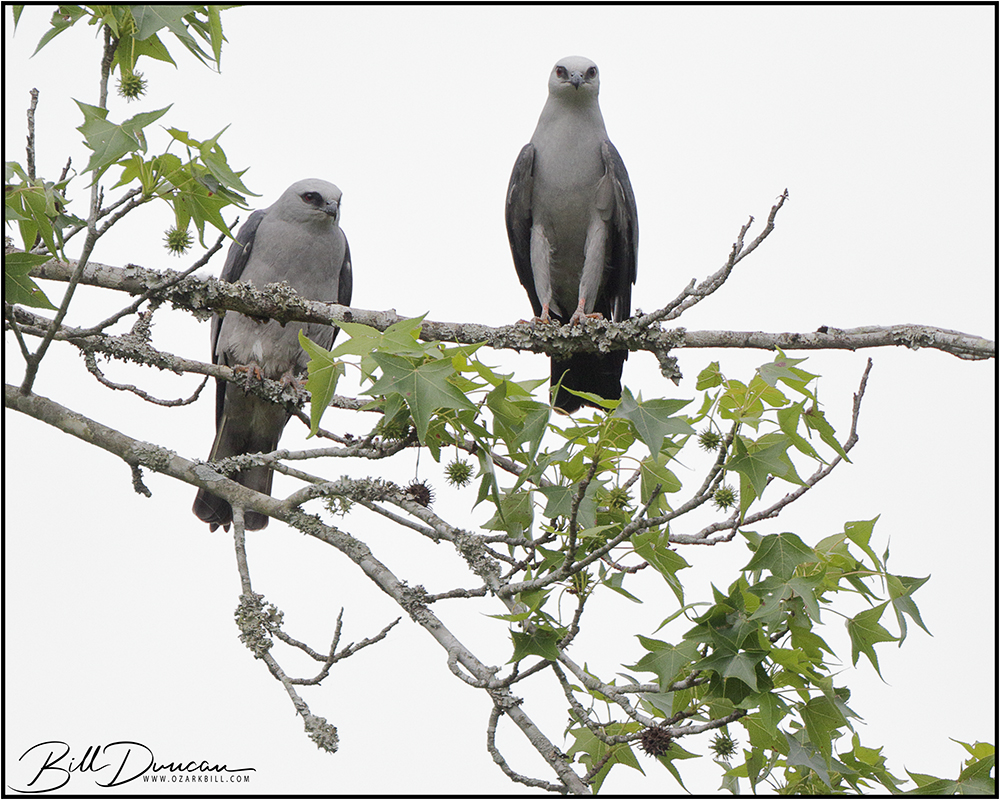
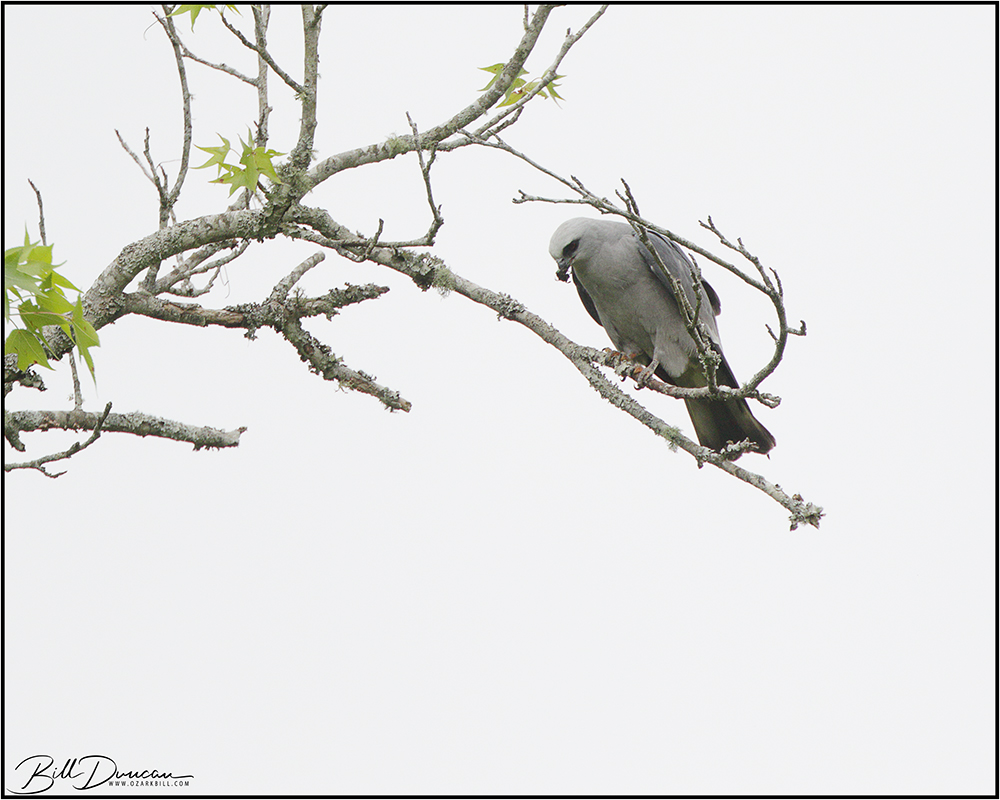
It is always nice finding your targets on a big photography trip but the icing on the cake is finding the unexpected. That is what happened here when Casey and spent some time at Moro Bay State Park in southern Arkansas. When speaking to a very friendly park ranger, he let us on to where a pair of these birds setup territory and were virtually oblivious to humans. These birds completely ignored us as they flew to and from their favorite perches, often flying mere feet over our heads. We watched the male handoff their insect prey a number of times and even witnessed a copulation, but those photos were ruined by branches.
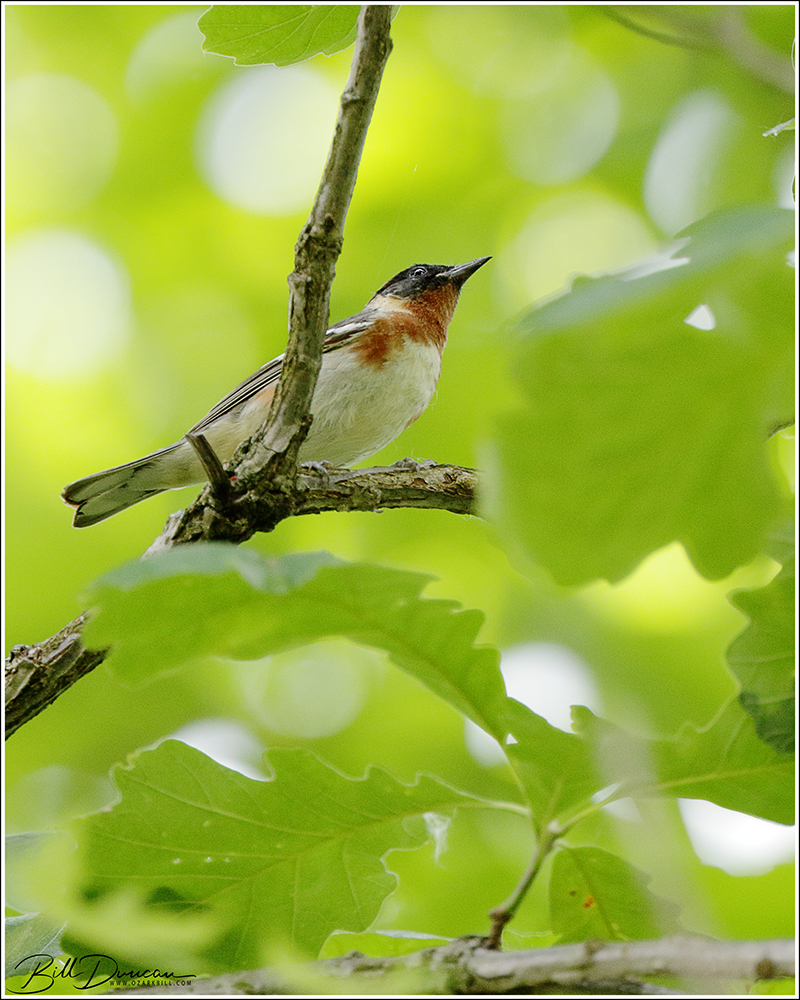
Dave and I found this Bay-breasted Warbler on May 20th this year at Creve Coeur Lake in St. Louis County. Always a pleasure to find a singing Bay-breasted.
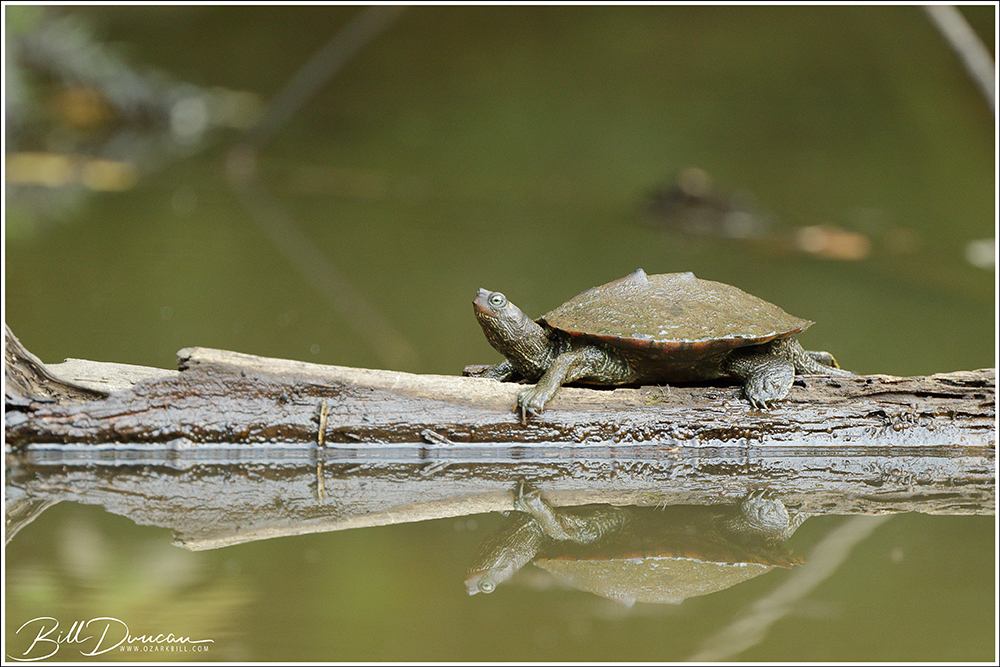
Two subspecies of the false map turtle are found in Missouri. Minor differences in the color and pattern near the eyes are used to distinguish between the two. Unfortunately, I did not get the shots that would allow this determination.This photo was taken in St. Louis County.
The Blackpoll Warbler has one of the longest migrations of any songbird on the planet and typically spend days over the Atlantic Ocean without a rest.This photo was taken during spring migration at Creve Coeur Lake Park in St. Louis County, MO.
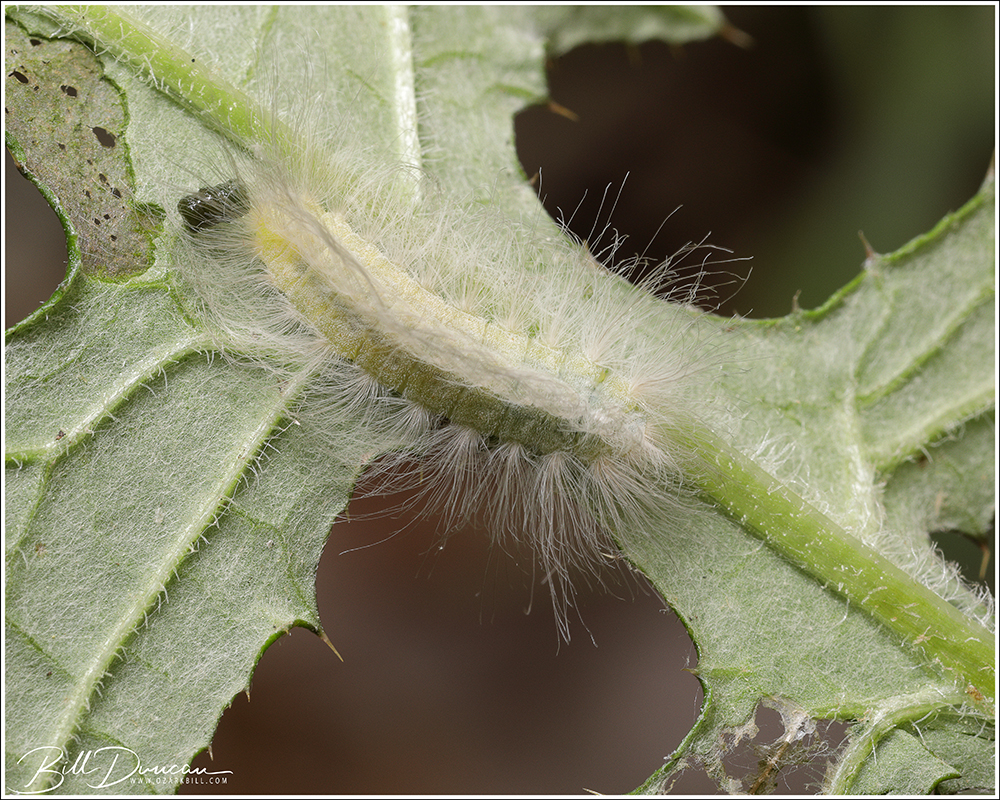
I previously shared photos of adult of swamp metalmark (Calephelis muticum). This spring, after a couple or three years of looking for them on their host plant, Cirsium muticum (swamp thistle), I finally found the caterpillar of this vulnerable species of conservation concern.
A swamp metalmark (Calephelis muticum) caught shortly after depositing some frass created from its host plant, Cirsium muticum (swamp thistle).
Here is a perfect example of ‘why native plants?’ in the home garden. This is the first year of our new native flower garden in front of our new house. This spring we spent a good deal of money and time getting the old exotic evergreen bushes out of the beds and planting a new garden consisting of mostly native forbs and a couple patches of grasses. After a long and cool spring, we are finally getting some heat units on these mostly gladey and xeric species and a few are starting to respond nicely.
These golden drops turned out to be eggs of a leaf-footed bug (Coreidae family)
During my daily deadheading of some flowering Coreopsis and other asters, I notice new things from time to time. The arthropods are beginning to come. Since the original razing of the land that this subdivision sets on some 45+ years ago, these plant and insect communities have undoubtedly been rare. While my 100 square feet of natives won’t likely make a big difference, hopefully more and more of us will ‘go native’
I originally noticed these eggs by observing this jumping spider. The concurrence is assumed accidental.
About a week ago, I noticed these golden drops on the leaf of a Liatris spicata (marsh blazing star). After taking a few photos in situ, I decided to collect the leaf and see what the hatch might be. I figured it was a hemipteran of some sort and after a little research, I narrowed it down to the Coreidae family, or ‘leaf-footed bugs.’ If you can identify these to any degree of higher specificity, please let me know.
Coreid nymphs within an hour of hatching.
After three or four days in a jar, all of a sudden the leaf was alive with the movement of spikey mechanisms. I took a few photos on their cradle leaf, then moved a few to a Coreopsis sp. bloom. Afterwards, I let them go to feed as they like on our plants, maybe to see them another day.
The Black-and-white Warbler (Mniotilta varia) is another weirdo in the Parulidae family. It is the only extant member of the genus, Mniotilta, and it definitely stands out against the other wood warblers that we find in Missouri. Whereas other warblers flit about the leaves at ends of branches, through bush or along forest floors, gleaning for arthropods, the Black-and-white Warbler finds another niche. It forages by hugging tree trunks and inner branches, much like a nuthatch or creeper. The interesting genus name apparently comes from another of this bird’s behaviors. This name comes from the Ancient Greek mnion, meaning “seaweed”, and tillo, “to pluck”. Apparently, Black-and-white Warblers strip mosses and reindeer lichens to line their nests, which they make in mature forests across much of eastern and central North America.
The Black-and-white Warbler (Mniotilta varia) can be an easy target for the bird photographer, often being seen exposed along inner tree branches.
A Black-and-white Warbler (Mniotilta varia) refueling in the trees at Tower Grove Park in St. Louis.
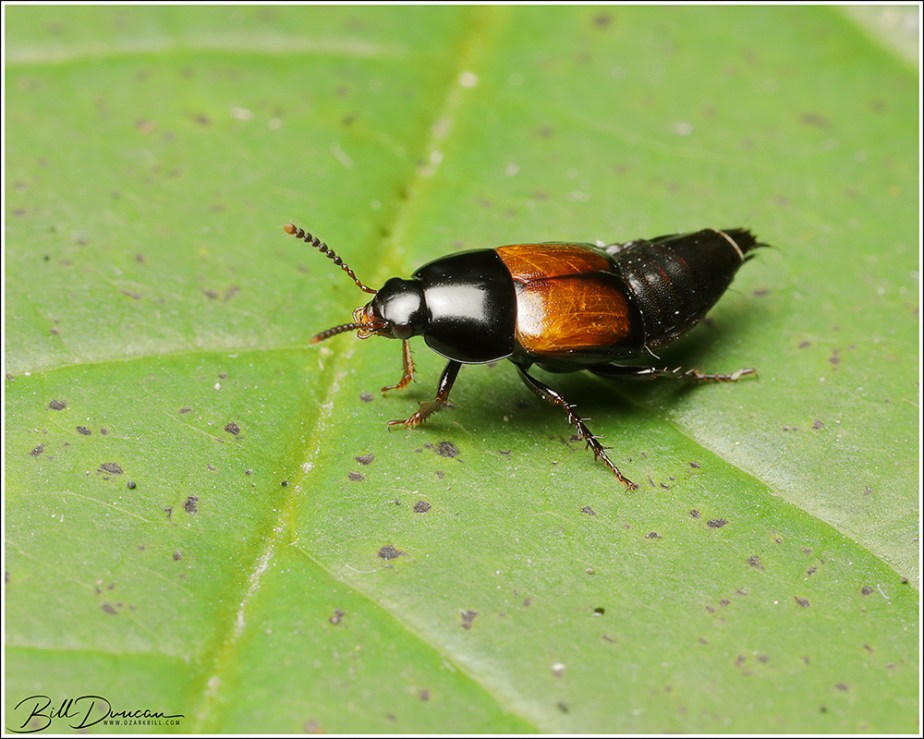
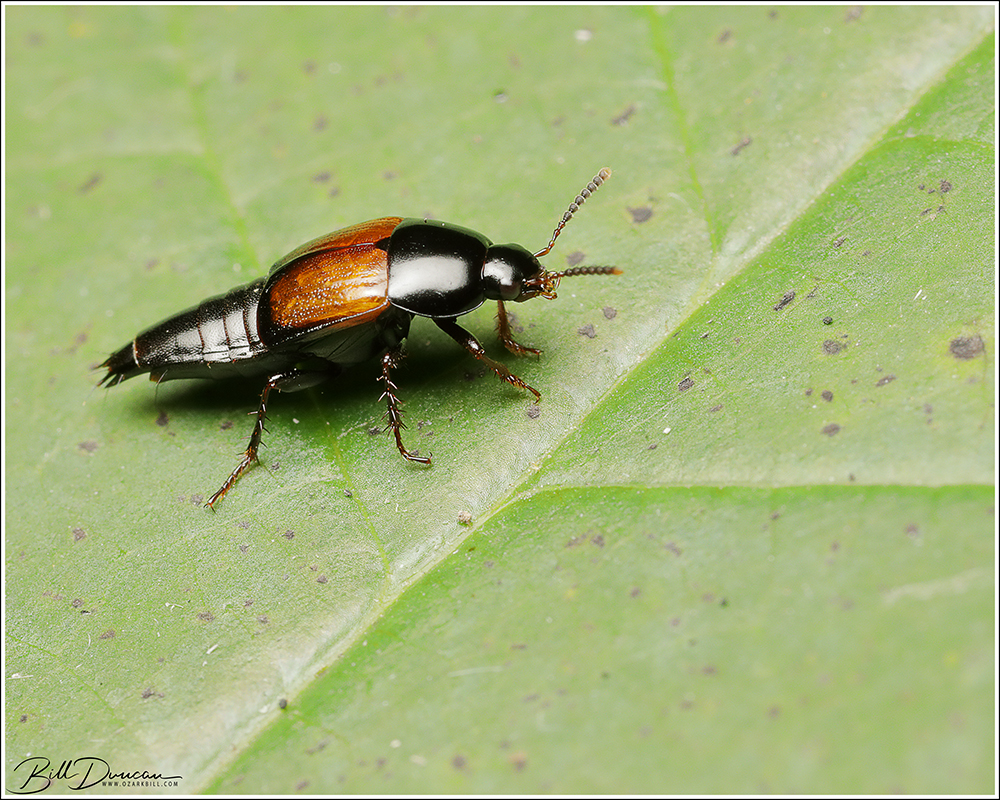
Tachinus fimbriatus – who decomposes the decomposers?
This Tachinus fimbriatus, a member of the rove beetle family, Staphylinidae, was found and photographed in September, 2020 at Babler State Park in St. Louis Co, MO. Some consider the Staphylinidae the largest family of animals in North America with close to 5,000 species described in more than 500 genera. Most rove beetles are carnivorous and feed primarily upon invertebrates. However, many feed on decaying vegetation, especially as larvae. This adorable beetle is believed to feed primarily on rotting mushrooms.
Tachinus fimbriatus – a potential pet for the tiny home?
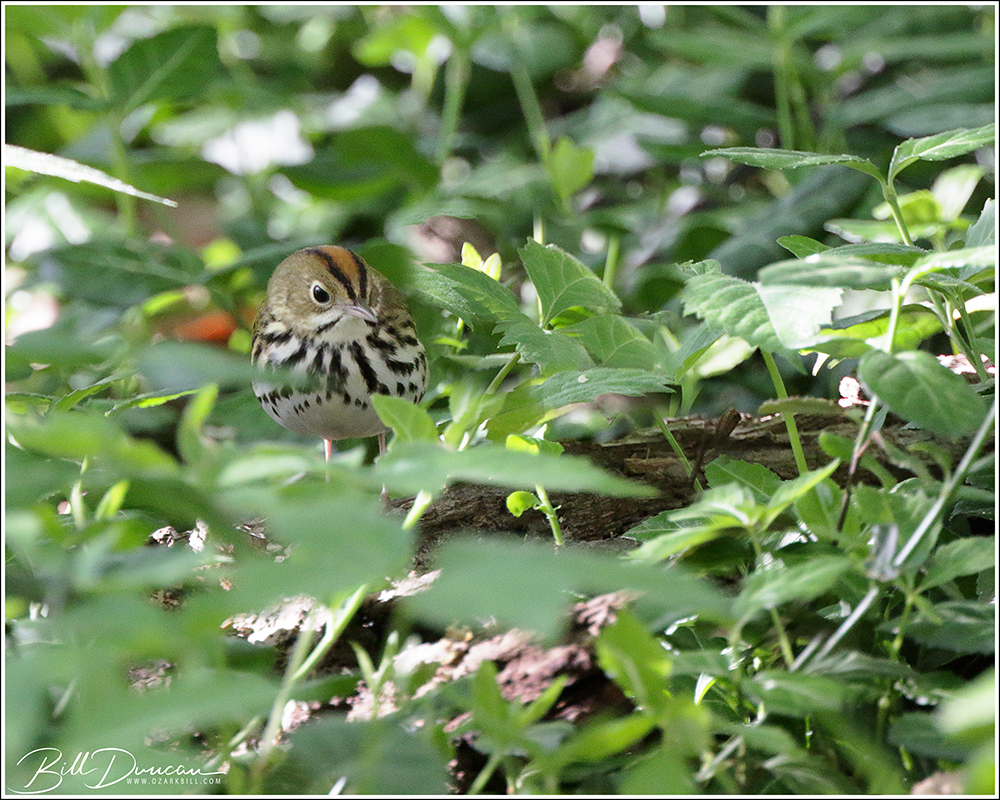
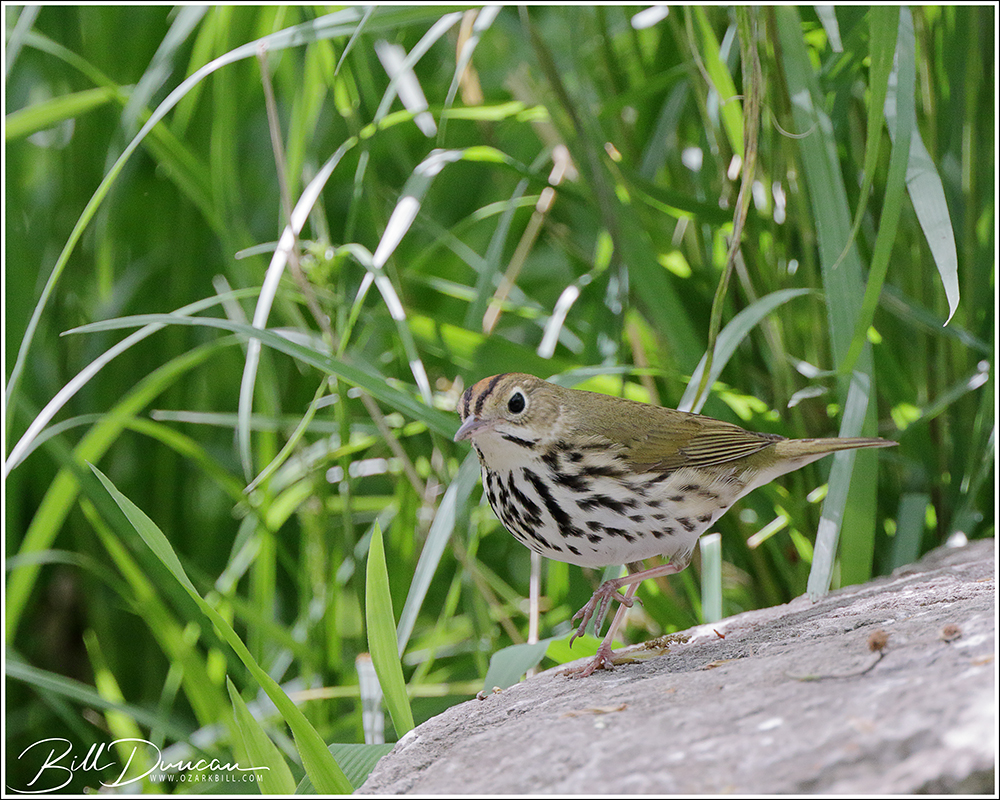
With the relatively recent removal of the Yellow-breasted Chat from the Parulidae, the title of the largest new world “wood warbler” may very well go to the Ovenbird, Seiurus aurocapilla. The Ovenbird is somewhat of a misfit itself. Seiurus is a monotypic genus, believed to have derived early in the evolution of the family. This pot-bellied, thrush-like bird nests and forages on the forest floor, getting its common name from its nest that supposedly resembles a Dutch oven.
Although the Ovenbird can be easily heard through much of the summer in any large-track deciduous forest, getting good looks and photographs is easiest by waiting to spot them in a migration trap like Tower Grove Park in St. Louis City where these photos were taken.
Getting a photo of an Ovenbird showing its orange crown stripe can be a fun challenge!
There is a singer everyone has heard, Loud, a mid-summer and a mid-wood bird, Who makes the solid tree trunks sound again. He says that leaves are old and that for flowers Mid-summer is to spring as one to ten. He says the early petal-fall is past When pear and cherry bloom went down in showers On sunny days a moment overcast; And comes that other fall we name the fall. He says the highway dust is over all. The bird would cease and be as other birds But that he knows in singing not to sing. The question that he frames in all but words Is what to make of a diminished thing.
“The Ovenbird” Robert Frost
Ovenbirds walk along their environments more often than flying.













 A Thousand Acres of Silphiums