"What a thousand acres of Silphiums looked like when they tickled the bellies of the buffalo is a question never again to be answered, and perhaps not even asked." -Aldo Leopold
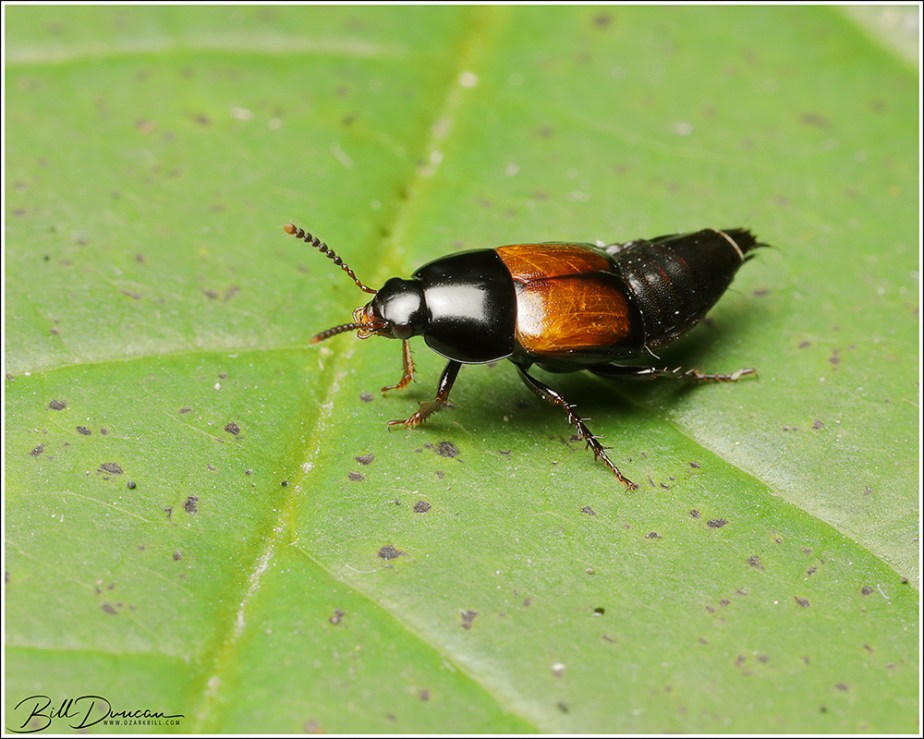
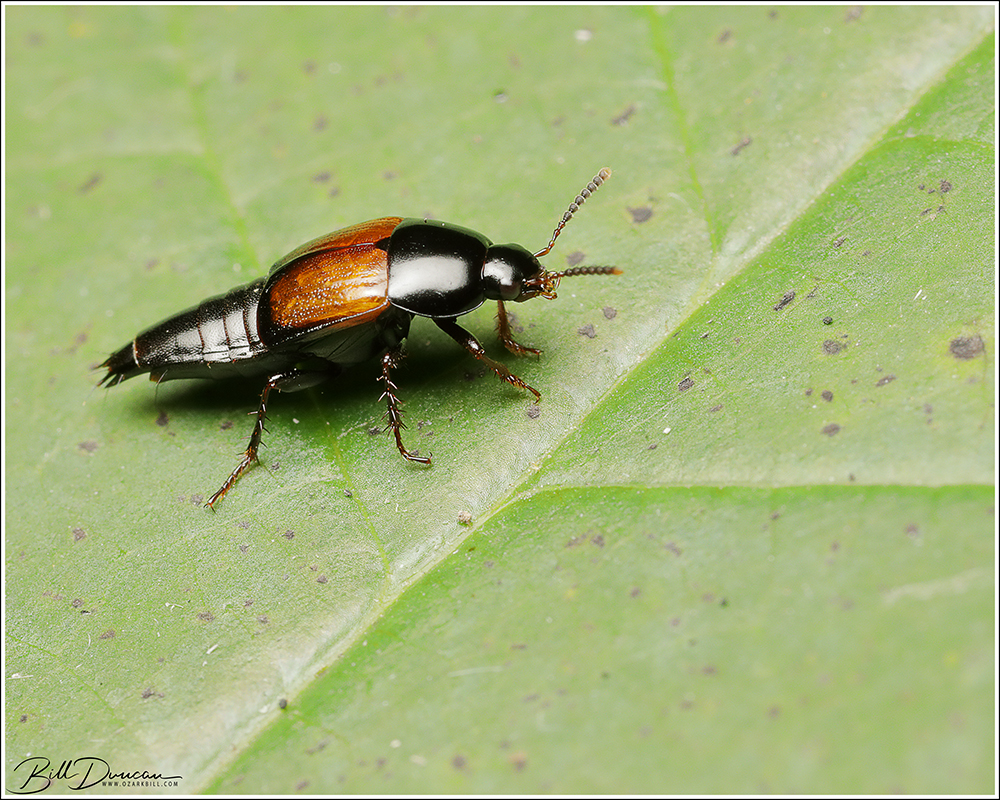
Tachinus fimbriatus – who decomposes the decomposers?
This Tachinus fimbriatus, a member of the rove beetle family, Staphylinidae, was found and photographed in September, 2020 at Babler State Park in St. Louis Co, MO. Some consider the Staphylinidae the largest family of animals in North America with close to 5,000 species described in more than 500 genera. Most rove beetles are carnivorous and feed primarily upon invertebrates. However, many feed on decaying vegetation, especially as larvae. This adorable beetle is believed to feed primarily on rotting mushrooms.
Tachinus fimbriatus – a potential pet for the tiny home?
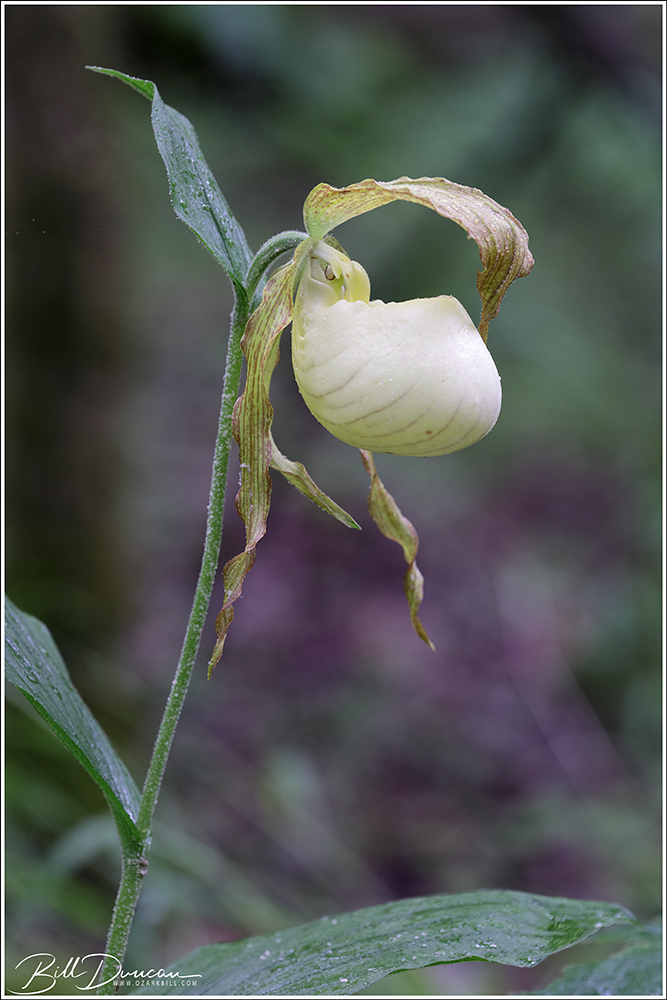
I have one more lady’s slipper orchid to share this year. I cannot count this one for my Missouri orchid list, but it is one hell of a slipper. The Kentucky lady’s slipper (Cypripediumkentuckiense) has the largest bloom of any in the Cypripedium genus and has nice diversity in colors and patterns. This is an orchid of the southeastern U.S. It has not yet been documented in Missouri, but can be found in the contiguous states of Arkansas, Tennessee, Kentucky and Oklahoma. Casey and I found these with some help in May in the Ouachita Mountains of Arkansas.
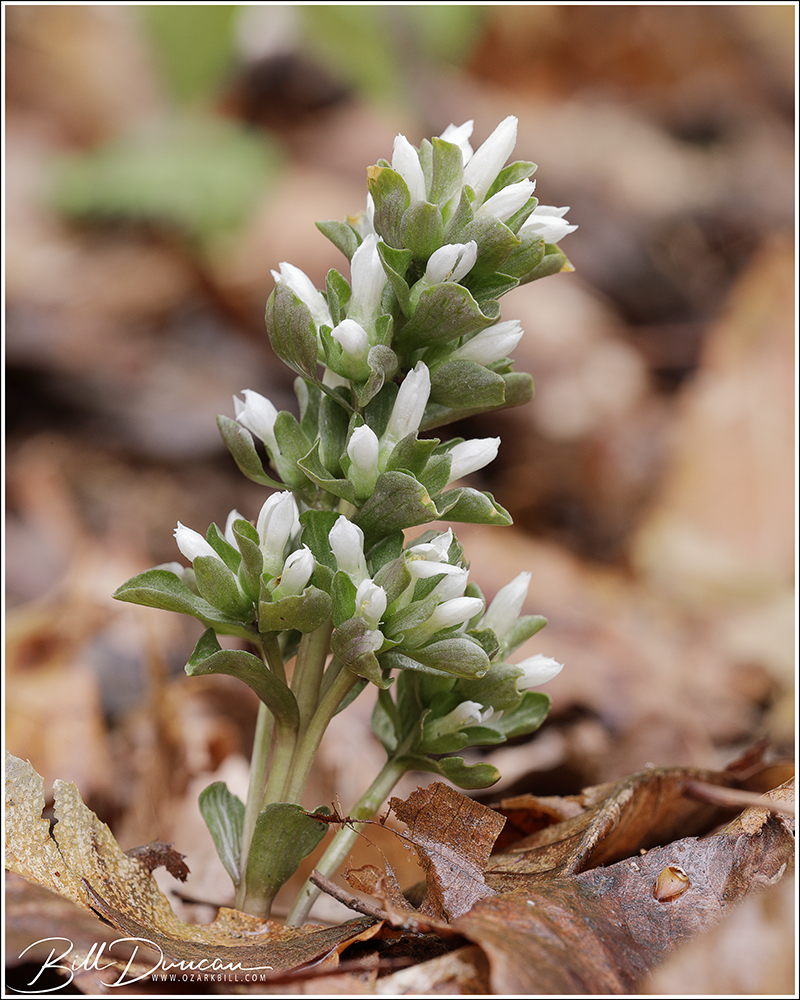
It’s not only orchids that I have had the pleasure getting to know during the past few years. Having new botanically-minded friends, I have been able to find and get to know a number of other interesting and sometimes quite rare plants found in other families. Obolaria virginica, known as Virginia pennywort or pennywort gentian, is indeed in the Gentianaceae family (gentians). It is ranked as S2 (imperiled) in Missouri, likely due to the small number of populations found here. This plant emerges very early and is much like a typical spring ephemeral. Like the coralroot orchids (Corallorhiza sp.), this plant is mycoheterotrophic, getting at least some of its nutrients by parasitizing microrrhizal fungi.
The diminutive Obolaria virginica (Virginia Pennywort) has been reported from only three Missouri counties in the southeastern portion of the state.
The conservation status of Cypripedium candidum, the small white lady’s slipper, is currently ranked as S1 (critically imperiled) by the Missouri Natural Heritage Program.
I have one more lady’s slipper we found in May to share. Cypripedium candidum or small white lady’s slipper requires moist and full-sun exposures, such as may be found in wet prairies, meadows, fens and forest edges. The reason for its rare status (likely found on fewer than five locations in the state) is due to habitat disturbance and orchid poachers digging them up for horticultural uses.
A small bunch of small white lady’s slippers
This species can hybridize with C. parviflorum (yellow lady’s slipper) when found in close proximity. This can potentially be a conservation concern in some states, but to my knowledge, there are no close associations between these two species in Missouri.
The habitat where these slippers where found in Shannon County, MO. You will not be able to see them, but I assure you, there are slippers in this photo.
It was wonderful finding this and the other lady’s slippers in the state this year. I’m hoping this one can still be found here far into the future.
A fresh Cypripedium parviflorum photographed in late May in St. Francois County, Missouri.
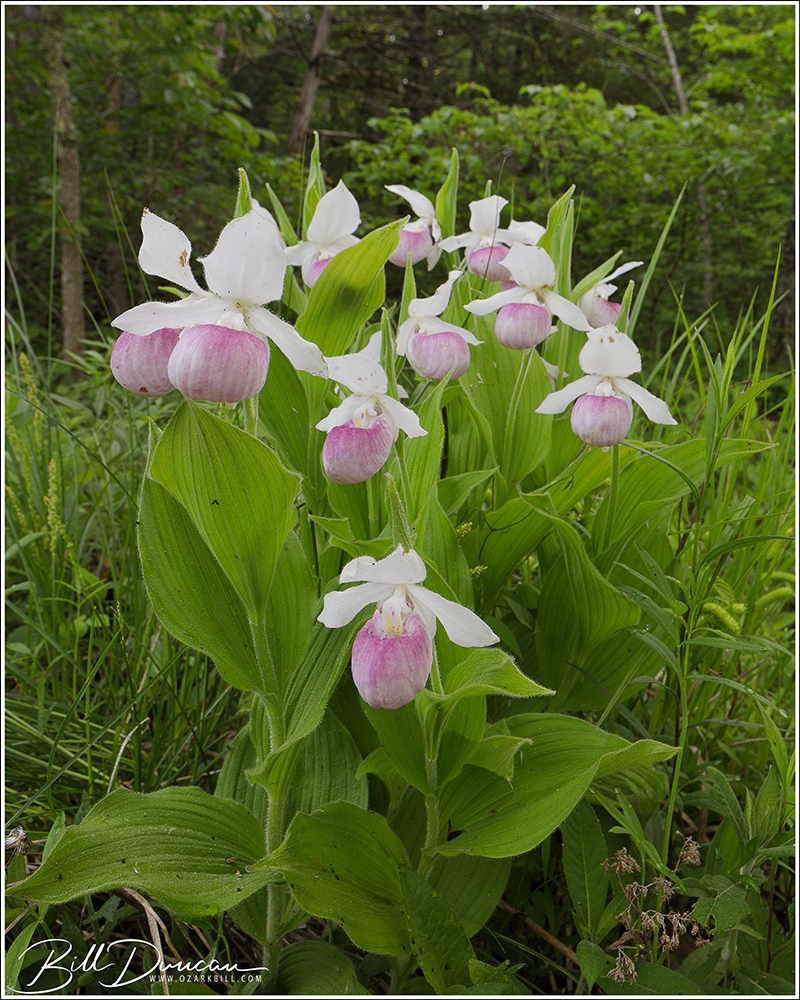
May was definitely a lady’s slippers month. My friends and I found four species within a week (three in MO, 1 in AR). Of the three species found in Missouri, two are species of conservation concern within the state – Cypripedium candidum, small white lady-slipper (S1) and C. reginae, showy lady-slipper (S2S3). I’ve shared photos of C. reginae on this blog before and a C. candidum post will be coming shortly.
I’ve posted photos of C. parviflorum (yellow lady’s slipper) here before as well but these accompanying photos were taken at a new location for me in St. Francois County. Some taxonomists, books and keys have this species split into two varieties – C.parviflorum var. pubescens, or the “greater” yellow lady’s slipper and C.parviflorum var. makasin, the “small” yellow lady’s slipper. Some authors have even split these two into specific status while even others have argued there is no basis in splitting these into varieties. From my limited experiences with these in Missouri and the taxonomic descriptions I have read, I have not seen ample evidence to suggest these should be split into varietal forms. There seems to be a lot of variation in the characteristics that are supposed to describe these two varieties and until someone shows me better proof that these should be treated as two separate forms, all I can say is that, “I’m from Missouri” and I will not be including these as two in my “master list” of the Missouri orchids.
If you are knowledgeable in this area and wish to argue, by all means, please let me know.
I shared images of this orchid last year. However, with an opportunity to visit one of its special homes this past weekend with a couple of friends, I couldn’t pass up the chance to see them again. I’ll be sharing photos of new orchids soon.
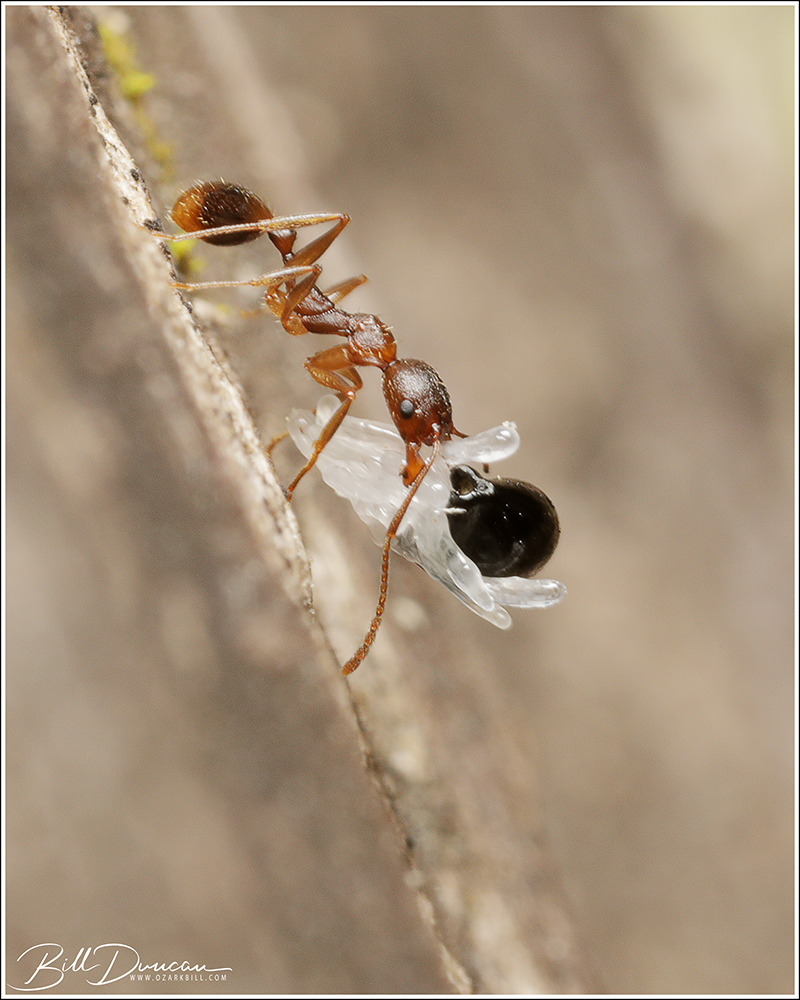
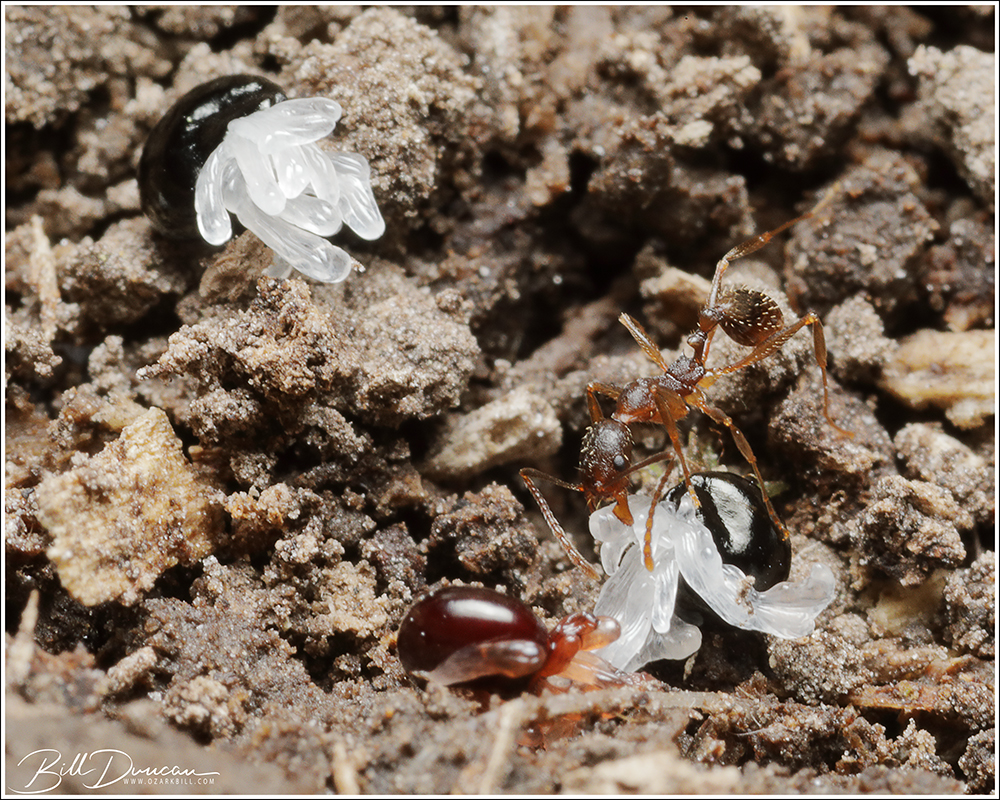
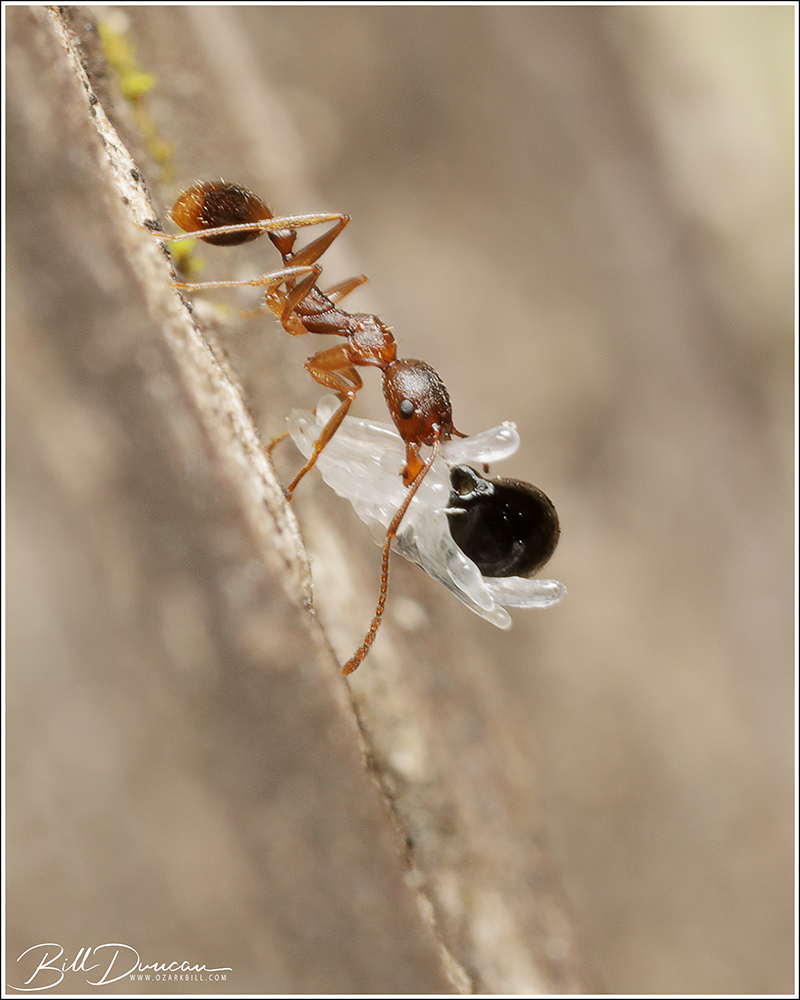
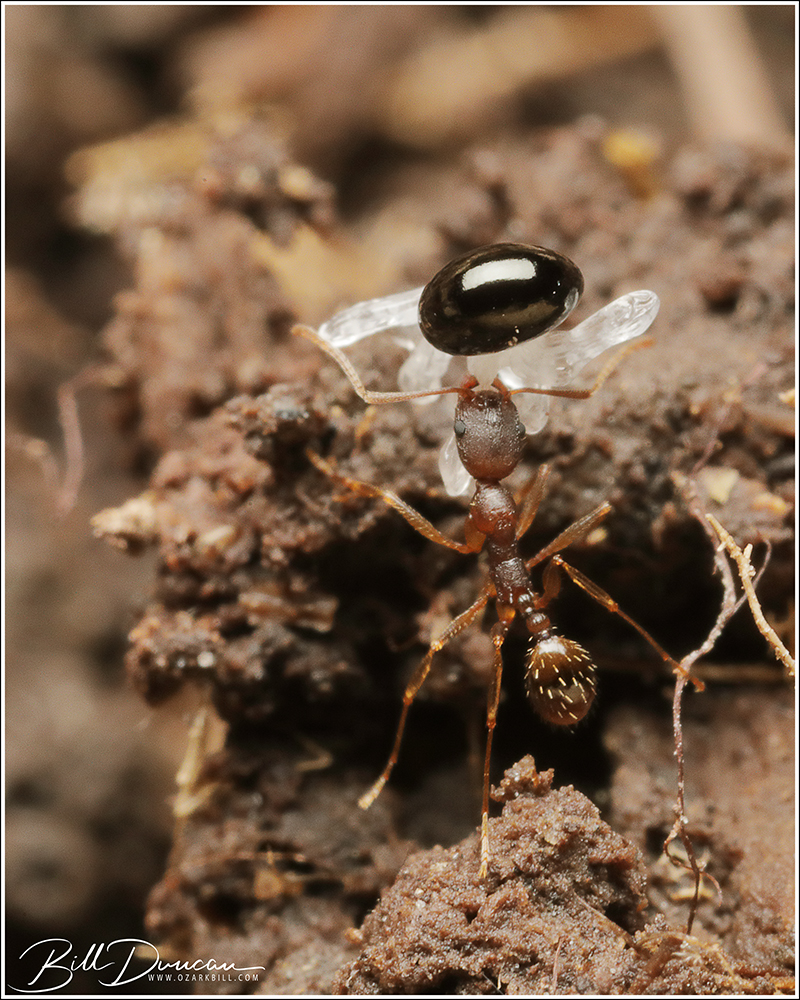
In continuing my work from last year, this year I was able to capture a few Aphaenogaster rudis moving the diaspores of Dicentra cucullaria (Dutchman’s breeches). Although this was the best year I’ve ever seen for D. cucullaria, getting everything to work just right in order to photograph this process was difficult. I was often short on the time needed to do this. Also, the cool temps we had this spring made it a bit difficult to find the foraging ants, even when the supply of diaspores I had at my disposal were ample.
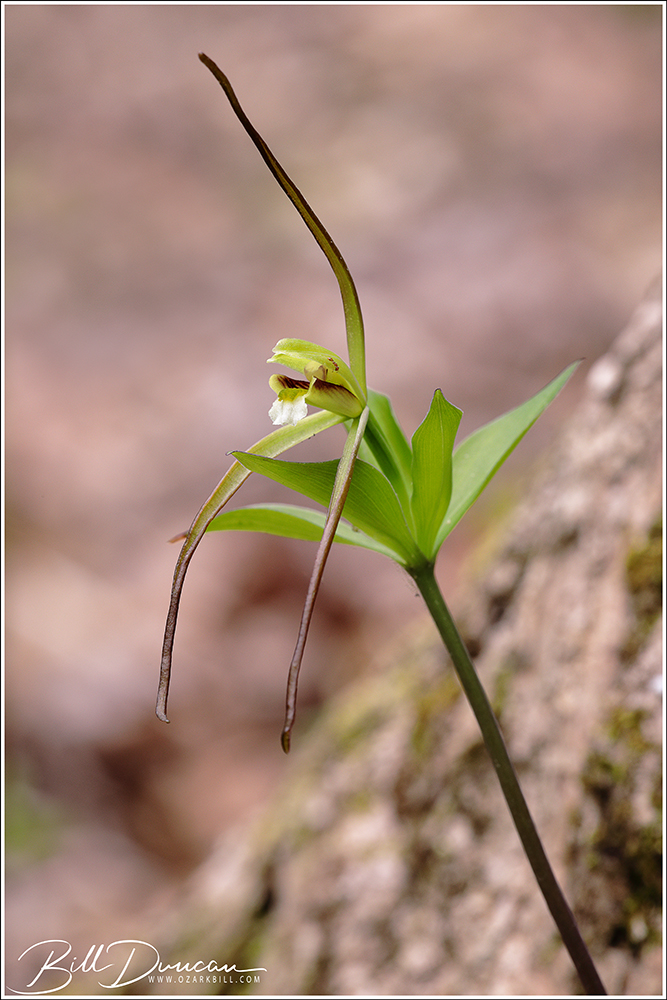
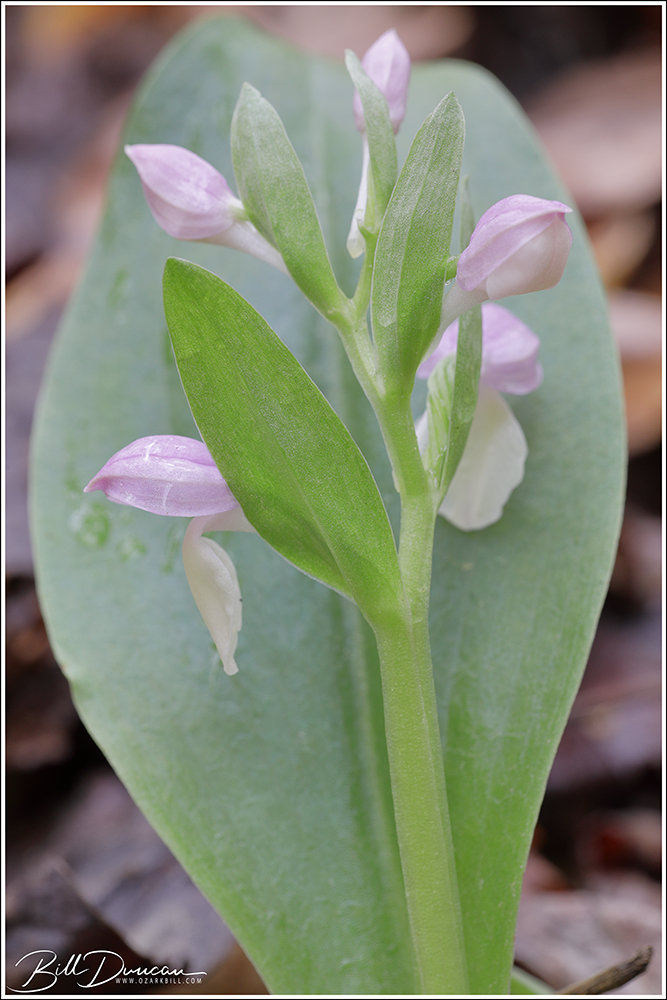
The 2021 season has started with great success. The following orchids were found in Stoddard County on a trip with Pete Kozich, Casey Galvin and Stephen Dilks. Many thanks to all of you for your parts in finding these and several other fascinating plants on this day. It was a pleasure botanizing with you.
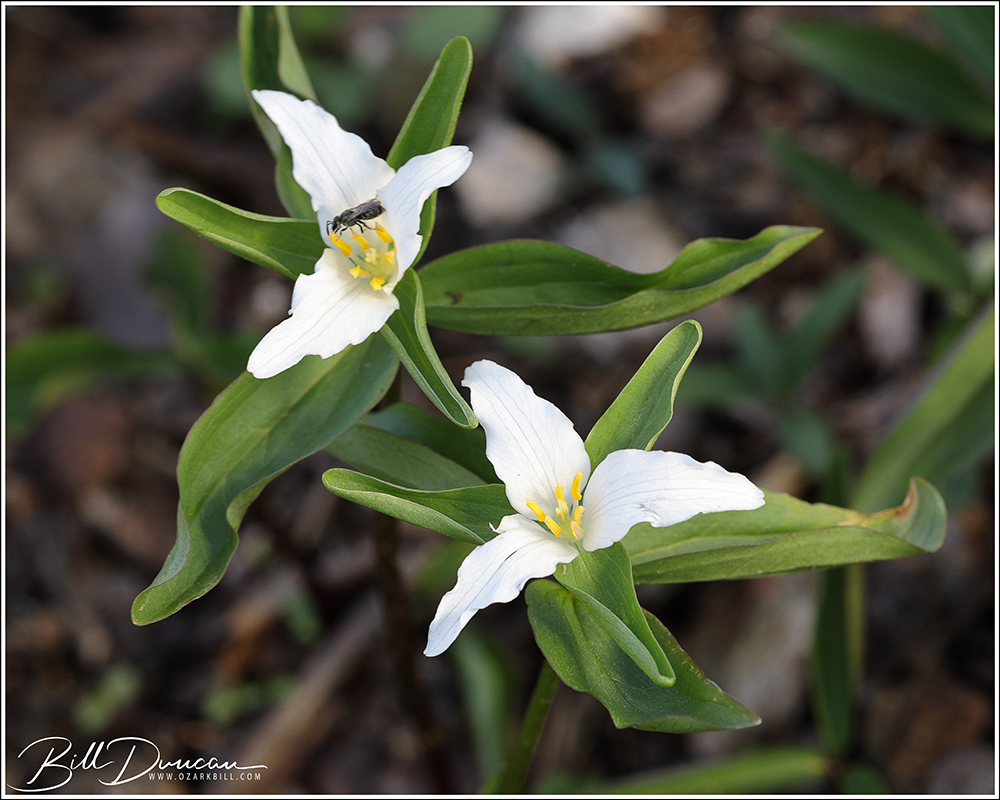
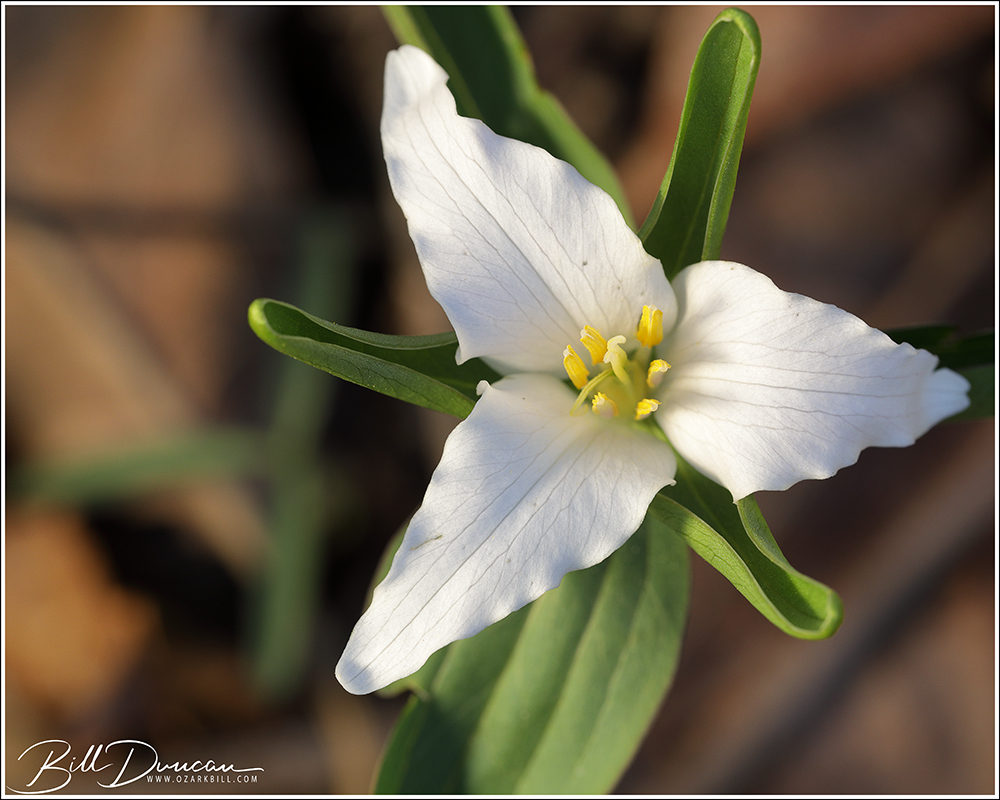
Another early-blooming trillium that is rare in Missouri. These Trillium pusillum var. ozarkanum were photographed in late March in southwestern Missouri.
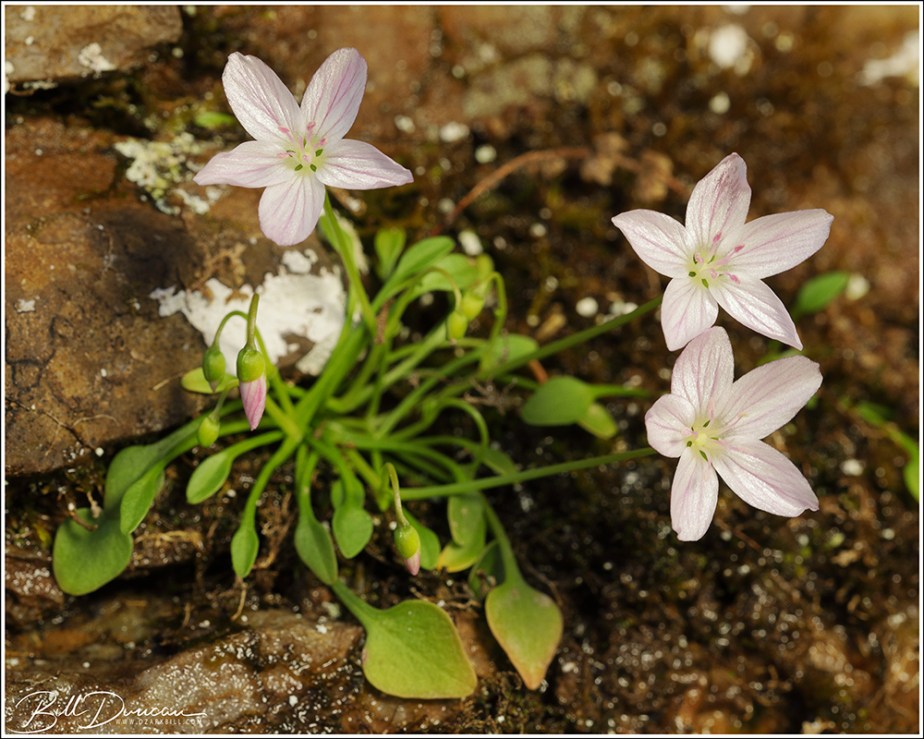
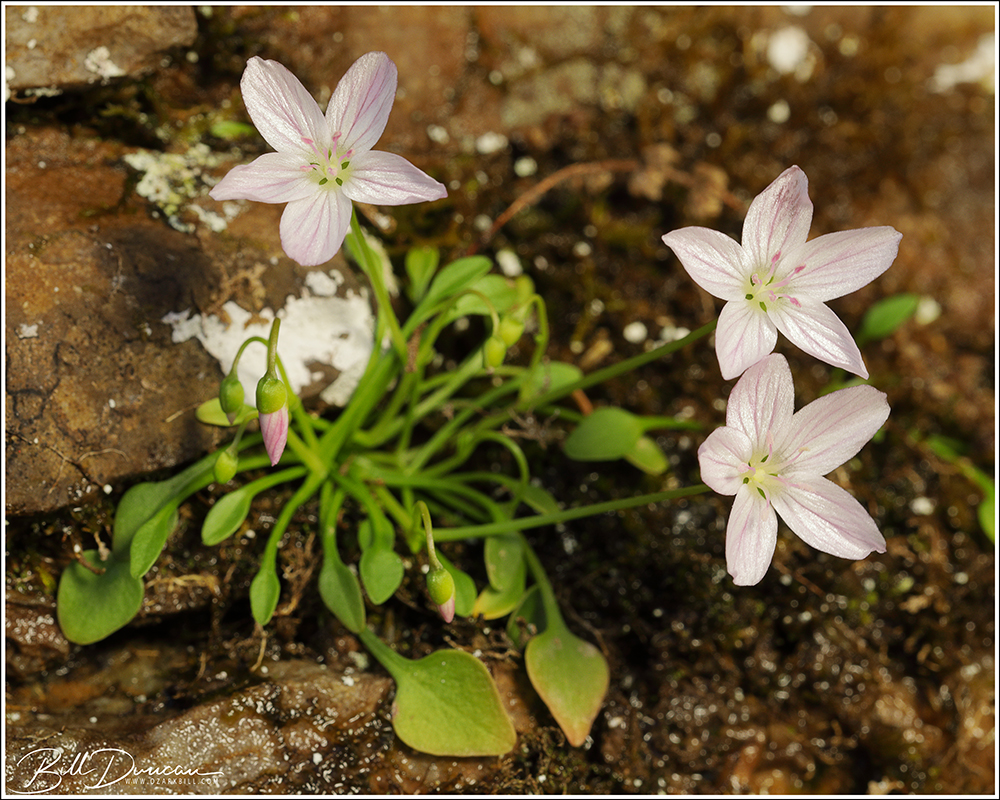
Originally described in 2006 as Claytonia ozarkensis, this plant was considered a near-endemic to the Ozarks, being found in Missouri, Arkansas and Oklahoma. Yatskievych et al. (2013) further defined this form and re-described this as C. arkansana. This species is known from only three counties in Arkansas and is classified as G2, or globally imperiled due to its required specialized habitat. C. arkansana is only found on sandstone bluffs and ledges. An interesting adaptation this plant has required to ensure its offspring remain in this required habitat is by negative phototropism of the pedicle after flowering. As the fruits develop, the pedicle turns away from light so that the seed may be dispersed in the cracks and bluff ledges where they need to germinate.
I want to thank Casey Galvin and John Oliver for helping me find this fascinating plant!
Yatskievych, G., R.J. Evans, and C.T. Witsell. 2013. A reevaluation of the Ozark endemic Claytonia ozarkensis (Montiaceae). Phytoneuron 50: 1-11.















 A Thousand Acres of Silphiums