I finally had a good chance to photograph these spectacular flowers at peak bloom. Photographed at Don Robinson State Park, Jefferson County, MO on 28, Aug, 2021.

"What a thousand acres of Silphiums looked like when they tickled the bellies of the buffalo is a question never again to be answered, and perhaps not even asked." -Aldo Leopold
I finally had a good chance to photograph these spectacular flowers at peak bloom. Photographed at Don Robinson State Park, Jefferson County, MO on 28, Aug, 2021.
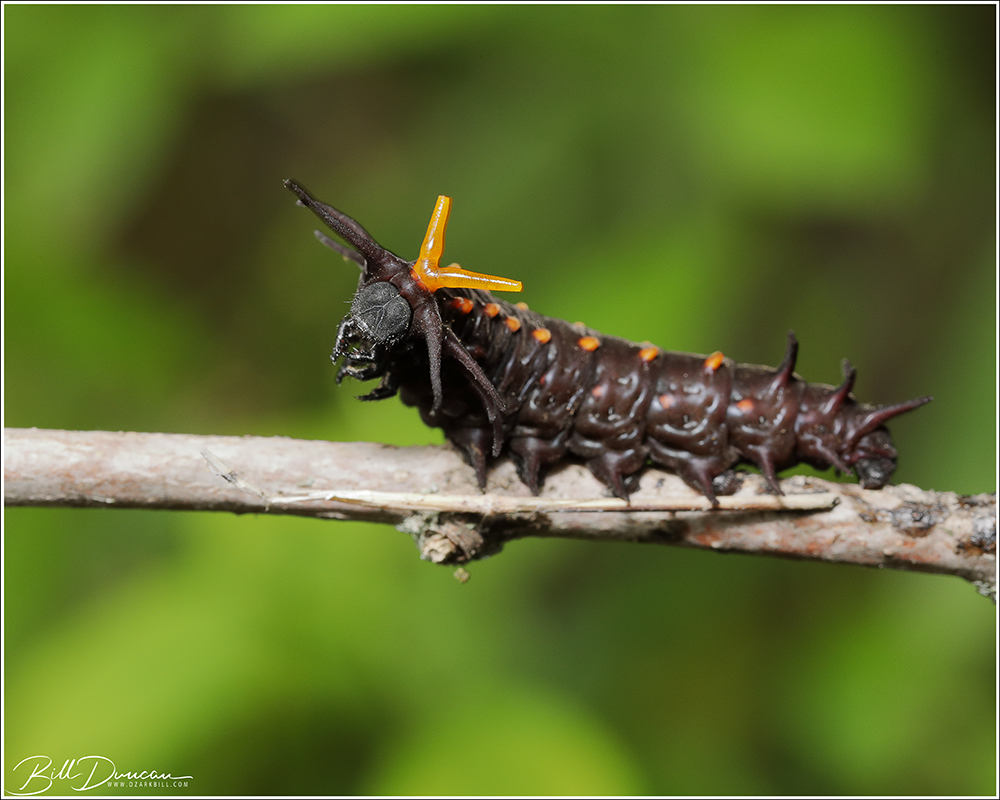
I finally lucked out and found a late instar Battus philenor. This guy was walking along a trail, presumably looking for a good spot to pupate. I persuaded it to walk on a stick for a brief period to pose for a couple of portraits and then left it where I found it.

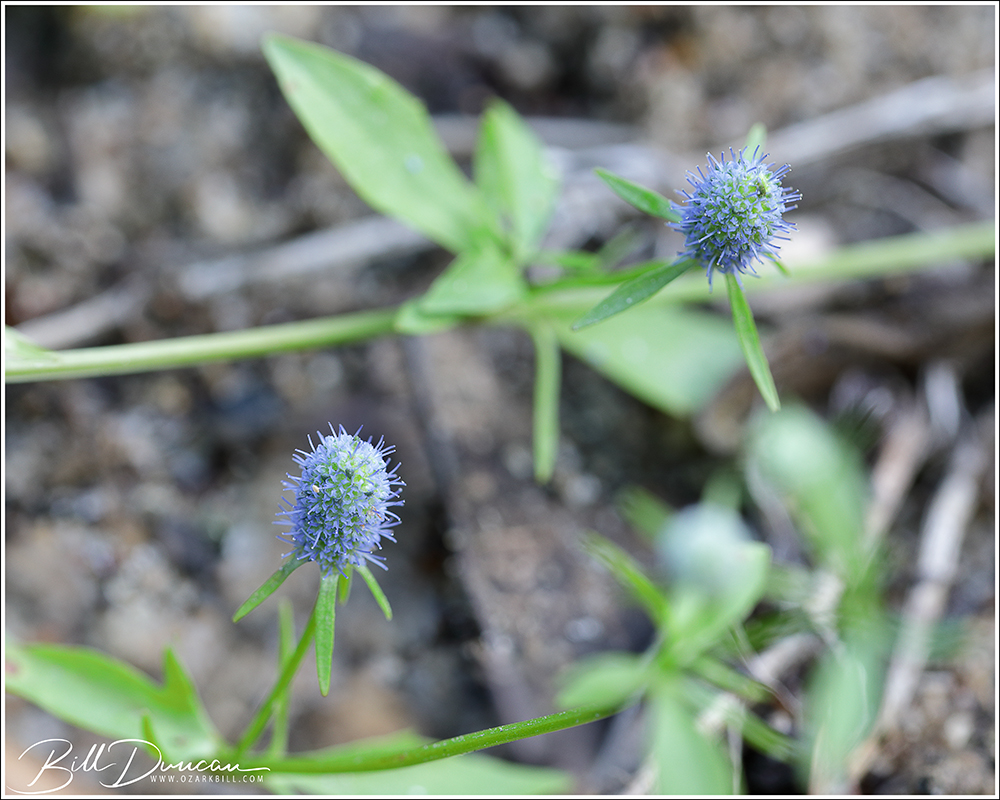
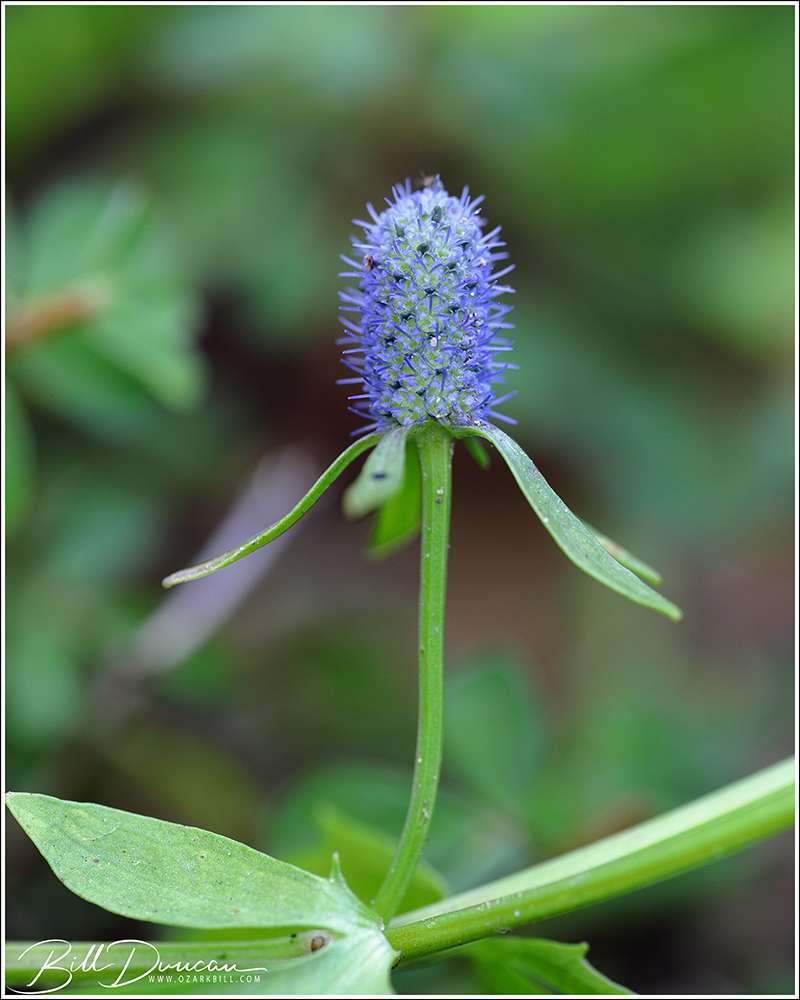
Eryngium prostratum is an odd little member of the Apiaceae family that is found in the southeastern most part of Missouri. Along with it’s blue flowering heads, its closet living relative in Missouri is the relatively gigantic E. yuccifolium. These plants were photographed at Charleston Baptist Association Prairie in Scott County, MO on June 27, 2021.
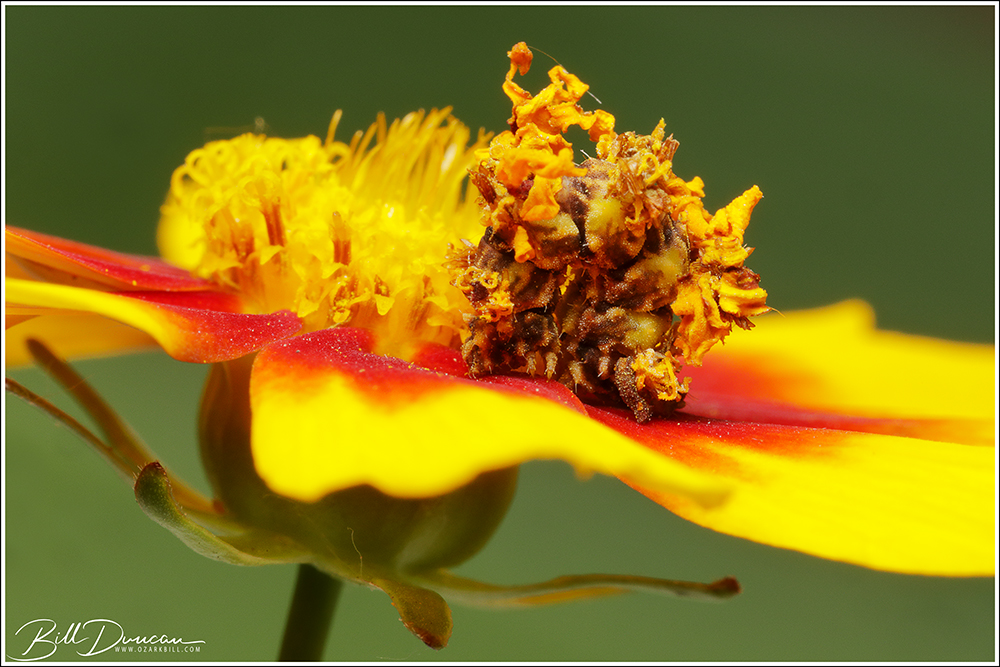
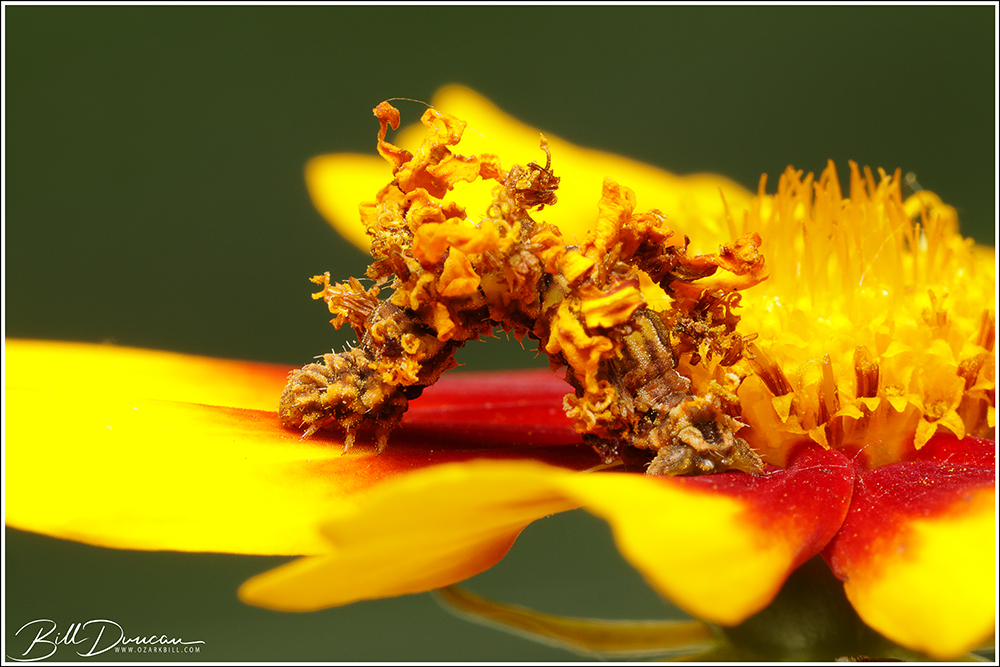
Back in mid-June I discovered a number of Synchlora aerata (camouflaged looper, wavy-lined emerald moth) that were using our coreopsis as host. Not only are these spectacular adult moths in the family Geometridae, but they are obviously special while in the larval phase as well. These caterpillars are known for attaching bits and pieces of the plant tissues they feed on (often flower petals) to their backs as means of camouflaging against their predators.
The Languria bicolor (Erotylidae) is placed in the tribe Languriini (lizard beetles). Larvae of lizard beetles develop within the stems of plants and adults feed on the tissues and pollen of the same or nearby plants. This individual was found in July 2021 at the Beaumont Scout Reservation, St. Louis County, Missouri.
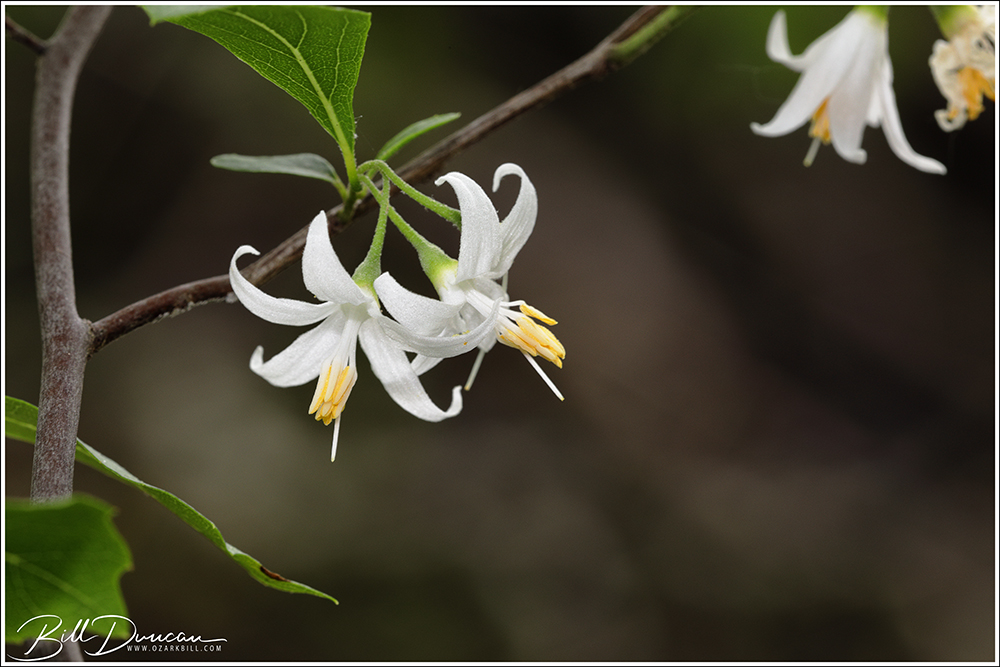
Found in approximately nine counties in southeastern Missouri, Styrax americanus can be found in low-lying wet habitats. This individual was found at Mingo National Wildlife Refuge. This plant is one of many different hosts of the promethea silkmoth (Callosamia promethea).
This year I was able to find and photograph the last two of the Spiranthes (ladies tresses) orchids that can be expected to be found in Missouri.
First up is a plant that Casey and I found in Nevada County, Arkansas on May 9th. To my knowledge, S. praecox (grass-leaved ladies tresses) is found in only one location in the Show Me State. However, after checking for it on a few occasions, it looks as though the plant(s) did not bloom this year. Hopefully this population is still there and will bloom in a future year. The couple of blooming spikes Casey and I found in Arkansas were very striking, with deep green venation on the labellum.


Spiranthes praecox, grass-leaved ladies tresses
It is interesting to me that the final two Spiranthes orchids I had to add to my list are the largest two species by far. While S. praecox can reach heights of up to 75 cm, S. vernalis (spring ladies tresses) has been recorded at a meter in height! This species is distributed throughout the state, but is considered locally rare. This plant was found at Otter Slough C.A.


Spiranthes vernalis, spring ladies tresses
Here we have a few shots of a small carpenter bee that was very cooperative this past April at Beckemeier Conservation Area as it nectared from a spring beauty blossom. This is one of the bees that nests and overwinters in old broken pithy stems that it excavates. So here is who you might be helping by leaving your dead stems sit through the winter.


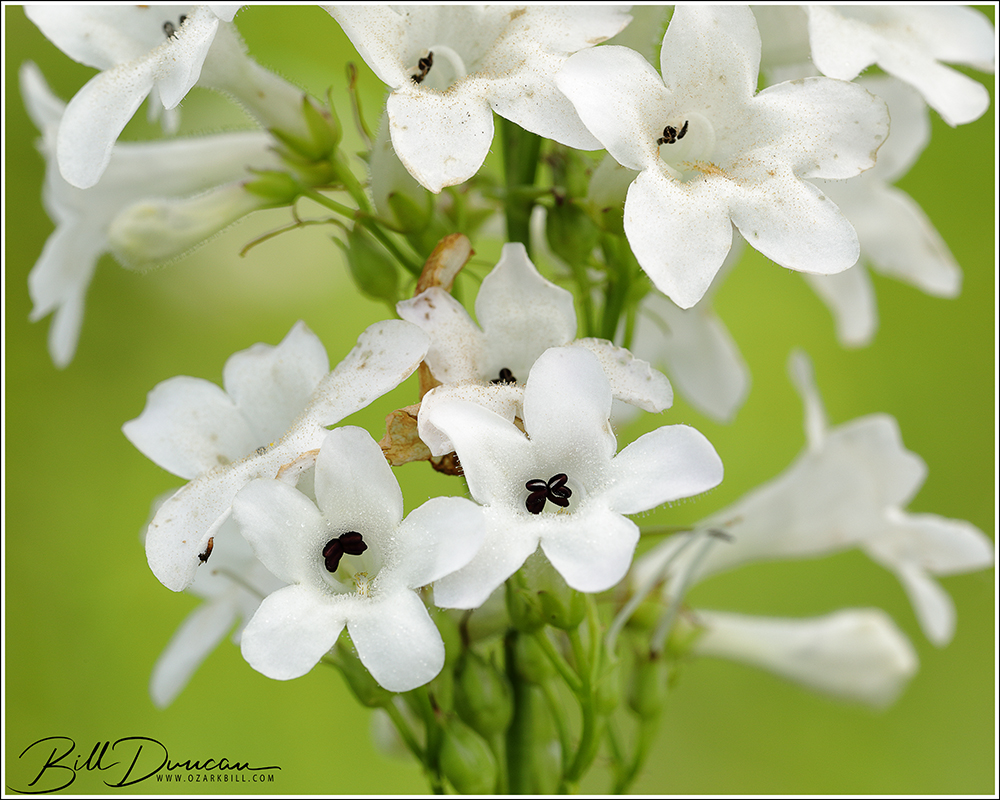
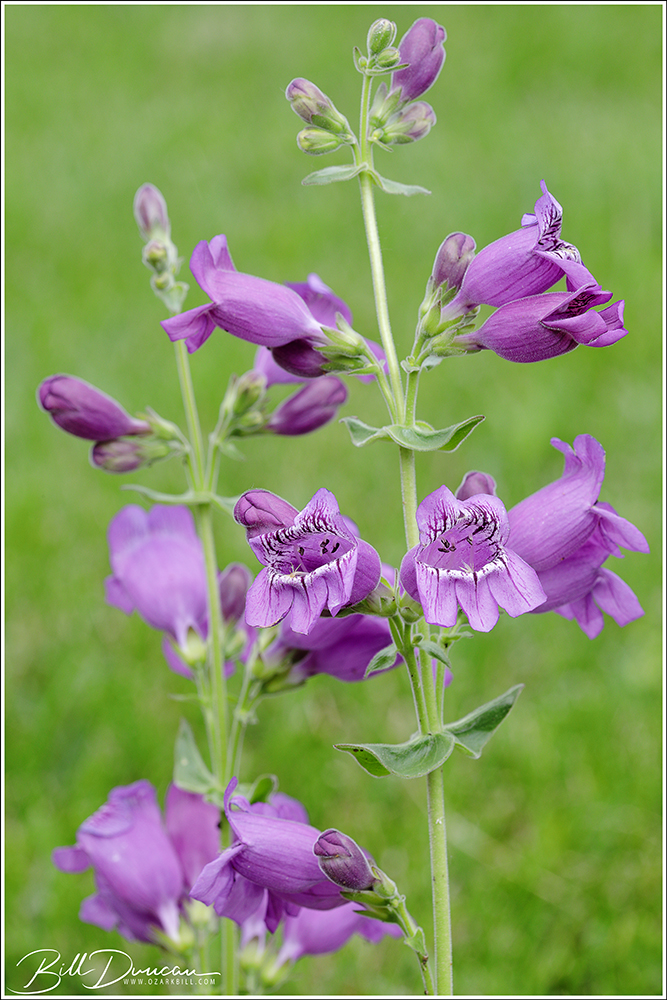
Here is a genus that I find interesting. The Penstemon is made up of approximately 270 species and is the largest genus of flowering plants that are endemic to North America. Now classified in the plantain family (Plantaginaceae), this is a very diverse genus found across a variety of habitats and altitudes. Most species should be readily identified as a Penstemon due to their unique flower morphology. The corolla is a fused tube, comprised of five petals that can be identified as lobes in a two on top, three on the bottom configuration. Inside the corolla you will find two pairs of stamens with anthers pushed towards the top of the open mouth. In between the fertile stamens is a staminode that lies towards the bottom of the tube. This sterile modified stamen usually ends in a brush-like structure. This is the eponymous “beardtongue”. The generic name, Penstemon, meaning “stamen-like”, also refers to this staminode.
I got to meet four species of Penstemon in bloom this year – two of which I planted in the garden. I was happy to see them bloom in their first season.



-OZB


 A Thousand Acres of Silphiums