Long-eared Owls Finally!

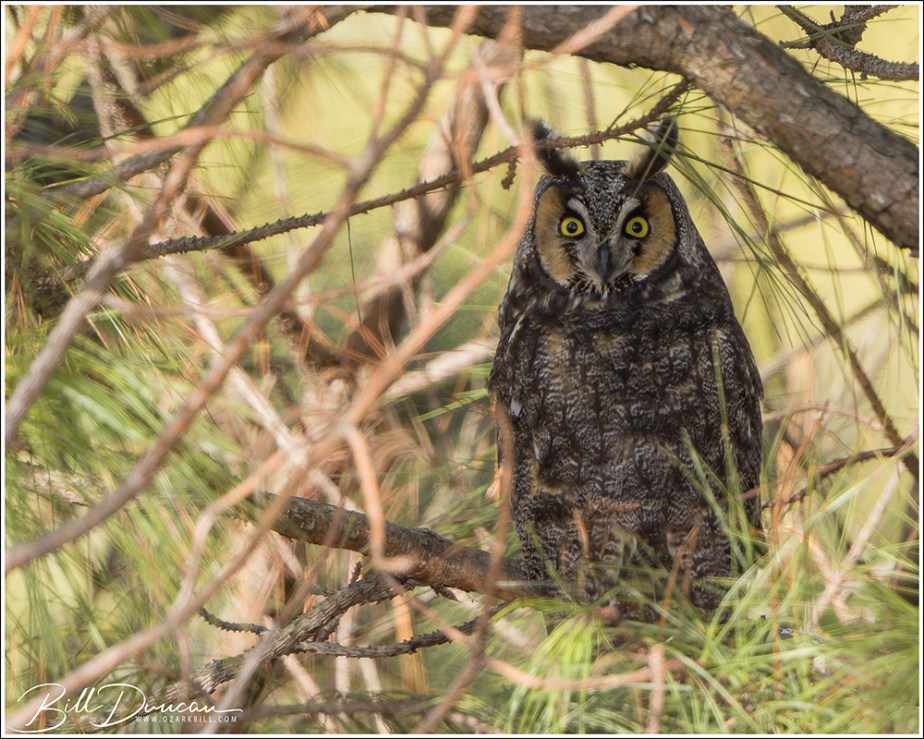
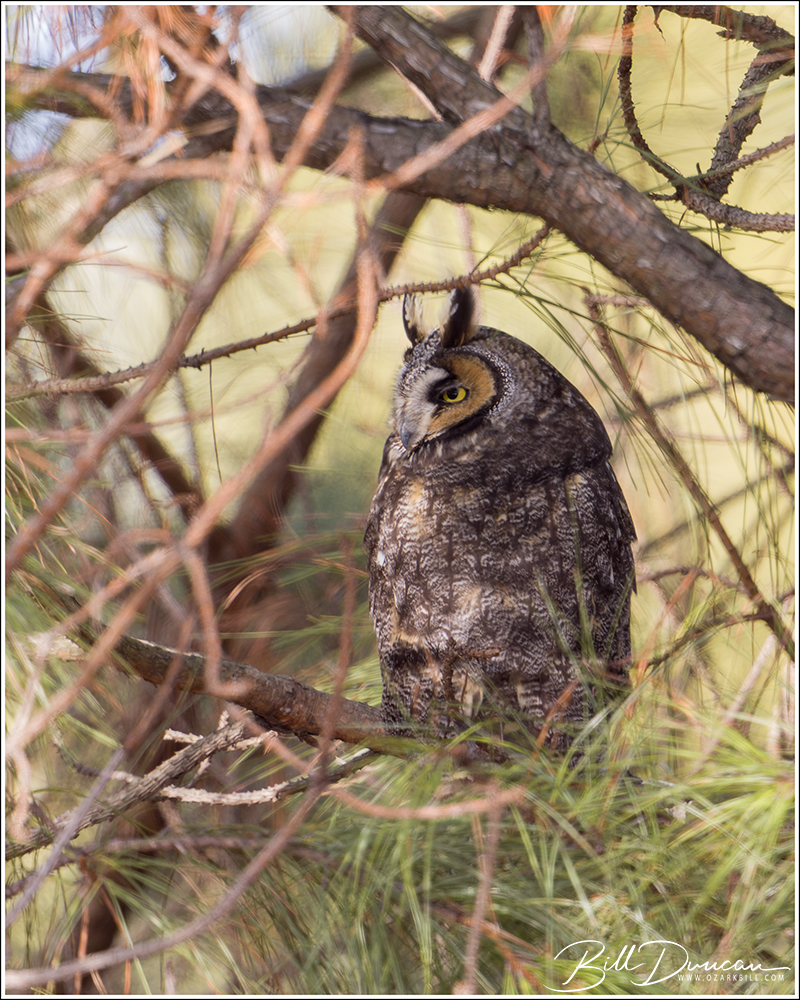
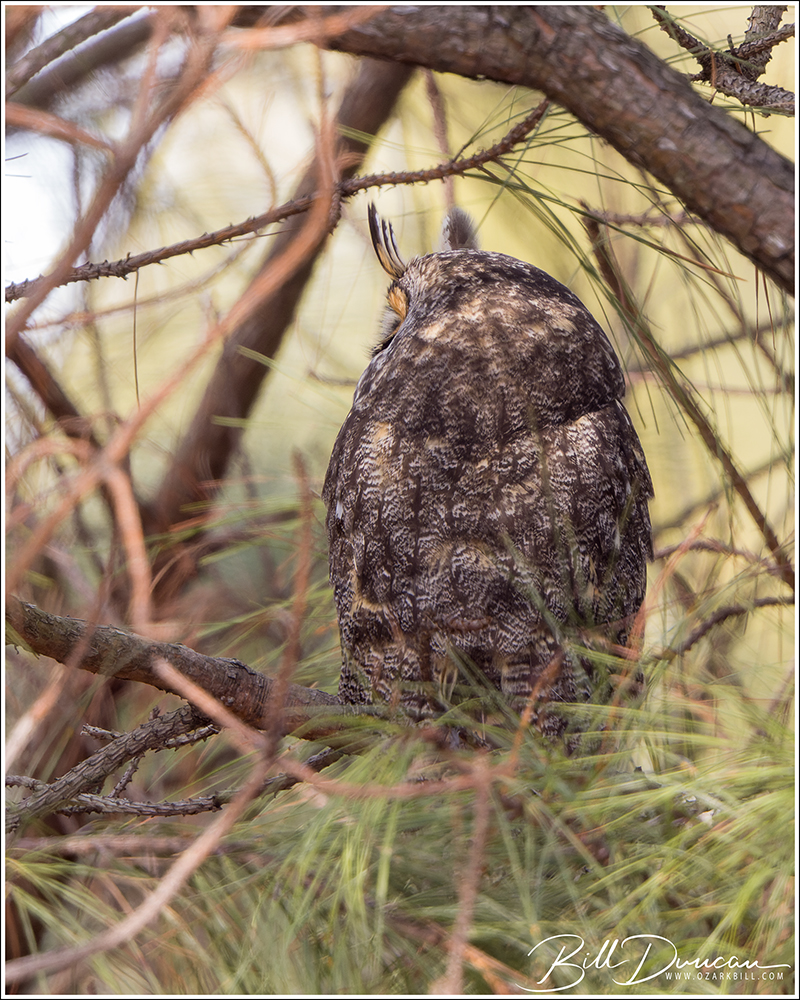
The Long-eared Owl has been on my top most wanted list for adding to my photographed species list for nearly 15 years. During this past New Years Eve, I finally found that opportunity.

Long-eared Owls are a bit different in that they hold and keep winter roosting sites, sometimes using the same trees or a single tree for these winter roosts year after year. This was the case here, where we found five birds roosting in a couple of exotic pine trees. Unfortunately, all but the one pictured here were too far in the mix of branches to be photographed. I am sure happy to have this one.

I had heard that this species is particularly weary, flushing with the least provocation. I did not find this to be the case at all with this group. Yes, this was a hard to find location and they do not likely see many visitors. When we stepped from the car they did become aware, moving their heads back and forth to get better looks at us from between branches. But, with keeping low voices, slow movements and respectful distances, they got used to our presence fairly quickly. I was even amused that they began ignoring us, turning their backs to us, going back to sleep and having what seemed to me normal behaviors and interactions. We stayed until dusk at which point they began stirring, moving from perch to perch and interacting with one another. This was too dark for still photographs but I did collect a little bit of video that I hope to process and share someday.

I know this is a sought after species in our region. This roost is on private property in which we were invited. I will not be able to share the location information for this site. Thanks for understanding.

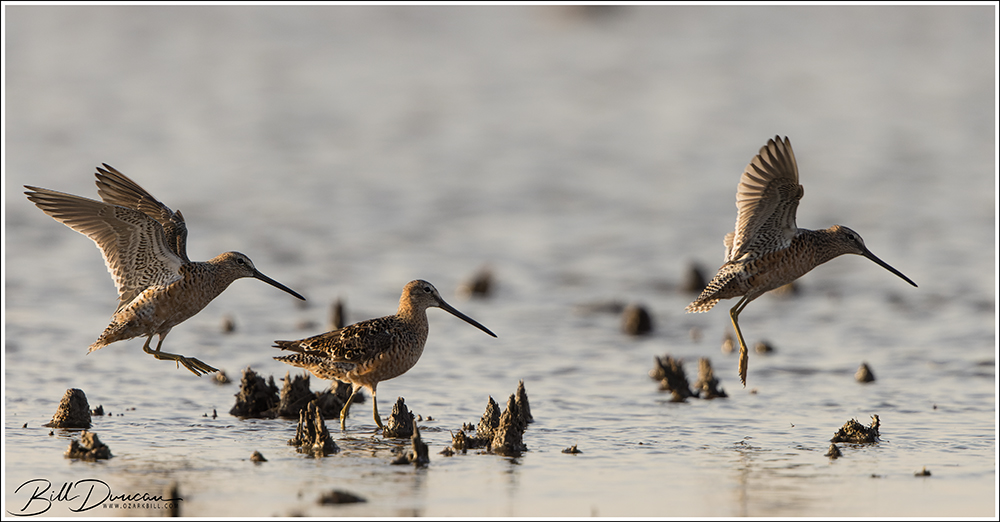
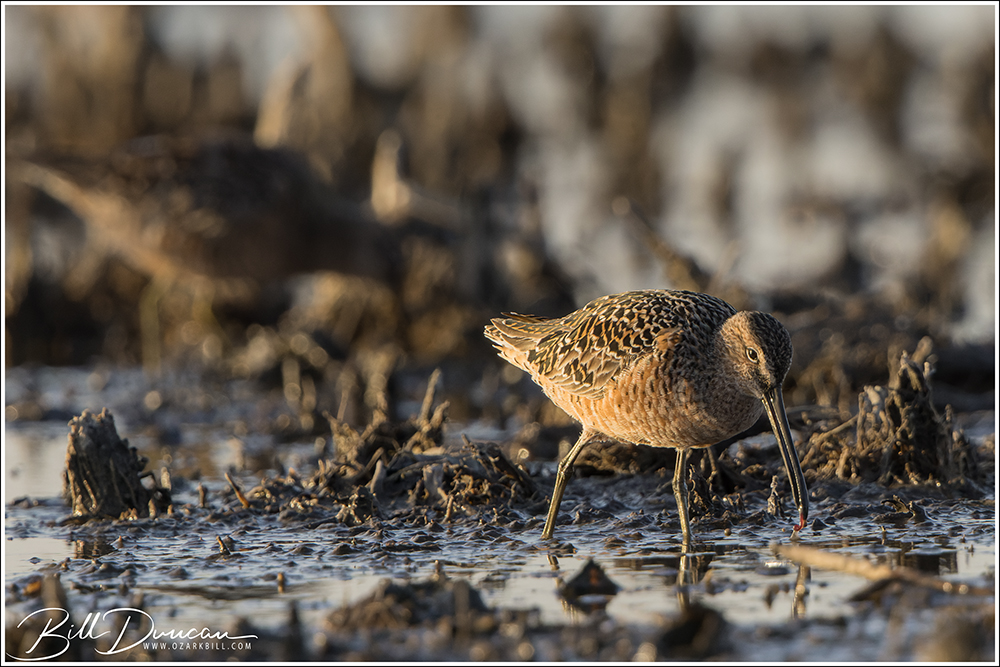
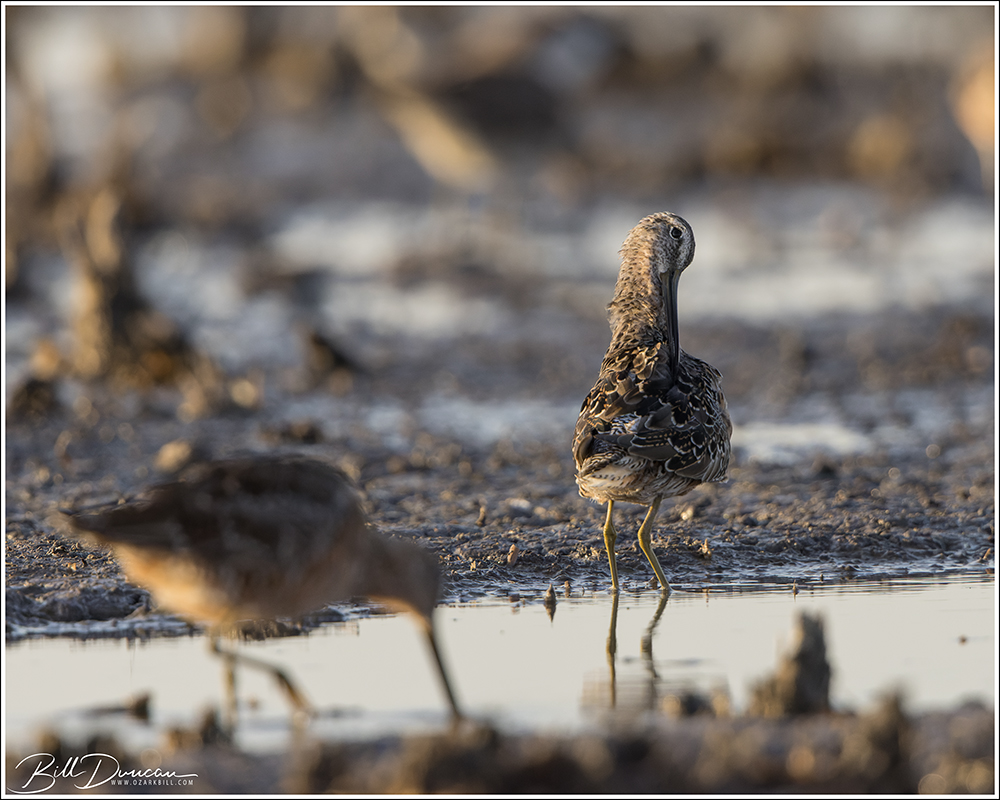
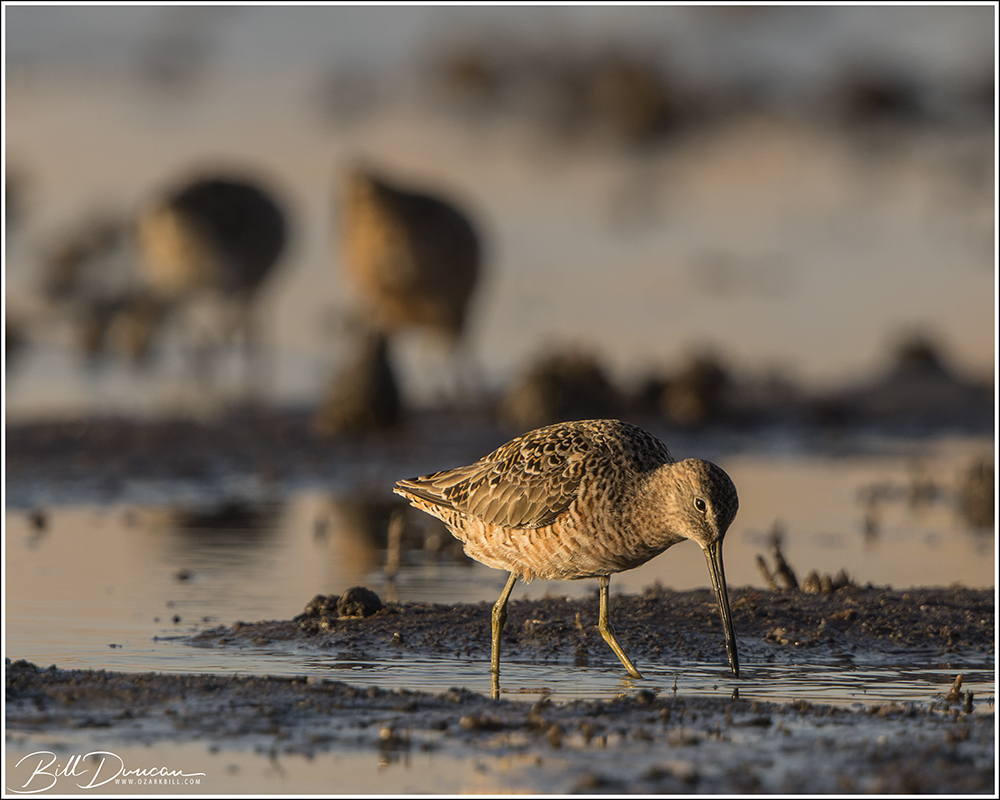
2022 Kansas Trip – Long-billed Dowitcher

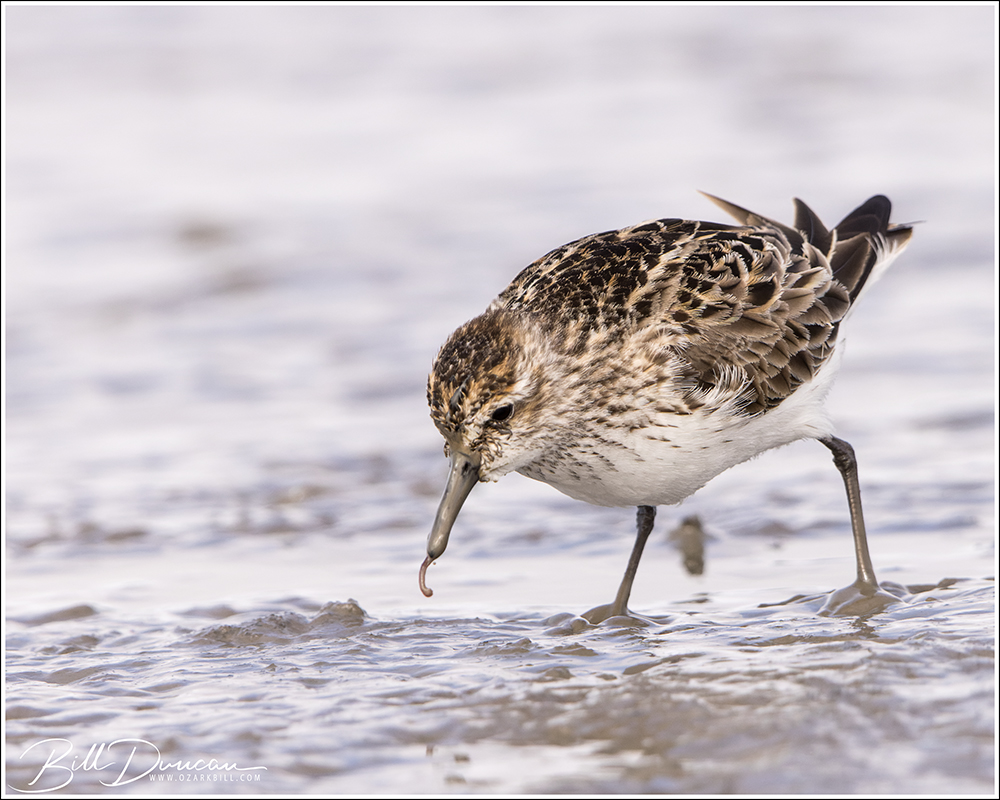
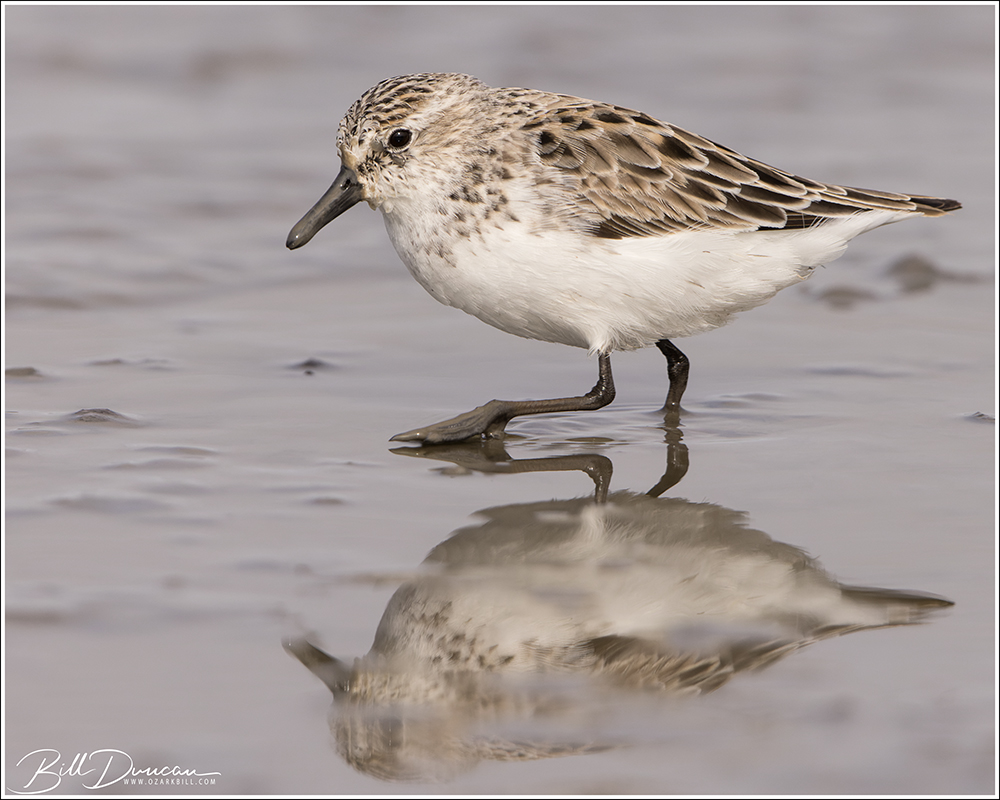
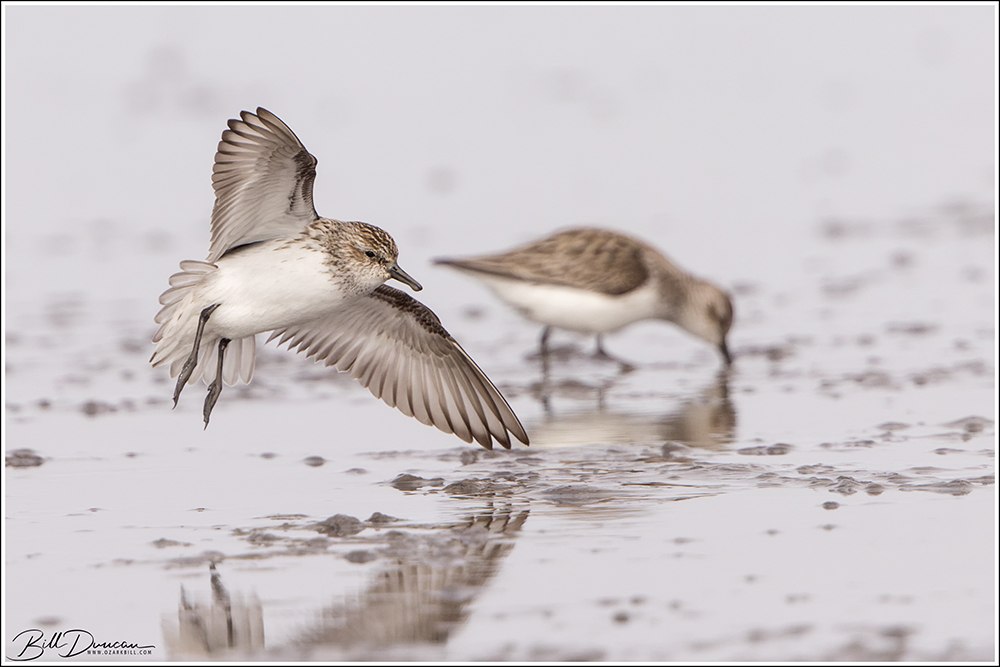
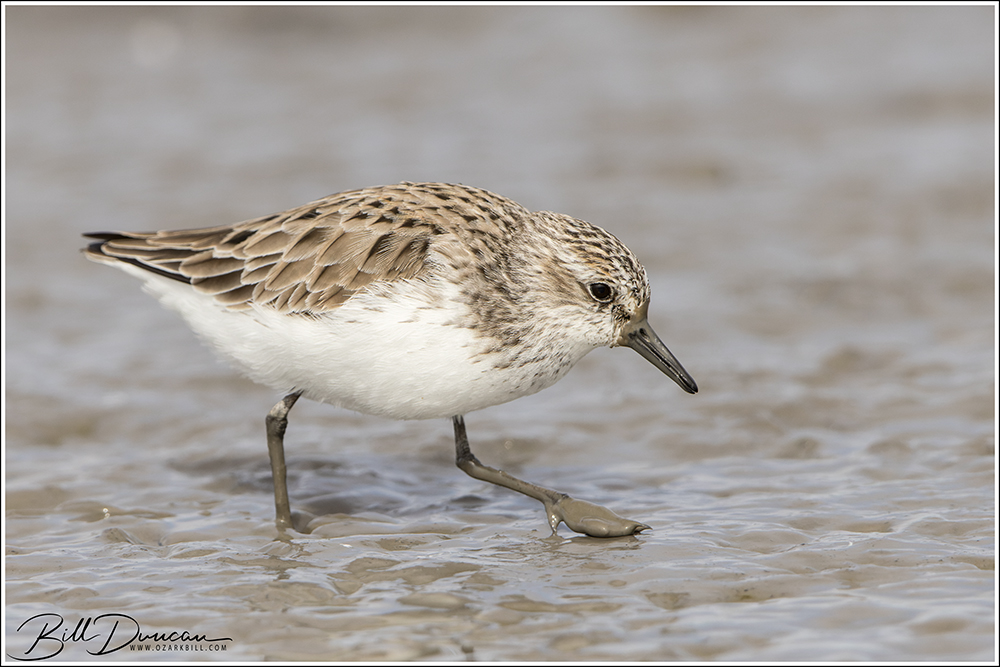
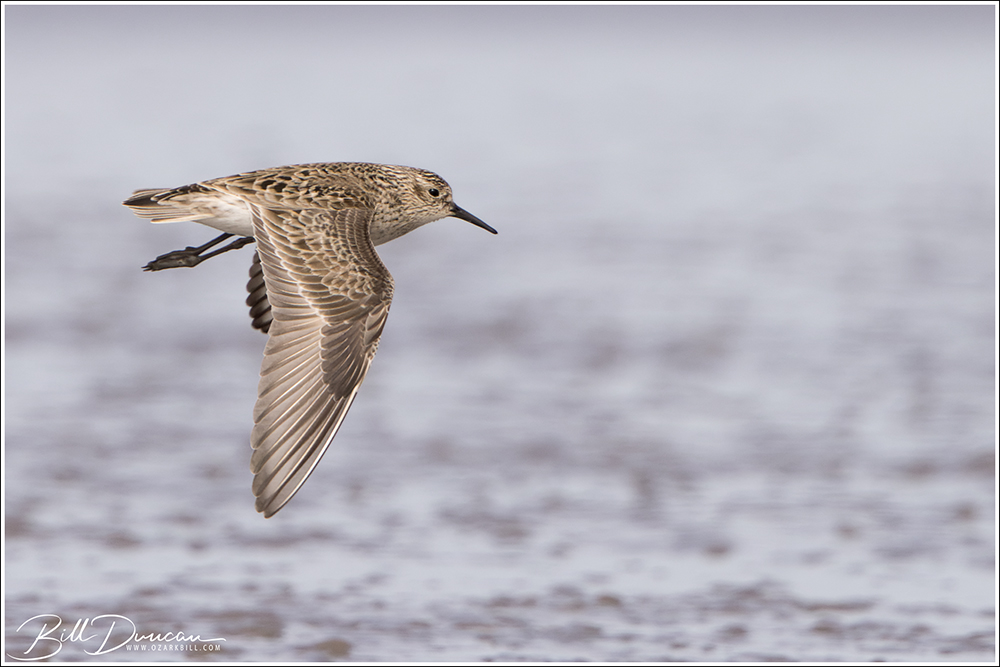
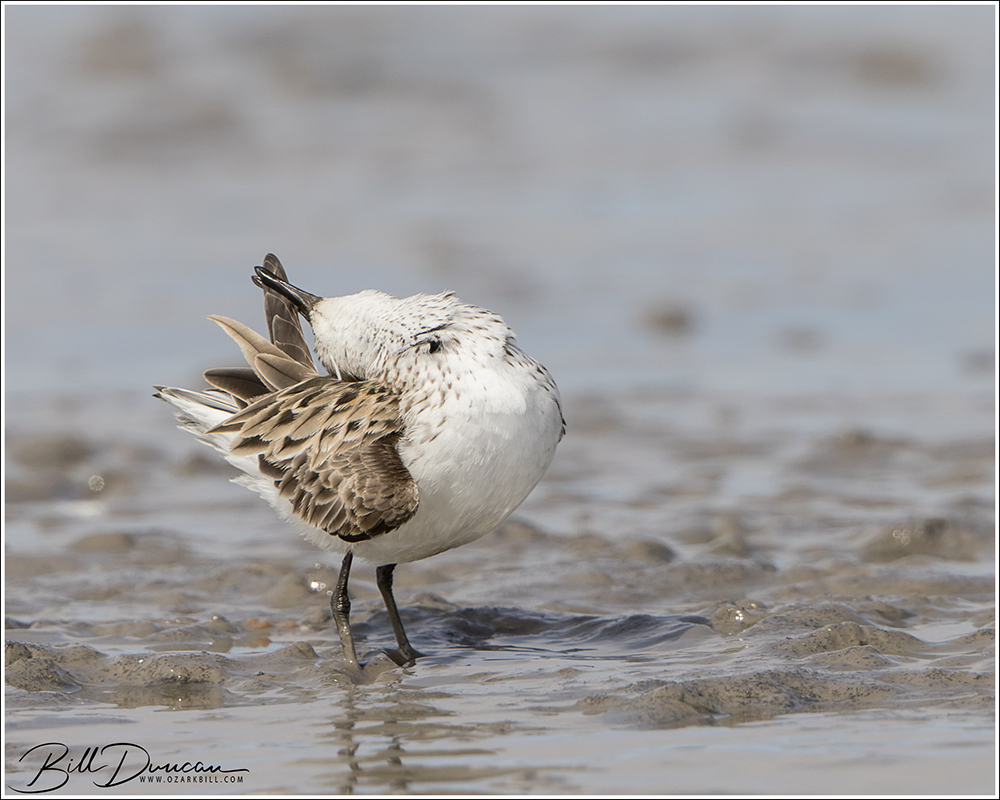
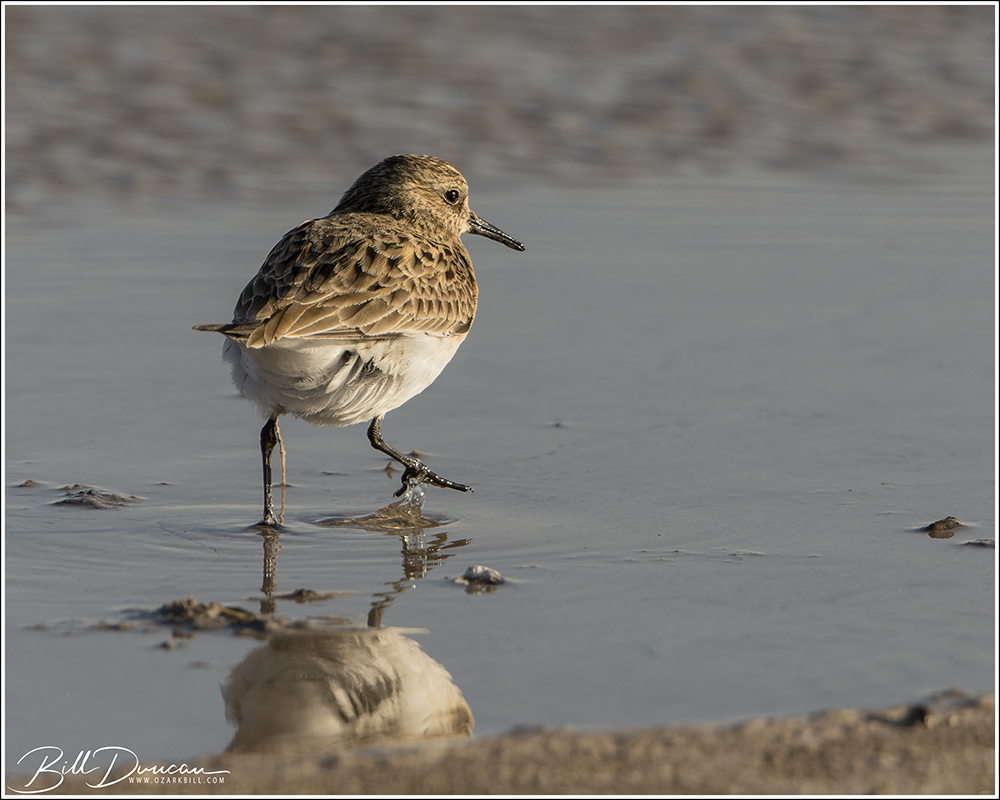
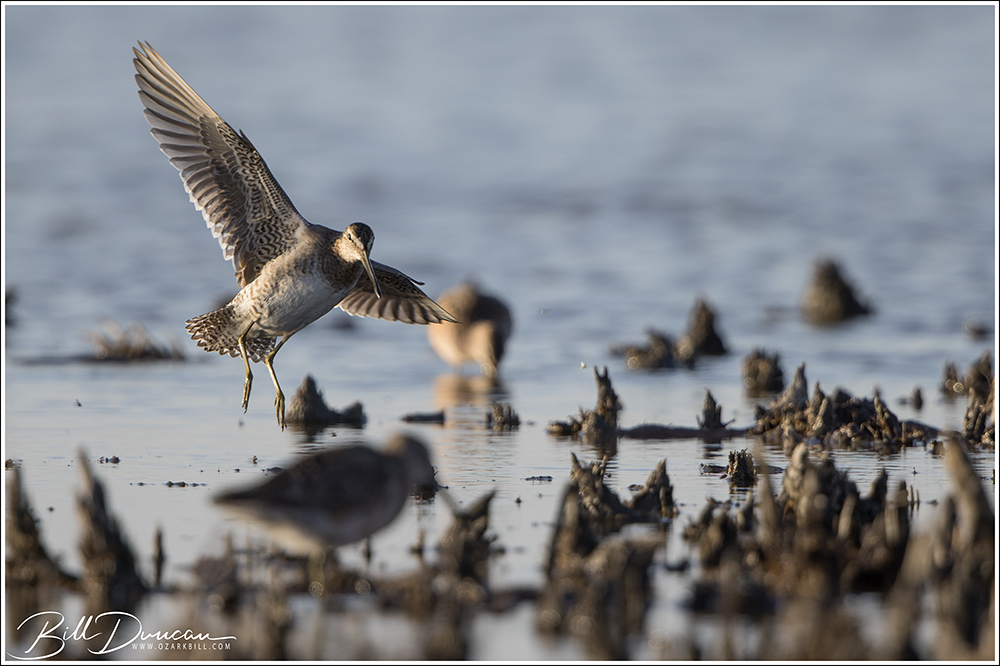
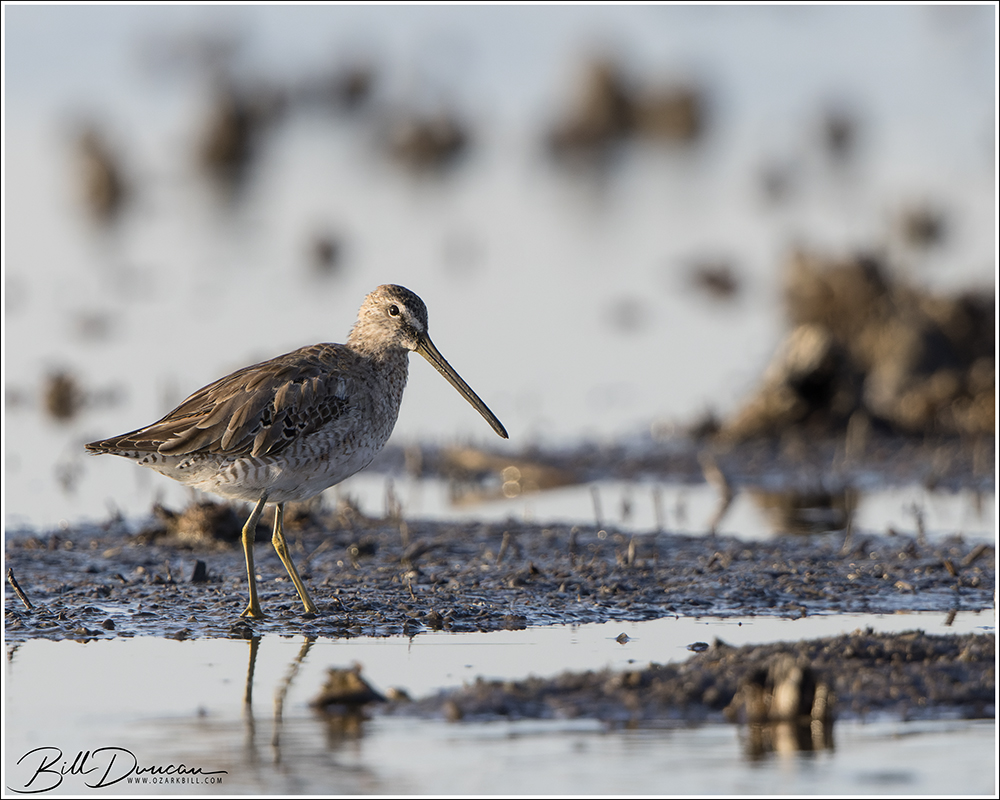
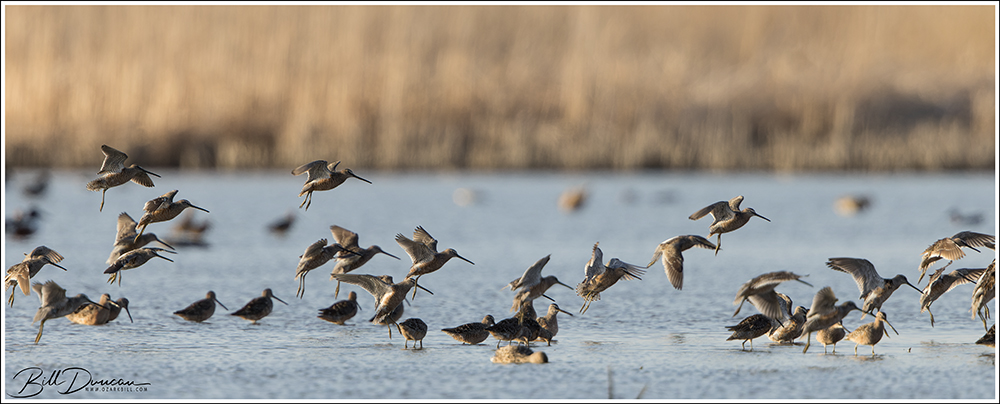
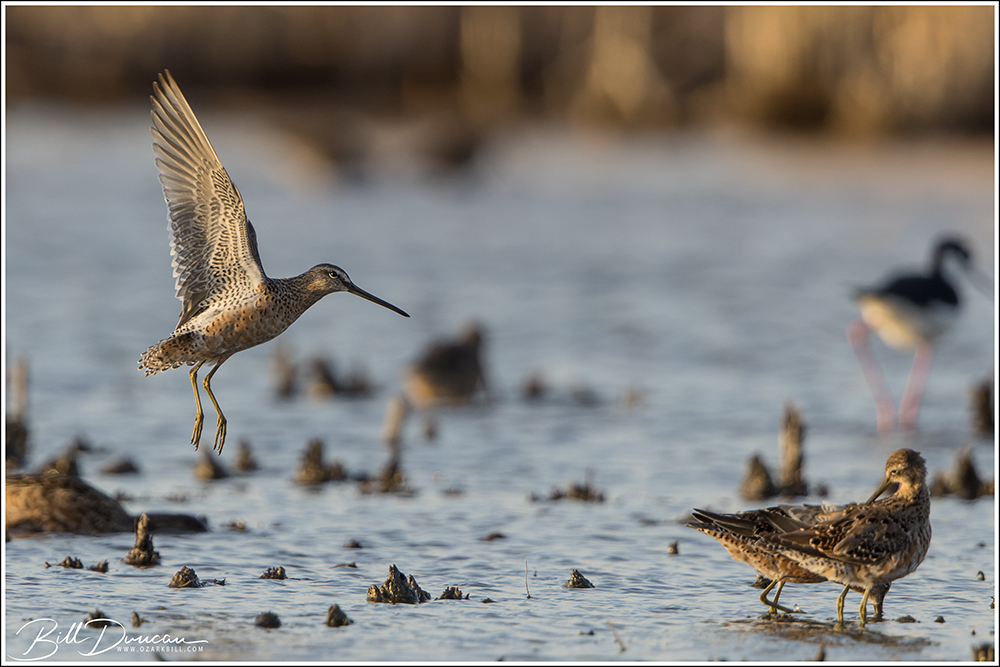
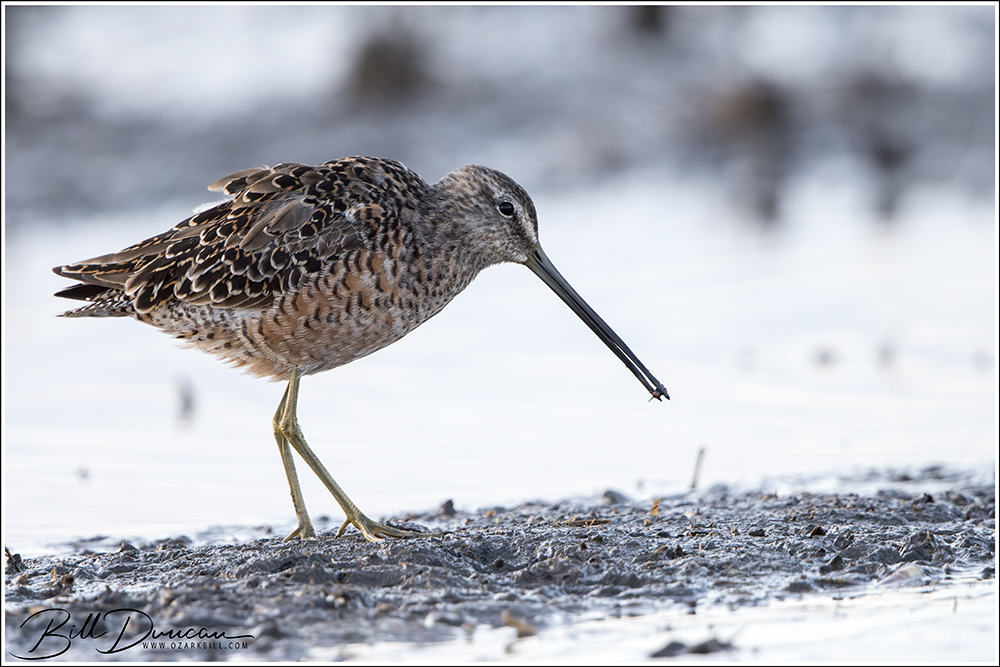
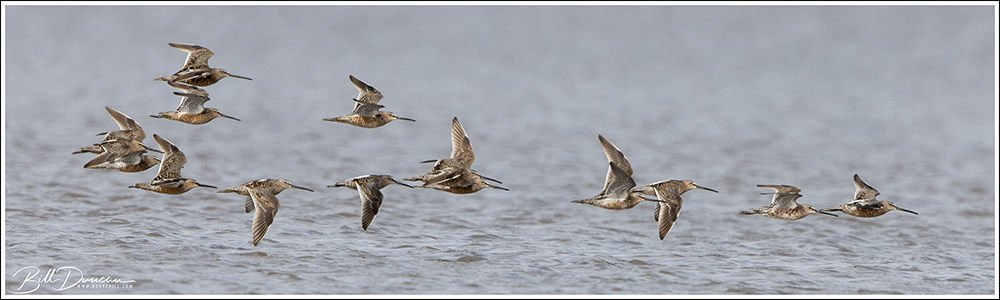
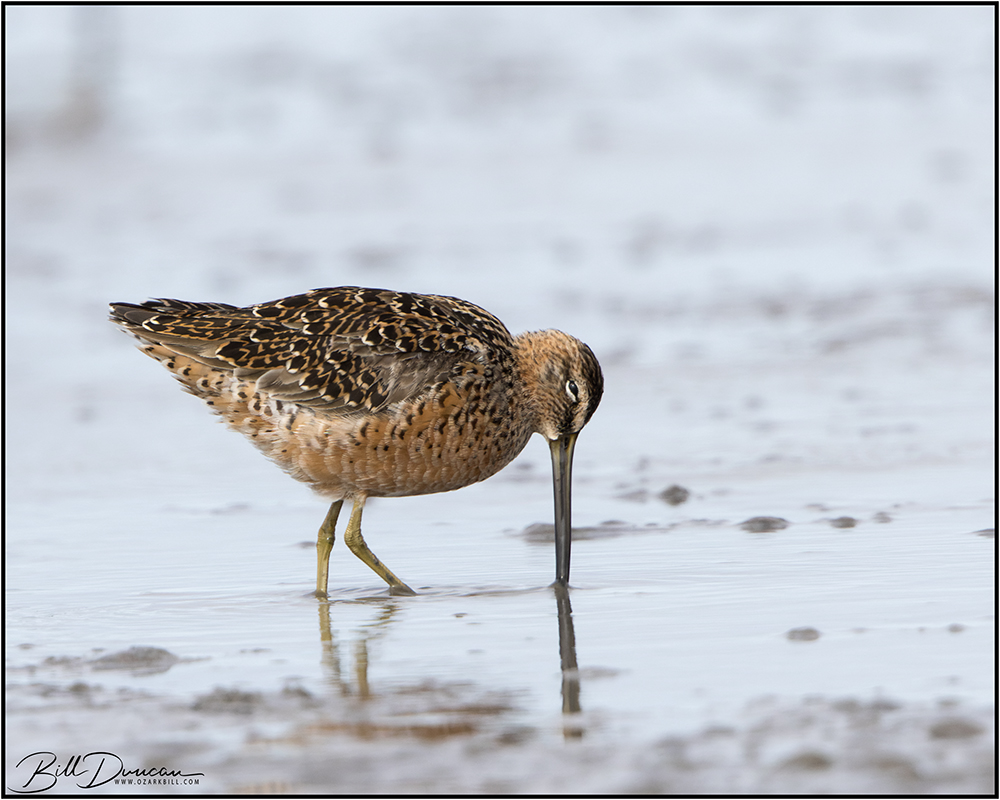
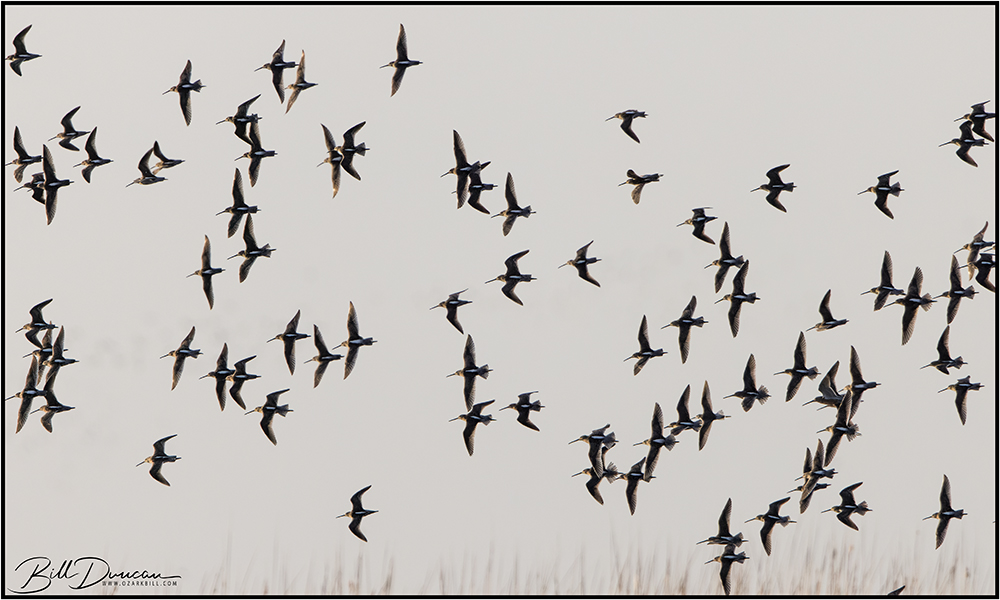
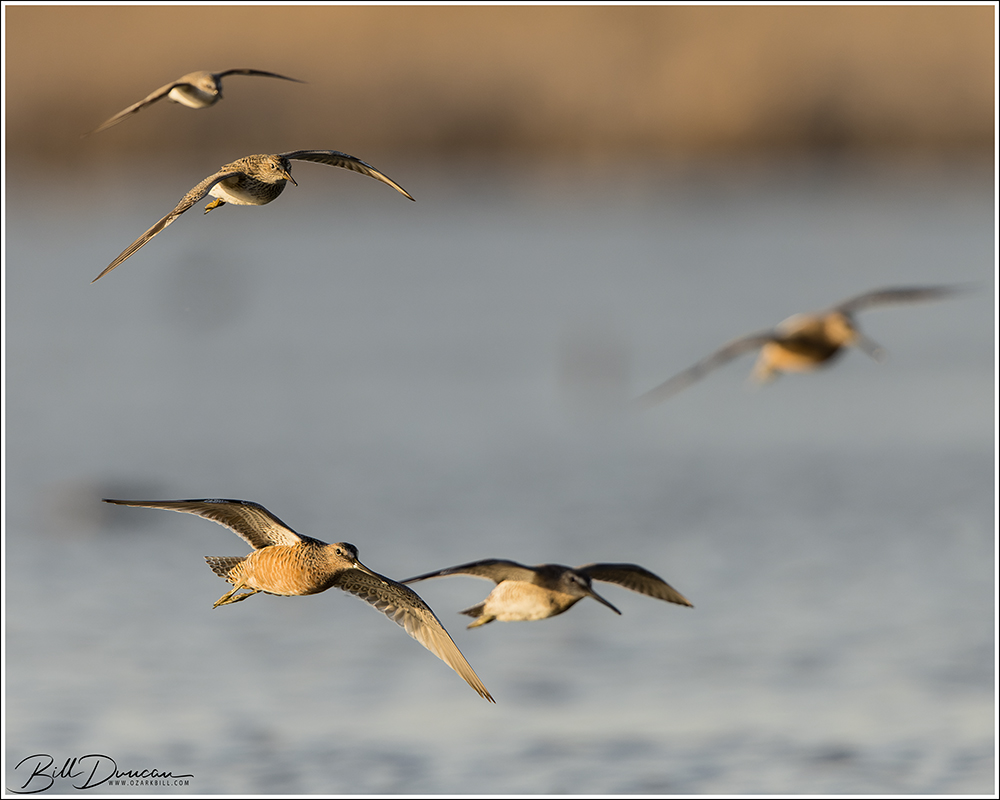
We didn’t have a great deal of diversity in the shorebirds during this early season trip to the “central coast,” but, we had great numbers in the early migrating species like the Long-billed Dowitcher. There may have been some Short-billed Dowitchers mixed in here but none that we could confirm identity. The LBDO uses the central flyway predominantly while the SBDO primarily moves along the coasts during spring migration.

2022 Kansas Trip – Blue-winged Teal

It’s about time I begin posting more from our Kansas trip from last April. The Blue-winged Teal is one species that is easy to find at Quivera NWR and Cheyenne Bottoms Wildlife Area. Dave and I had some great light on this evening. We set up low and waited for the Teal and Shovelers to drift by.

Mississippi Kite Nest – Summer 2022

Many thanks to Chris Brown and his family! They had the incredible fortune of having a Mississippi Kite nest in their front yard this summer. The nest wasn’t really viewable from their house but with great luck, the chick after having left the nest, picked a branch right outside Chris’s son’s window to sit and wait for the parents to bring in food. At this point Chris invited me over on a couple of occasions to watch and photograph. Thanks for the use of your room, Avery! Unfortunately, these couple of days I began coming down with Covid-19 symptoms, inadvertently exposing the Browns and cutting off my time there. Thankfully, none of them picked it up during my visits. Here are some of my favorites of the parents bringing in cicadas and dragonflies.

A parent bringing a cicada to the always eager chick. In this image, the hooded or otherwise maldeveloped left eye of the chick is obvious.
The awkward chick has his next bite.
Another handoff of a cicada from one of the parents.
The chick getting to work on the latest cicada.
Here, one of the parents brings in a dragonfly.
Dropping of a cicada and heading out to bring another.
Probably my favorite shot of the kites – A parent brings in a cicada shortly after the other parent dropped one off. After a few failed attempts at passing it off to the chick, the parent left the tree, presumably to eat the prey itself.

Peregrine Falcons 2022 Season – Part 4

Unfortunately, the story of the family in this nesting season has an unfortunate, and uncertain ending. At least, I do not know the final outcome of everyone. In early June, we had heard that the father was struck and killed by a vehicle on the River Road, within a few hours after Miguel and I left for the day. Our next opportunity to visit was a few days later. This was devastating news, obviously. In this species, both parents are critical in providing for the chicks and ensuring the best chances of successfully raising the entire brood. Still, with mom being a great provider and at least one, or potentially two, chicks capable of flight, we had good hopes that she could finish raising 1-3 of the chicks successfully. Once fledged, the parents still need to provide for the chicks for another 6-8 weeks until they are capable hunters. It would be a long hard struggle, but we had high hopes she would do her best.
Then more unfortunate news found its way to us. Another male had moved into the territory. At first this seemed like it might be good news, potentially someone to help mom complete the job of raising the brood. But as time went on, he seemed to be getting very aggressive with both mom and the chicks. He thwarted the mother’s attempts at bringing in food and harassed the chicks relentlessly every time they took to the air. Miguel and I visited for a number of hours over a few day period during this time and the number of successful feedings we observed were pitifully few – seemingly not enough for the chicks to complete their growth and perhaps move with mom to a different territory. We ended our observations around this time. I have heard through second hand accounts that mom was seen with two or three chicks flying away from the territory, so maybe there was a happy ending but I do not know.