A cooperative Sedge Wren from August of last year.


"What a thousand acres of Silphiums looked like when they tickled the bellies of the buffalo is a question never again to be answered, and perhaps not even asked." -Aldo Leopold
A cooperative Sedge Wren from August of last year.
We don’t seem tired of shooting the Eastern Screech Owl…


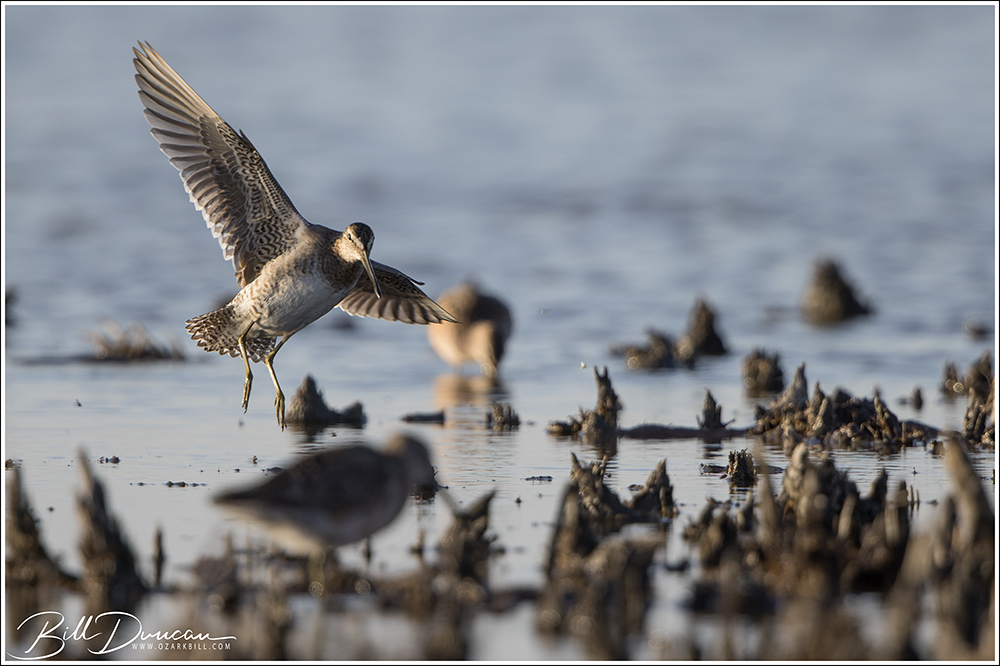
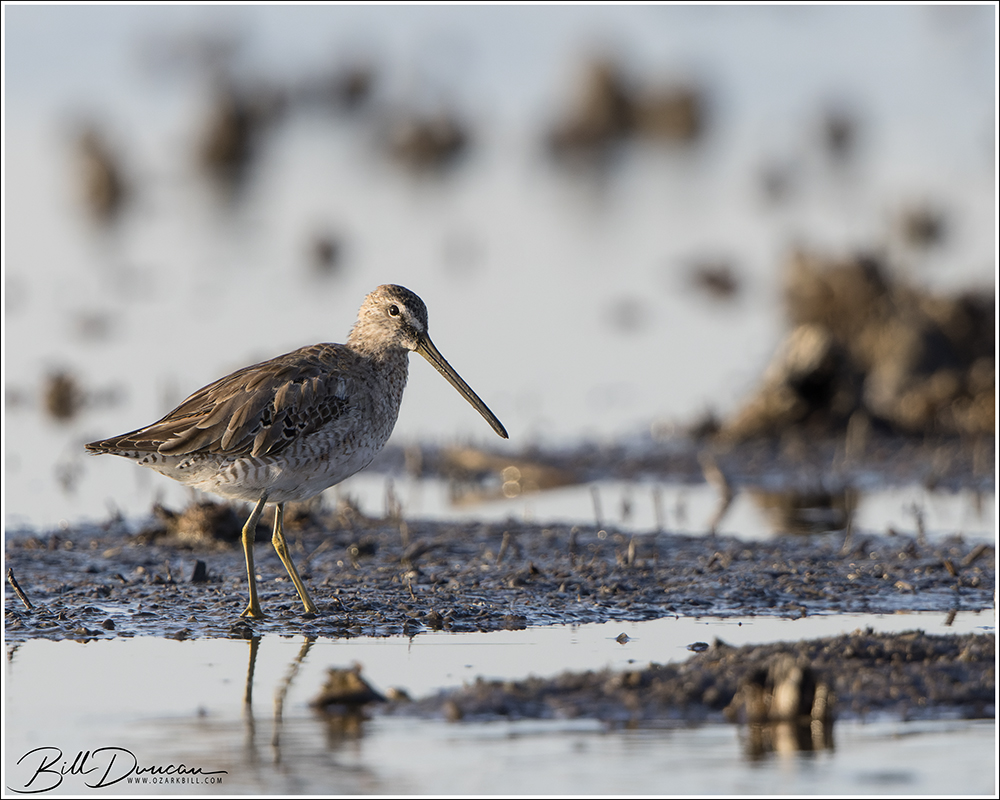
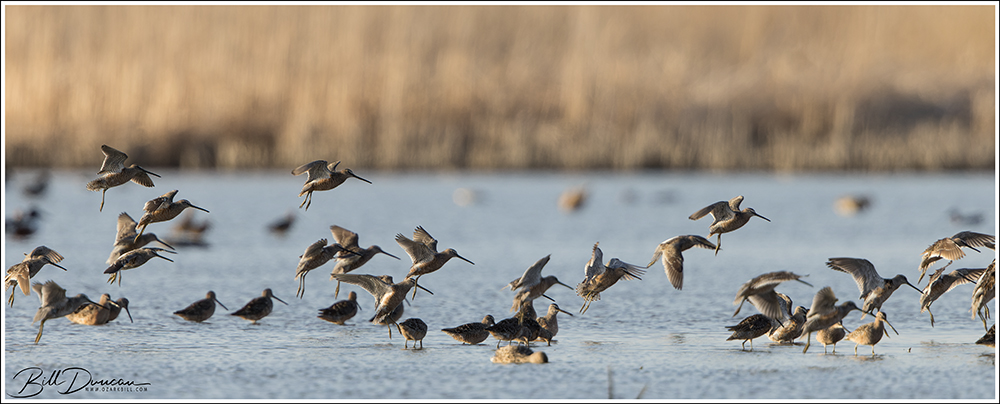
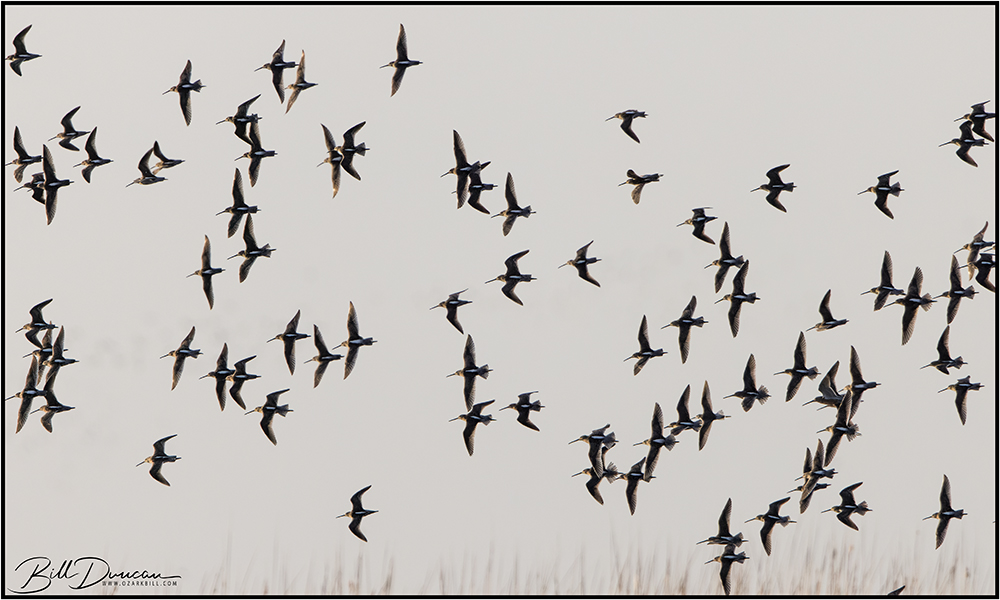
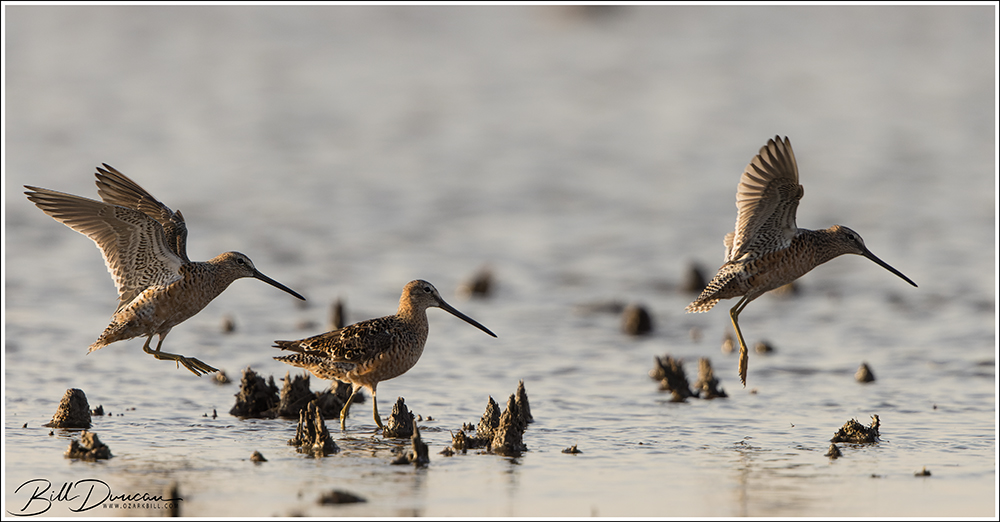
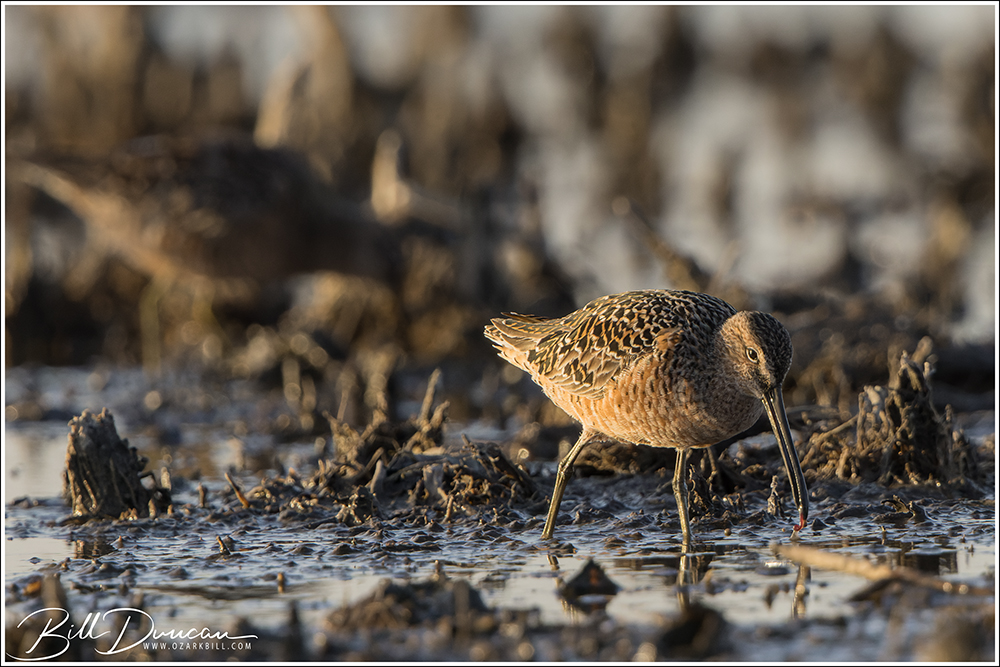
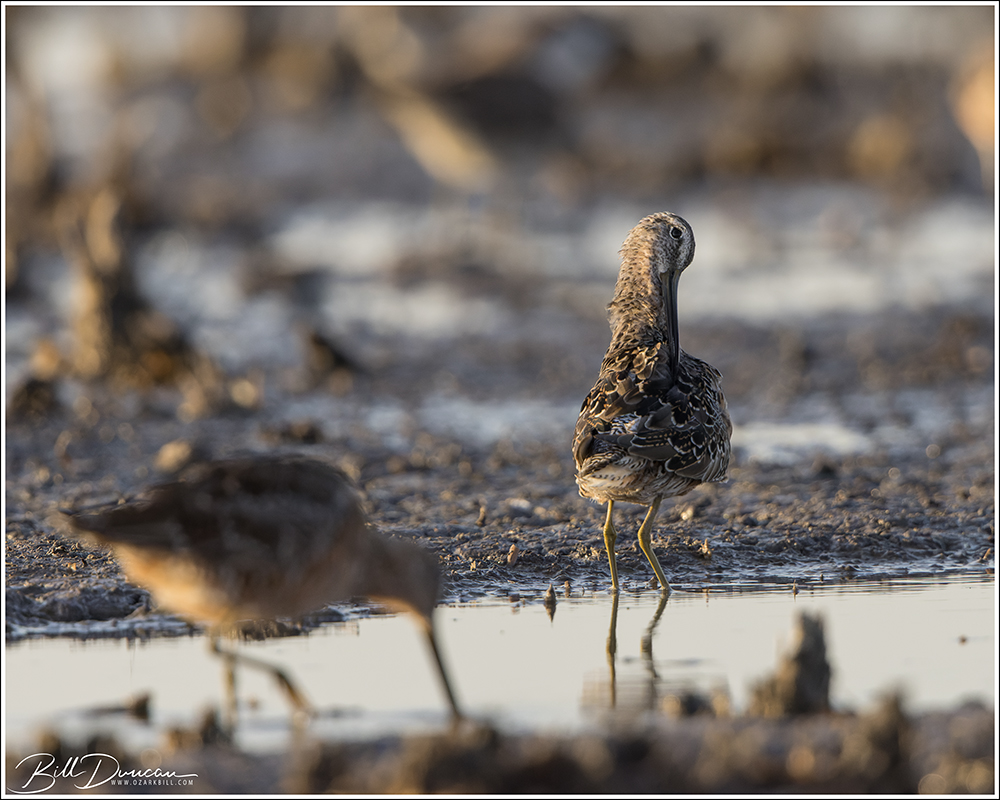
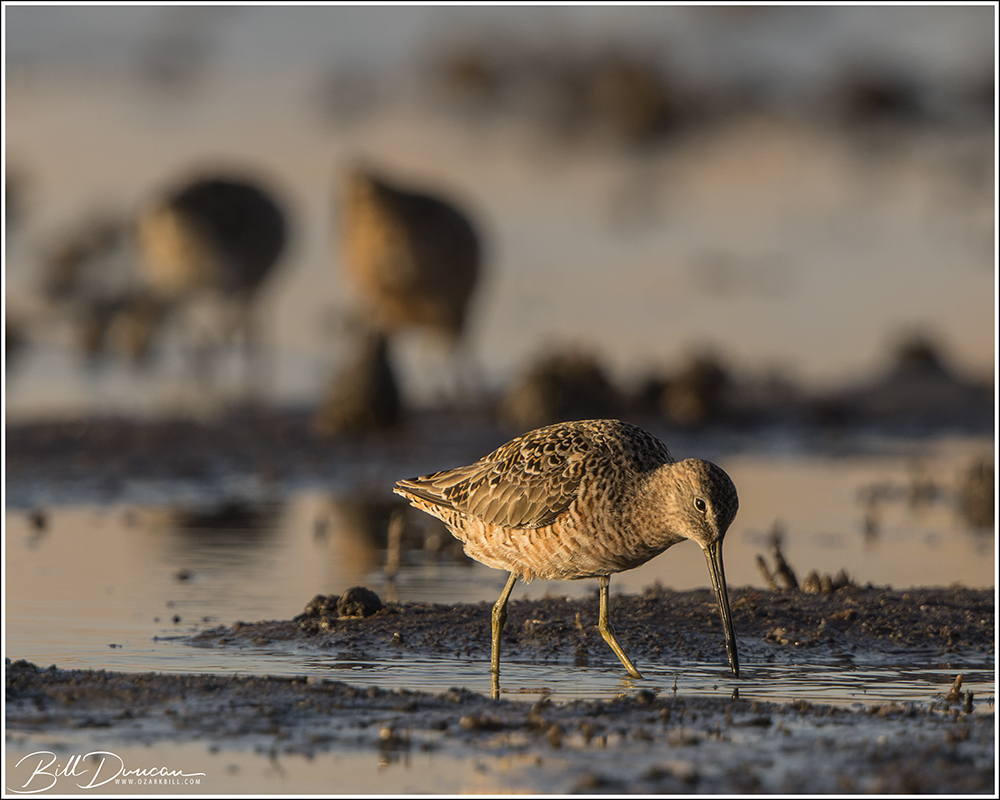
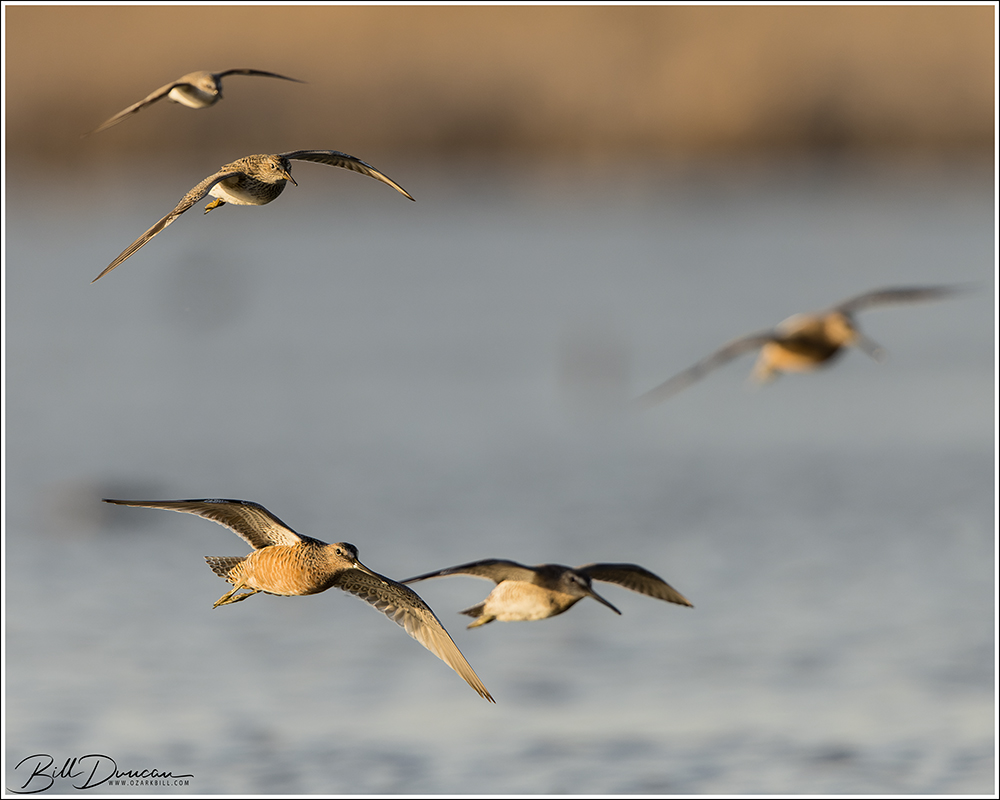
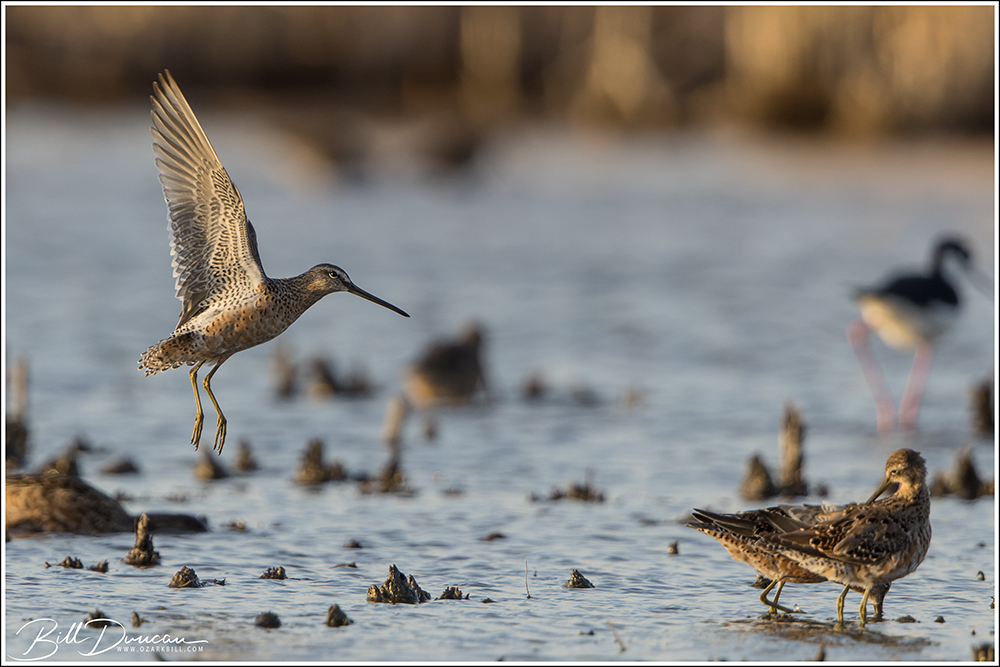
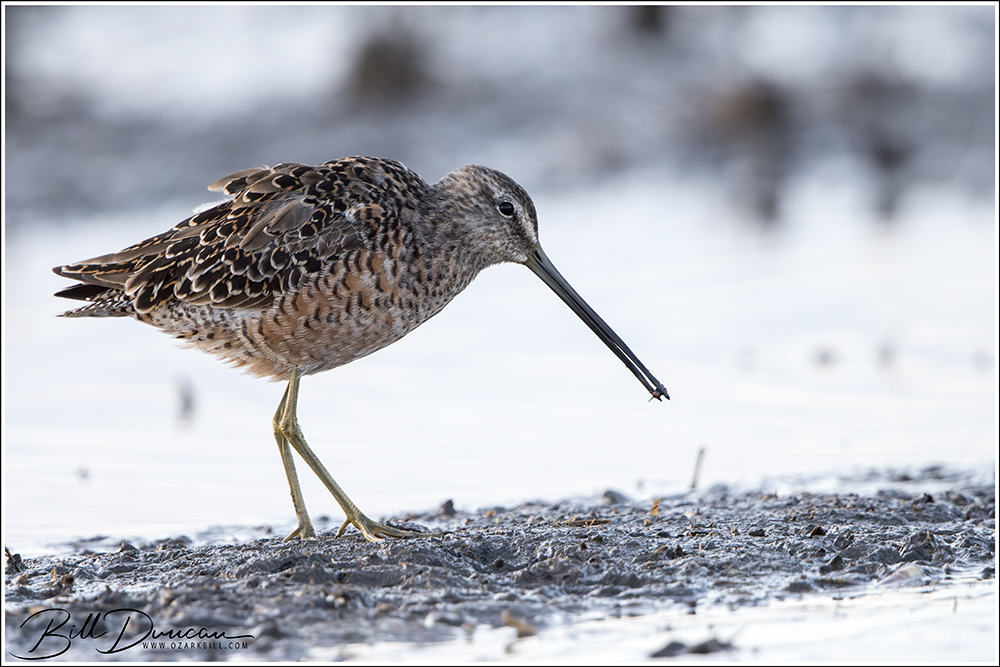
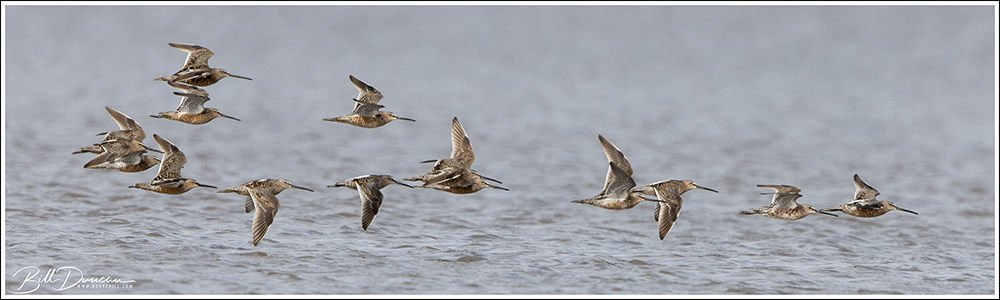
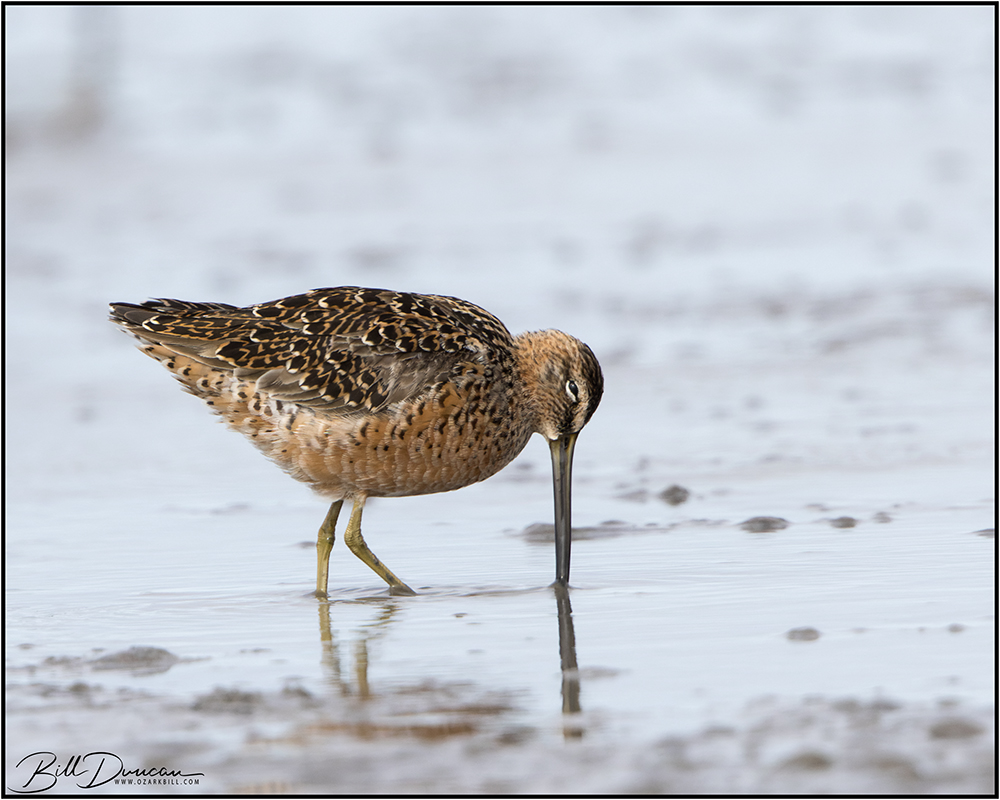
We didn’t have a great deal of diversity in the shorebirds during this early season trip to the “central coast,” but, we had great numbers in the early migrating species like the Long-billed Dowitcher. There may have been some Short-billed Dowitchers mixed in here but none that we could confirm identity. The LBDO uses the central flyway predominantly while the SBDO primarily moves along the coasts during spring migration.
Here are a few songbirds I’ve photographed over the past couple of winter seasons.

Northern Cardinal

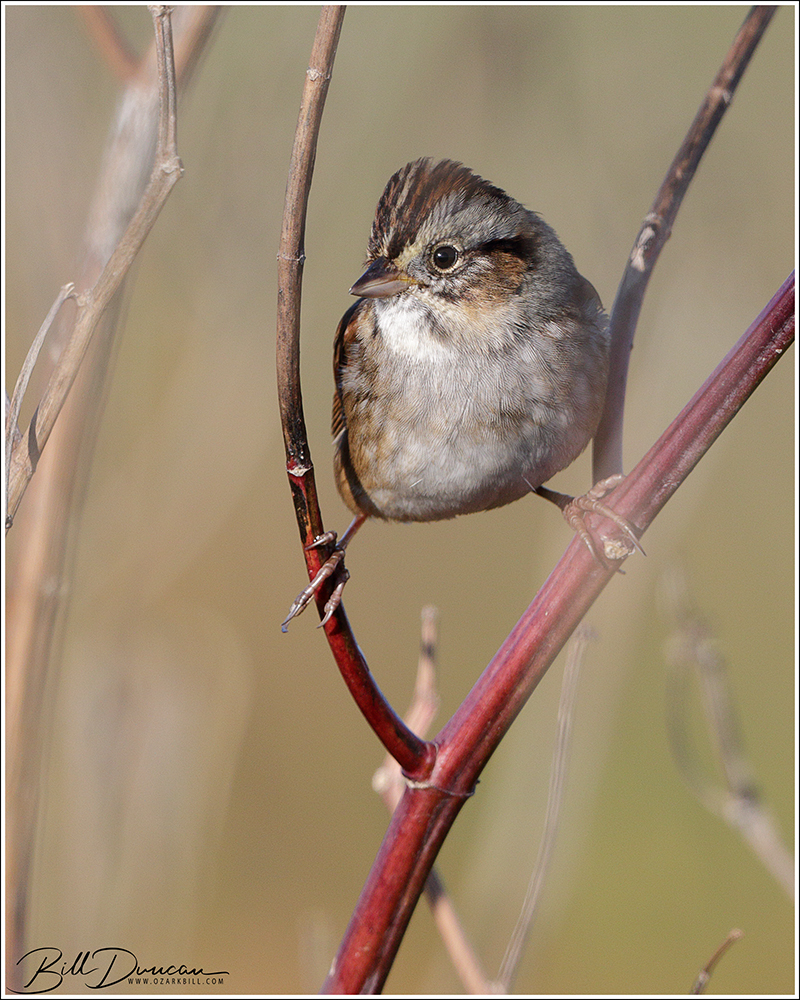
Swamp Sparrow
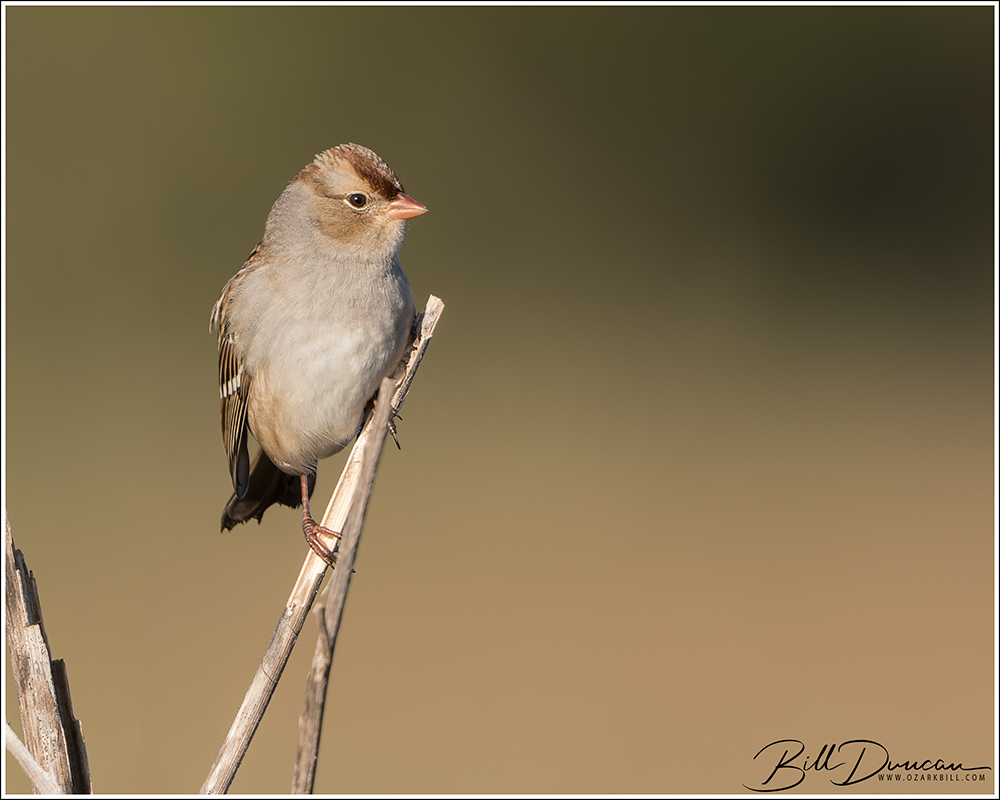

White-crowned Sparrow
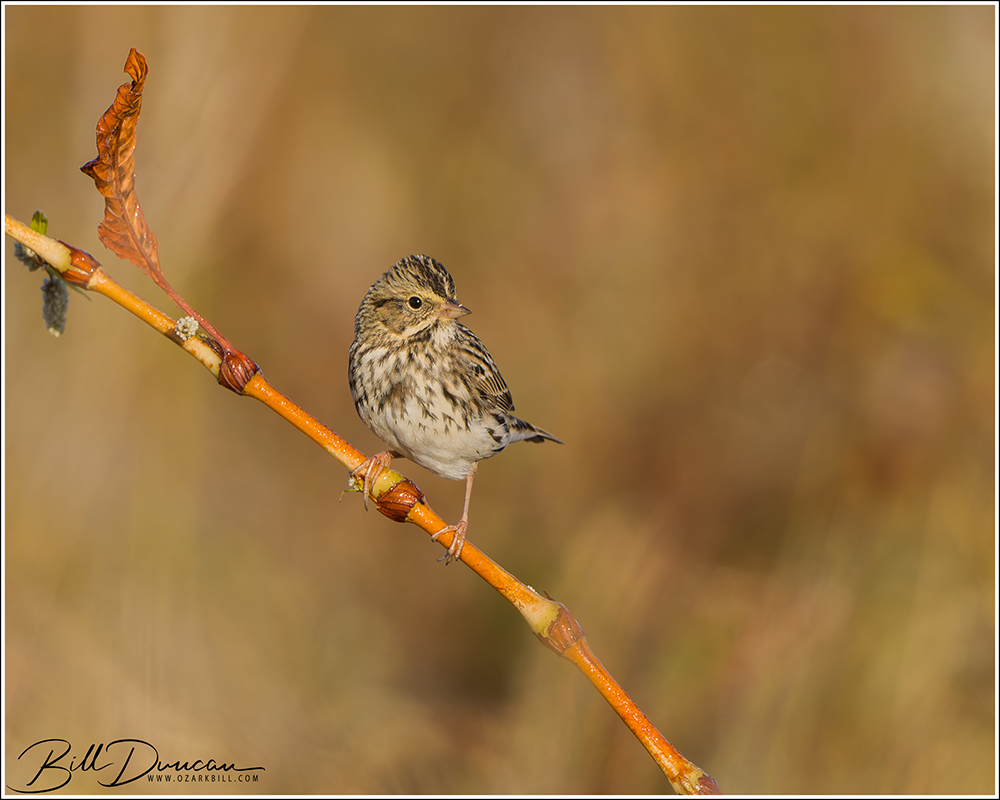
Savannah Sparrow
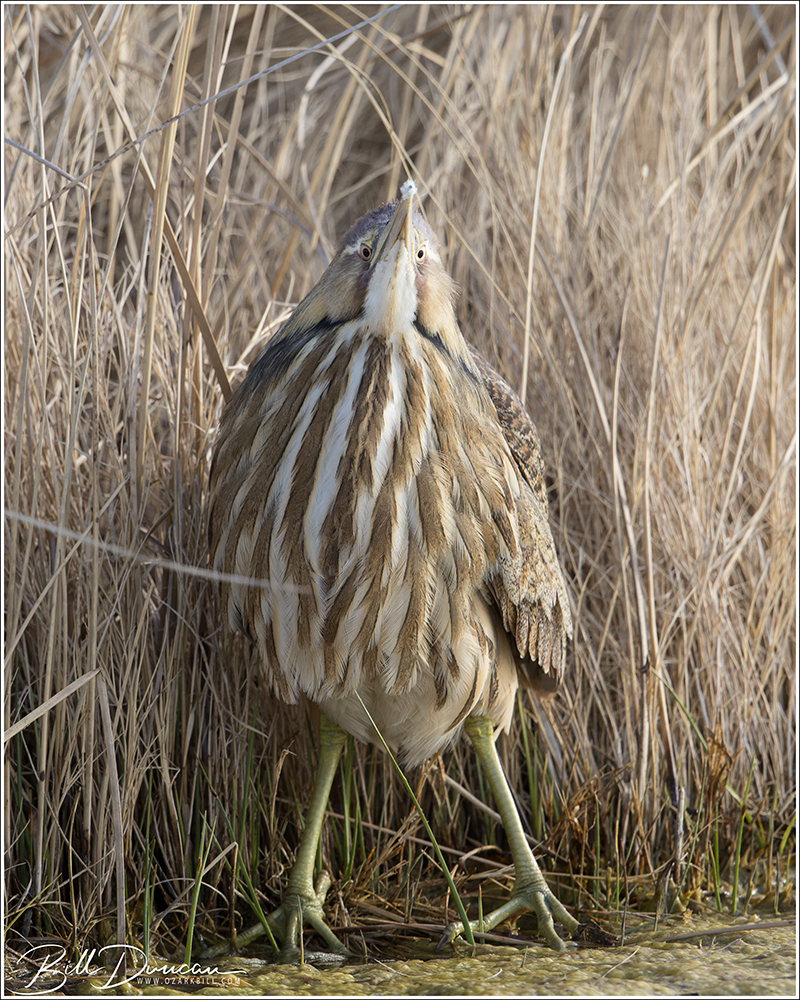
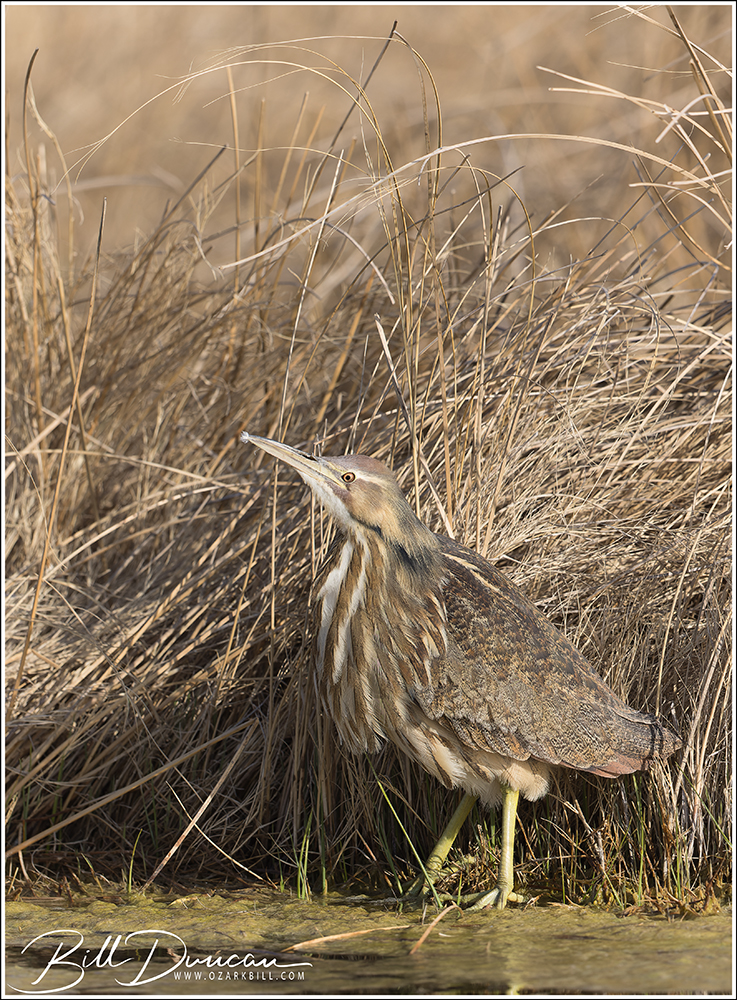
Found near the road at Quivira NWR, this American Bittern cooperated a bit until it slinked back into the grasses.
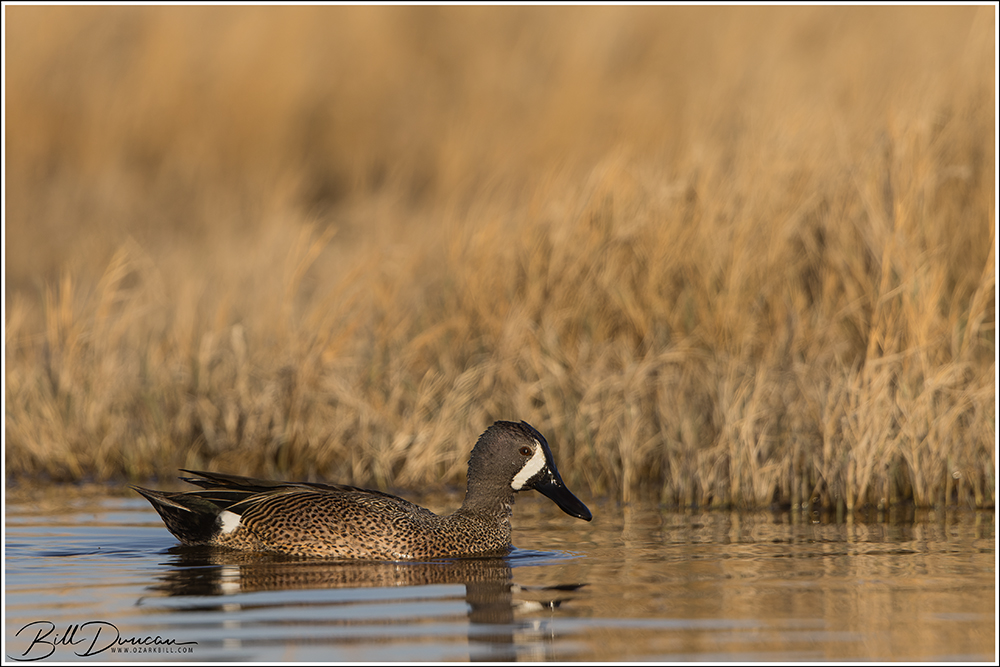
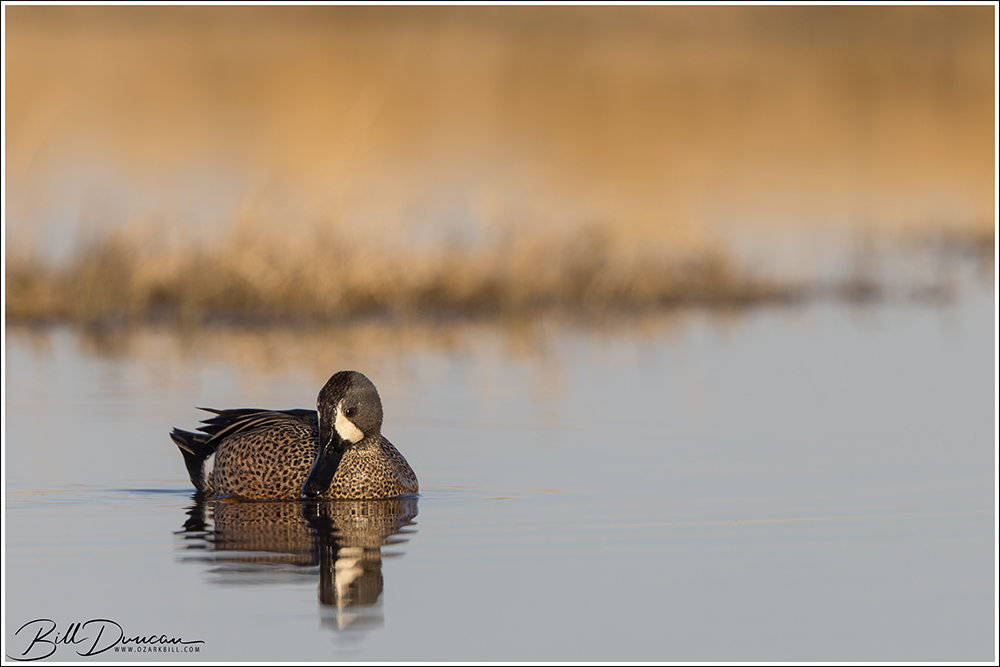
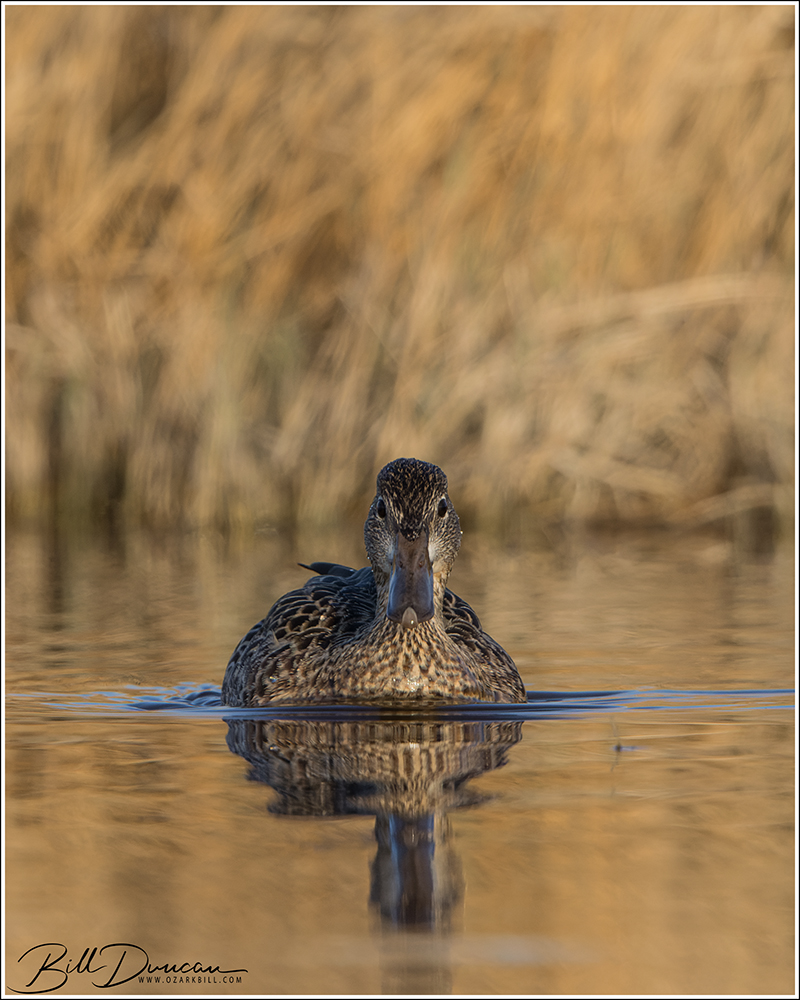
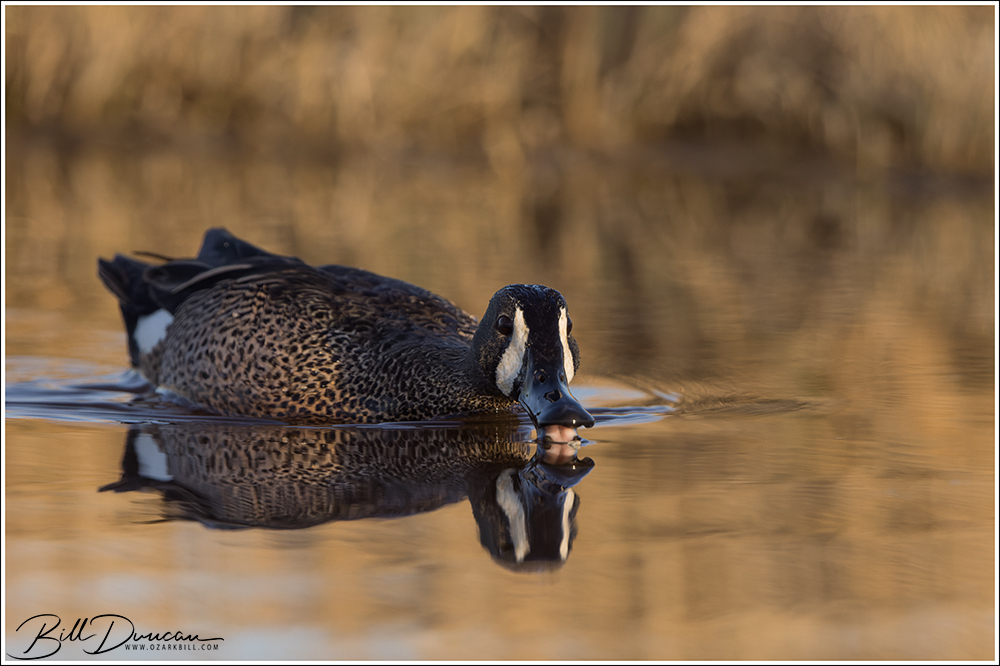
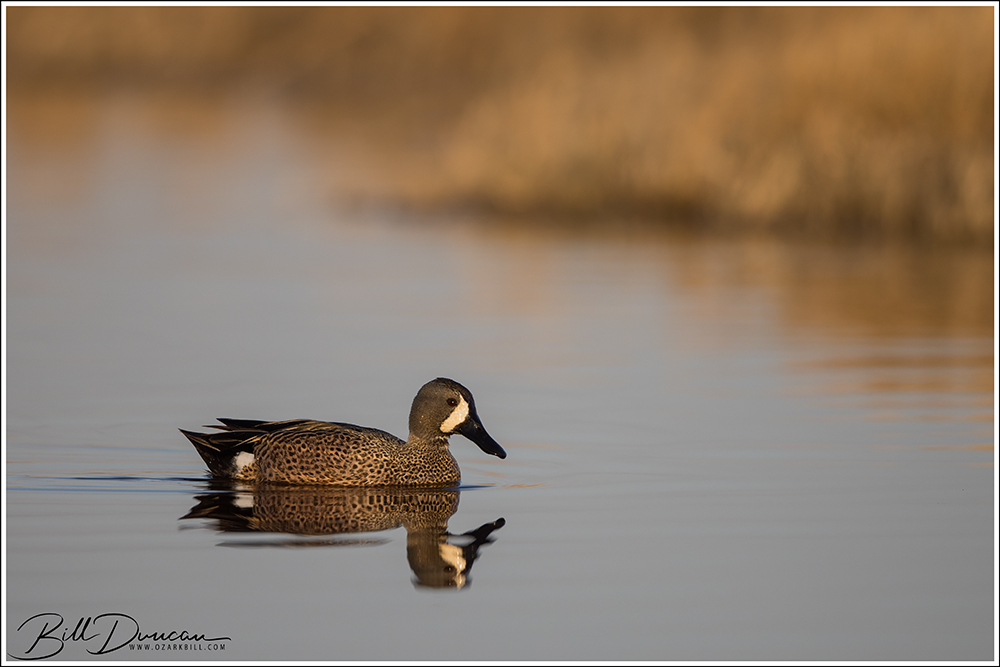
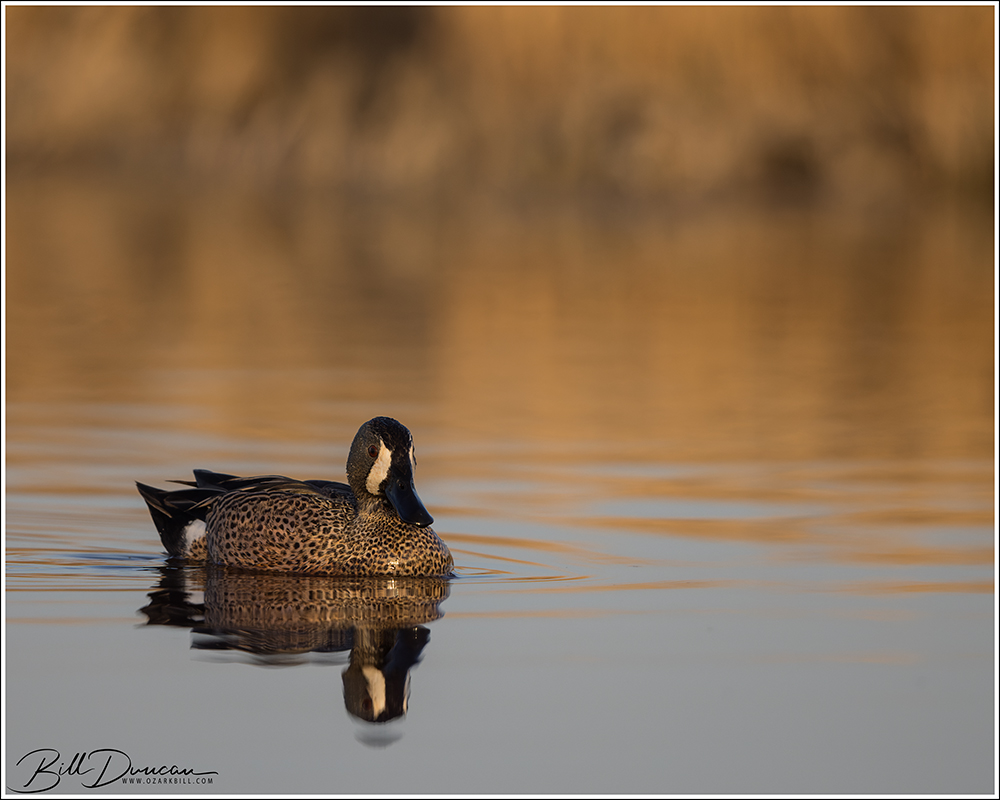
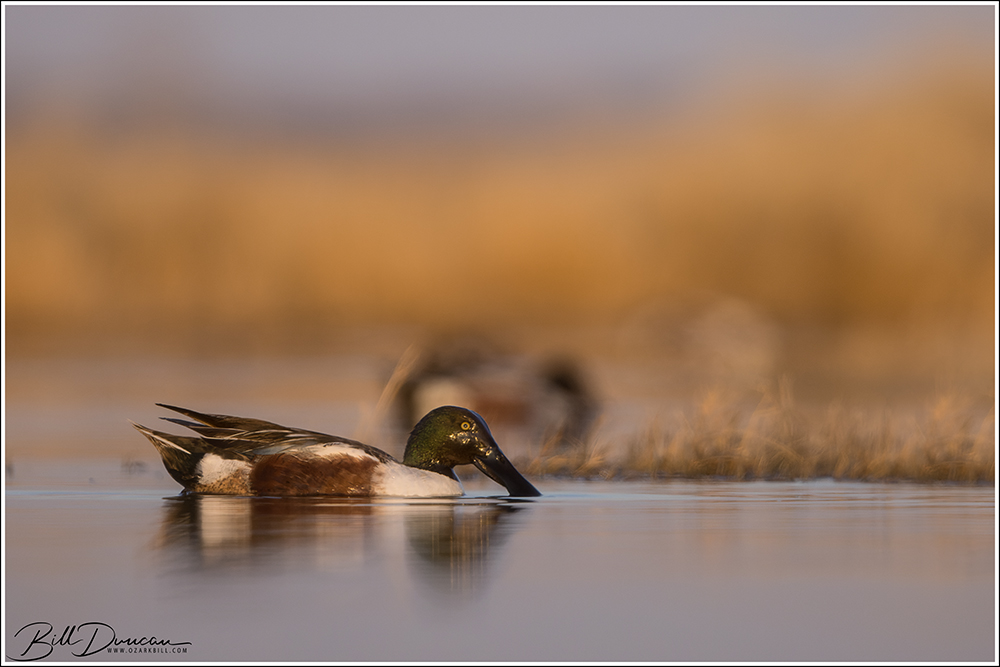
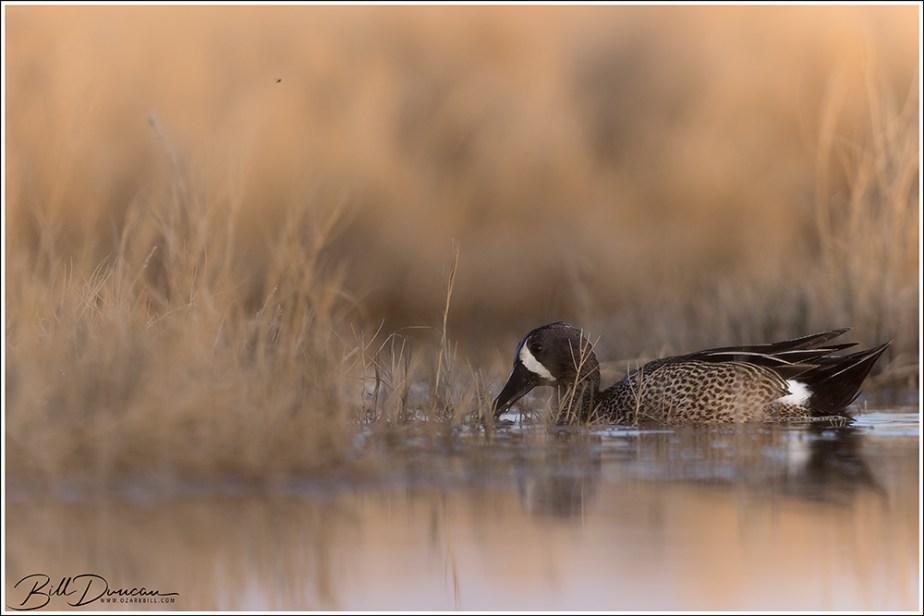
It’s about time I begin posting more from our Kansas trip from last April. The Blue-winged Teal is one species that is easy to find at Quivera NWR and Cheyenne Bottoms Wildlife Area. Dave and I had some great light on this evening. We set up low and waited for the Teal and Shovelers to drift by.
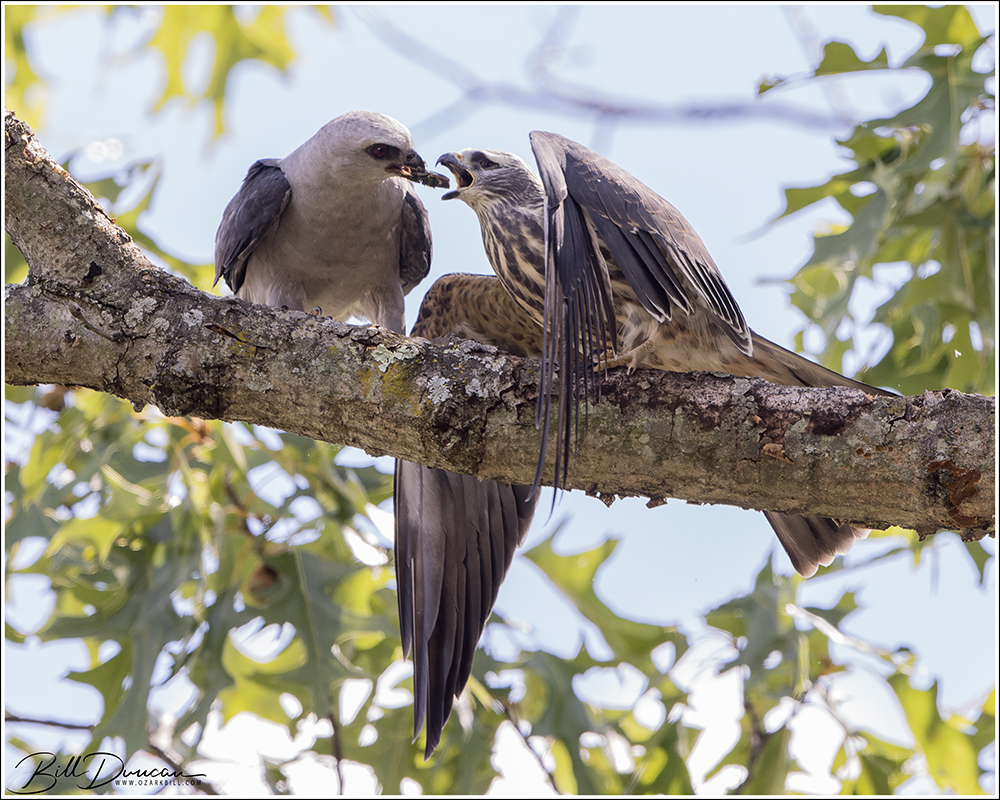
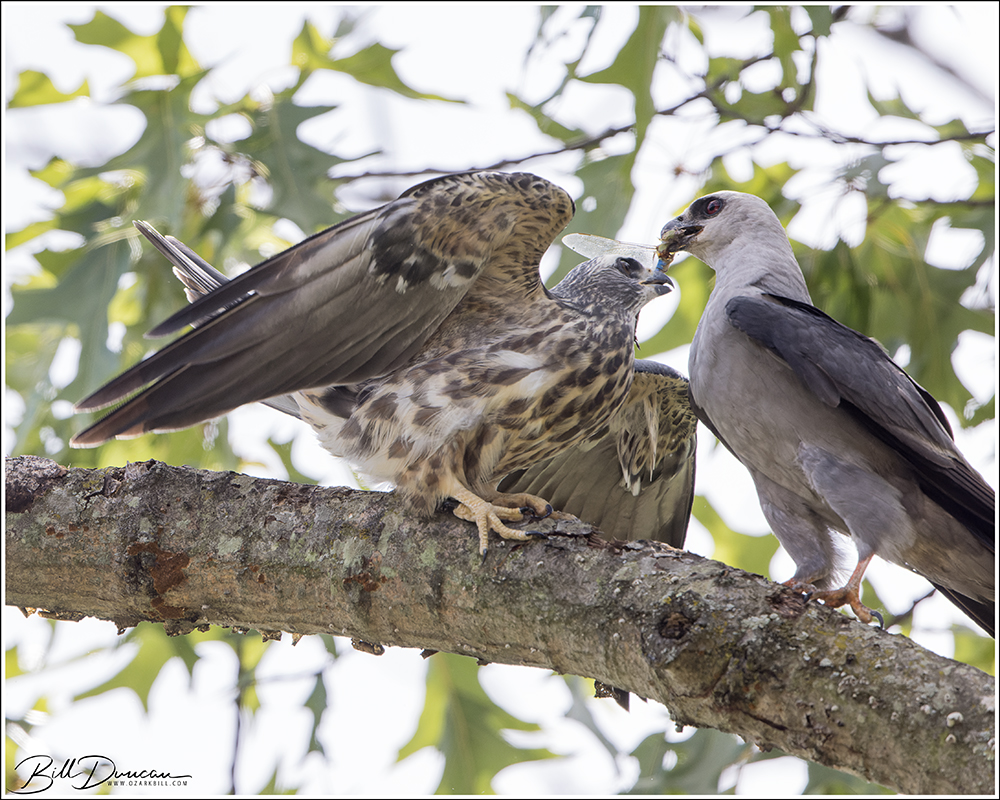
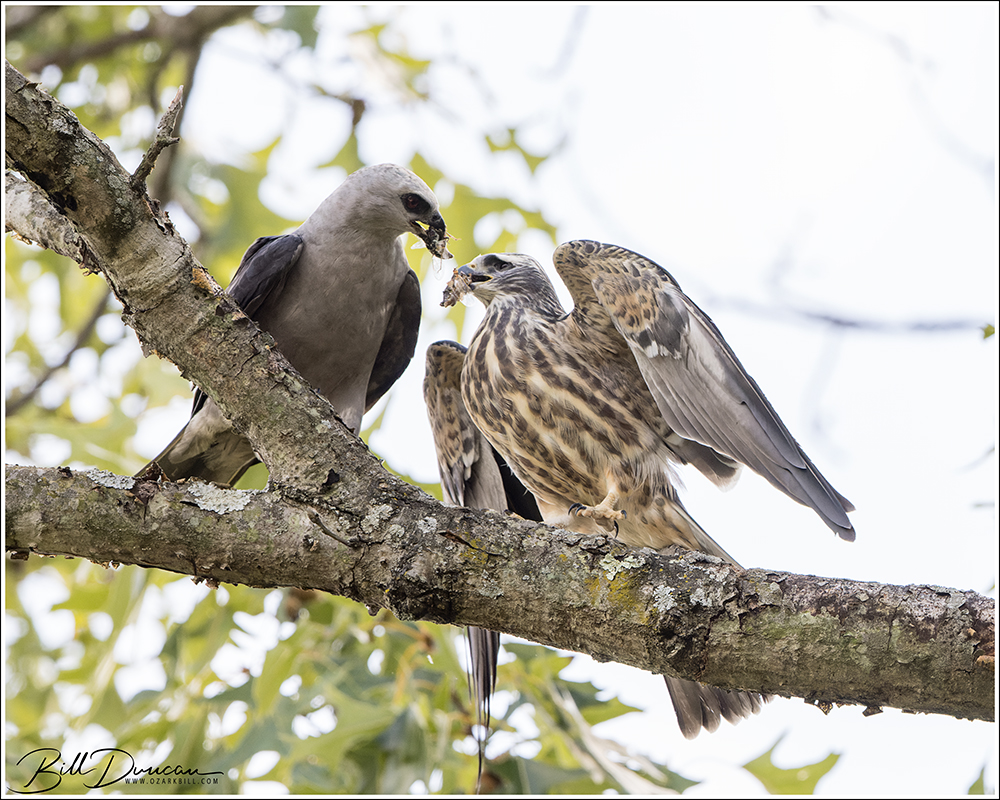
Many thanks to Chris Brown and his family! They had the incredible fortune of having a Mississippi Kite nest in their front yard this summer. The nest wasn’t really viewable from their house but with great luck, the chick after having left the nest, picked a branch right outside Chris’s son’s window to sit and wait for the parents to bring in food. At this point Chris invited me over on a couple of occasions to watch and photograph. Thanks for the use of your room, Avery! Unfortunately, these couple of days I began coming down with Covid-19 symptoms, inadvertently exposing the Browns and cutting off my time there. Thankfully, none of them picked it up during my visits. Here are some of my favorites of the parents bringing in cicadas and dragonflies.
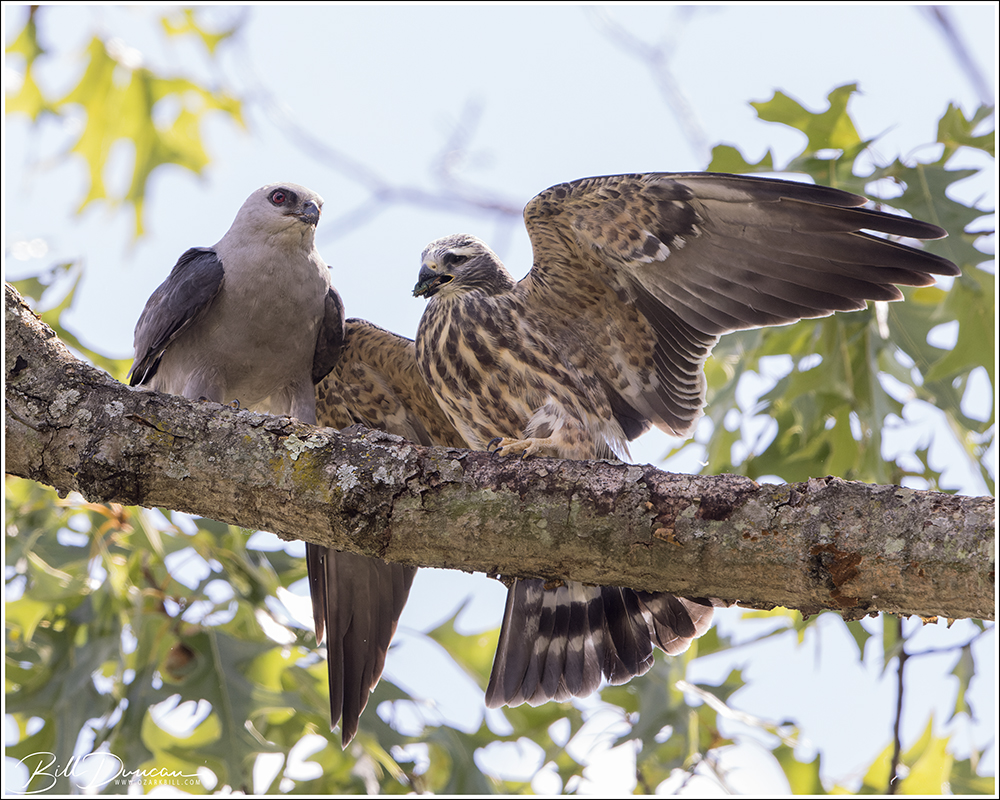

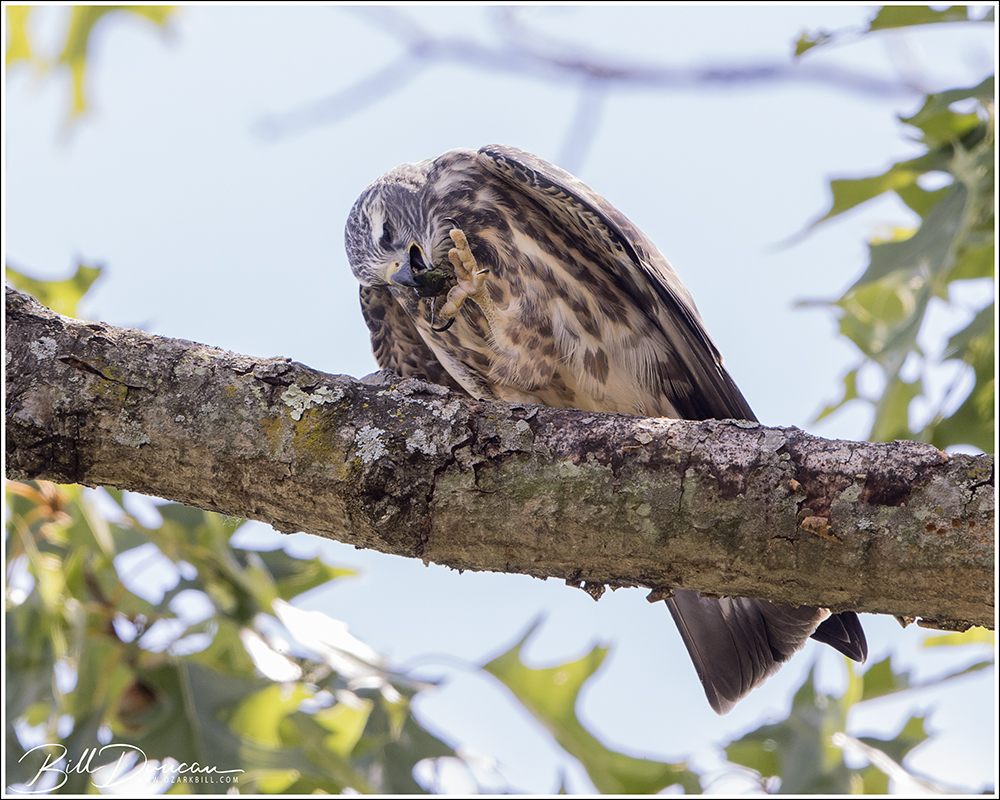

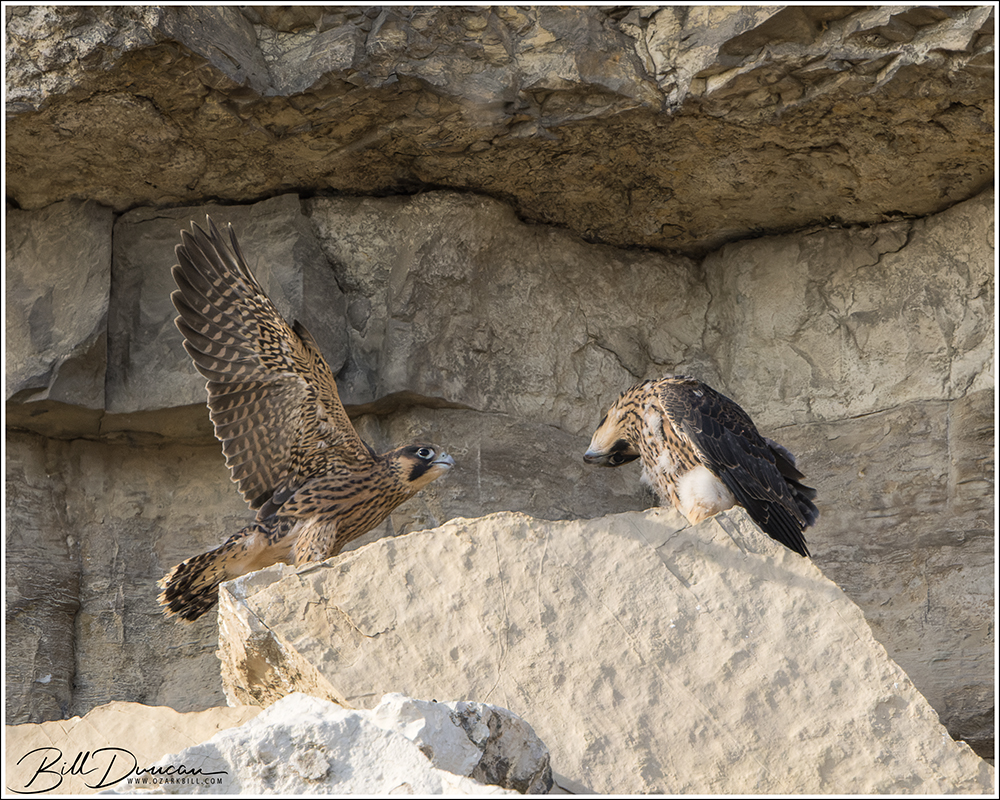
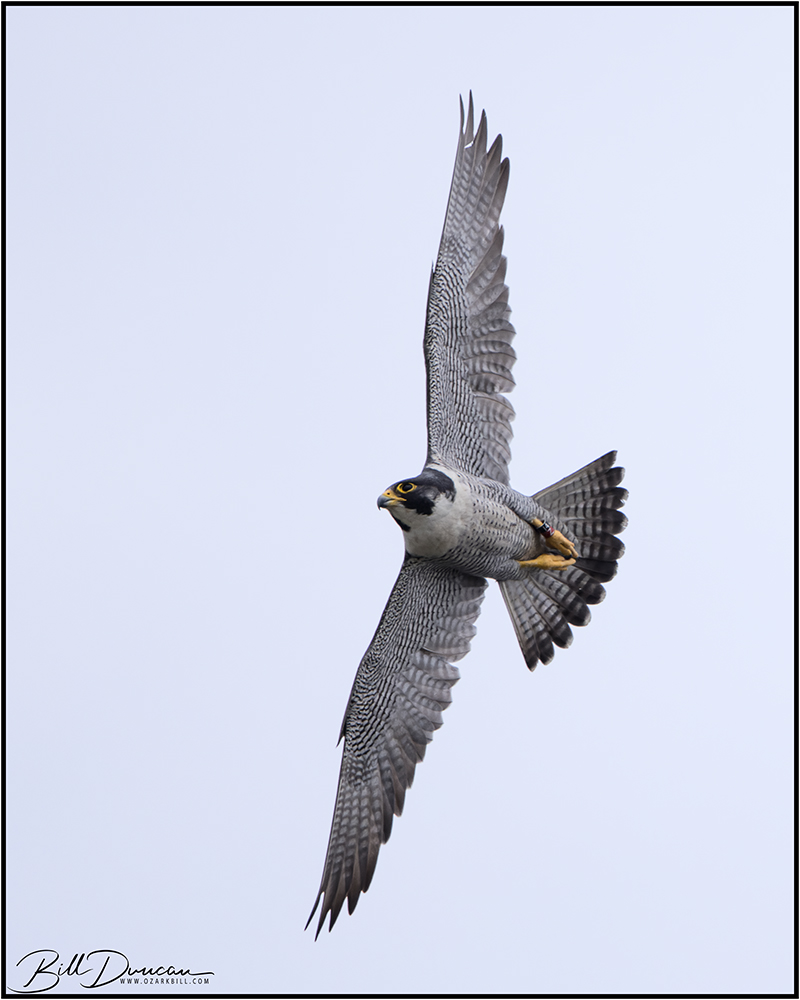
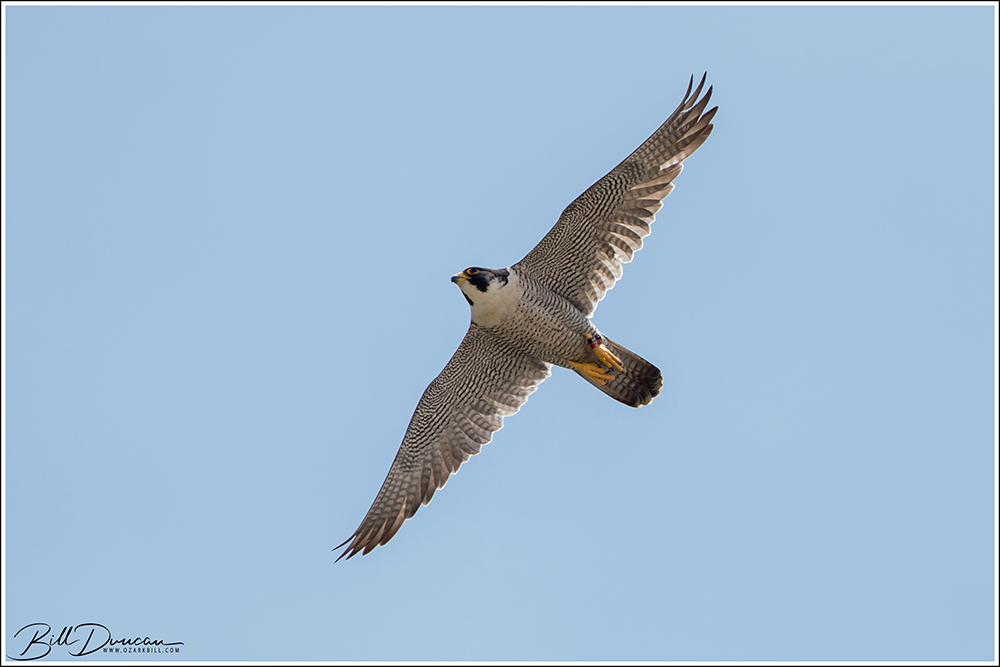
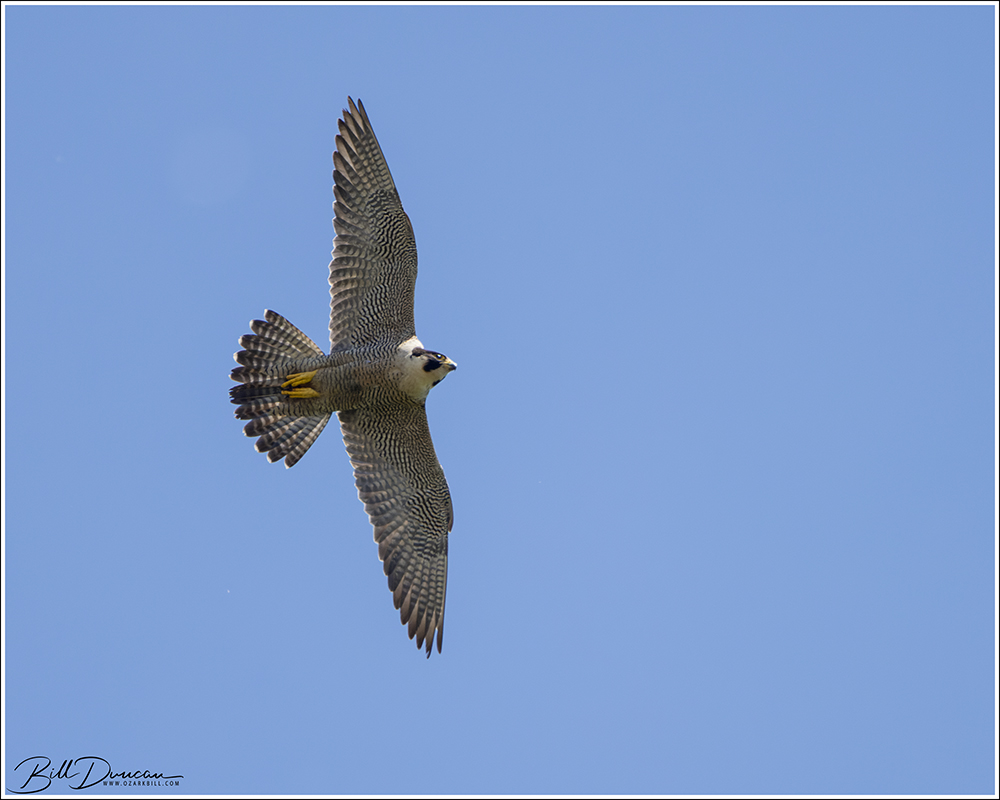
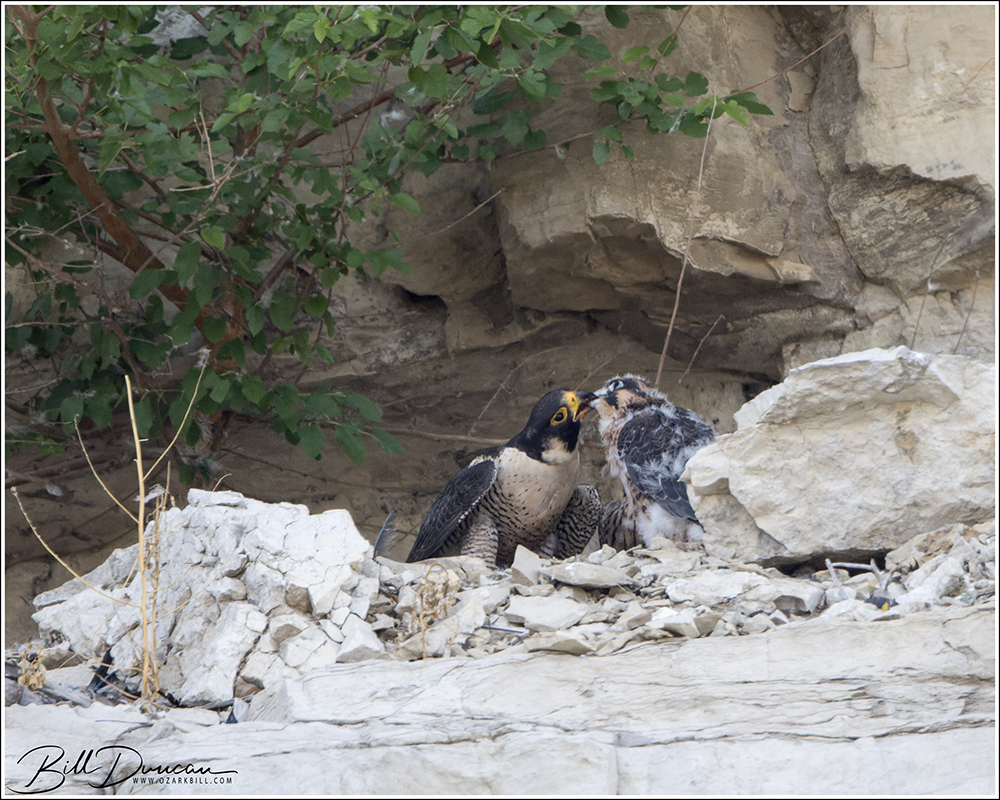
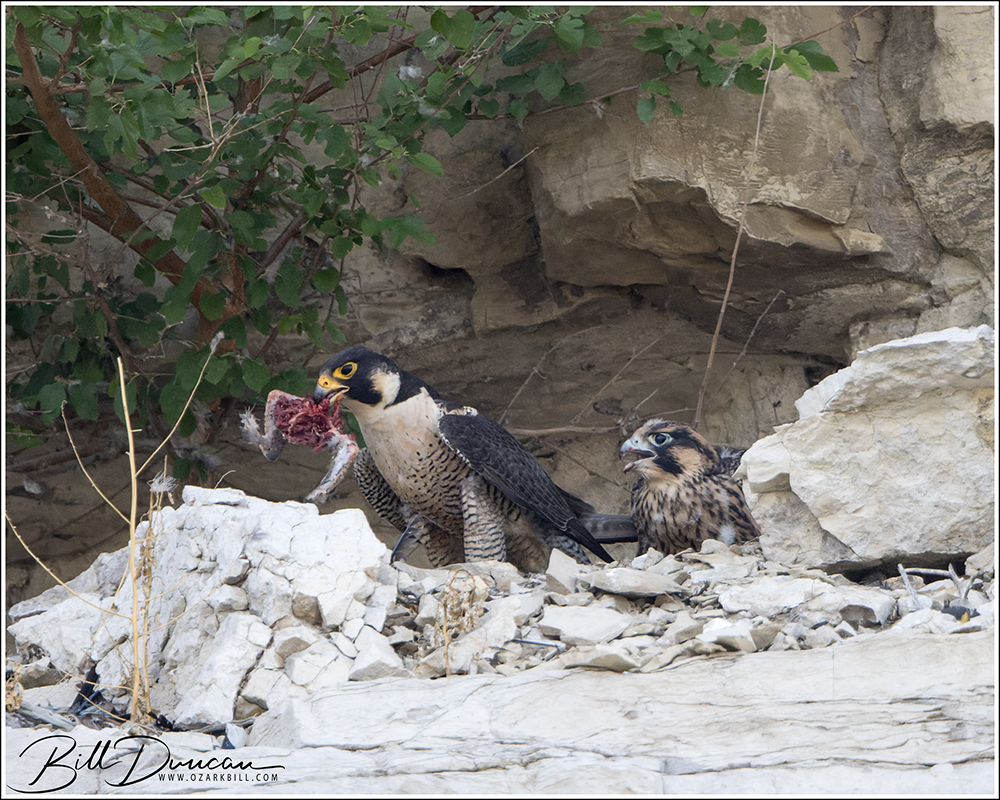
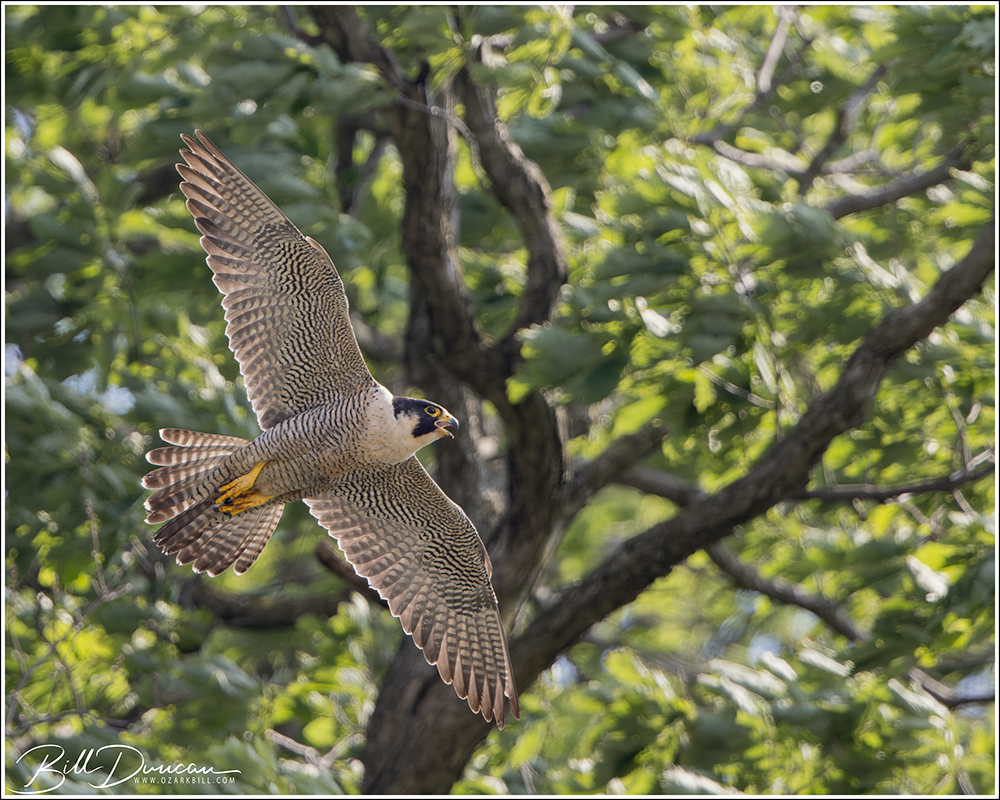
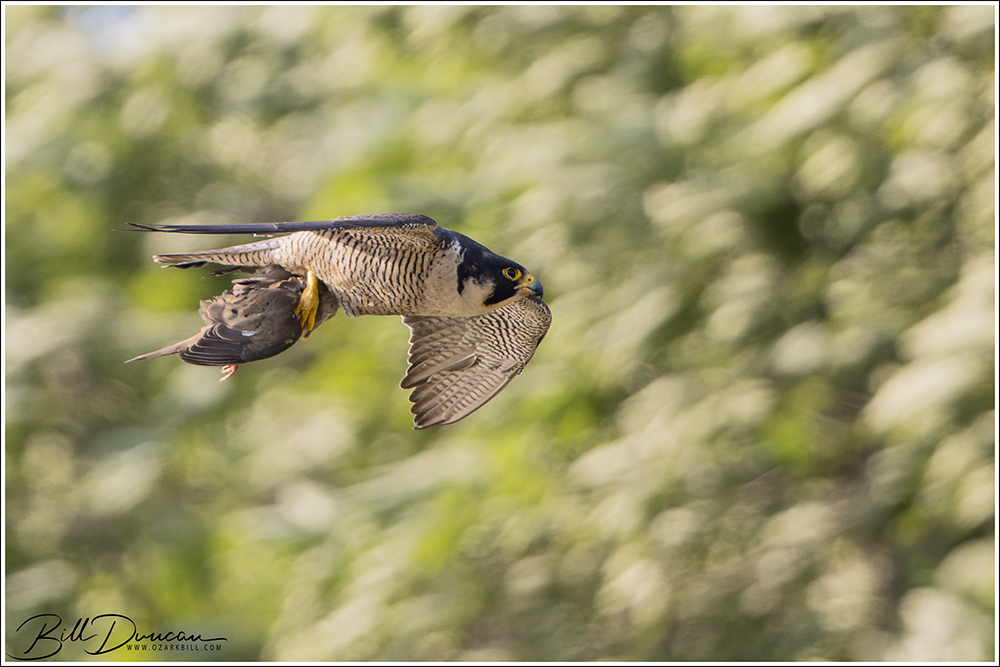
Unfortunately, the story of the family in this nesting season has an unfortunate, and uncertain ending. At least, I do not know the final outcome of everyone. In early June, we had heard that the father was struck and killed by a vehicle on the River Road, within a few hours after Miguel and I left for the day. Our next opportunity to visit was a few days later. This was devastating news, obviously. In this species, both parents are critical in providing for the chicks and ensuring the best chances of successfully raising the entire brood. Still, with mom being a great provider and at least one, or potentially two, chicks capable of flight, we had good hopes that she could finish raising 1-3 of the chicks successfully. Once fledged, the parents still need to provide for the chicks for another 6-8 weeks until they are capable hunters. It would be a long hard struggle, but we had high hopes she would do her best.
Then more unfortunate news found its way to us. Another male had moved into the territory. At first this seemed like it might be good news, potentially someone to help mom complete the job of raising the brood. But as time went on, he seemed to be getting very aggressive with both mom and the chicks. He thwarted the mother’s attempts at bringing in food and harassed the chicks relentlessly every time they took to the air. Miguel and I visited for a number of hours over a few day period during this time and the number of successful feedings we observed were pitifully few – seemingly not enough for the chicks to complete their growth and perhaps move with mom to a different territory. We ended our observations around this time. I have heard through second hand accounts that mom was seen with two or three chicks flying away from the territory, so maybe there was a happy ending but I do not know.




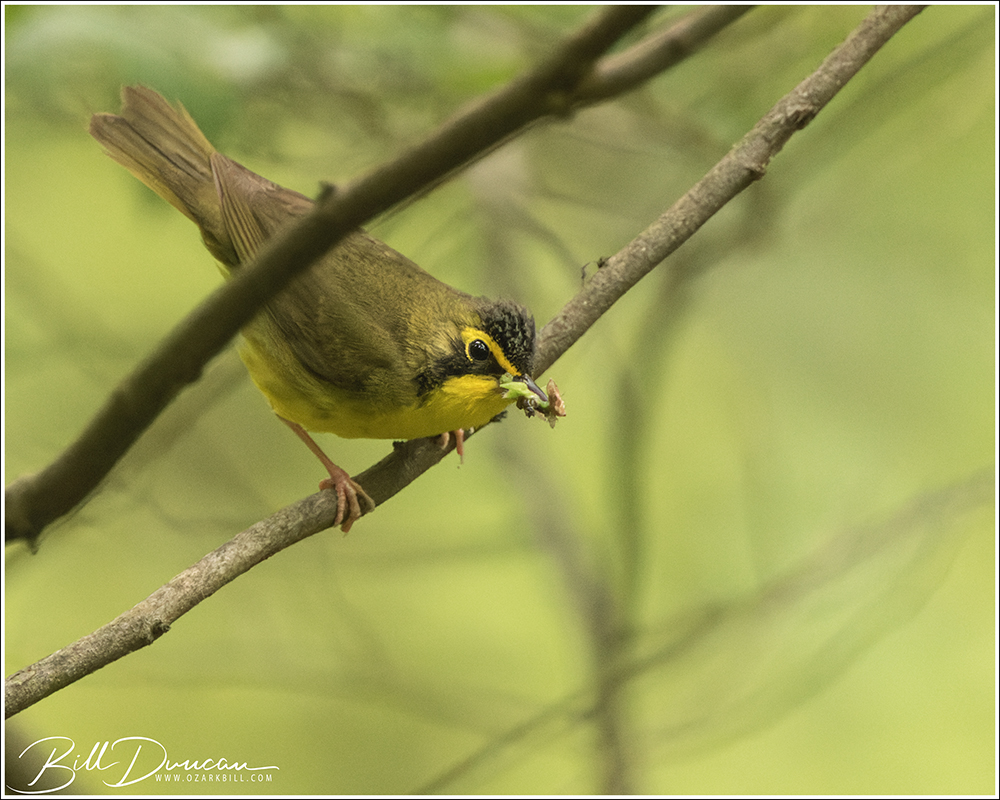
From a late May trip to Weldon Springs Conservation Area. I found this Kentucky Warbler with some insects, presumably on its way to provision some chicks in a nearby nest.
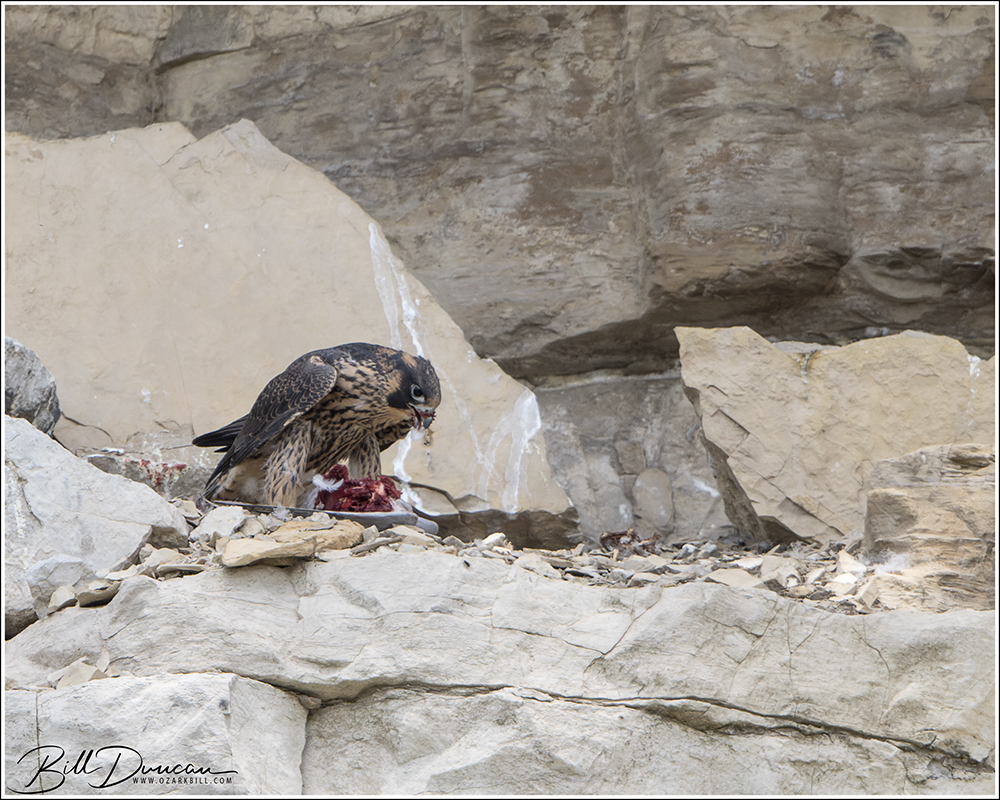
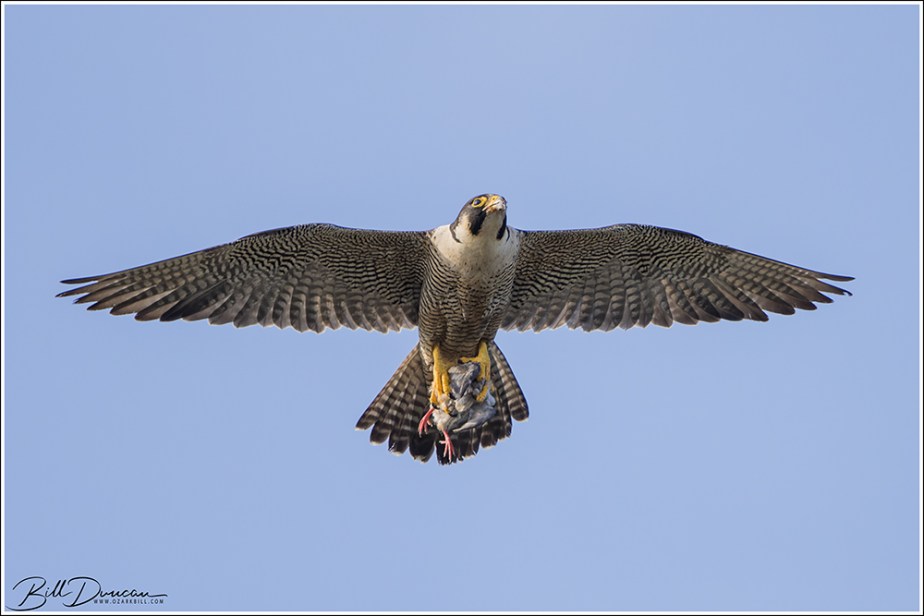
In this post, mom continues to provision the chicks with freshly caught birds. The chicks are beginning to try out their wings and are on the verge of fledging.






 A Thousand Acres of Silphiums