"What a thousand acres of Silphiums looked like when they tickled the bellies of the buffalo is a question never again to be answered, and perhaps not even asked." -Aldo Leopold
This post is dedicated to my friend and mentor, Godfrey Bourne. Godfrey researched Snail Kites for his Ph.D. work while at the University of Michigan. I remember listening to some of his stories and seeing photographs of this impressive bird of prey. Around 25 years later they were still high on my wish list to find and photograph. Last week, I just happened to have a work trip down to Orlando, Florida. I made sure I had time for a personal day or two and the Snail Kite was the primary species I sought out over all the impressive birds that can be found in the state.
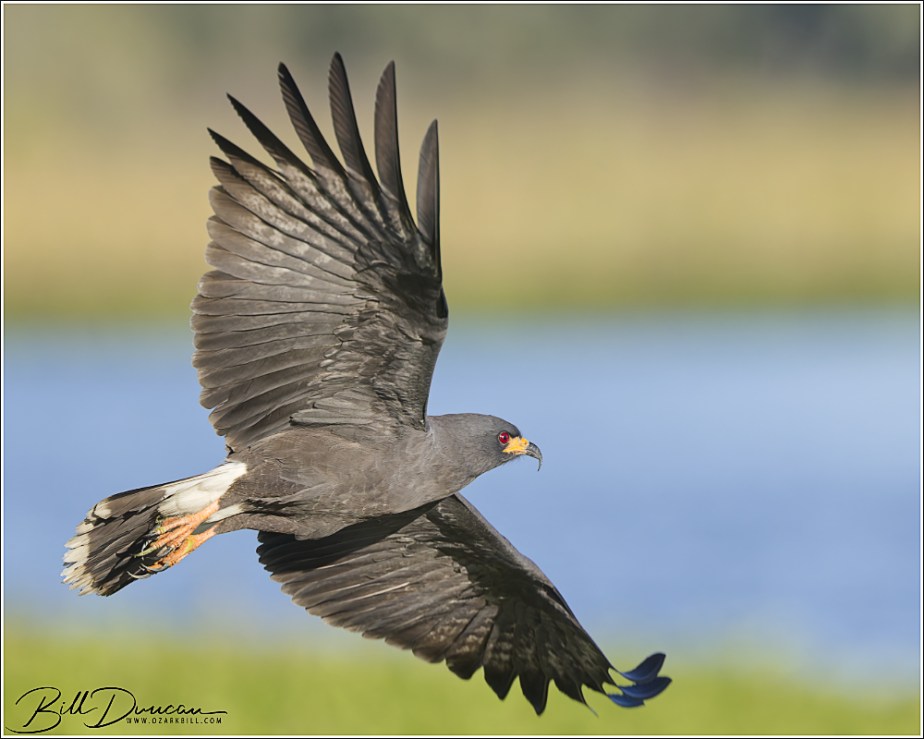
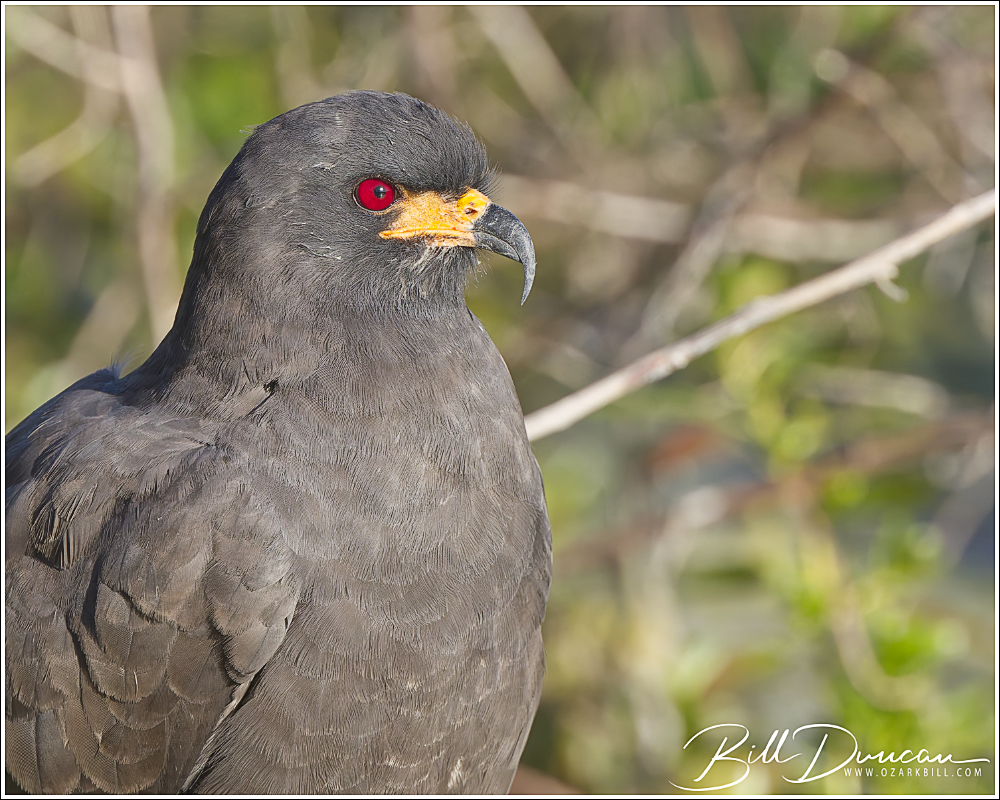
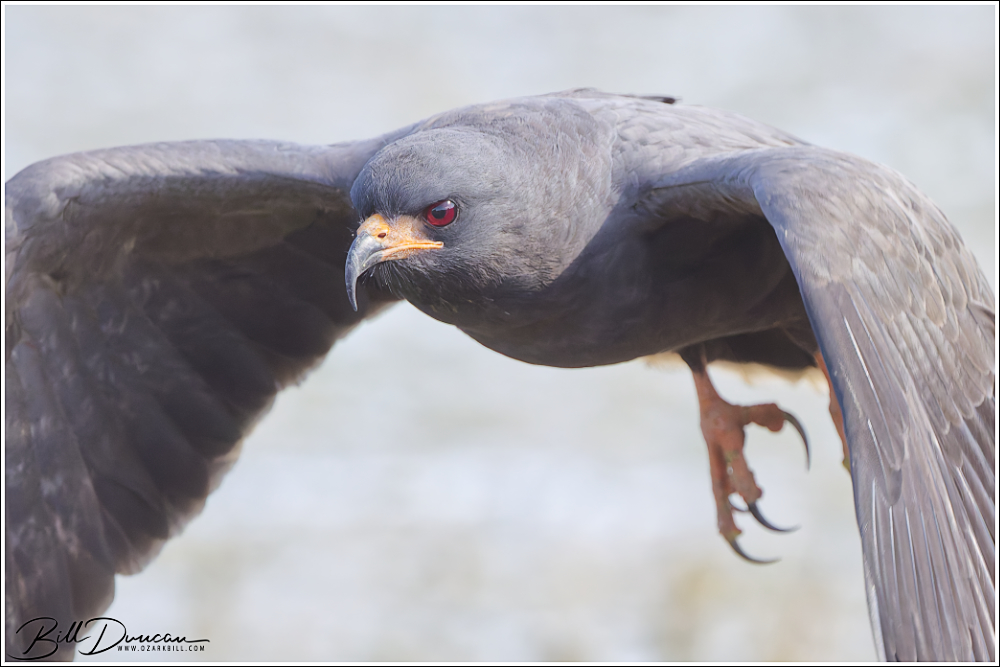
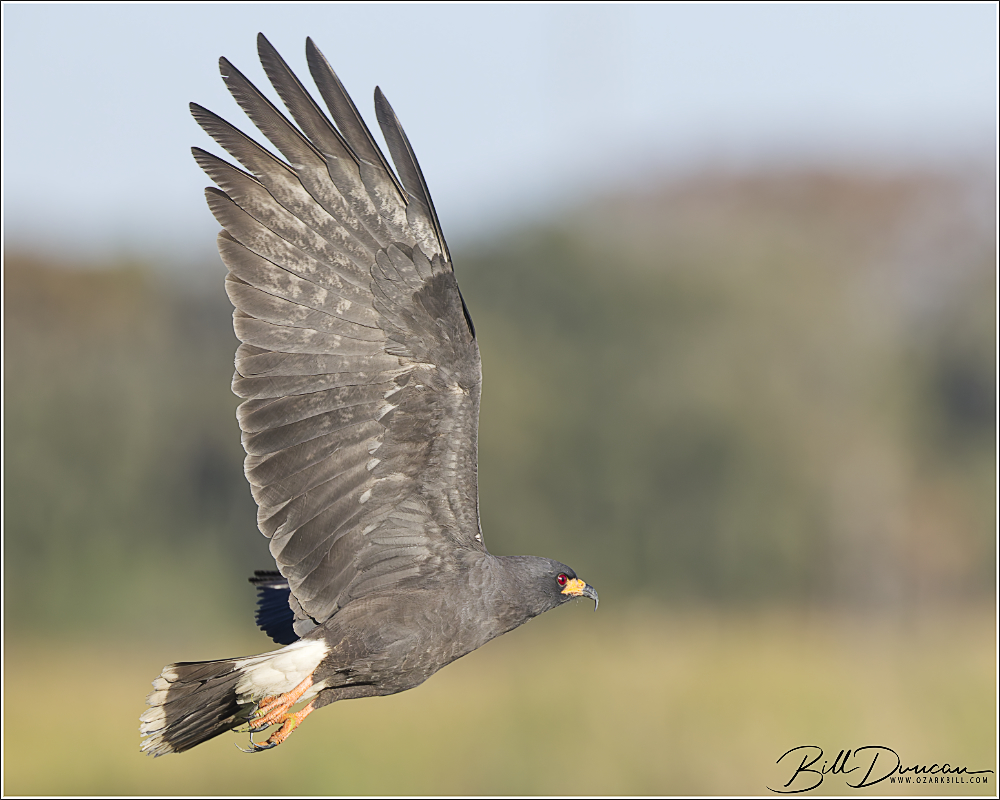
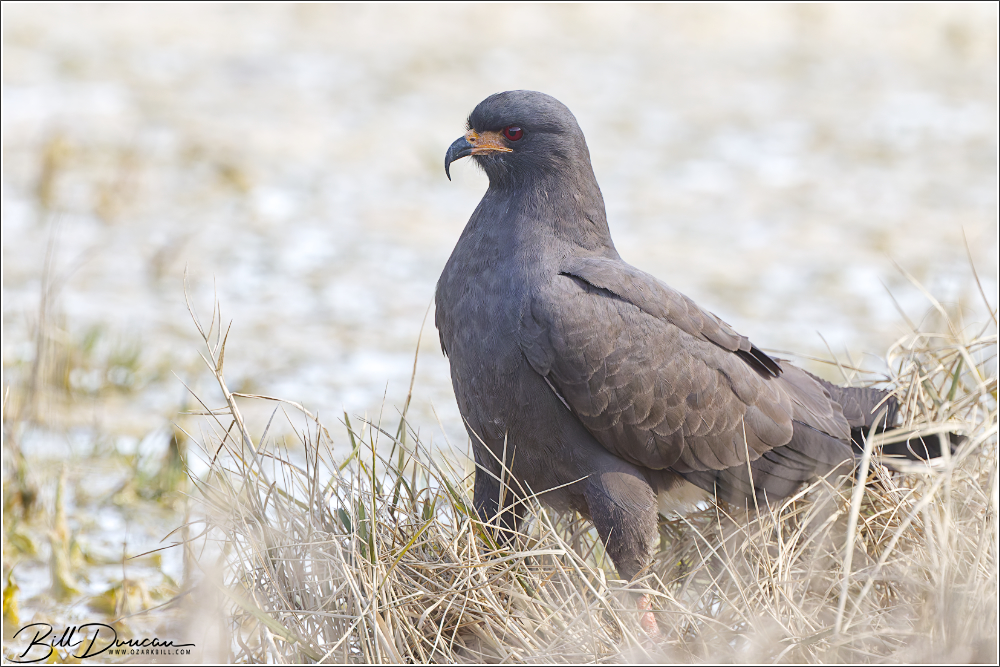
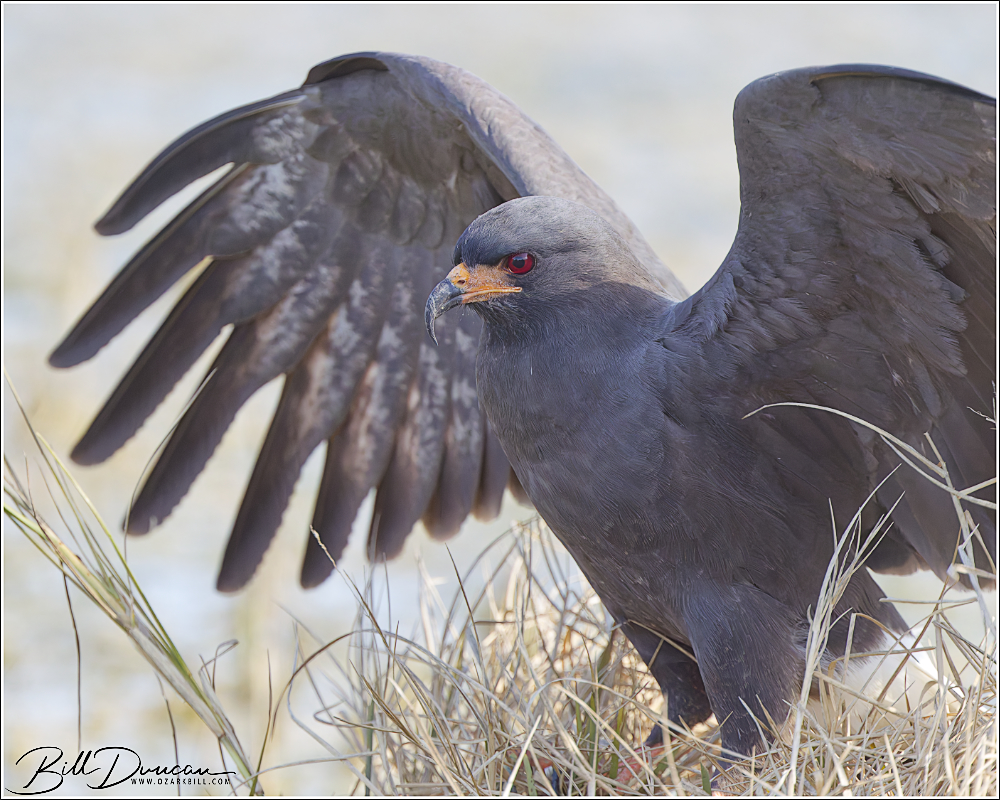
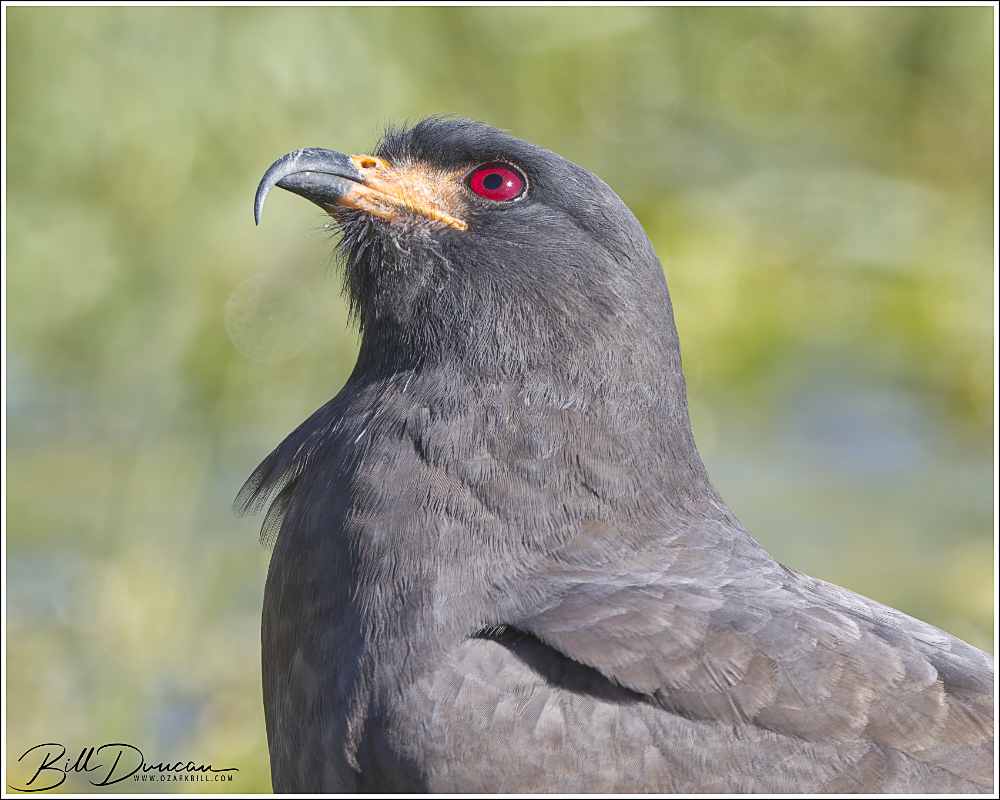
The Snail Kite’s impressive hooked beak is the perfect tool for getting the apple snails out of their shells.
After watching some videos from a well known bird photographer on YouTube, I got the impression that this species might be difficult to find – that these birds are only found in wetlands away from developed areas that take knowledge and special equipment to reach. With my experience last week, I am beginning to think that this photographer’s motive was in selling his high-priced workshops.
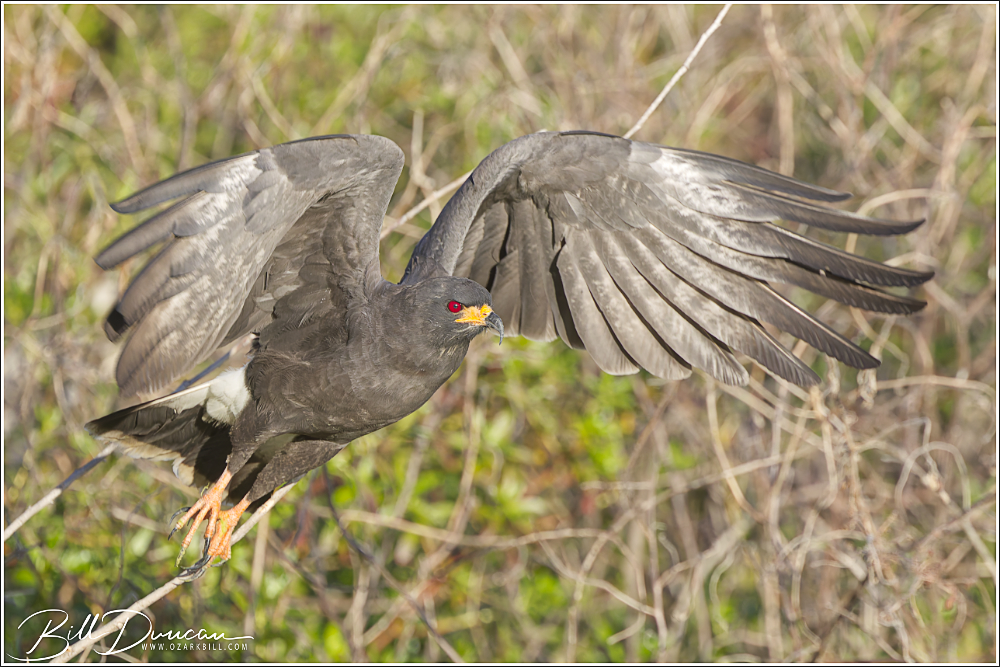
At this time of the day, even in January, direct sunlight was not flattering to these birds. I waited for small clouds to block the sun in order to get a better image.
Don’t get me wrong, with a current population estimate of approximately 2,000 individuals in Florida, these are not common birds; in fact, they are listed as endangered in the United States. This is primarily due to overdevelopment of wetland habitat in the sunshine state along with mismanagement of these habitats that has led to the decline of apple snails – the Snail Kite’s only food source. Thankfully, this species has a large range across the neotropics, from Mexico and the Caribbean to Southern Brazil. The species as a whole is currently not threatened with extinction.
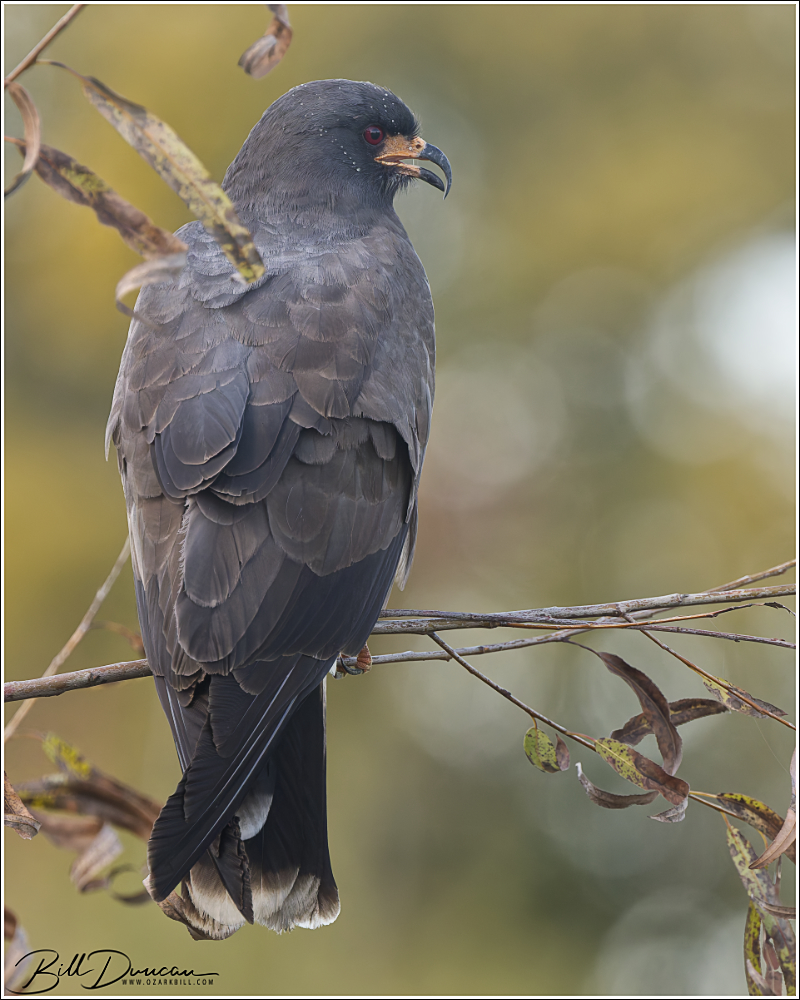
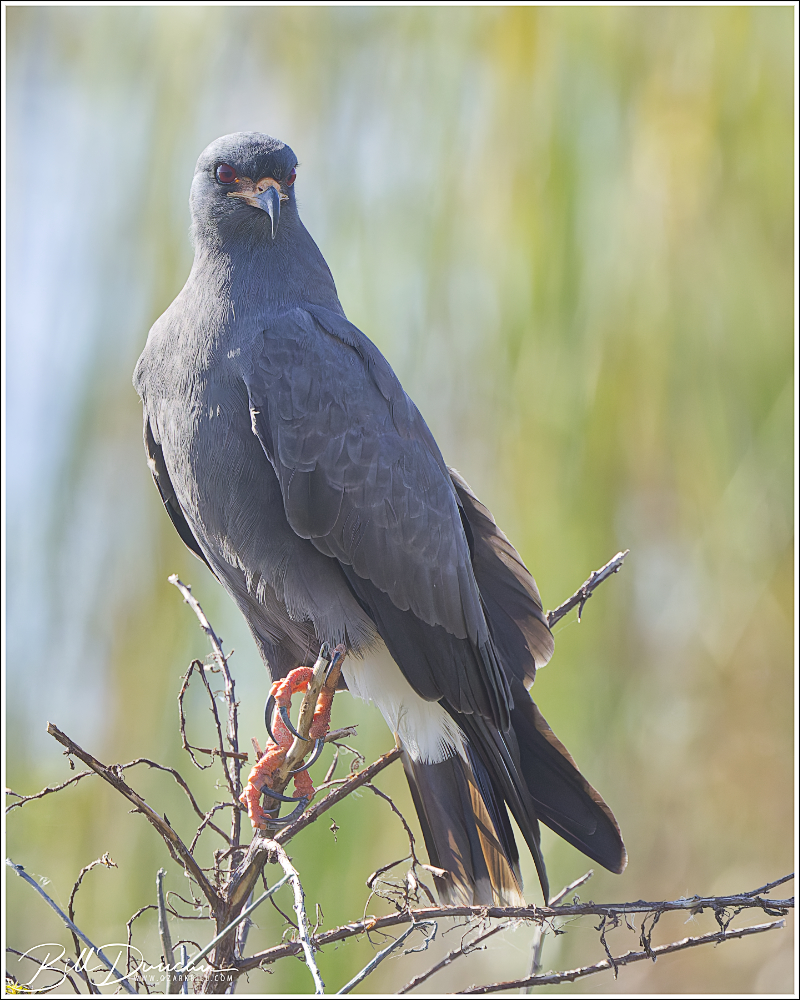
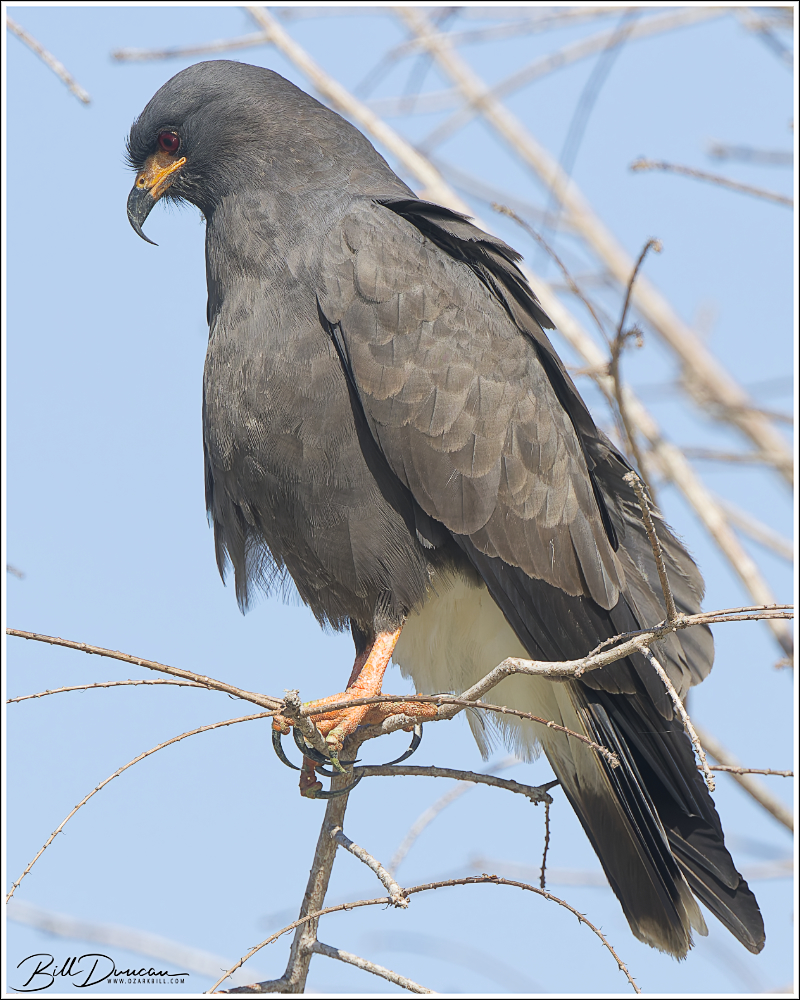
Being an endangered species, the Snail Kites are often banded for distribution, tracking, and research purposes.
In two close by areas, only a 30 minute drive from Orlando, I was easily able to find four Snail Kites and watched them for hours in a lake/marsh area that was heavily used by recreating people. Seeing as this is an endangered species, my intention was to give them plenty of room, but I was shocked as I watched people pass by them within just 10 feet or so without the birds seeming to care. On a couple of occasions, I sat down under a shade tree with 50-100 feet between me and the bird and was astounded when they flew closer and closer to me during their foraging. I have always said that any bird photograph taken in Florida should have an asterisk attached due to these birds being so accustomed to people. After just a couple of days experiencing this myself, I still feel this way!
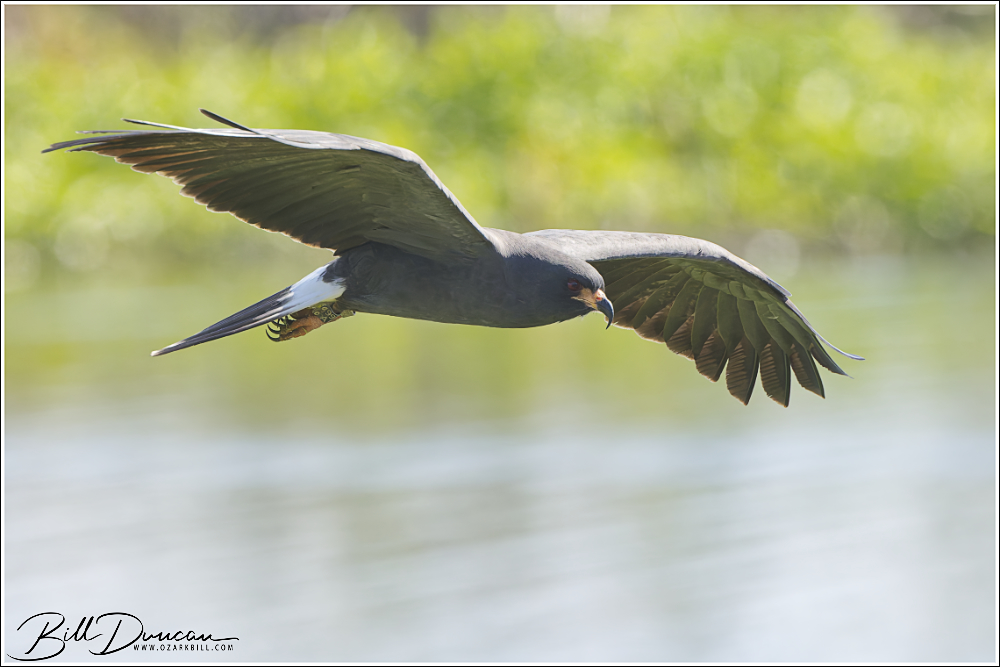
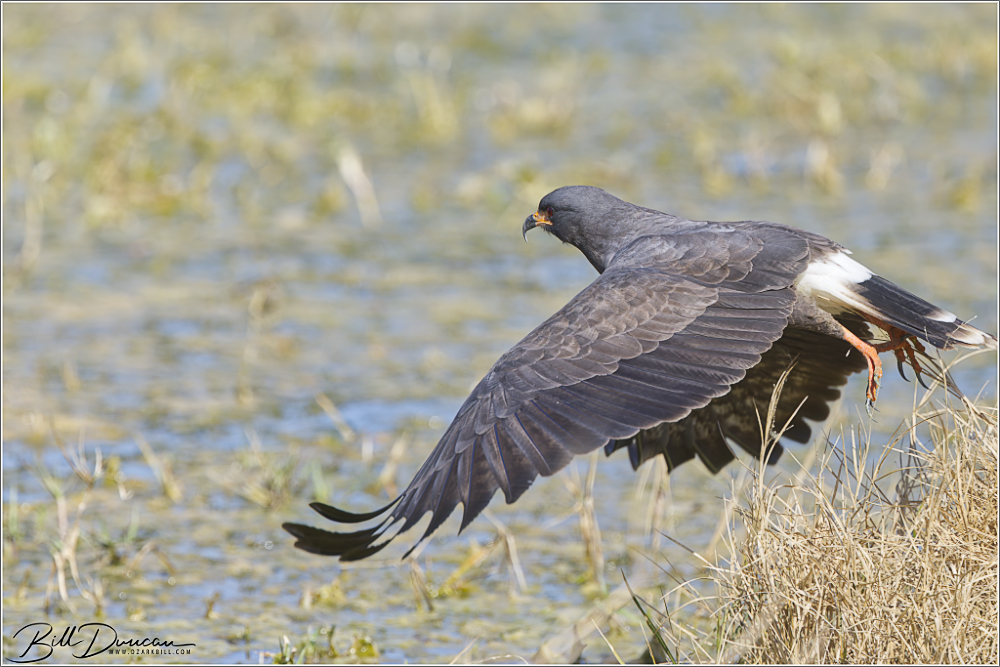
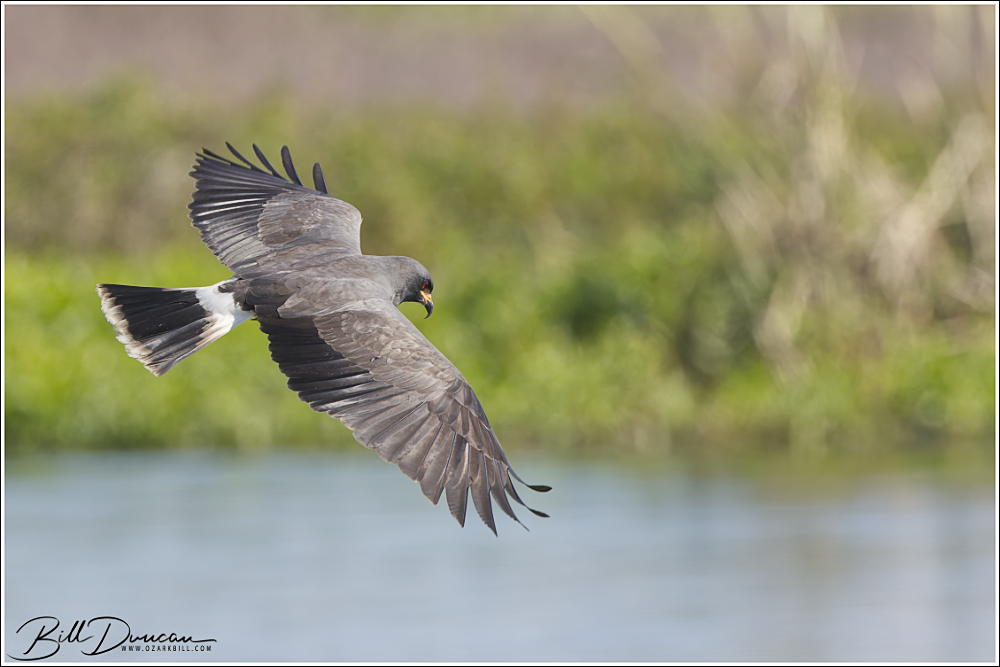
A Snail Kite moving along the lake edge with a constant eye for a nice-sized apple snail.
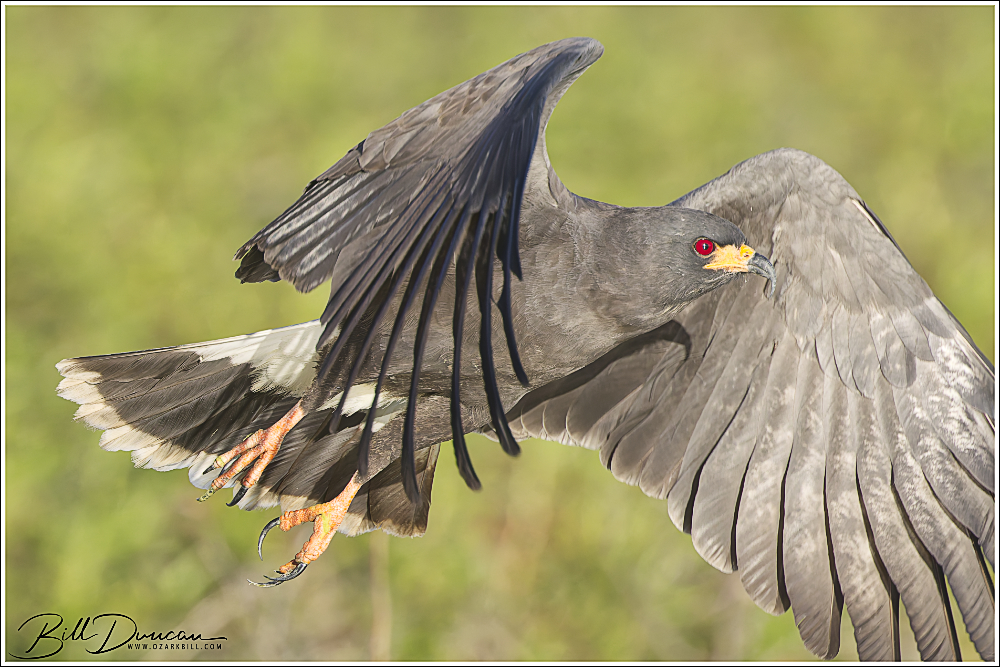
This species numbers in Florida are highly affected by drought conditions and have varied wildly in recent decades. Changing climate patterns are not helping the Snail Kite restoration attempts and I fear for what the next decades may bring. Hopefully they will be as easy for me to find during my next visit to Florida. Thank you for reading this far and I’ll leave you with a few more photos.
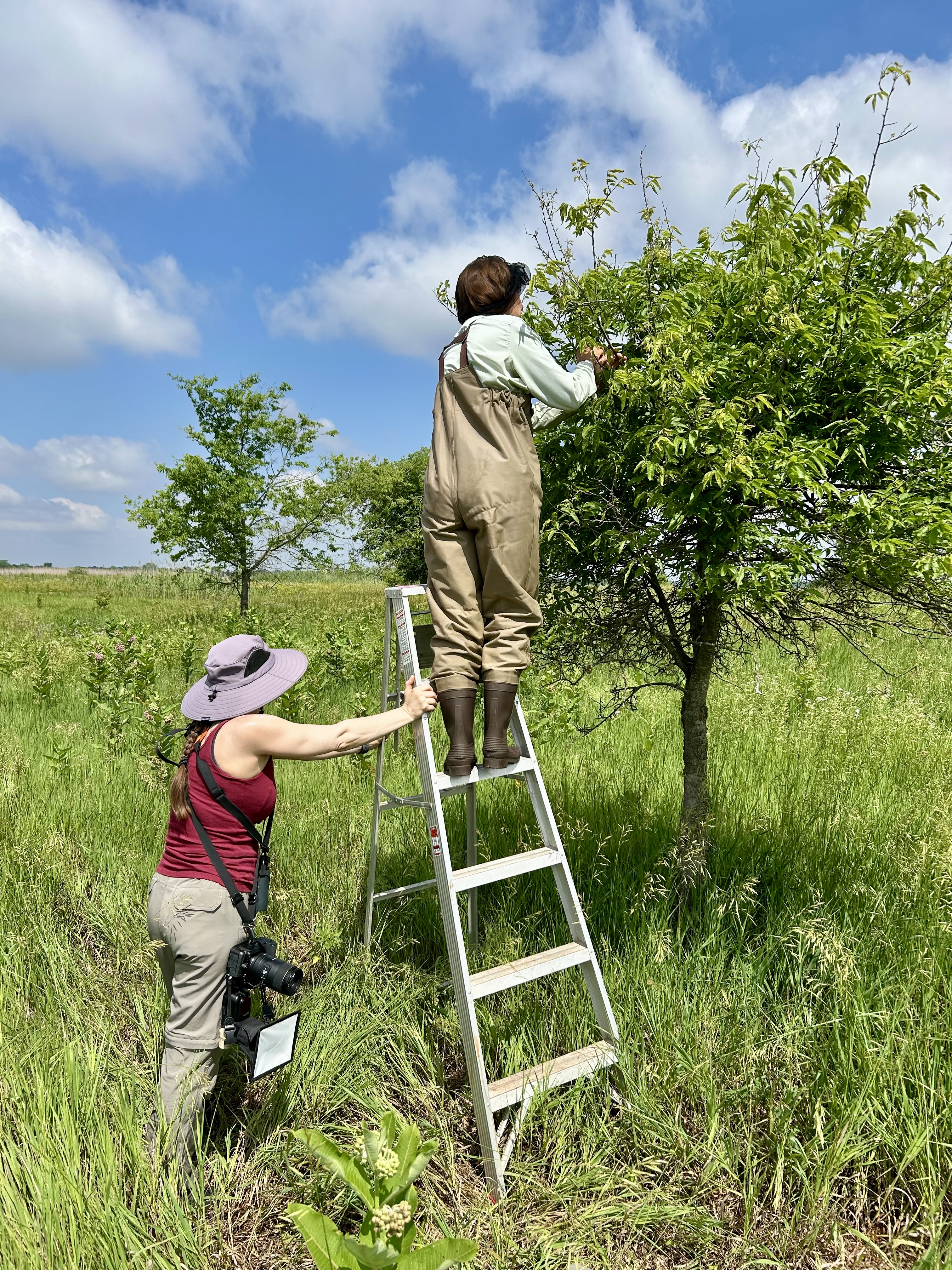
Back in early June of this year, the WGNSS Nature Photography Group travelled east to Pyramid State Recreation Area in Perry County, Illinois. Here we met with Stacia Novy, a wildlife biologist working with Southern Illinois University. Stacia’s goals are to find and identify grassland bird species nests, collect morphometric, embryonic and maturation data on eggs and nestlings, and to document fledging and depredation rates. Stacia is a true professional and she took care in how we approached nests and got our photographs. She finds dozens of nests each year and collects important data used for conservation and habitat management decisions.
Stacia Novy (on ladder) collecting data on eggs and nestlings
Approximately 60% of all of North America’s grasslands have been destroyed due to agriculture and other development purposes. Unsurprisingly, grassland species in general are the most at risk birds from this loss of habitat. The numbers of these obligate grassland species have declined by 40% since 1970.
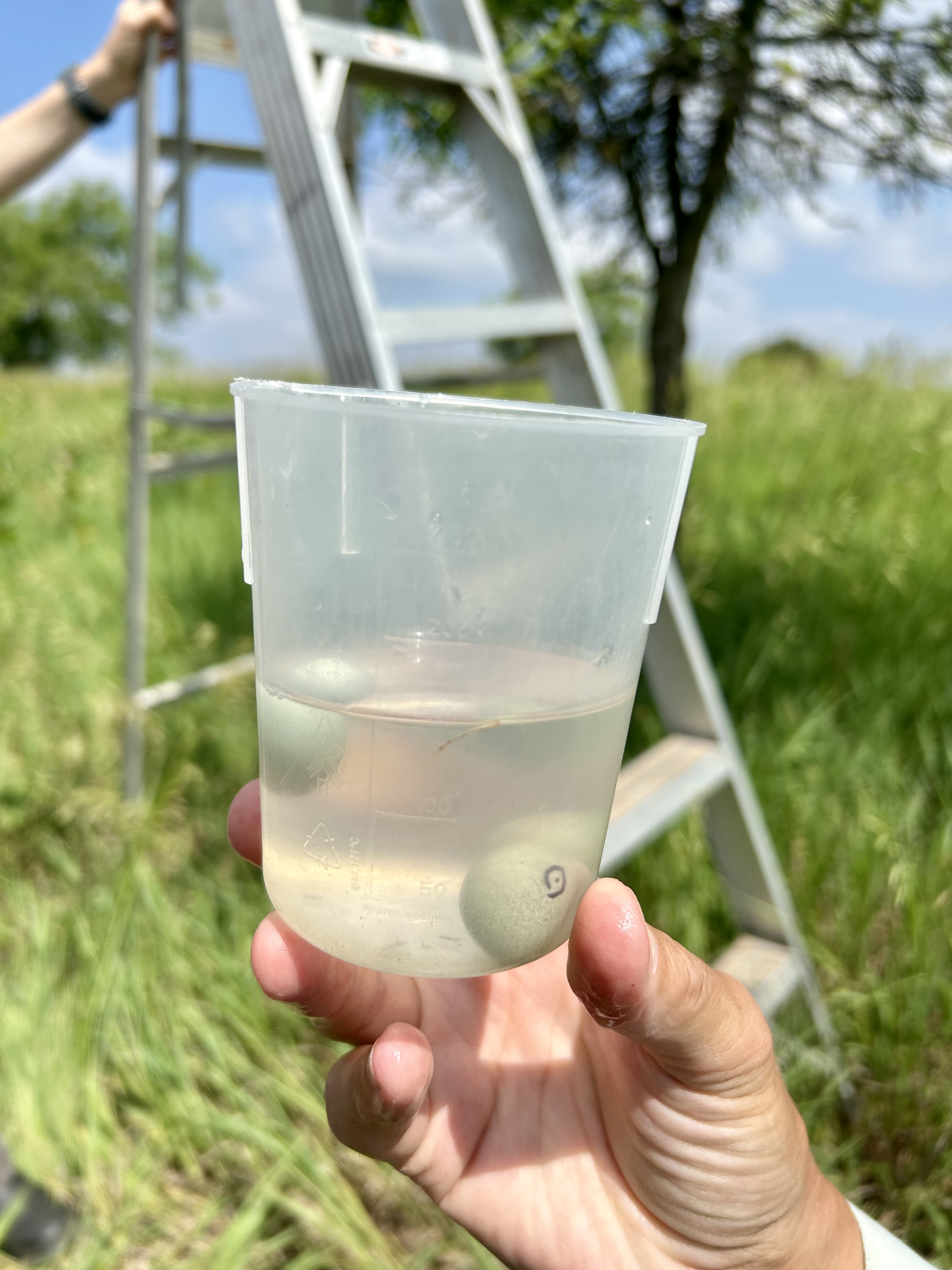
An egg buoyancy/density test is performed to determine egg age and potential viability
Due to high incidence of predation, grassland bird species must be quite careful about where and how they place their nests. Stacia showed us the types of vegetation different species like to use and how they attempt to camouflage their nests. It takes a lot of work and diligence to find these nests and we appreciated Stacia sharing some of these with us.
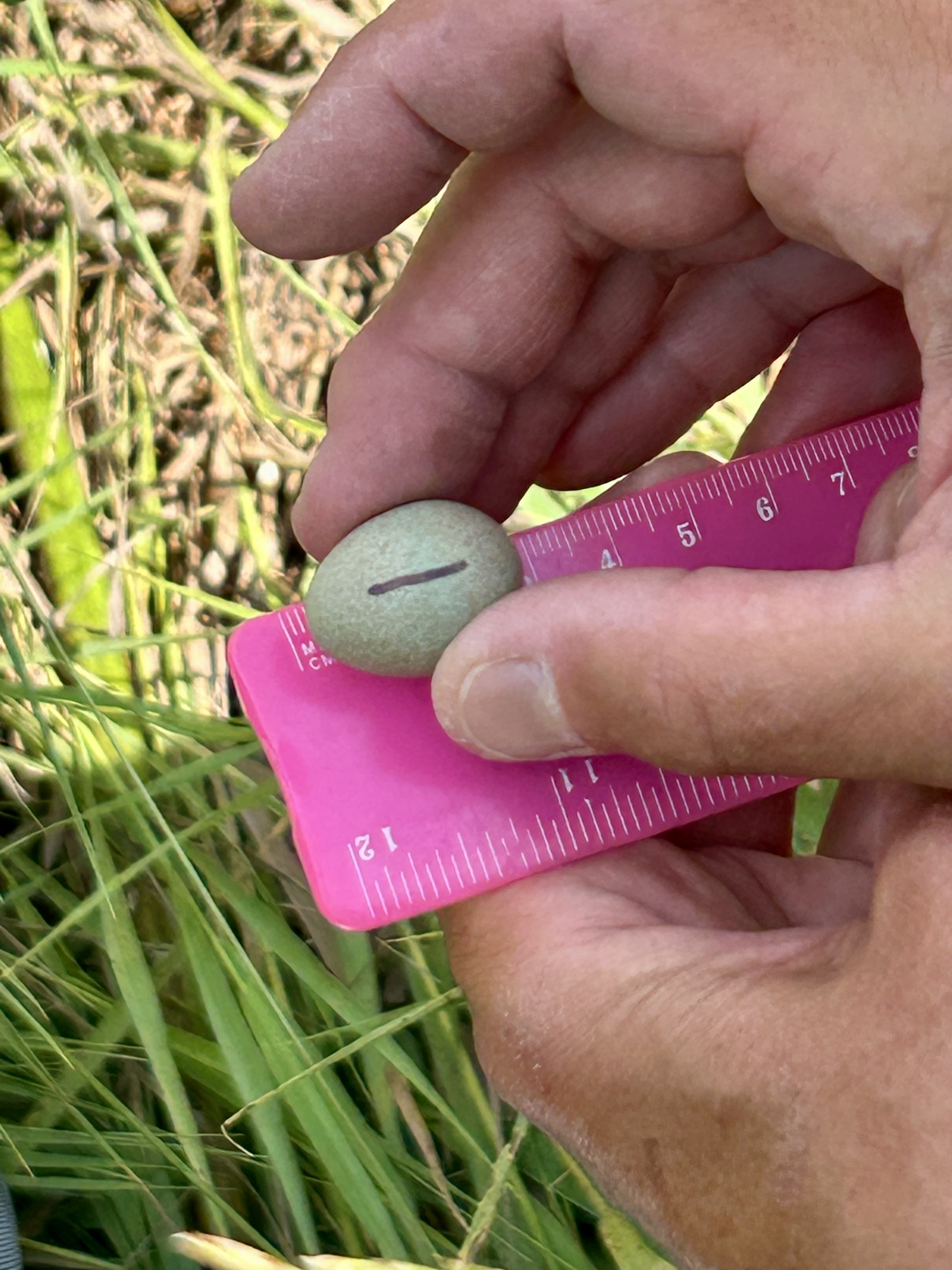
Stacia measures eggs
Here are some of the photos I took with my cellphone of some of the species we were fortunate to be able to see.
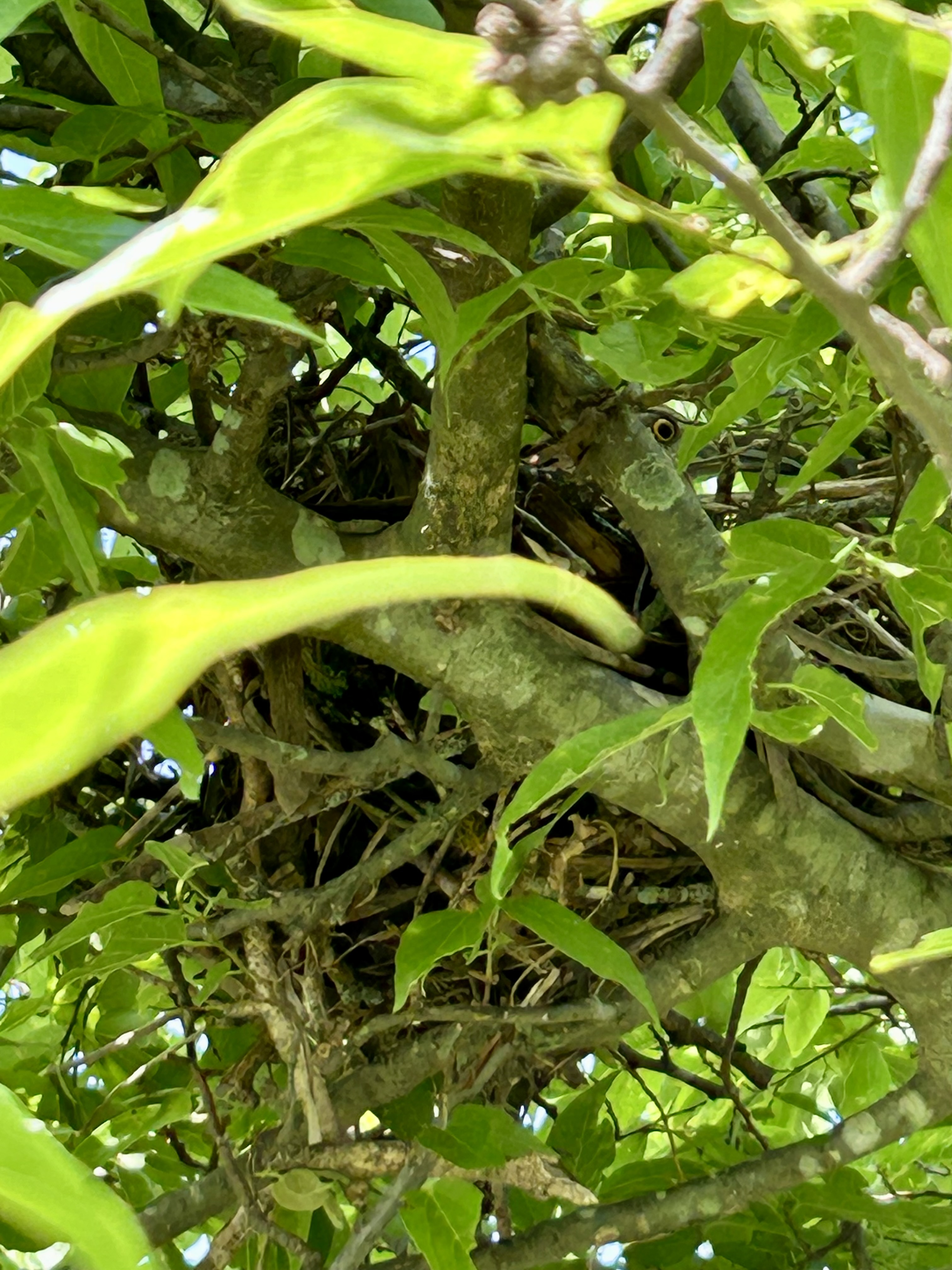
A Brown Thrasher parent staying on the nest until the last minute
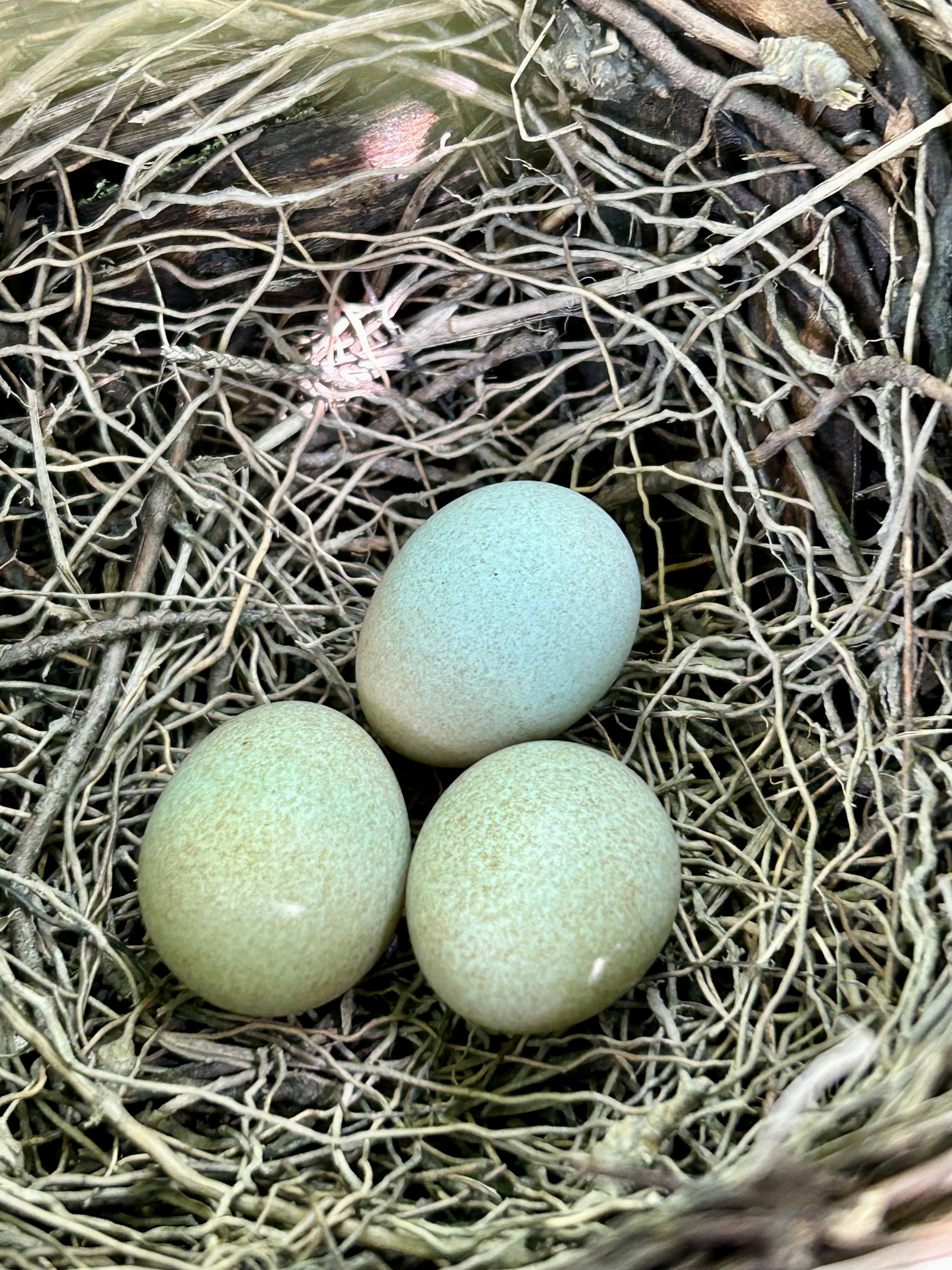
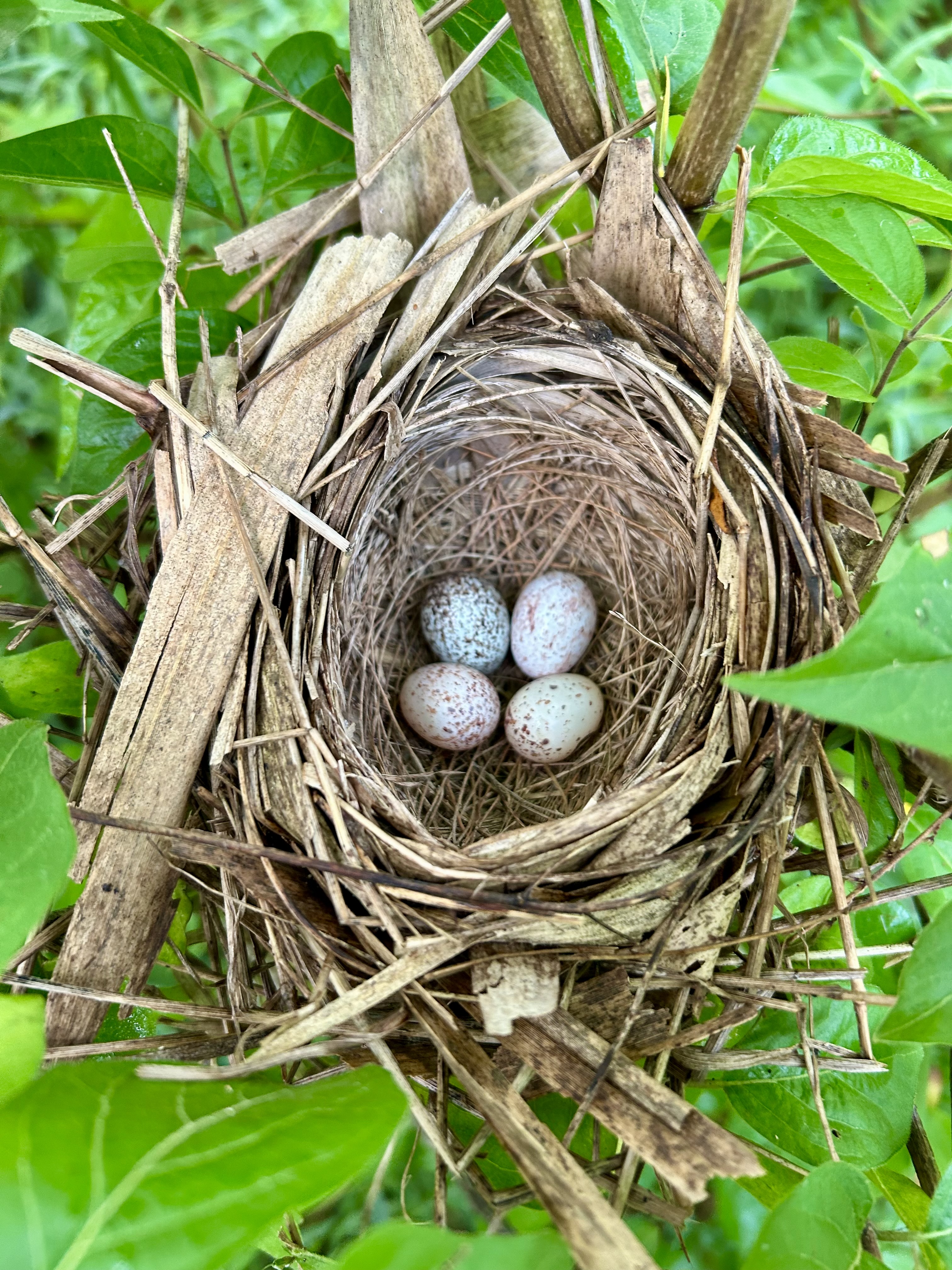
Inside the Brown Thrasher nest
A Gray Catbird’s nest
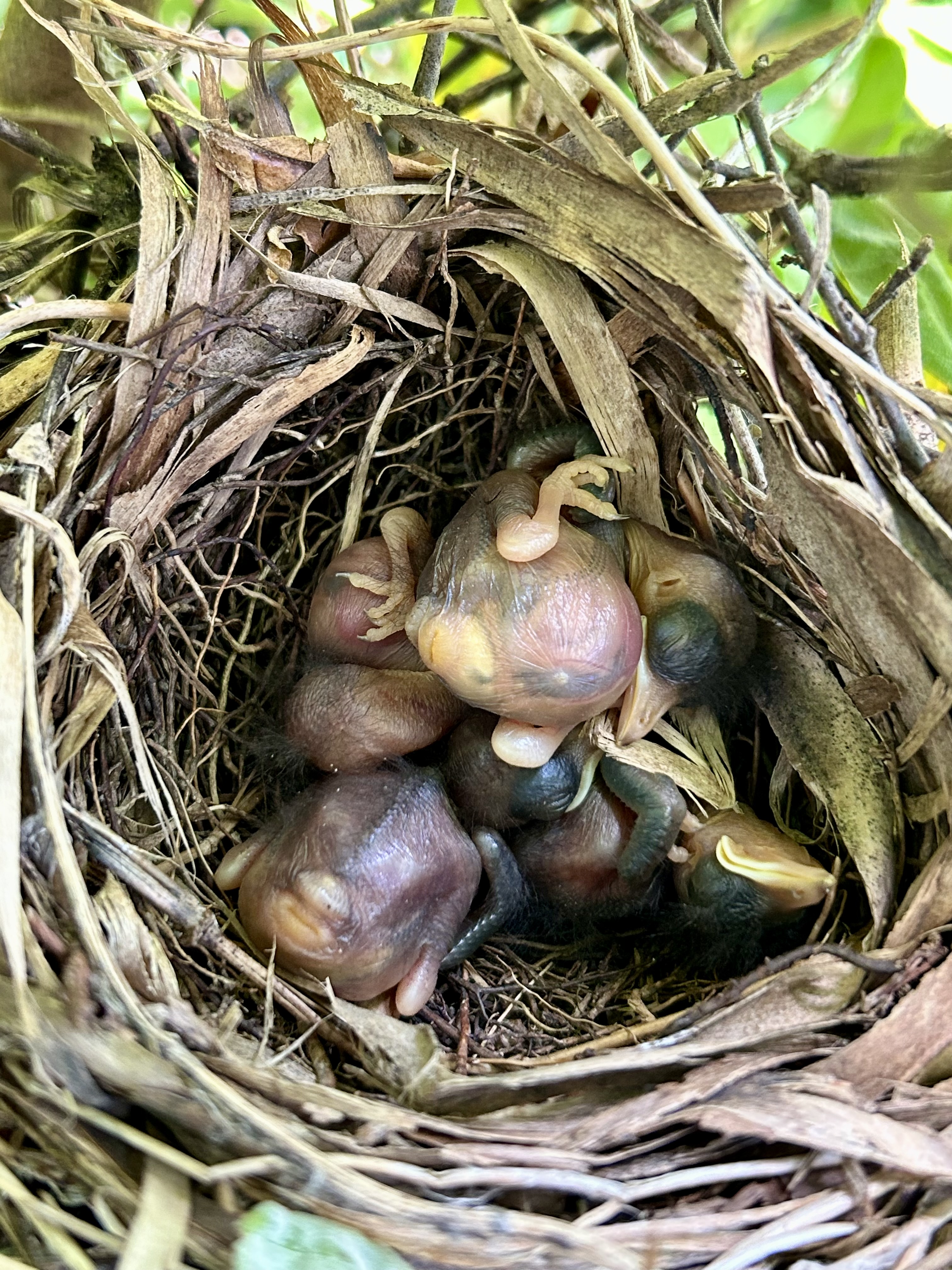
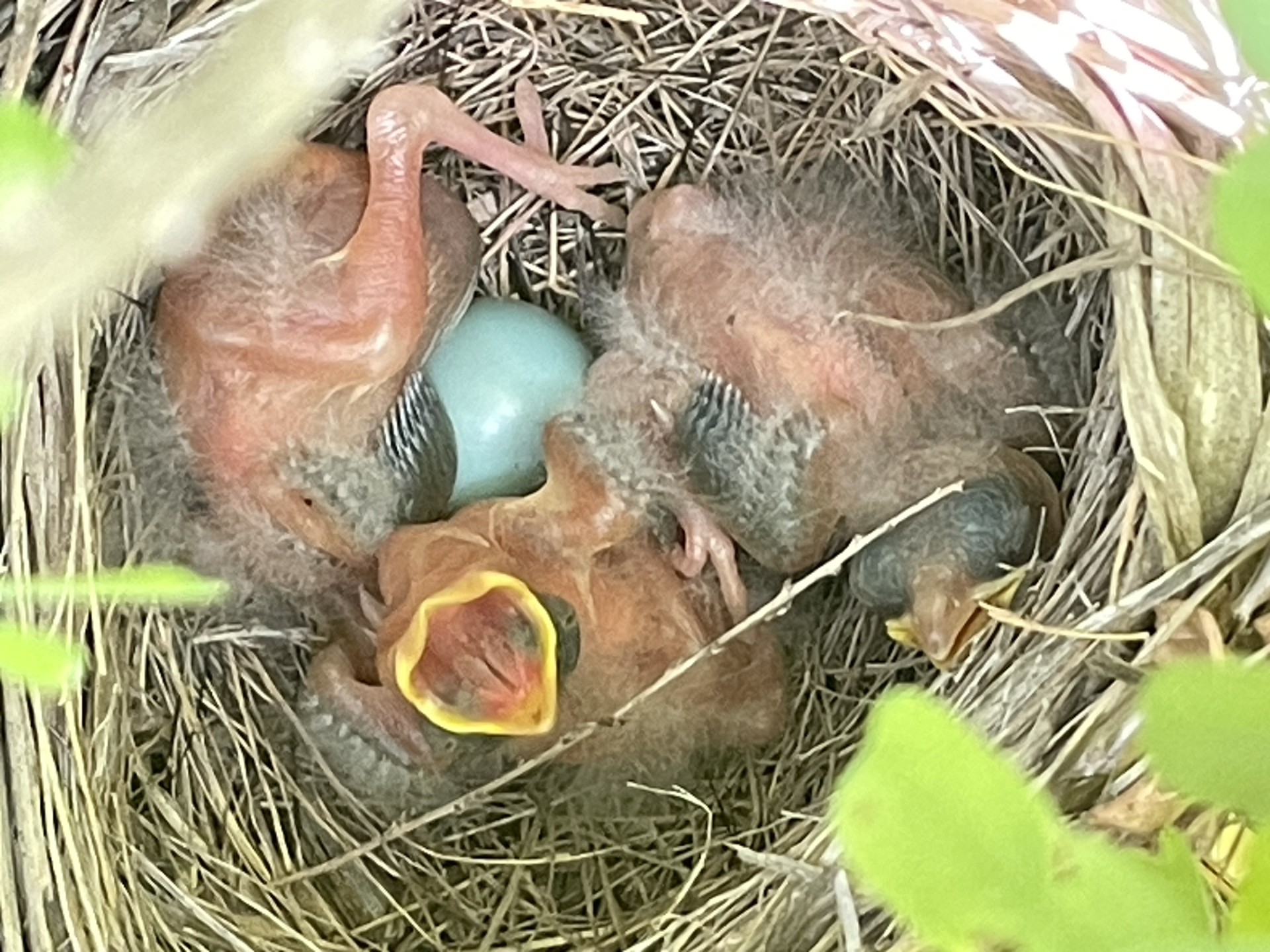
Another Gray Catbird nest we found this day with newly hatched chicks
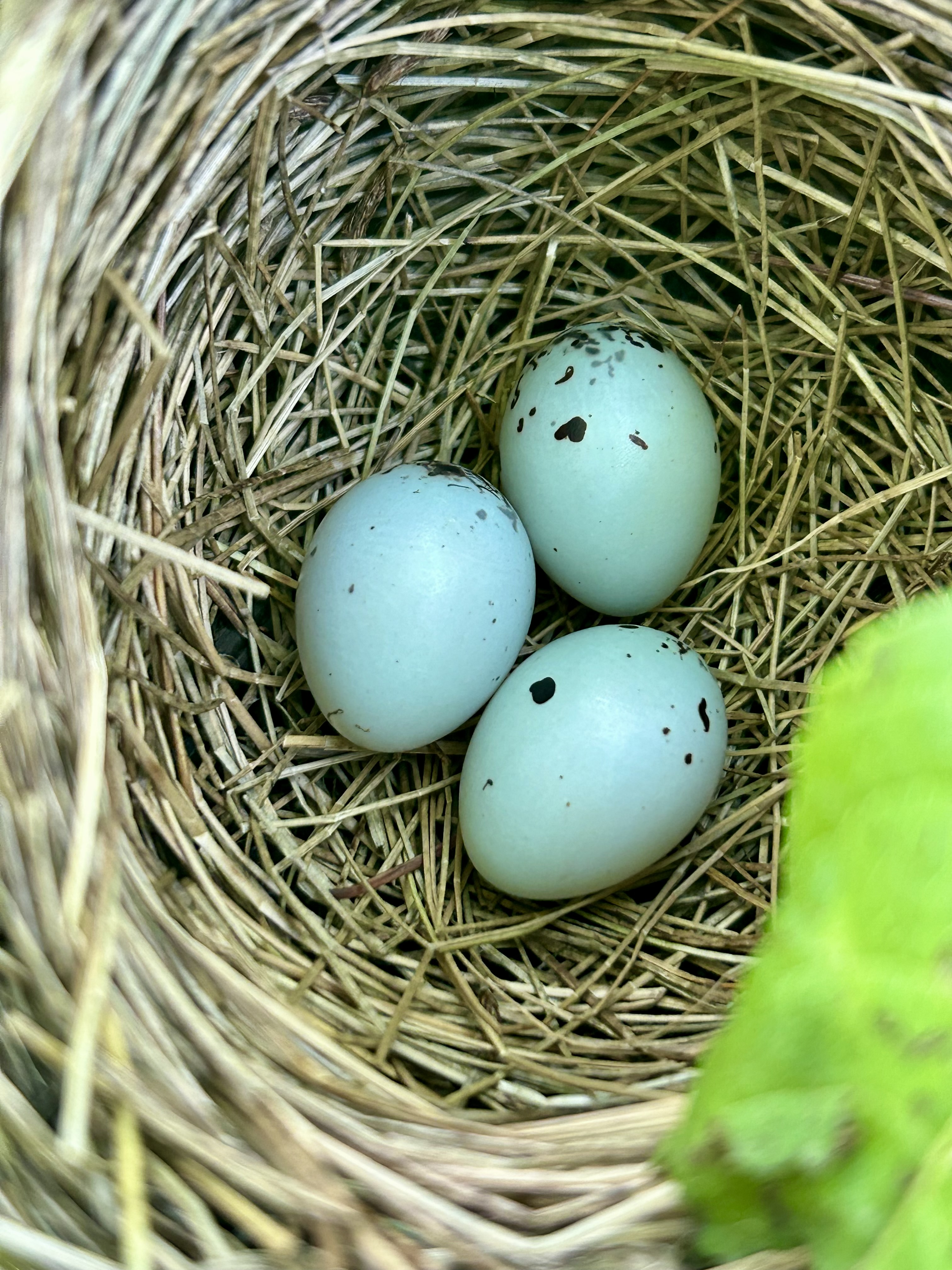
Beautiful eggs inside a Redwing Blackbird nest
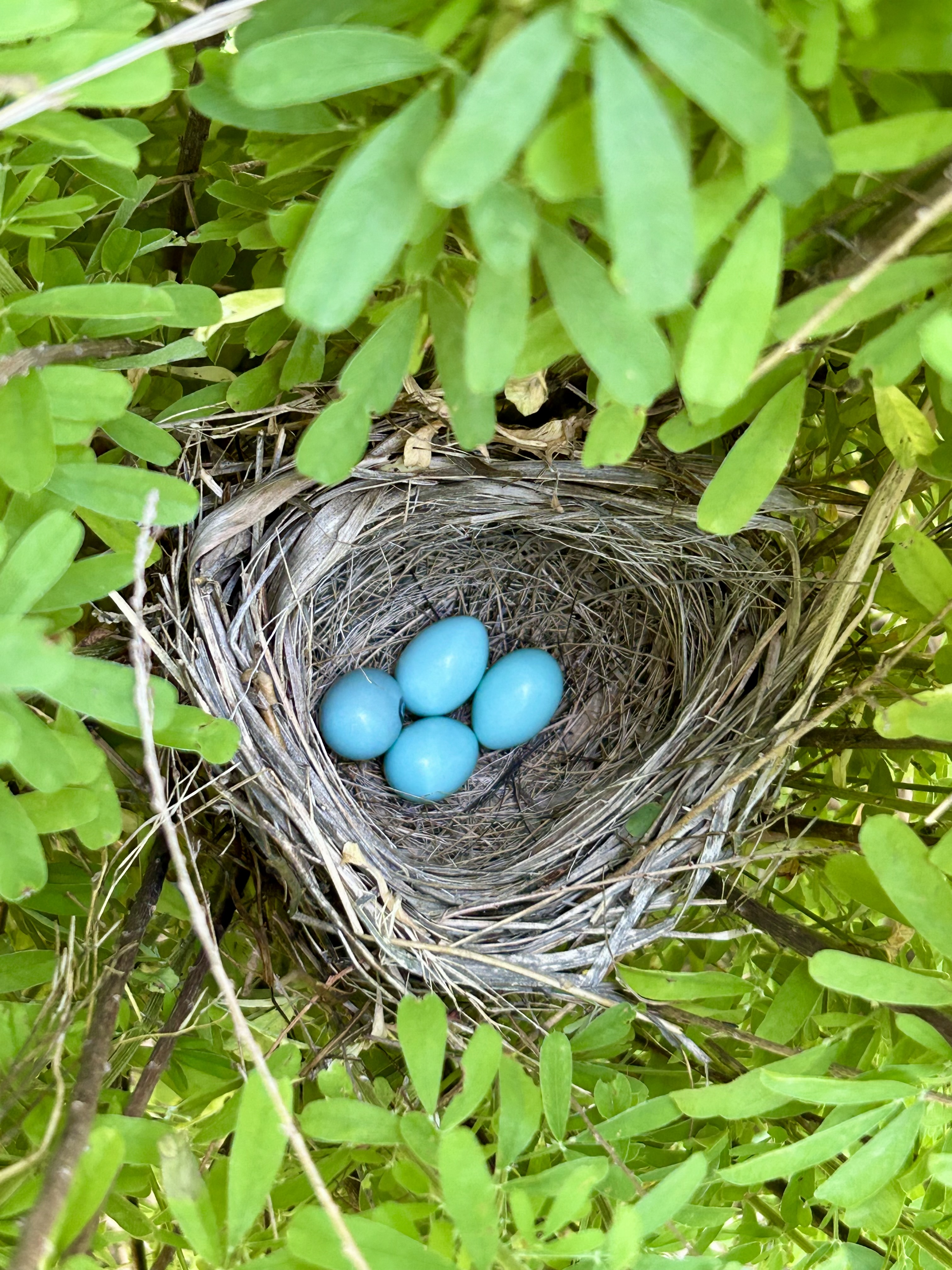
The even more startingly-blue eggs of the Dickcissel
The same Dickcissel nest days later. Photo by Stacia Novy.
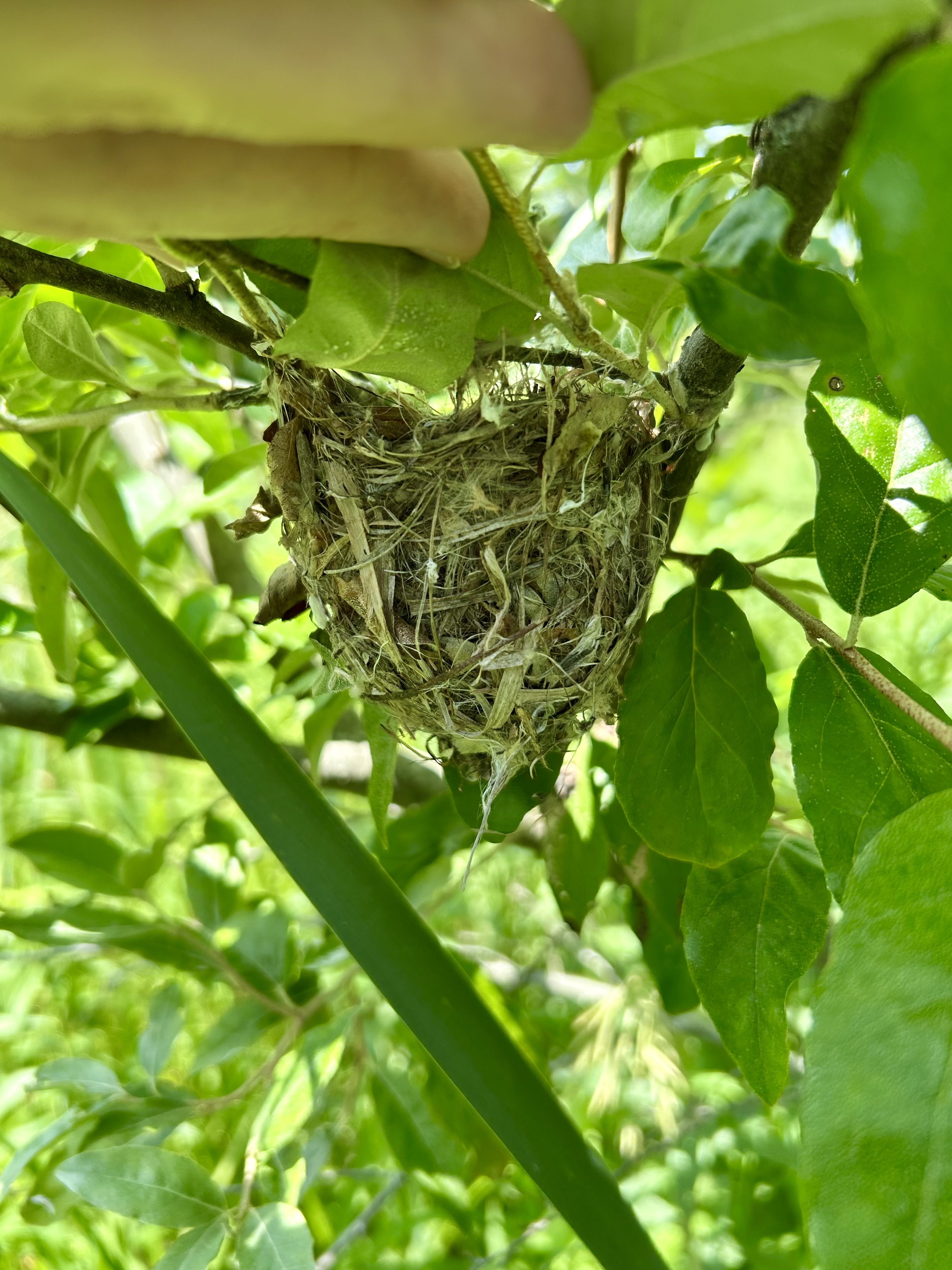
The nest of one of my top five favorite birds – the Bell’s Vireo
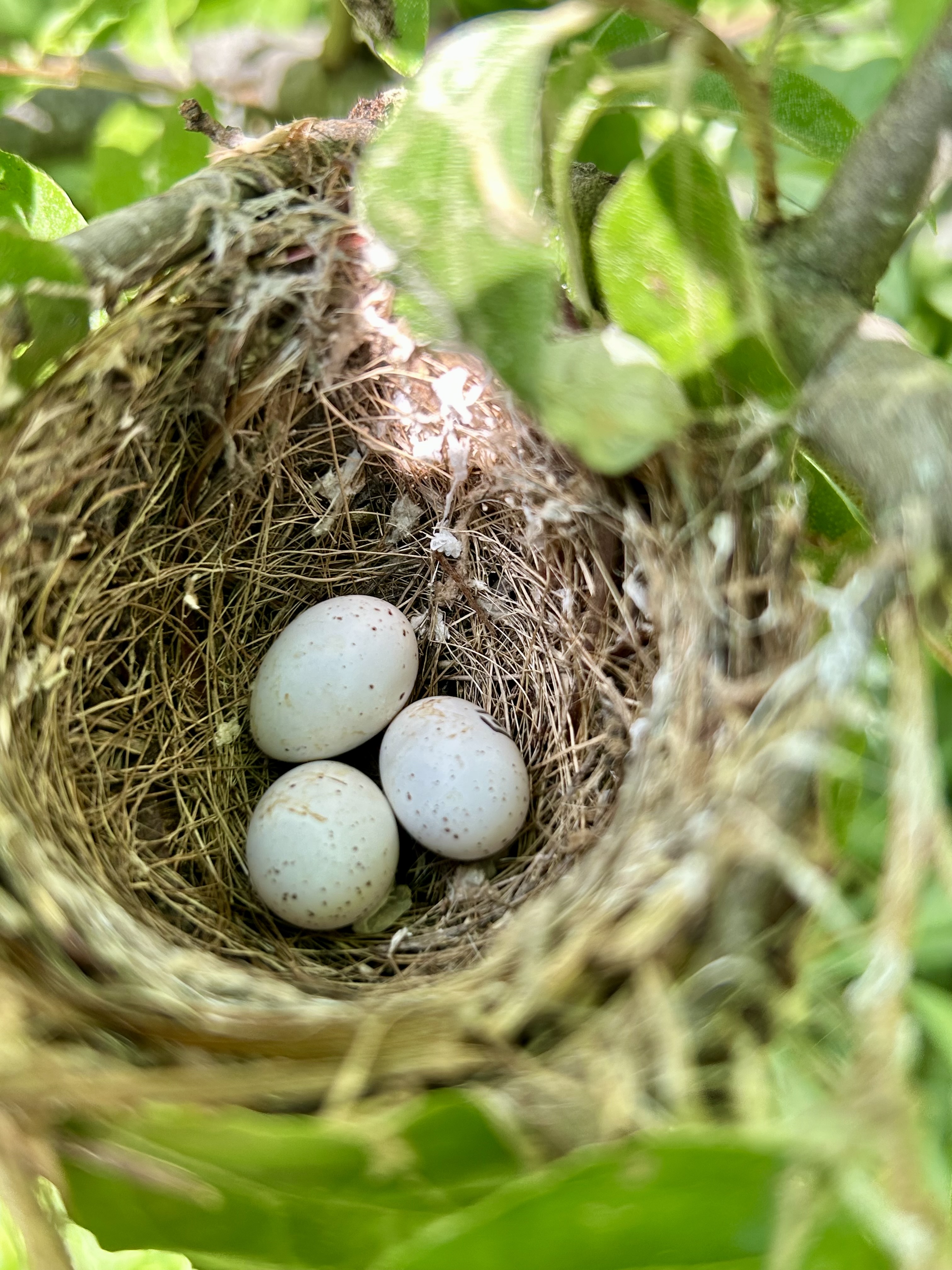
Bell’s Vireo eggs
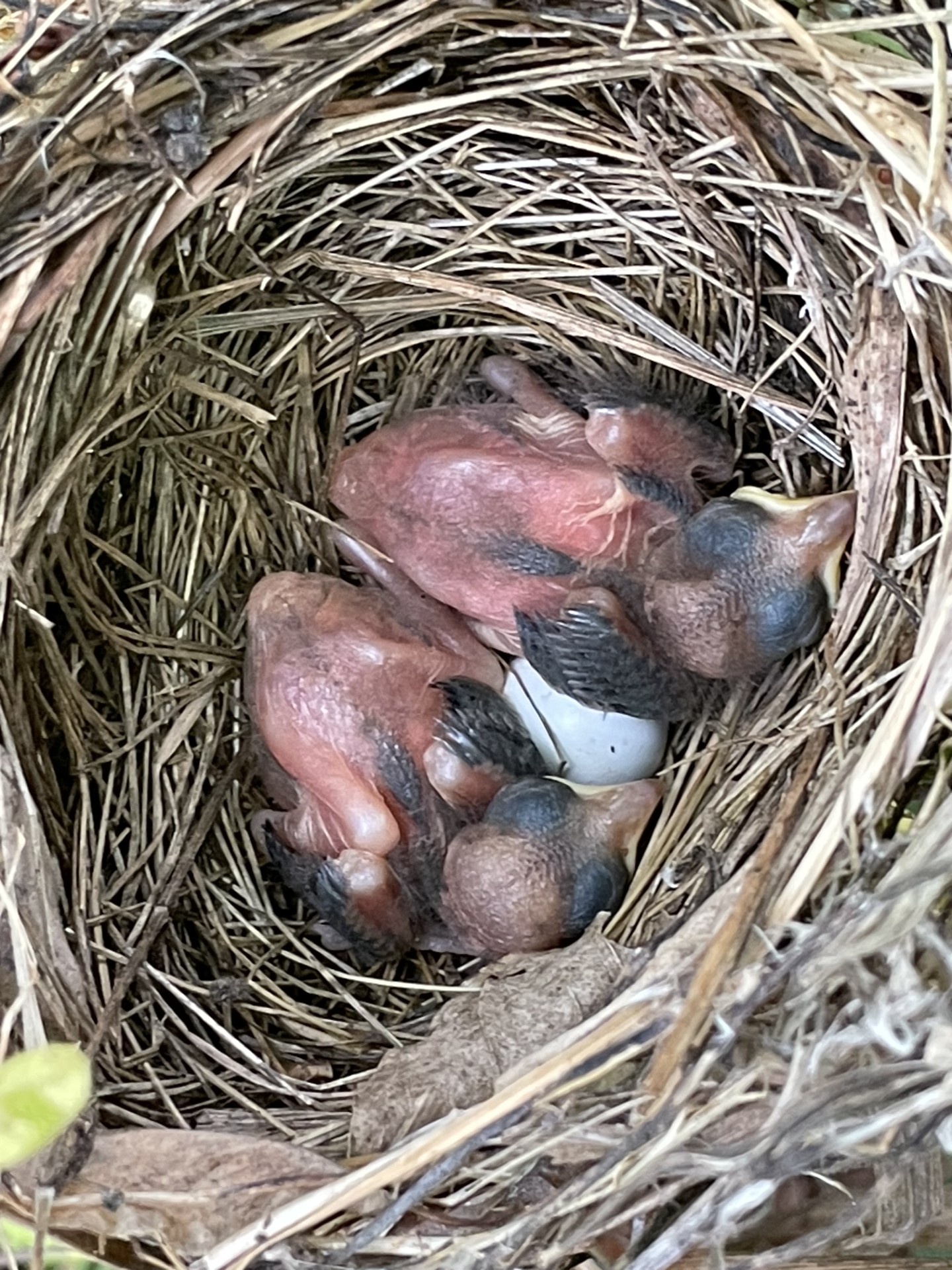
The same Bell’s Vireo nest days later. Photo by Stacia Novy.
In mid-April 2025, David Seidensticker, Casey Galvin, Dan Kirk and I took a week-long trip to find and photograph the Greater Sage Grouse (GSGR). This bird had been on our lists to photograph for quite a few years and it took a number of years and quite a bit of research and help to find the opportunity we were looking for. Like most of the North American Grouse species, the GSGR is best photographed on their leks during the spring mating season. Finding public leks and watching these birds from considerable distances is relatively easy. However, we knew that most likely we would have to share these types of leks with potentially many others and would probably not be close enough to the birds to do the type of photography we were hoping for.
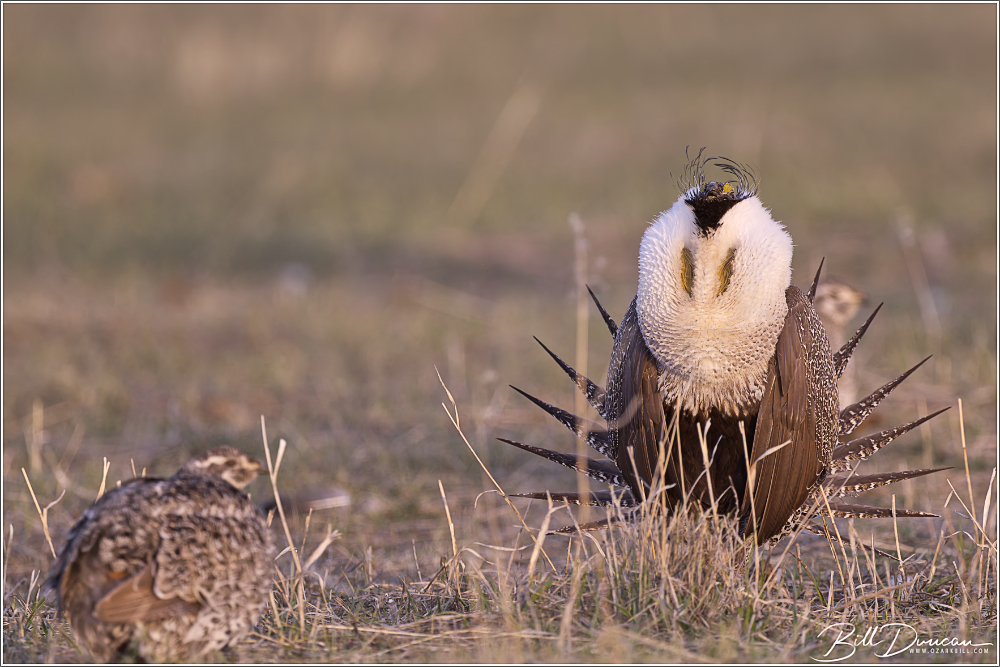
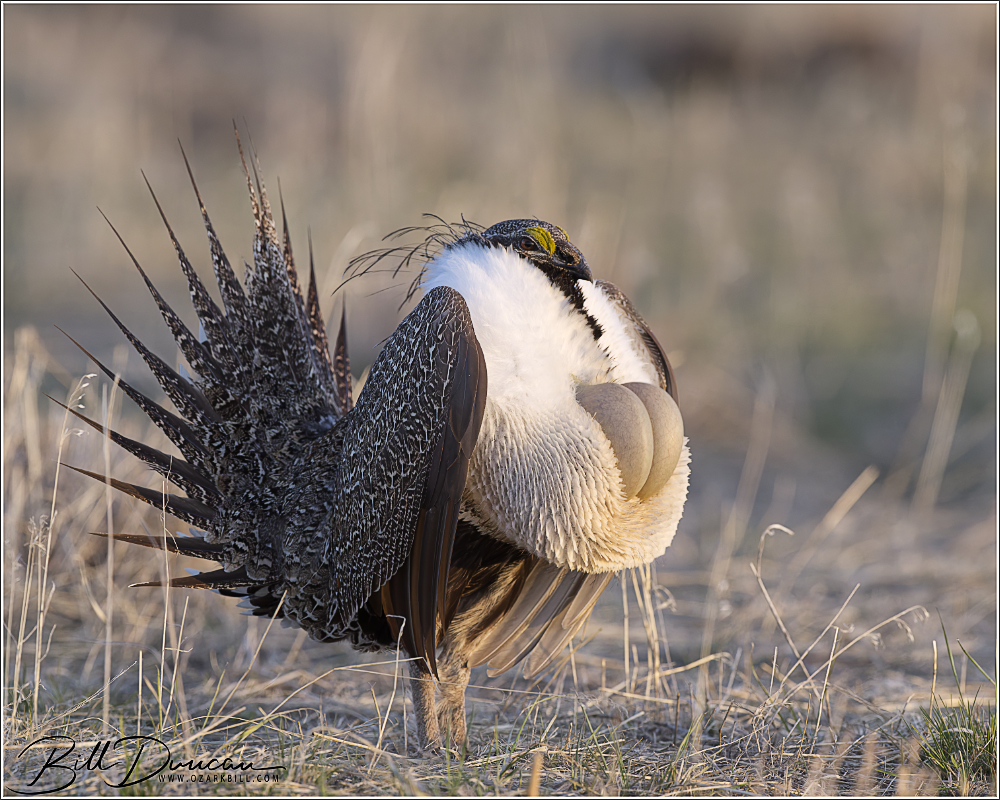
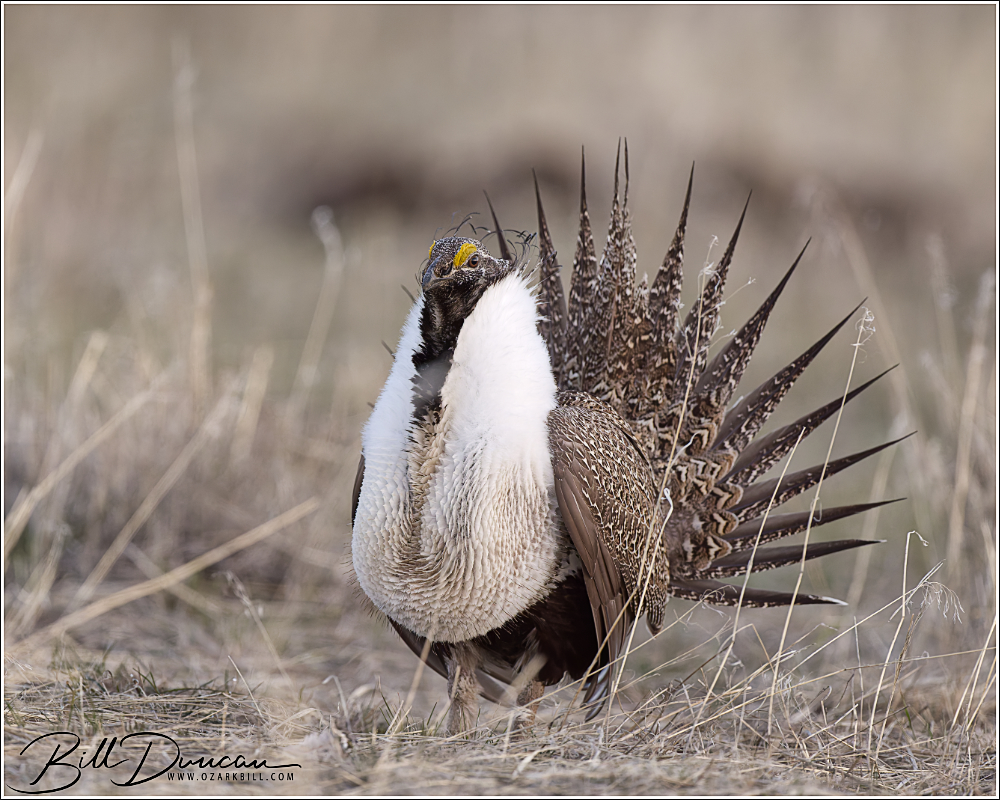
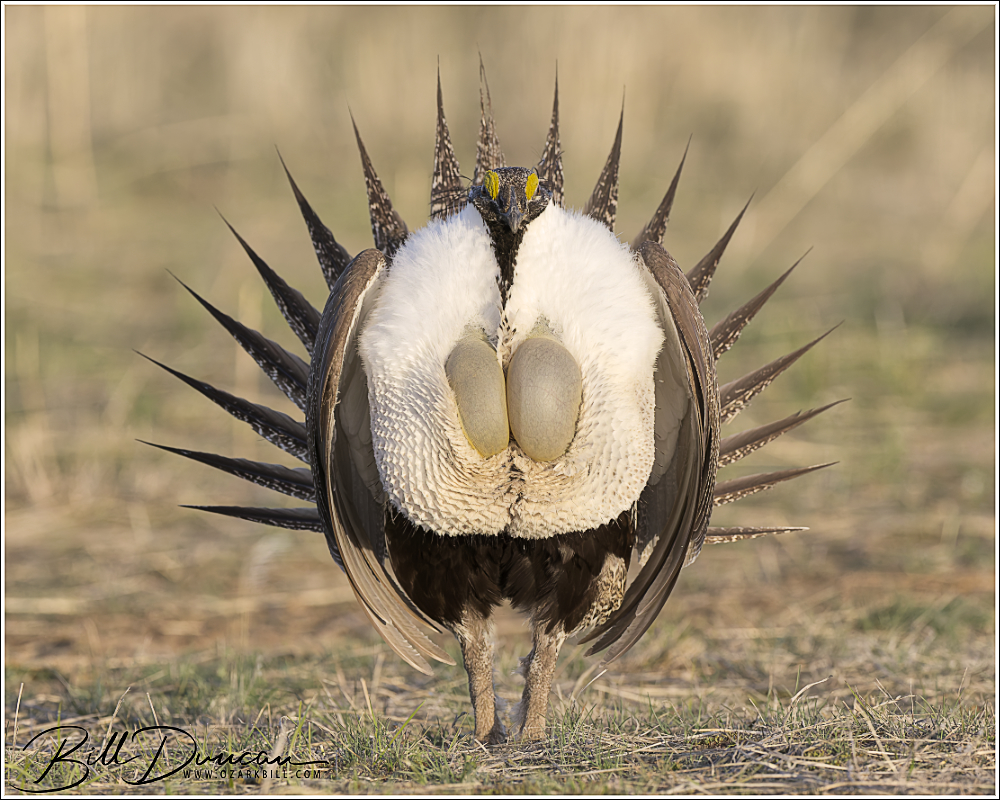
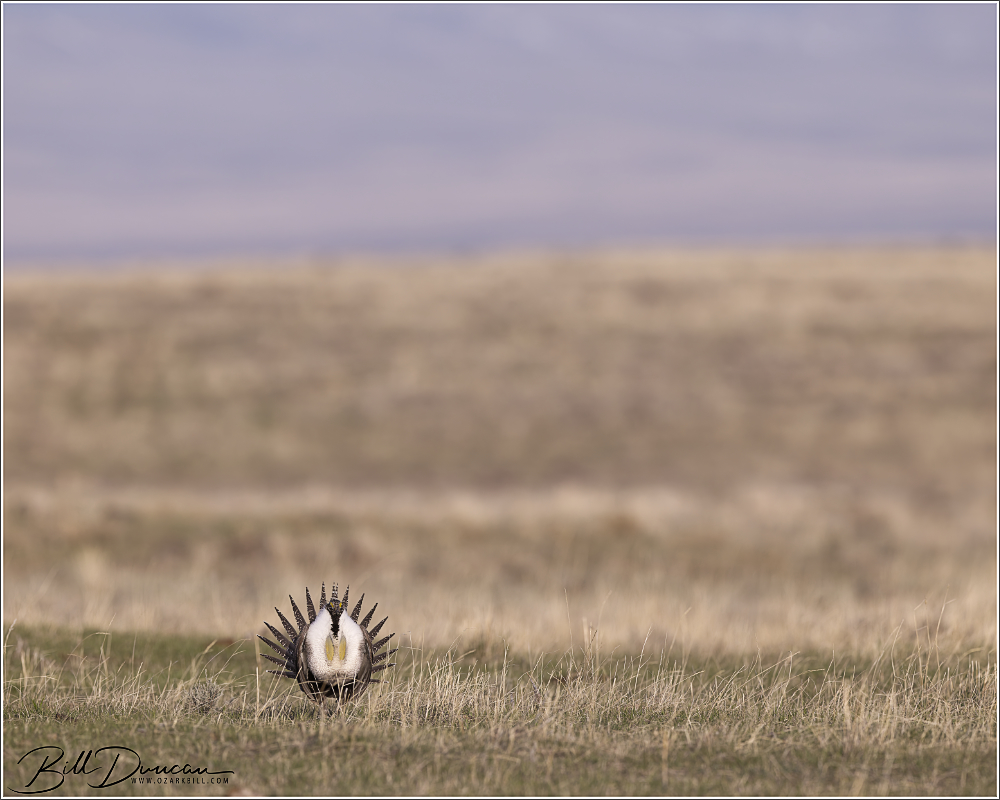
Greater Sage-Grouse mid display
Enter a friend named Steve Jones. Steve has been monitoring and photographing GSGR leks in southern Idaho and volunteered to show us to a nice lek if we were willing to make the trip. We did and were rewarded with three beautiful mornings on a lek with up to 200 birds each day! Words can’t express the appreciation I have for Steve and we all offer our thanks for his help in this endeavor.
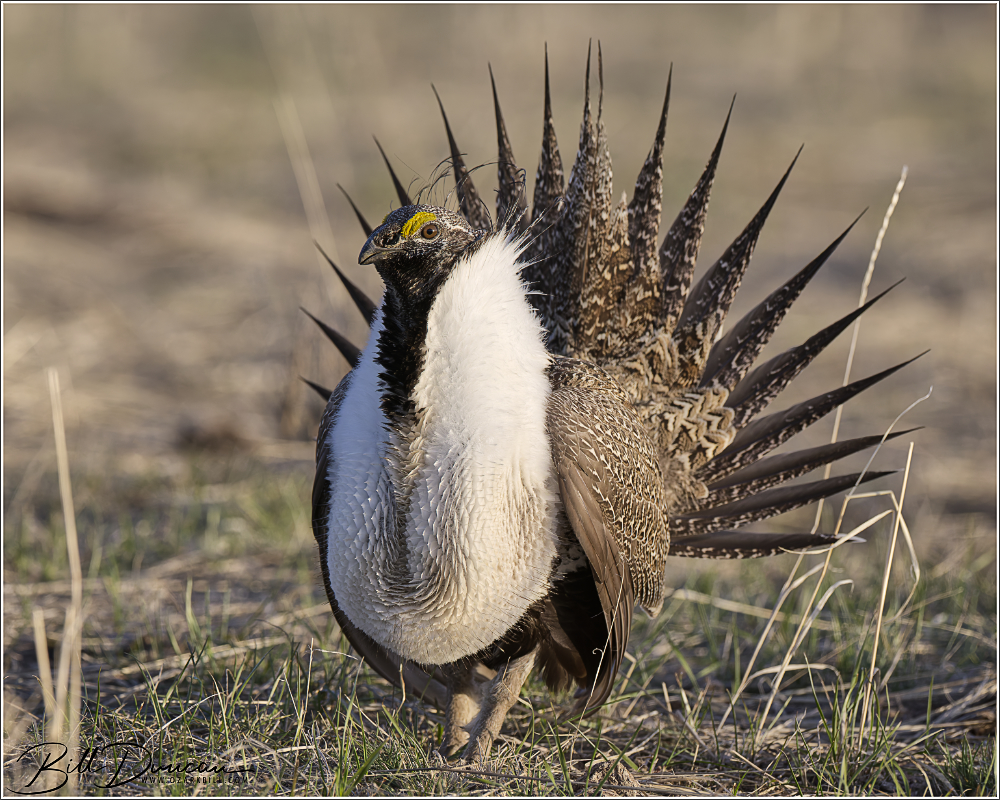
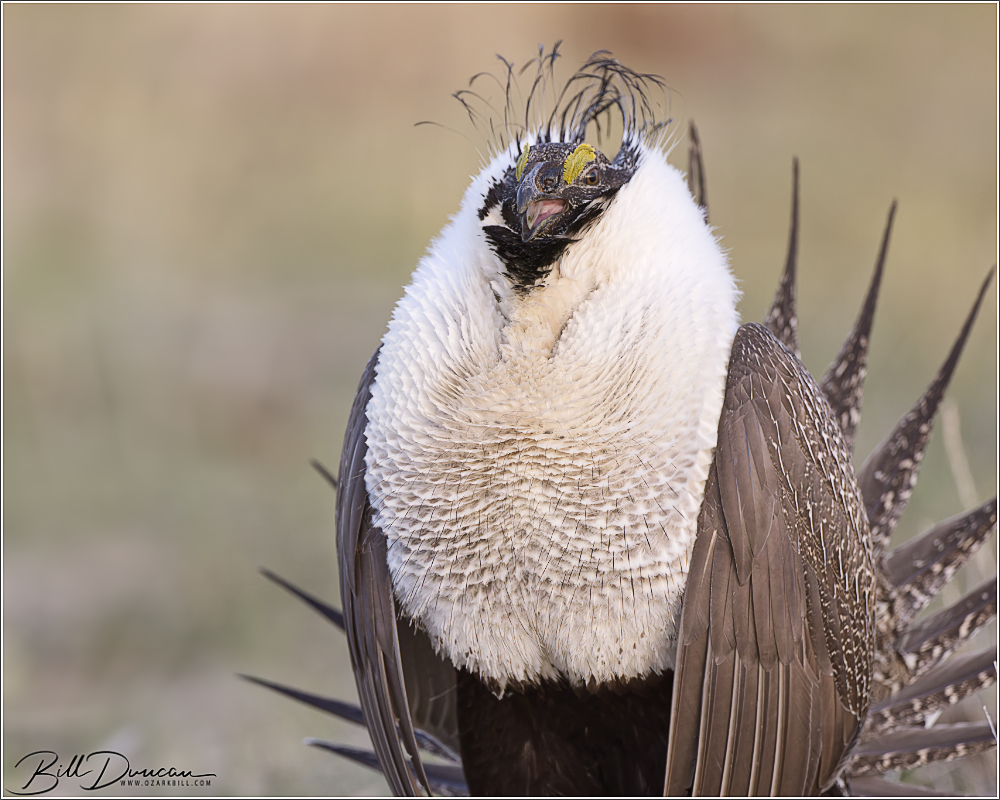
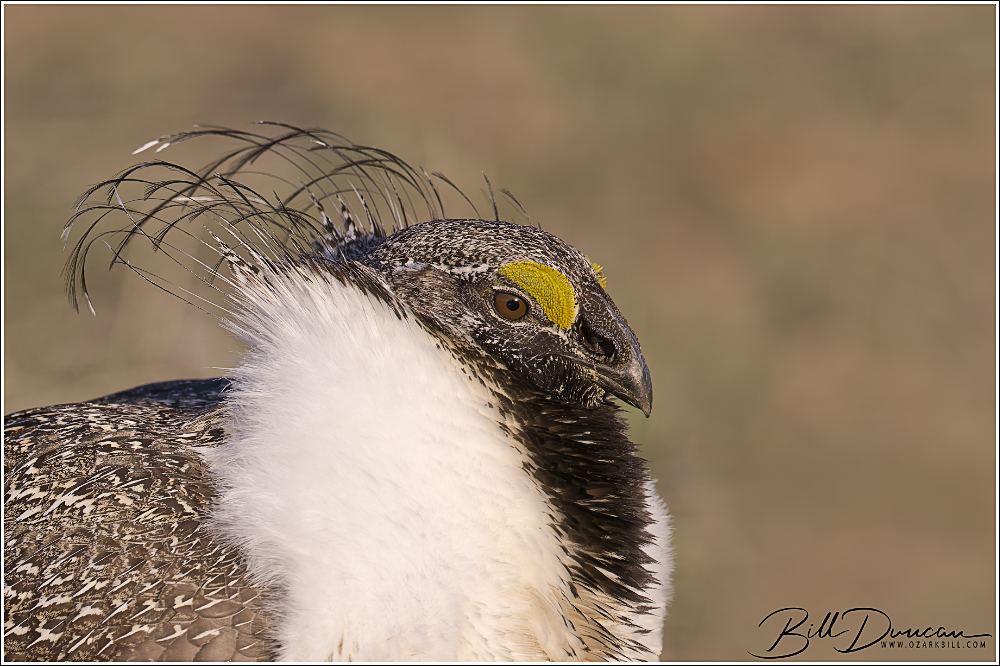
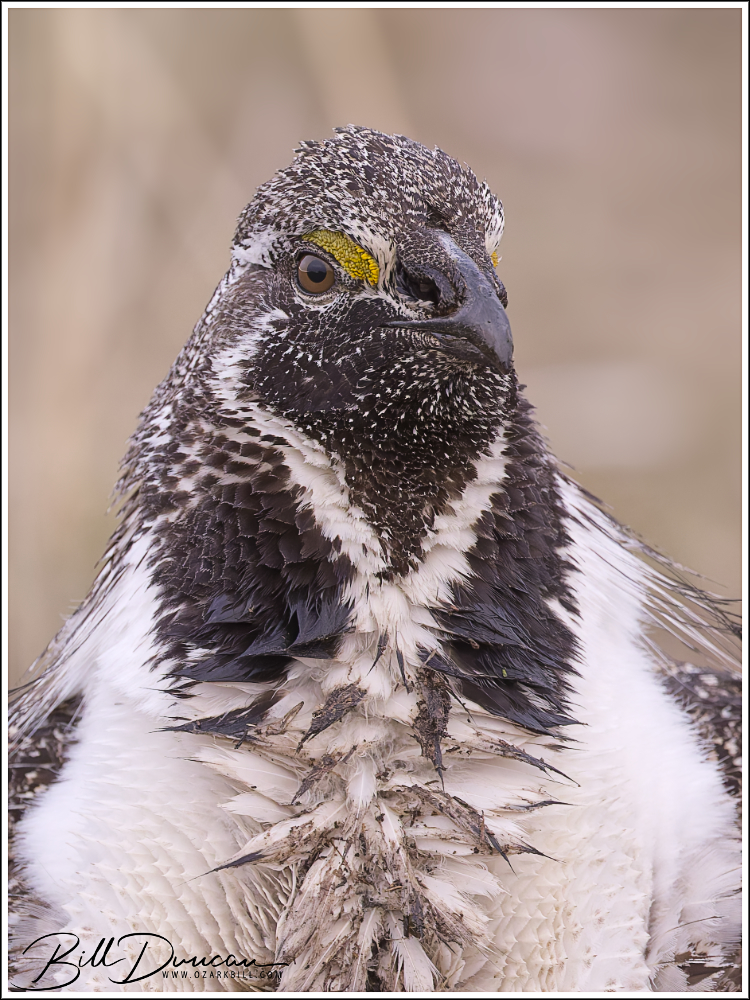
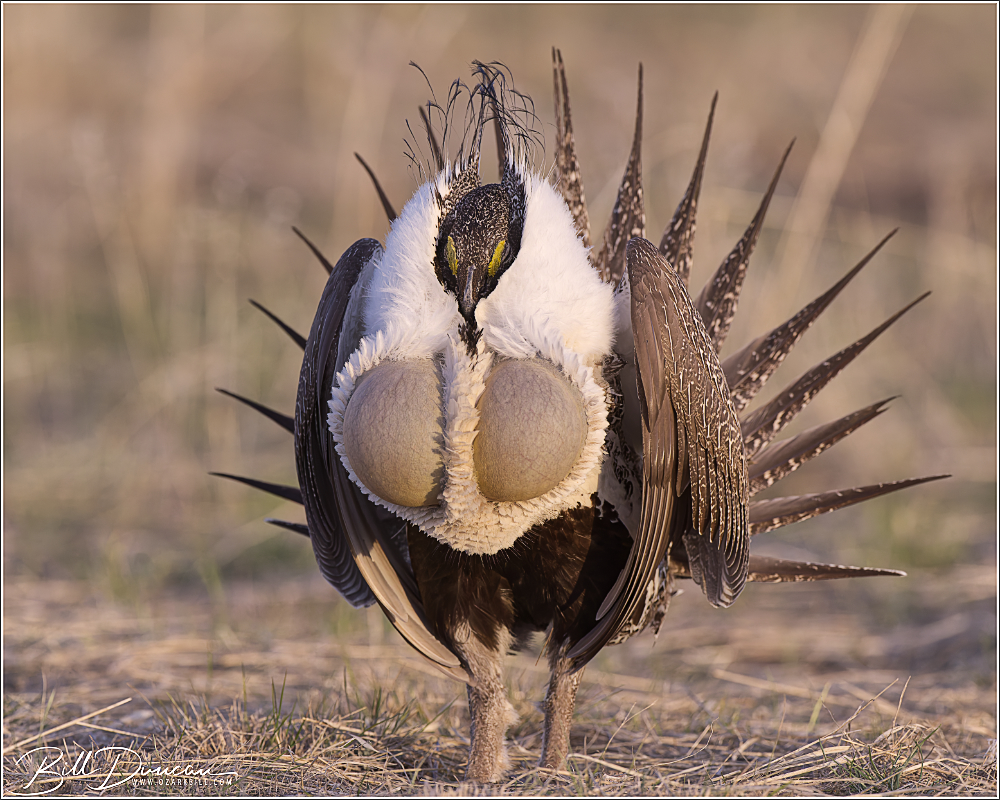
Portrait of a handsome male Greater Sage-Grouse
Spring weather at these western high elevation locations can be quite variable. We were quite fortunate on this trip that temperatures were moderate and we had almost no precipitation to speak of. During some springs snowpacks keep mountain roads closed until well into May or June.
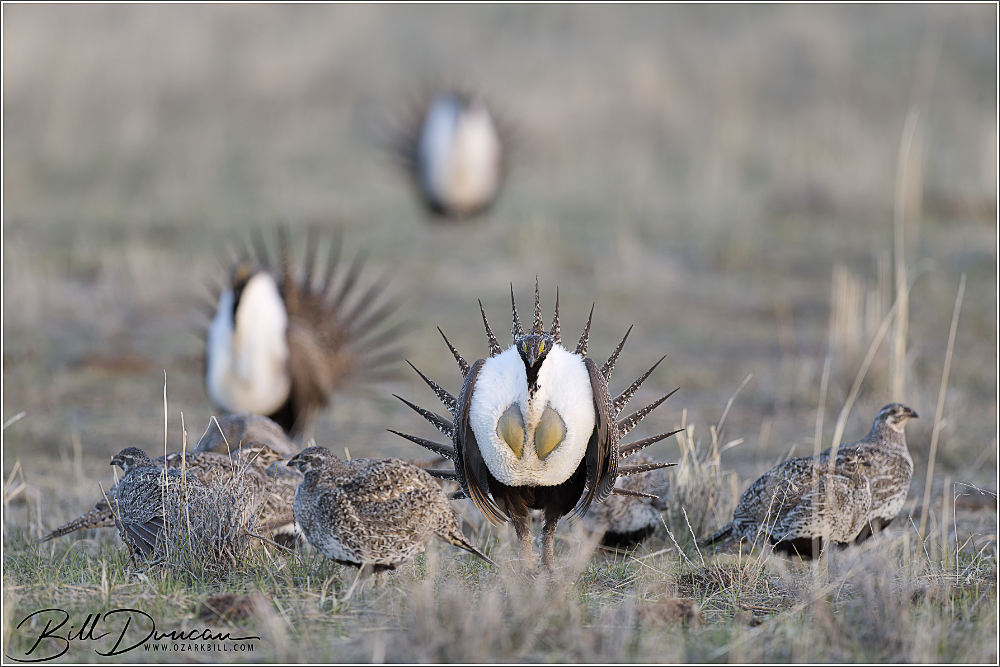
Male Greater Sage-Grouse moving about the lek
The mornings at the lek were unforgettable. But that was not the only highlight of the trip. The birds would typically disperse from the lek between 8:00 and 9:00 each morning, leaving the rest of the day for us to explore other opportunities, typically in search of other western bird species. The problem here is the vast expanse of the west. Points of interest in this area were drives typically 100 – 300 miles from our base and by the end of the trip, Dave had put approximately 3,500 miles on his brand-new Subaru. I’ll share photos and stories of these side trips later. First, let’s discuss this fantastic grouse and view some more photography.
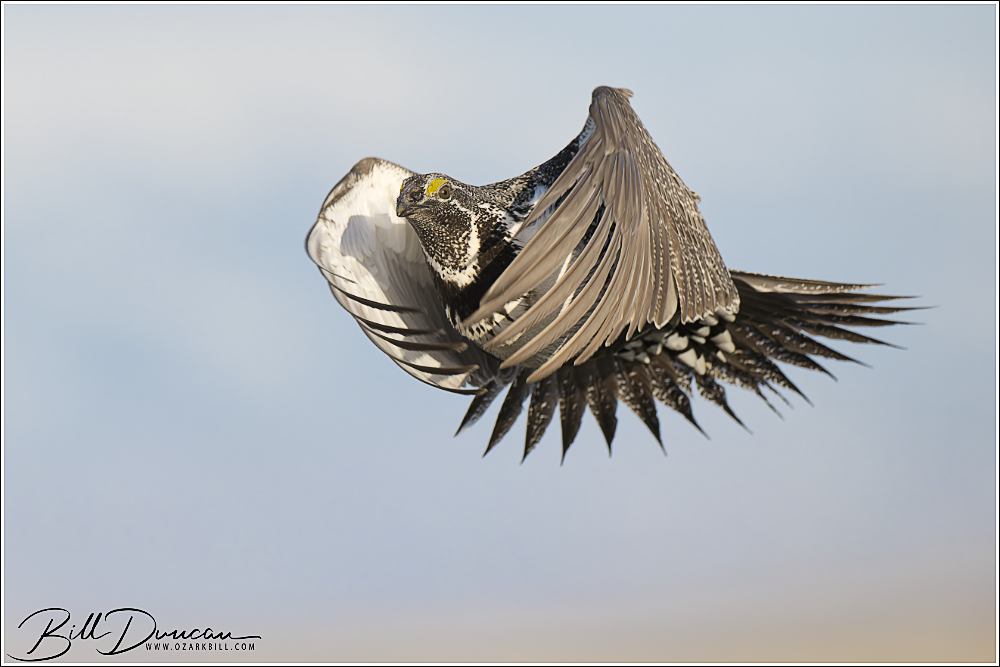
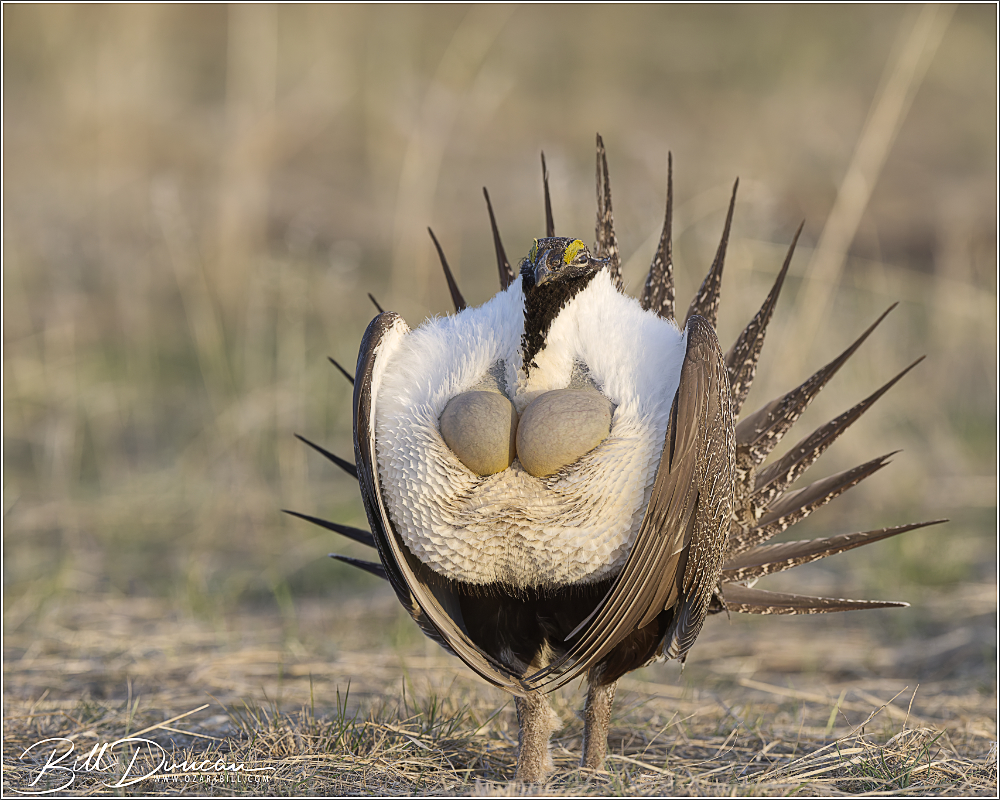
The moment of the pop!
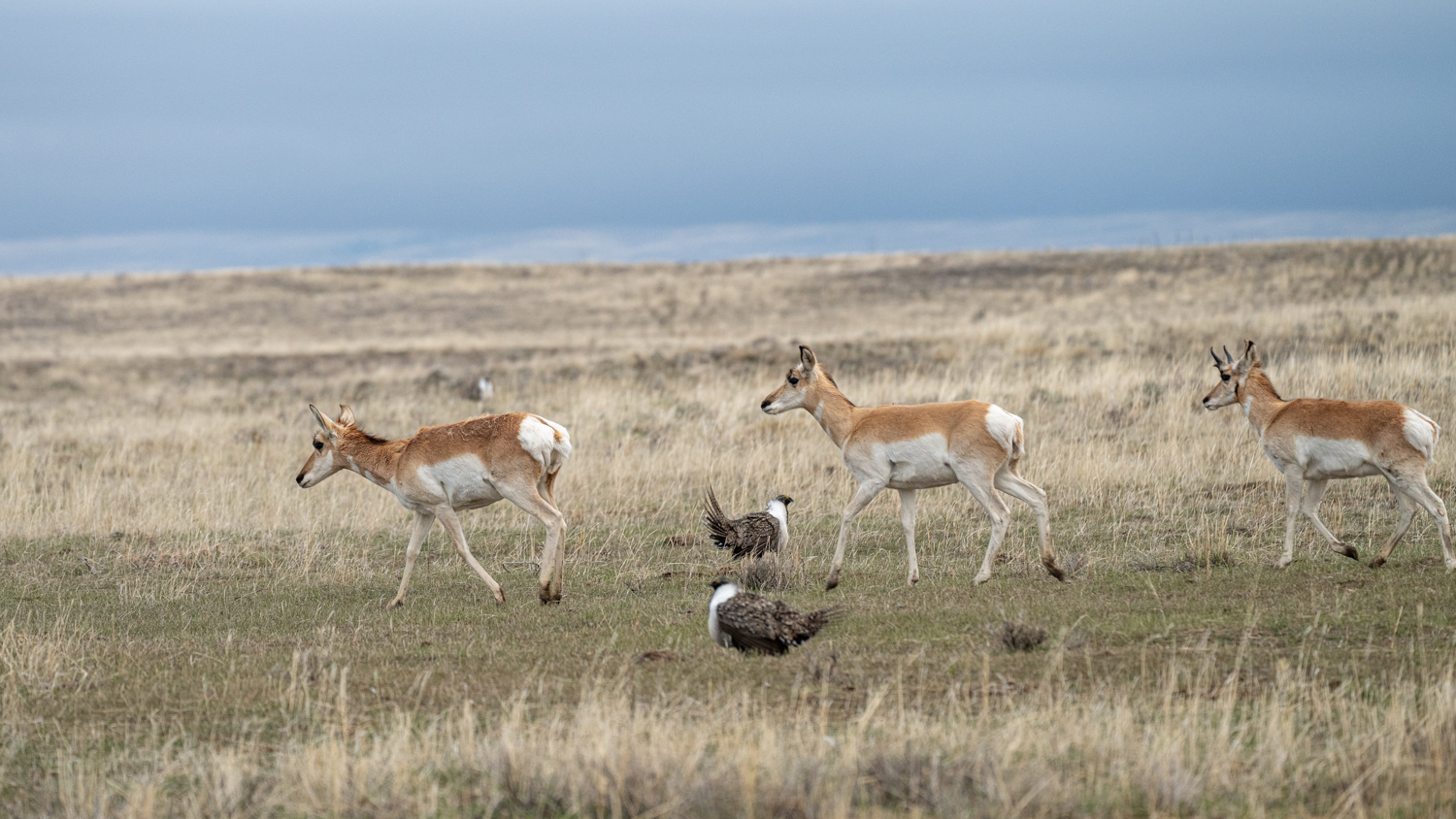
We were in for some nice surprises while waiting on the lek each morning. A few times a small number of pronghorn antelope would show up, even moving through the middle of the lek!
Antelope moving through Greater Sage-Grouse lek Photo by David Seidensticker
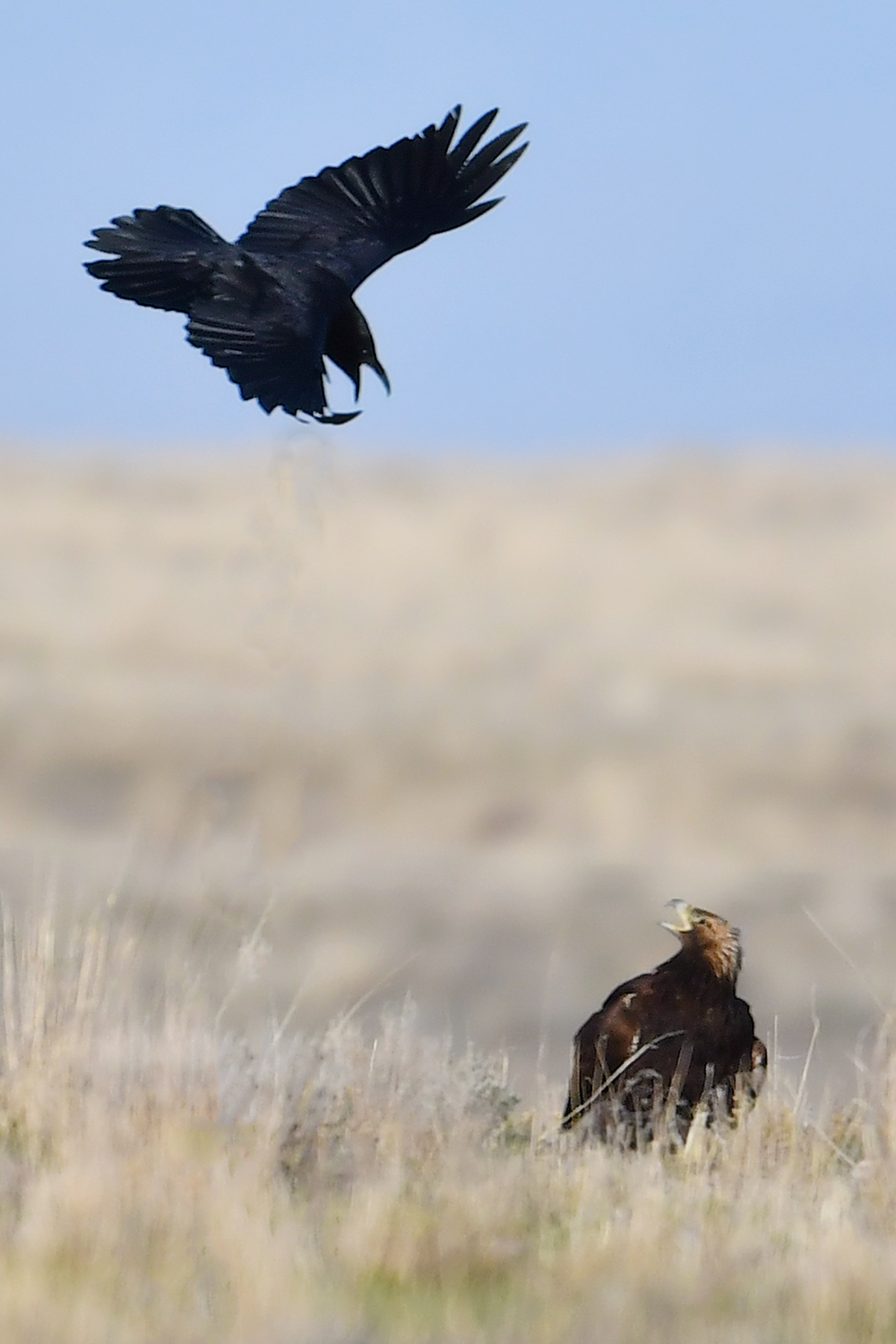
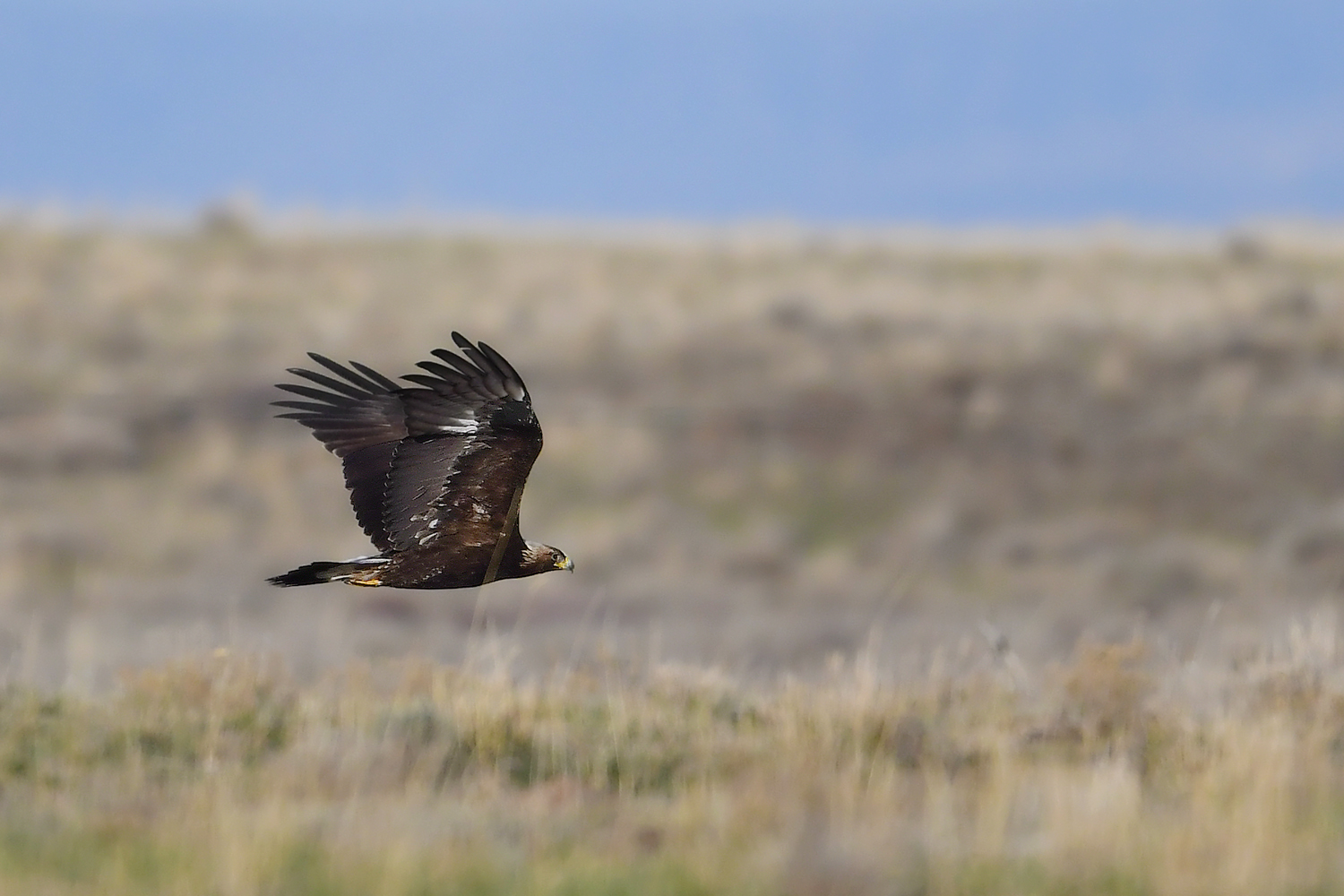
Golden Eagles, Long-billed Curlews and Rough-legged Hawks were also seen while we were sitting on the lek.
Photos of Golden Eagle by Casey Galvin
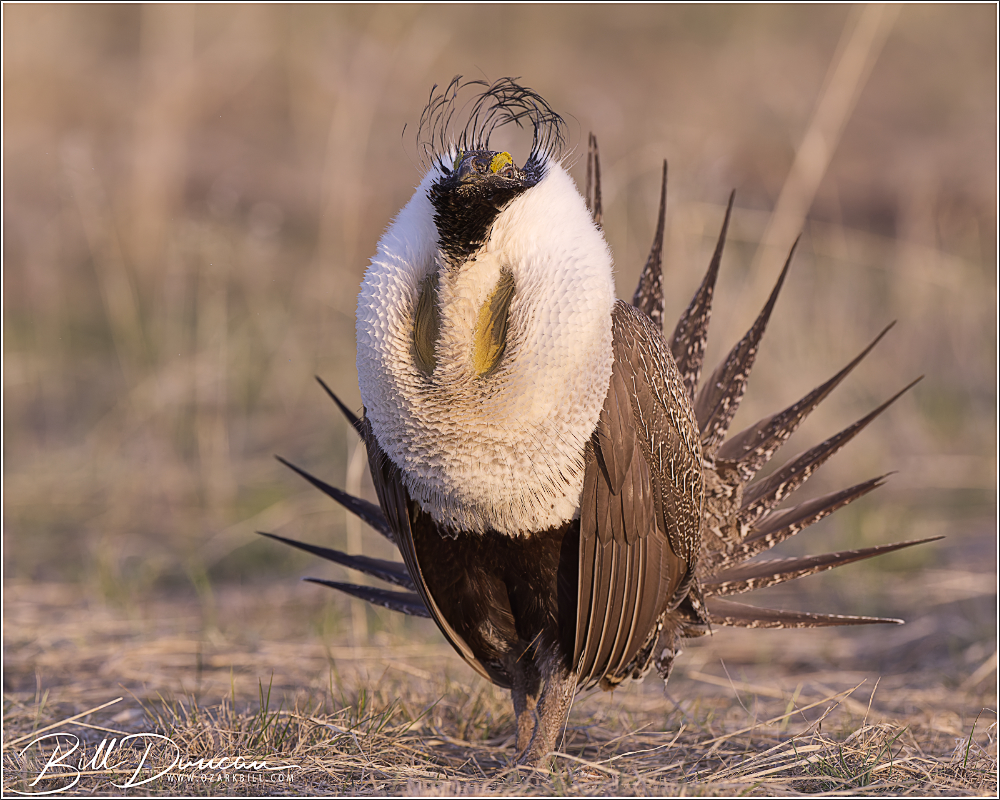
Strutting Greater Sage-Grouse
For lack of a better place to put this, I want to share some video I took at the lek. If you don’t care to read further, please do have a click on the video to hear what the lek sounded like and watch some of the courtship and mating behaviors of these birds. I highly recommend you watch this in full 4K resolution in YouTube!
The Natural History and Biology of the Greater Sage-Grouse
The Greater Sage-Grouse (Centrocercus urophasianus) is the largest grouse species in North America and an iconic inhabitant of the sagebrush steppe ecosystems of the western United States and parts of Canada. Renowned for its unique mating rituals and dependence on sagebrush habitat, the GSGR has become a focal point for conservation efforts due to habitat loss and declining populations.
Dirty male Greater Sage-Grouse
Habitat and Range
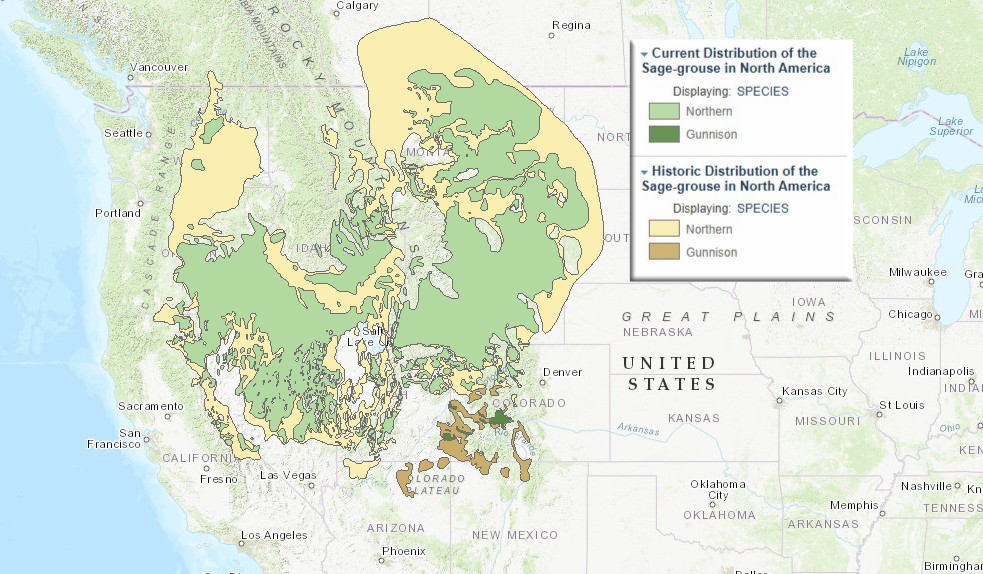
The GSGR is inextricably linked to the sagebrush biome. This bird relies on large, contiguous tracts of sagebrush for all stages of its life cycle. Sagebrush provides critical cover and a primary food source, especially in winter when the birds feed almost exclusively on sagebrush leaves. The range of the GSGR once extended across 13 U.S. states and three Canadian provinces, but it has since diminished significantly due to agricultural expansion, energy development, and other human activities that fragment their habitat.
Map showing current versus historical range of the GSGR.
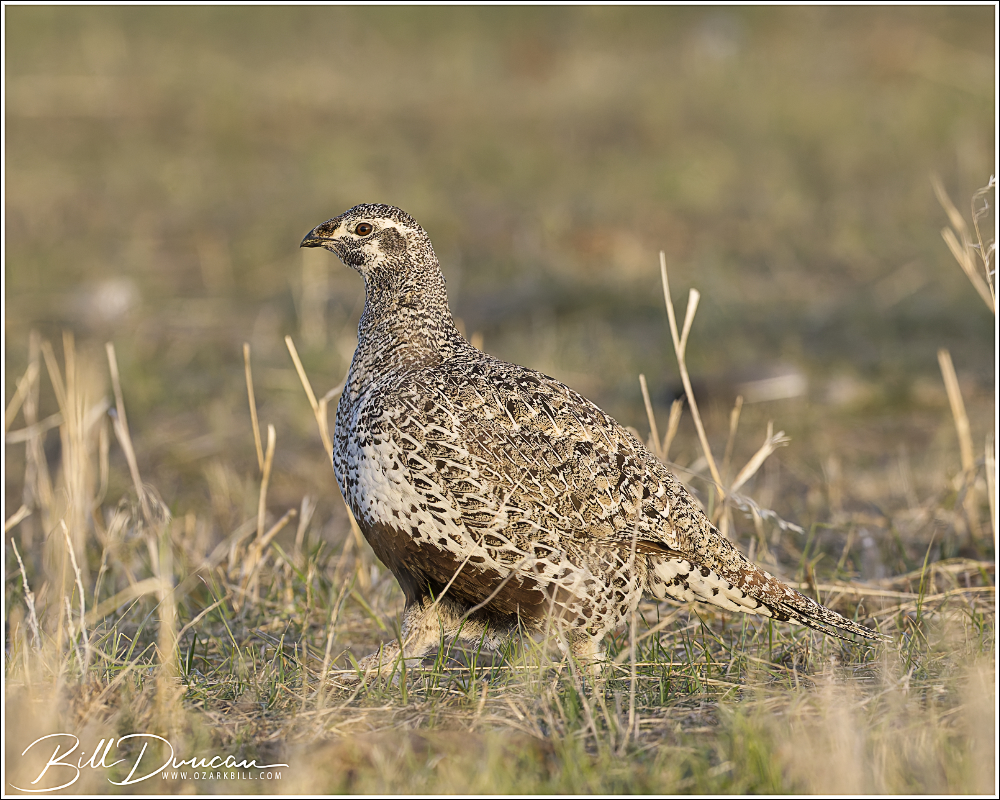
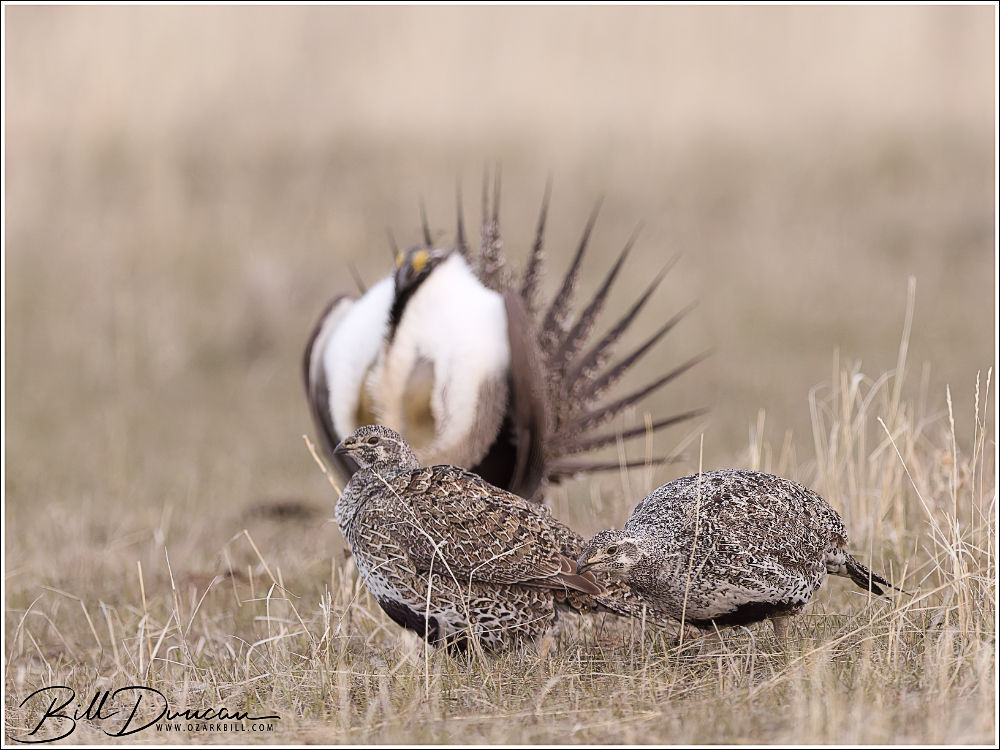
Female Greater-Sage Grouse
Biology and Diet Greater Sage-Grouse are ground-dwelling birds with a robust build and mottled brown, white, and black plumage that provides excellent camouflage in their arid environment. Males are significantly larger than females and are distinguished by their elaborate courtship plumage, including a white ruff around the neck and yellow air sacs on the chest.
Their diet varies seasonally. During spring and summer, they consume a mix of forbs (herbaceous flowering plants) and insects, which are particularly important for chicks. In fall and winter, their diet shifts almost entirely to sagebrush, highlighting the plant’s importance to their survival.
Greater-Sage Grouse displaying male
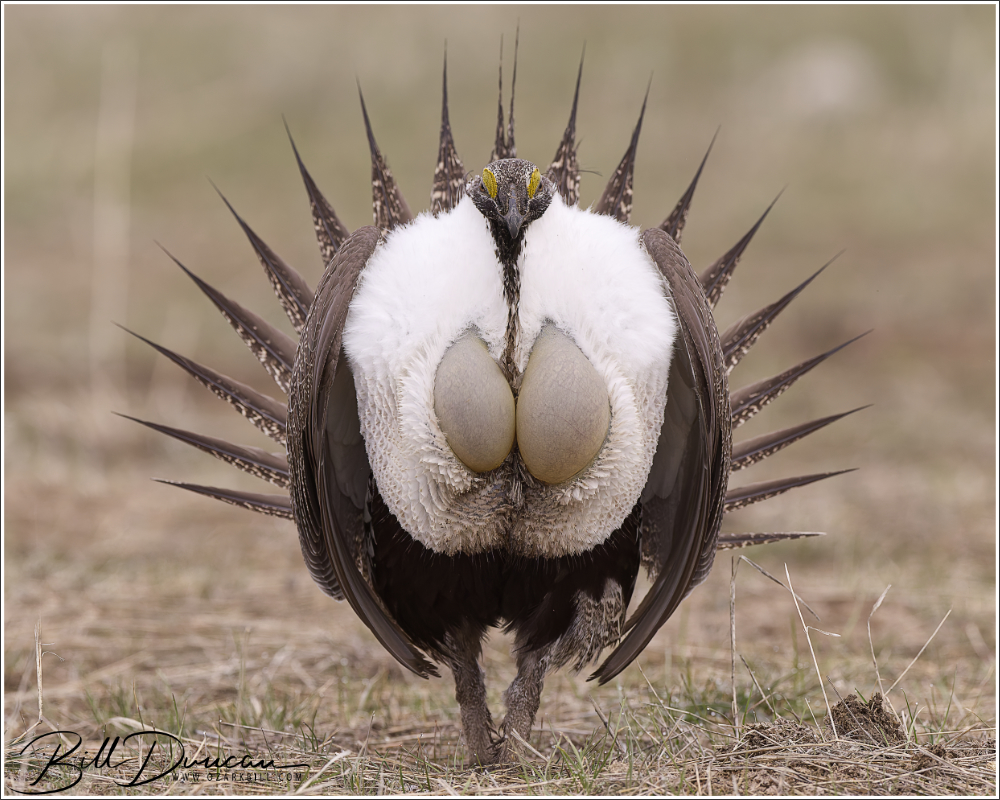
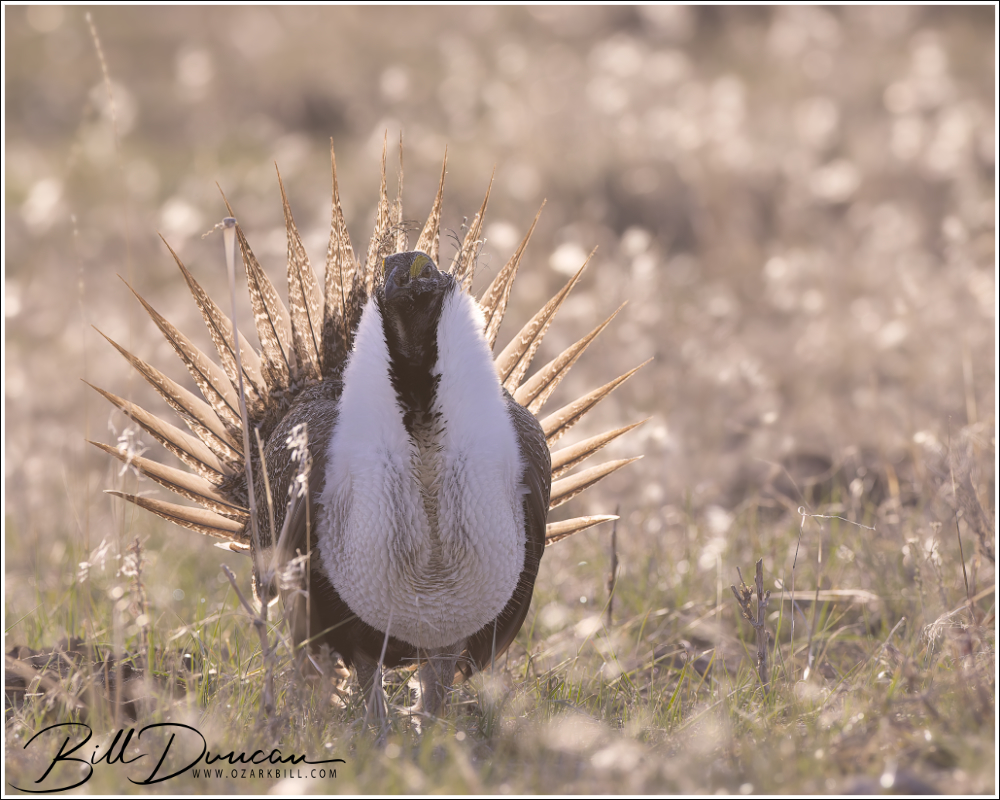
Mating Behavior and Leks One of the most remarkable aspects of the GSGR’s biology is its mating behavior, which takes place on “leks.” A lek is an open area where males gather each spring to perform elaborate courtship displays aimed at attracting females. These displays are both visual and auditory. Males puff up their chests, fan their tail feathers like a turkey, and inflate and deflate their air sacs, producing a distinctive series of popping and warbling sounds. As can be heard in the accompanying video, there are also whistling sounds produced. These sounds are created during their display as the males thrust their inflated vocal sacs, which are covered in short and bristly feathers, against their wing feathers.
Male Greater Sage-Grouse with inflated vocal sacs
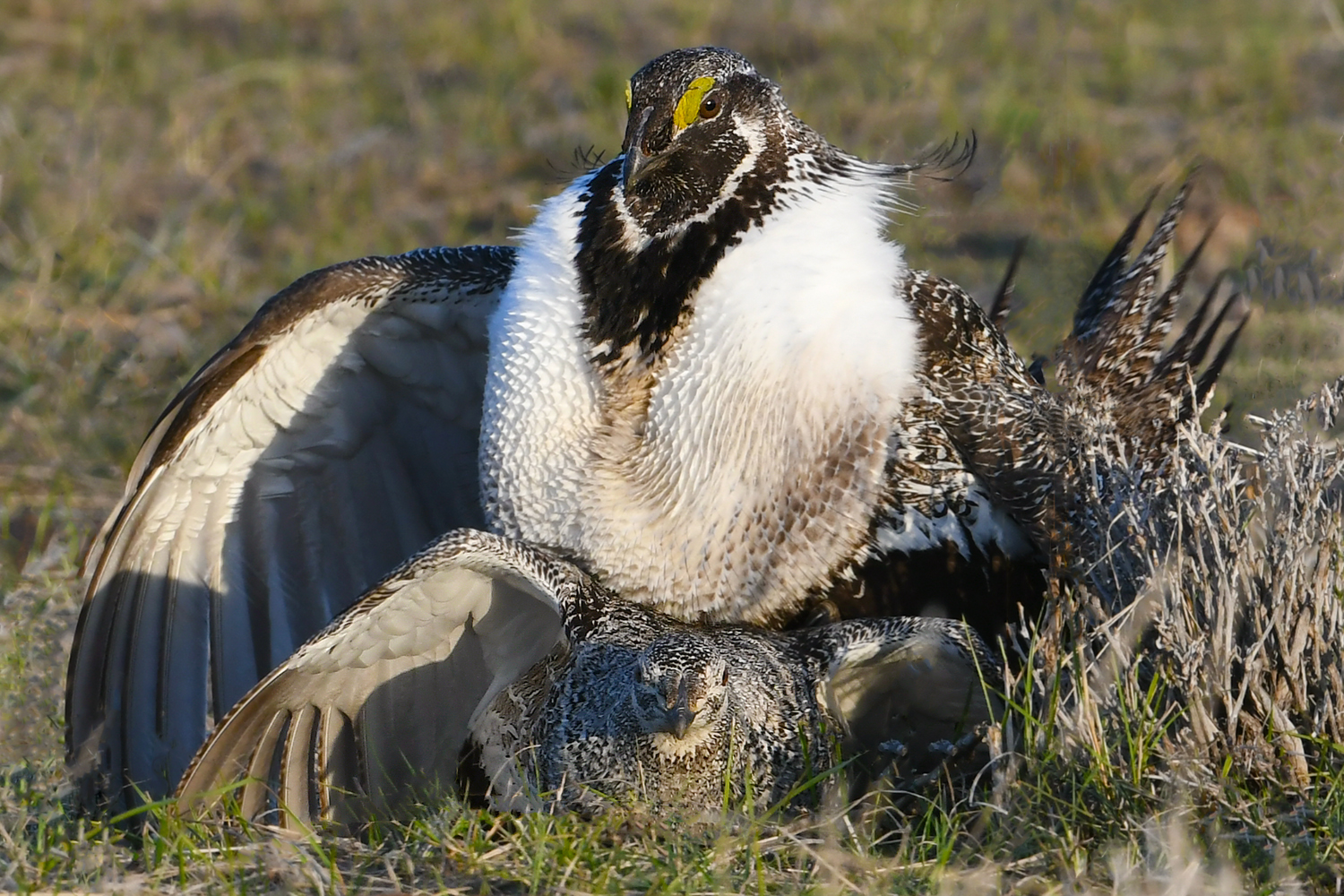
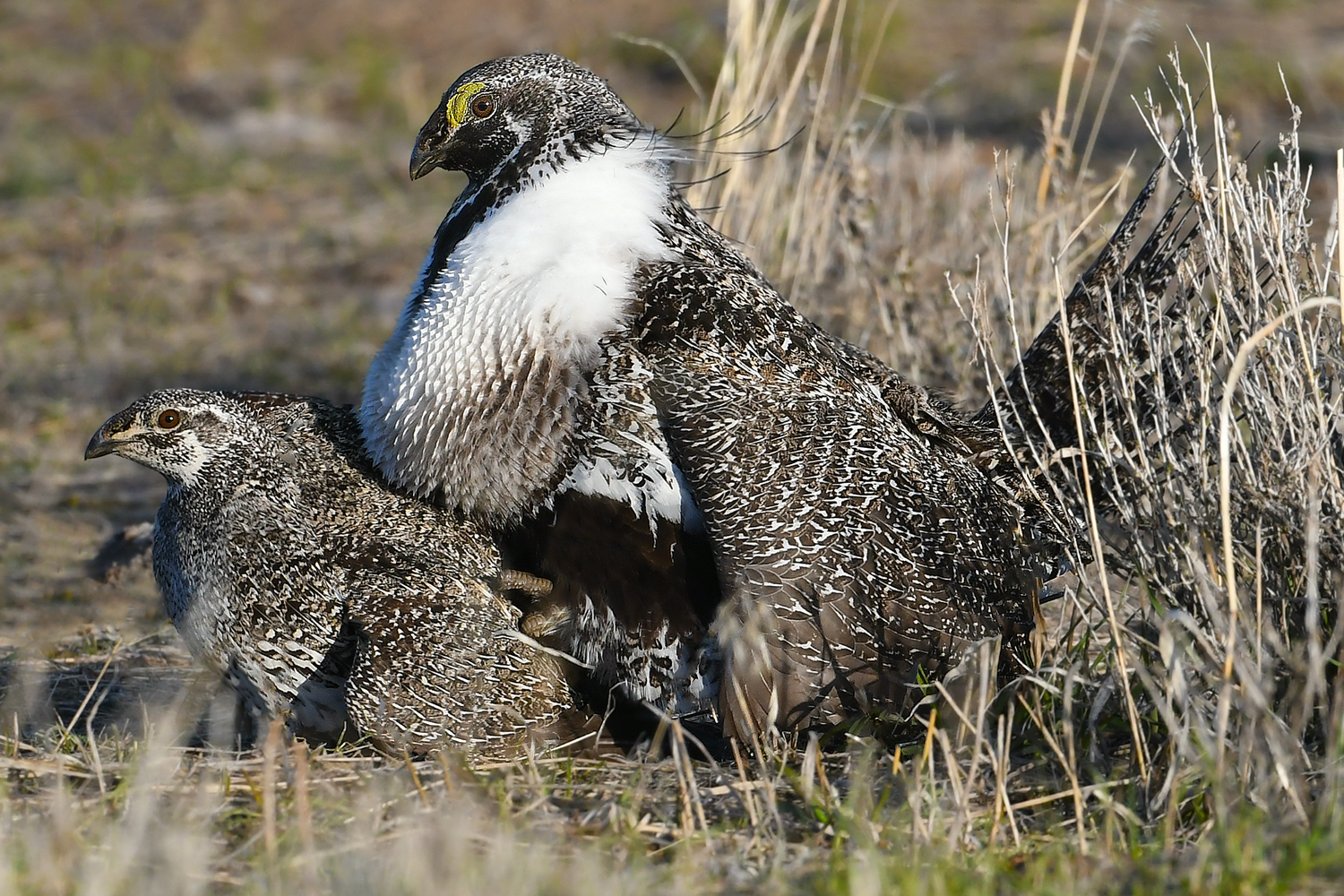
Mating success on the lek is highly skewed, with a few dominant males securing the majority of matings. Females visit the lek, observe the displays, and select mates based on display vigor, plumage quality, and lek-territory location. After mating, females leave the lek to nest and raise their young independently, typically within several kilometers of the lek site.
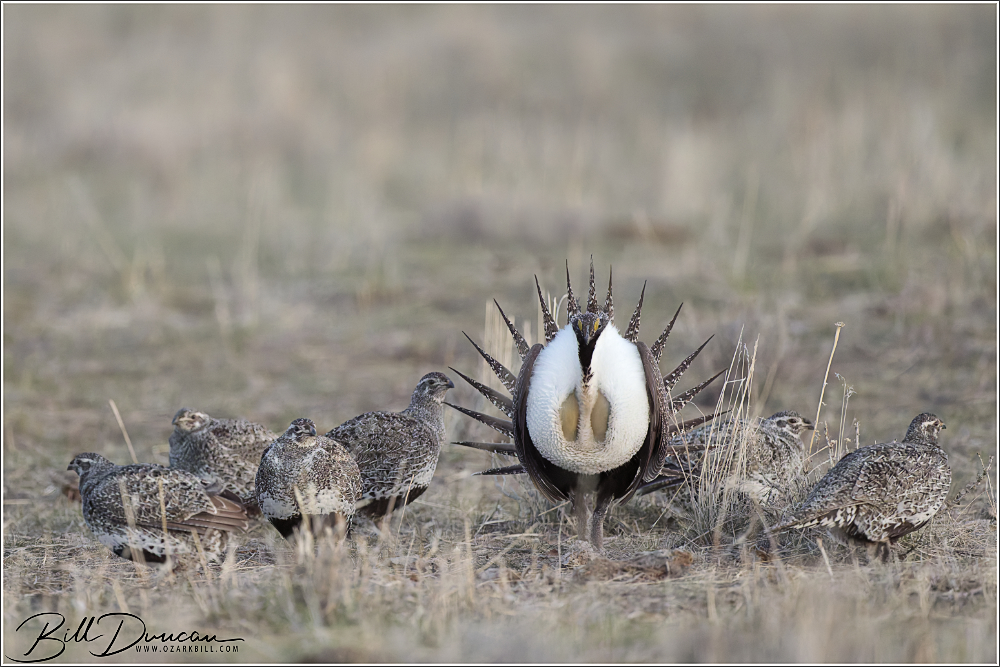
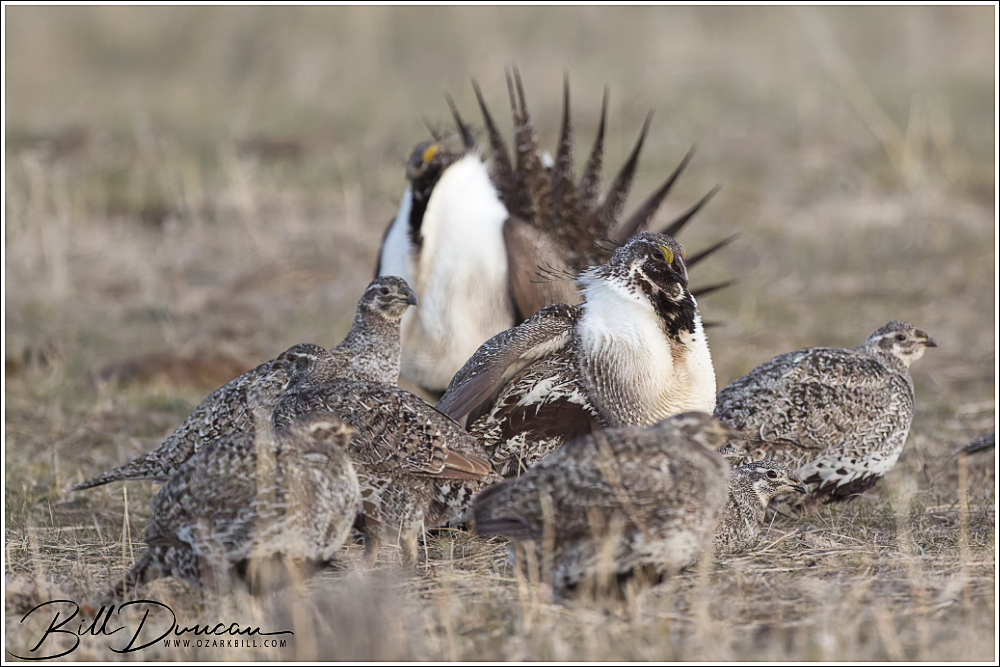
Females are always attracted to the coolest guys
Reproductive Biology After mating, female GSGR take full responsibility for reproduction. They build nests as shallow depressions in the ground, usually beneath the protective cover of sagebrush or tall grasses. A typical clutch consists of 6 to 10 eggs, which the female incubates for approximately 25 to 29 days. During this time, she remains well-camouflaged and vigilant to avoid predation.
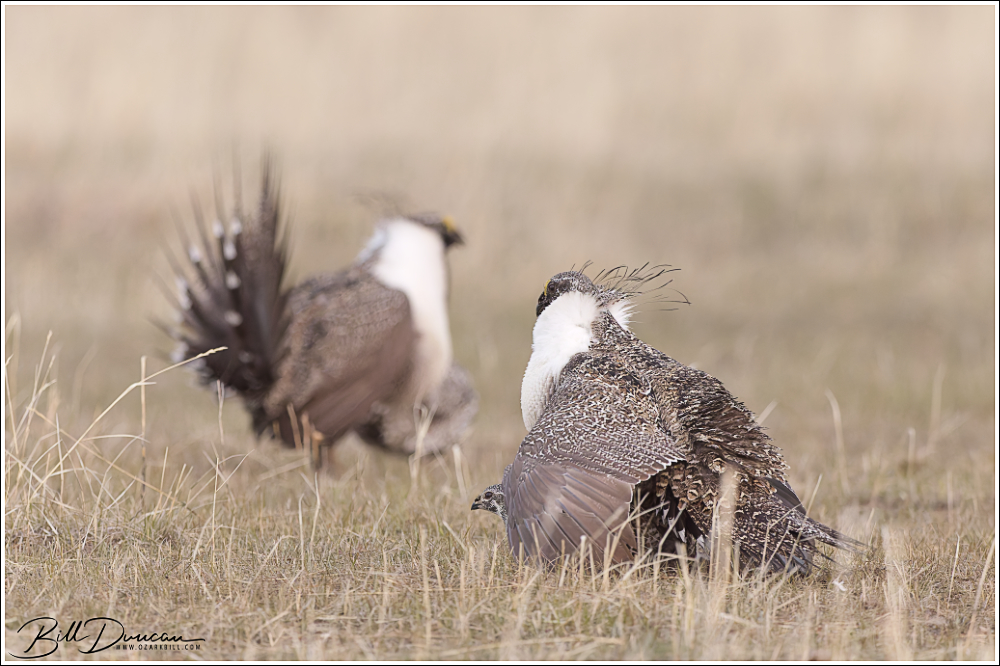
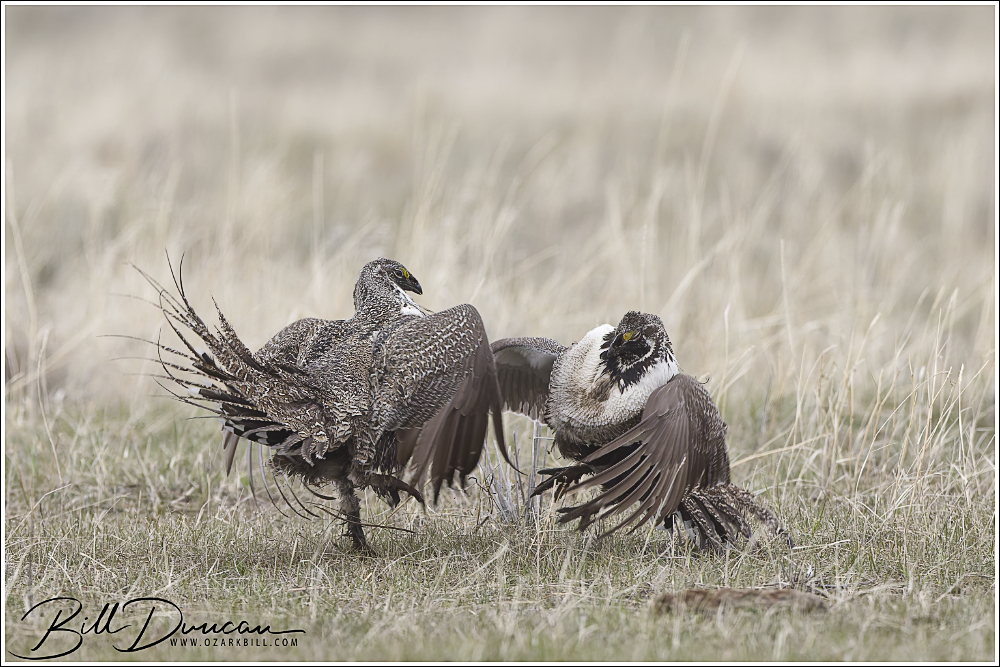
Male Greater Sage-Grouse do not seem to fight as often or as vigorously as other grassland Galliformes. When they do, it often is the equivalent of a slap fight.
Once hatched, chicks are precocial, meaning they can walk and feed themselves shortly after birth. However, they still depend heavily on the mother for warmth and protection during the early weeks. The diet of young chicks includes a variety of insects and forbs, which are high in protein and essential for growth. Brood-rearing habitats with a diverse and abundant understory are crucial for chick survival.
Mating Greater-Sage Grouse Photo by Casey Galvin
As with all of our ground-based Galliformes, survival rates for chicks are low, with the highest mortality occurring within the first few weeks due to predation, weather, and limited food resources. Females may re-nest if the first nest is lost early in the season, but reproductive success is highly influenced by environmental conditions and habitat quality.
Mating Greater-Sage Grouse Photo by Casey Galvin
Greater Sage-Grouse reach sexual maturity at about one year of age, though young males are usually less successful in mating compared to older, more dominant individuals. Females may live up to ten years and usually return to the same nesting areas each season if habitat conditions remain favorable.
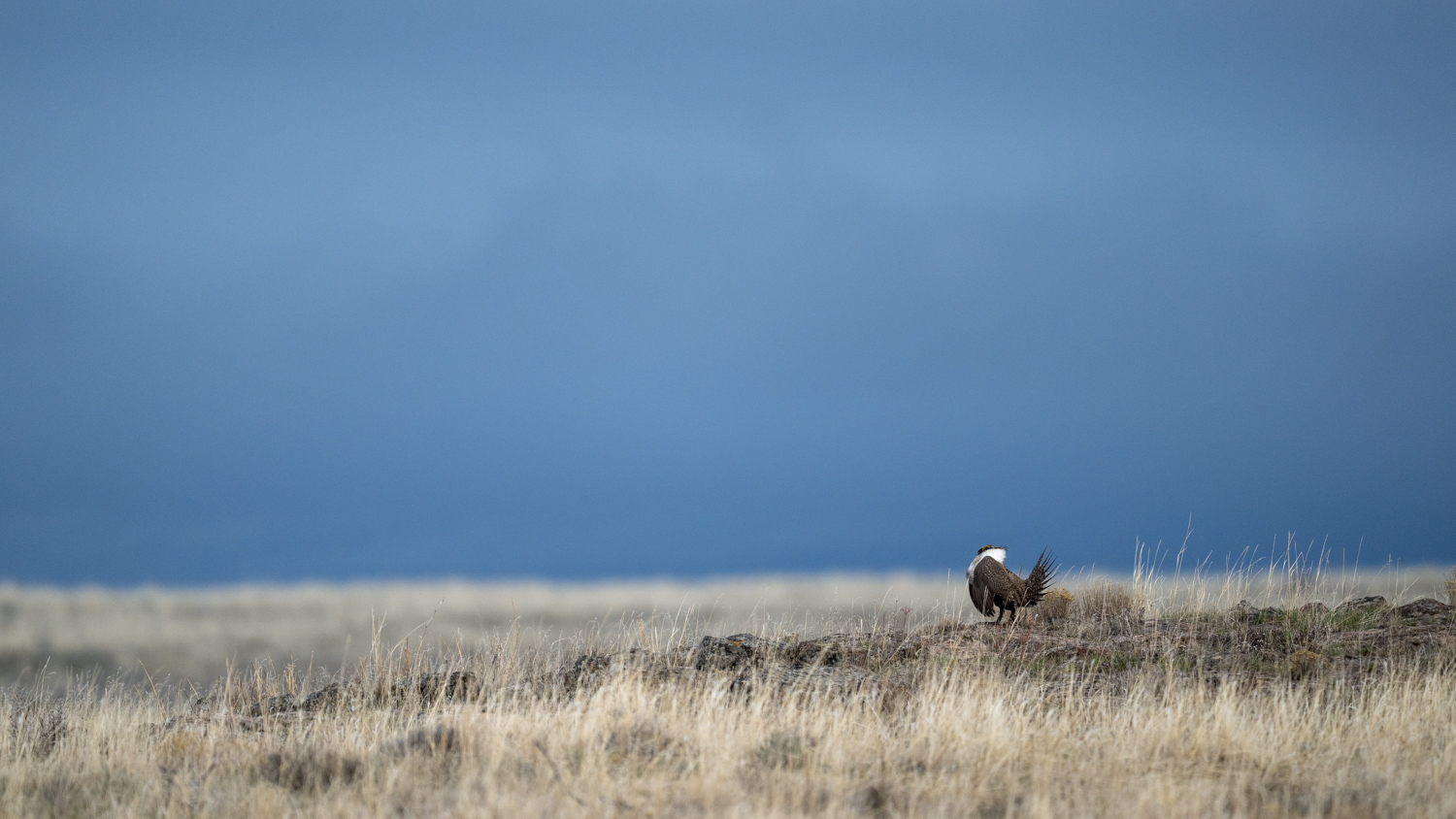
Backlit strutting Greater Sage-Grouse
Conservation Status and Efforts Populations of the GSGR have been declining for decades, primarily due to habitat degradation. Fragmentation caused by roads, urbanization, agriculture, and energy infrastructure has greatly reduced suitable habitat. Invasive plant species, altered fire regimes, and climate change further exacerbate these issues.
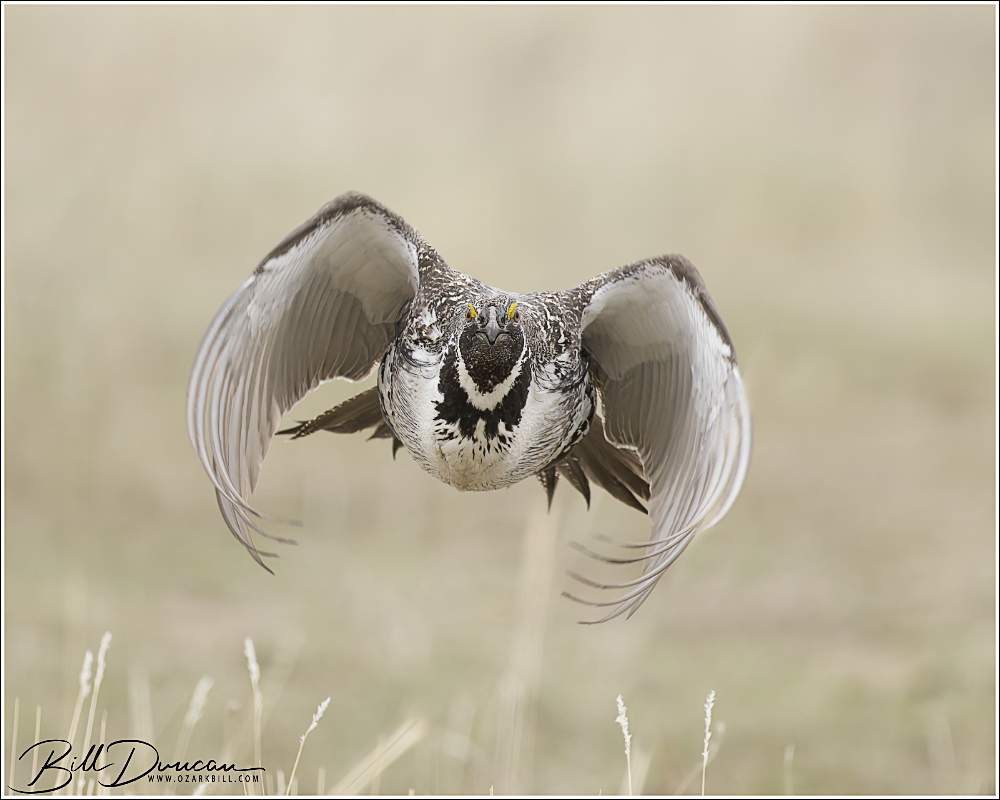
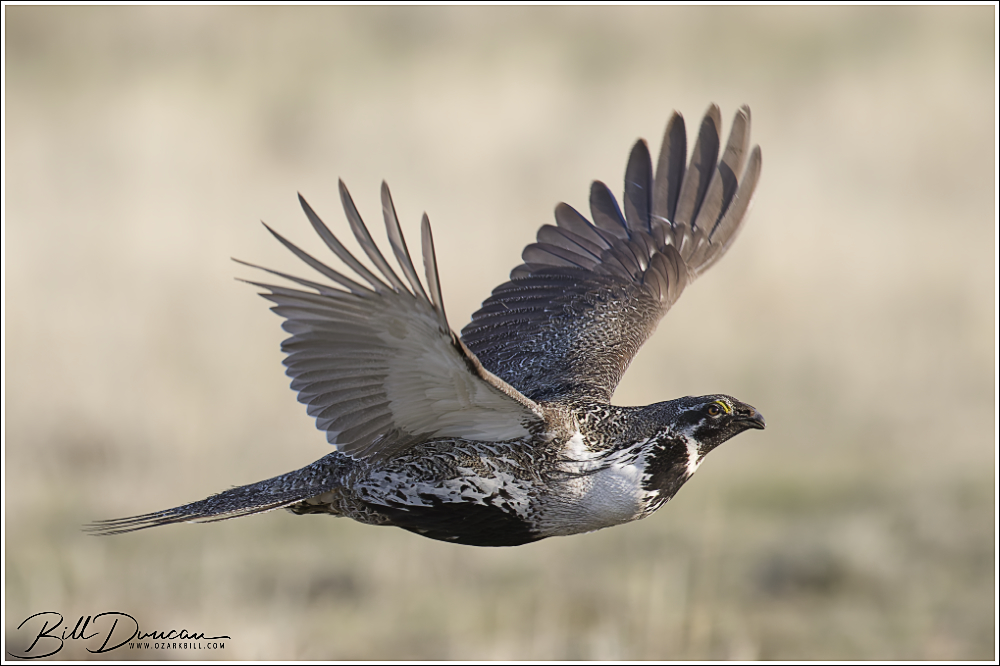
Greater Sage-Grouse
Habitat loss and fragmentation seems to be the universal story for all of our grassland Galliformes. In recent years, Missouri has effectively lost the last remaining populations of Greater Prairie Chickens.
Greater Sage-Grouse on lek
The conservation status of the GSGR has been a matter of significant debate and legal review. As of 2025, the species is not listed under the Endangered Species Act, though it remains a candidate for federal protection and is designated as a species of conservation concern by many state and federal agencies. Several petitions have been filed to list the species, but formal listing decisions have been deferred in favor of state-led and collaborative conservation plans.
Far beyond the satellite males, this guy was at the outer reaches of the lek, “Dancing With Myself” Photo by David Seidensticker
Conservation efforts have focused on a range of strategies:
Habitat Conservation Plans: Many states and federal agencies have implemented habitat conservation and restoration plans that include limiting development in key sage-grouse areas.
The Sage Grouse Initiative: Launched by the USDA’s Natural Resources Conservation Service, this initiative partners with ranchers and private landowners to conserve sagebrush habitat while maintaining productive rangelands.
Protective Land Use Policies: Efforts have been made to limit energy development, road construction, and grazing in core sage-grouse habitats, especially during breeding and nesting seasons.
Research and Monitoring: Long-term monitoring of sage-grouse populations and habitat trends supports adaptive management and informs policy decisions.
Invasive Species and Fire Management: Programs to control invasive plants like cheatgrass and to manage fire regimes help maintain sagebrush integrity.
Male Greater Sage-Grouse
The GSGR is a keystone species of the sagebrush ecosystem and a symbol of the ecological richness of the American West. Its fascinating biology and dramatic mating rituals underscore the importance of conserving the natural habitats on which it depends. Efforts to protect and restore sagebrush landscapes are vital not only for the survival of this iconic bird but also for the broader health of the ecosystem it inhabits.
Greater Sage-Grouse
Side Quests
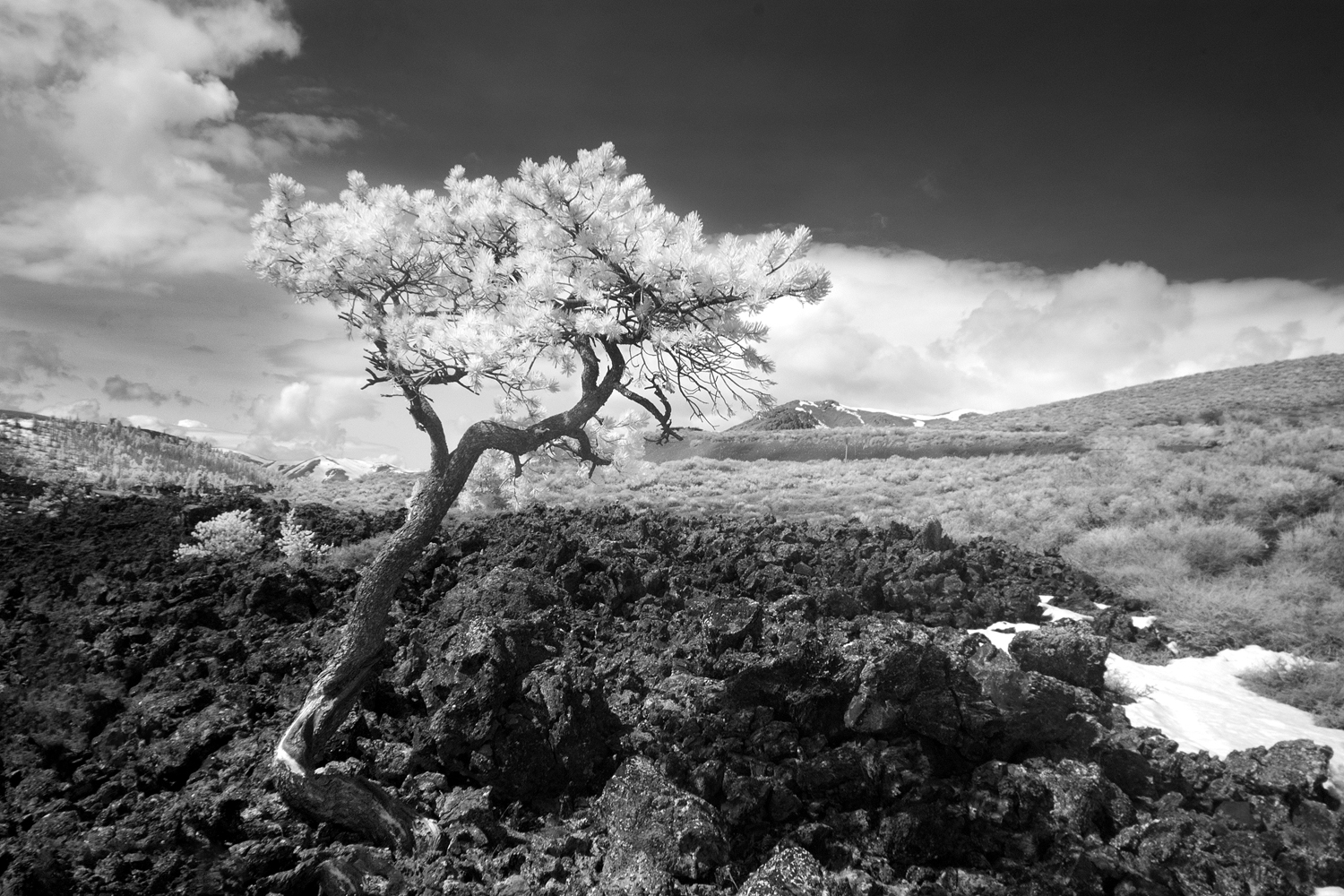
Infrared image taken at Craters of the Moon by Casey Galvin
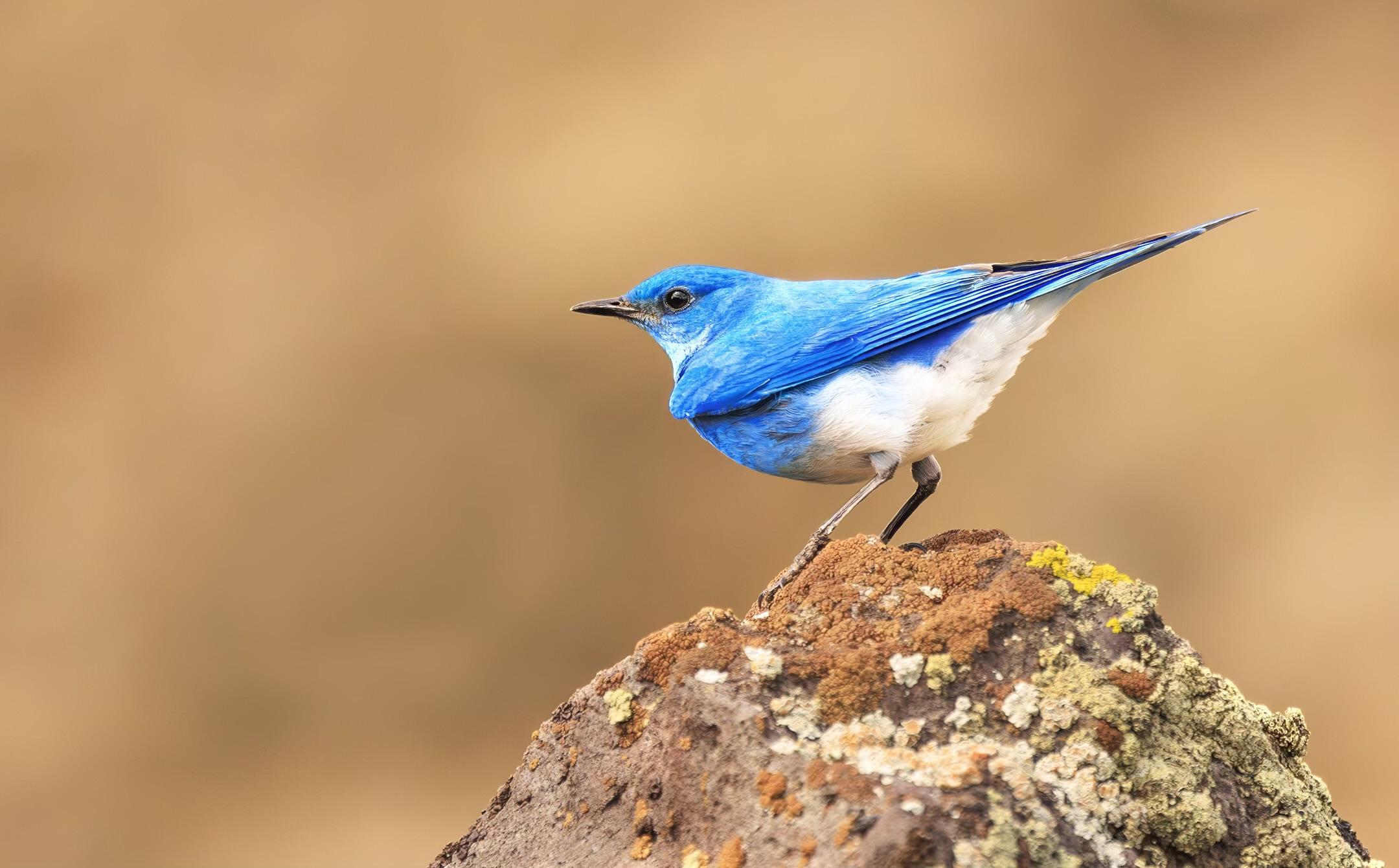
One of our post-lek side quests was to the Craters of the Moon National Monument and Preserve. Based on a tip from Steve, this would be a good location to look for Mountain Bluebird as well as some interesting geologic features and potential landscape opportunities. We did have very brief looks at Mountain Bluebirds but the winds were horrendous on the day of our visit with 40-50 mph sustained speeds. This made birding and photography exhausting and damn near perilous.
Mountain Bluebird Photo by Dan Kirk
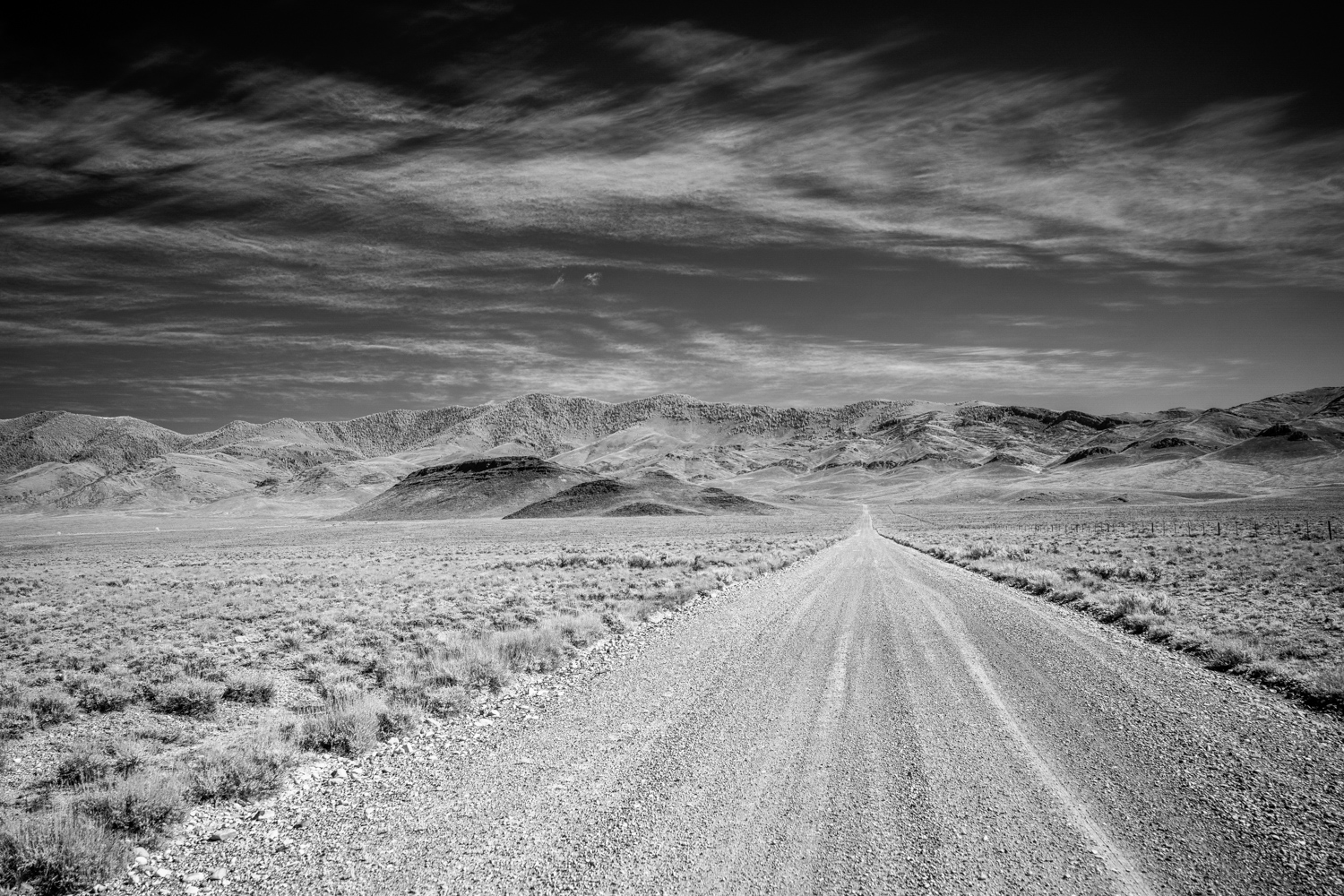
Infrared landscape of sagebrush and foothills Photo by David Seidensticker
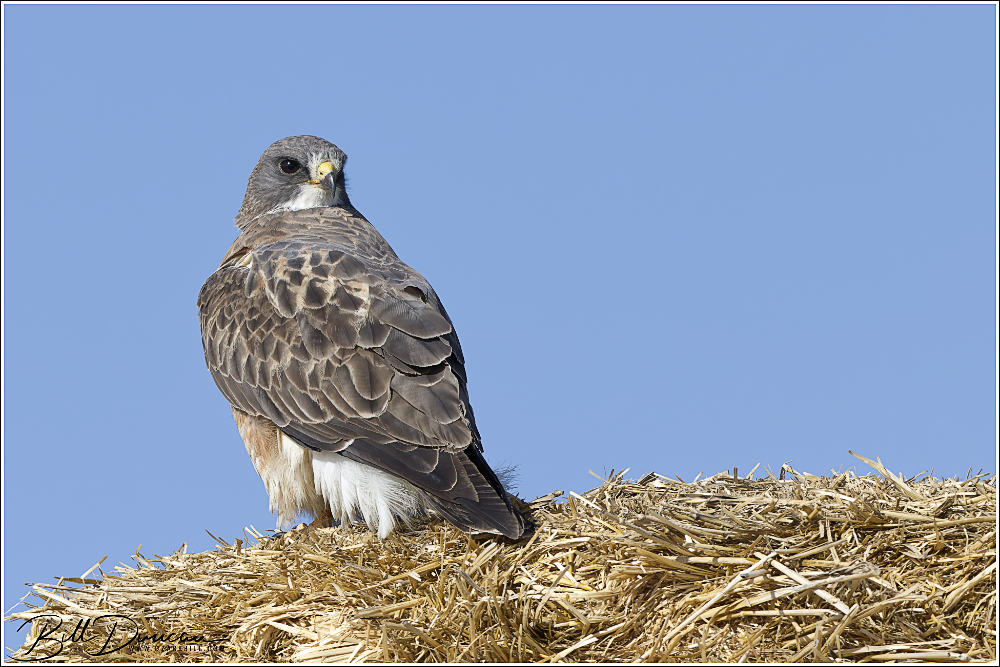
Swainson’s Hawks were commonly encountered during our travels west
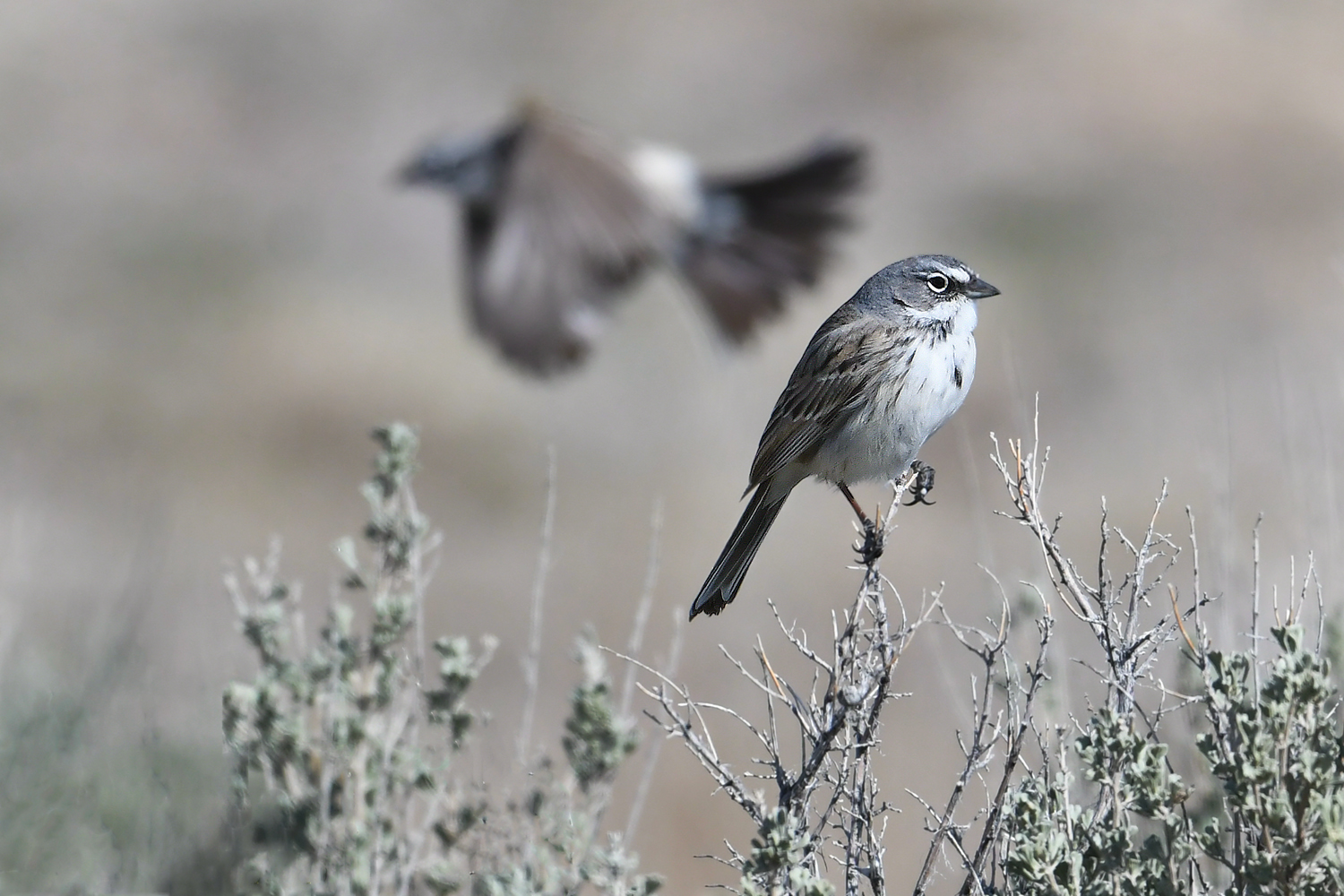
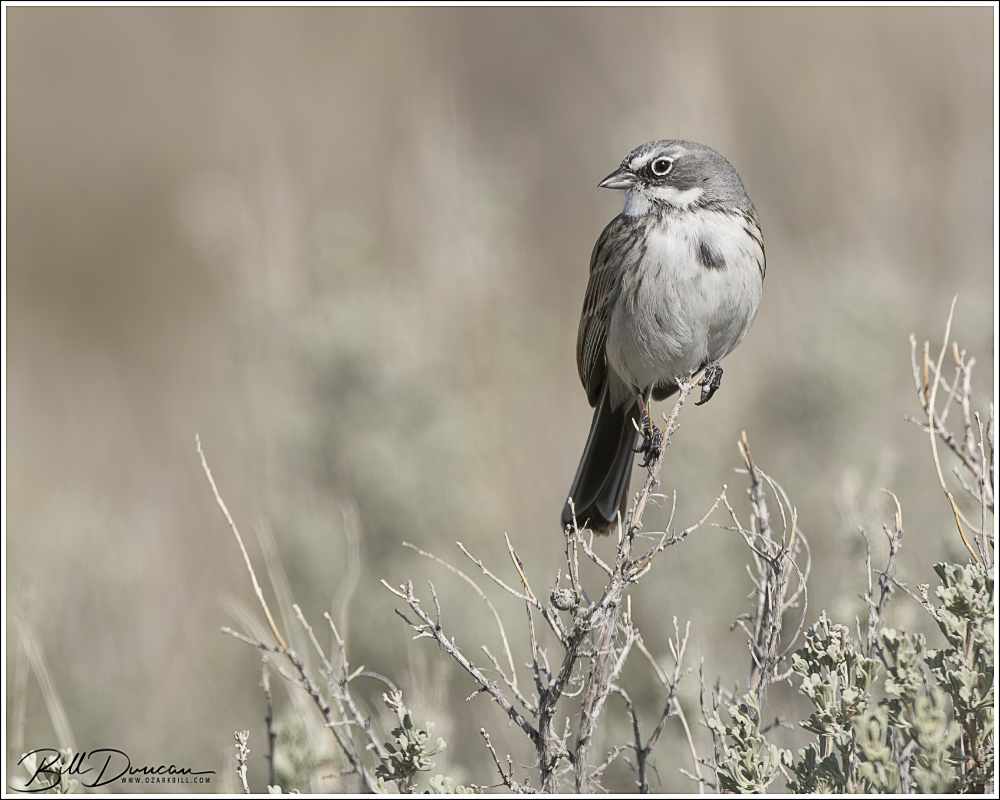
Based on another tip from Steve, we visited a foothills location to find the newly arrived Sagebrush Sparrow, a lifer species for all four of us. We had a great time with several cooperative males who were still setting up their individual territories.
Sagebrush Sparrow Photo by Dan Kirk
Sagebrush Sparrow Photo by Casey Galvin
Sagebrush Sparrow Photo by Bill Duncan
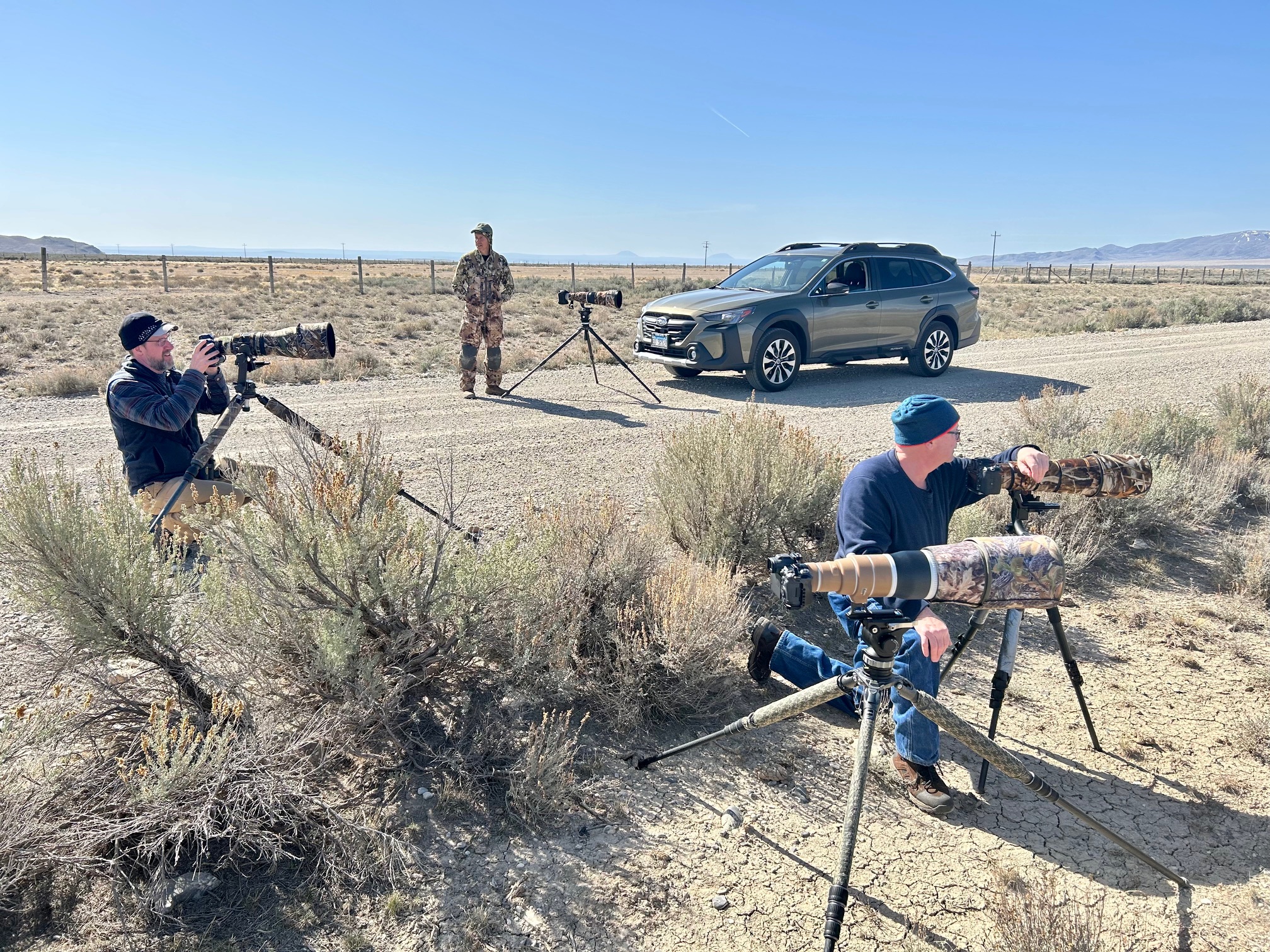
Three of our crew setting up to photograph Sagebrush Sparrow. Left to right, David Seidensticker, Dan Kirk, Casey Galvin. Photo by Bill Duncan
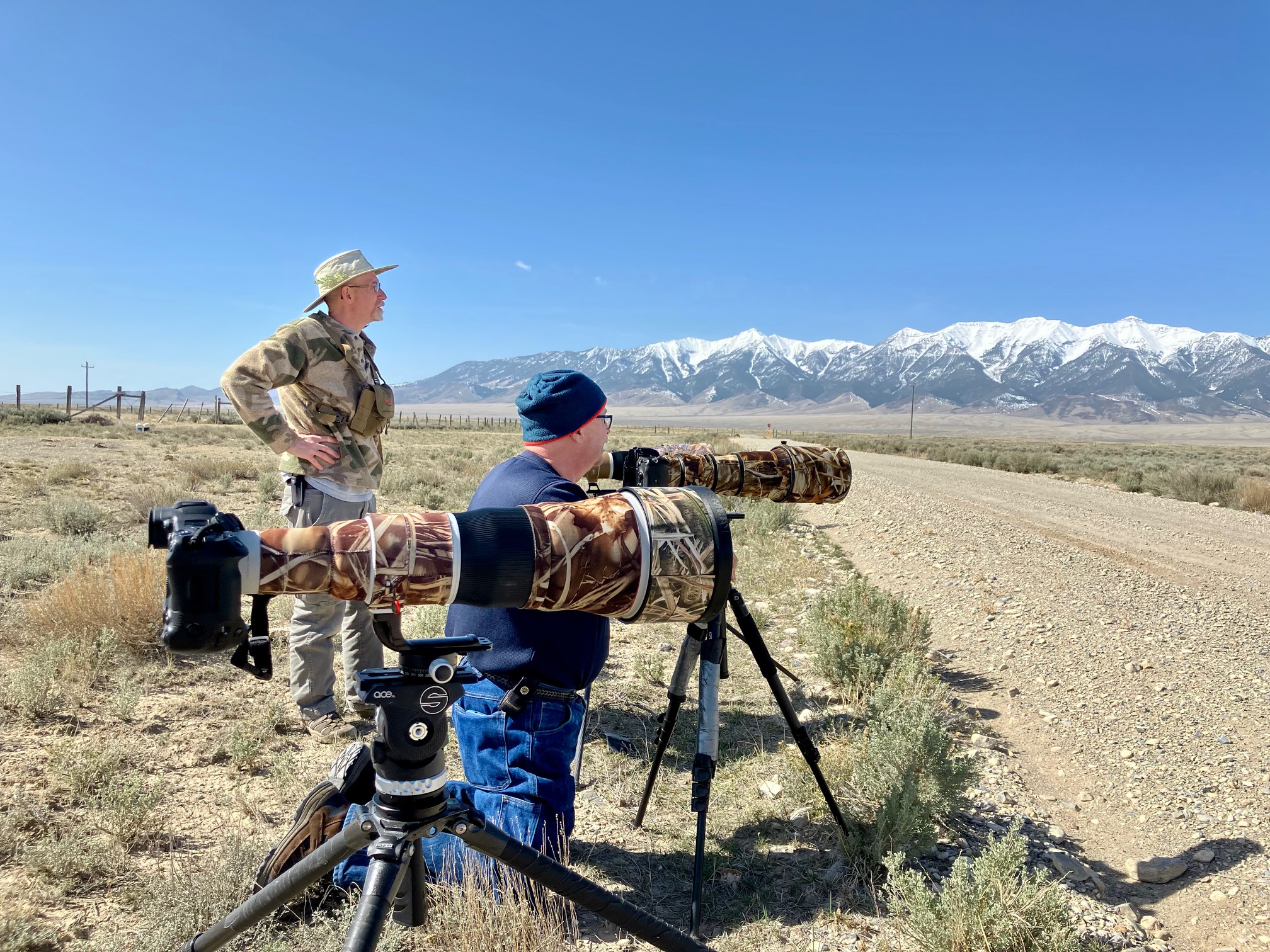
Bill Duncan and Casey Galvin waiting for Sagebrush Sparrow Photo by David Seidensticker
For another side quest, we ventured south for a quick visit to Grand Teton National Park. We had little luck with birds or wildlife, but David created this wonderful IR panorama of the mountain range.
Grand Teton infrared panorama Photo by David Seidensticker
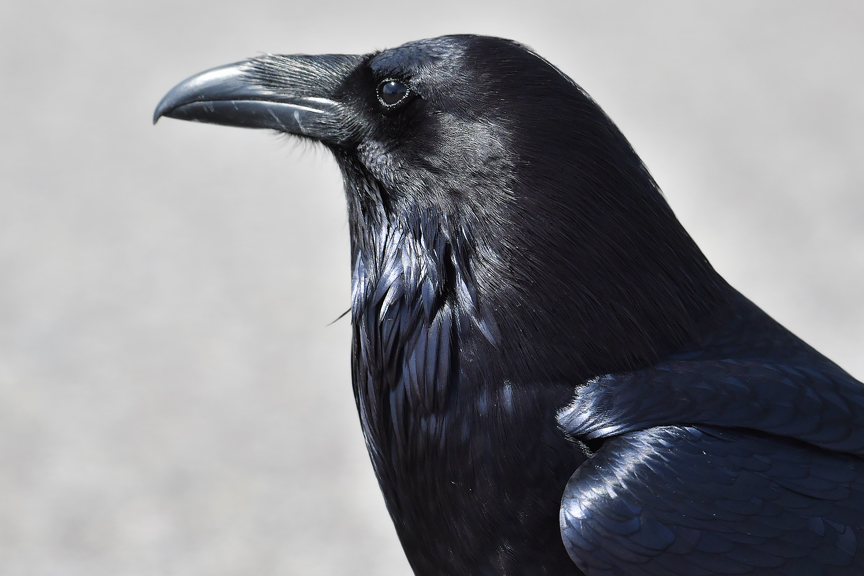
Raven begging from parking lot at Grand Teton NP Photo by Casey Galvin
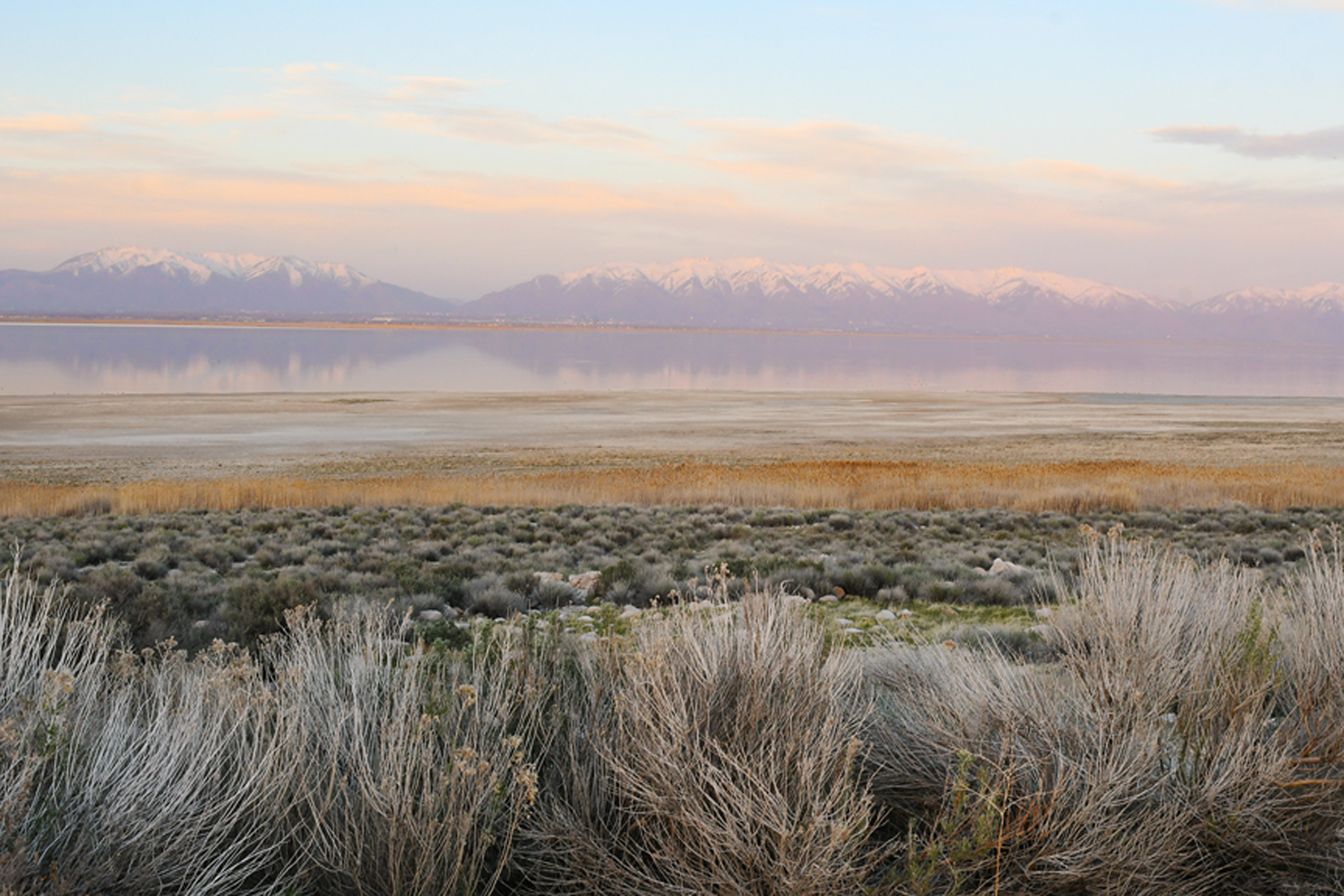
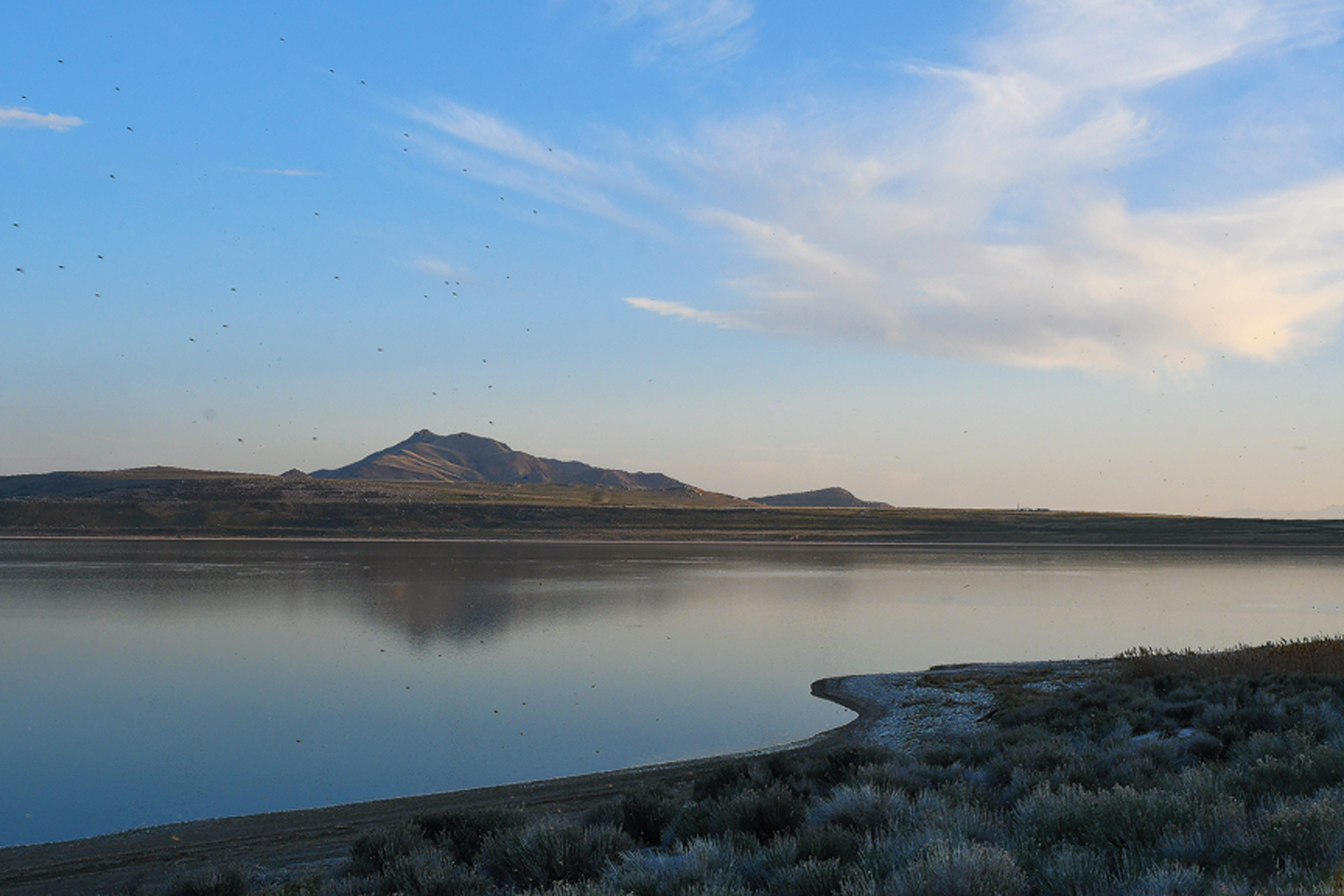
We had planned on staying a fourth day on the lek but none of us could imagine getting better or newer opportunities and the weather forecast was calling for clouds the next morning. Realizing we were relatively close (by western standards) and it wouldn’t really add much to our return trip back home, we decided to visit the Great Salt Lake and spent about six hours at Antelope Island State Park. This spot was unexpectantly beautiful and such an important area for western shorebirds and other water loving species. The waters were low and not conducive for great photography but it was thrilling to see thousands of American Avocets. We did have some nice opportunities for other birds and landscape photography as well.
Antelope Island State Park Photo by Casey Galvin
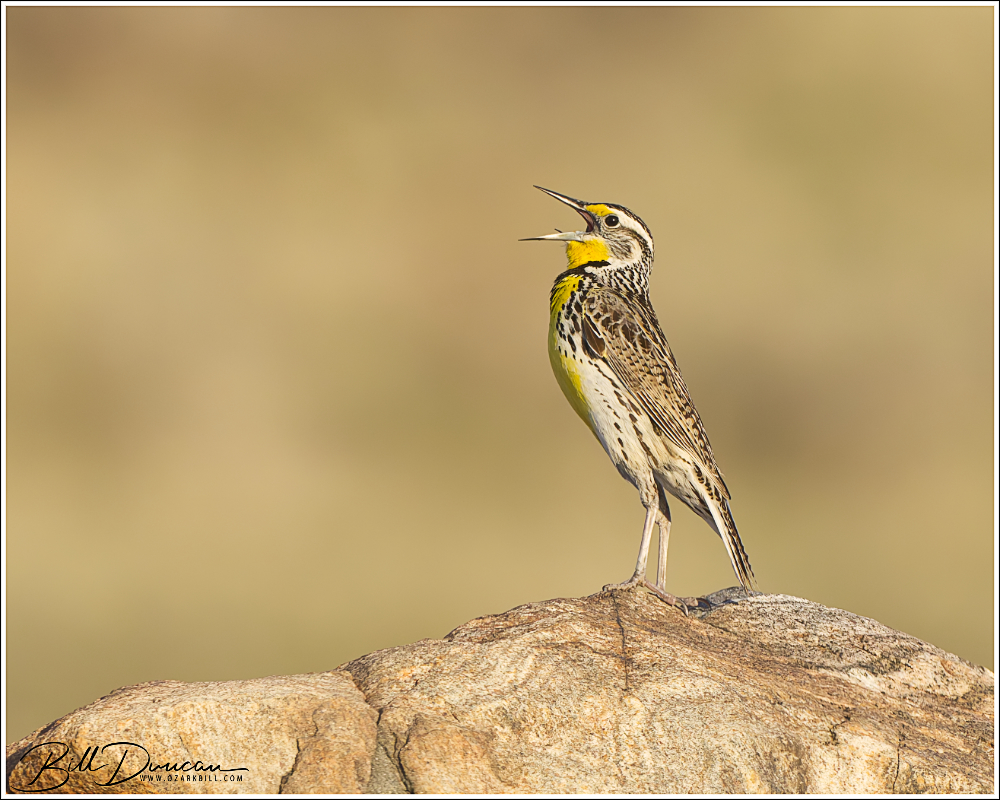
Western Meadowlark
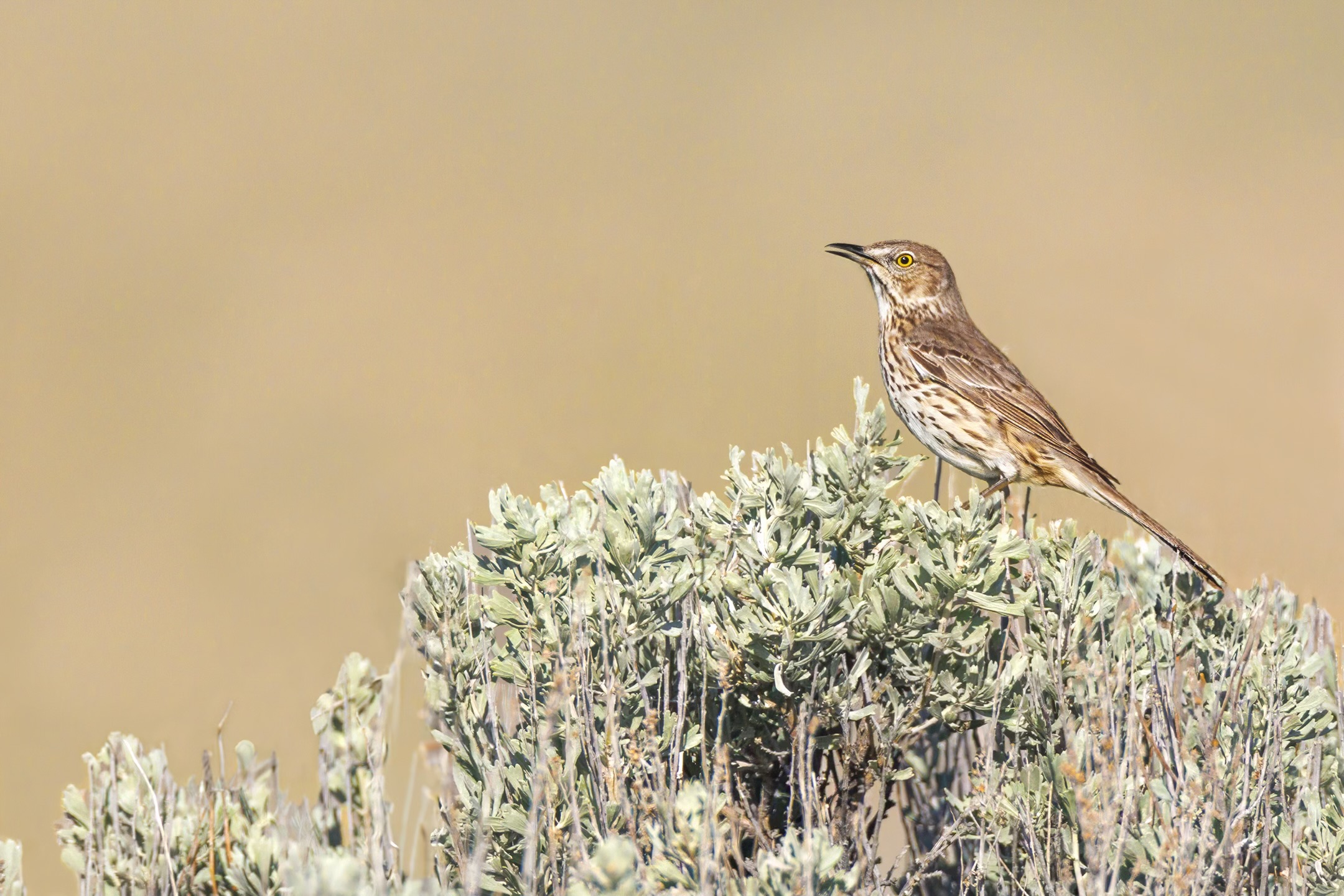
Sage Thrasher Photo by Dan Kirk
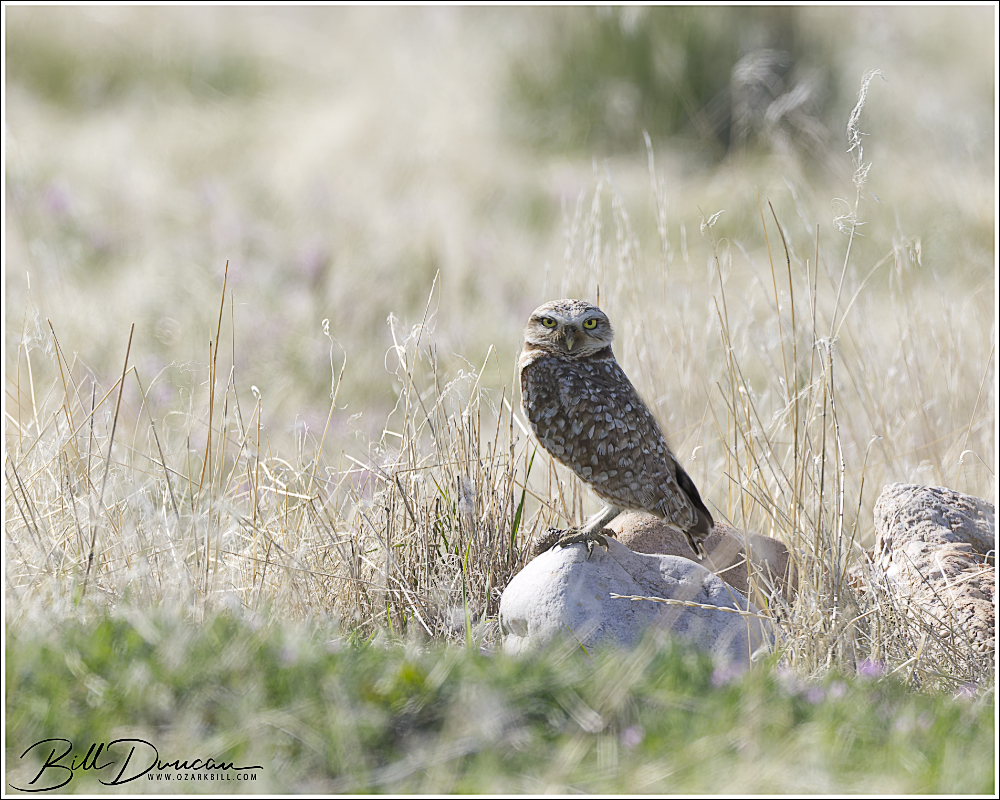
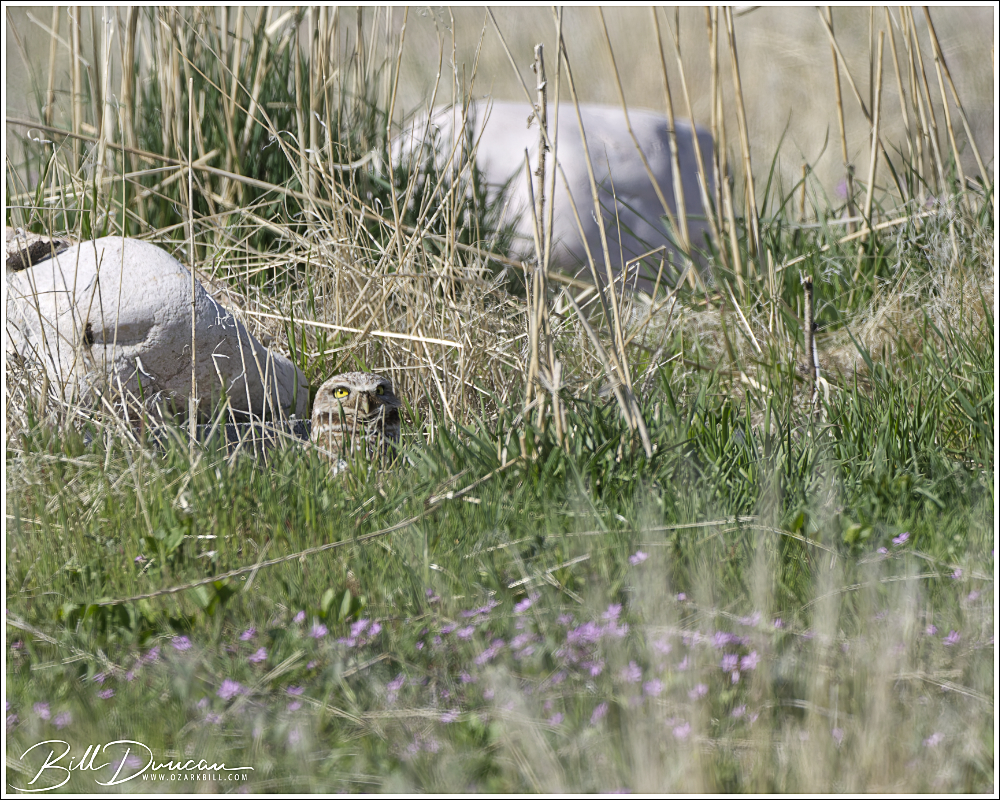
Burrowing Owl
Long-billed Curlew Photo by Dan Kirk
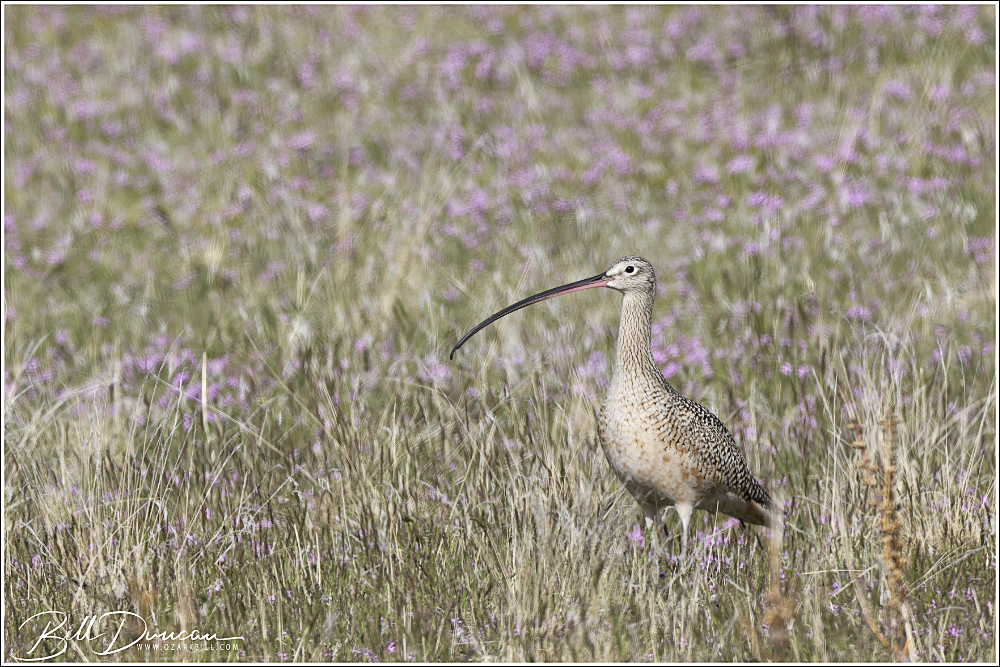
Long-billed Curlew
Willet Photo by Dan Kirk
Antelope Island SP Photo by Casey Galvin
This wraps up our trip report for our time spent in the west. There are so many more photos by my friends and me that I could have easily included here, but I have to draw the line somewhere. This was a terrific trip that I won’t forget. Thanks again to Steve Jones and to David for handling so much of our trip logistics. And thank you, dear viewer. I appreciate any questions or comments you care to give below.
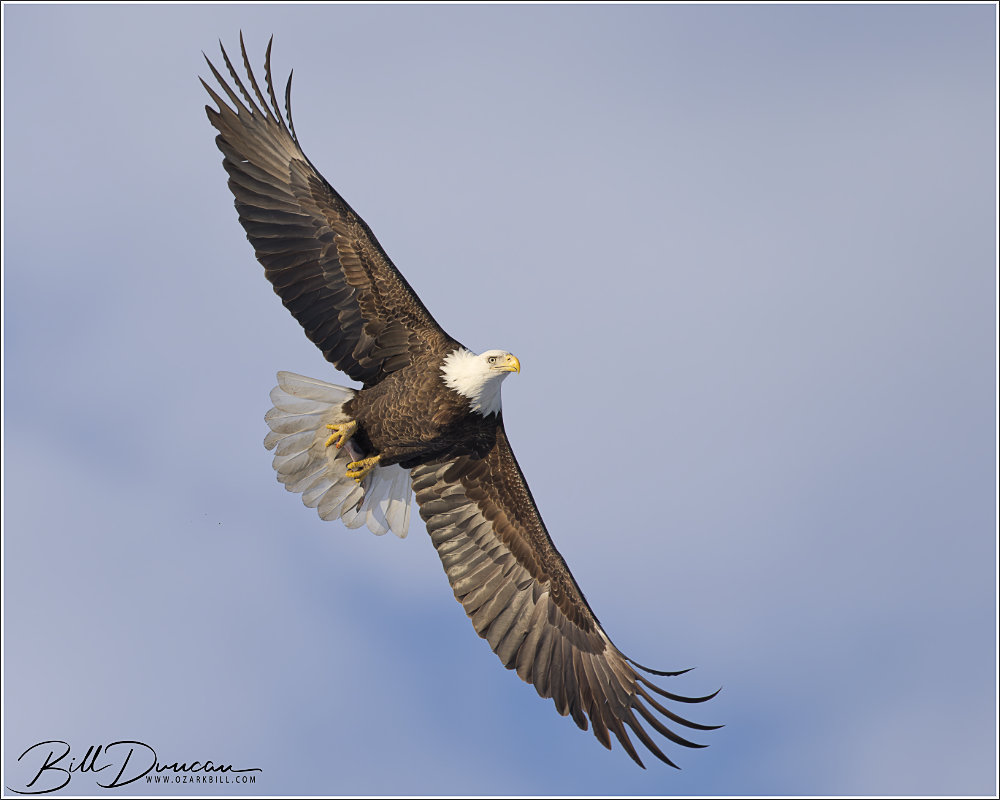
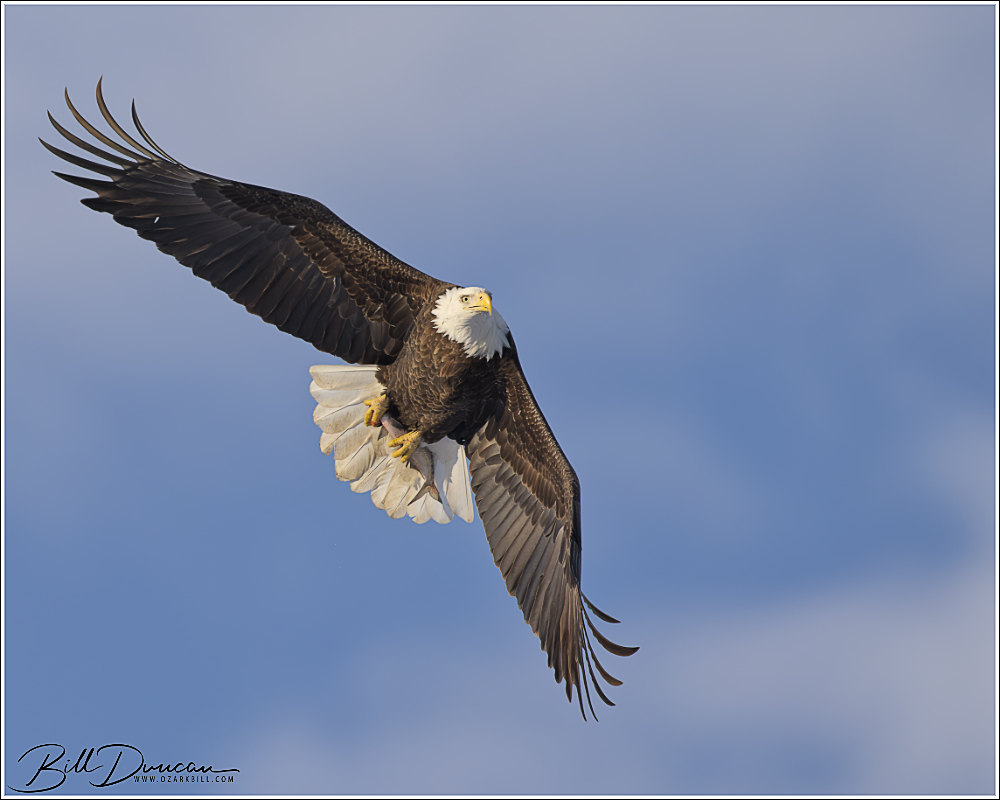
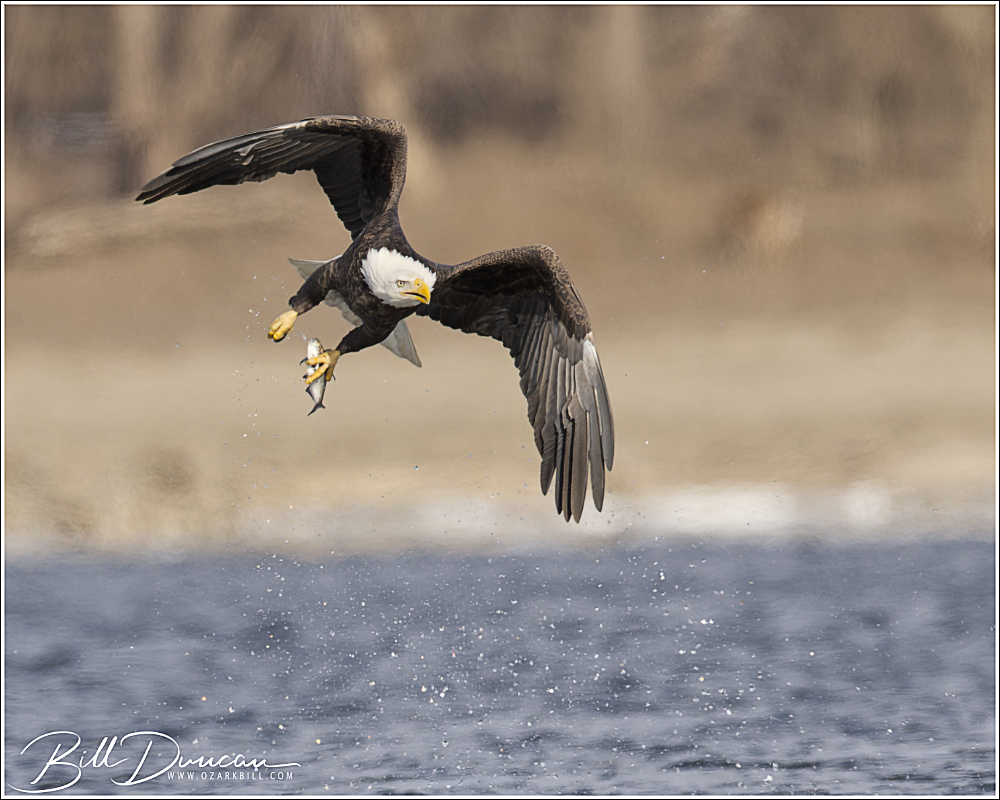
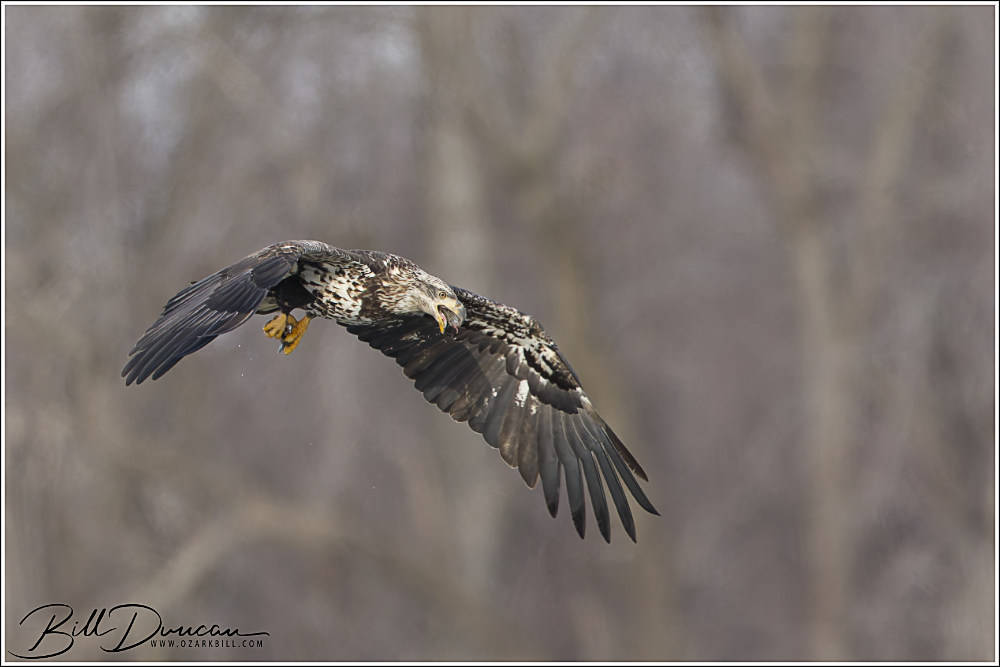
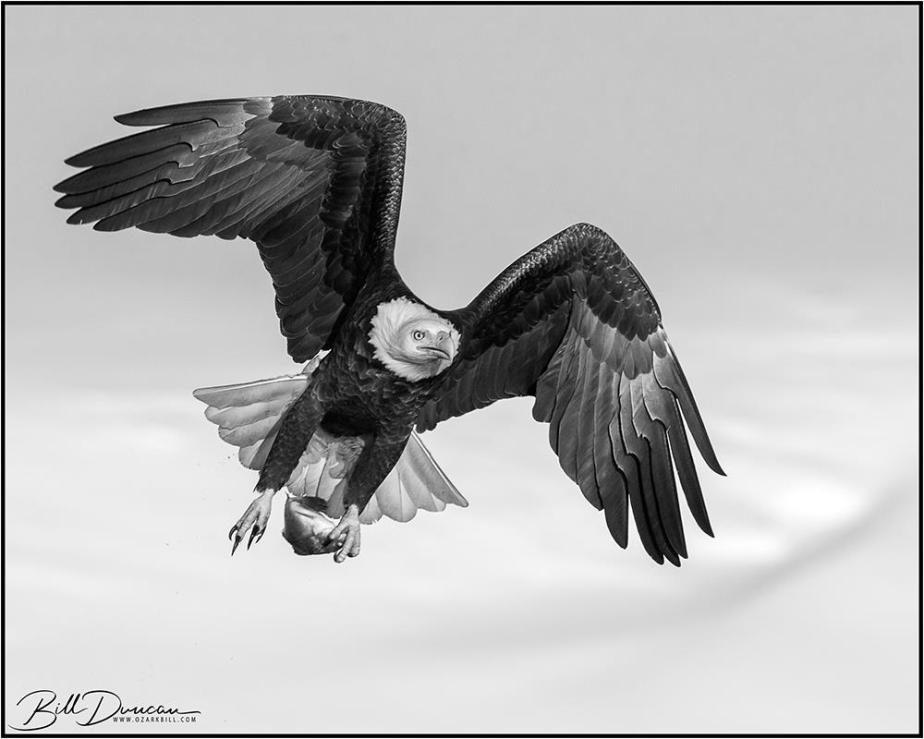
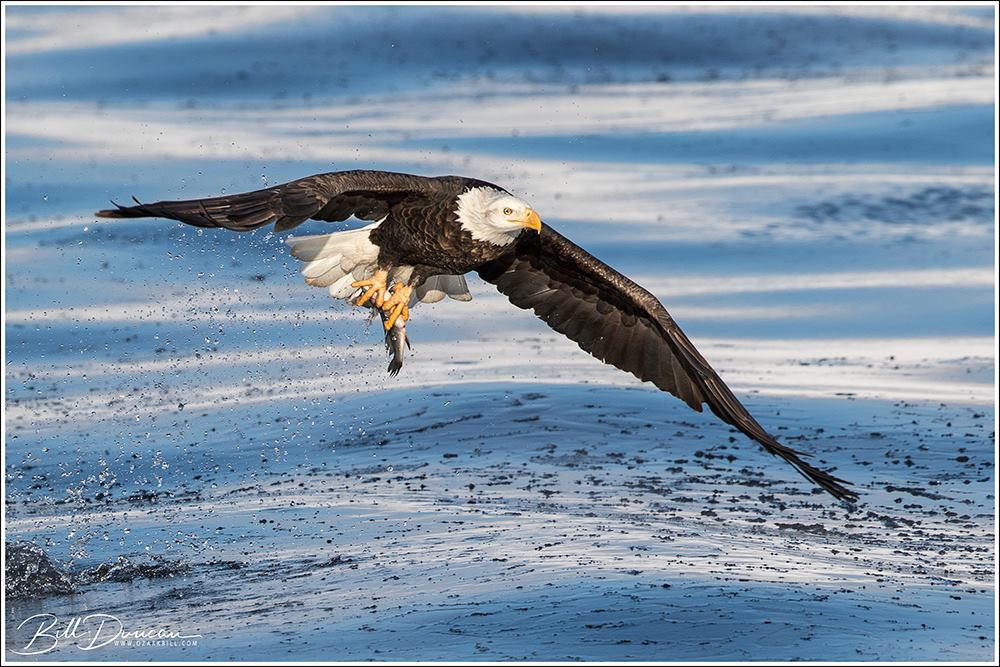
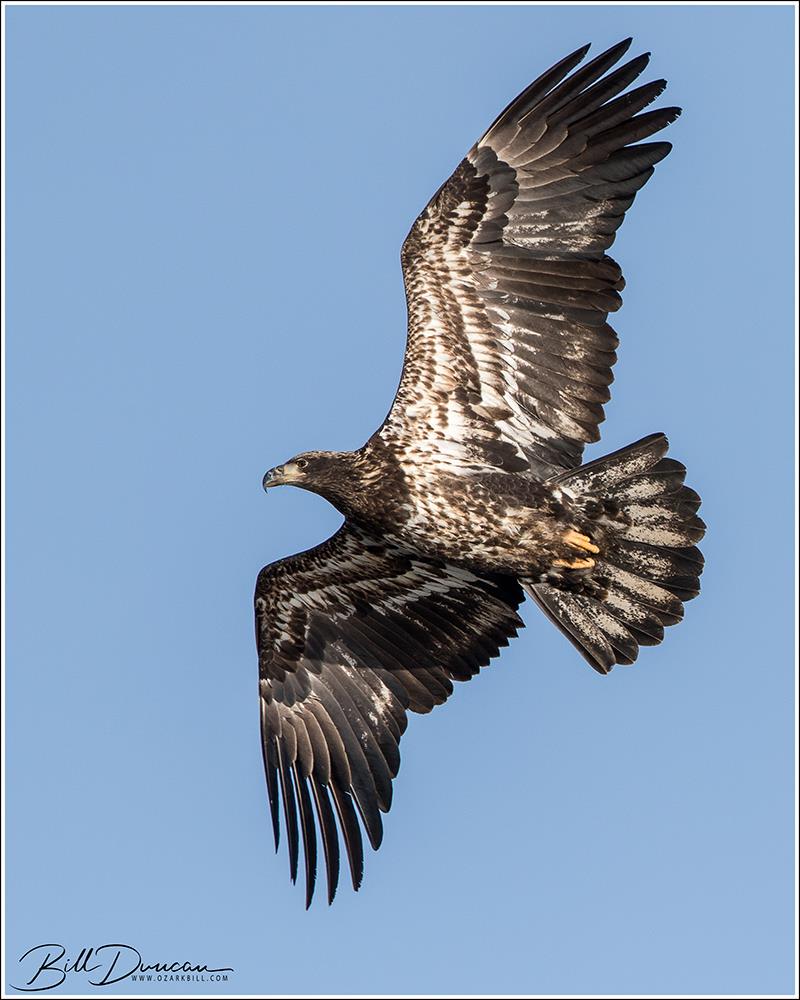
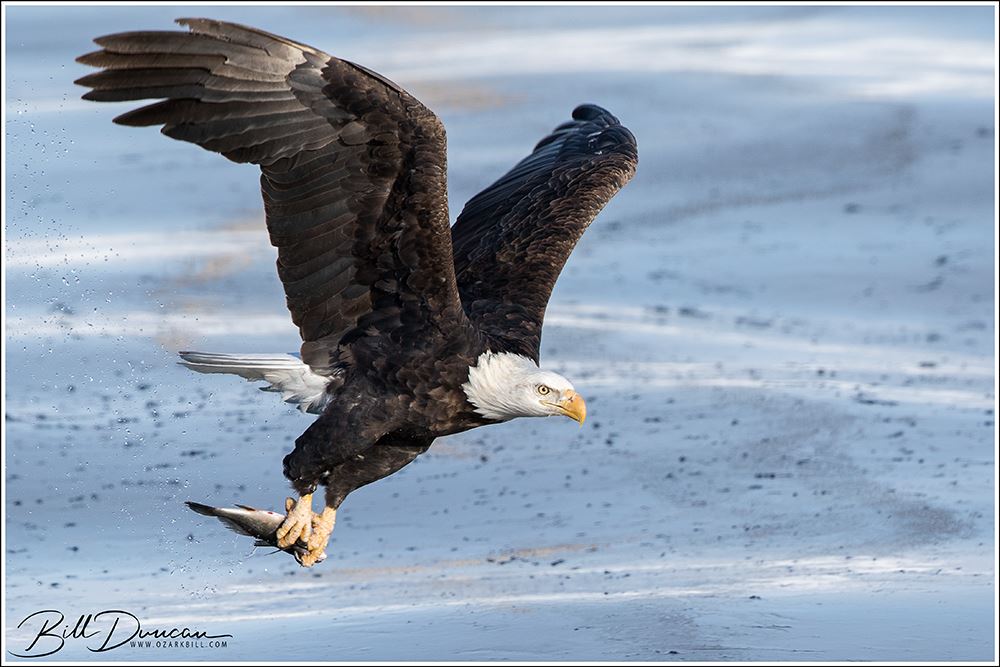
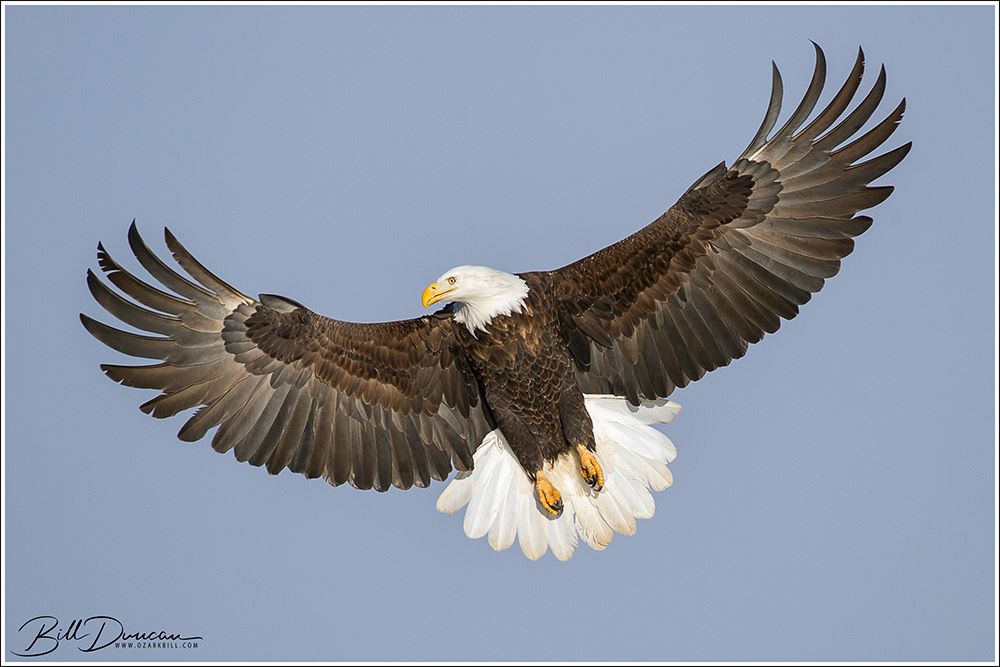
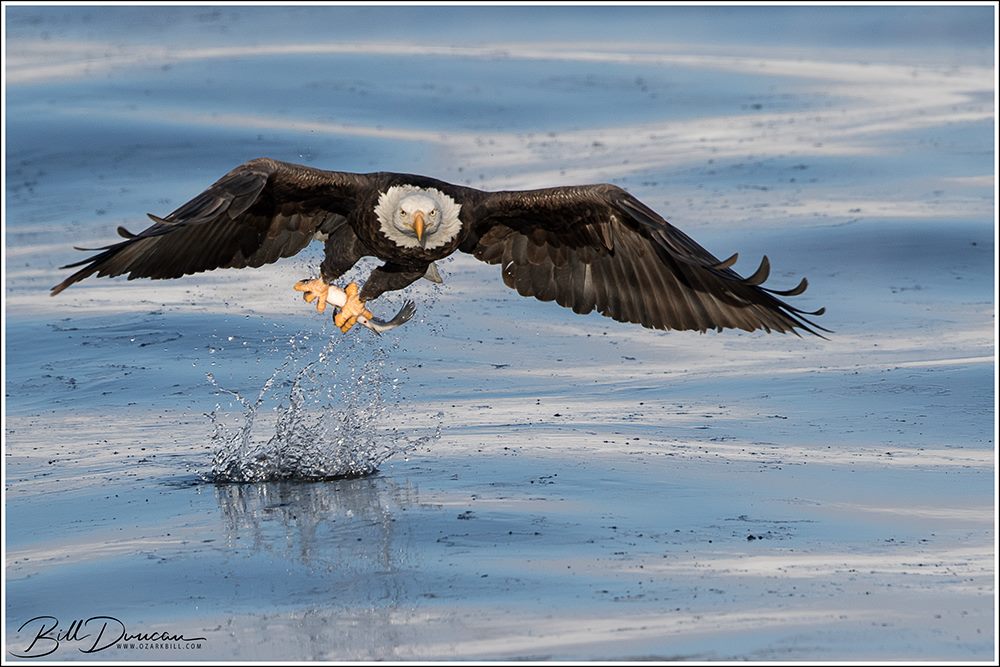
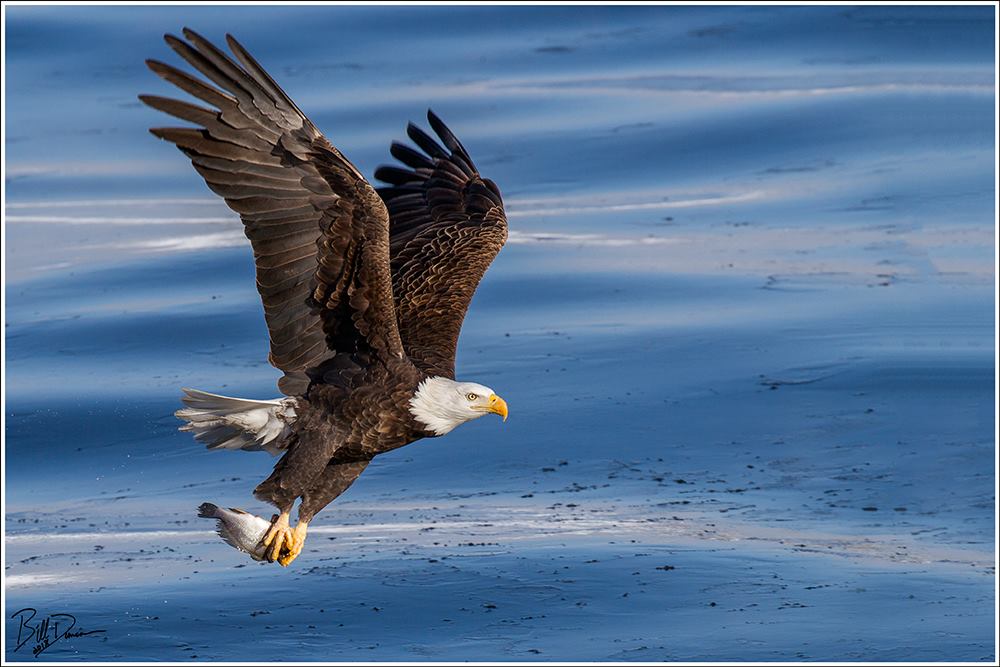
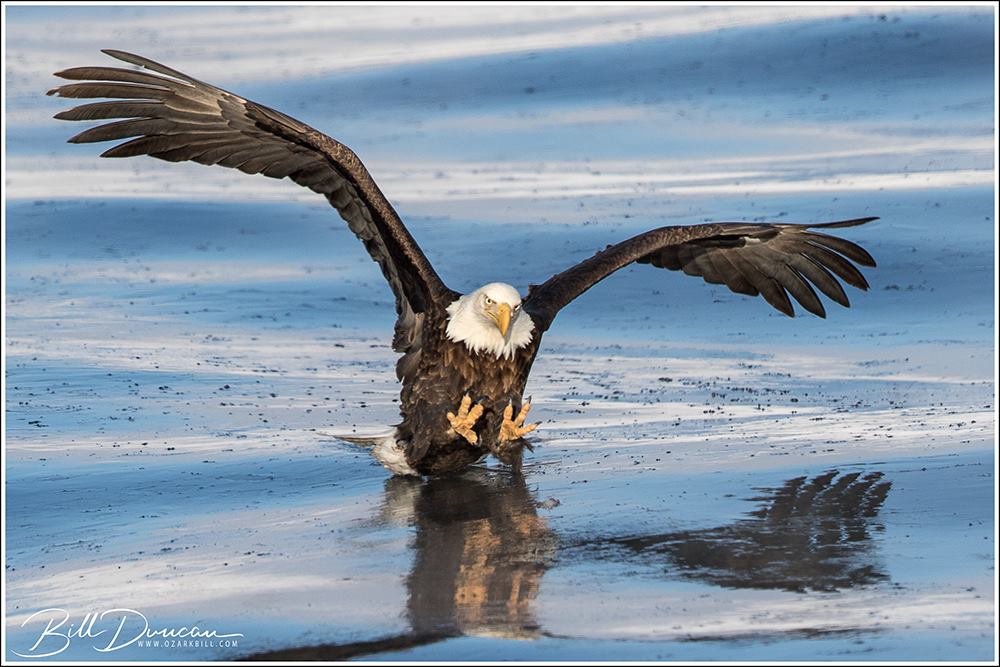
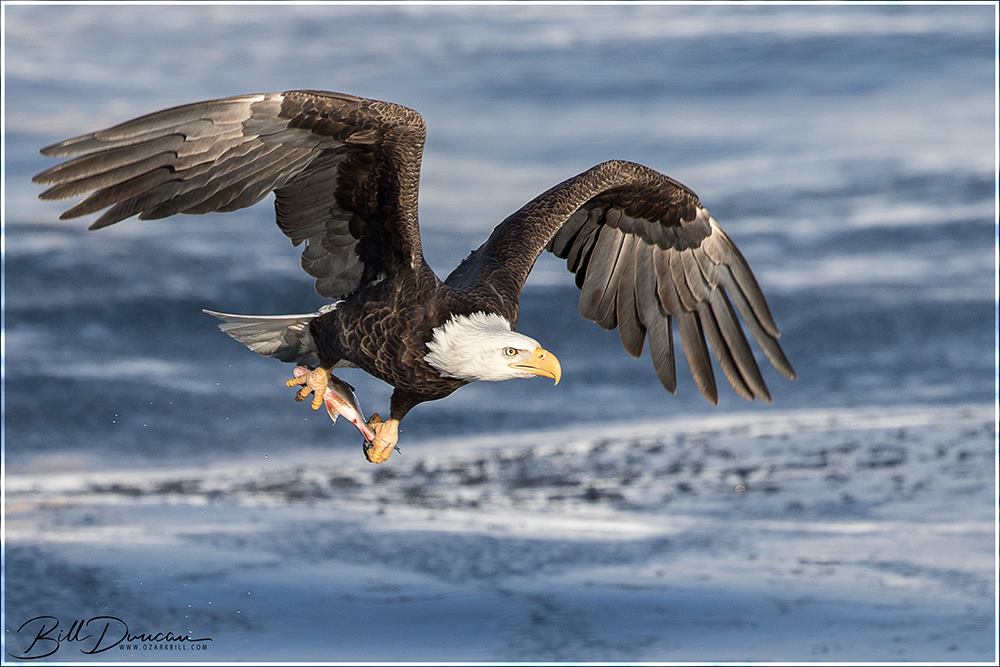
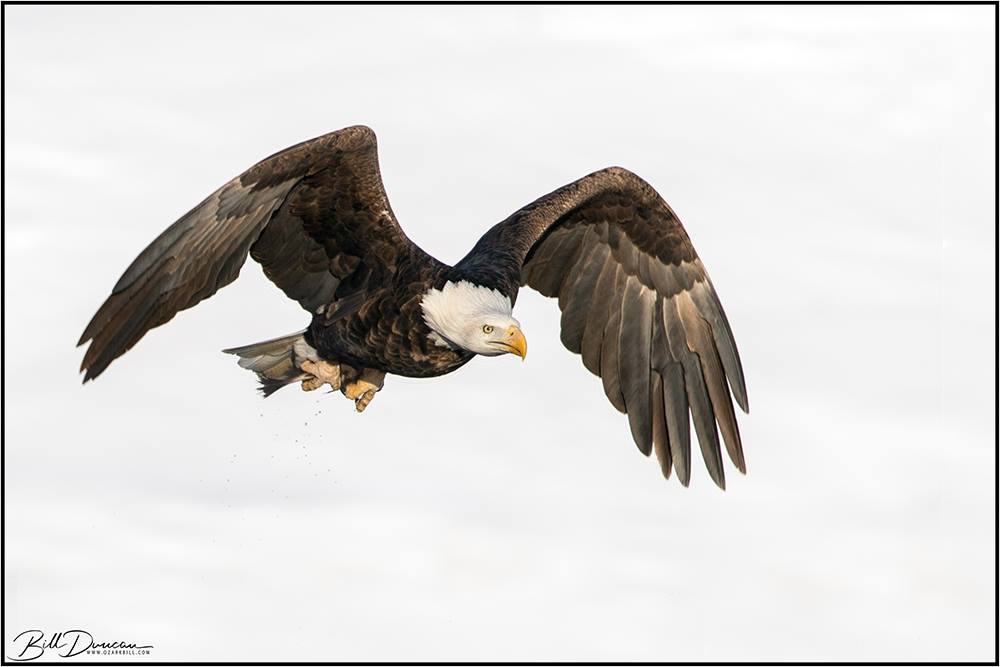
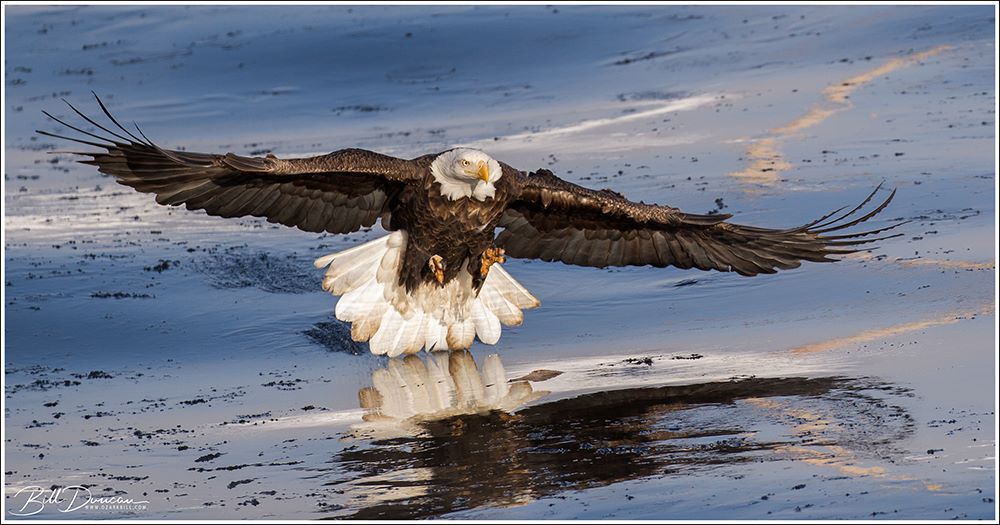
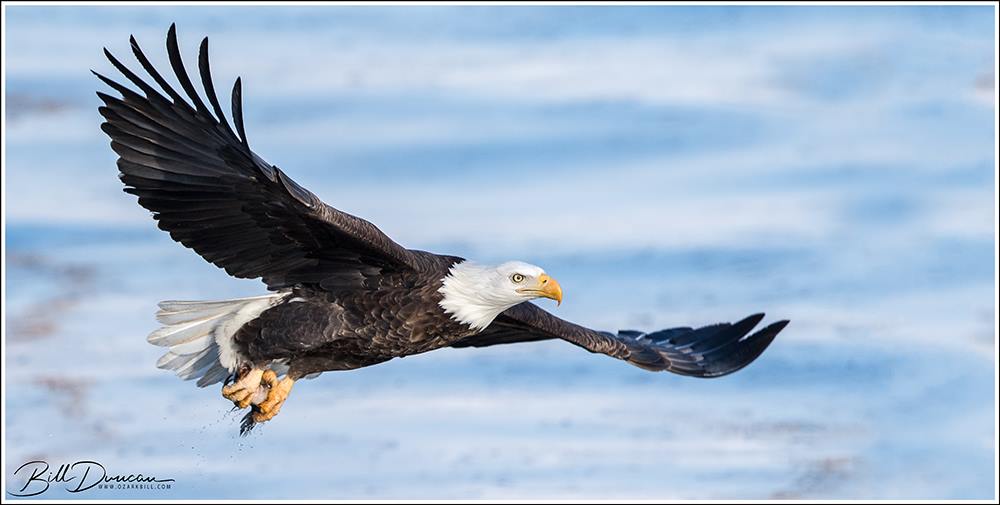
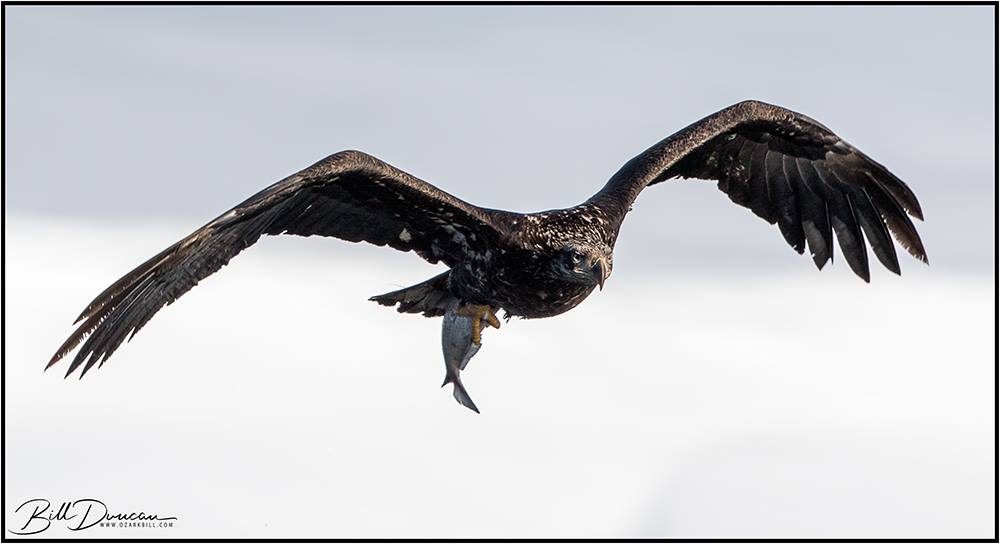
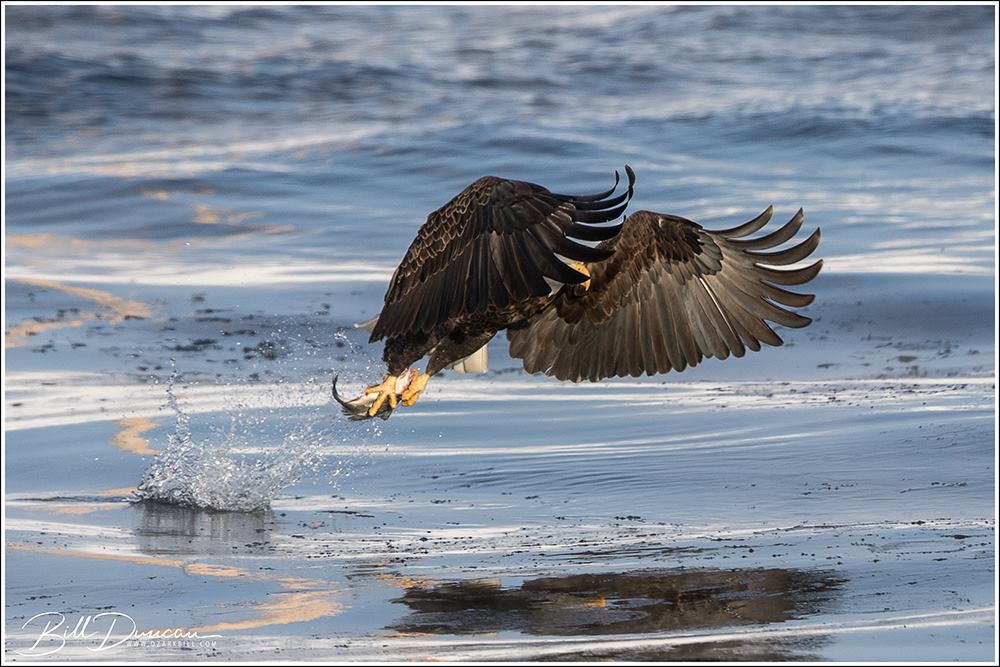
Miguel and I had the fortune to spend a couple of cold, fun and somewhat successful afternoons photographing eagles at the Clarksville lock and dam over the last couple of weeks. I really enjoyed the variety of ages of these birds as can be seen in the different plumages. During these extremely cold days with nice light, heat distortion becomes a terrible nuisance. Heat distortion is created by the warmer temperatures of the water causing warmer air to rise rapidly through the much colder air and thereby causing light refraction. The name of the game is being out there long enough and being fortunate enough to have a bird soar or grab a fish that is close enough to you so that this refraction does not destroy all that potential detail. Keeper rates have not been high in my attempts so far.
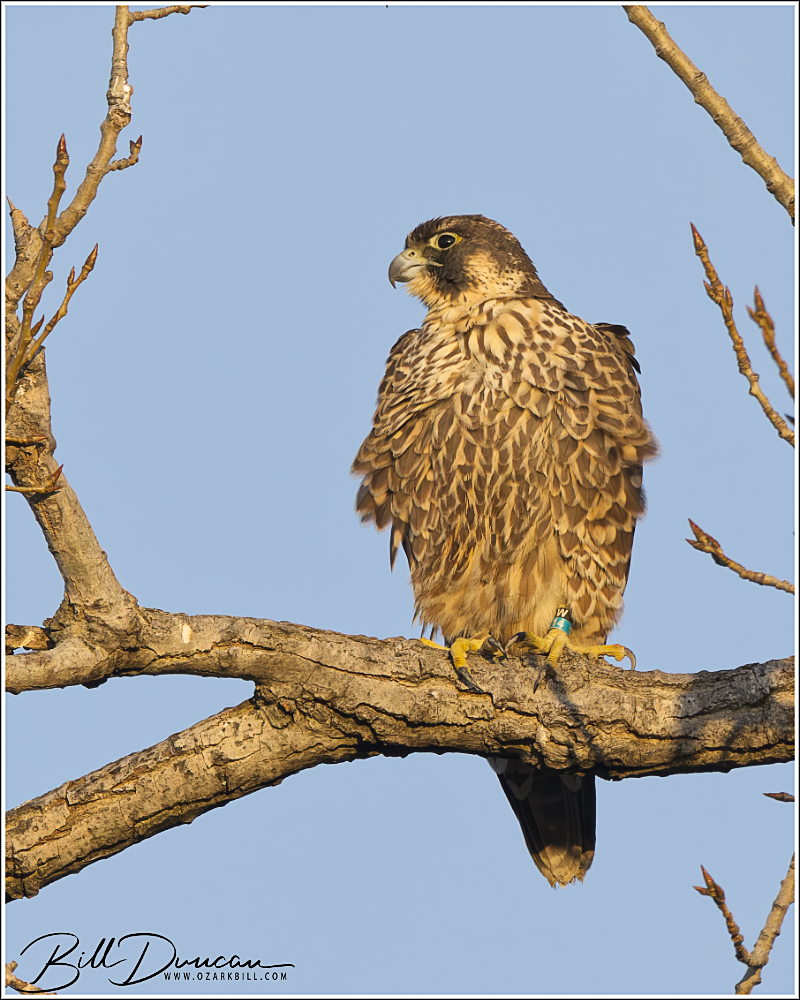
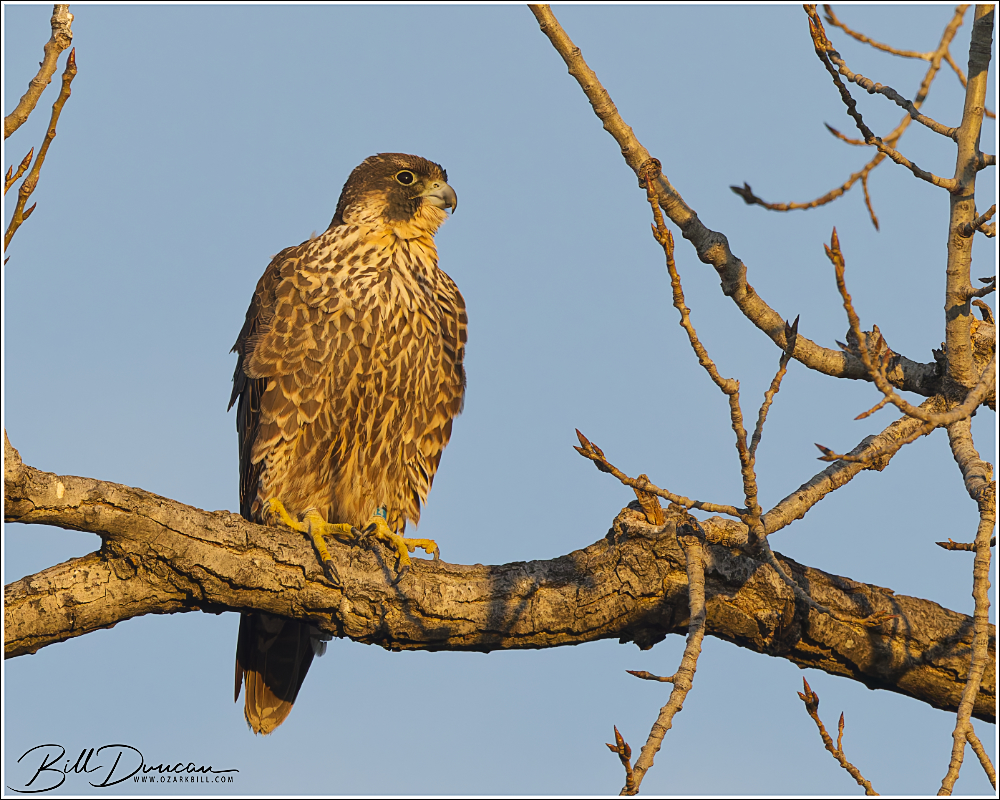
I had the opportunity to visit Clarence Cannon National Wildlife Refuge in Pike County a few times during my holiday break. During each visit, I encountered this first-year Peregrine Falcon in the same particular cottonwood tree that is usually popular with the area’s raptors.
“Wok Sape” a first-year Peregrine Falcon female
I was fortunate to get nice looks and photos that I could clearly see the band information on the left leg. Looking up the information on the Midwest Peregrine Society website, this appears to be a young female bird, named “Wok Sape.” She was hatched on May 21st of this year in Winona County, MN.
According to the Midwest Peregrine Society, the average dispersal distance of female falcons from their natal sites is 345 km (~214 miles). I am still waiting to hear back from the bander that the bird pictured here is indeed “Wok Sape.” If this is indeed the bird I found, then she has moved approximately 645 km (~400 miles) from her hatching location in about four months or so.
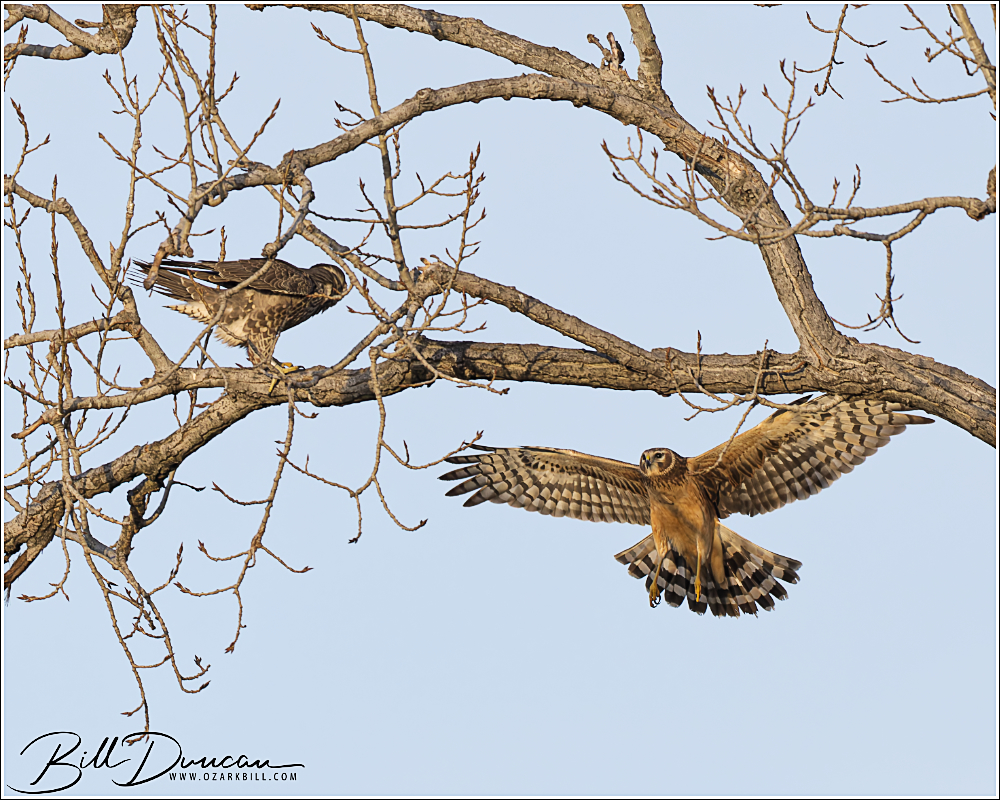
As raptors like to do, I watched as this young falcon was harassed a bit by a passing Northern Harrier as seen below.
A passing Northern Harrier passing close to young Wok Sape for close inspection. The Harrier tried to get as close as possible, attempting to land on a nearby branch, but eventually decided the falcon was too well concealed in the branches and left.
Still plugging away at making sure photos that I only posted to Facebook for a couple of years do get captured here on the blog. These photos were taken in January 2019 on one special and frigid day at Lock and Dam #14 along the Mississippi River near LeClaire, IA. I do mean it was a frigid day. I believe the high for this day might have reached 3 °F.
In mid-April of this year, Casey and I took an exhilarating and unforgettable trip to Wisconsin to photograph Sharp-tailed Grouse. Every morning, my journey began with waking up at 3:00 am, filled with anticipation and excitement for the day ahead. It was an hour’s drive to get to the viewing blind, and arriving 30 minutes prior to first light was crucial, ensuring that we could witness the natural spectacle that was about to unfold.
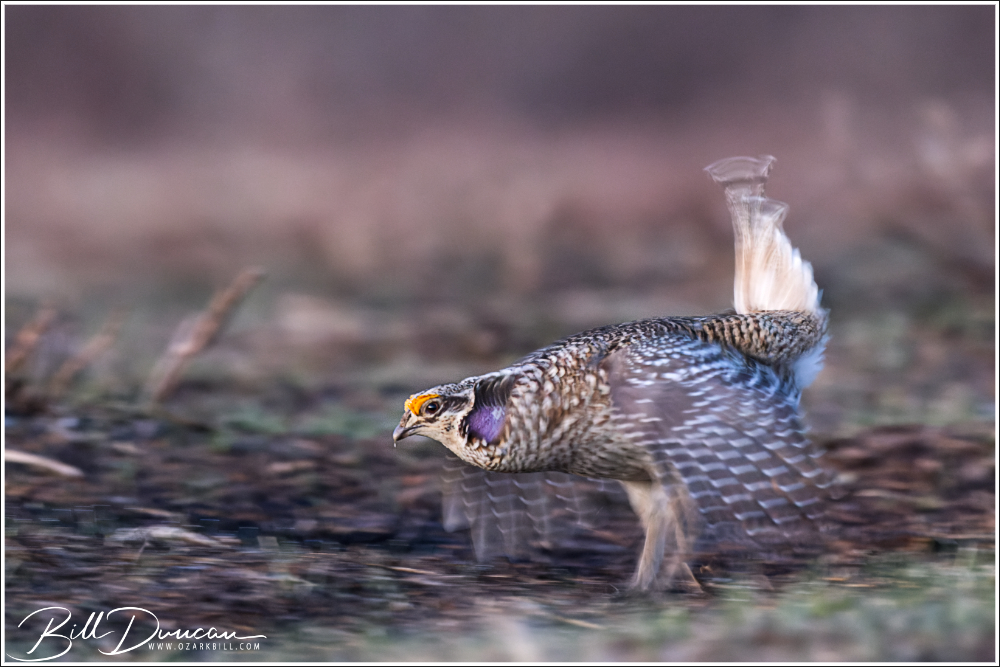
Early dawn at the lek provides little light. Panning while using a slow shutter speed suggests the rapid motion of the dancing birds.
As the first light of dawn broke through the horizon, the air was filled with the captivating sounds of nature coming to life. The distinct calls and rhythmic dancing of the Sharp-tailed Grouse on the lek echoed through the surroundings, creating an awe-inspiring symphony. The increasing light revealed the beauty of the birds that had already began their intricate dance on the lek, a sight that left an indelible mark on my memory.
A dancing male Sharp-tailed Grouse at Solon Springs Sharptail Barrens.
Each day, we were fortunate to have very good views of the birds on the leks, with up to 17 magnificent creatures, mostly males, gracing the landscape with their presence. The vibrant plumage and graceful movements of the Sharp-tailed Grouse were a testament to the wonders of the natural world, and capturing these moments through my lens was an experience like no other.
I was fortunate to have wonderful light during the golden hours on two of my three days on the leks. Here a male takes a break to survey the dance floor.
I’m sharing some of the thousands of images I made during my three mornings on the leks throughout the post. I was also able to capture some video that showcases the tremendous sights and sounds of the lek activities. I love the variety sounds these birds create. From the percussive slap of their powerful feet on the ground, to the booms, cackles, yelps and snaps of their beaks, there is so much to take in when visiting a lek!
Summary of Conservation of the Sharp-tailed Grouse Like so many wildlife species, the decline of Sharp-tailed Grouse populations began in the 19th century due to unchecked habitat loss caused by agricultural expansion, logging, and urban development. Unregulated hunting also contributed to population declines as settlers moved westward.
By the early 1900s, conservationists began to recognize the declining populations of Sharp-tailed Grouse and other wildlife species that were found across the landscape. State and federal governments implemented regulations on hunting seasons and bag limits to conserve grouse populations.
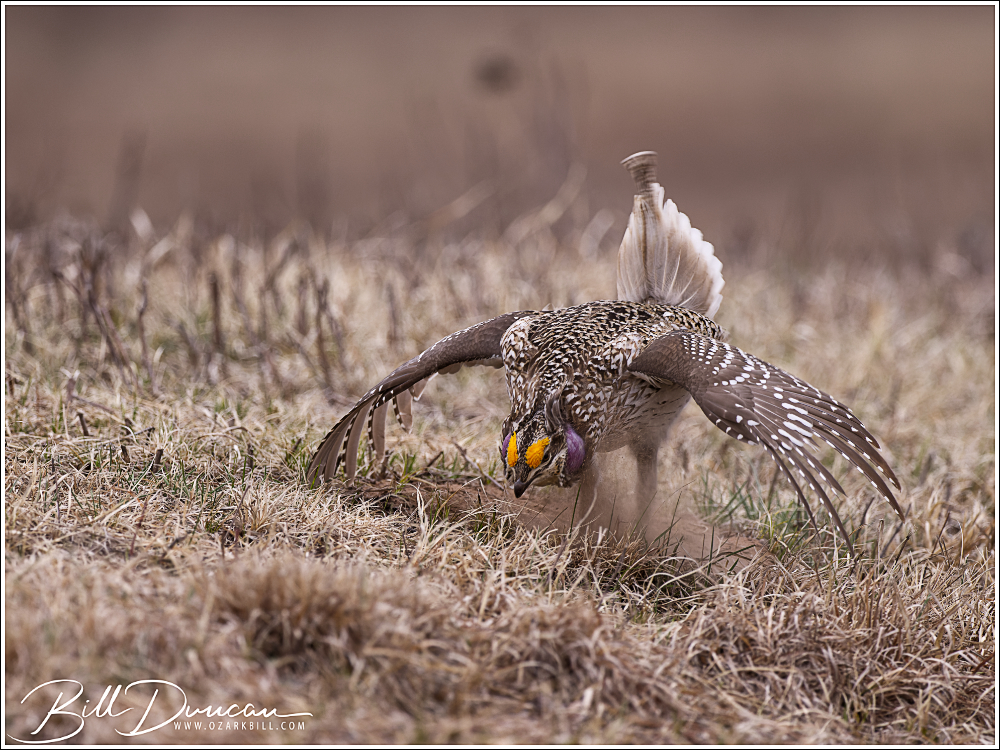
These birds would often raise dust and debris while stomping their feet during the dance.
Conservation efforts in the mid to late 1900’s focused on habitat restoration and management. This included reforestation, prescribed burning, and grassland restoration projects aimed at creating suitable habitat for Sharp-tailed Grouse. Scientists conducted research to better understand the habitat requirements, behavior, and population dynamics of the species, which informed conservation strategies. Conservation organizations, government agencies, landowners, and other stakeholders collaborated on conservation initiatives to protect and restore Sharp-tailed Grouse habitat across its range.
The “booming” displays of the Sharp-tailed Grouse are not as loud or impressive as the more famous Prairie Chickens, but they are still an important part of the repertoire on the lek.
More recent conservation initiatives include:
Land Protection: Conservation organizations have worked to protect critical habitat through land acquisition and conservation easements.
Community Engagement: Conservation efforts increasingly involve local communities through education, outreach, and participation in habitat restoration projects.
Monitoring and Management: Continued monitoring of Sharp-tailed Grouse populations helps conservationists assess the effectiveness of conservation efforts and adjust management strategies as needed.
Climate Change Considerations: Conservation efforts now take into account the potential impacts of climate change on Sharp-tailed Grouse habitat and populations, with adaptive management strategies being developed to mitigate these impacts.
Although the above mentioned efforts have made significant improvements in the populations of these birds in Wisconsin and other parts of their range, significant challenges remain that could influence the long-term outlook on this species.
Fragmentation: Habitat fragmentation remains a significant challenge for Sharp-tailed Grouse conservation, as landscapes become increasingly fragmented due to development and other human activities.
Predation and Disease: Predation and disease also pose threats to grouse populations, requiring ongoing management efforts.
Socioeconomic Factors: Balancing conservation objectives with the needs and interests of local communities and landowners remains a challenge.
Despite these challenges, ongoing conservation efforts give hope for the continued survival and recovery of grouse populations across their range. By addressing habitat loss, implementing sustainable management practices, and engaging with local communities, conservationists aim to ensure a future where Sharp-tailed Grouse thrive in their natural habitats.
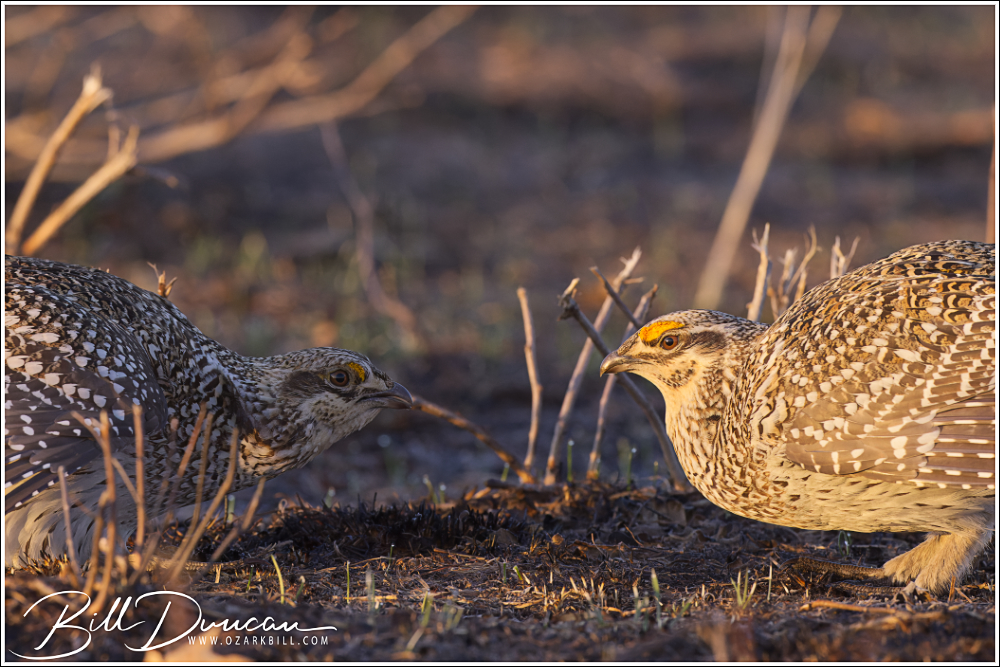
A pair of male Sharp-tailed Grouse stand off on a lek at Solon Springs Sharptail Barrens.
Habitat requirements for Sharp-tailed Grouse The Sharp-tailed Grouse has specific habitat requirements that are essential for its survival and reproductive success. Understanding these key habitat requirements is crucial for effective conservation and management of the species. Here are the primary habitat requirements for Sharp-tailed Grouse:
Native Grasslands and Prairie Habitat: Sharp-tailed Grouse are primarily associated with native grasslands and prairies. These habitats provide the open spaces, diverse vegetation structure, and ground cover necessary for the species’ breeding, nesting, and foraging activities. The presence of native grasses, forbs, and shrubs is important for providing food, cover, and nesting sites.
Breeding and Nesting Habitat: During the breeding season, grouse require specific habitat features for courtship displays and nesting. Males perform elaborate courtship displays on traditional dancing grounds, known as leks, to attract females. The presence of suitable lekking sites with short, sparse vegetation and clear visibility is critical for successful breeding behaviors. Females seek out areas with dense grass cover and sufficient concealment for nesting, typically selecting sites with tall, dense grasses for nesting cover.
Foraging Habitat: Sharp-tailed Grouse forage on a variety of plant materials, including seeds, insects, and forbs. High-quality foraging habitat consists of diverse plant species that provide a range of food resources throughout the year. Forbs, grass seeds, and insect-rich areas within the grassland habitat are important for meeting the species’ dietary needs.
Adequate Space and Connectivity: The availability of large, contiguous expanses of suitable habitat is important for grouse. Connectivity between different habitat patches allows for movement, dispersal, and genetic exchange among populations. Fragmentation and isolation of habitat patches can limit the species’ ability to access resources and can increase vulnerability to environmental pressures.
Disturbance and Predator Management: Sharp-tailed Grouse benefit from habitat that is managed to minimize disturbances and reduce predator impacts. Controlled grazing, prescribed burning, and habitat management practices that create a mosaic of different vegetation types can provide a balance of cover and foraging opportunities while reducing predation risks.
Seasonal Habitat Needs: The species requires habitat that meets its seasonal needs, including suitable wintering areas with access to food and cover during the colder months. Additionally, habitat that provides protection from extreme weather conditions, such as snow and wind, is important for the species’ survival.
Understanding and addressing these key habitat requirements is essential for the conservation and management of Sharp-tailed Grouse populations. Conservation efforts that focus on preserving and enhancing native grassland and prairie habitats, maintaining habitat connectivity, and implementing sustainable land management practices play a critical role in meeting the species’ habitat needs.
Beautiful, though short-lived morning colors filled the sky at sunrise during my morning at Crex Meadows State Wildlife Refuge.
About our Wisconsin Setting I was fortunate to be able to visit leks at two different locations in northwestern Wisconsin. Many thanks to the organizations who manage these areas and helped us a lot by providing viewing blinds and giving me information on where to find these leks!
A male showing his purple skin patches during his courtship displays on the lek.
Solon Springs Sharptail Barrens Before European settlers arrived in the area, the Solon Springs region was inhabited by indigenous peoples, primarily members of the Ojibwe (Chippewa) and Dakota Sioux tribes. These Native American communities lived in harmony with the land, utilizing its resources for sustenance, shelter, and cultural practices. The barrens likely played a role in their seasonal hunting, gathering, and ceremonial activities.
A male Sharp-tailed Grouse in mid-boom during his courtship display at Solon Springs Sharptail Barrens.
European exploration of the Great Lakes region brought French fur traders and explorers into the area in the 17th and 18th centuries. The dense forests and expansive wetlands of northwestern Wisconsin presented challenges to early settlers, but as the fur trade expanded, trading posts and small settlements began to emerge.
By the mid-19th century, the timber industry became the dominant economic force in the region. The vast forests of white and red pine attracted lumber companies, leading to extensive logging operations throughout northwestern Wisconsin. The Solon Springs area was no exception, and its forests were heavily exploited for timber to meet the growing demand for lumber in rapidly developing urban centers.
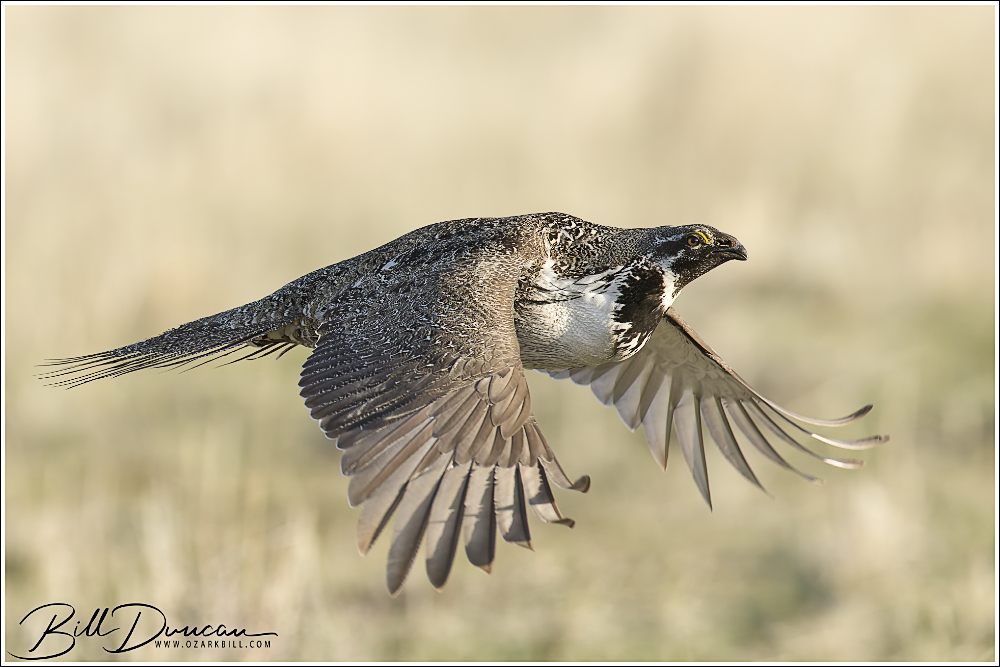
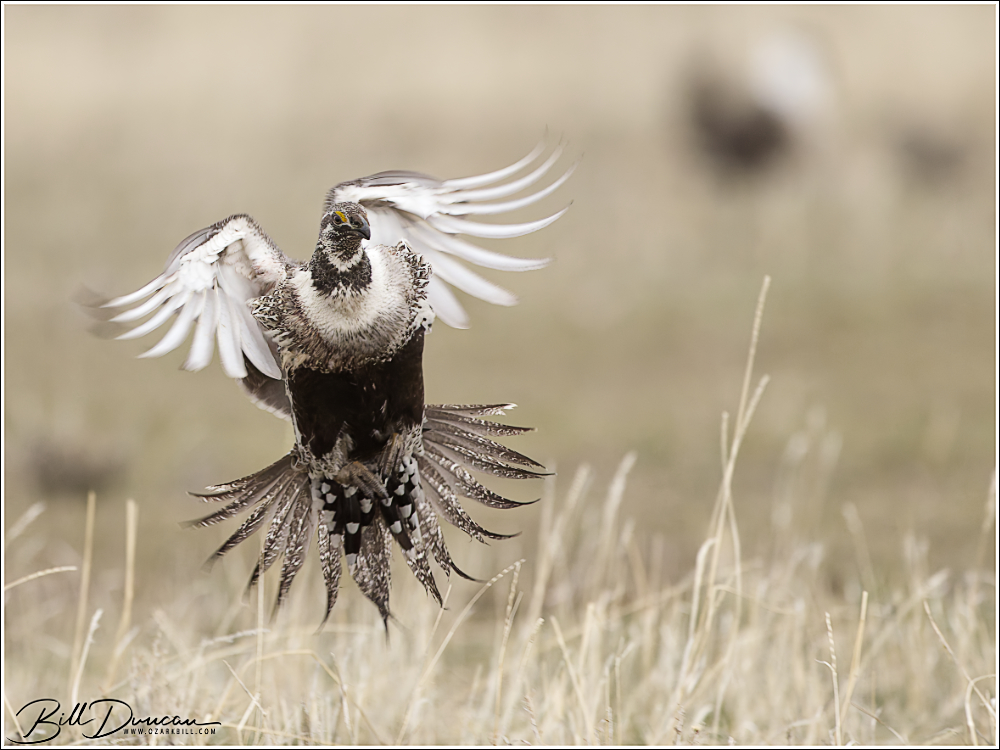
Males would often take very short flights to reach potentially better areas of the lek.
As logging operations expanded, concerns about deforestation and its environmental impacts grew. Conservation movements began to gain momentum in the late 19th and early 20th centuries, leading to the establishment of forest reserves and parks to protect natural areas. In 1927, the Wisconsin Department of Natural Resources (DNR) designated the Solon Springs Sharptail Barrens as a State Natural Area, recognizing its unique ecological significance and the need for preservation.
The Solon Springs Sharptail Barrens are characterized by a unique mix of grasslands, shrublands, and scattered pine and oak forests. This mosaic of habitats supports a diverse array of plant and animal species, including the iconic Sharp-tailed Grouse, which relies on the barrens for breeding and foraging habitat. Other species found in the area include various grassland birds, mammals, reptiles, and insects, making it a hotspot of biodiversity in the region.
A male poses for a portrait during the morning festivities.
In addition to its ecological importance, the Solon Springs Sharptail Barrens attract outdoor enthusiasts seeking opportunities for hiking, birdwatching, photography, and nature appreciation. The Wisconsin DNR manages the area to balance conservation goals with compatible recreational activities, ensuring that visitors can experience and enjoy the natural beauty of the barrens while minimizing human impacts on sensitive habitats.
Despite its protected status, the Solon Springs Sharptail Barrens face ongoing threats from factors such as habitat fragmentation, invasive species, and climate change. Conservation efforts continue to focus on maintaining and restoring the ecological integrity of the area through habitat management, invasive species control, and scientific research. Public education and outreach also play a crucial role in raising awareness about the importance of preserving this unique natural treasure for future generations to enjoy.
Although apparently primarily for the females’ benefit, the males look rather fierce and potentially intimidating to me.
Crex Meadows State Wildlife Refuge The land that is now Crex Meadows has a long history of human habitation, with Native American tribes, including the Ojibwe, Potawatomi, and Dakota, using the area for hunting, fishing, and gathering.
In the early 20th century, the Crex Carpet Company began purchasing land in the area for peat extraction to produce carpets. However, the company eventually abandoned its plans, leaving behind large tracts of abandoned land. During the Great Depression, efforts to revitalize the local economy led to the establishment of the Crex Meadows Wildlife Area in 1937 by the Federal Emergency Relief Administration (FERA) and the Civilian Conservation Corps (CCC).
In addition to the grouse, Crex Meadows supports many other species of birds, including Sandhill Cranes, Trumpeter Swans and dozens of waterfowl species. It is high on my list for wanting to make a return visit!
The CCC played a crucial role in the development of Crex Meadows, constructing roads, trails, dikes, and water control structures to manage the wetland habitat for wildlife. Over the years, the refuge expanded through land acquisitions and partnerships with conservation organizations. Today, it encompasses over 30,000 acres of diverse habitats, including marshes, flowages, forests, and grasslands.
A displaying male on what might be the most popular lek at Crex Meadows.
Crex Meadows is renowned for its wildlife management programs, which aim to conserve and enhance habitat for a wide variety of species, including waterfowl, shorebirds, songbirds, mammals, and reptiles. The refuge is also a hub for research and education, hosting numerous studies on wetland ecology, migratory bird patterns, and habitat management techniques. Educational programs and guided tours offer visitors the opportunity to learn about the area’s natural history and conservation efforts.
A brighter future for Sharp-tailed Grouse in Wisconsin? While specific population trend data for Sharp-tailed Grouse in Wisconsin may vary by region and over time, conservation efforts have aimed to address habitat needs, reduce threats, and support the recovery of the species. Habitat restoration projects, collaborative partnerships, and sustainable land management practices have been implemented to enhance and protect suitable habitat for grouse in the state.
Given the complex and dynamic nature of population trends, ongoing monitoring and adaptive management remain essential for understanding and addressing the conservation needs of grouse in Wisconsin. By integrating scientific research, policy interventions, and community involvement, conservationists aim to ensure the long-term viability of Sharp-tailed Grouse populations.
Males would typically get a little lazy when it was apparent females were not on the dance floor. Here a couple of males are just waiting for a reason… 😉
Collaborative partnerships have played a crucial role in advancing Sharp-tailed Grouse conservation efforts in Wisconsin. These partnerships have involved government agencies, non-profit organizations, private landowners, and local communities working together to address habitat needs, implement conservation initiatives, and engage stakeholders in the conservation of the species. Here are some examples of successful collaborative partnerships for grouse conservation in Wisconsin:
Wisconsin Department of Natural Resources (WDNR) and Non-profit Organizations: The WDNR has collaborated with non-profit conservation organizations, such as The Nature Conservancy, Pheasants Forever, and local land trusts, to implement habitat restoration projects, land acquisitions, and conservation easements aimed at protecting and enhancing Sharp-tailed Grouse habitat. These partnerships have leveraged funding, technical expertise, and community engagement to support conservation actions.
Private Landowner Conservation Agreements: Collaborative partnerships between private landowners and conservation organizations have resulted in the establishment of conservation agreements to protect and manage critical grouse habitat on private lands. These agreements may include voluntary conservation easements, habitat management plans, and financial incentives to support landowners in implementing habitat-friendly land management practices.
University Research Collaborations: Collaborative partnerships between academic institutions and wildlife management agencies have facilitated research studies and monitoring efforts focused on Sharp-tailed Grouse populations and habitat. These partnerships have contributed to the generation of scientific knowledge, data collection, and the development of evidence-based conservation strategies.
Community-Based Conservation Coalitions: Local conservation coalitions and grassroots organizations have formed partnerships with landowners, hunters, and community members to promote grouse conservation at the grassroots level. These coalitions often engage in habitat restoration projects, educational outreach, and collaborative monitoring efforts, fostering a sense of shared stewardship and local support for conservation actions.
Working Lands for Wildlife (WLFW) Partnerships: The WLFW program, in collaboration with federal and state agencies, has engaged private landowners and agricultural producers in Wisconsin to implement habitat-friendly agricultural practices that benefit grouse and other wildlife species. These partnerships have provided technical and financial assistance to landowners for implementing conservation practices on working agricultural lands.
As an aside, I have had experience in WLFW in the St. Louis area during my career at Monsanto/Bayer. I can attest that this program can add valuable habitat using “unused” corporate lands for the benefit of floral and faunal communities.
These examples illustrate the diverse and impactful collaborative partnerships that have been instrumental in advancing Sharp-tailed Grouse conservation in Wisconsin. By fostering collaboration, leveraging resources, and engaging stakeholders, these partnerships have contributed to the protection and enhancement of critical habitat, the implementation of sustainable land management practices, and the promotion of community involvement in conservation efforts.
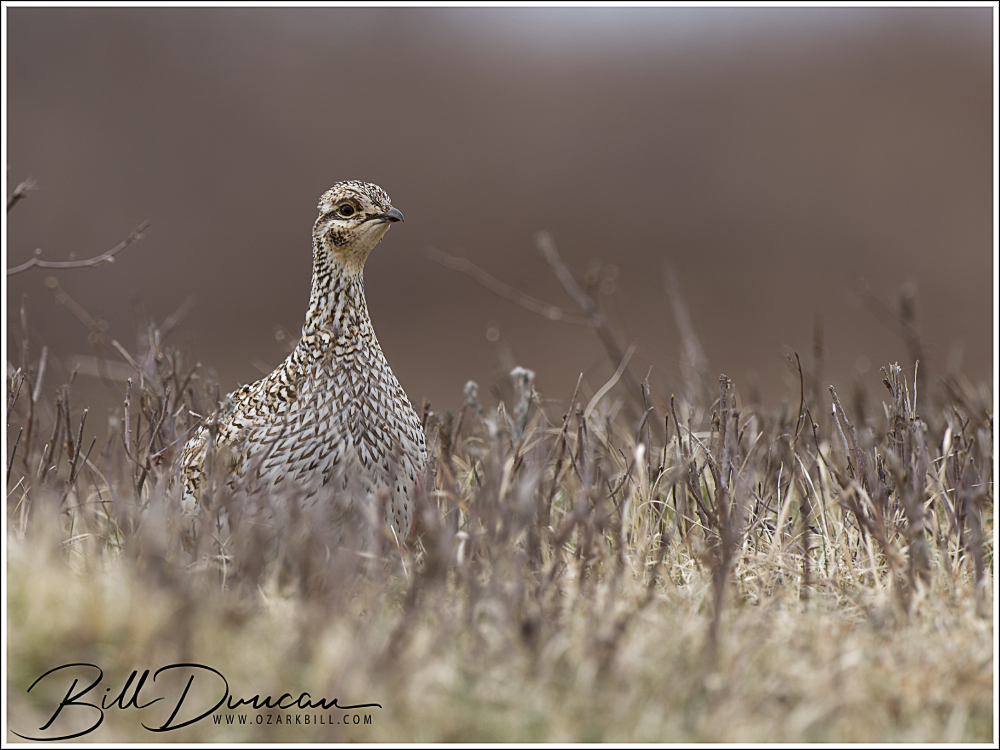
When not displaying, male and female Sharp-tailed Grouse can be very difficult to discern. This is one of the few photos I was able to get of a certain female as they would usually only make short appearances on the lek.
From materials I browsed from the Wisconsin Department of Natural Resources and seeing first-hand the excellent management practices ongoing at Solon Springs Sharptail Barrens and Crex Meadows State Wildlife Refuge, it seems the population of Sharp-tailed Grouse is currently in good hands in the Badger State.
Hopefully management and policy decisions continue to support the Sharp-tailed Grouse in Wisconsin for decades to come!
Hopefully you have enjoyed a look at some of my experiences during three days on the lek with these fantastic chickens. Thanks so much to Casey Galvin for doing most of the planning for this adventure. Thank you also to Lauren Thomas of the Wisconsin DNR for helping me identify a lek at Crex Meadows on very short notice. Finally, thanks so much to my darling wife Sarah, for taking care of some of my responsibilities around the house while I was away on this trip!
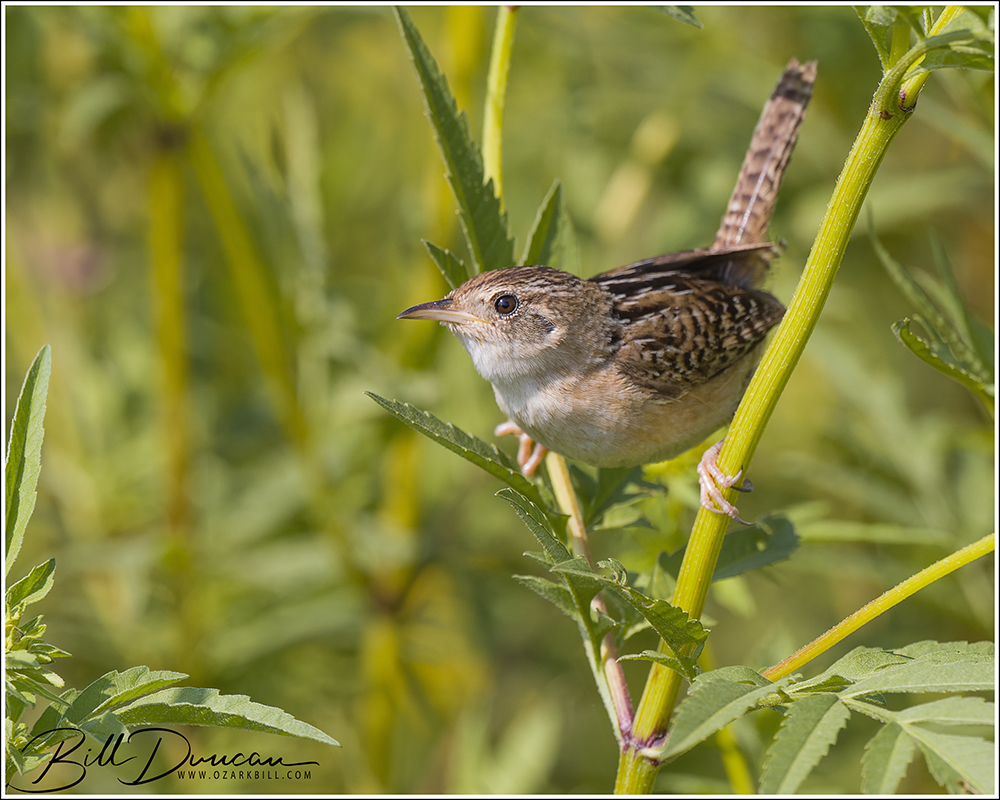
I’ve photographed Sedge Wren on numerous occasions and it never gets old. These guys seemed more numerous than I ever remember in eastern Missouri this year. This past Saturday I spent a few hours at BK Leach and Riverlands Migratory Bird Sanctuary and found more than 40 during my travels, including sure pair territories. I’m glad the grasslands are to their liking this year. No Marsh Wrens, however.














































 A Thousand Acres of Silphiums