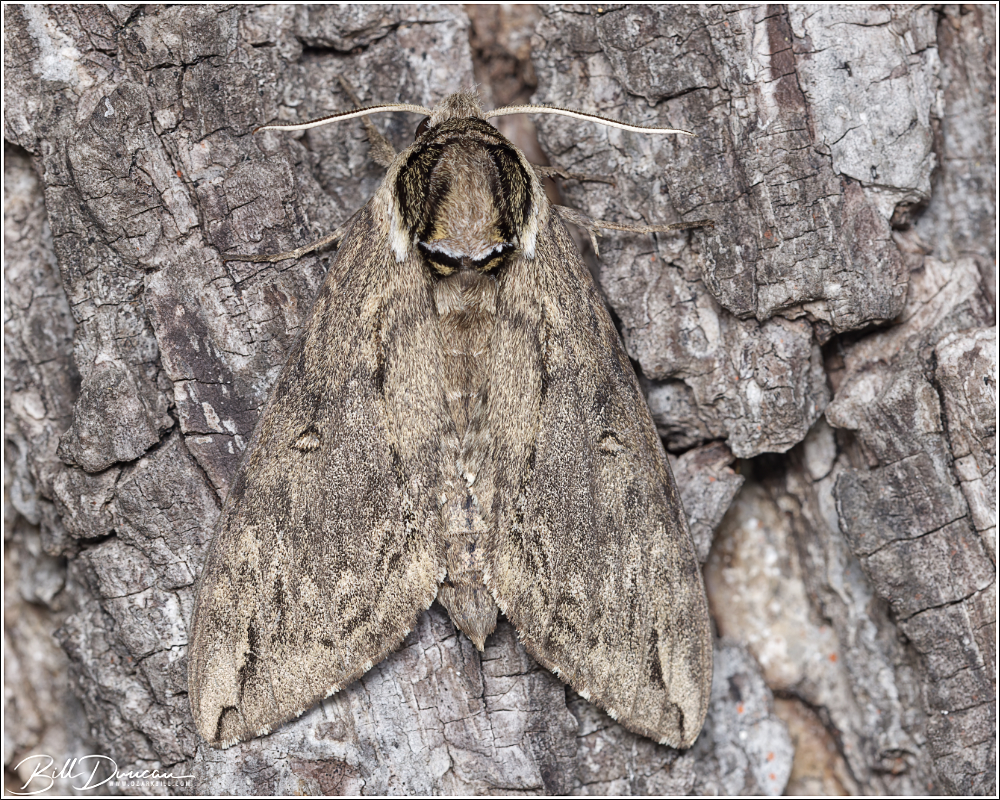
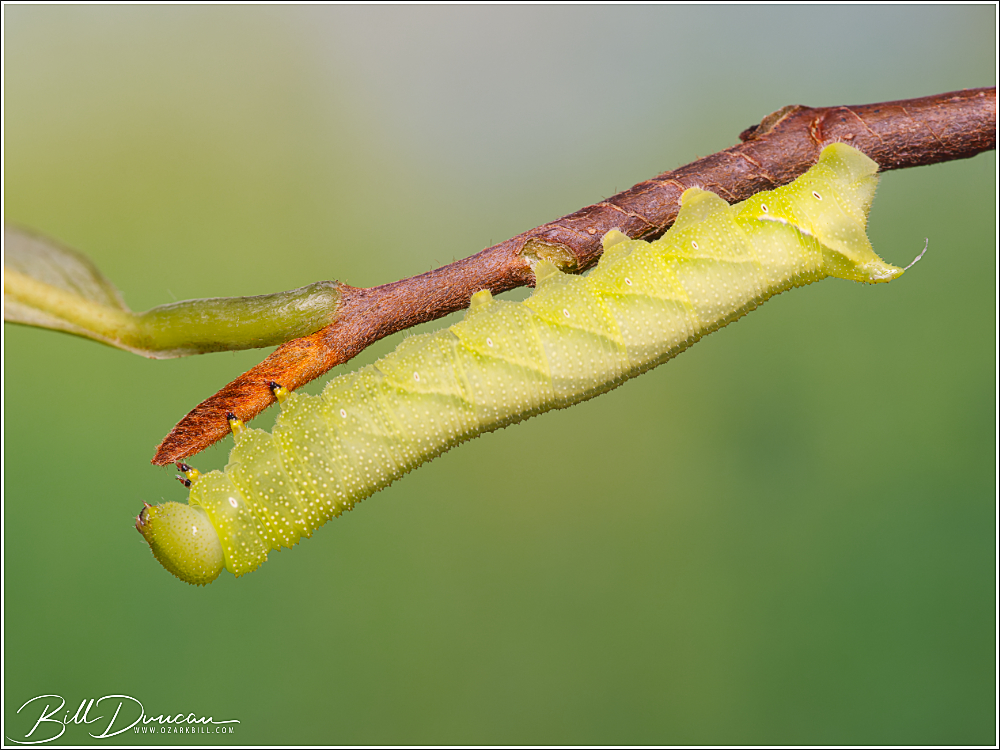
Catalpa Sphinx
Ceratomia catalpae F. Sphingidae
Host plant: Found on northern catalpa (Catalpa speciosa)
Date found: 17, Aug, 2024
Location Found: Schoolcraft Prairie, Washington County, MO


"What a thousand acres of Silphiums looked like when they tickled the bellies of the buffalo is a question never again to be answered, and perhaps not even asked." -Aldo Leopold
Catalpa Sphinx
Ceratomia catalpae F. Sphingidae
Host plant: Found on northern catalpa (Catalpa speciosa)
Date found: 17, Aug, 2024
Location Found: Schoolcraft Prairie, Washington County, MO
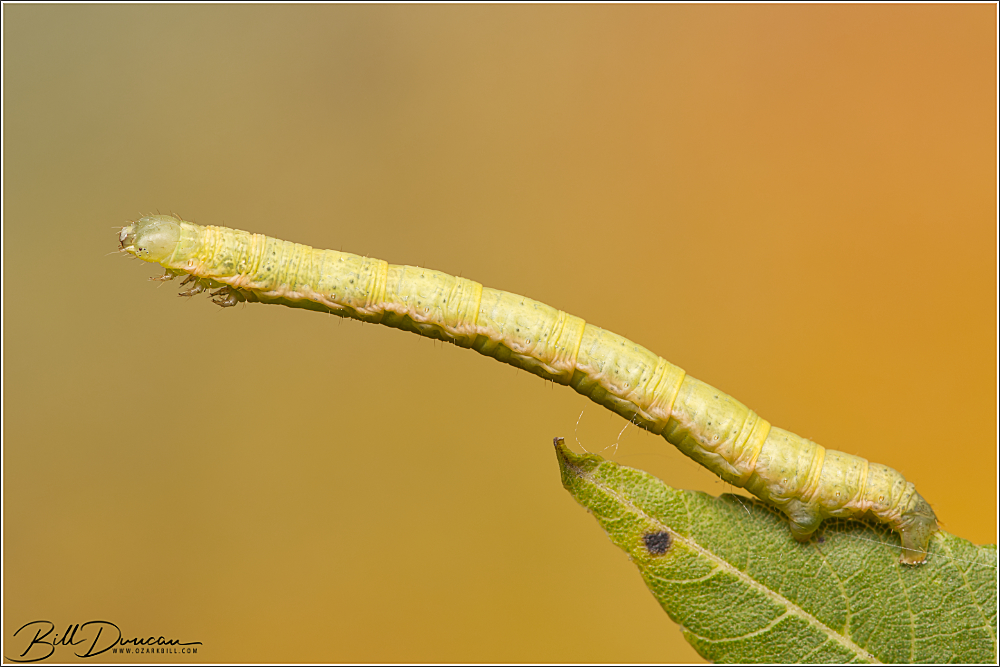
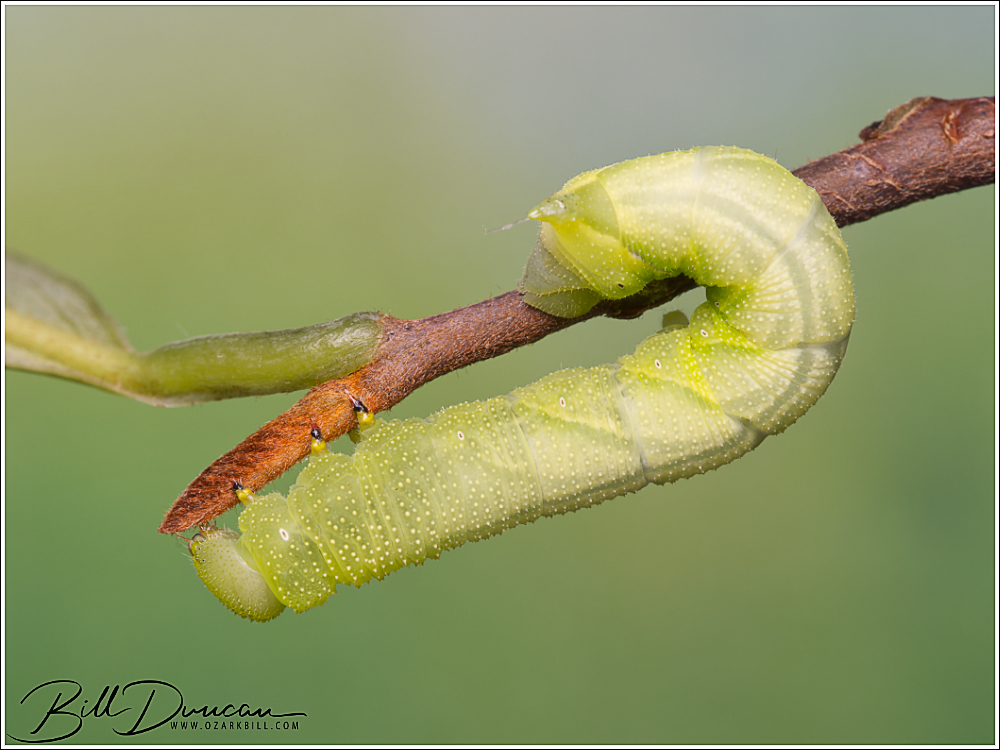
Melanolophia species
Melanolophia sp (likely canadaria) F. Geometridae
Host plant: Found on walnut (Juglans nigra)
Date found: 13, Aug, 2024
Location Found: Bayer Chesterfield location, St. Louis MO

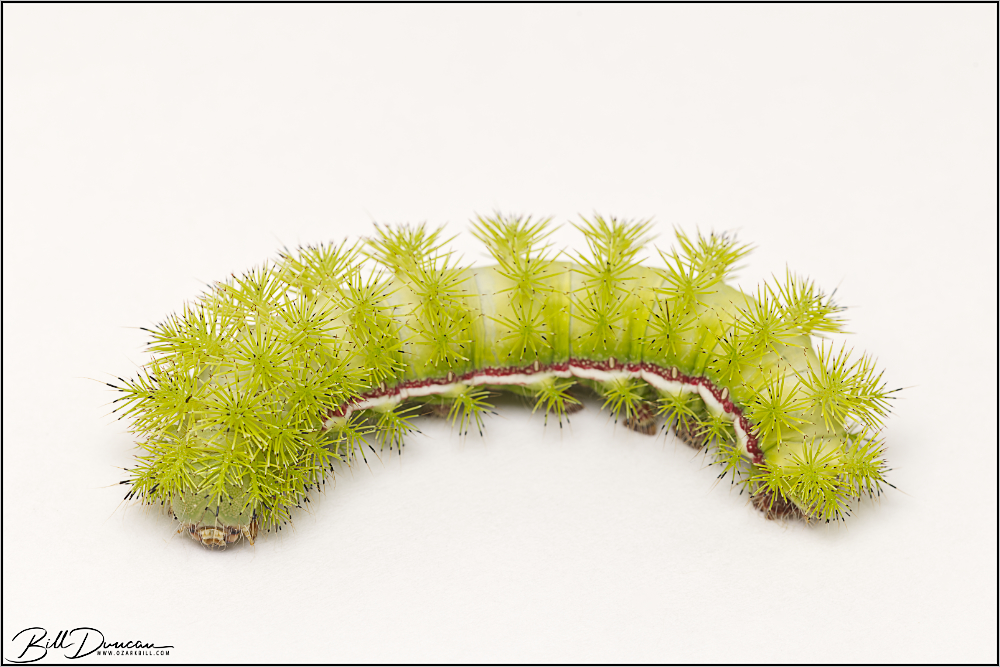
Io Moth
Automeris io F. Saturniidae
Host plant: Not recorded
Date found: 17, Aug, 2024
Location Found: Schoolcraft Prairie, Washington County, MO
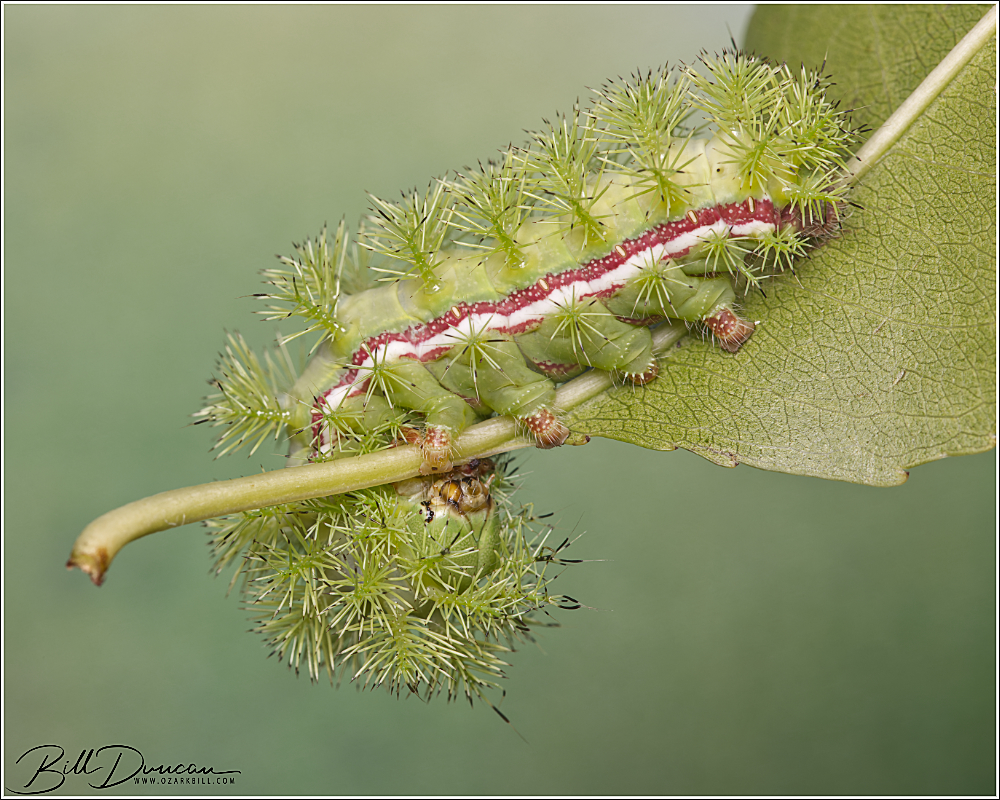
Io Moth
Automeris io F. Saturniidae
Host plant: Not recorded
Date found: 22, Aug, 2024
Location Found: Washington State Park, Washington County, MO
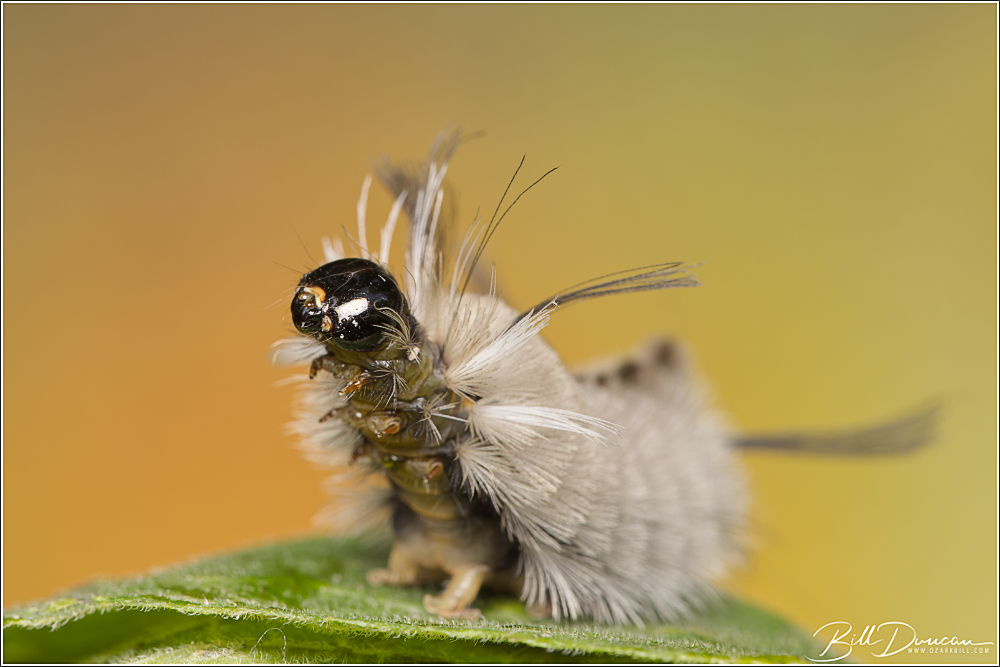
Today I’m featuring two fantastic tussock moths. Although these two are distinctive as larvae, the adults are indistinguishable without genital dissection.
Banded Tussock Moth
Halysidota tessellaris F. Erebidae
Host plant: Found on hackberry (Celtis occidentalis)
Date found: 19, Aug, 2024
Location Found: Huzzah Conservation Area, Crawford County, MO


Sycamore Tussock Moth
Halysidota harrisii F. Erebidae
Host plant: Found on sycamore (Platanus occidentalis)
Date found: 22, Aug, 2024
Location Found: Washington State Park, Washington County, MO


Asimina Webworm Moth
Omphalocera munroei F. Pyralidae
Host plant: pawpaws (Asimona sp)
Date found: 07, Aug, 2024
Location Found: Babler State Park, St. Louis County, MO


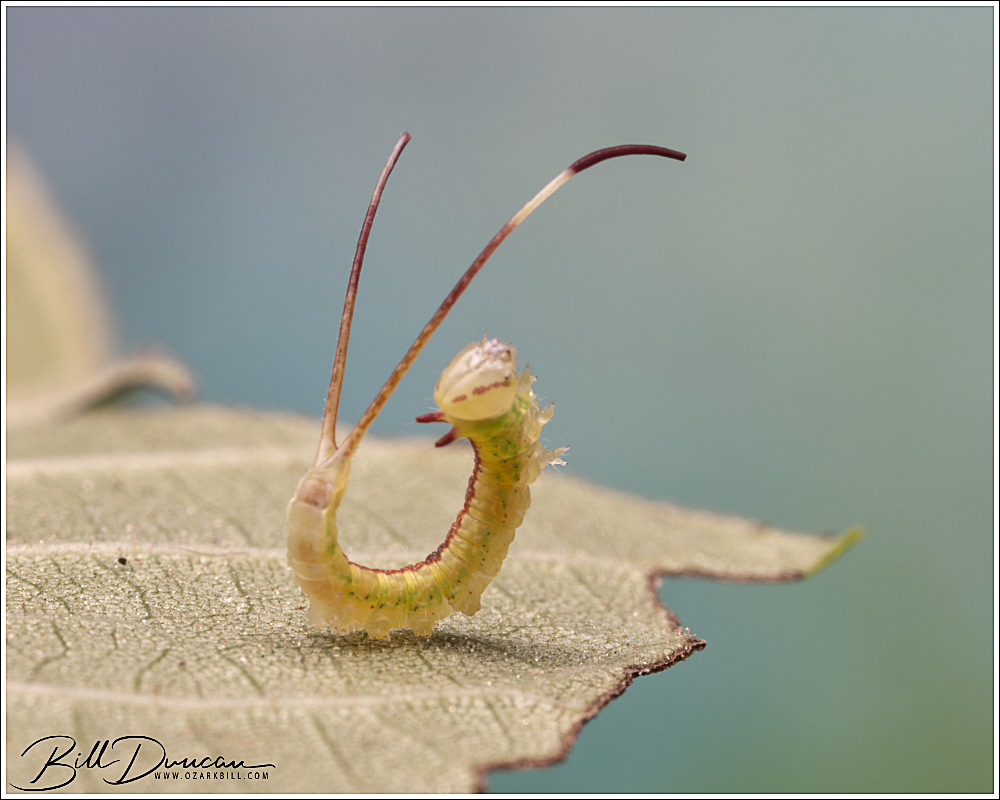
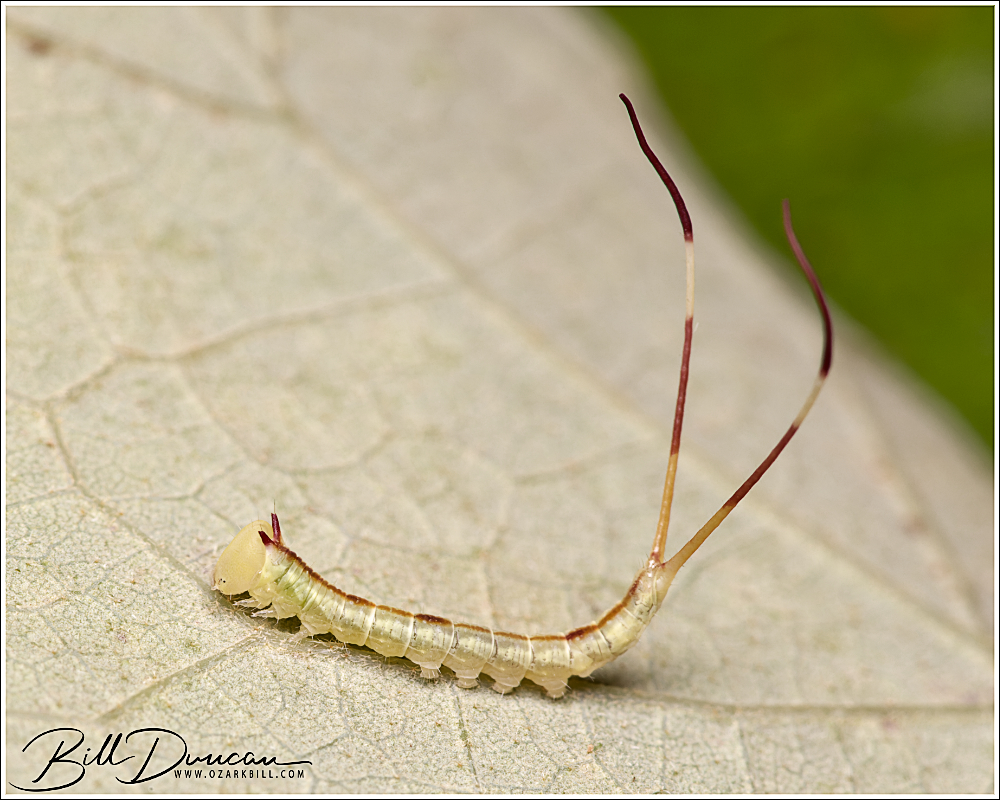
The mottled prominent (Macrurocampa marthesia) is found in the Notodontidae family and is a relatively common caterpillar found on oaks and other members of the Fagaceae. The long tail-like appendages are the anal prolegs and are quite long in early instars, becoming progressively shorter with each molt. Each of these animals were found in mid-late August at the Schoolcraft Prairie property in Washington County, Missouri.
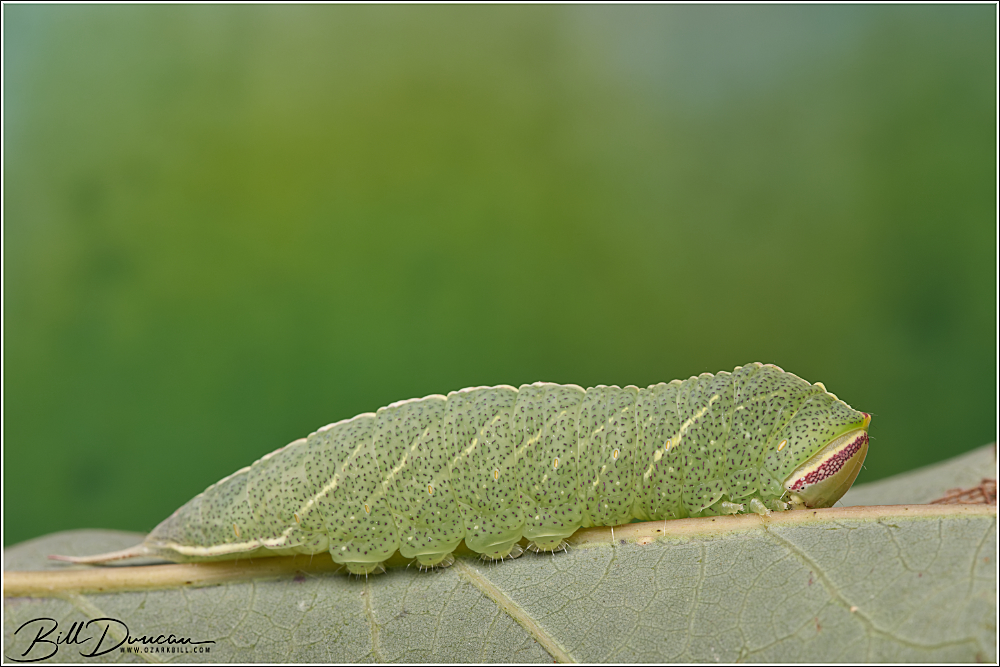
Today’s caterpillar is from another monotypic genus in the family Sphingidae. The pawpaw sphinx (Dolba hyloeus) hosts not only on pawpaw (Asimina triloba), but also on hollies-Ilex and blueberries-Vaccinium. This animal was found on A. triloba in early August at Babler State Park in St. Louis County, MO.


Today’s caterpillar is a little confusing in a a couple of ways. This individual is either Erynnis juvenalis (Juvenal’s duskywing) or E. horatius (Horace’s duskywing). Both species look pretty much identical as larva and both use several oak species as host plants. I’m no expert but it seems that these are best identified to species in their adult form.

The second confusing thing is that I found this individual while beat-sheeting a small ash tree (Fraxinus sp.) in mid-July at Onondaga Cave State Park in Crawford County, MO. From my understanding, both species are obligate oak feeders. This might mean it had fallen from a higher oak and landed in the ash tree, or it might be pre-pupal and looking for a place to pupate. Most often Caterpillars move from their host plants to pupate in a neighboring tree or plant.
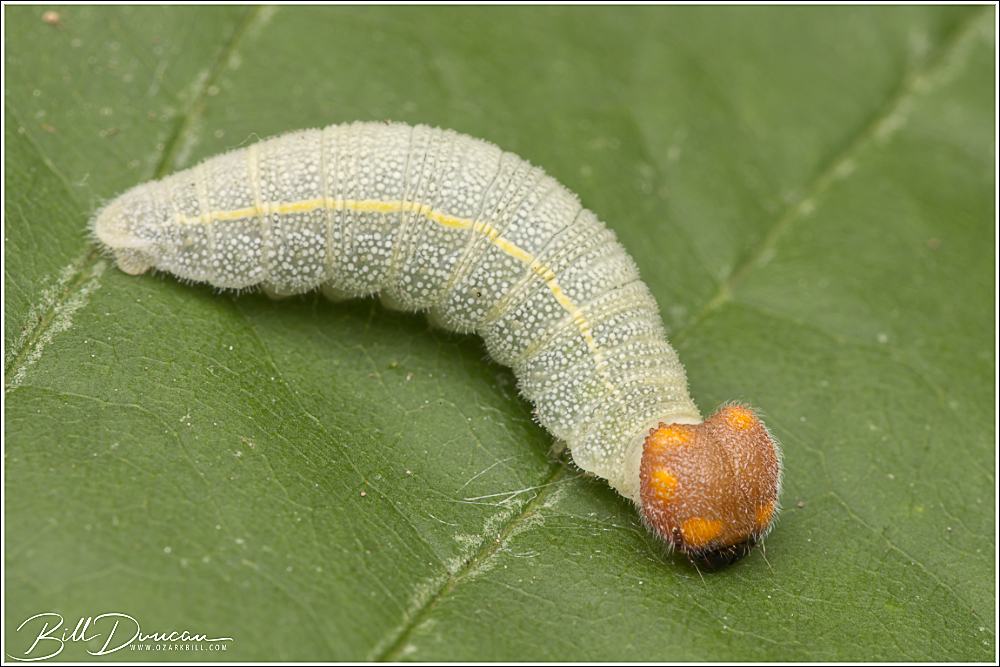
If you have any thoughts or tips on how I might discern this guy to species with just a couple of simple photos and the information I supplied, please let me know.
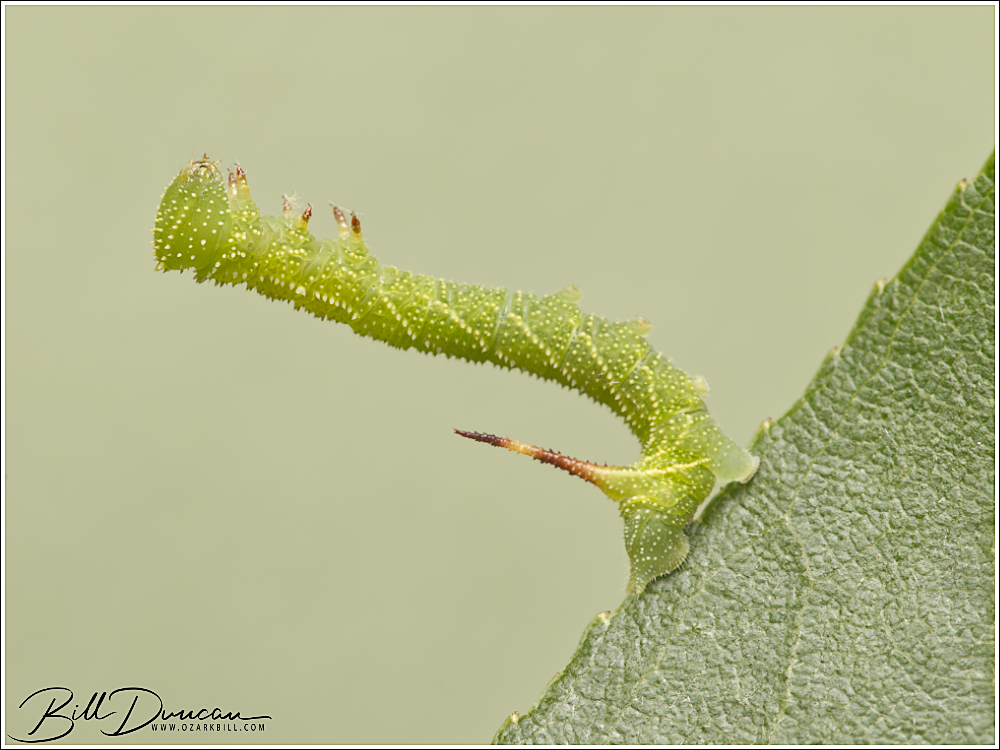
For tonight’s caterpillar, I am featuring the Sphingidae family member, Amorpha juglandis – the walnut sphinx moth. This is the only species in the monotypic genus, Amorpha, a name that is shared with a plant genus that holds our leadplant (Amorpha canescens) and false indigo bush (A. fruticosa). This name comes from the Greek – amorphos- meaning formless or mishappen. This describes the lack of wing and keel petals of the corolla of these beans. For the moth, I am not completely certain, but it may have to do with the unique shape and placement of the rear wings when this moth is at rest. This species is very easily identified in both larval and adult forms.
First up are a couple of early instar brood mates that I found on the same walnut tree in mid-July at Kaintuck Hollow in Phelps County, MO.

Next up is an older cat found at Schoolcraft Prairie in Washington County, MO in mid-August. Caterpillars of this species at this stage are infamous for its defensive displays when harassed, including emitting a high-pitched squeak, thrashing and biting. Unfortunately, this one was pretty chill, so I could not show this off to the folks I was with.

Finally, on the same night we photographed the caterpillar pictured immediately above, an adult male moth was attracted to our blacklight setup. This was my first looks at the adult form of this species.

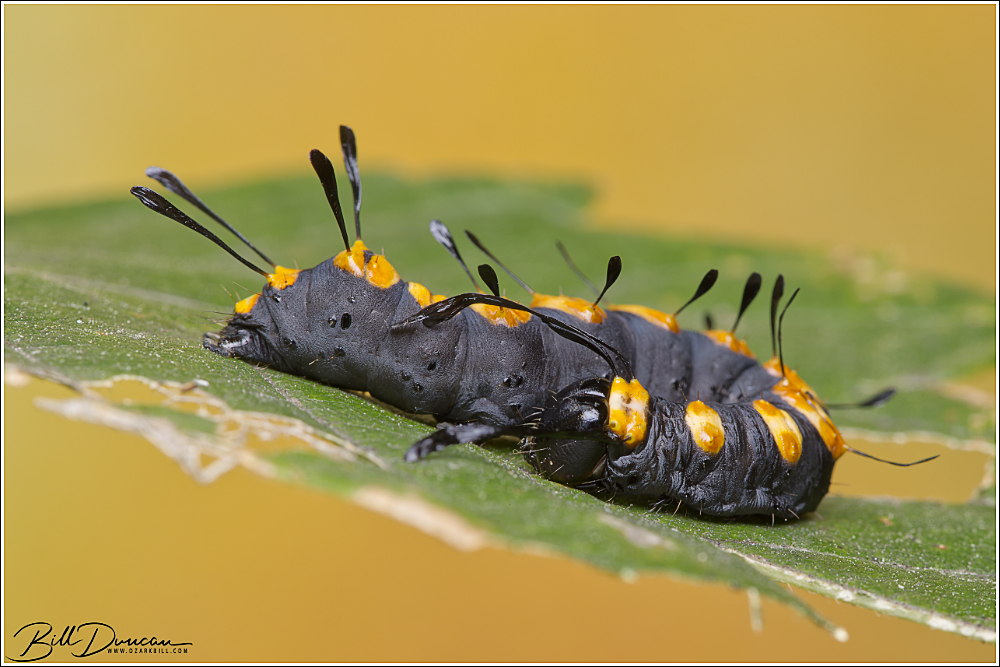
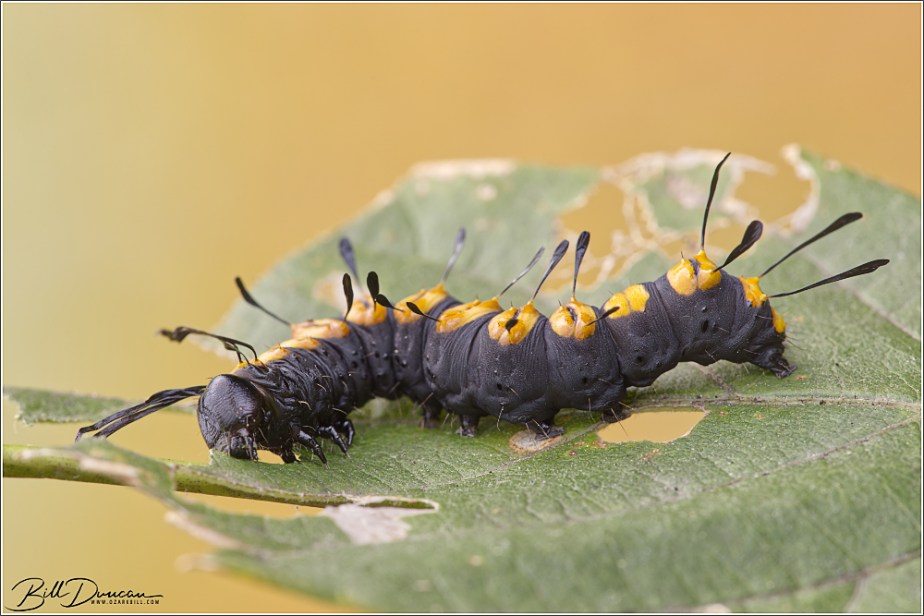
Yes! In what is likely one of the last good weekends of the 2024 season, the WGNSS Nature Photography Group headed back to Kaintuck Hollow where we found this final instar Acronicta funeralis (paddle caterpillar/funerary dagger), Noctuidae, feeding on Acer negundo (box elder). I recently shared photos of this species in one of its mid-instars.
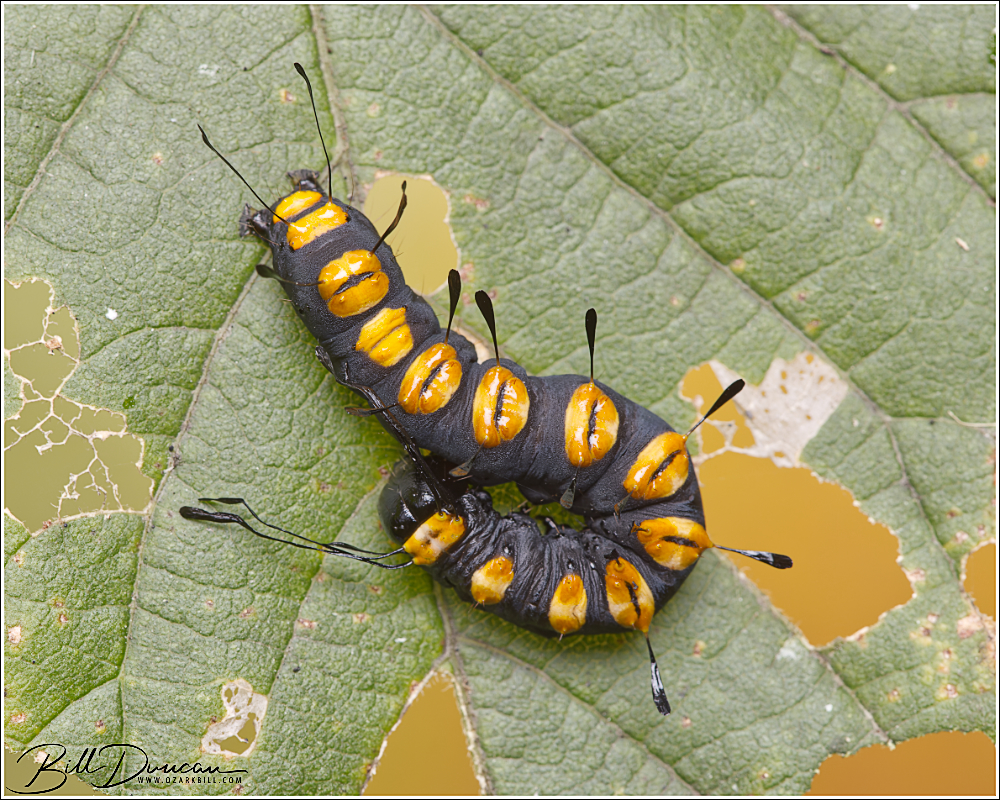
We have maybe one or two good weekends left for this season so maybe we’ll find something else. Either way, I’m preparing my list for hopeful species to find next season.

 A Thousand Acres of Silphiums