
In population biology the term “refugium” is used to describe a location that supports an isolated population of a once more widespread species. Refugia are almost always referenced in regards to climate. For example, a plant species that has found refuge in a cool and moist valley in a geography that is mostly inhospitable for its survival. I have come to discover another important example of this term in my own suburban neighborhood and examples of which can be found in most major metropolitan areas.
The photos I am sharing today come from the woodlot refugia that supply critical habitat for a variety of organisms that find themselves in the relative ecological desert known as the suburbs.

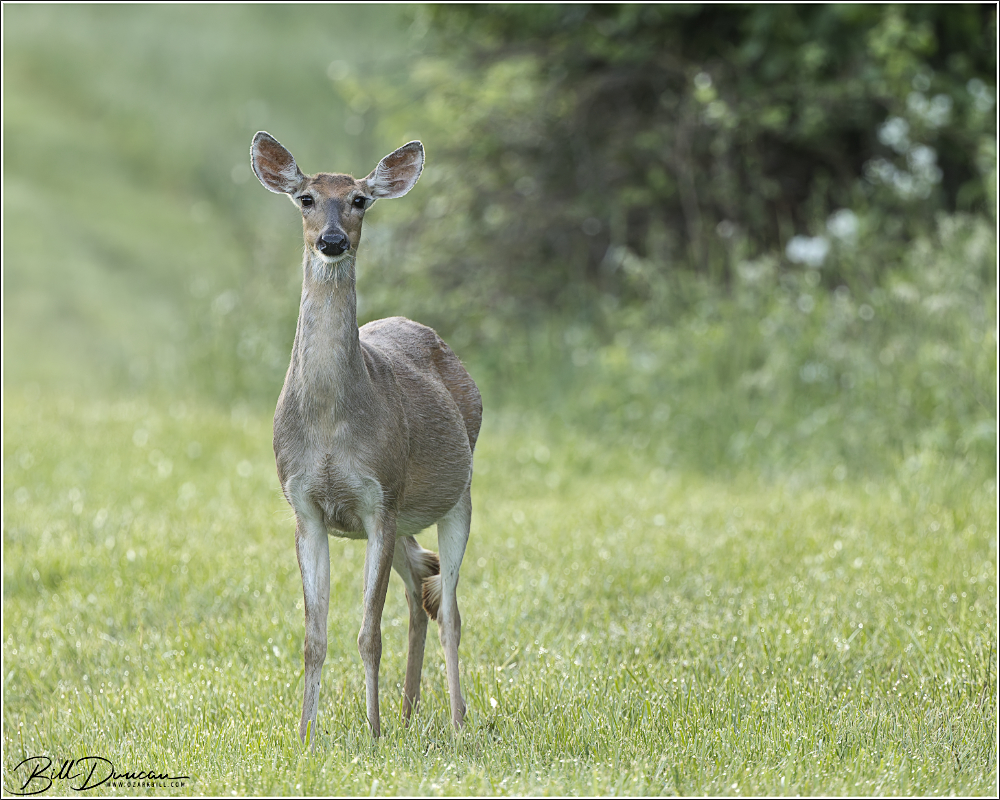
Although white-tailed deer will leave the woodlots to feed in our suburban lawns at night, they use these refugia for much of their feeding and daytime refuge.

Woodlot refugia are green oases for migrating songbirds looking for food and shelter during their stopovers. There are also resident nesting birds that rely heavily on this resource as well.

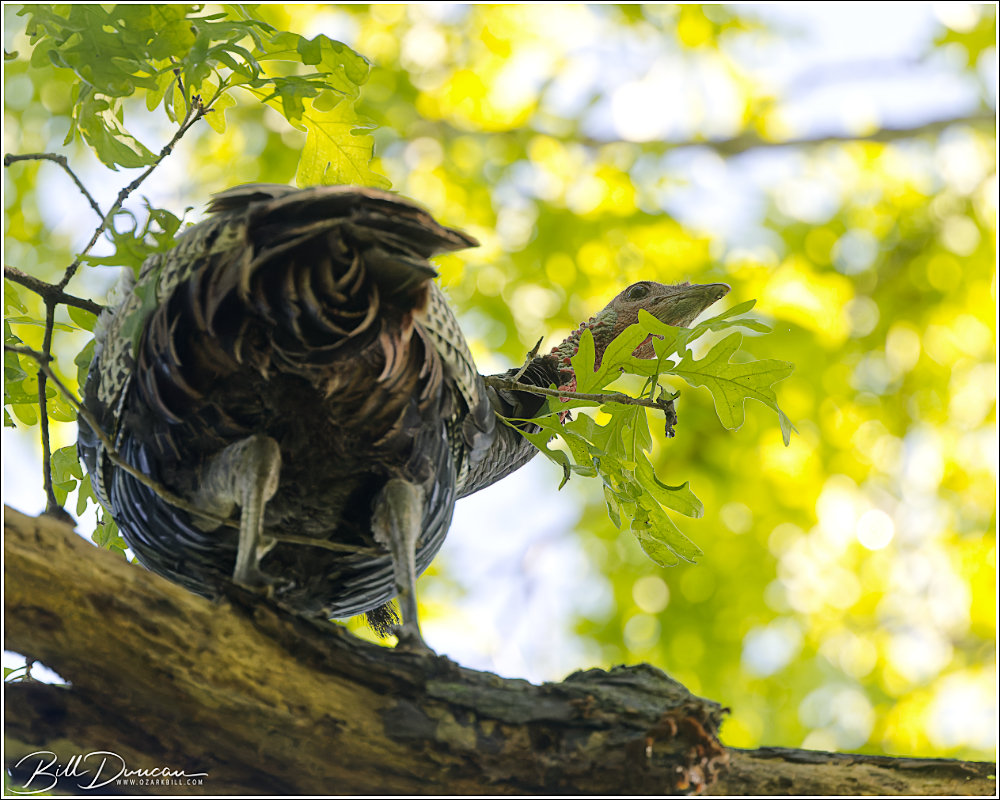
Here are a few migrant songbirds that stop at our woodlot refugia during their northward trip to nesting grounds.

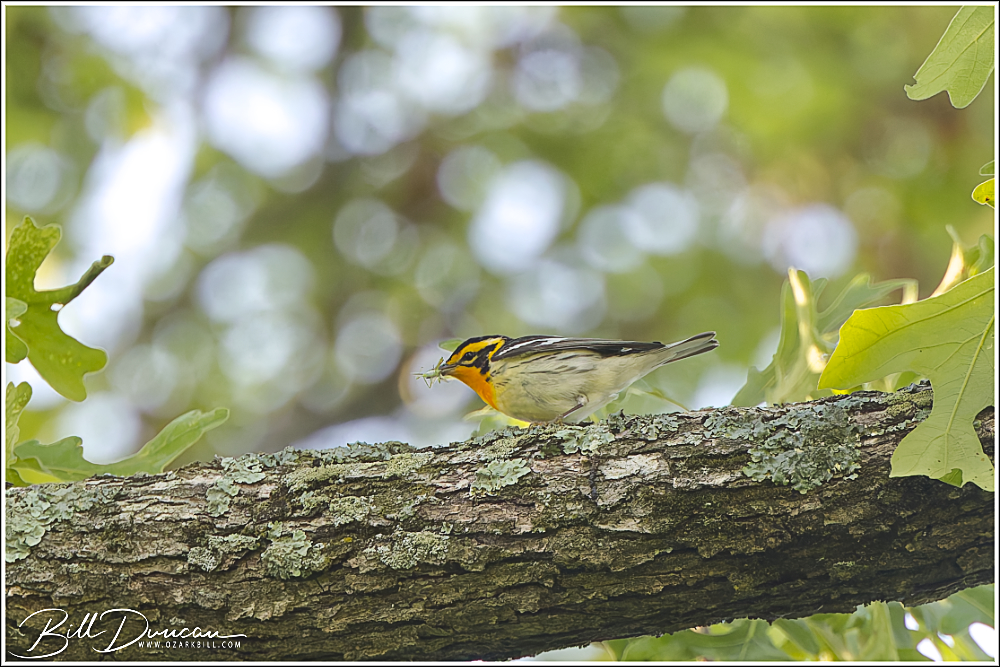

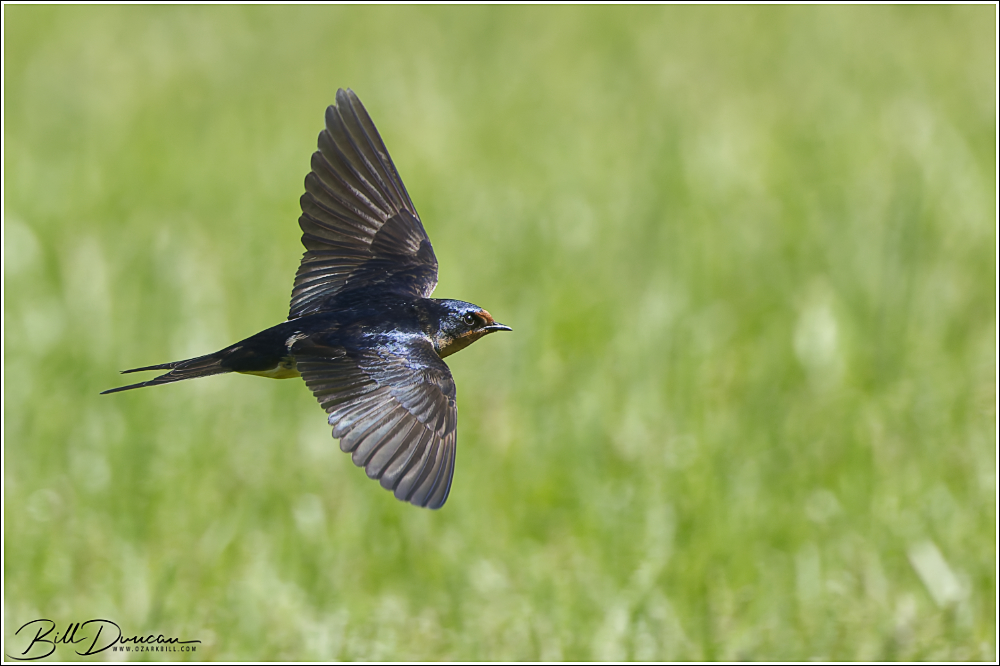
This final bird is not necessarily a user of the woodlot refugia, but it is a bird I always look forward to seeing return in the spring when I walk through our common grounds turf fields on my way to the woodlots.
Please make note of potential woodlot refugia in your neighborhoods. It is so easy to lose a 1-10 acre woodlot in the name of neighborhood development, but these places are critical refugia to the flora and fauna we share our homes with.
 A Thousand Acres of Silphiums
This is truly an impressive list of biodiversity from an urban setting. Just think about the potential in suburban areas if we could either preserve or leave habitats undisturbed. It could lead to an incredible richness in subject matter, providing a significant advantage for those of us lucky enough to have such diverse resources nearby. Great job, Bill!
Thanks a lot, Miguel. I just wish I would have been able to get more photos of the fantastic birds I was able to find this season.