
Friends and I had a couple of really fun blacklighting sessions at Engelmann Woods Natural Area in June and July. Neither evening was as great as it could be but each was definitely worth the time and mosquito bites. Here are just a few of the fascinating arthropods that came to visit.
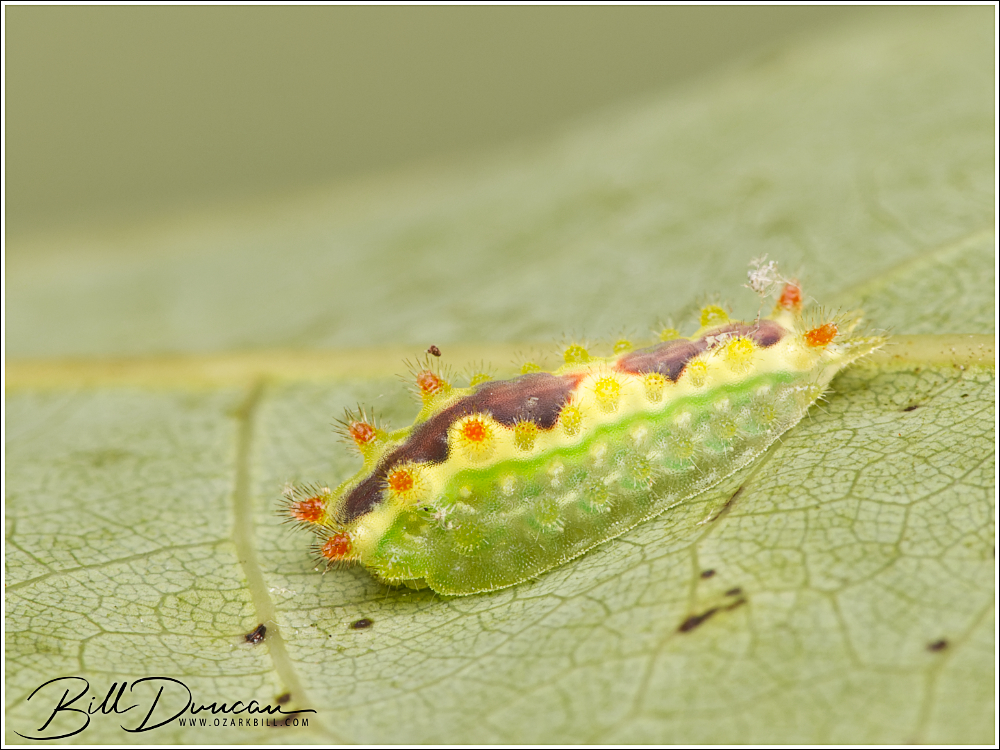
Slug moths (Family Limacodidae) are often the first to arrive at the sheets. We found a couple of adults and I was quite surprised to find a pretty late-stage purple crested slug (Adoneta spinuloides) larvae in late June. Typically, any slug moth cats are very small if you can find any at all in early summer.


We had very nice diversity in underwing moths (Eribidae Catocala sp.). I believe we had identified six different species over the two nights. Here are a few of these.

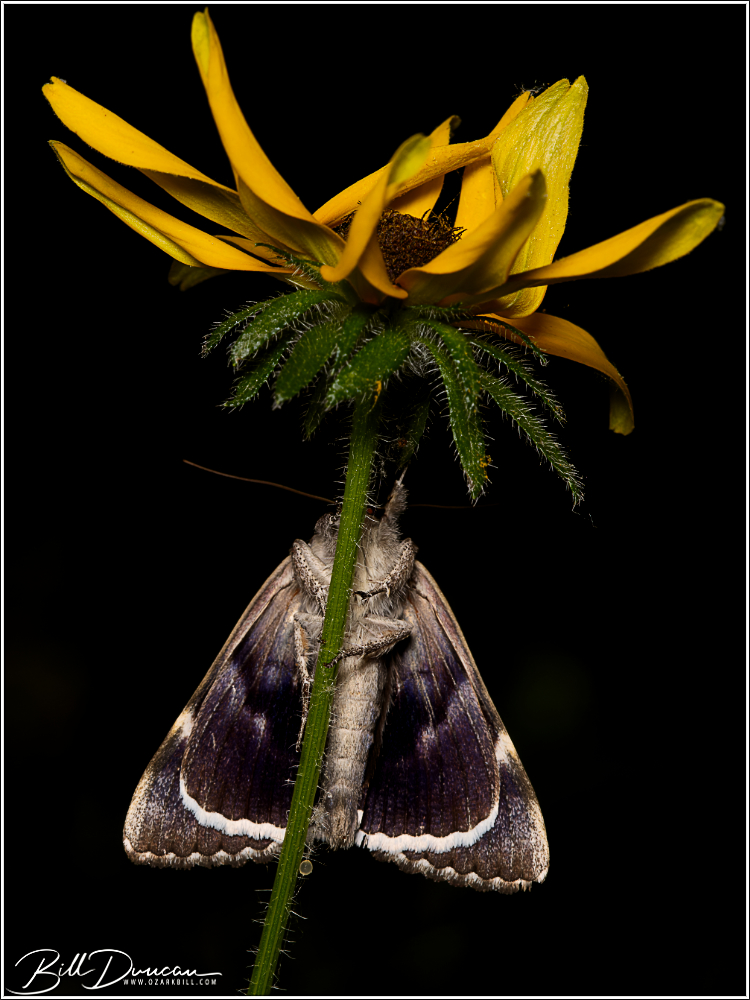
Catocala insolabilis (inconsolable underwing)

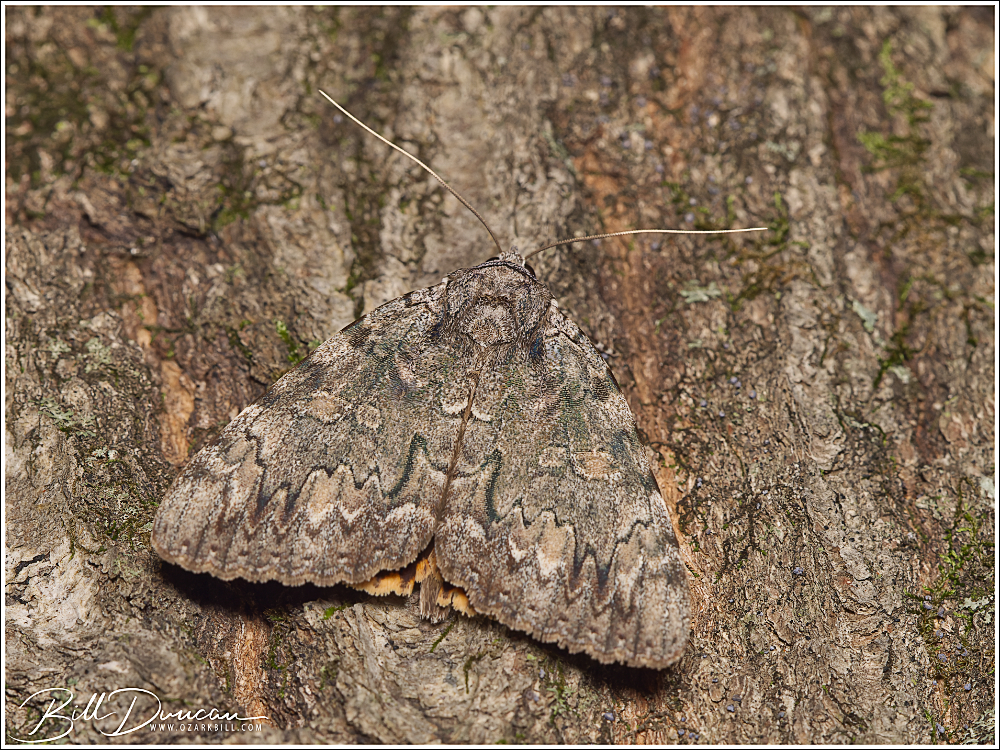
Here are a few fine examples of the species rich Noctuidae Family.
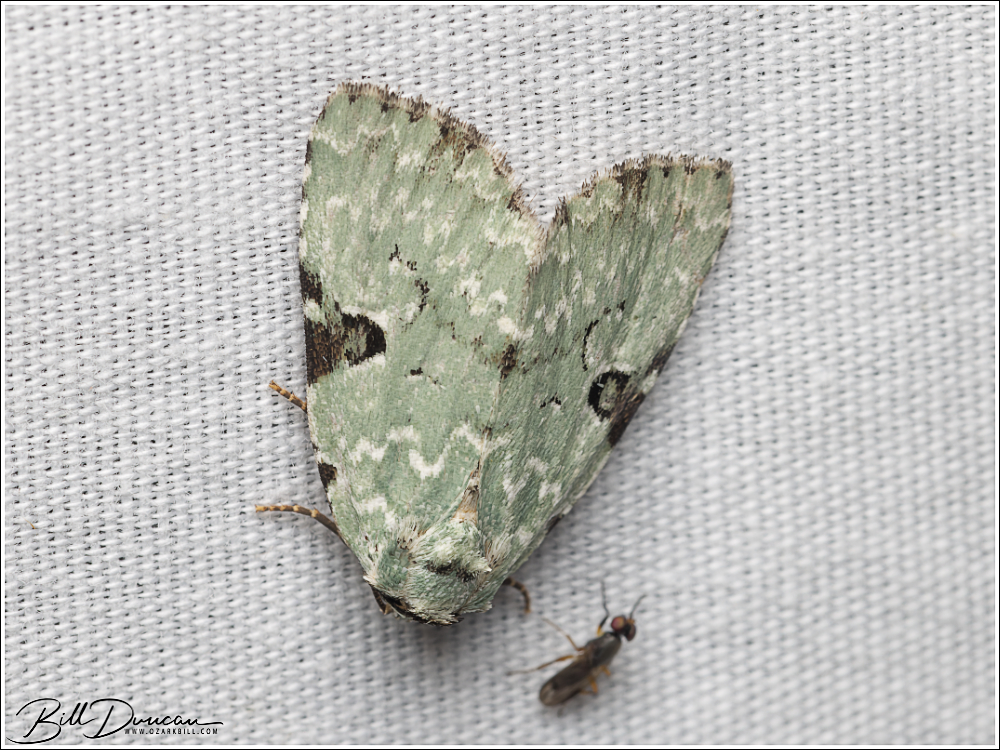


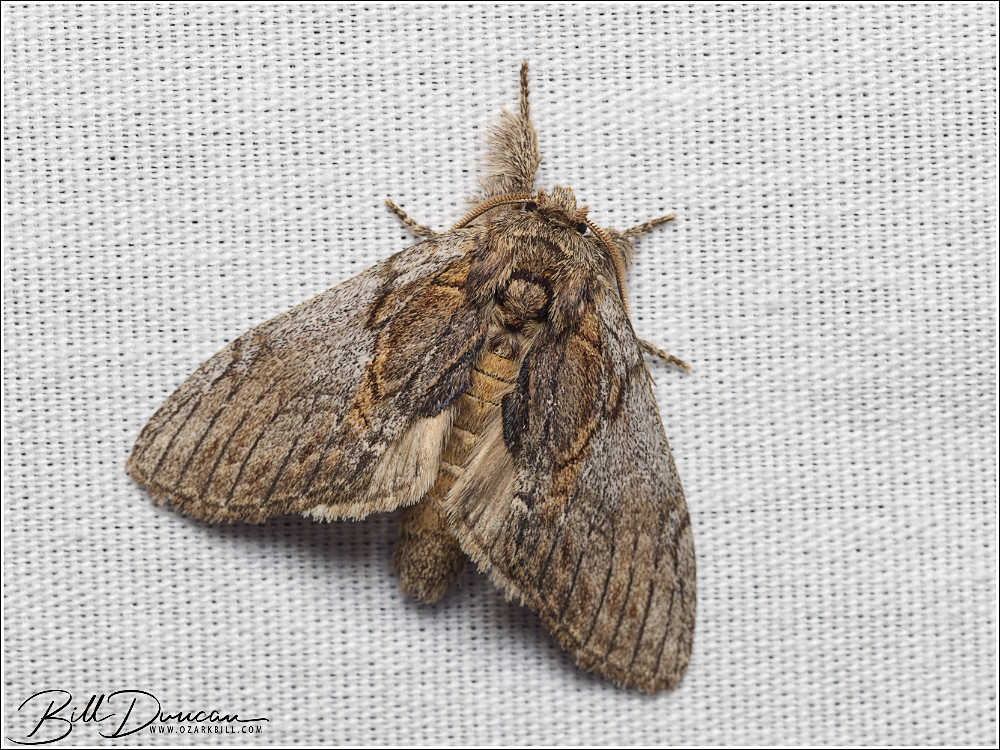
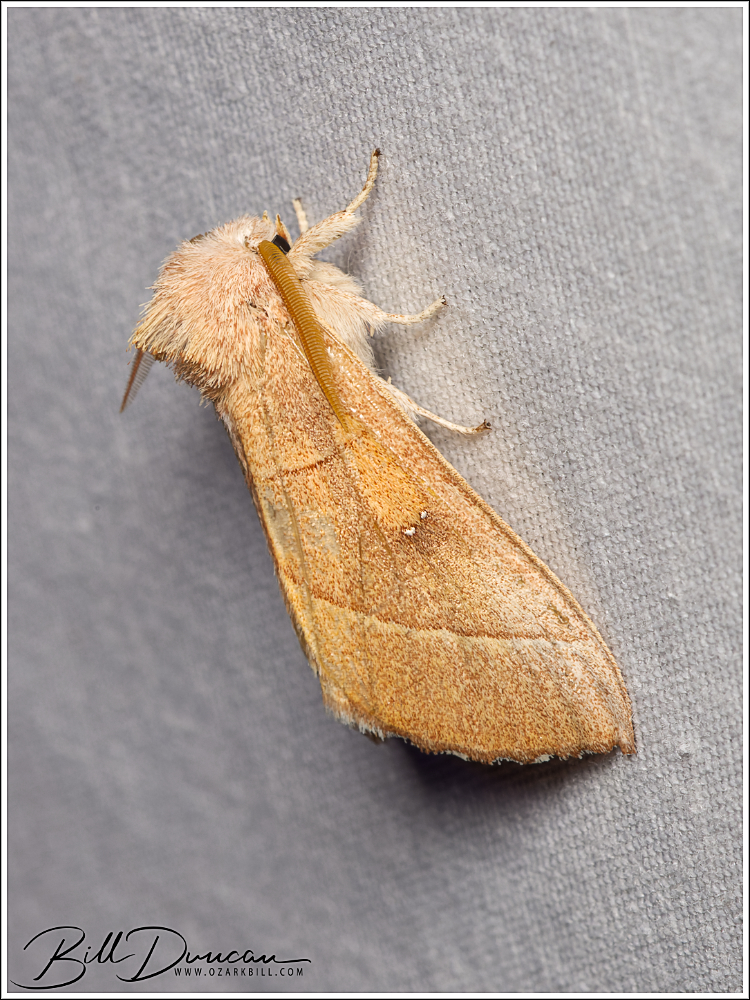
A couple of fuzzy and beautiful Notodontidae.

We had only a single sphinx moth that would settle down for some photo opportunities. This is the common but still interesting Virginia creeper sphinx (Darapsa myron).

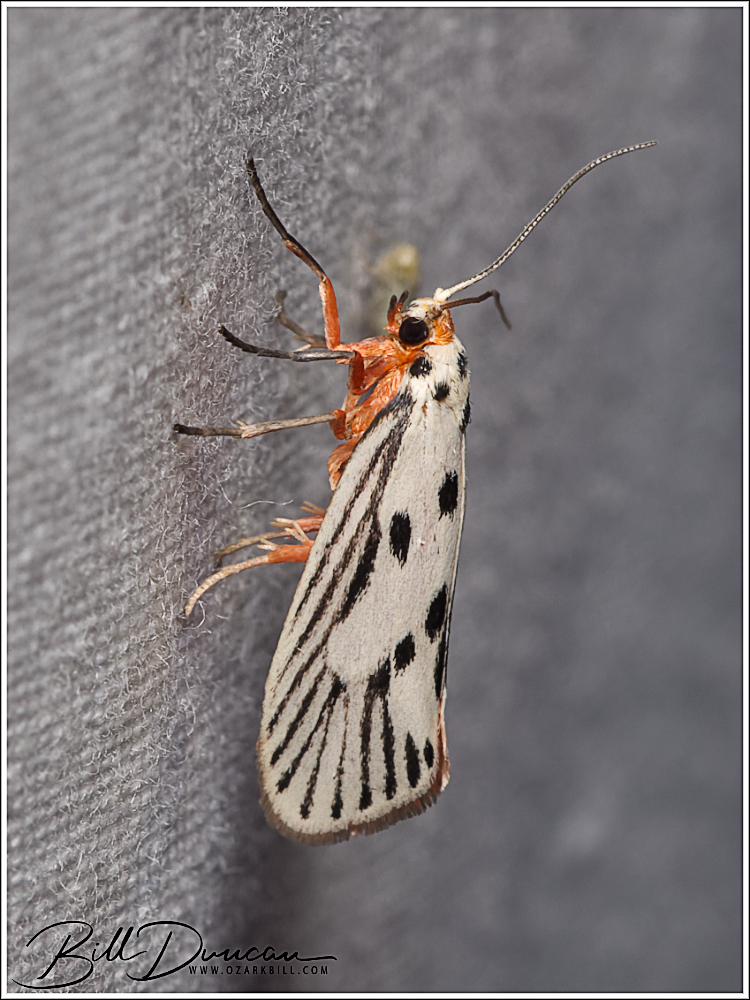
Probably my favorite find from these two nights was this Euerythra phasma (red-tailed specter) in the Family Erebidae.


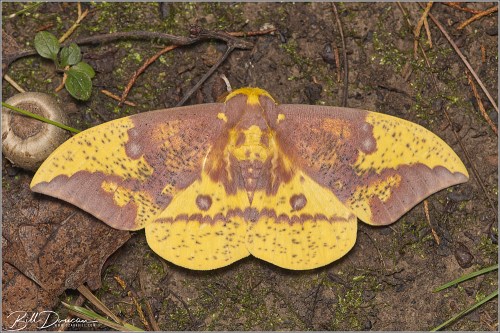
Of course, it really isn’t a blacklighting night without at least a couple of Saturniids. One of the highlights of our July night was having five imperial moths (Eacles imperialis) all show up at once shortly after I fired up the big metal halide bulb.
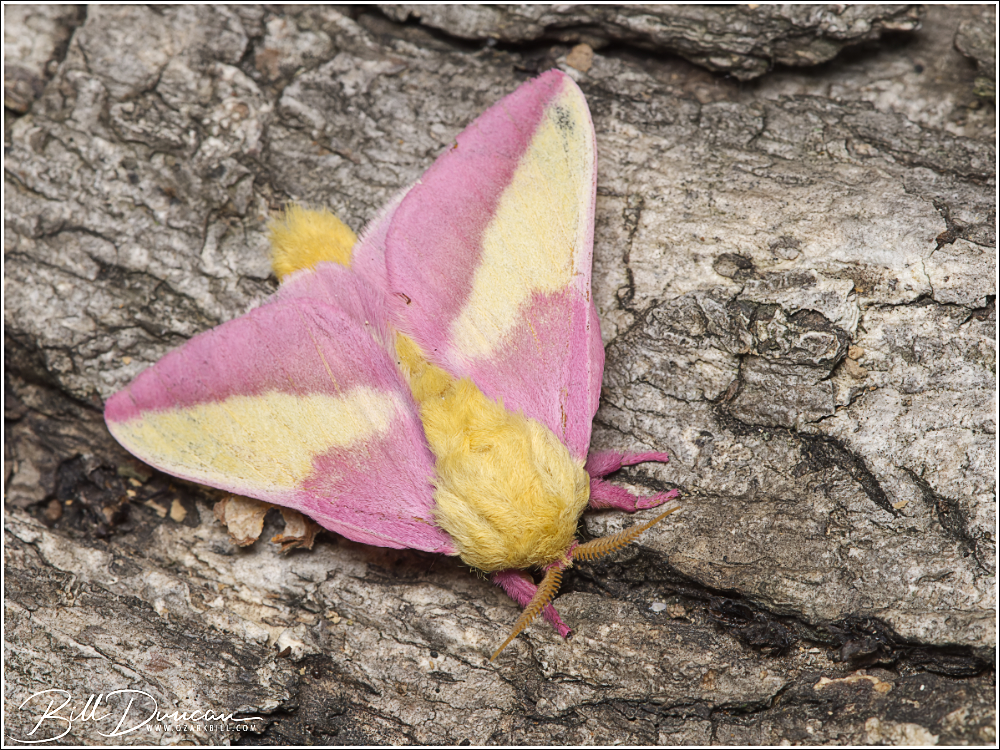

I’ll wrap up the moths with a couple of colorful little one.

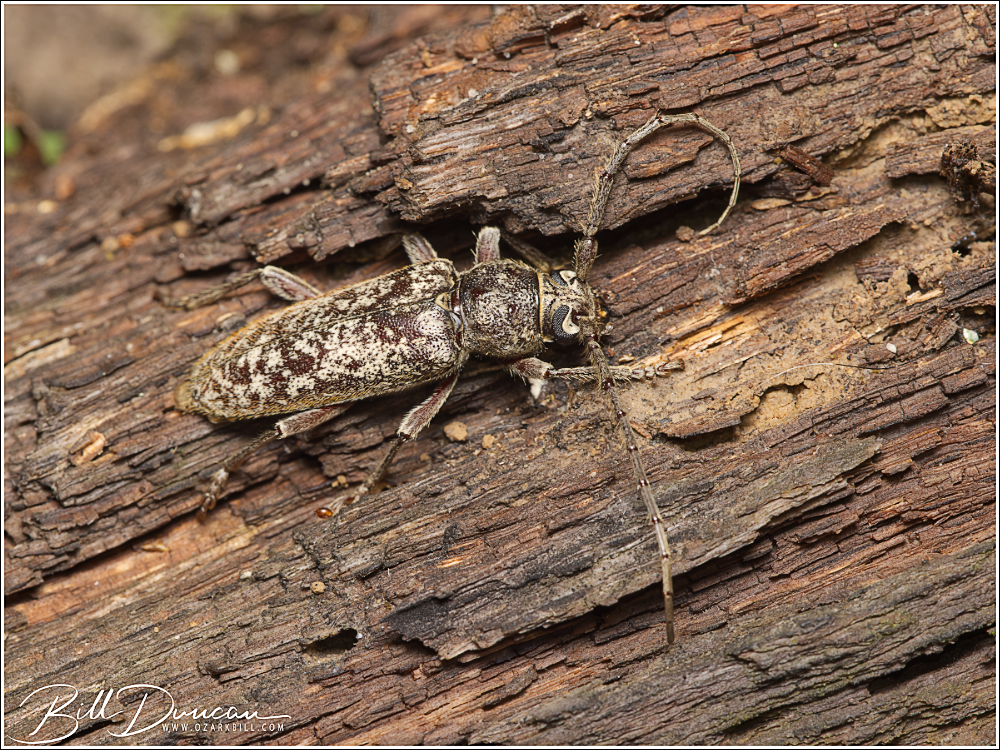
Of course we find other types of insects that are drawn to our lights, including these three species of Cerambycid beetles.



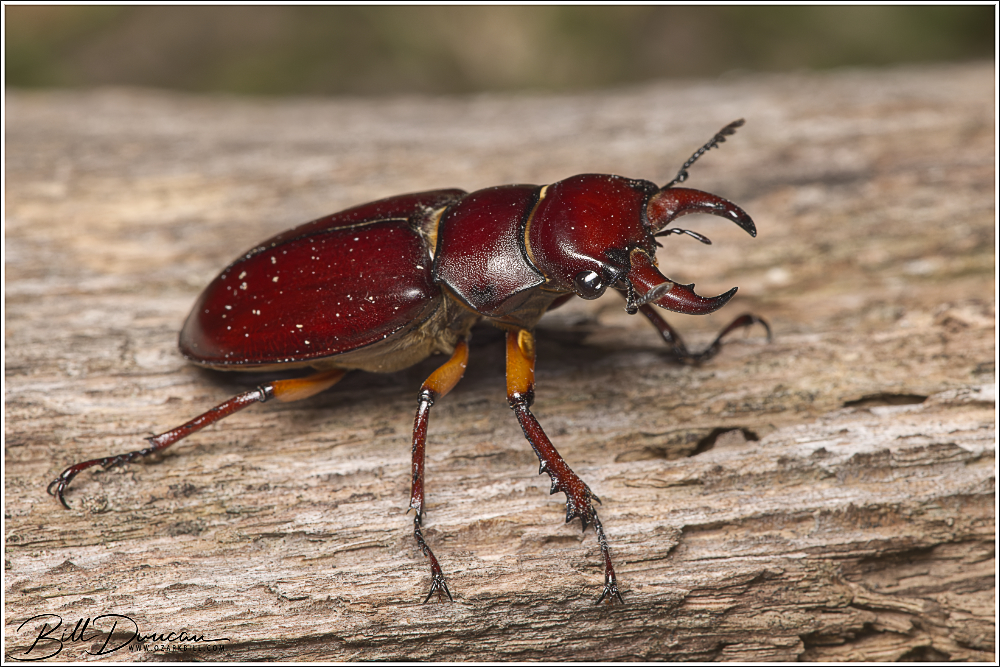
Thankfully this stag beetle wasn’t too serious about biting us.
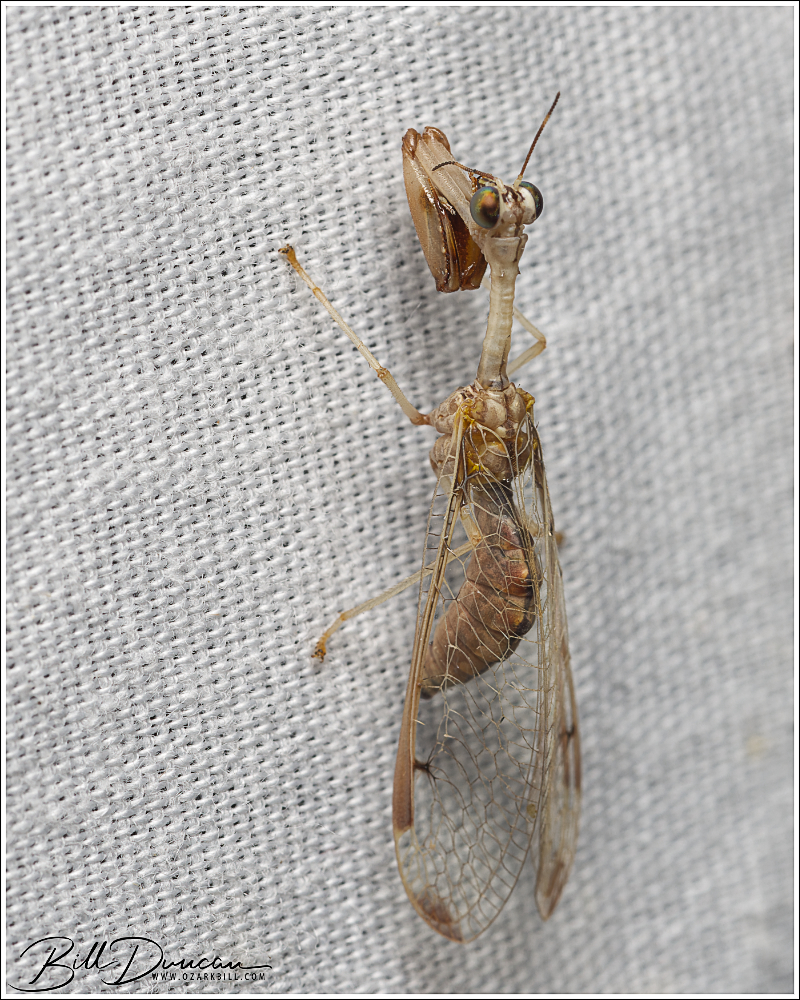
We found three species of mantid flies (Mantispidae). Unfortunately, I neglected to photograph the rarest of these.

This wraps up most of the first couple of blacklighting sessions of the season. I hope to get a few more in before the season is over. Thanks for visiting.
 A Thousand Acres of Silphiums
Goes tigrinus is a nice find—I’ve seen only a handful over my many years.