Wishing everyone peaceful, easy feelings during the last few beautiful days of 2021.

"What a thousand acres of Silphiums looked like when they tickled the bellies of the buffalo is a question never again to be answered, and perhaps not even asked." -Aldo Leopold
Wishing everyone peaceful, easy feelings during the last few beautiful days of 2021.
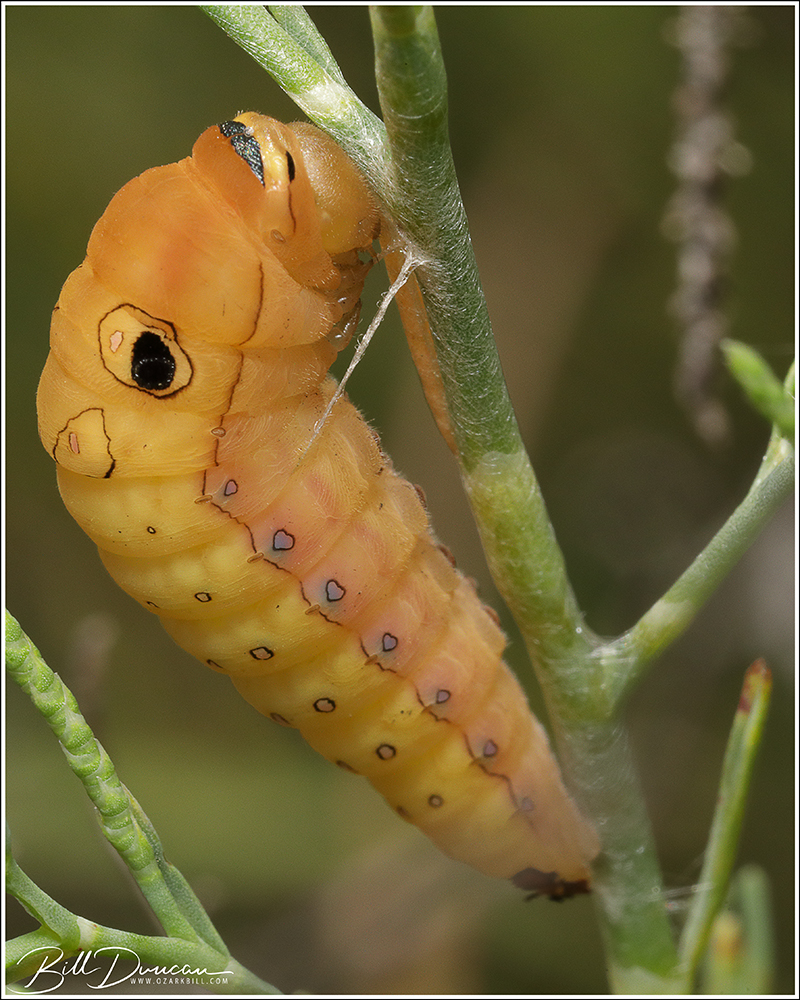
This eastern tiger swallowtail was found in late July, preparing to pupate on an American Jointweed (Polygonella americana) at Sand Prairie Conservation Area in Scott County, MO.
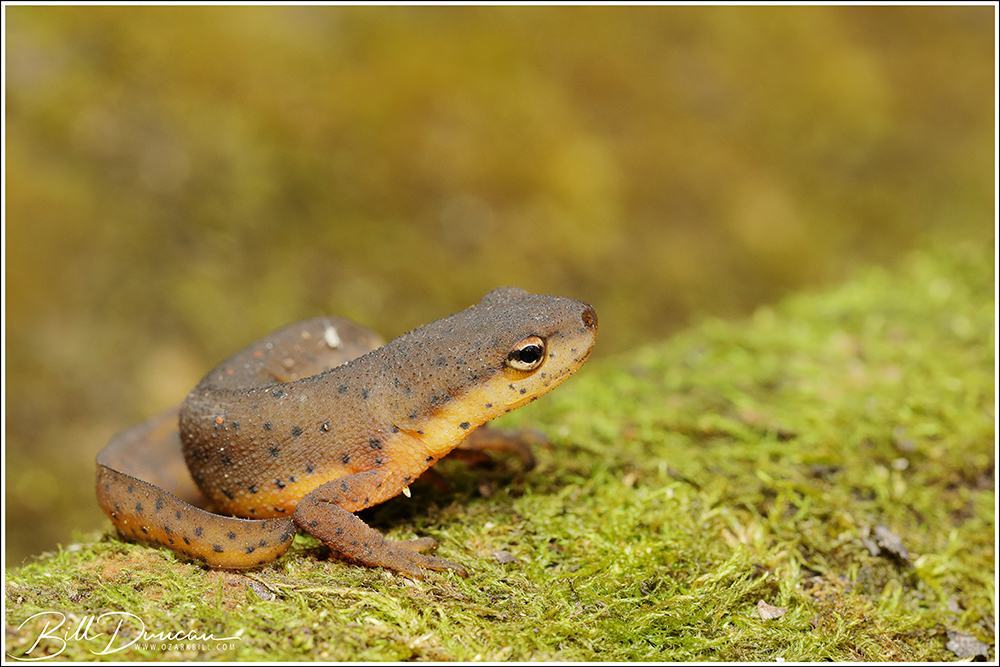
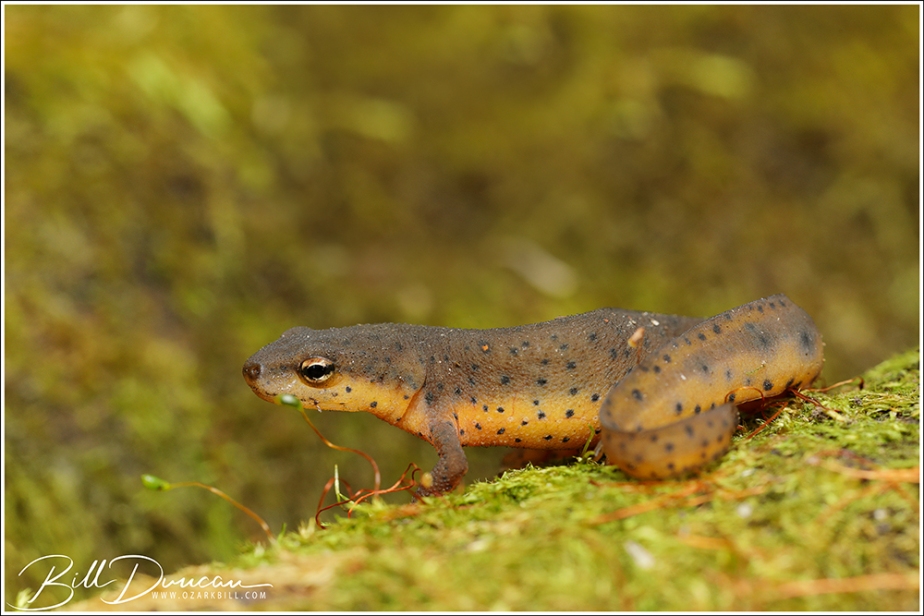
Casey, Dave and I found this nice little eastern newt eft in Lincoln County, MO in mid-October of this year. Did you know… Newt species like this one have a variety of options in their life stages and reproductive strategy. Typically, newts will have three stages in their development, starting with an aquatic larvae, then changing into a terrestrial juvenile, or eft, and finishing as an aquatic adult. There are examples, however, of some populations that stay and breed in both the aquatic larval stage and as efts.
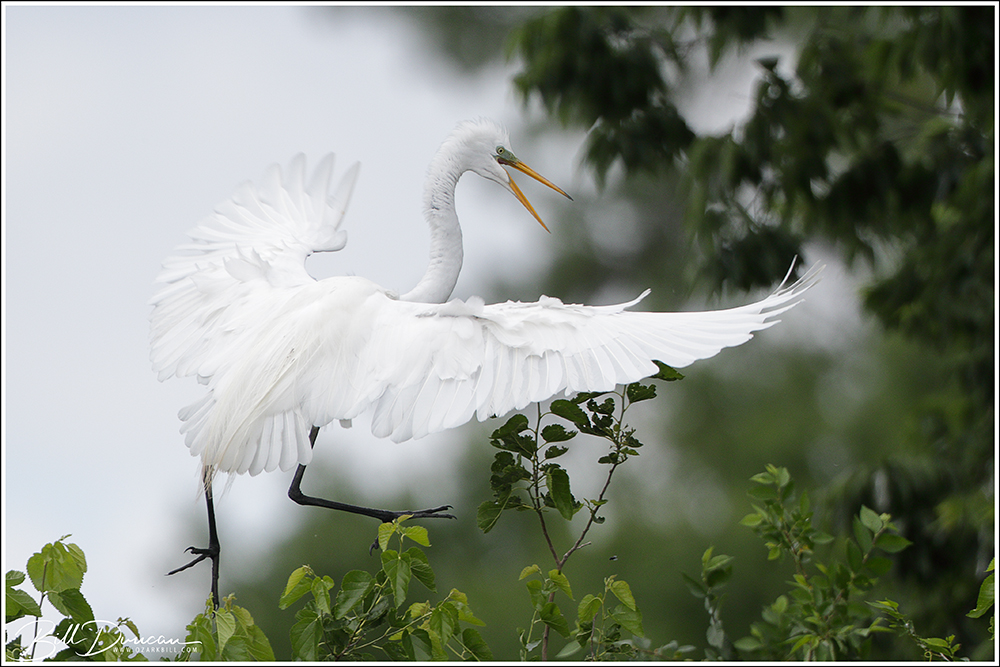
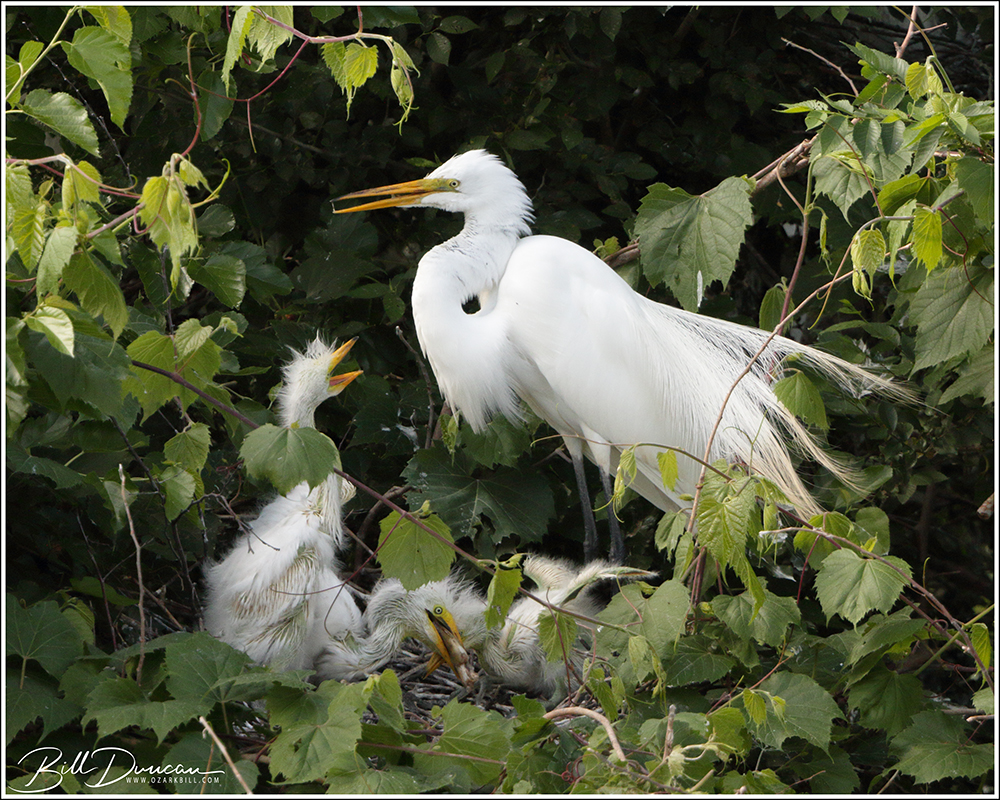
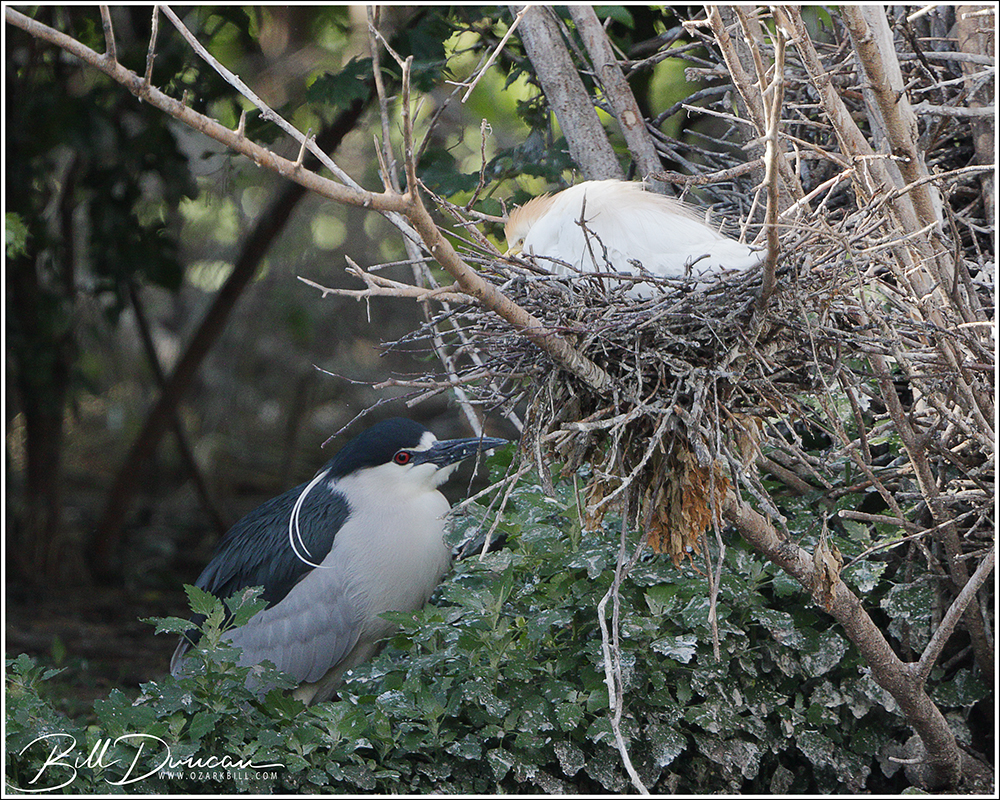
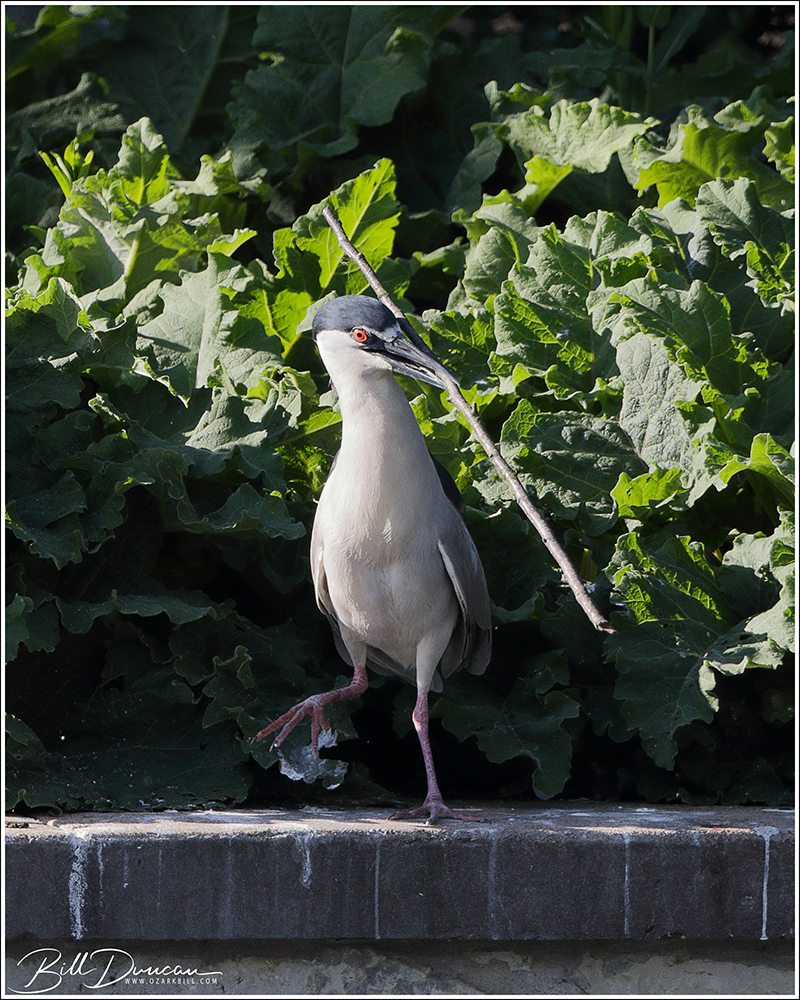
Here are some photos I’ve been sitting too long on from a trip the WGNSS Photography Group took back in May of this year. This is a splendid rookery that hosts at least five species of wading birds in O’Fallon Park that lies in north St. Louis.




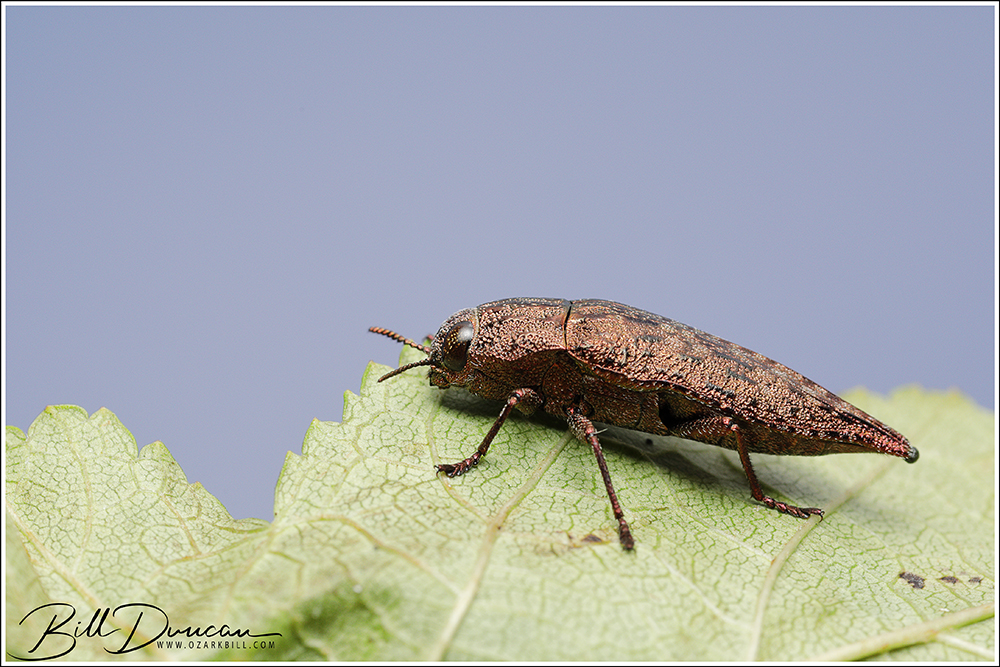
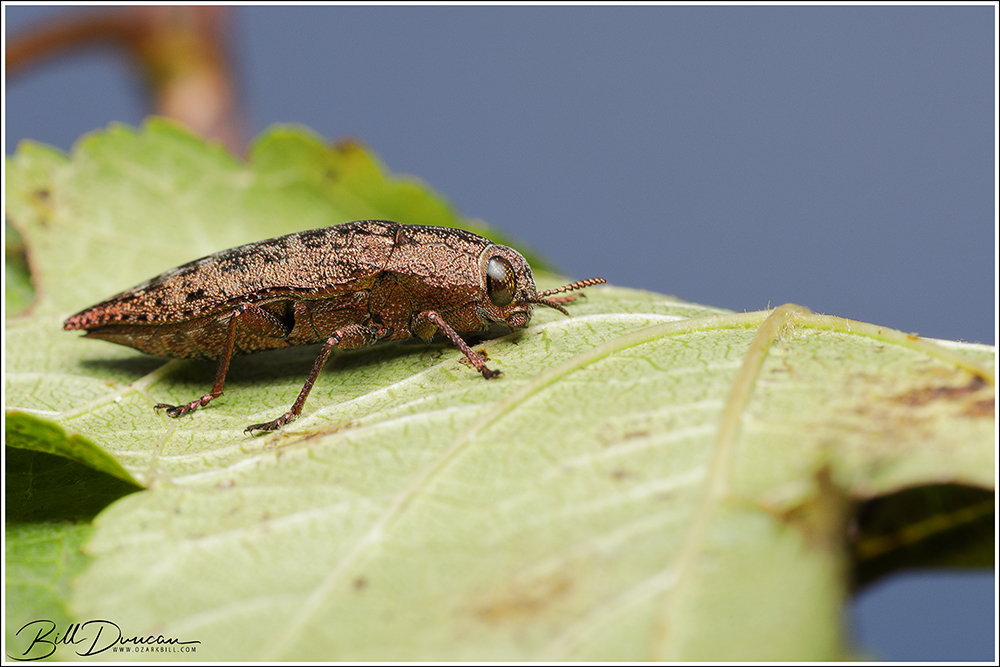
Many thanks to Ted MacRae for introducing me to another stunner of a beetle. On more than one occasion Ted has taken me and others out to the field to find one of the strikingly beautiful and rare beetles that he knows so well. This time the treasure we sought was the jewel beetle, Dicerca pugionata (Buprestidae), also known as the Witch-hazel Borer. Witch-hazels (Hamamelis spp.) may be the preferred host plant but they are also found on alders (Alnus spp.) and ninebark (Physocarpus opulifolius). In this opportunity, we went to a specific patch of ninebark at Victoria Glades where Ted had found them previously.
 A Thousand Acres of Silphiums