Both the common and genus names refer to the supposed resemblance of the flowers to the simian face. I don’t readily see it but they are fantastic blooms.

"What a thousand acres of Silphiums looked like when they tickled the bellies of the buffalo is a question never again to be answered, and perhaps not even asked." -Aldo Leopold
Both the common and genus names refer to the supposed resemblance of the flowers to the simian face. I don’t readily see it but they are fantastic blooms.
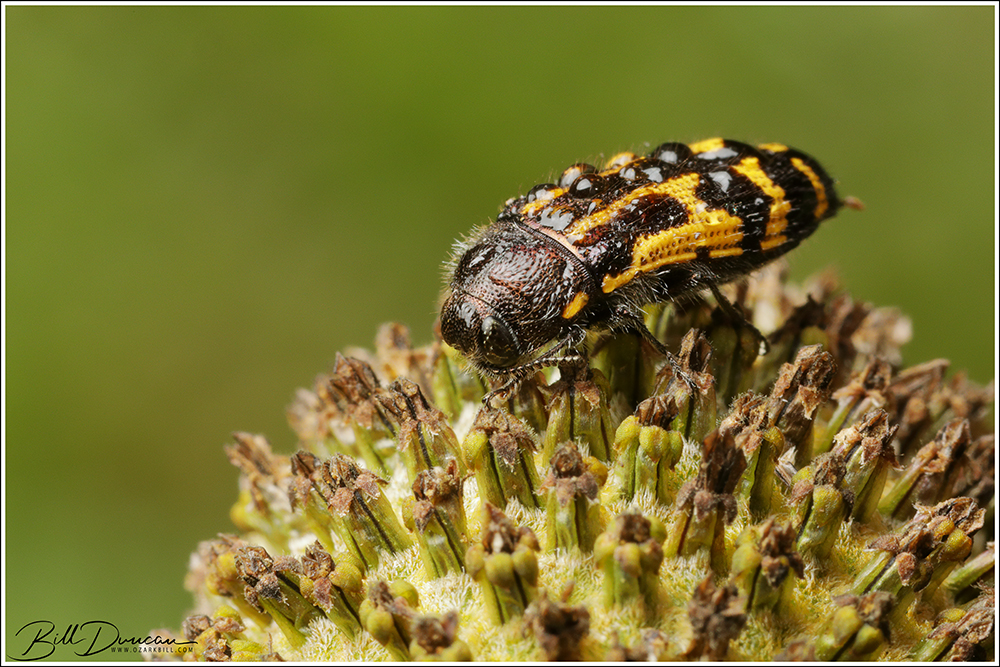
One of two Buprestidae family members I was fortunate to photograph this year. This guy was found at Bush Wildlife Conservation Area in St. Charles County, MO on 01/AUG/21.
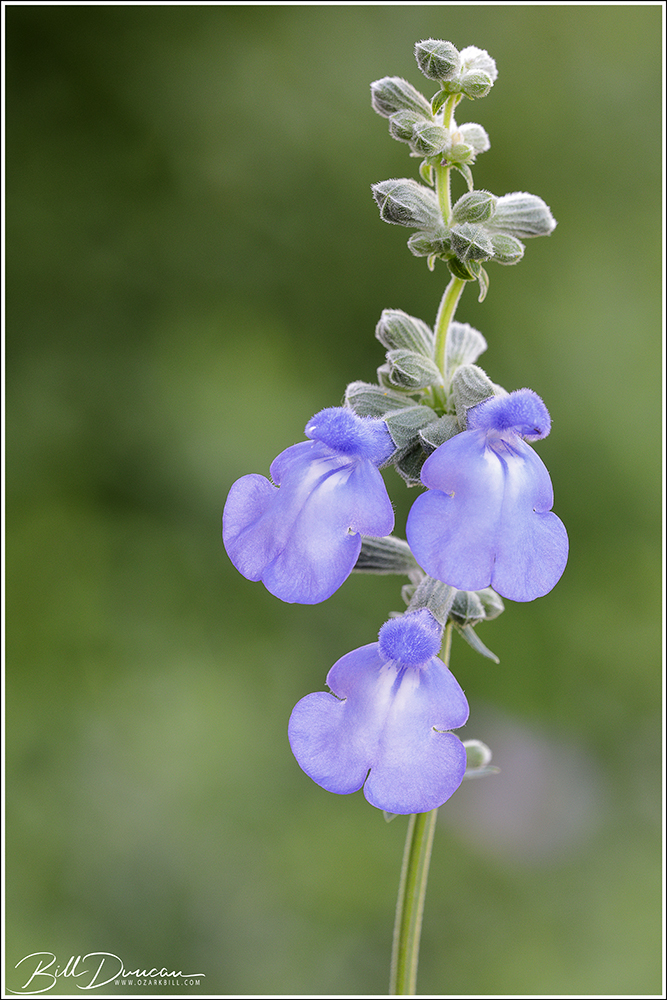
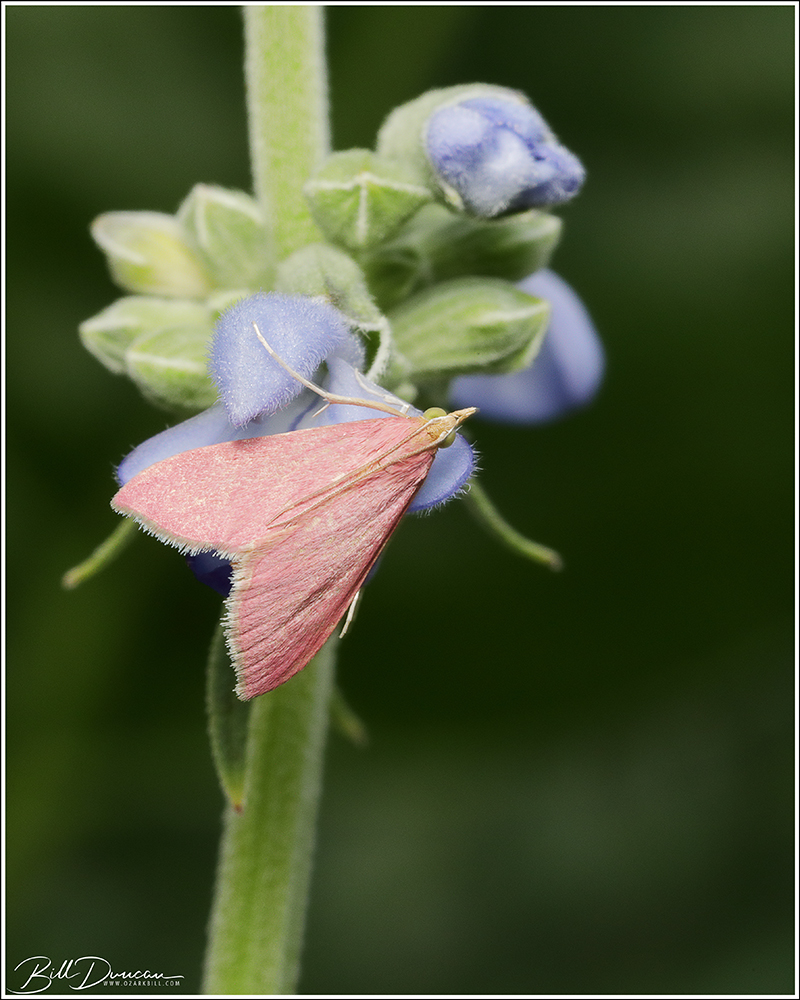
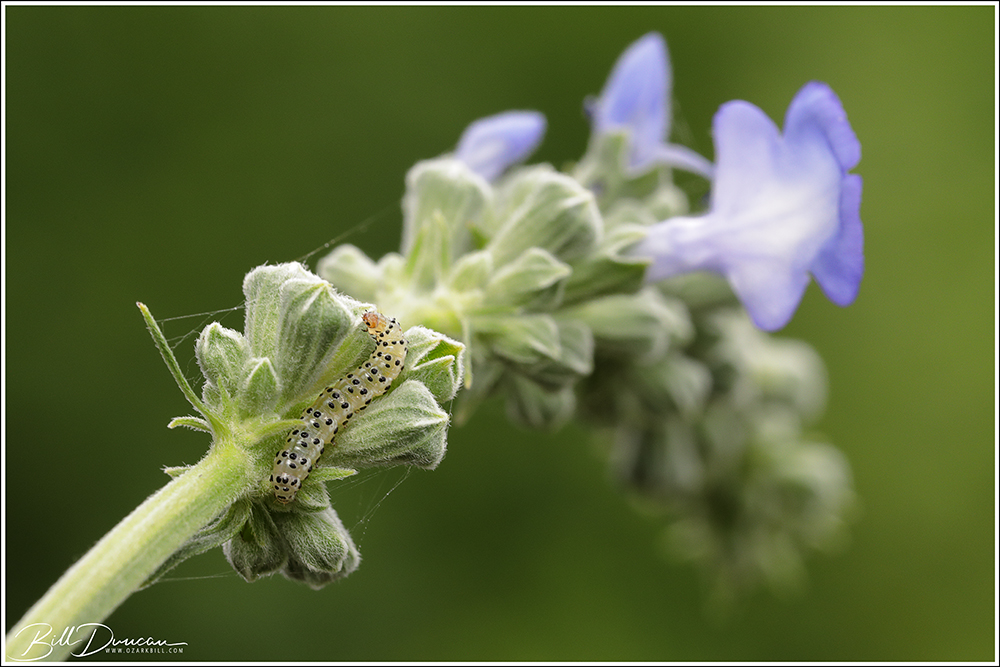
All three of the Salvia azurea I planted in the front bed did very well this year and even played host to an equally gorgeous moth, Pyrausta inornatalis.
Our neighborhood Chimney Swifts have pretty much headed south and will be missed until they come again in the spring. This reminds me of a some birds that Casey and I ran into at a location we camped at in Arkansas this spring. They were using a secluded and dark hallway that lead to bathrooms we used for their overnight roosting. This was the first time I have been so close to perched Chimney Swifts so I had to take a few pics.

Thalia dealbata, or powdery thalia, is a fascinating plant that I was introduced to this past August while on a botany trip with Pete Kozich and Stephen Dilks. A member of the mostly tropical arrowroot family (Marantaceae), T. dealbata is the only member of this family to be found in Missouri and only in the low and wet areas of the southeastern portion of the state. We found these plants a little late in their flowering season but with a few blooms in prime condition remaining at Otter Slough Conservation Area.
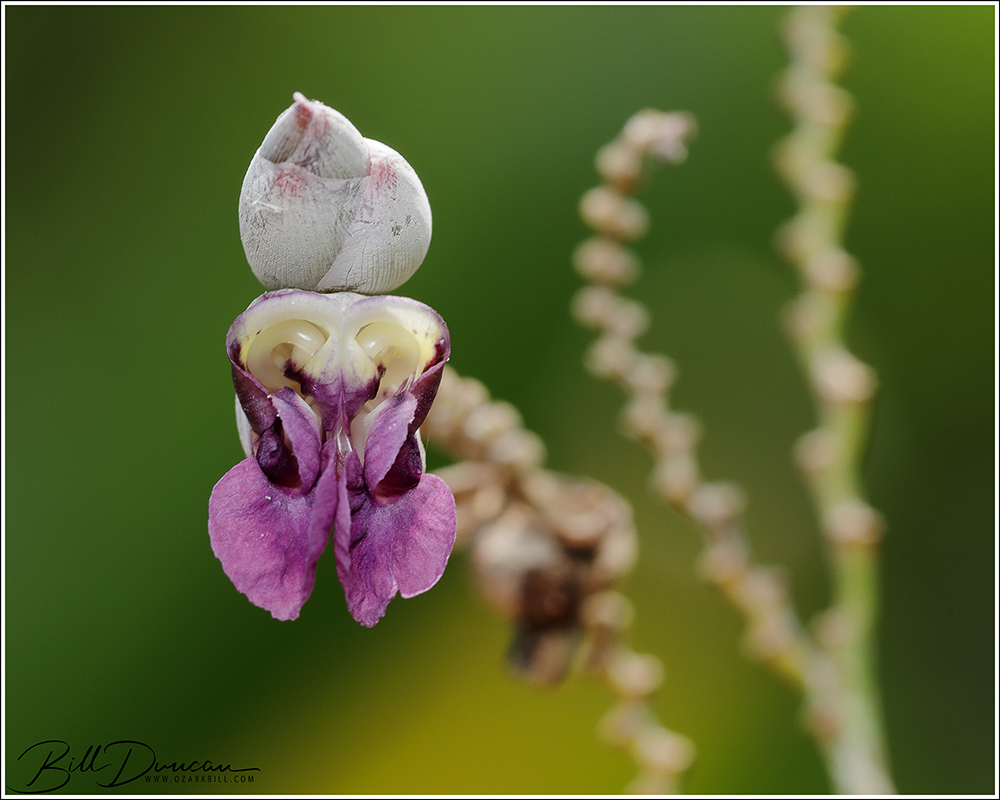
The leaves of Thalia are what the plants are primarily known for, looking very reminiscent of the cannas and very tropical in appearance. However, doing a little research after seeing these guys for the first time, I have become fascinated with the flowers and the pollination mechanism they developed. First of all, what appears to be a single flower in the image posted here is actually a pair of blooms in mirror image of each other. Additionally, the gorgeous purple petals are not petals at all but highly modified and sterile stamens (staminodes). This is just the beginning of the weird story of these flowers. These staminodes are key to a pollination strategy that literally throws pollen in the face of and often ends in the demise of all but the strongest of would-be insect pollinators. I was going to attempt to try and describe the pollination biology of this system, but this has been expertly described by Price and Rogers in a 1987 article published in Missouriensis. I highly recommend you give this a read!

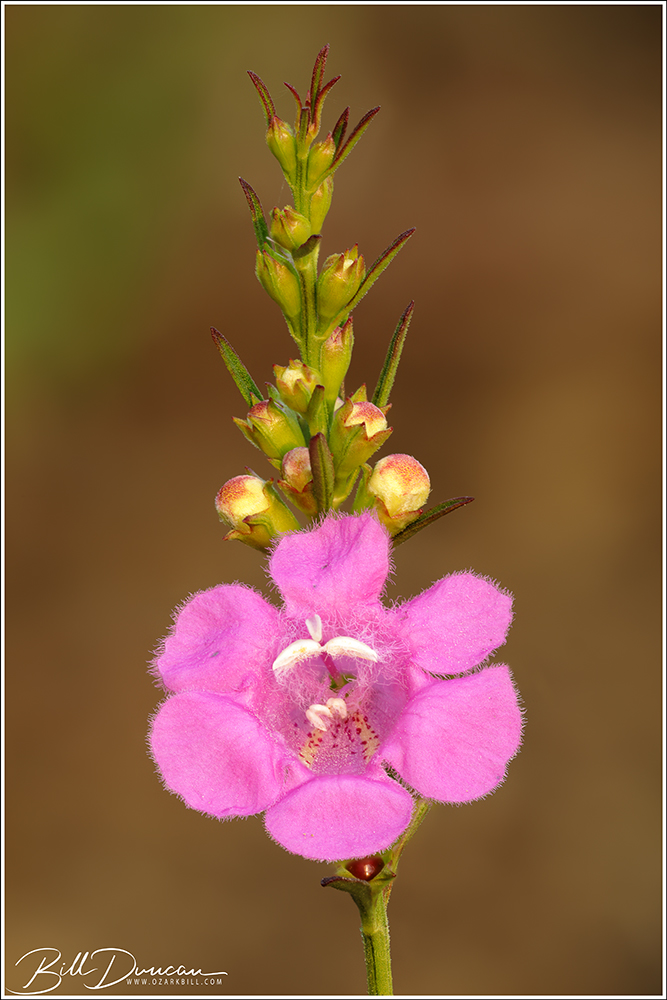
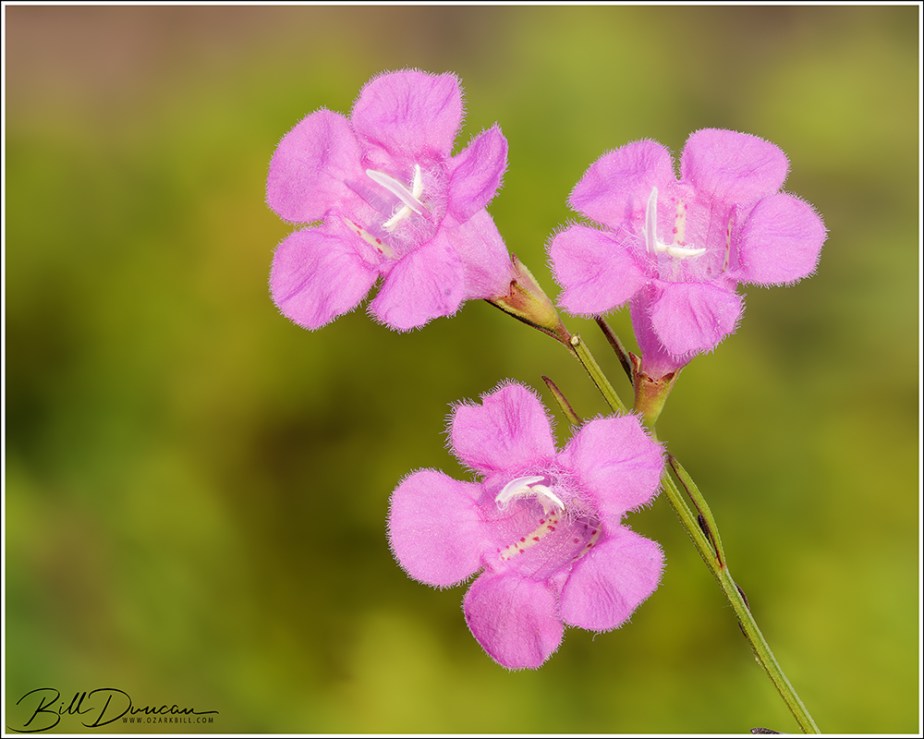
Agalinis fasciculata, known as the fasciculate false foxglove and beach false foxglove was one of the more fascinating and unexpected plants I became acquainted with this year. A member of the Orobanchaceae family, this species is an annual hemiparasitic plant that does well in poor and sandy soils. I photographed these plants at the Missouri Mines State Historic Site in St. Francois County.
The genus Agalinis comes from the Greek – agan, meaning ‘very’ and linon, refering to ‘flax’, apparently in reference to the similarity of the flowers to those of flax. The species and common names refer to the fasciculate, or bundled manner in which the leaves are attached to the stem – something I failed to take any photos of this year. In my defense, much of the stem and leaves of these plants in mid-September were beginning to senesce and were not very photogenic.


The red buckeye (Aesculus pavia) was definitely one of the plants of the year for me. With so many trips to southeastern Missouri (this buckeye is primarily natively found in the Mississippi Lowlands Division of Missouri) and Arkansas, I and my friends came across this plant in bloom many times. This particular little stand was found at Arkansas Oak Natural Area in Nevada County, AR. The etymology of the Latin name: Aesculus refers to the horsechestnut and pavia is named for Peter Paaw, an early 17th century Dutch botanist. This plant can be grown at least as far north as the St. Louis area but apparently needs high quality rich soil to thrive.

 A Thousand Acres of Silphiums