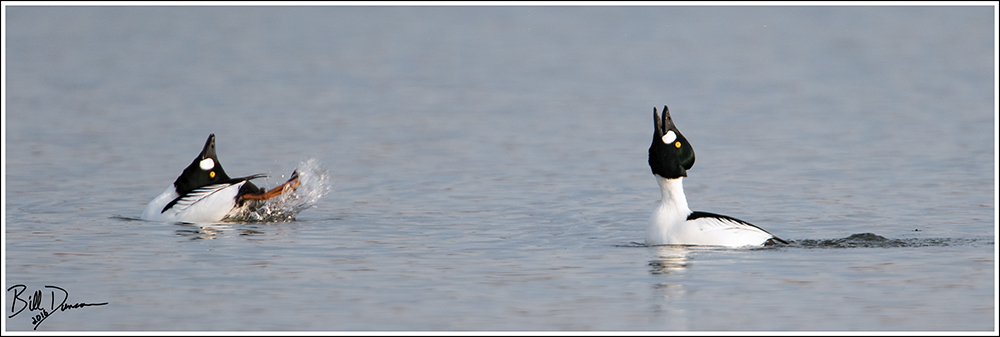
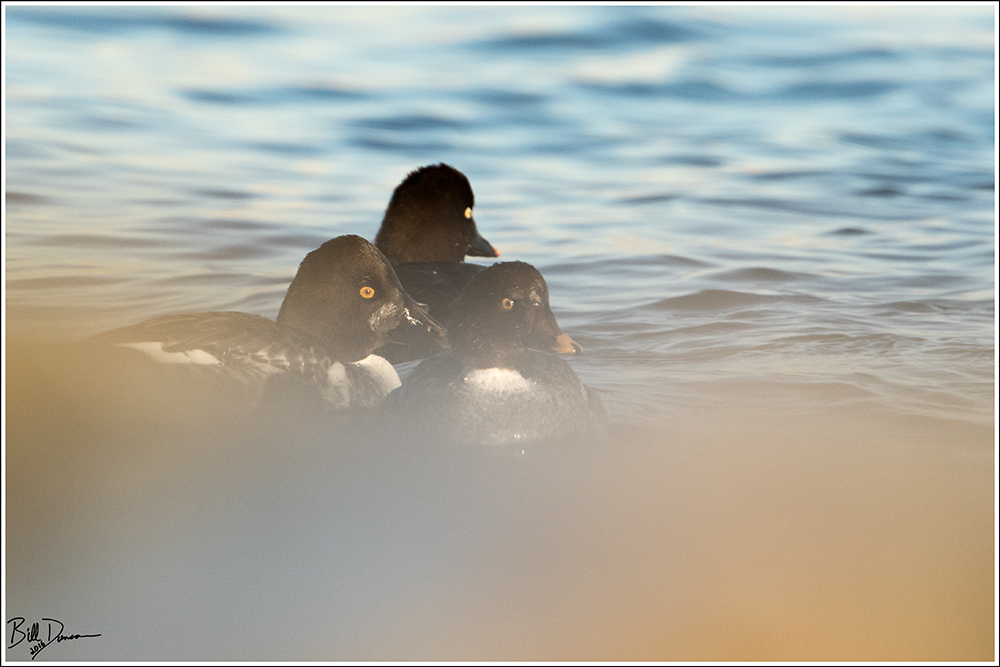
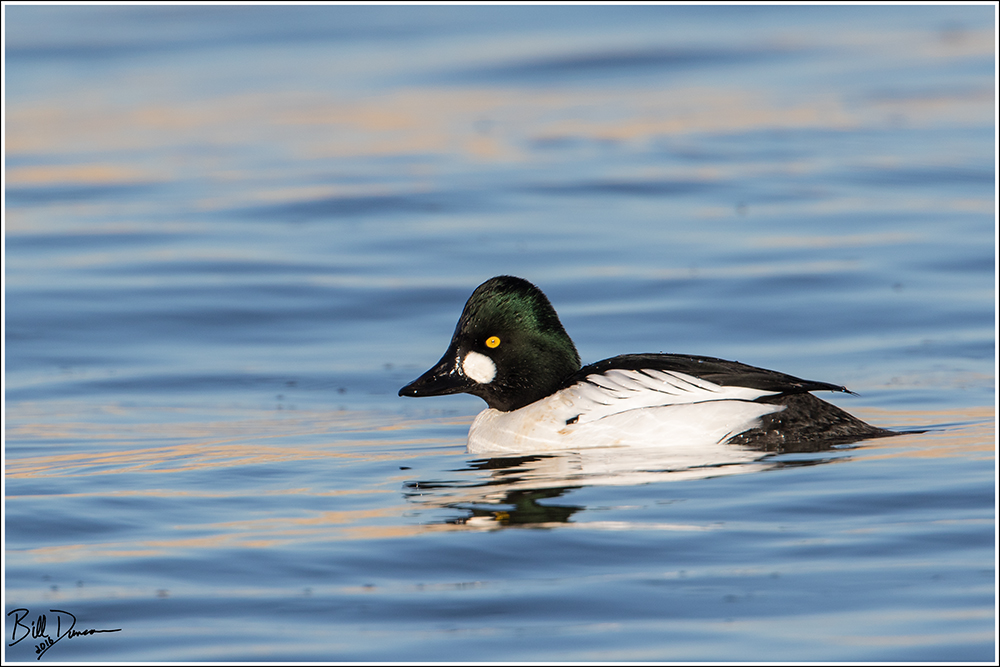
Just a few of my favorite Goldeneye shots from RMBS this season.
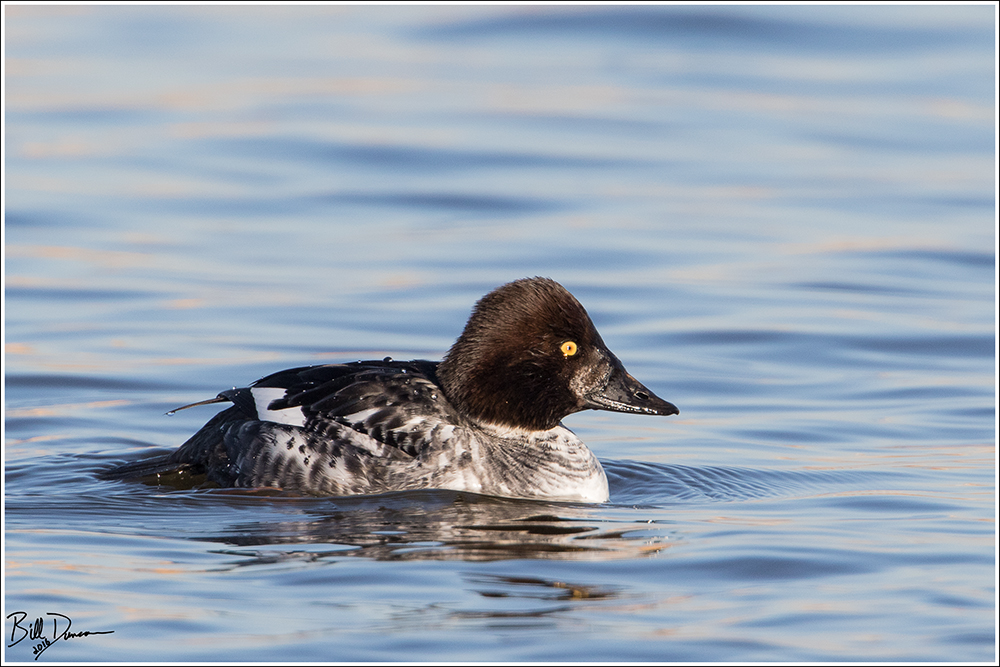
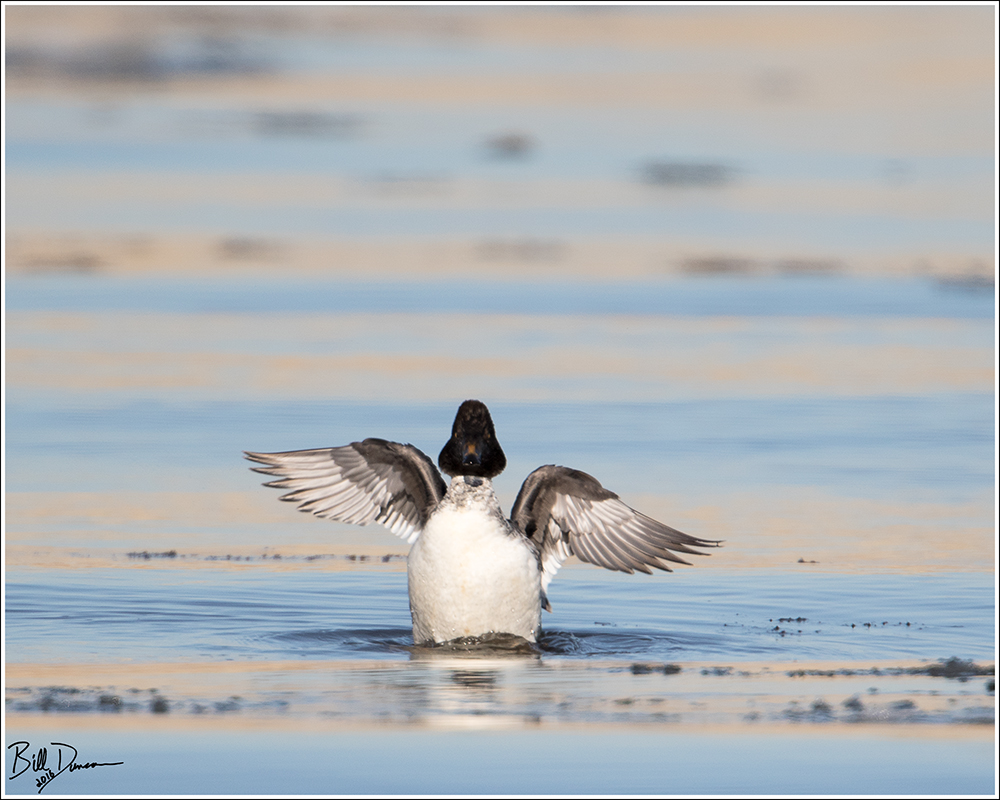
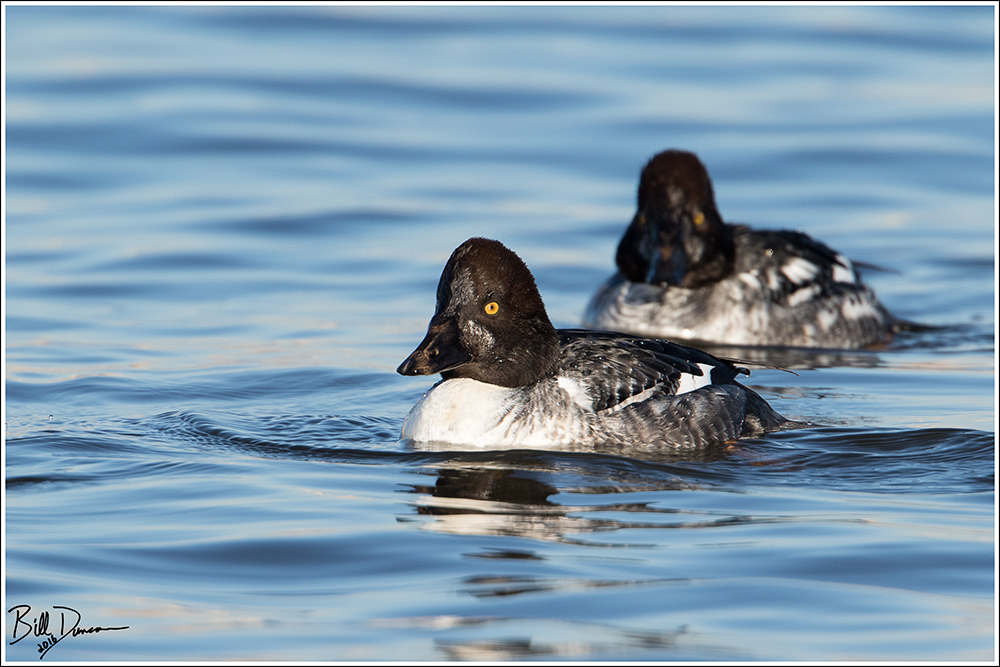

Until next time…
-OZB
"What a thousand acres of Silphiums looked like when they tickled the bellies of the buffalo is a question never again to be answered, and perhaps not even asked." -Aldo Leopold
Just a few of my favorite Goldeneye shots from RMBS this season.
Until next time…
-OZB
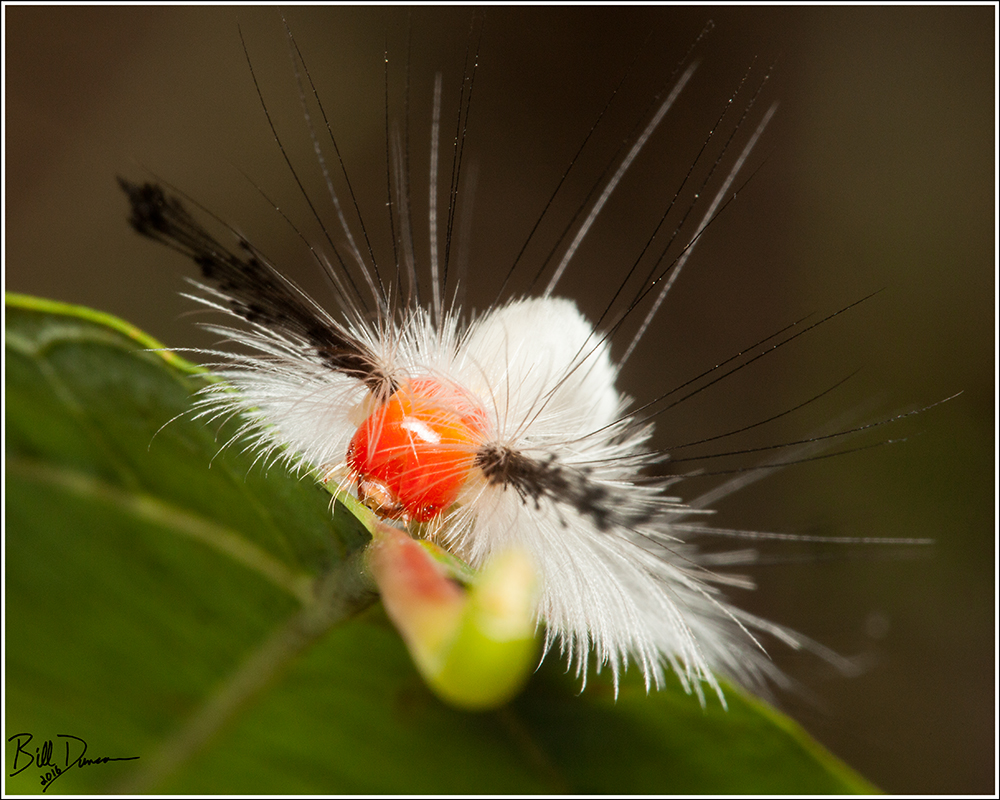
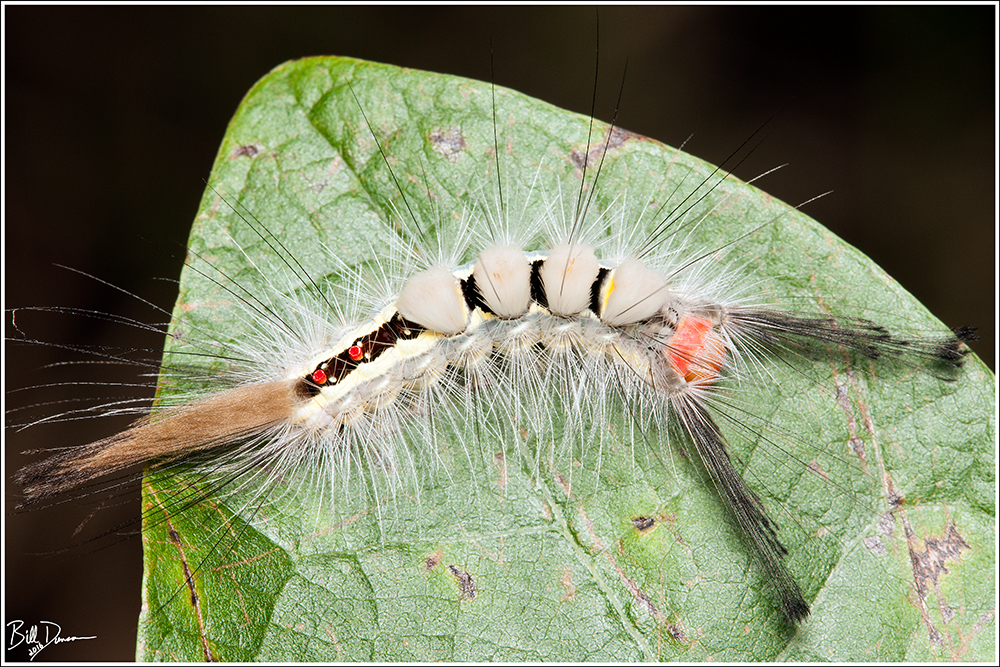
This gorgeous redhead is the White-marked Tussock Moth (Lymantriidae – Orgyia leucostigma – 8316). I was amazed at how abundant they were and routinely found on the underside of leaves on woody plants this summer. Most folks have never seen one!
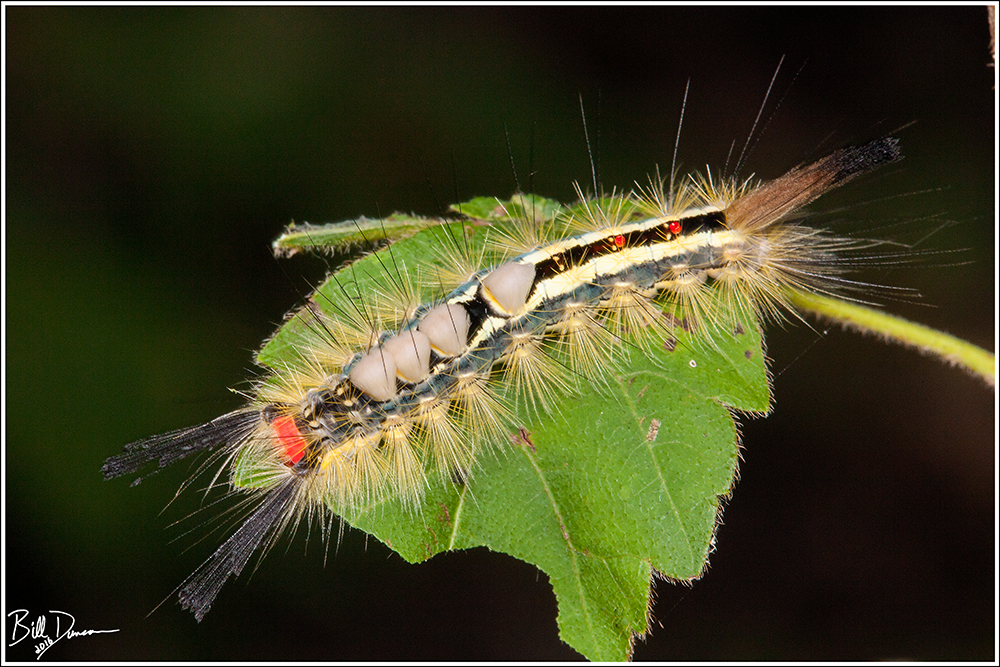
Besides their striking colors and patterns, these moths have toxin-filled hairs that can cause irritation, especially to areas of sensitive skin. I have not yet photographed an adult, but I was interested to hear that the females of this species are nearly wingless and cannot fly.
Until next time…
-OZB

When traveling to a new location it is always interesting to see what gull species is the local equivalent to our Ring-billed Gull. In the case of the Texas gulf coast, that is definitely the Laughing Gull. We found that a really great place to see hundreds at great distance is the ferry ride between the Bolivar Peninsula and Galveston. Be sure to check the water as well as the skies if you take this 20 minute boat ride. Steve and I were able to spot a bottlenose dolphin or two during the crossing.

After hearing their vocalizations for quite a long period, we can say this species is quite aptly named!
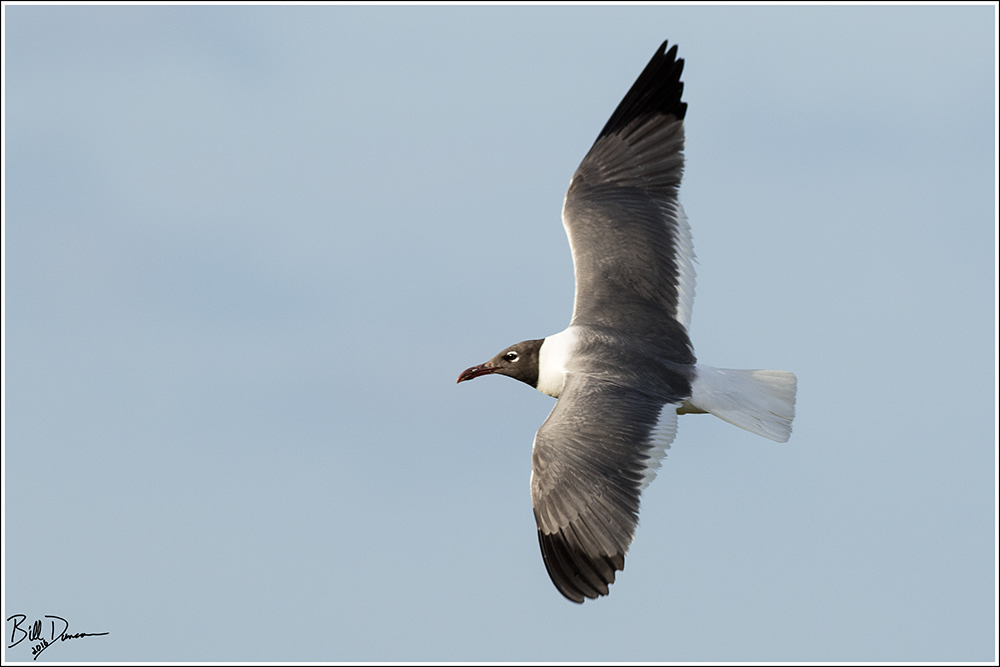
In summer plumage, this is obviously one of the easier gulls to identify. Largest of the hooded gulls, with red bill, legs and feet, slate-colored back and black primaries.


Most birders who have had the opportunity to travel will know about High Island, a small township along the gulf coast that is among the most famous of birding locations in the country. This relatively small plot of land, along with other spots within a few minutes drive, can boast bird lists higher than many states, if not whole geographic regions of the country. What surprised me during our visit last May was the diversity in habitat. High Island is mostly famous for its potential for massive fallout during spring migration – migrating songbirds either traveling up the coast or flying directly over the gulf will stop here for a drink of fresh water and to fill up on grub before continuing north to nesting grounds. We realized we were going to miss most of the migration at the end of May, but still wanted to pay a visit. The place is so popular that there is bleacher seating around key ponds to allow for visitors to watch as birds by the hundreds land for a drink and forage through the live oaks.
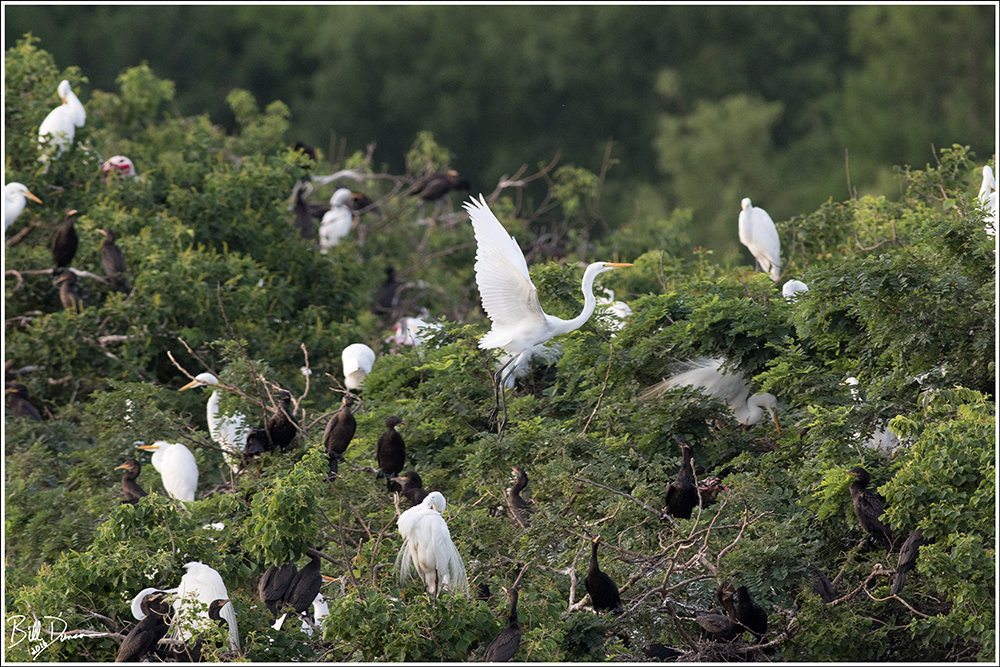
The numbers and diversity of songbirds across the Houston/Galveston coastal areas we visited were even sparser than we anticipated, but on arriving pre-dawn at the rookery we were quite surprised. Every bit of vegetation on this relatively small island was being used by wading birds. We were in awe by the numbers of Neotropical Cormorants and Roseate Spoonbills that filled the branches as well as the skies.
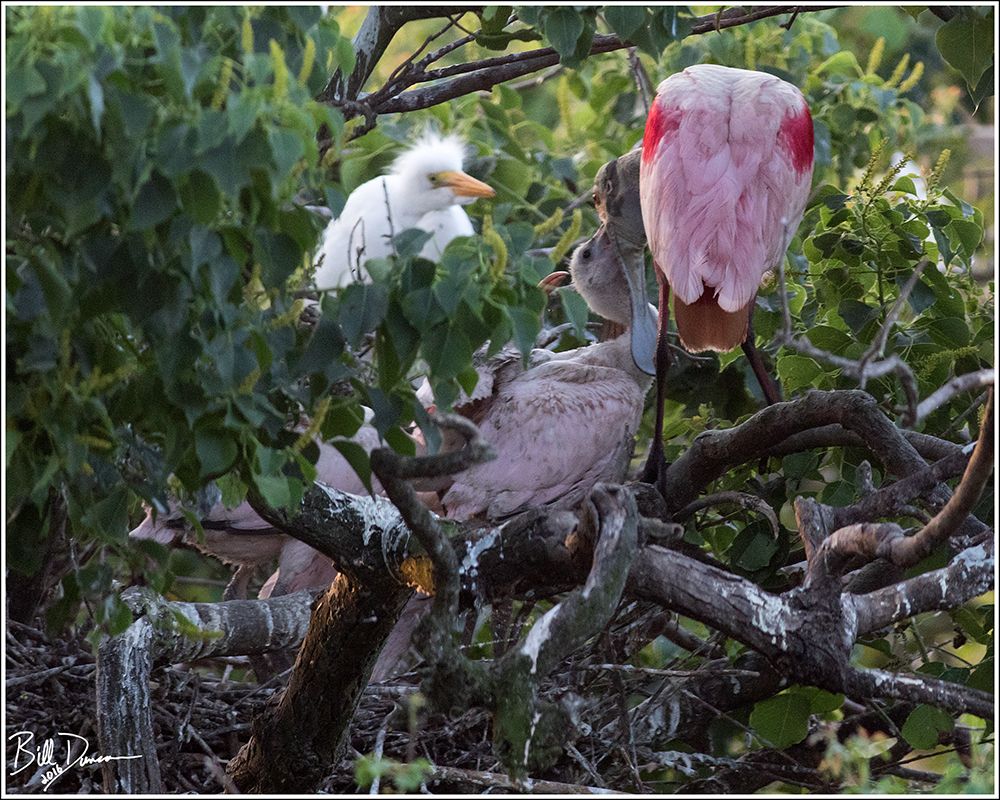
Lighting was quite challenging – what little light available at this time of the morning was often coming from behind the subject. Evening may have been better photographically but we had lots of ground to cover. One of the sights that had me the most excited was a nesting Great-Egret. These are birds that are routinely found during the warmer months in Missouri, but finding one feeding chicks was a real treat.

Early in the dawn hours we were treated a Common Gallinule (Moorhead) hen bringing her chicks down to the water for a drink.

Prehistoric looking Spoonbills would sometimes fly right overhead.

I hope to visit High Island some spring during a nice fallout period one day, but I will be just as excited to watch and photograph at the rookery once more.

You can see more photos from the High Island rookery and the Texas Gulf Coast by visiting me on Flickr.
Until next time…
-OZB

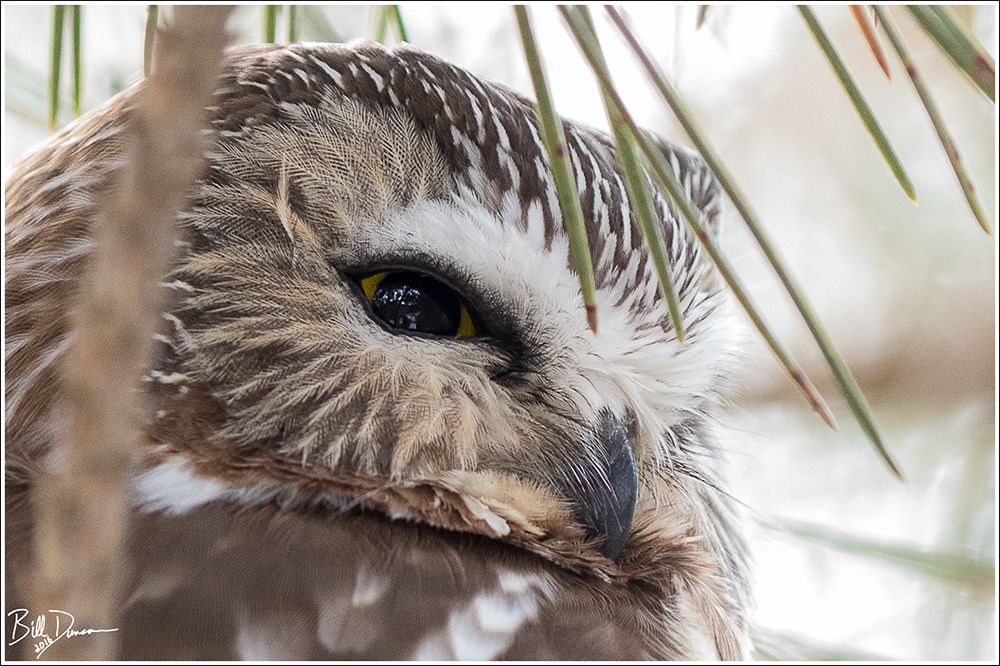
It was a pleasant surprise to be able to add two new owl species to my bird species photographed list over my long holiday break. The second owl species and subject of this specific post is the Northern Saw-whet Owl. Although this species can be found in the Show-me State during winter, I heard of a location along with a Radagast like wizard who could conjure up this species upon request within a mere eight-hour drive from our front door. Having waited longer to do this than we should have, Sarah and I loaded up the Subaru and headed for the wilds of west-central Iowa.

Don Poggensee is no mere wizard, but an accomplished photographer, pilot and naturalist who loves spending time during his retirement monitoring the park’s owls and showing them to anyone interested in getting exceptional looks and knowledge about these visitors from the north. Don has been monitoring, helping in banding projects and showing folks (in the hundreds, if not thousands by now) the owls since 1989. Sarah and I met up with Don one morning along with a couple of other birders, including The Birding Project’s Christian Hagenlocher. We grabbed our cameras and binoculars – not that we would be needing these and followed Don to the specific roost tree that he knew the owl would be found.

Winter weather in this part of the Midwest can be brutal and unpredictable. In the days preceding our visit, temps bottomed out at ~ -25 F. As Don explained to us, colder temperatures and heavy snowfalls often force the owls to find more suitable roost sites that he is typically not able to find. We lucked out and had rather comfortable conditions for the short hike to the owl’s roost tree.
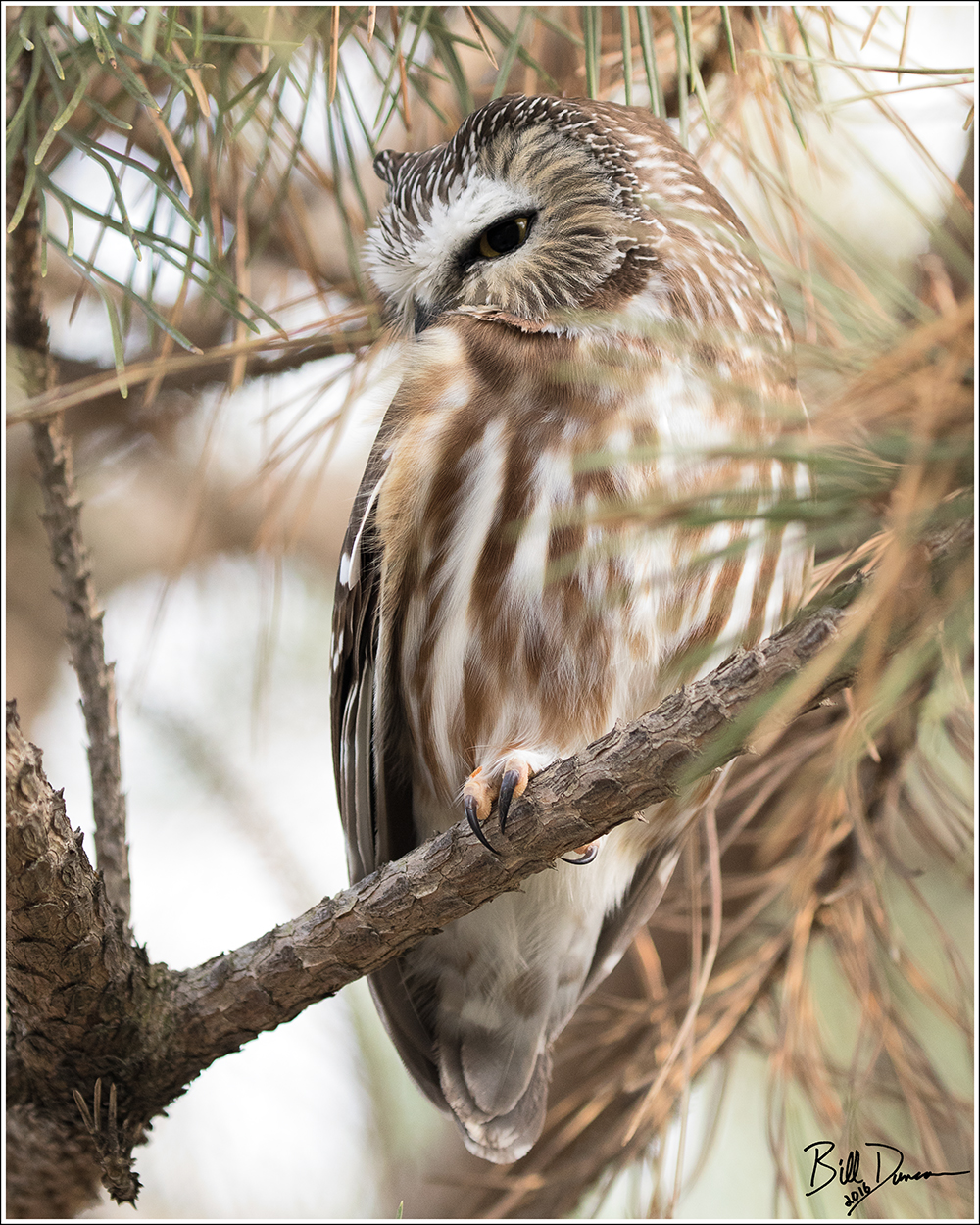
Saw-whets are year-round residents across southern Canada and the northern U.S. but winters across most of the continental U.S. They typically can be found roosting 3 – 12′ in conifers but can also be found in honeysuckle tangles in winter locations where their preferred conifers may not be abundant. Banding programs, made up of mostly citizen scientists have only recently begun to shed light on the seasonal migratory movements of this species. Along with locations and dates, these banding programs have shown that most migrants are females or immature males. Adult males stay on breeding grounds during winter, presumably to hold onto prey-rich territories.

In case you are wondering, Saw-whets got their name from the apparent similarities that one of their common vocalizations has to the sounds made by the sharpening, or whetting of a saw’s blade. They actually make at least nine distinct vocalizations, including an ascending wail that is reminiscent of an Eastern Screech Owl.

At six to nine inches high, our typical response is to wish to put one in our pocket to take home. They are quite cute. However, to nearly anything that is their size or smaller, these guys must be regarded as horrifying. While checking roost trees we found a number of their tiny pellets, each with surfaces studded by the stained bones of their rodent prey.
Works used and recommended readings:
Until next time…
-OZB
 A Thousand Acres of Silphiums