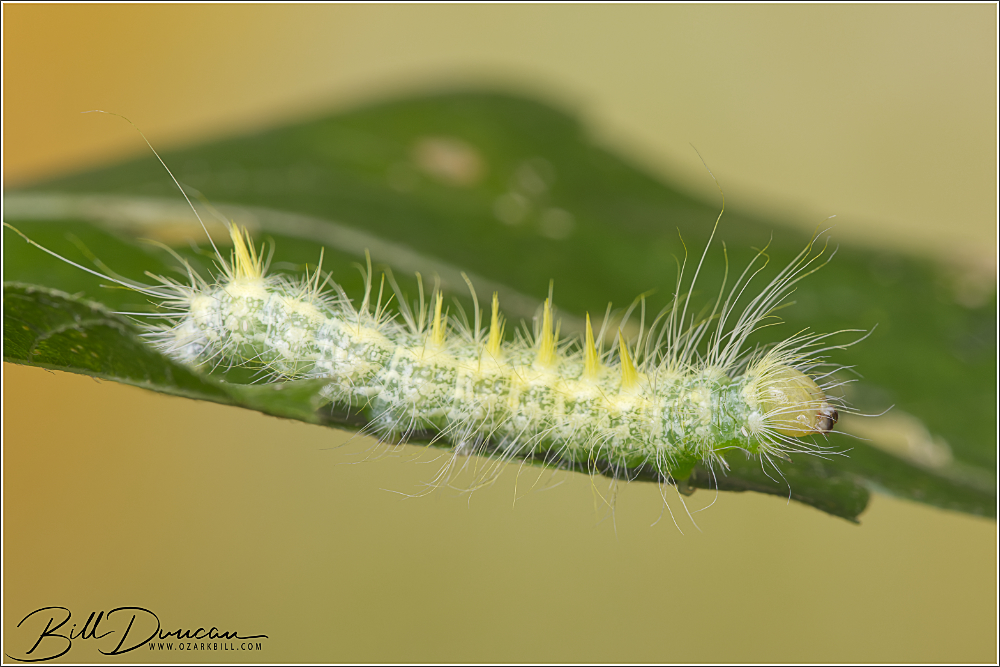
Ruddy Dagger Moth
Acronicta rubricoma fam. Noctuidae
Host plant: Found on hackberry (Celtis occidentalis)
Date found: 19, Aug, 2024
Location Found: Huzzah Conservation Area, Crawford County, MO

"What a thousand acres of Silphiums looked like when they tickled the bellies of the buffalo is a question never again to be answered, and perhaps not even asked." -Aldo Leopold
Ruddy Dagger Moth
Acronicta rubricoma fam. Noctuidae
Host plant: Found on hackberry (Celtis occidentalis)
Date found: 19, Aug, 2024
Location Found: Huzzah Conservation Area, Crawford County, MO
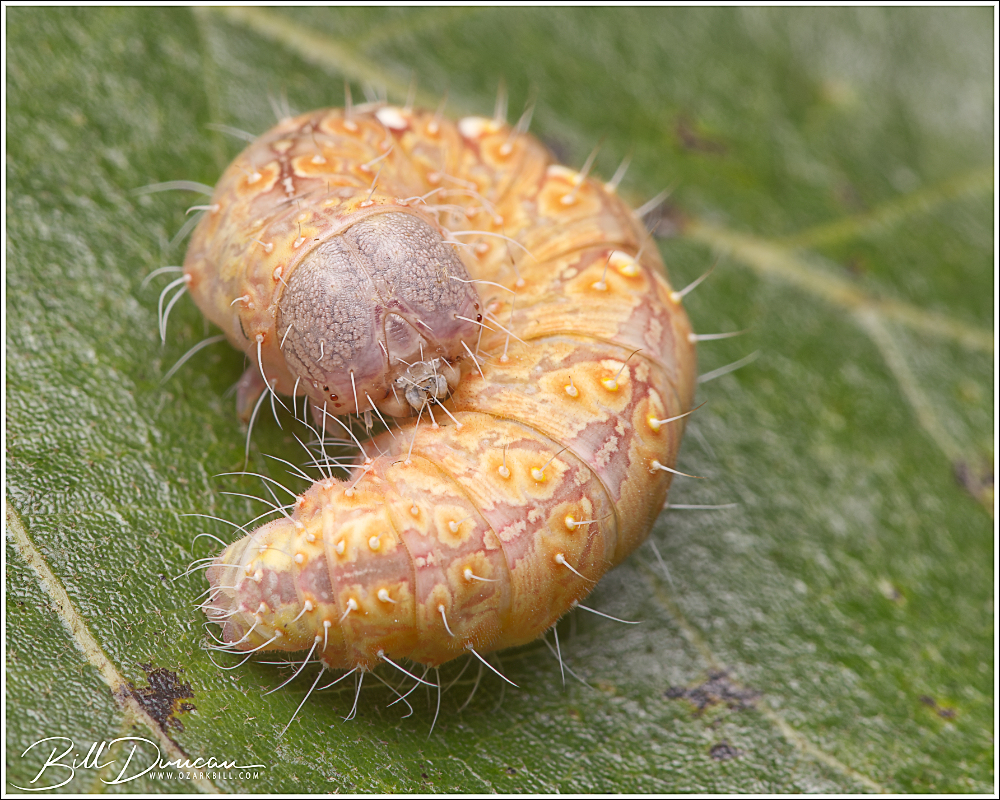
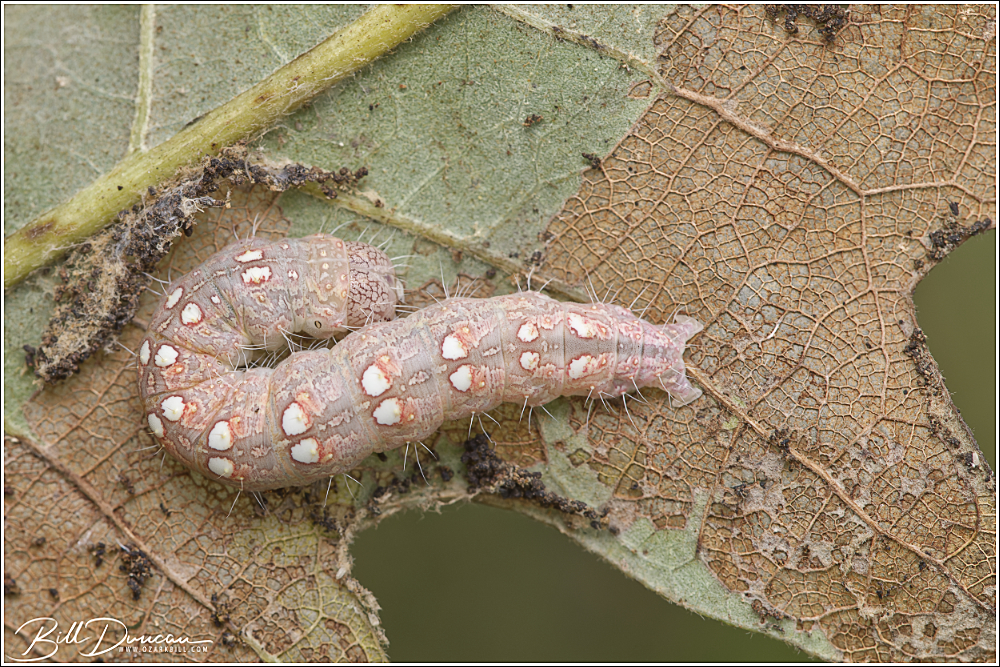
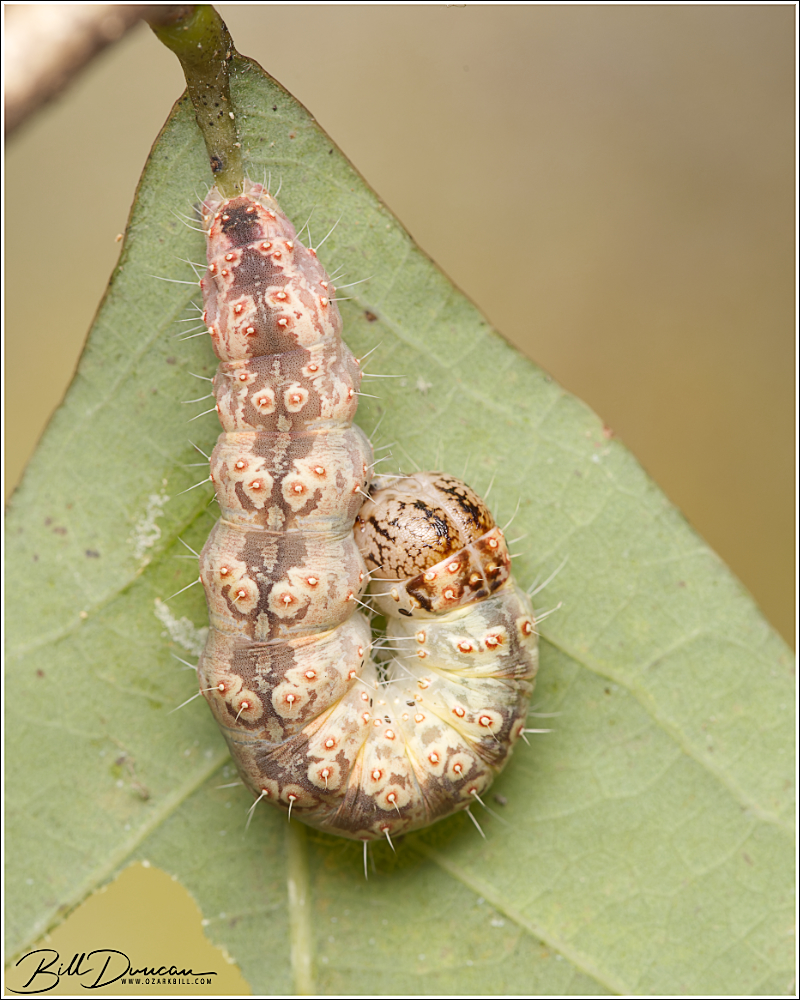
Acronicta increta Dagger Complex
Difficult to discern as larvae and adults. Complex composed of A. albarufa, A. increta, A. ovata, and A. tristis. Fam. Noctuidae
Host plant: Found on variety of oak (Quercus spp.)
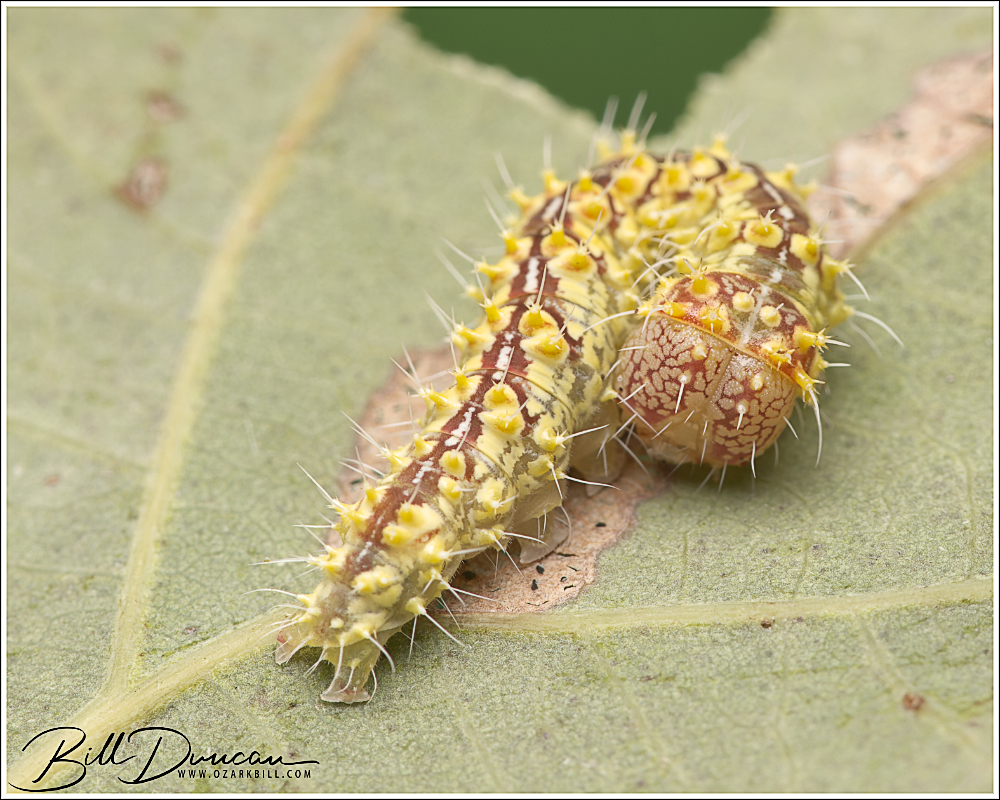
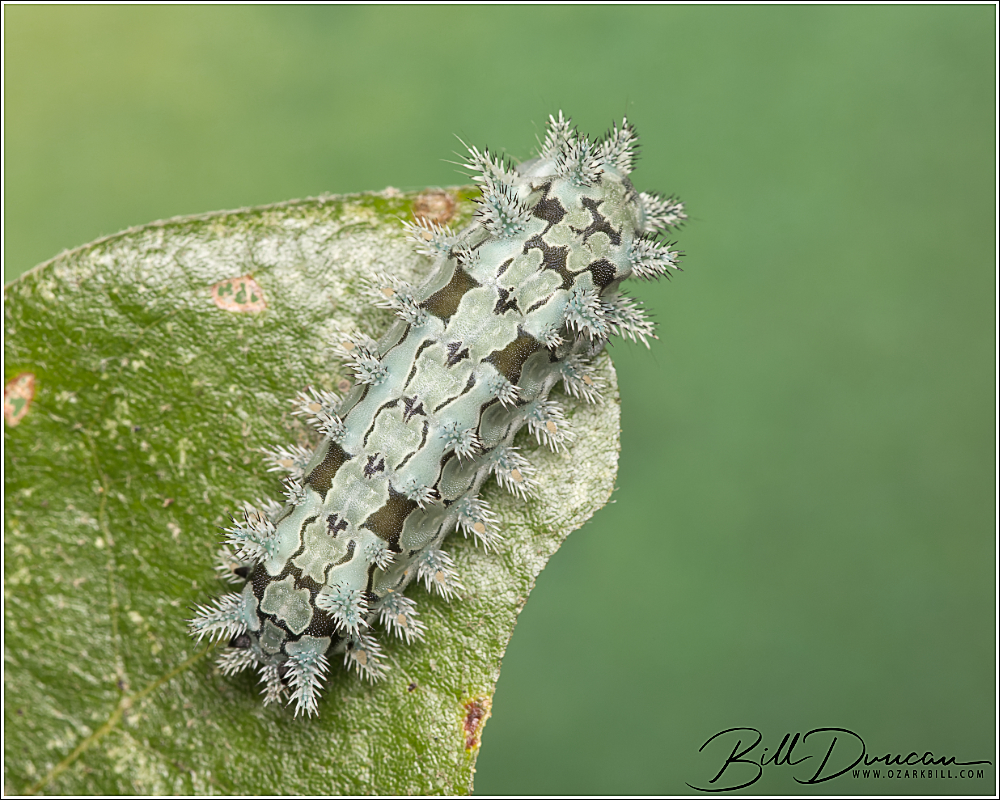
Spiny Oak Slug Moth
Euclea delphinii F. Limacodidae
Host plant: Found on post oak (Quercus stellata)
Date found: 17, Aug, 2024
Location Found: Schoolcraft Prairie, Washington County, MO


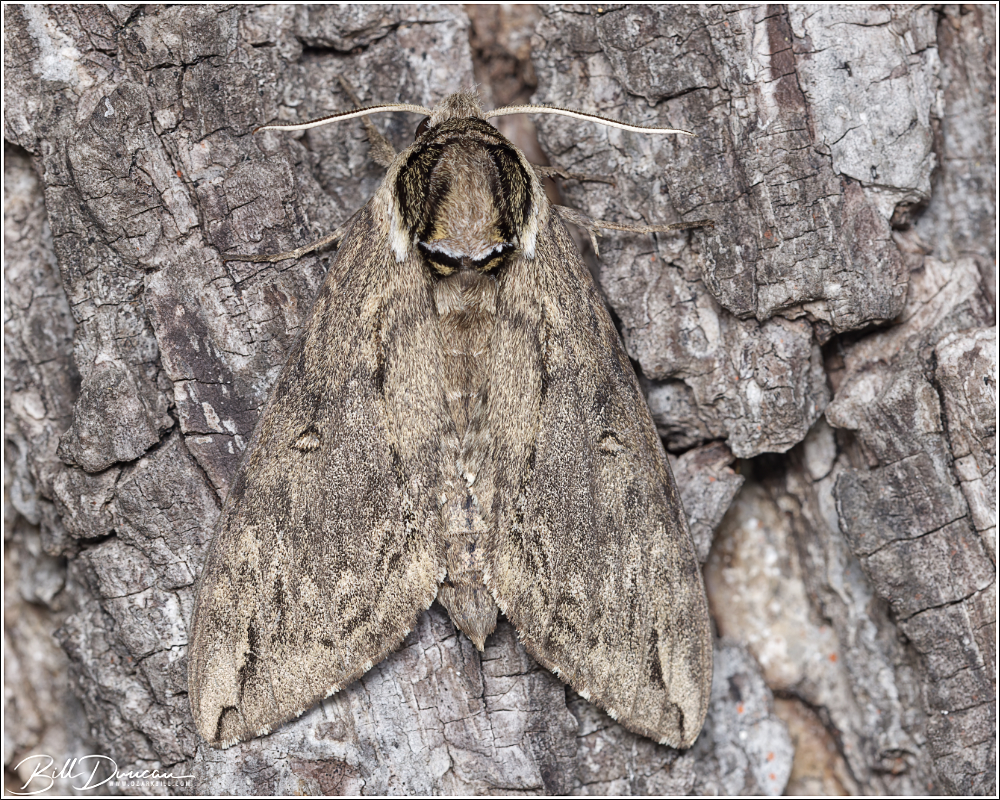
Catalpa Sphinx
Ceratomia catalpae F. Sphingidae
Host plant: Found on northern catalpa (Catalpa speciosa)
Date found: 17, Aug, 2024
Location Found: Schoolcraft Prairie, Washington County, MO


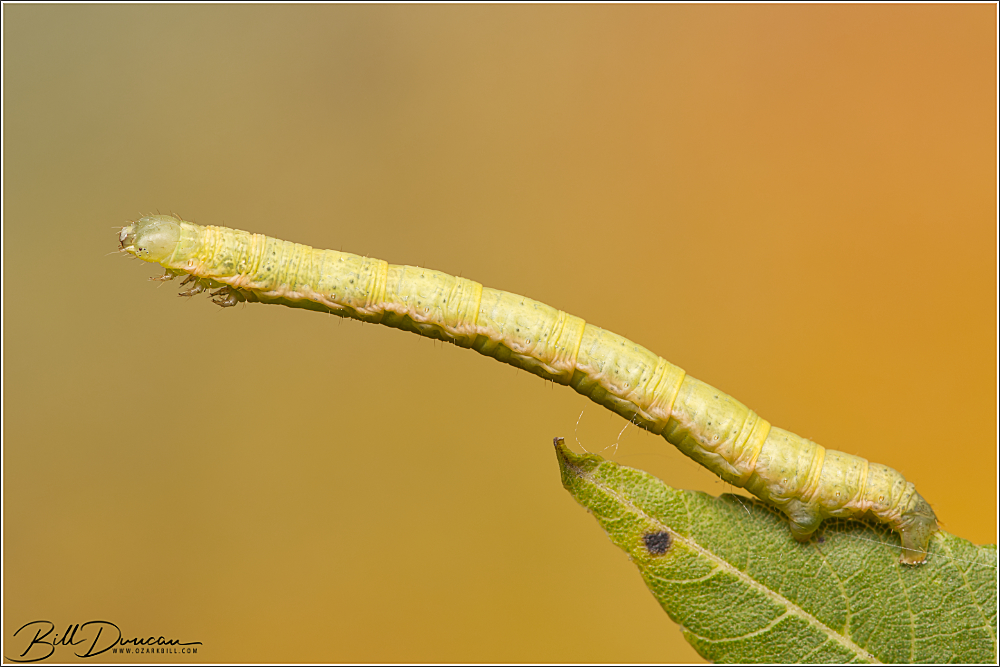
Melanolophia species
Melanolophia sp (likely canadaria) F. Geometridae
Host plant: Found on walnut (Juglans nigra)
Date found: 13, Aug, 2024
Location Found: Bayer Chesterfield location, St. Louis MO

Io Moth
Automeris io F. Saturniidae
Host plant: Not recorded
Date found: 17, Aug, 2024
Location Found: Schoolcraft Prairie, Washington County, MO
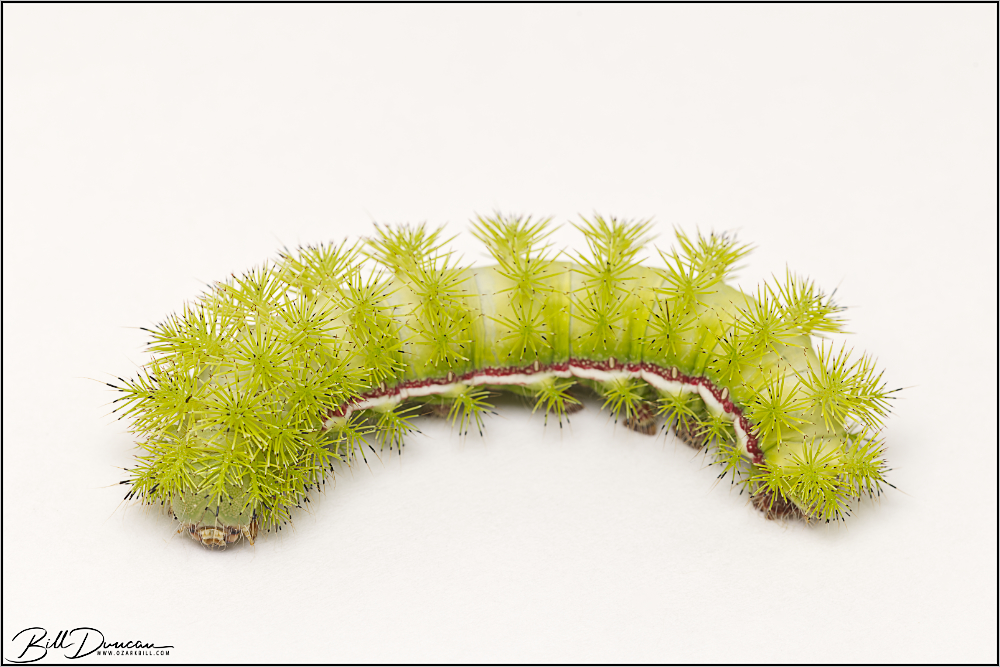
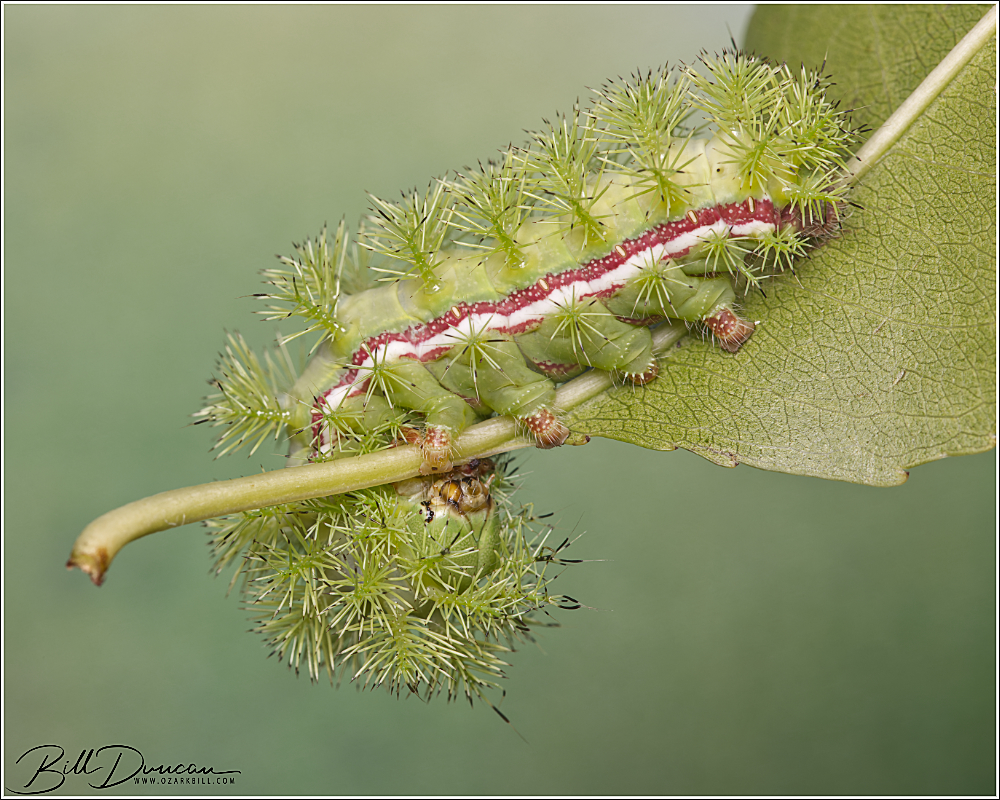
Io Moth
Automeris io F. Saturniidae
Host plant: Not recorded
Date found: 22, Aug, 2024
Location Found: Washington State Park, Washington County, MO
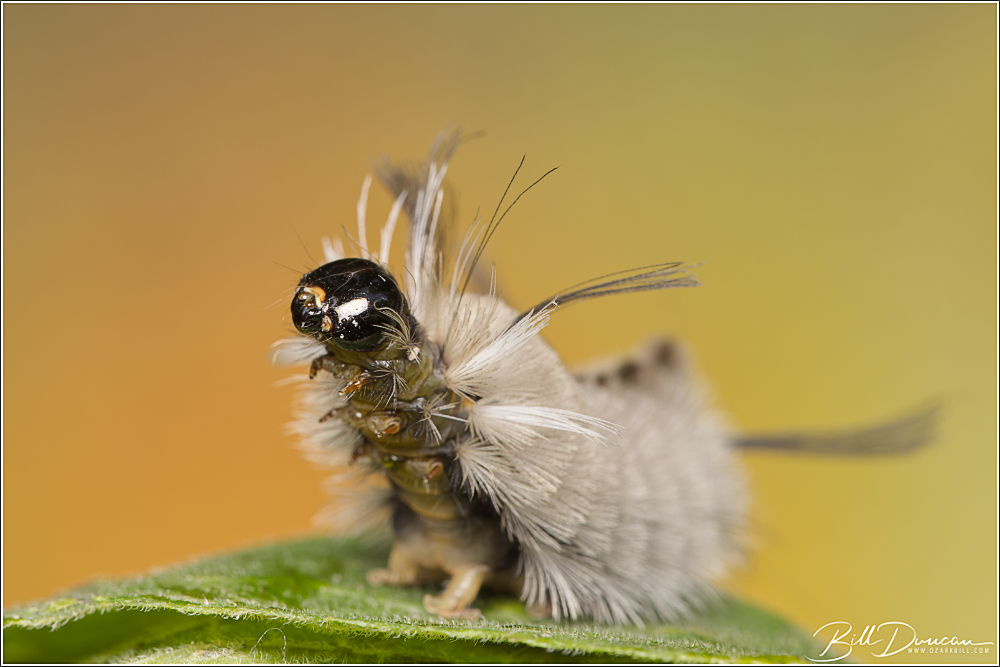
Today I’m featuring two fantastic tussock moths. Although these two are distinctive as larvae, the adults are indistinguishable without genital dissection.
Banded Tussock Moth
Halysidota tessellaris F. Erebidae
Host plant: Found on hackberry (Celtis occidentalis)
Date found: 19, Aug, 2024
Location Found: Huzzah Conservation Area, Crawford County, MO


Sycamore Tussock Moth
Halysidota harrisii F. Erebidae
Host plant: Found on sycamore (Platanus occidentalis)
Date found: 22, Aug, 2024
Location Found: Washington State Park, Washington County, MO


Asimina Webworm Moth
Omphalocera munroei F. Pyralidae
Host plant: pawpaws (Asimona sp)
Date found: 07, Aug, 2024
Location Found: Babler State Park, St. Louis County, MO


The mottled prominent (Macrurocampa marthesia) is found in the Notodontidae family and is a relatively common caterpillar found on oaks and other members of the Fagaceae. The long tail-like appendages are the anal prolegs and are quite long in early instars, becoming progressively shorter with each molt. Each of these animals were found in mid-late August at the Schoolcraft Prairie property in Washington County, Missouri.
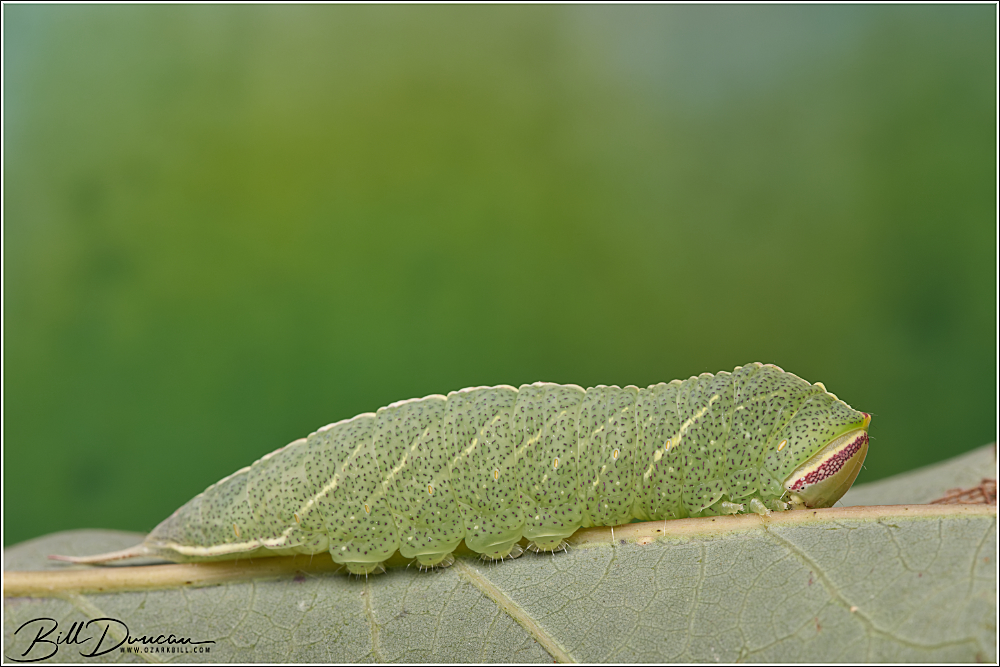
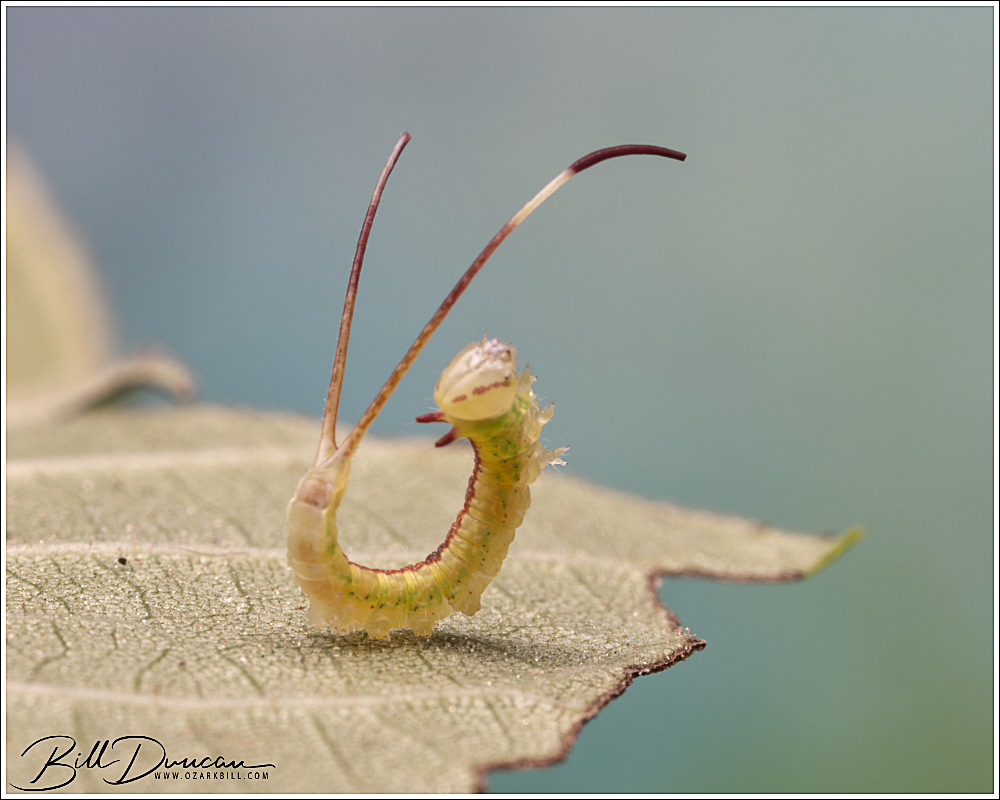
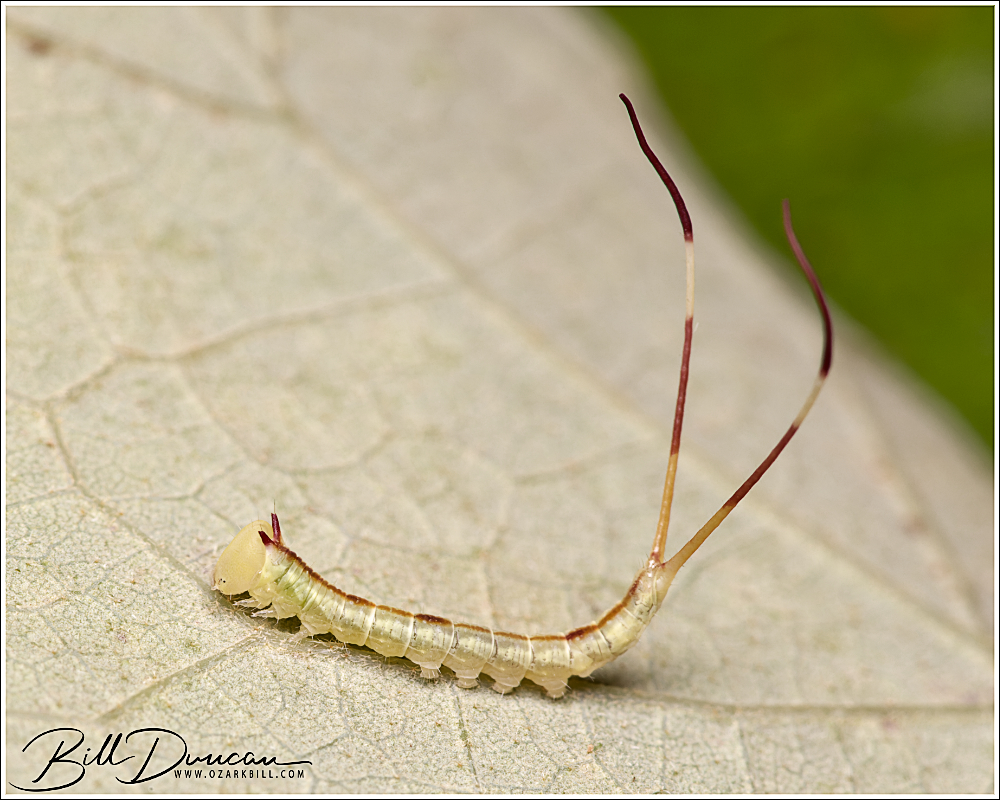
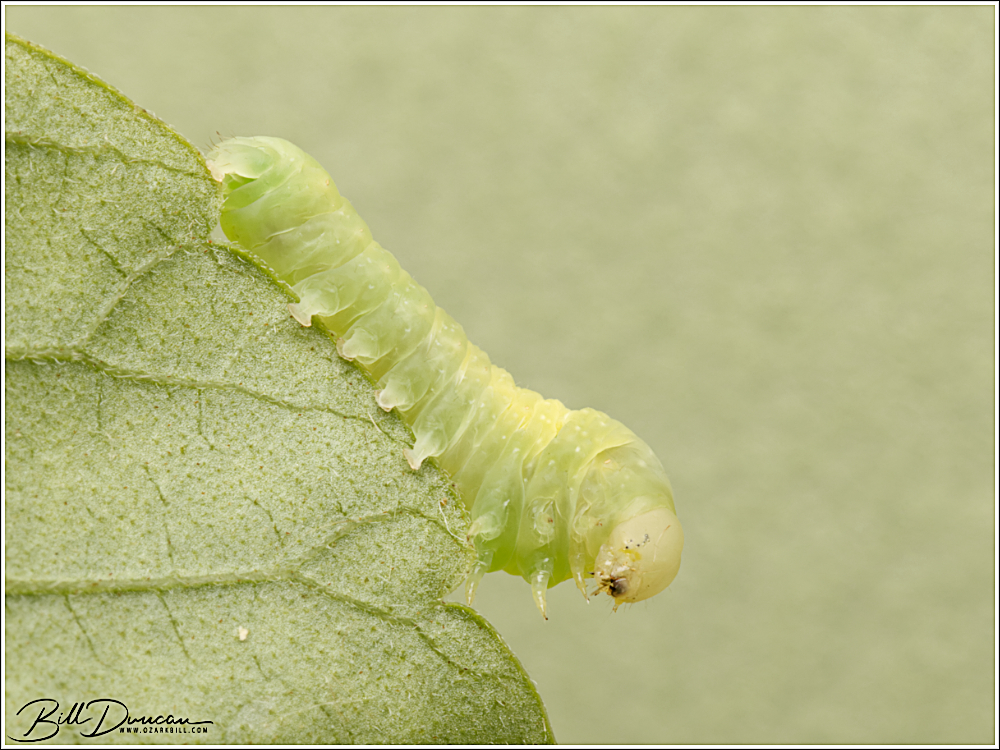
Tonight’s caterpillar comes from the Euteliidae family. Marathyssa inficita, or the dark marathyssa is much more interesting looking as an adult moth. This species hosts almost solely on sumac (Rhus sp.). This one was found in early August at Cuivre River State Park on winged sumac (Rhus copallinum).


 A Thousand Acres of Silphiums