"What a thousand acres of Silphiums looked like when they tickled the bellies of the buffalo is a question never again to be answered, and perhaps not even asked." -Aldo Leopold
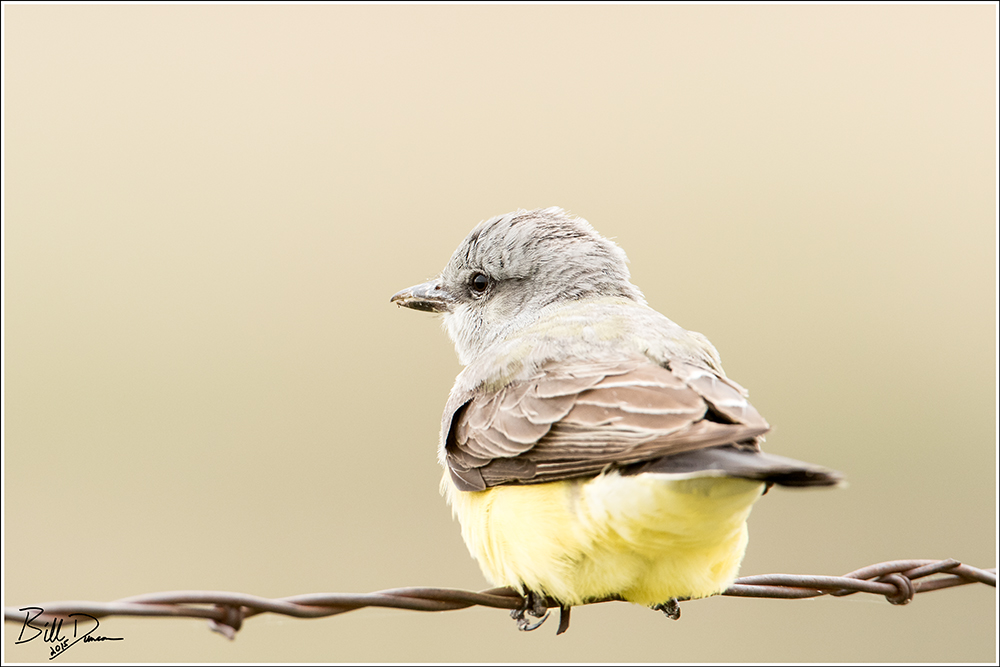
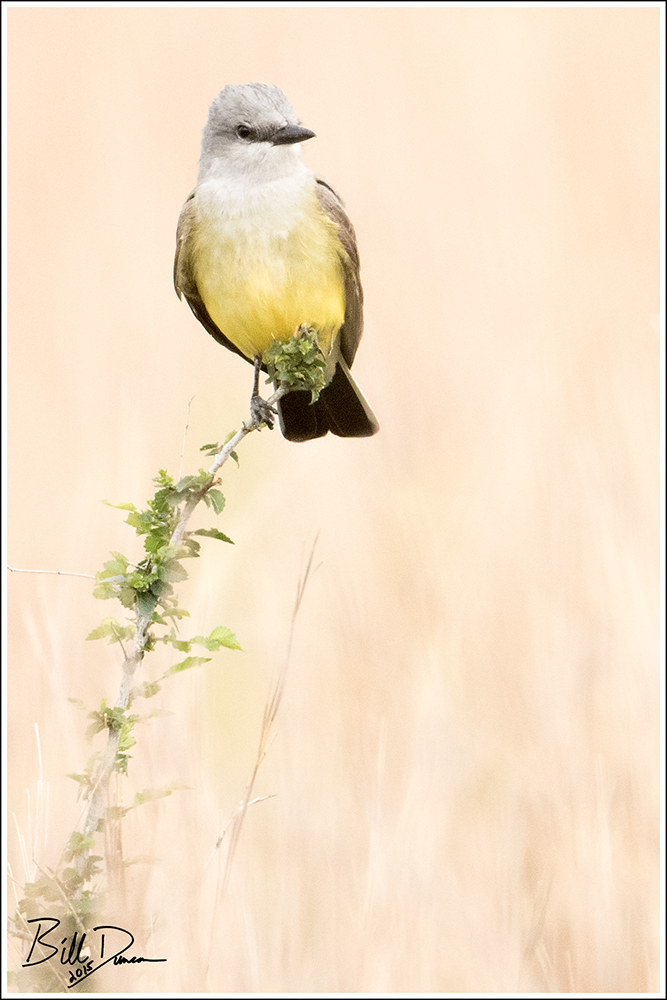
Much like the Meadowlarks, Steve and I observed an abundance of both Eastern and Western Kingbirds. We were surprised by the close proximity of the assumed territories. The typical super-aggression shown by the Eastern Kingbirds did not seem to be delivered to either the Westerns or conspecifics.
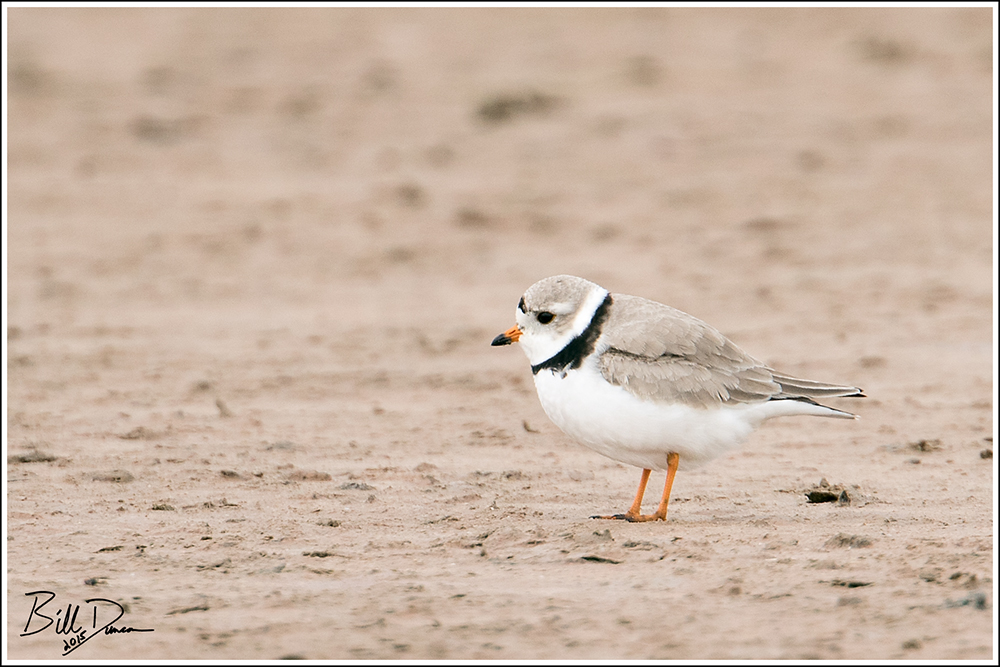
The Piping Plover, or as Pete Dunne has named them – the Sand Wraith, was one of the more special birds that Steve and I were able to view and photograph at Quivira this spring. The Piping can be identified by its top color of dry sand (vs. the wet sand-colored top of the Semipalmated Plover) and its bright yellow-orange legs (vs. the gray-legged Snowy Plover).
Piping Plover
There are currently an estimate of ~2500 pairs of Piping Plover left on the planet – causing this species to be listed on the endangered species list. Unlike most of the shorebirds – who pass over most of North America on their migration north to nest in the arctic tundra, the Piping Plover dares to nest on Atlantic coasts and sandy shores of lakes of the northern plains. It is here where its nesting needs have been overlooked by the desires of man who has converted its coastal habitat to development and flooded its fresh-water beaches and whose dogs and cats have made easy meals of its eggs and chicks.
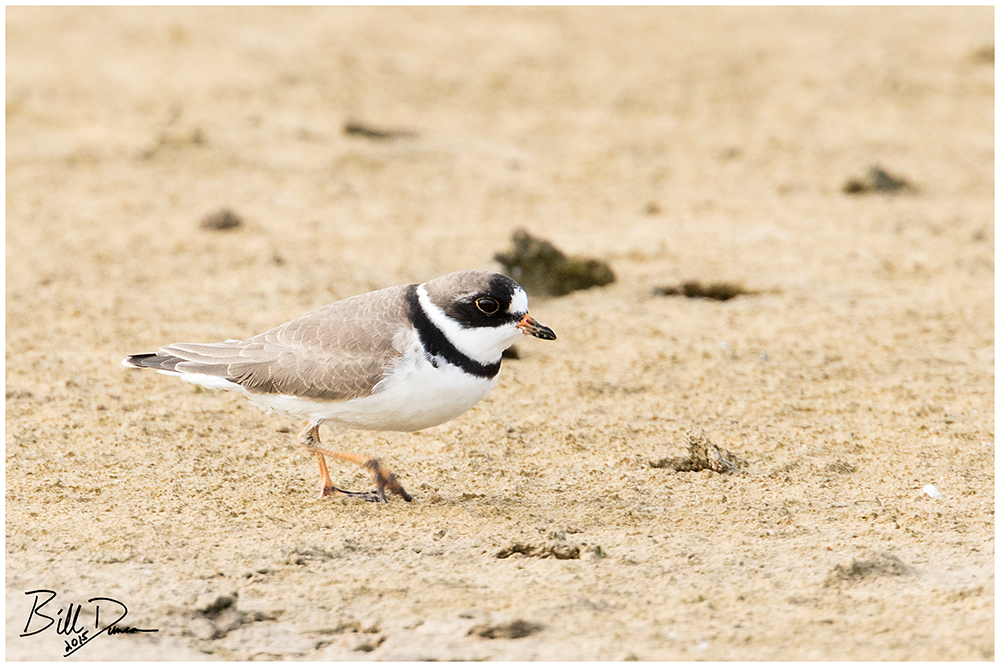
Cousin to the slightly smaller Piping Plover and the ubiquitous, double-striped Killdeer, the handsome species that is the subject of this post is the Semipalmated Plover. Semipalmated refers to this bird’s semi-webbed toes.
Semipalmated Plover
I find it interesting that these birds are typically tolerant of feeding among other shorebird species such as Piping plovers and Peep Sandpipers, but will not tolerate conspecifics during migration, aggressively defending a feeding territory.
Semipalmated Plover
I have read it described that the Semipalmated Plover is the color of wet sand, while its similar looking cousin, the Piping Plover, is the color of dry sand. Stay tuned next time we visit Quivira NWR when I plan on showcasing this species.
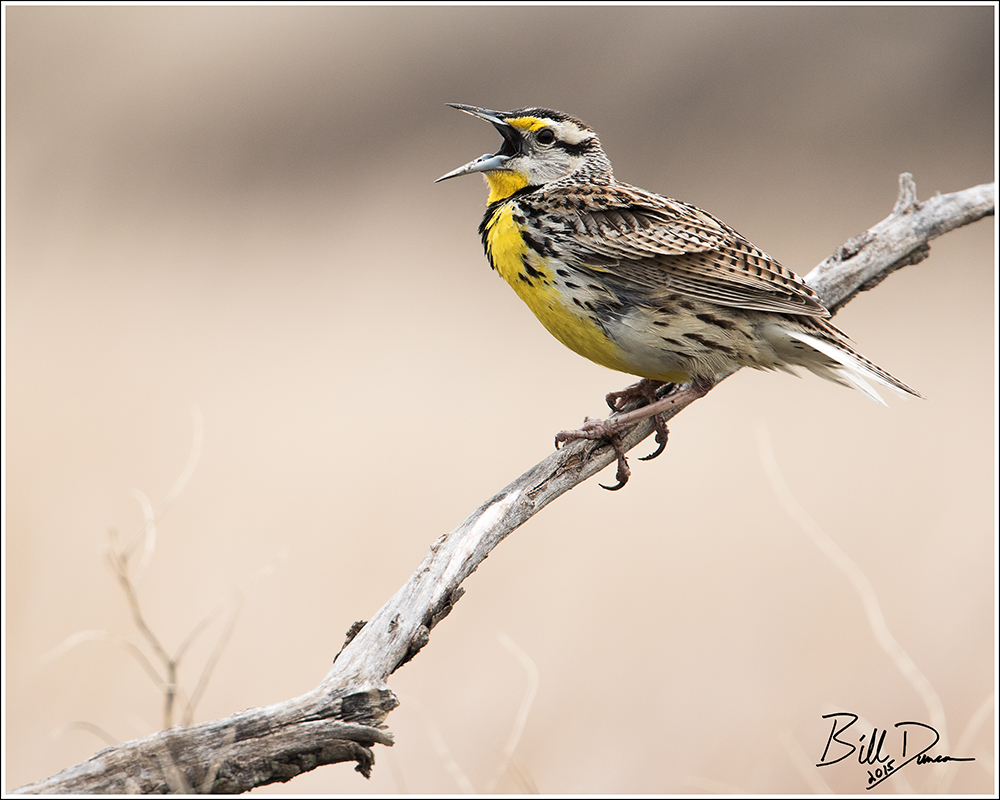
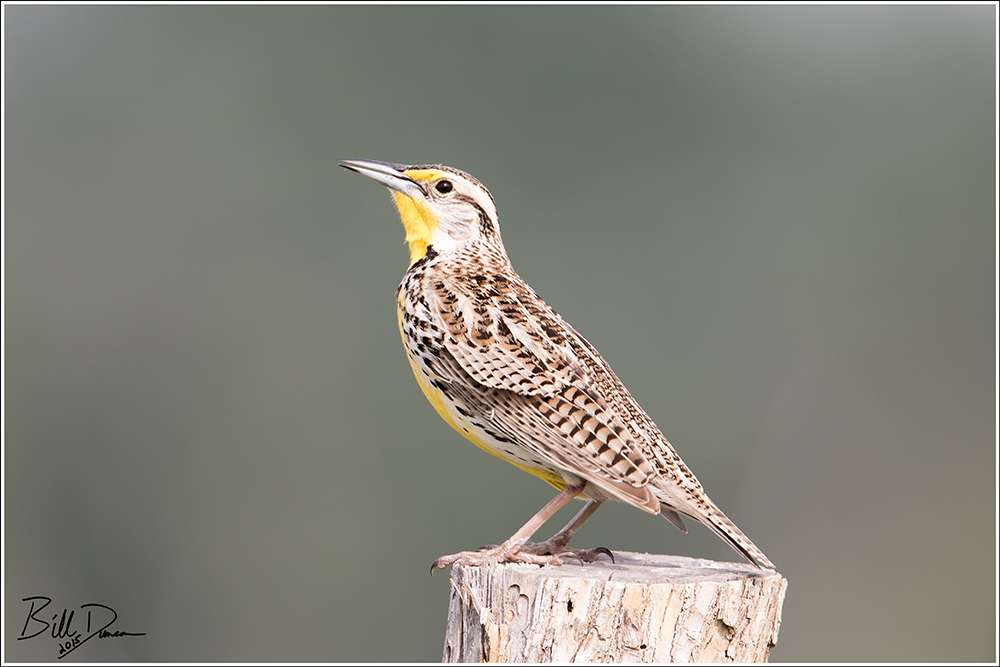
Located in south-central Kansas, Quivira NWR lies within the overlap of the ranges of both Eastern and Western Meadowlarks. We had observed both species (mostly Eastern) in a past trip or two to western Missouri, but Steve and I were immersed in an almost 50/50 mix of the two at Quivira. According to the literature, these guys participate similarly in their respective habitats, although Westerns prefer things a bit drier. Visually, the two species are quite similar and depending on the season may be difficult for even the most experienced birder to be certain of their ID based on solely visual cues. I believe the two images presented here do represent some of these subtle visual differences. The Western appears to be less contrasty and lighter in color overall than the Eastern. Pay close attention to the sub-moustachial area in the two birds pictured. In the western, the yellow from the chin spills over into this area, but remains a clear and distinct white in the Eastern. Lastly, the head stripes of the Eastern are darker than those of the Western.
Western Meadowlark
Advertisement songs and calls are quite distinct between the two species and should always be sought for best identifications. I was quite confident in this knowledge and sure that I had this down until I read recently, that because these are songbirds after-all, and songbirds learn their songs, there may be some similarities – especially where the two ranges overlap. So, maybe the calls are the only true tool we have?
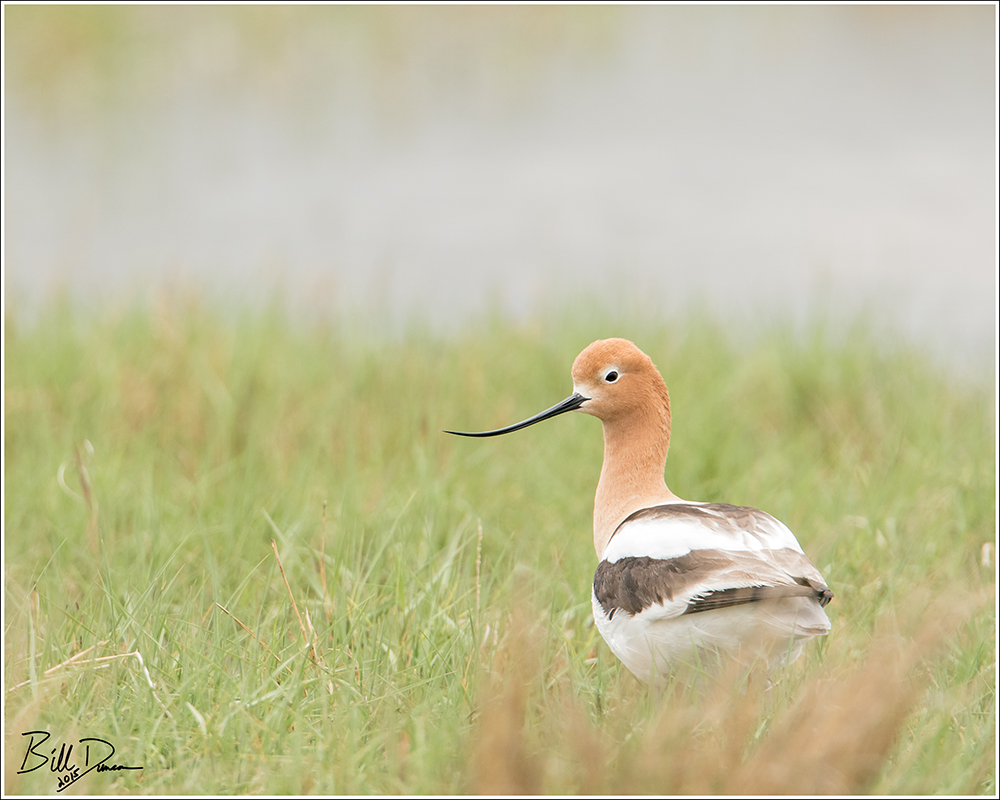
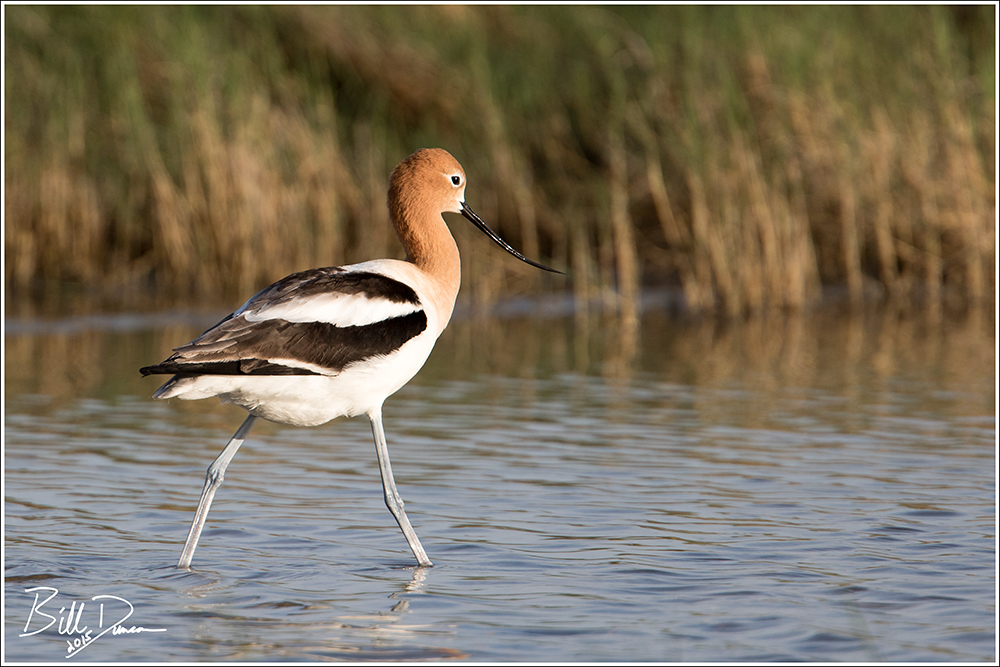
The demure, upturned bill, the black and white striped pattern and the gorgeous warmly colored head and neck make the American Avocet in breeding plumage unmistakable.
American Avocet
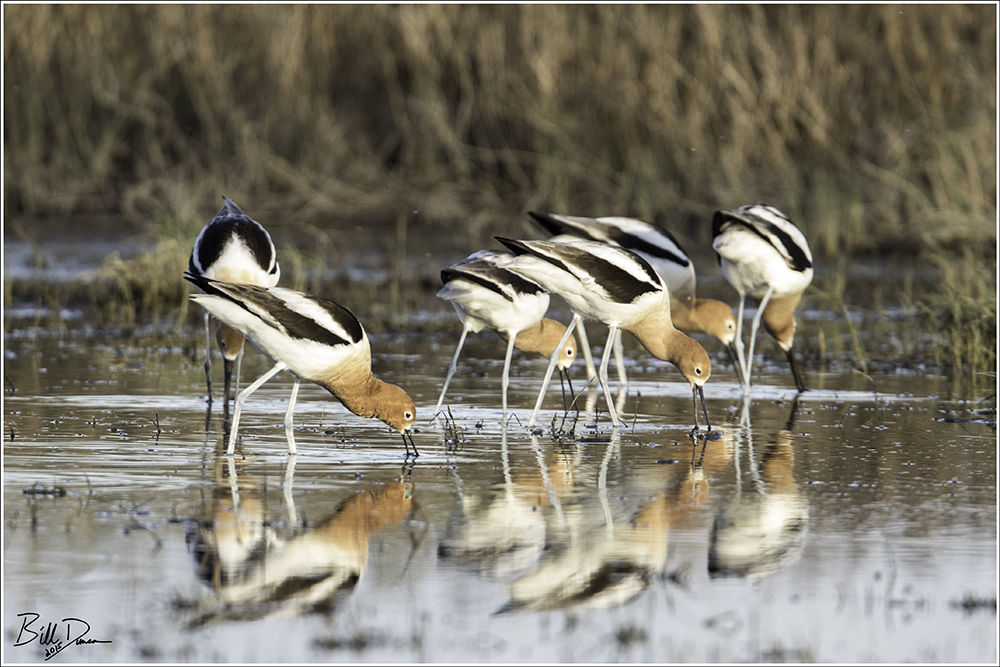
The Avocet is adapted at finding its bread in a variety of scenarios. It can fish by probing the shallows with its needle-like bill tip, but it is equally comfortable at being in over its head and using its bill as a scythe to collect its prey, sometimes while literally swimming.
American Avocets Hard At Work
I have seen no more than four of these guys at a time in winter plumage in Missouri. During four days at Quivira Steve and I observed dozens.
American Avocet
In the above image you can see the large strides in deeper water this bird’s blue, stilt-like legs afford it.
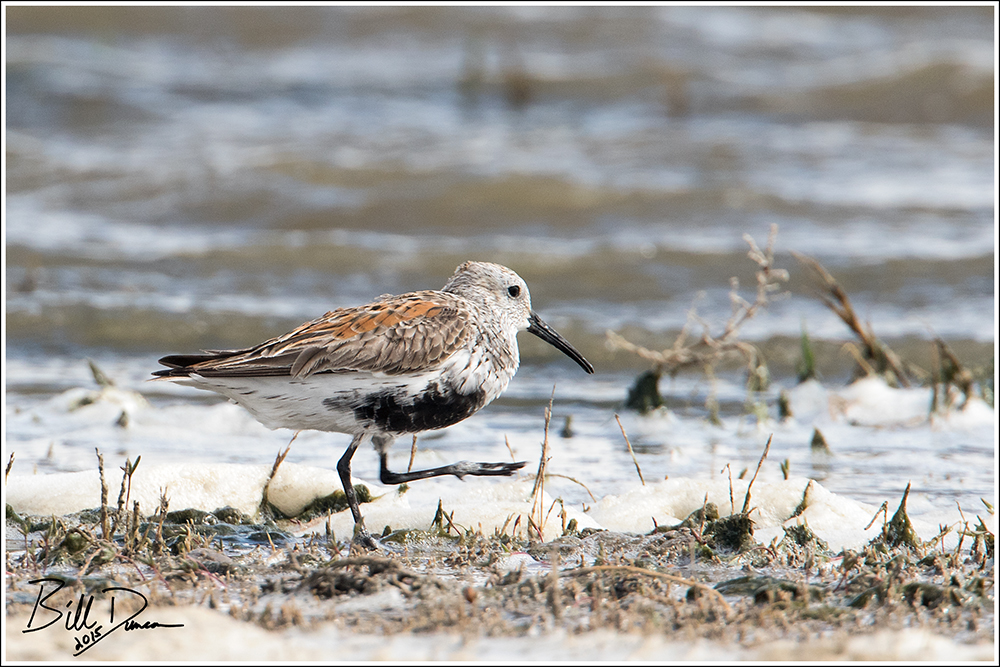
In nesting season, the Dunlin (AKA Red-backed Sandpiper) is the most strikingly colored of the calidrid sandpipers; however, as the name suggests, in winter this bird is downright plain, grayish-tan. Dun.
Red-backed Sandpiper
This species is considered to be one of the most abundant shorebirds in the world, but they are relatively infrequently seen as migrants in the Mississippi Flyway. Steve and I saw barely a handful this spring in Kansas.
The Dunlin are in the air and all,as by an invisible broom,
are swept into a perfect unison of movement . . .
thousands of leadership birds with the cohesion of one body,
supported from one pair of wings.
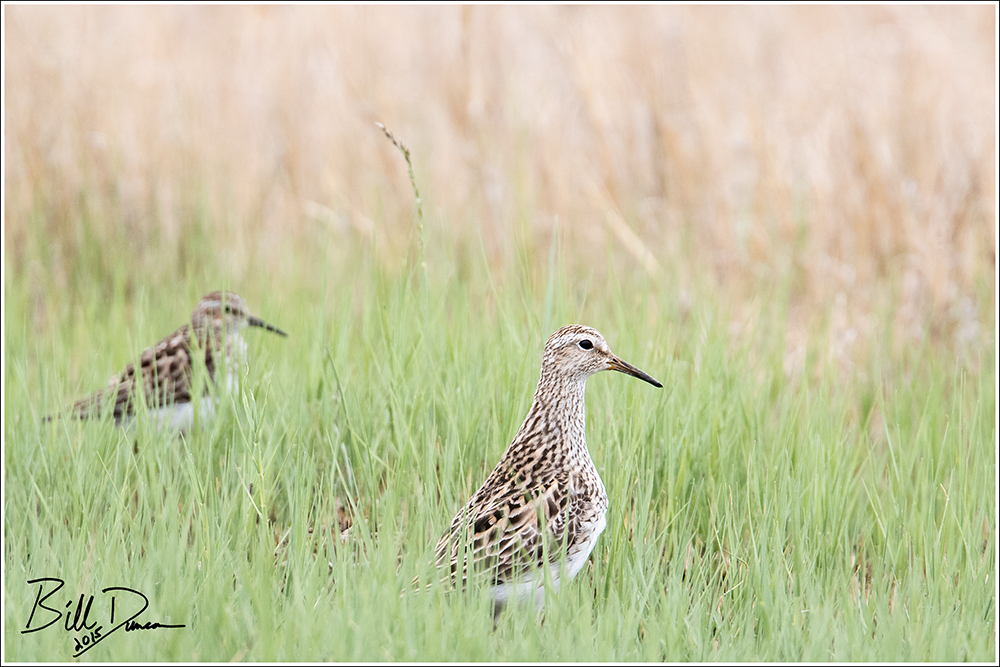
One dream I have is to visit the tundra nesting grounds of the shorebirds in the arctic of northern Alaska and witness the territorial displays and nesting activities of these fascinating creatures. Probably the species I am most keen on observing would have to be the Pectoral Sandpiper.
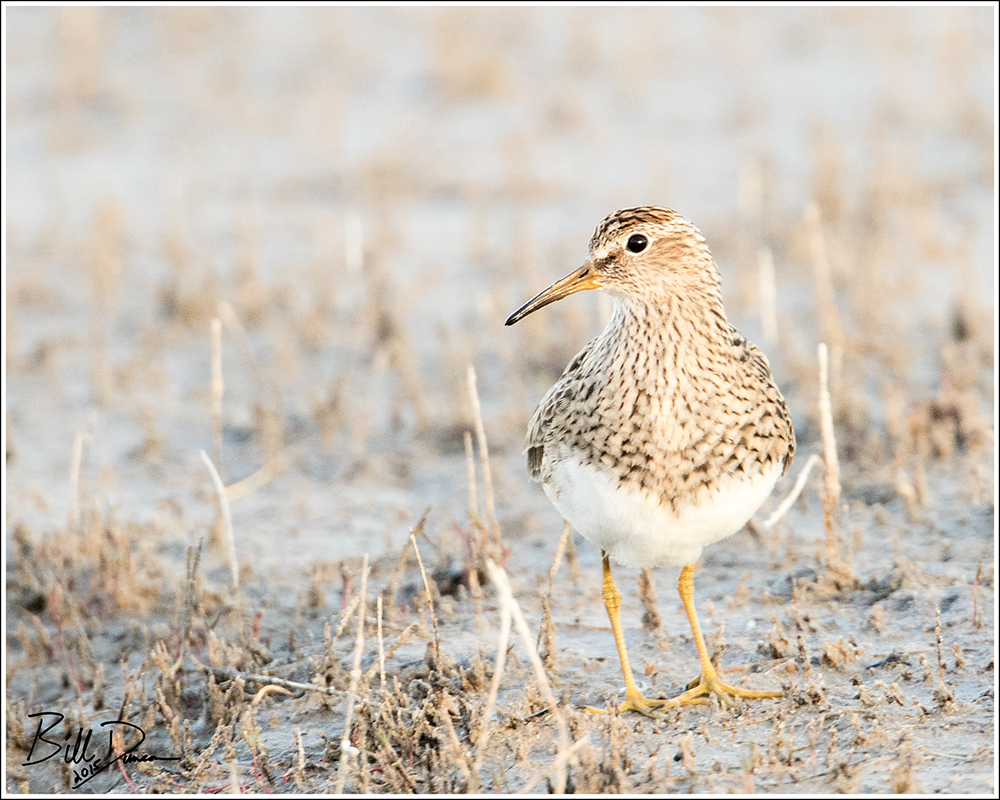
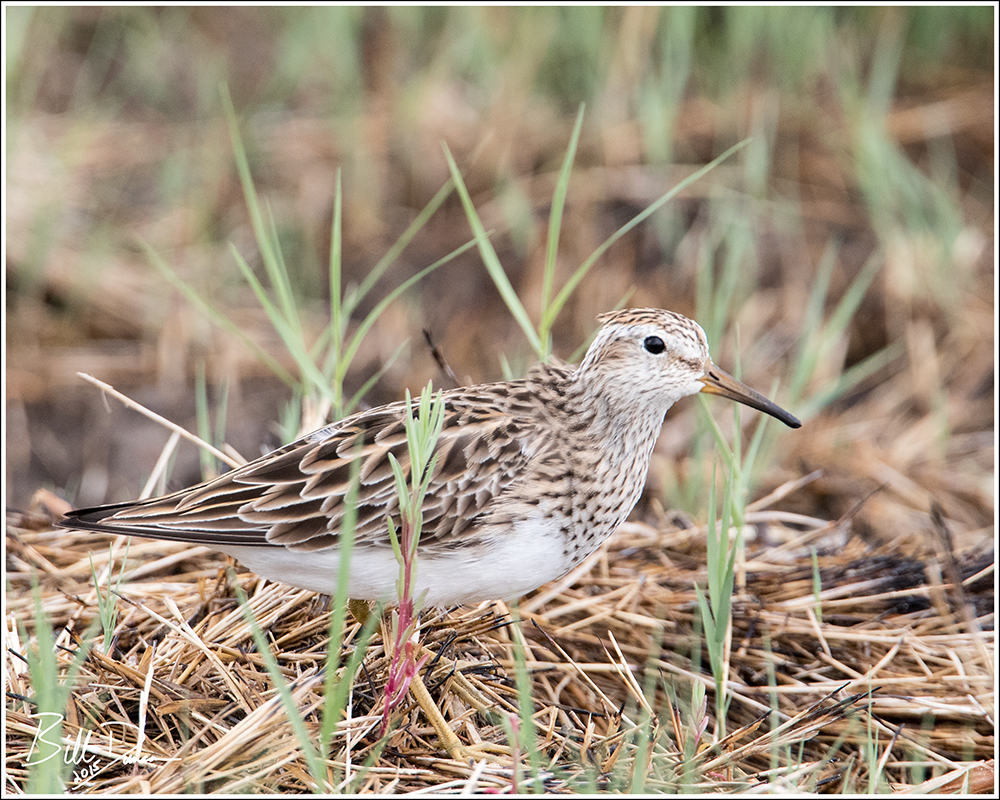
Pectoral Sandpiper
The “Pec” looks like a larger, slightly better dressed Least Sandpiper, and are relatively common to see during migration in Missouri. It is when on the nesting grounds when this “pre-lek” species shows its true colors. Watch this video and this video. Their “thunder booming”, reminiscent of a Prairie Chicken, while in flight display is truly impressive and can be heard here:
As the above photo suggests, this is a species more comfortable with its feet in grass than on the sand or mud, such as typically found with other calidrids.
The Semipalmated Sandpiper is the “middle child” of the three trickiest of the peeps. At certain times of the year, it can be downright difficult to distinguish the “Semi” from a Western, but under most conditions it should be relatively straight forward telling this bird apart from the Least Sandpiper. Minor differences between the Least and the Semi include the Semi being slightly larger, slightly grayer and containing more white on its breast. The primary differences, however, can be seen in the legs. The legs of the Semi are black and its toes are partially webbed, contrasting with the clean toes and yellow-green legs of the Least.
Semipalmated Sandpiper
The Semi is a long-haul migratory bird. These little ones winter throughout Central and South America and nest in the arctic and high arctic regions of North America. To reach these nesting grounds, these birds will fly nonstop for up to several thousands of miles, only stopping at important staging grounds such as the salt flats of Quivira.
Found rarely in Missouri, the Yellow-headed Blackbird was a real treat for Steve and me to find in Kansas. I had seen one or two during our trip out west last September, but not in the numbers we were to experience this spring at Quivira.
Yellow-headed Blackbird
Their habitat preferences, habits and behaviors seemed to me to be quite similar to the more familiar to the easterner – Red-winged Blackbird. Most will not agree, but I found the song of this species to be preferable to the Red-winged.
Yellow-headed Blackbirds
We found a couple flocks that were surprisingly large. Containing a goodly number of Brown-headed Cowbirds, we watched these flocks roll across the wetlands as the clouds rolled with the winds across the big skies of Kansas.







 A Thousand Acres of Silphiums