"What a thousand acres of Silphiums looked like when they tickled the bellies of the buffalo is a question never again to be answered, and perhaps not even asked." -Aldo Leopold
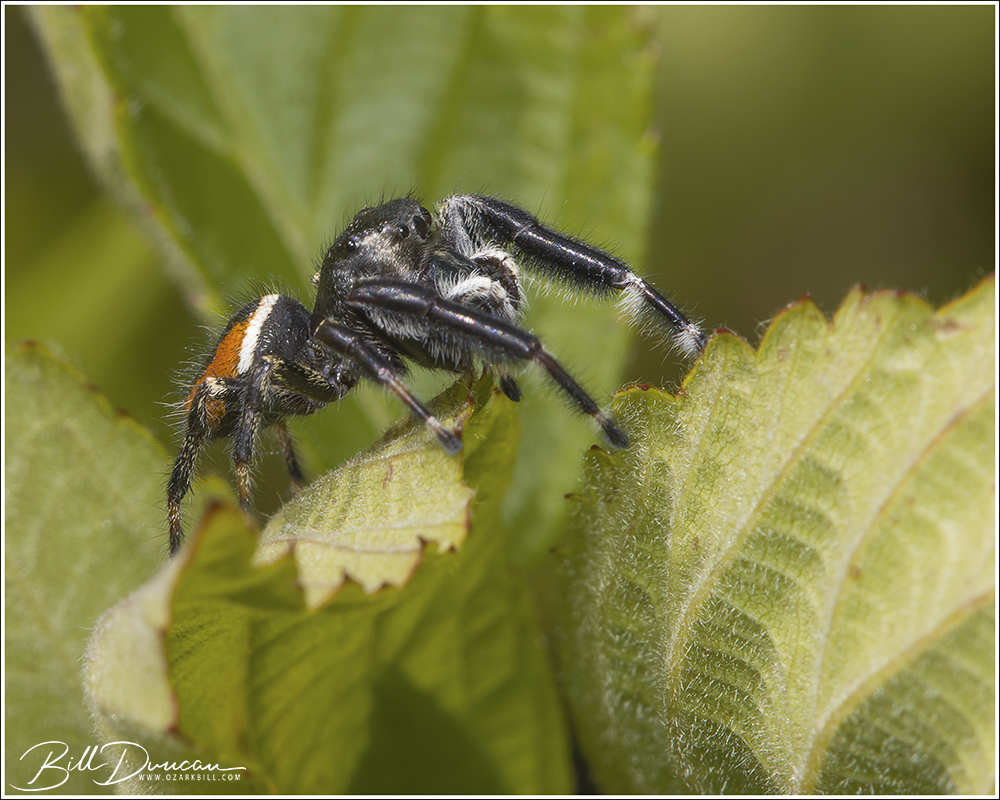
Time to get into the season by sharing a brilliant spider for October. This brilliant jumping spider was photographed back in July at Horn’s Prairie Grove LWR. This is one of several jumping spiders that are believed to be mimics of the Mutillidae family of wasps, better known as “velvet ants.”
These are some older photos that I posted on Facebook back in 2018 when I had the annoying habit of posting some interesting topics only on Facebook for some reason.
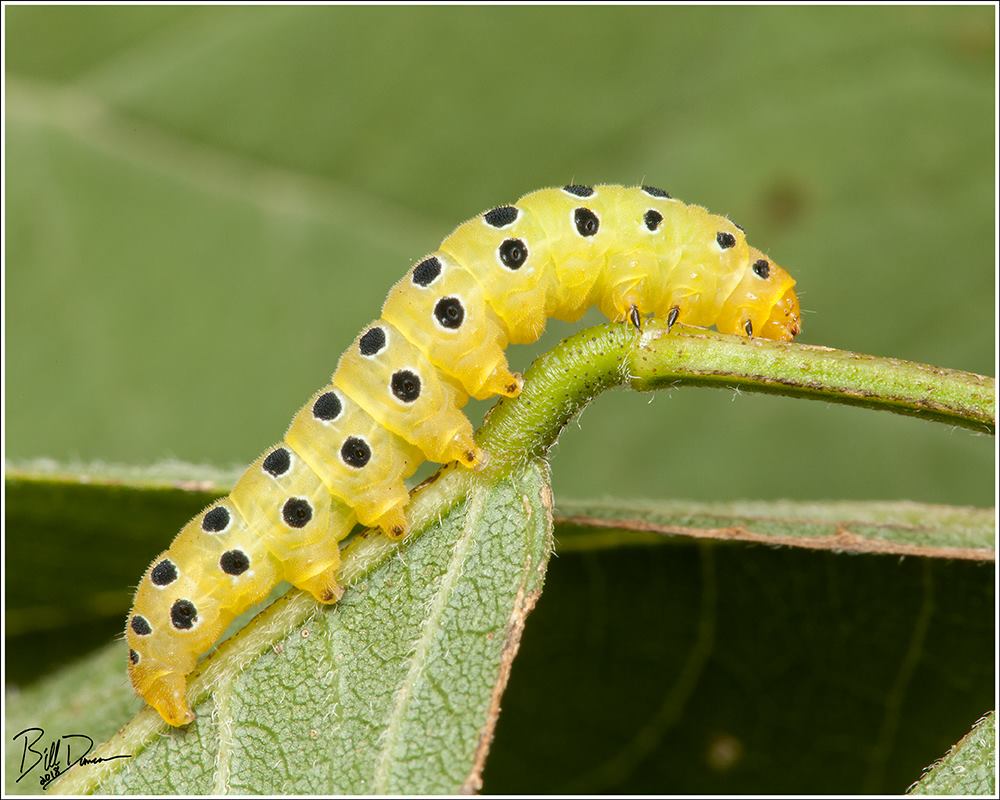
Schinia nr-jaguarina (French-grass flower moth)
Only discovered in 2012, this species of flower moth (Schinia nr-jaguarina) has yet to be described and named. This was photographed at Desplaines State Fish and Wildlife Area near Joliet Illinois. This species seems to be an obligate feeder on Orbexilum onobrychis (scurf pea, french-grass, among others). To read more about this recent discovery, head over to this location: http://jimmccormac.blogspot.com/…/interesting-moth-new…
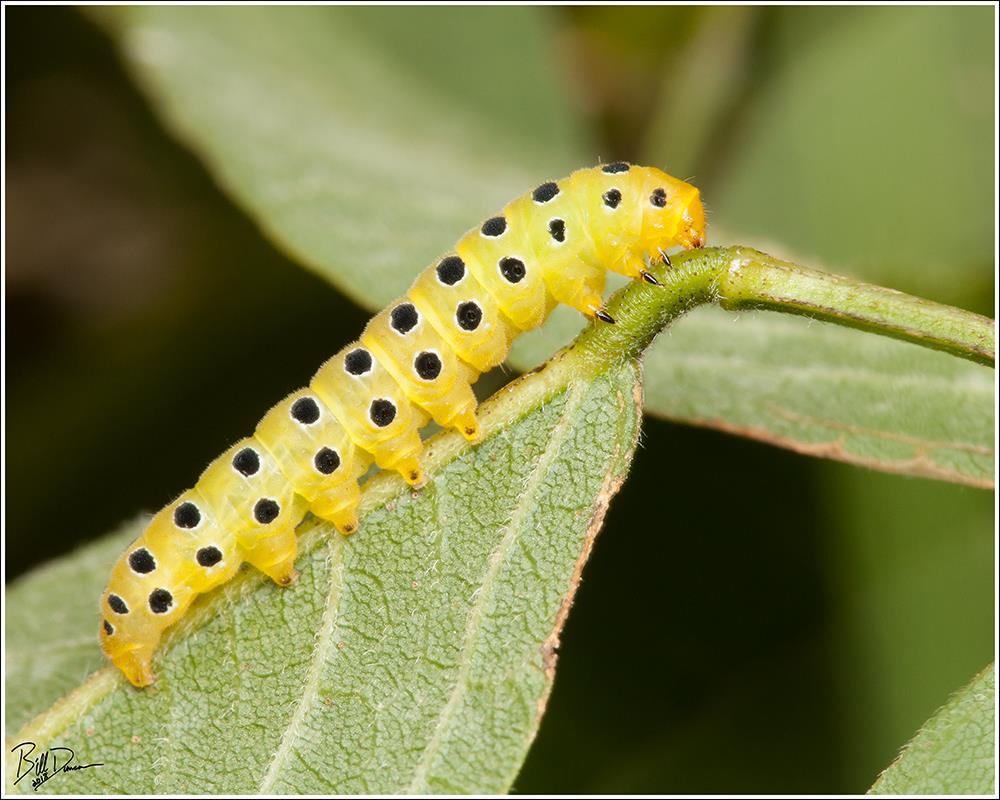
Schinia nr-jaguarina (French-grass flower moth)
2023 Update This past weekend, the WGNSS Entomology Group spent the better part of a day exploring the wonderful Horn’s Prairie Grove LWR, just north of Vandalia, IL, and discovered a population of Schinia nr-jaguarina (apparently, this species has still not been officially described and the specific name given here is just a placeholder).
One of us collected a specimen to rear so I might be able to get photographs of an adult soon.
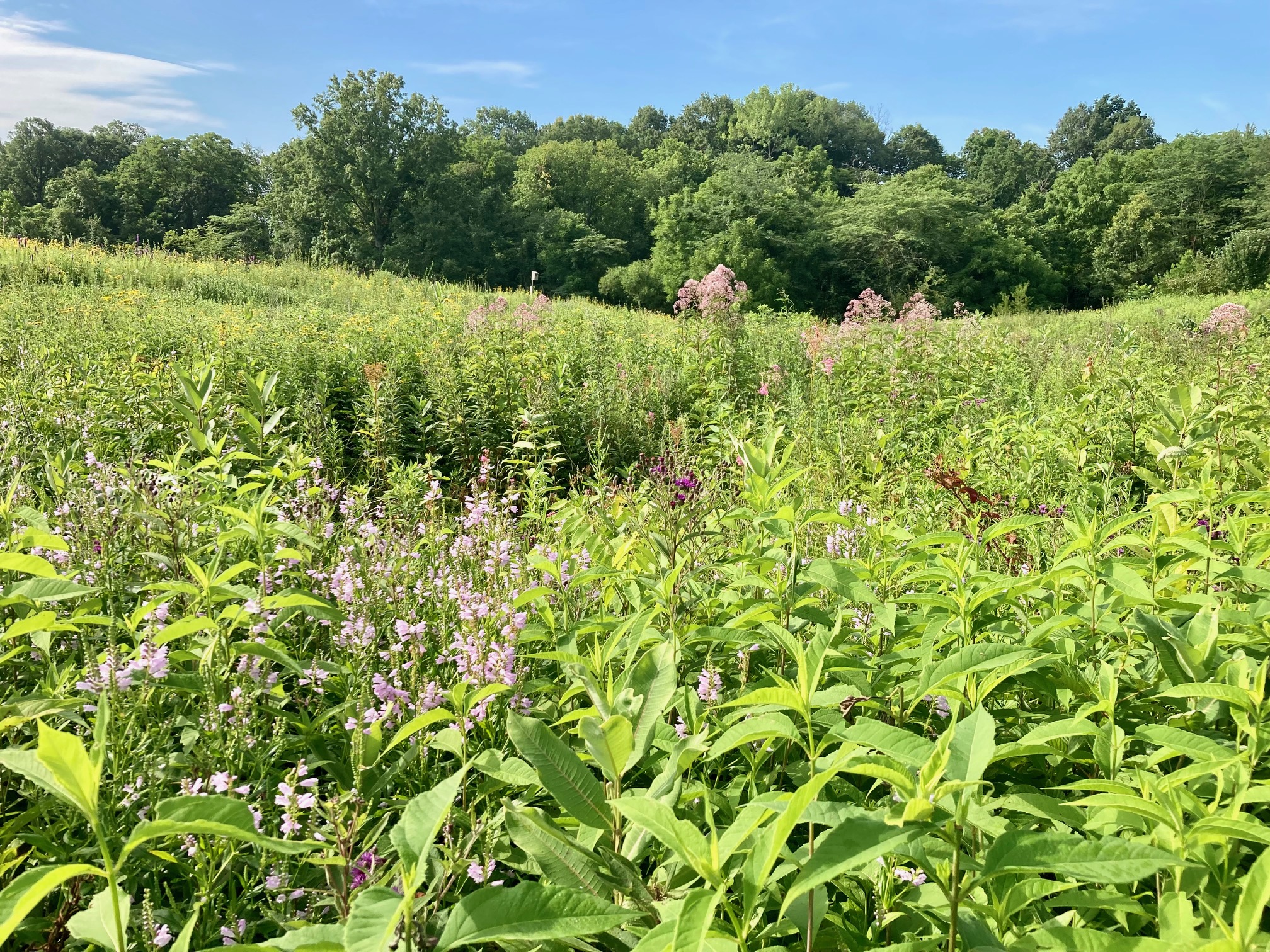
Part of the Horn’s Prairie Grove LWR with obedient plant blooming in the foreground and joe pye weed behind.
The WGNSS Entomology and Nature Photography Groups had a splendid treat in July of 2022 when we jointly visited Horn’s Prairie Grove Land Water Reserve (LWR) near Ramsey IL. This 40 acre patch represents part of the less than 1% of the remaining southern till plain prairie ecosystem that was nearly wiped from the planet due to land conversion for farming. Even better, about 30 acres are original “virgin” prairie, (the largest intact remnant prairie in IL) meaning these spots were never touched by the plow. Even better still, at this location there lies five different types of prairie habitat: seep/wetland, dry hillside, mesic, black soil and savanna.
Keith Horn, owner and guide to Horn’s Prairie Grove LWR
The story of this land is interesting. The current owners, Keith and Patty Horn, purchased the land in 2001 as “junk land” from an old farmer who’s family had owned since the 1870s. They liked the fact that the majority of the land was in a “wild” state. The untouched 30 acres had been used as a wild hay field, being cut almost yearly. They had noticed some nice wildflowers in bloom but did not realize what they had until a few years into a wildlife habitat improvement plan that included periodic burning. Every year they noticed more and more species in bloom. They have sought help in identifying the plant species here and the current list is now at 619 species, including six native orchid species! Bravo to the Horns for identifying what they had and taking the steps to see their land improved. This remnant prairie could have been destroyed in the blink of an eye if it had fallen into the wrong hands.
Although most of us were simply thrilled to be in such high quality habitat, the primary purpose of the trip was to check out the arthropod life. Unfortunately, in late July, we were there on a truly miserable day of weather. The heat and humidity created a heat index that was well above the safety zone. This meant not many of us had the nerve to do a great deal of walking and searching, especially much after lunch time.
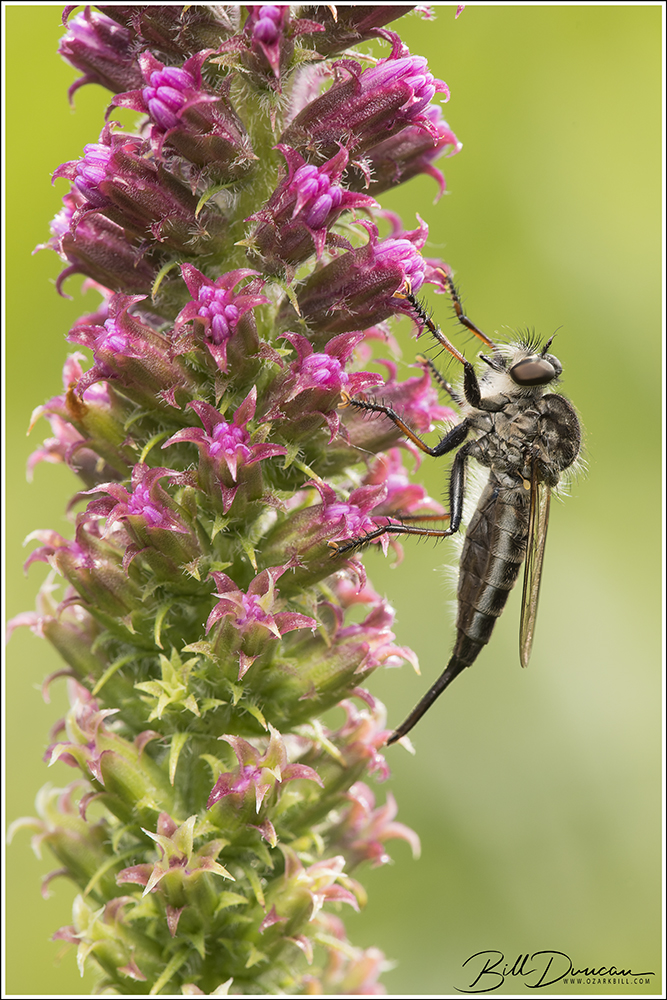
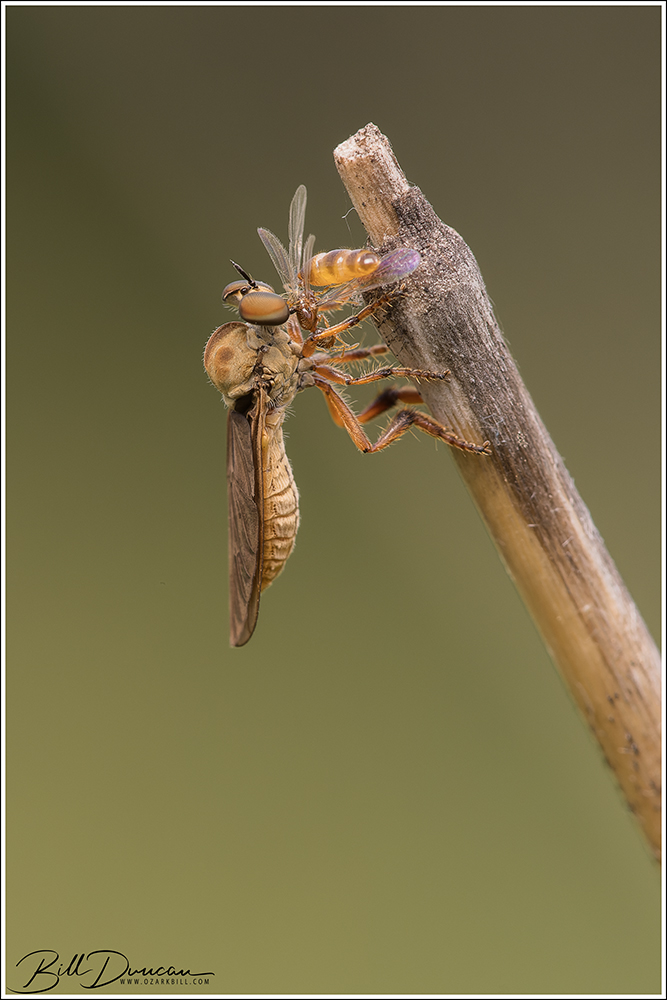
Efferia aestuans, the friendly robber (Family Asilidae)
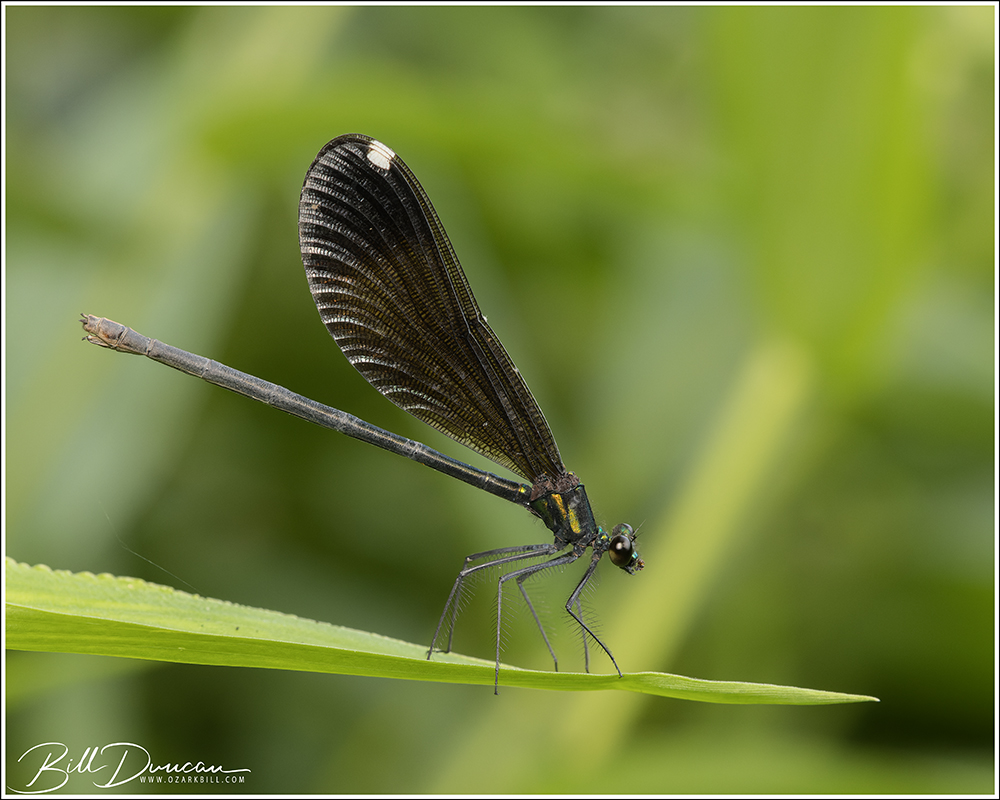
Calopteryx maculata, an ebony jewelwing damselfly that was found on the forest and prairie edge.
Members of our group walking among the blooming Liatris.
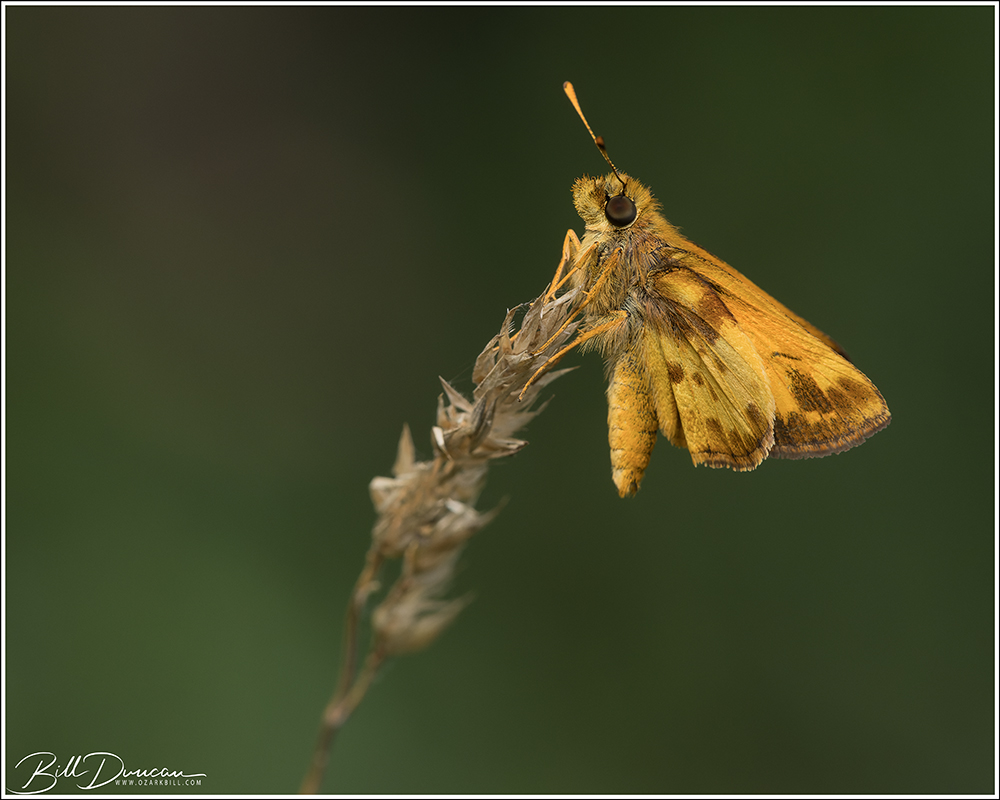
A gorgeous Poanes zabulon, Zabulon skipper (Family Hesperiidae)
What I am calling Wallengrenia egeremet, the northern broken-dash (Family Hesperiidae)
Keith Horn (back) and Chris Brown (front)
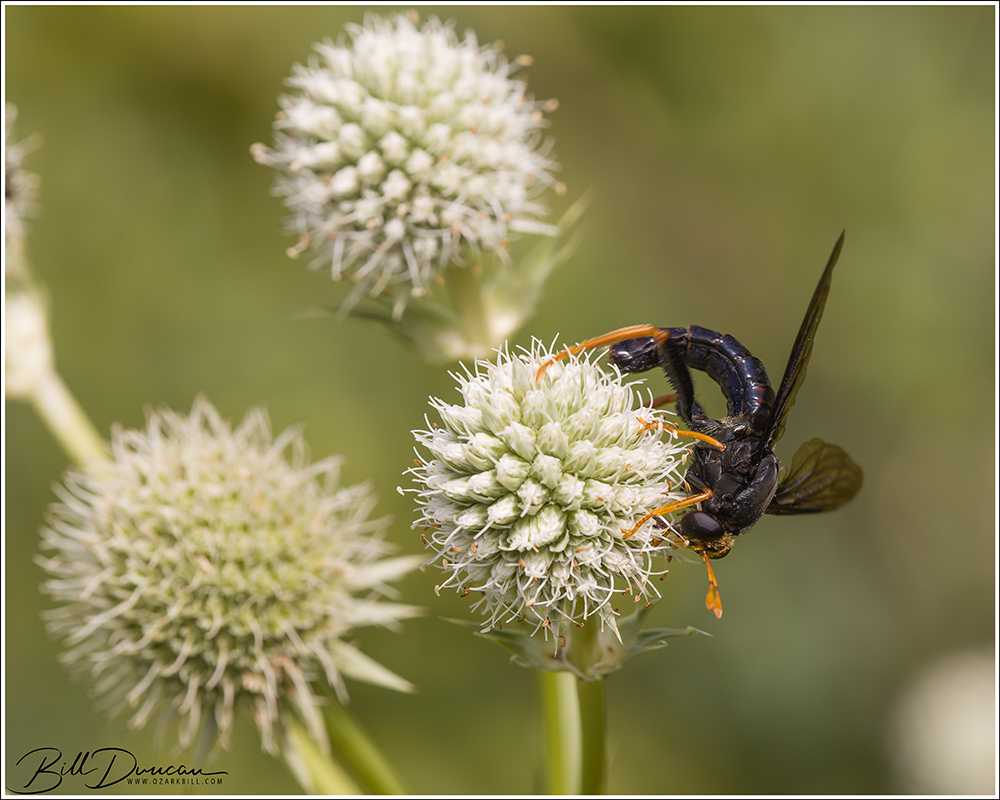
We were lucky to find both Mydas fly species to be found in Illinois, but I was only able to photograph this Mydas tibialis.
The gnat ogre! (Holcocephala sp.)
Interested in making visits to interesting high-quality habitats like this? Then consider joining Webster Groves Nature Study Society! Visit http://www.wgnss.org to find out more.








 A Thousand Acres of Silphiums