
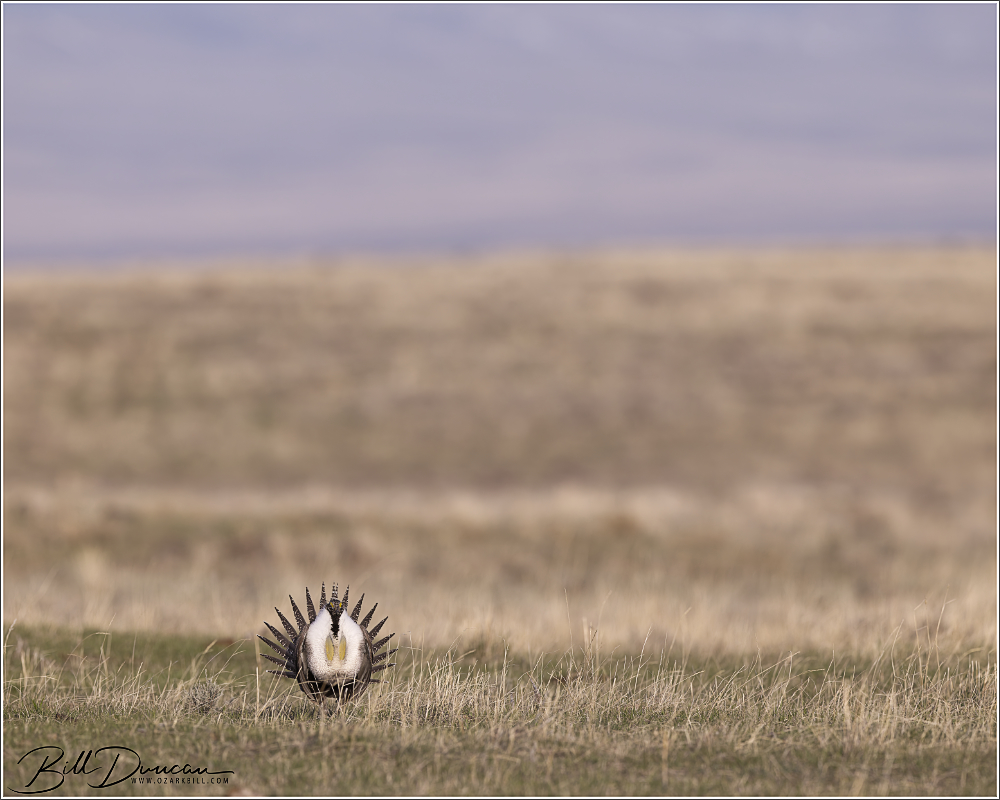
In mid-April 2025, David Seidensticker, Casey Galvin, Dan Kirk and I took a week-long trip to find and photograph the Greater Sage Grouse (GSGR). This bird had been on our lists to photograph for quite a few years and it took a number of years and quite a bit of research and help to find the opportunity we were looking for. Like most of the North American Grouse species, the GSGR is best photographed on their leks during the spring mating season. Finding public leks and watching these birds from considerable distances is relatively easy. However, we knew that most likely we would have to share these types of leks with potentially many others and would probably not be close enough to the birds to do the type of photography we were hoping for.
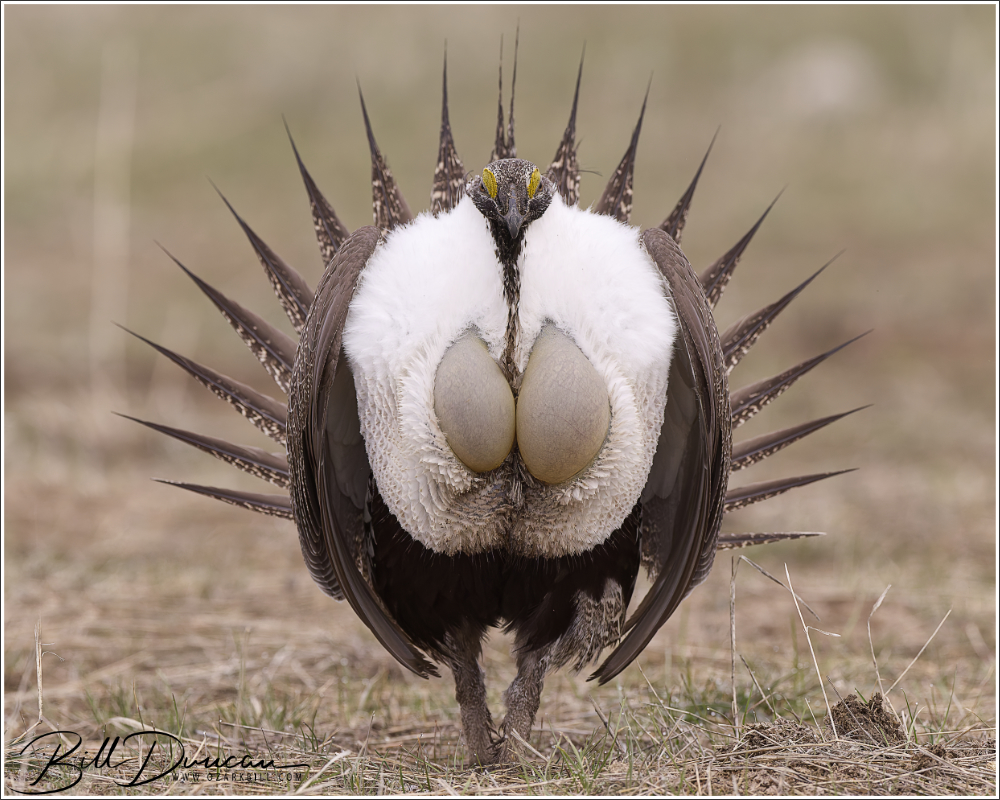
Enter a friend named Steve Jones. Steve has been monitoring and photographing GSGR leks in southern Idaho and volunteered to show us to a nice lek if we were willing to make the trip. We did and were rewarded with three beautiful mornings on a lek with up to 200 birds each day! Words can’t express the appreciation I have for Steve and we all offer our thanks for his help in this endeavor.
Spring weather at these western high elevation locations can be quite variable. We were quite fortunate on this trip that temperatures were moderate and we had almost no precipitation to speak of. During some springs snowpacks keep mountain roads closed until well into May or June.
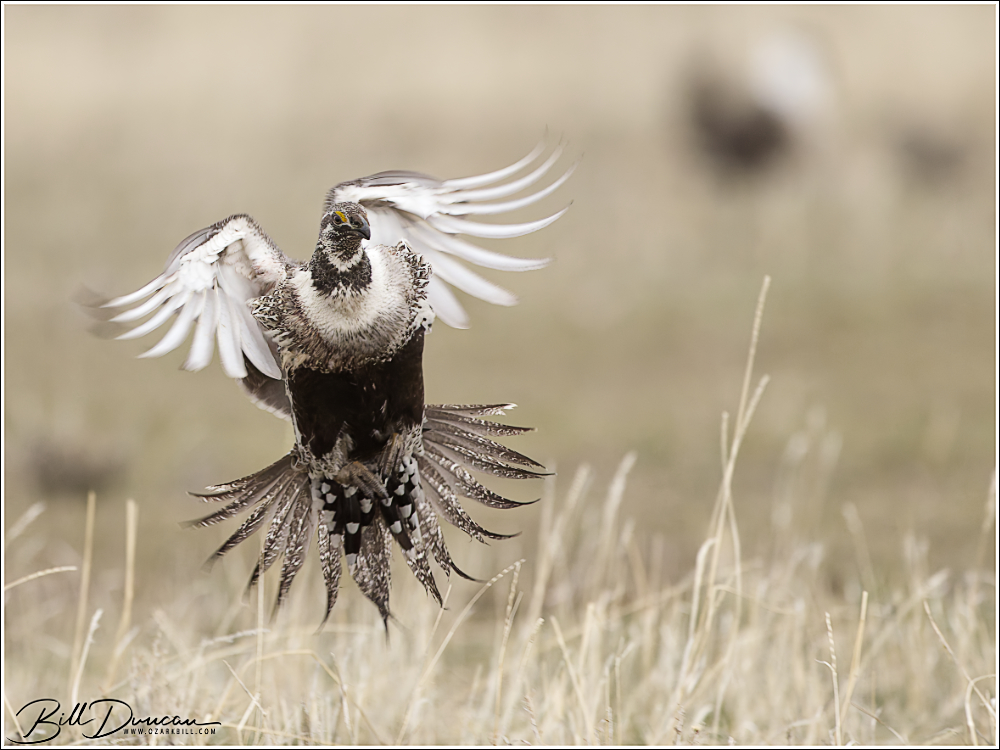
The mornings at the lek were unforgettable. But that was not the only highlight of the trip. The birds would typically disperse from the lek between 8:00 and 9:00 each morning, leaving the rest of the day for us to explore other opportunities, typically in search of other western bird species. The problem here is the vast expanse of the west. Points of interest in this area were drives typically 100 – 300 miles from our base and by the end of the trip, Dave had put approximately 3,500 miles on his brand-new Subaru. I’ll share photos and stories of these side trips later. First, let’s discuss this fantastic grouse and view some more photography.
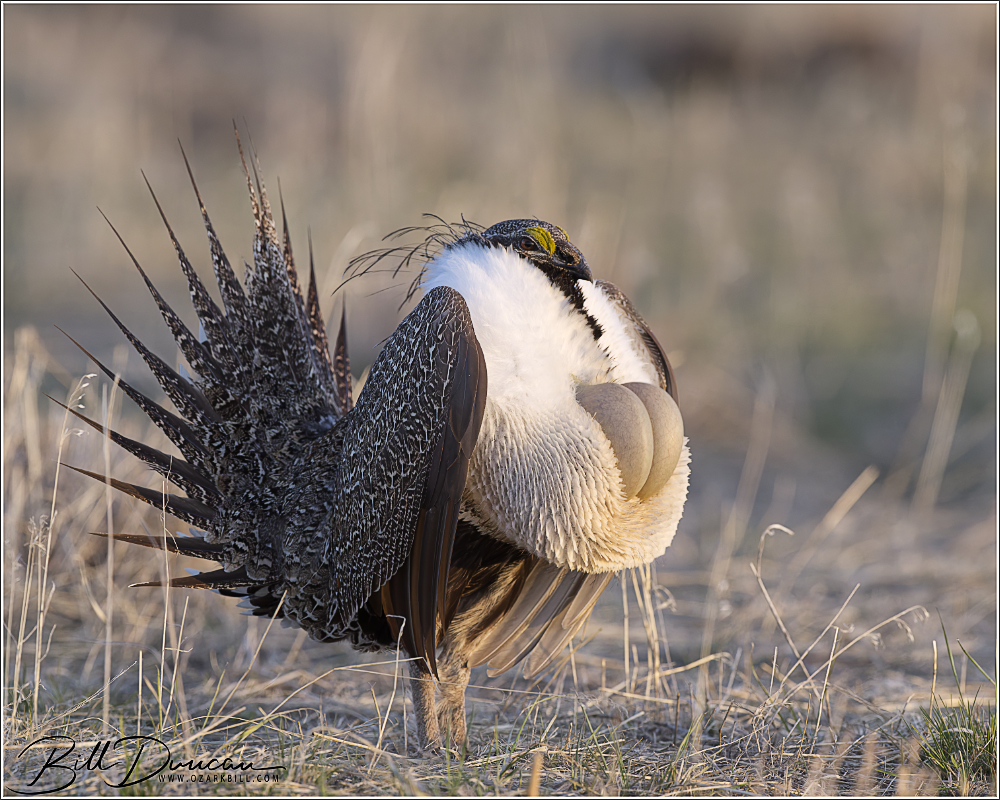
We were in for some nice surprises while waiting on the lek each morning. A few times a small number of pronghorn antelope would show up, even moving through the middle of the lek!
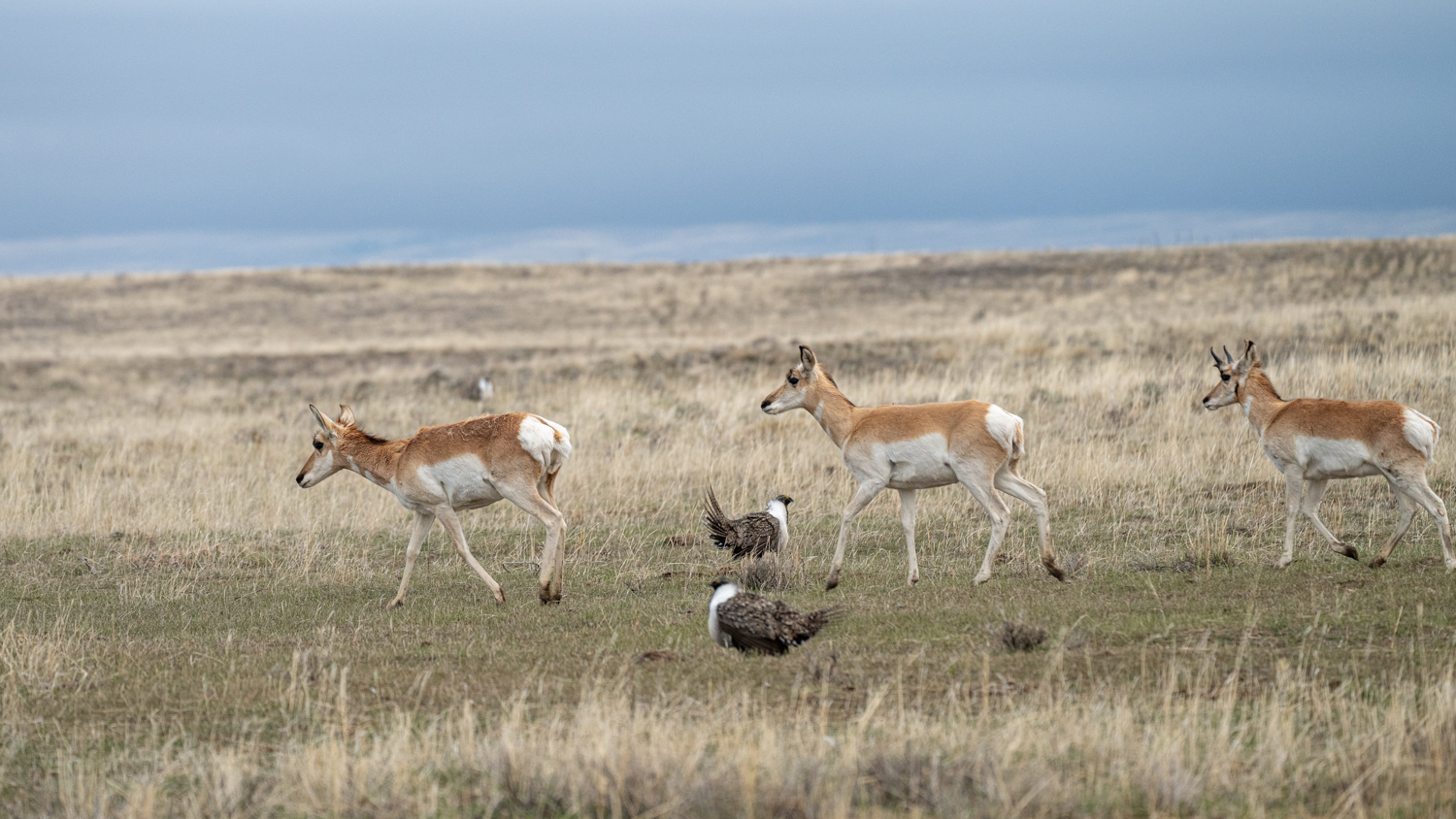
Photo by David Seidensticker
Golden Eagles, Long-billed Curlews and Rough-legged Hawks were also seen while we were sitting on the lek.
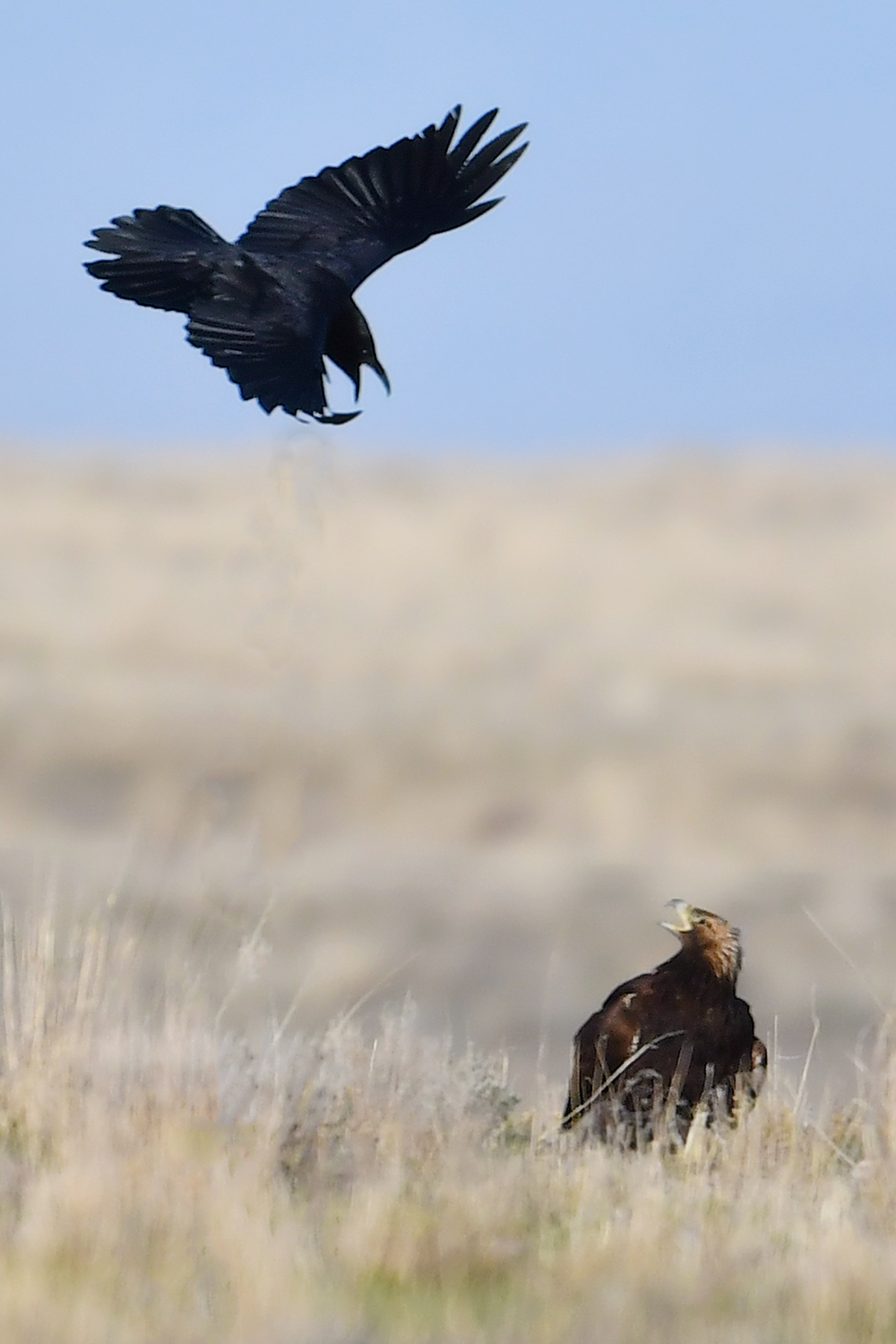
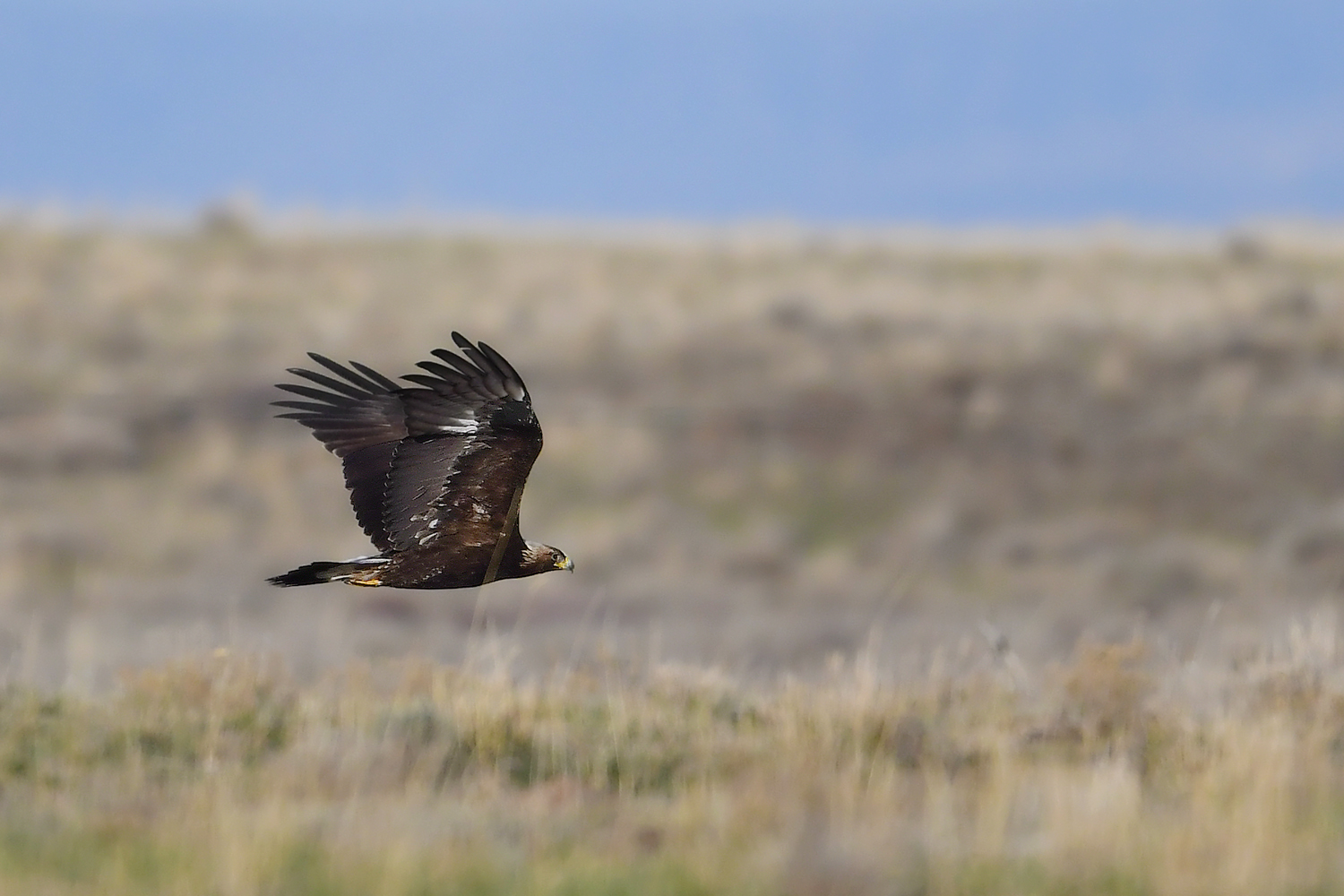
Photos of Golden Eagle by Casey Galvin
For lack of a better place to put this, I want to share some video I took at the lek. If you don’t care to read further, please do have a click on the video to hear what the lek sounded like and watch some of the courtship and mating behaviors of these birds. I highly recommend you watch this in full 4K resolution in YouTube!
The Natural History and Biology of the Greater Sage-Grouse
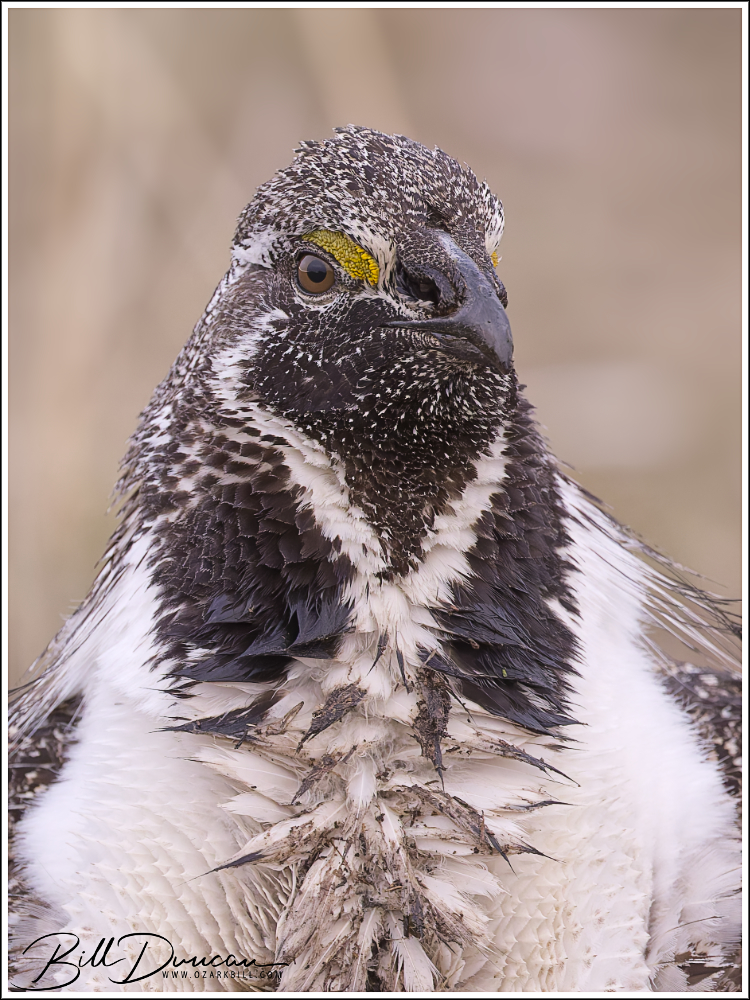
The Greater Sage-Grouse (Centrocercus urophasianus) is the largest grouse species in North America and an iconic inhabitant of the sagebrush steppe ecosystems of the western United States and parts of Canada. Renowned for its unique mating rituals and dependence on sagebrush habitat, the GSGR has become a focal point for conservation efforts due to habitat loss and declining populations.
Habitat and Range
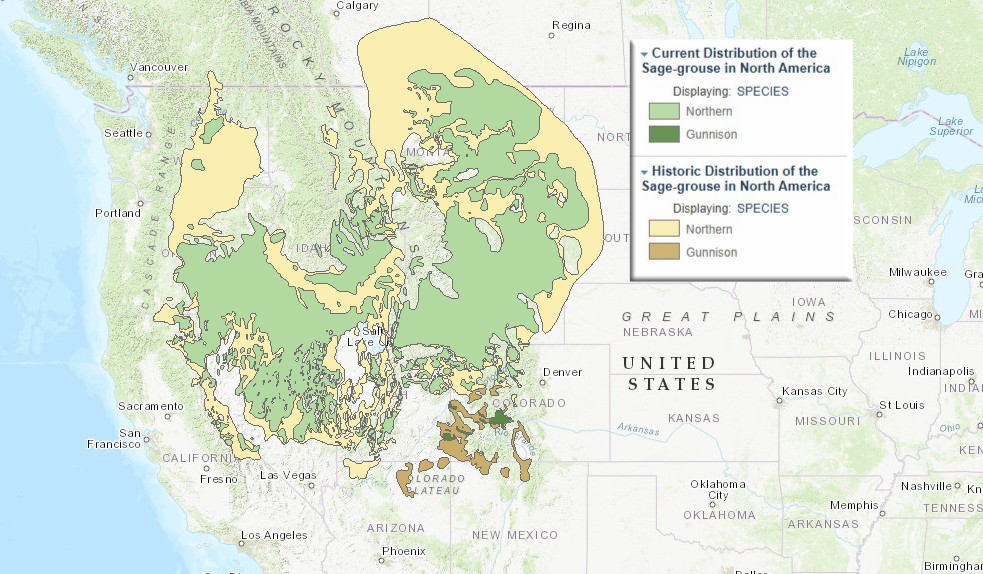
The GSGR is inextricably linked to the sagebrush biome. This bird relies on large, contiguous tracts of sagebrush for all stages of its life cycle. Sagebrush provides critical cover and a primary food source, especially in winter when the birds feed almost exclusively on sagebrush leaves. The range of the GSGR once extended across 13 U.S. states and three Canadian provinces, but it has since diminished significantly due to agricultural expansion, energy development, and other human activities that fragment their habitat.
Biology and Diet
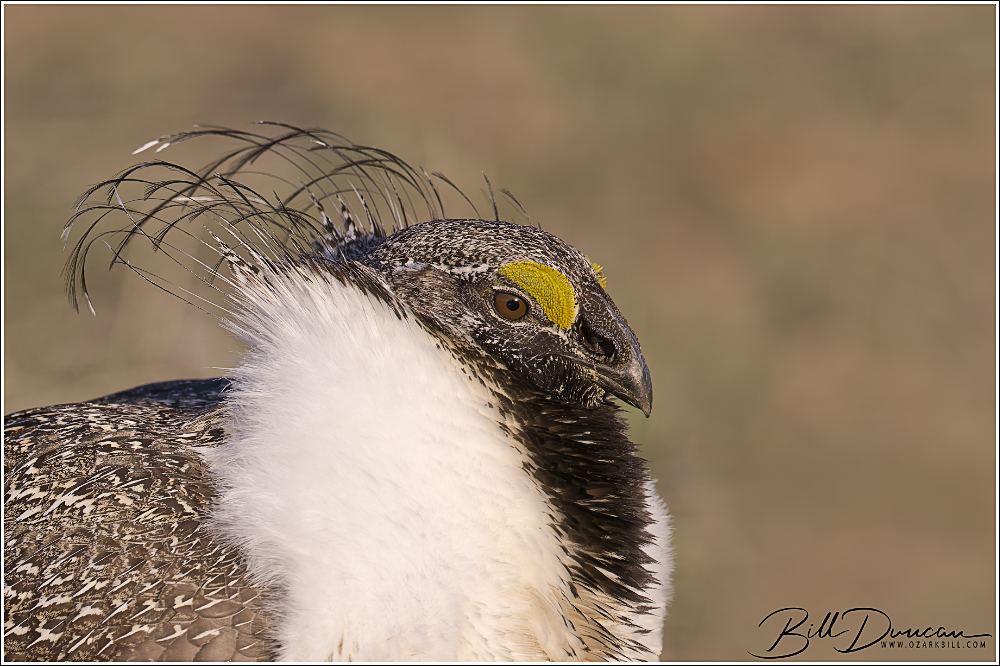
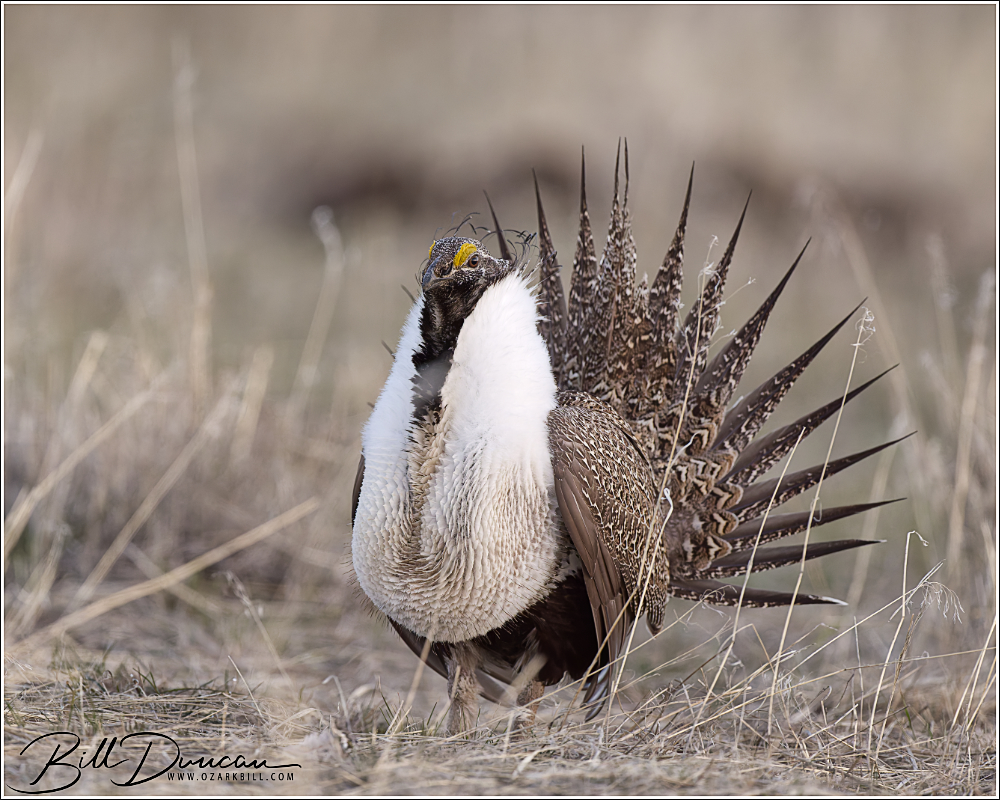
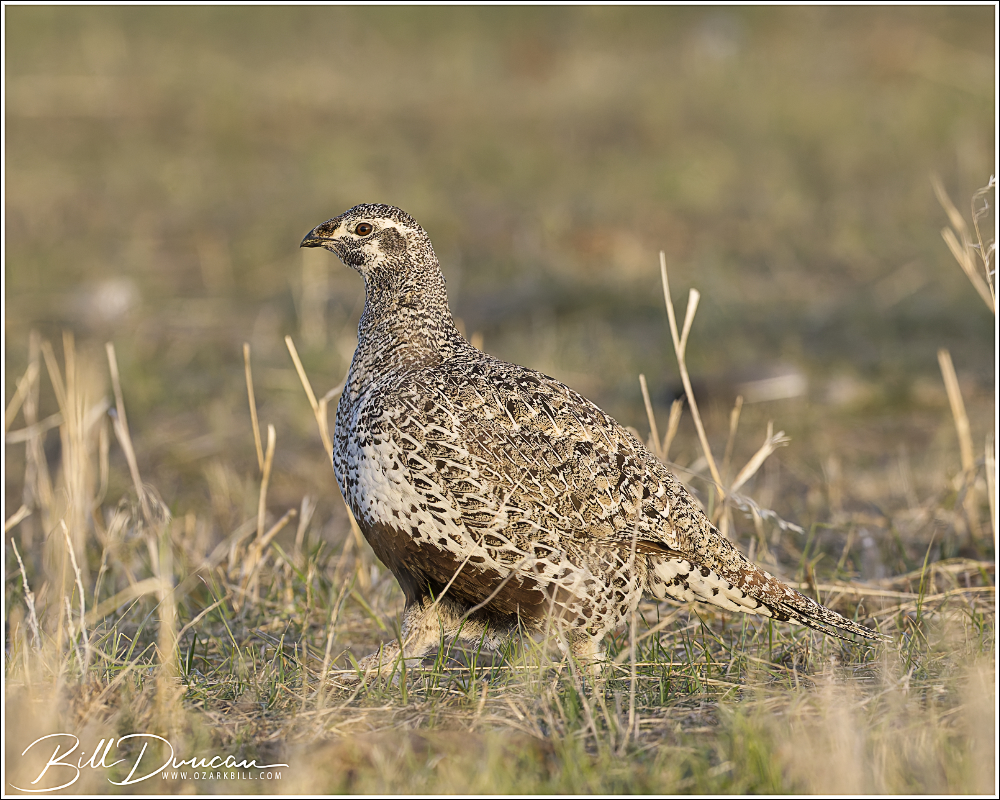
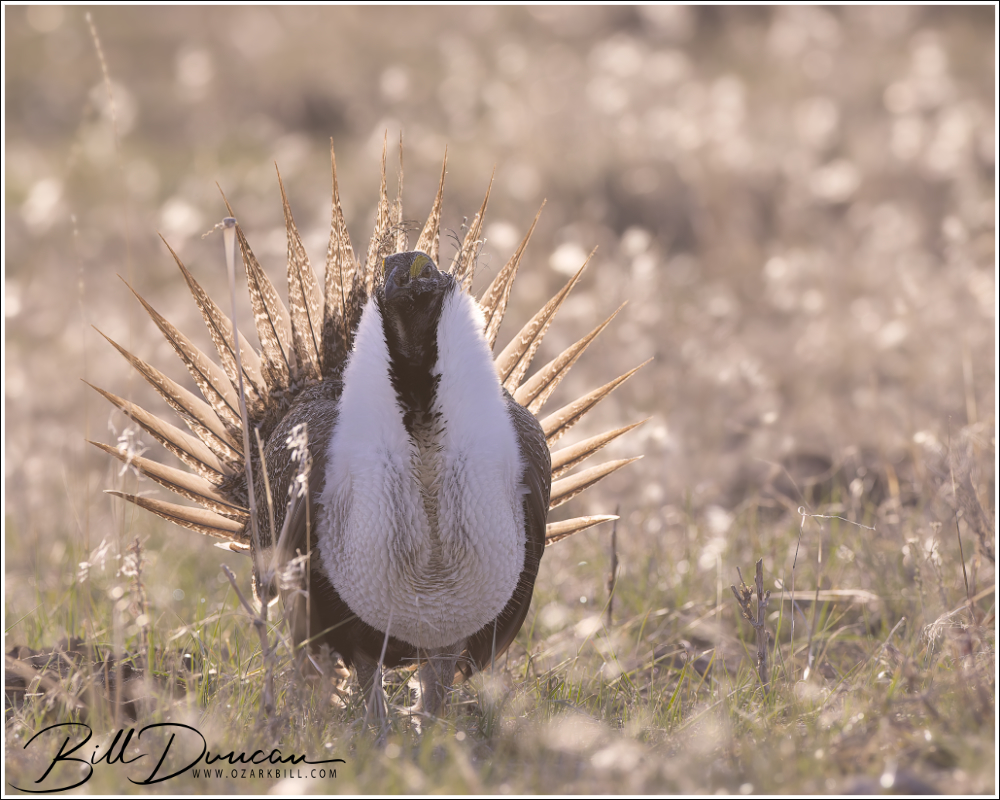
Greater Sage-Grouse are ground-dwelling birds with a robust build and mottled brown, white, and black plumage that provides excellent camouflage in their arid environment. Males are significantly larger than females and are distinguished by their elaborate courtship plumage, including a white ruff around the neck and yellow air sacs on the chest.
Their diet varies seasonally. During spring and summer, they consume a mix of forbs (herbaceous flowering plants) and insects, which are particularly important for chicks. In fall and winter, their diet shifts almost entirely to sagebrush, highlighting the plant’s importance to their survival.
Mating Behavior and Leks
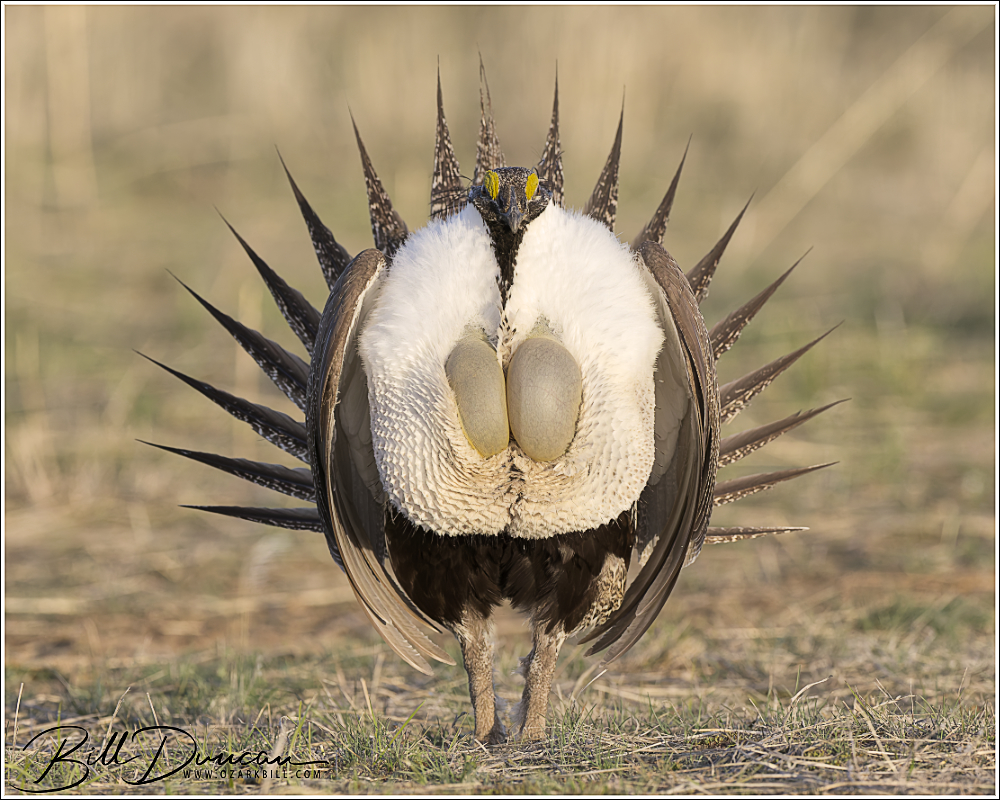
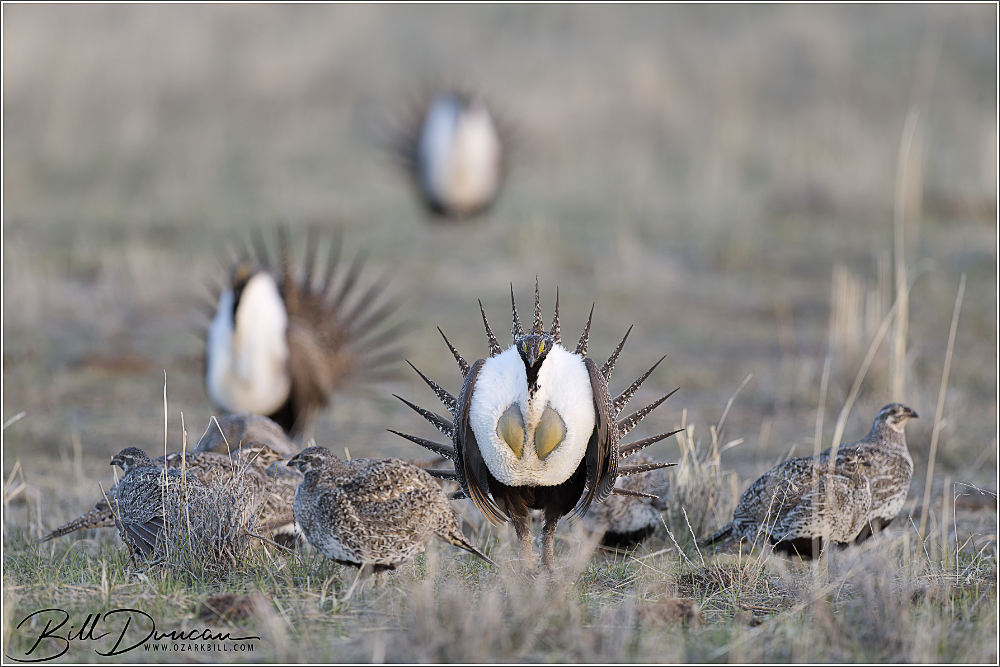
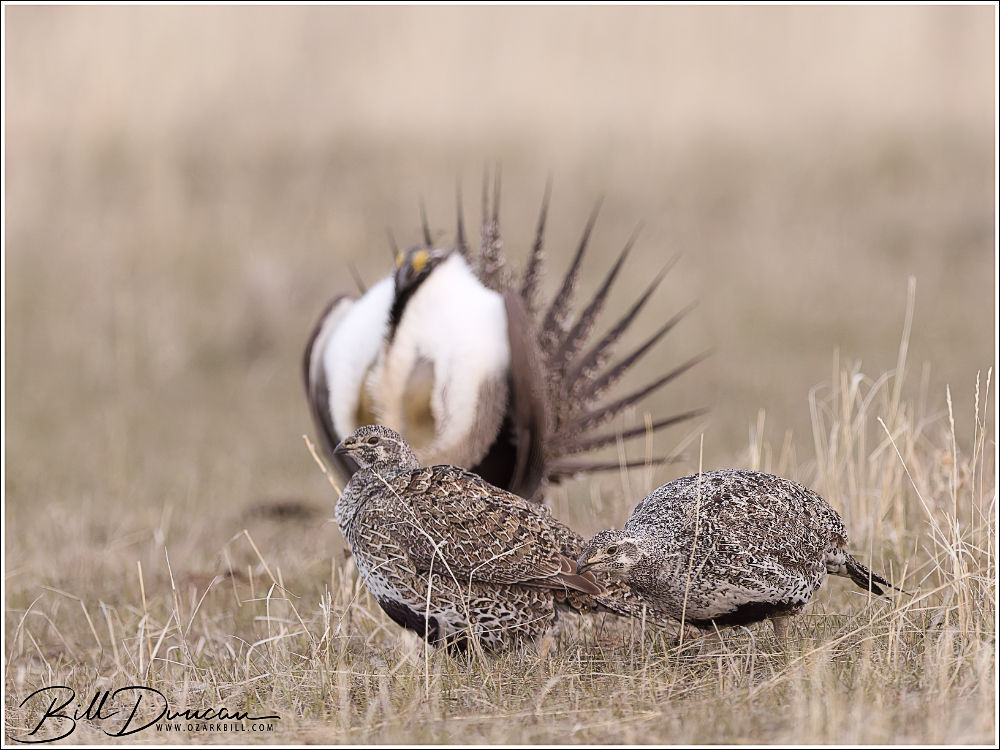
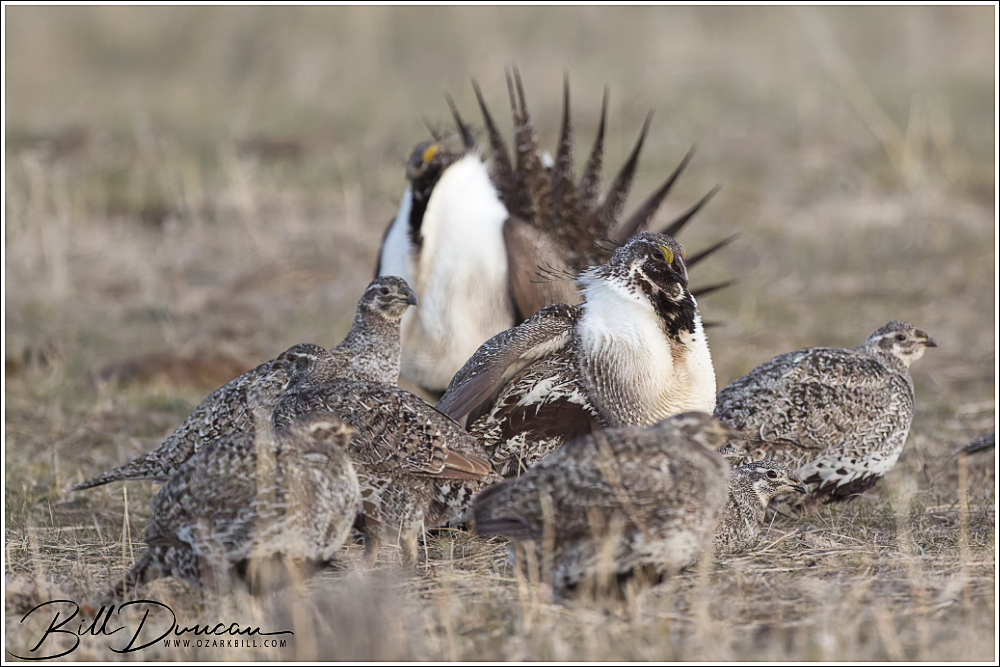
One of the most remarkable aspects of the GSGR’s biology is its mating behavior, which takes place on “leks.” A lek is an open area where males gather each spring to perform elaborate courtship displays aimed at attracting females. These displays are both visual and auditory. Males puff up their chests, fan their tail feathers like a turkey, and inflate and deflate their air sacs, producing a distinctive series of popping and warbling sounds. As can be heard in the accompanying video, there are also whistling sounds produced. These sounds are created during their display as the males thrust their inflated vocal sacs, which are covered in short and bristly feathers, against their wing feathers.
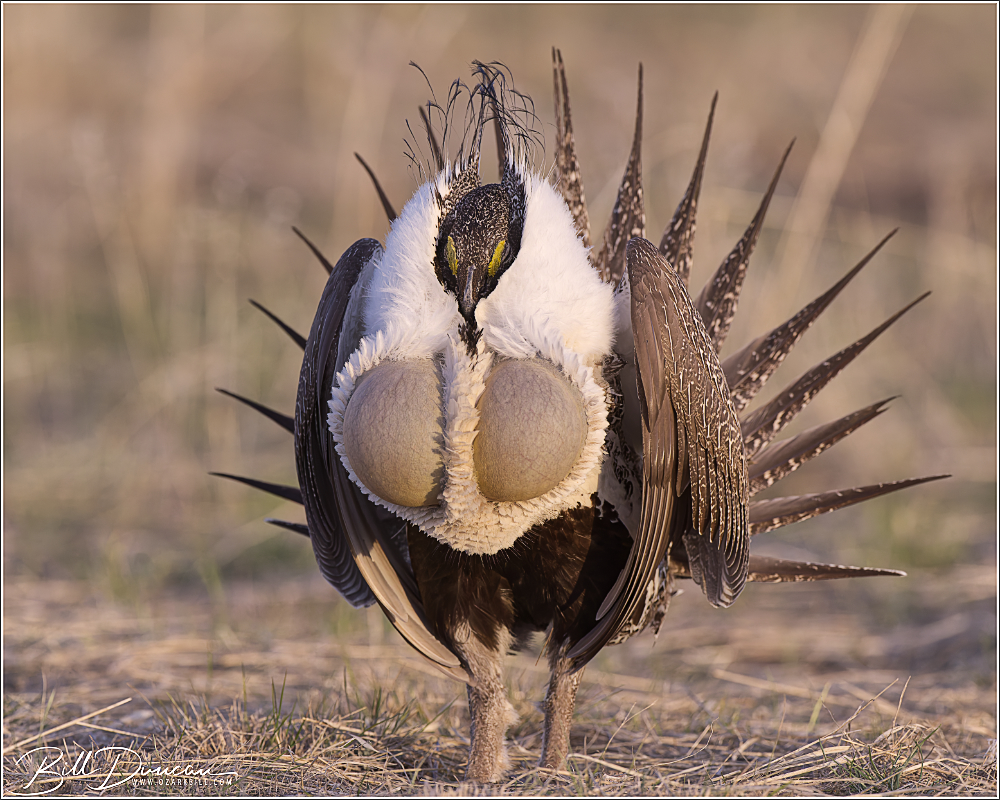
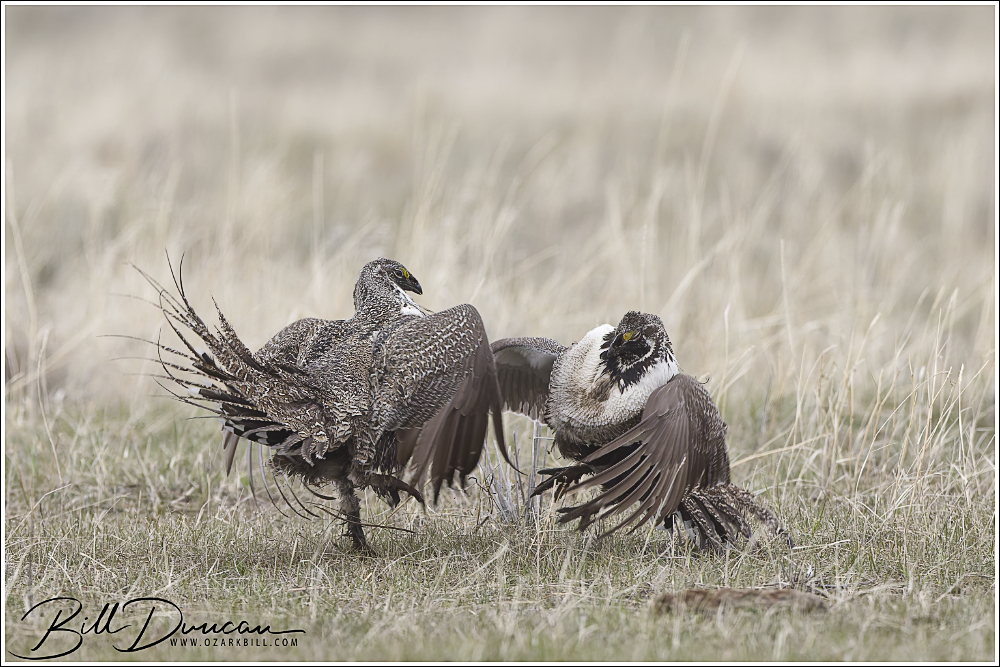
Mating success on the lek is highly skewed, with a few dominant males securing the majority of matings. Females visit the lek, observe the displays, and select mates based on display vigor, plumage quality, and lek-territory location. After mating, females leave the lek to nest and raise their young independently, typically within several kilometers of the lek site.
Reproductive Biology
After mating, female GSGR take full responsibility for reproduction. They build nests as shallow depressions in the ground, usually beneath the protective cover of sagebrush or tall grasses. A typical clutch consists of 6 to 10 eggs, which the female incubates for approximately 25 to 29 days. During this time, she remains well-camouflaged and vigilant to avoid predation.
Once hatched, chicks are precocial, meaning they can walk and feed themselves shortly after birth. However, they still depend heavily on the mother for warmth and protection during the early weeks. The diet of young chicks includes a variety of insects and forbs, which are high in protein and essential for growth. Brood-rearing habitats with a diverse and abundant understory are crucial for chick survival.
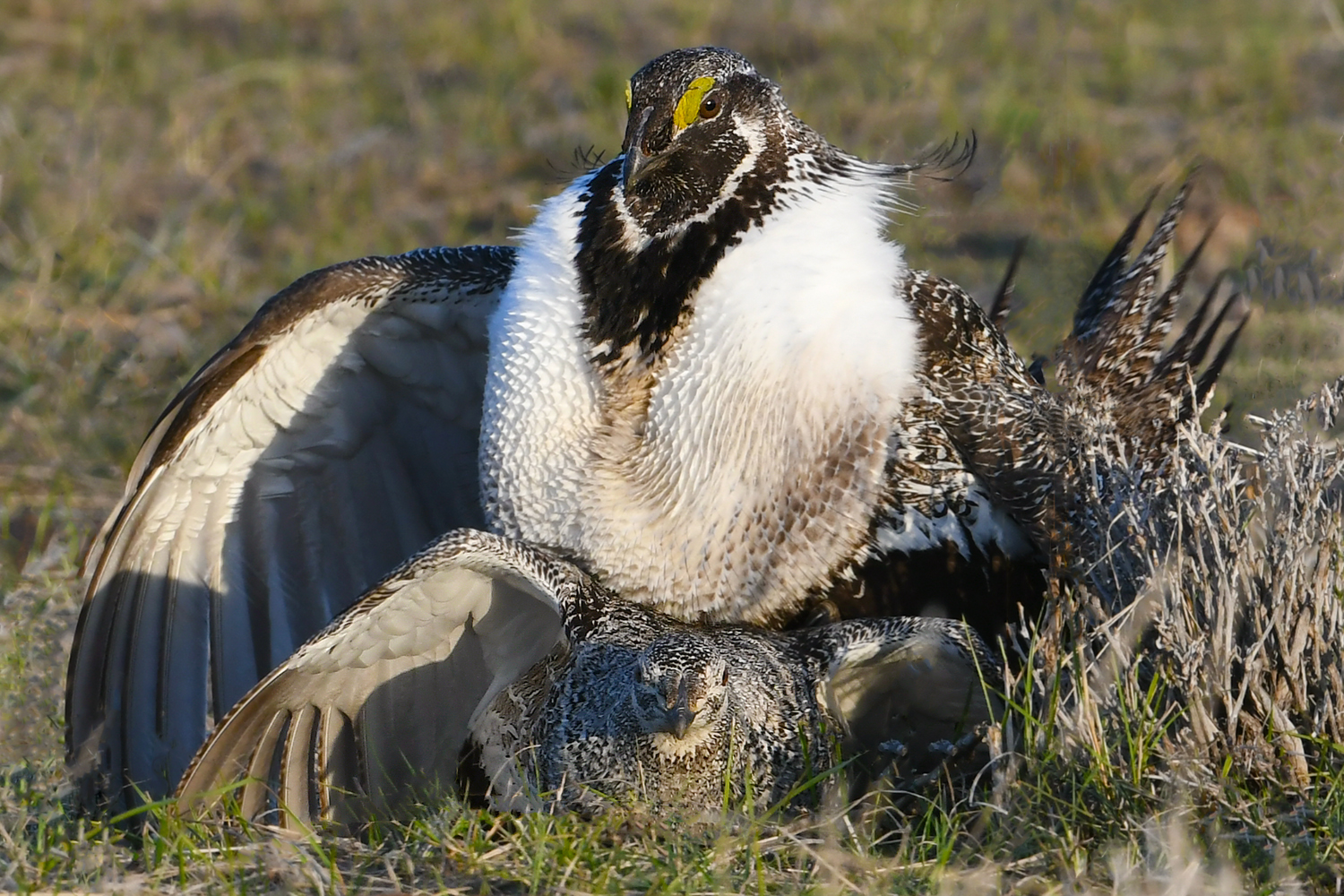
Photo by Casey Galvin
As with all of our ground-based Galliformes, survival rates for chicks are low, with the highest mortality occurring within the first few weeks due to predation, weather, and limited food resources. Females may re-nest if the first nest is lost early in the season, but reproductive success is highly influenced by environmental conditions and habitat quality.
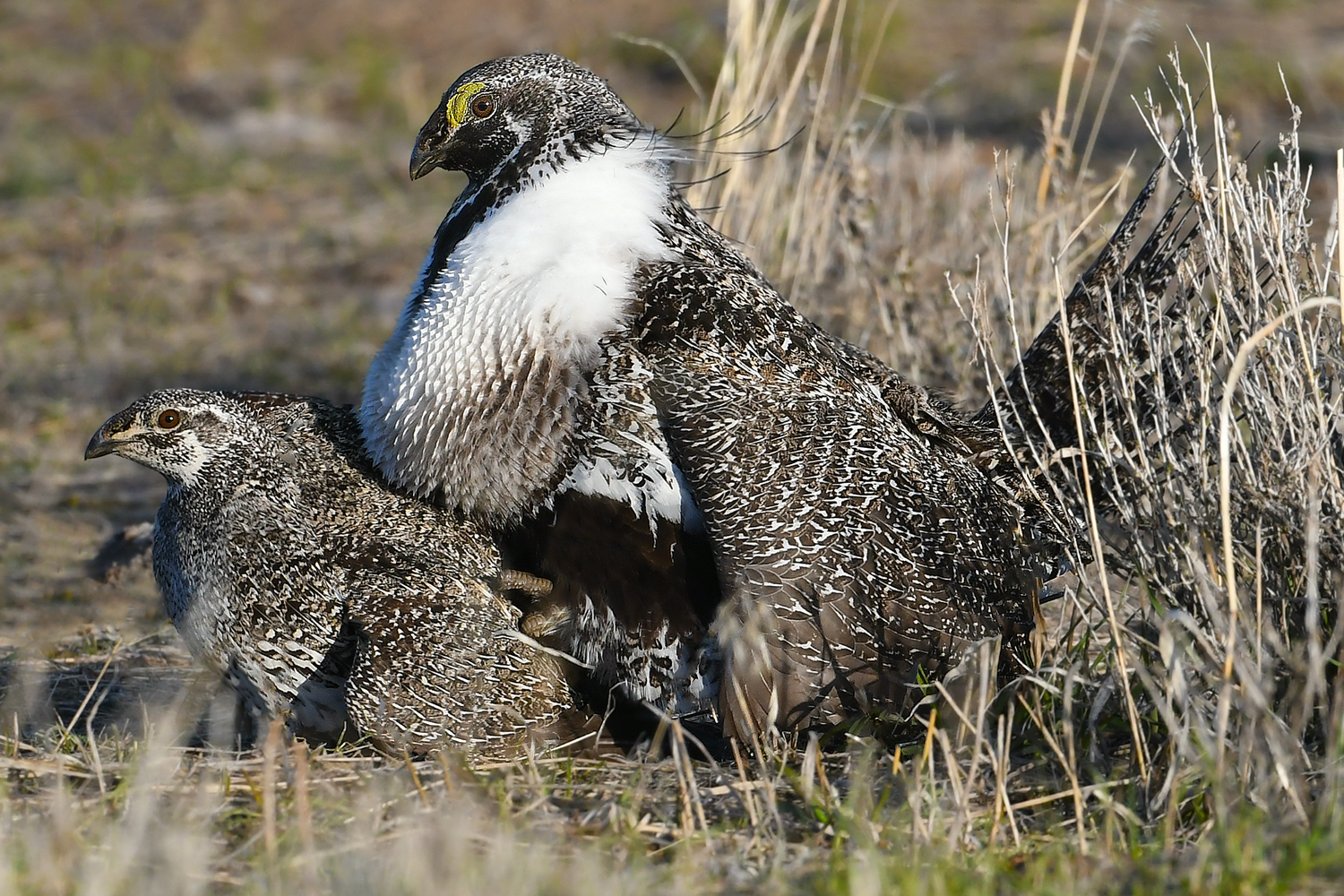
Photo by Casey Galvin
Greater Sage-Grouse reach sexual maturity at about one year of age, though young males are usually less successful in mating compared to older, more dominant individuals. Females may live up to ten years and usually return to the same nesting areas each season if habitat conditions remain favorable.
Conservation Status and Efforts
Populations of the GSGR have been declining for decades, primarily due to habitat degradation. Fragmentation caused by roads, urbanization, agriculture, and energy infrastructure has greatly reduced suitable habitat. Invasive plant species, altered fire regimes, and climate change further exacerbate these issues.
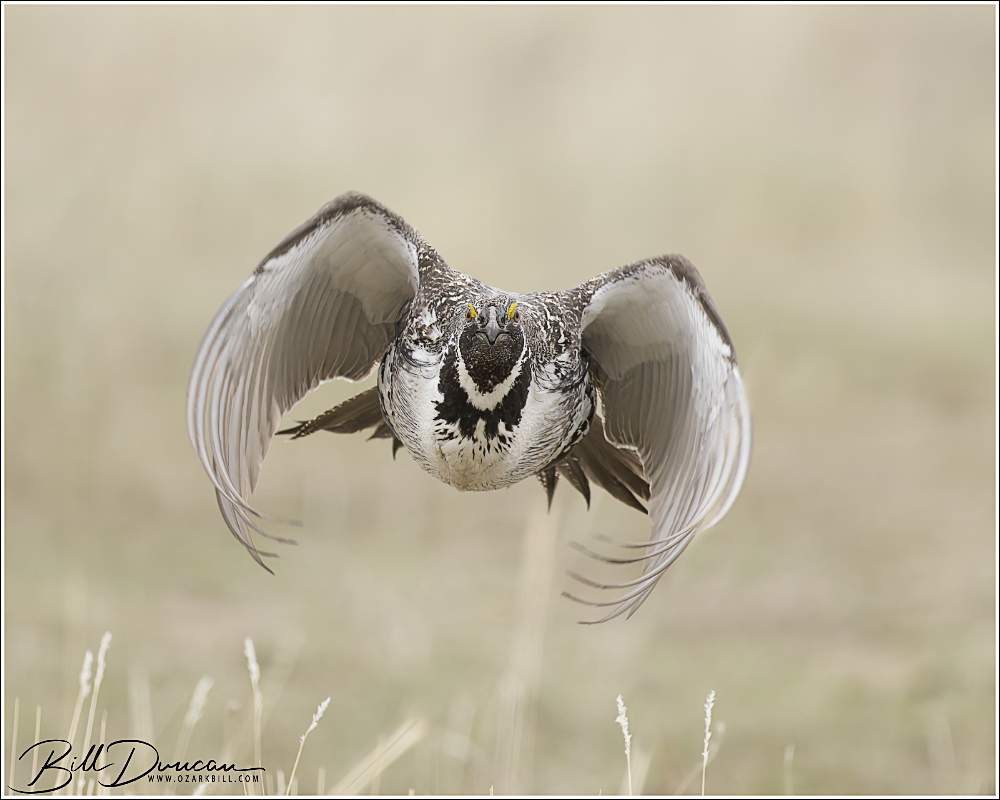
Habitat loss and fragmentation seems to be the universal story for all of our grassland Galliformes. In recent years, Missouri has effectively lost the last remaining populations of Greater Prairie Chickens.
The conservation status of the GSGR has been a matter of significant debate and legal review. As of 2025, the species is not listed under the Endangered Species Act, though it remains a candidate for federal protection and is designated as a species of conservation concern by many state and federal agencies. Several petitions have been filed to list the species, but formal listing decisions have been deferred in favor of state-led and collaborative conservation plans.
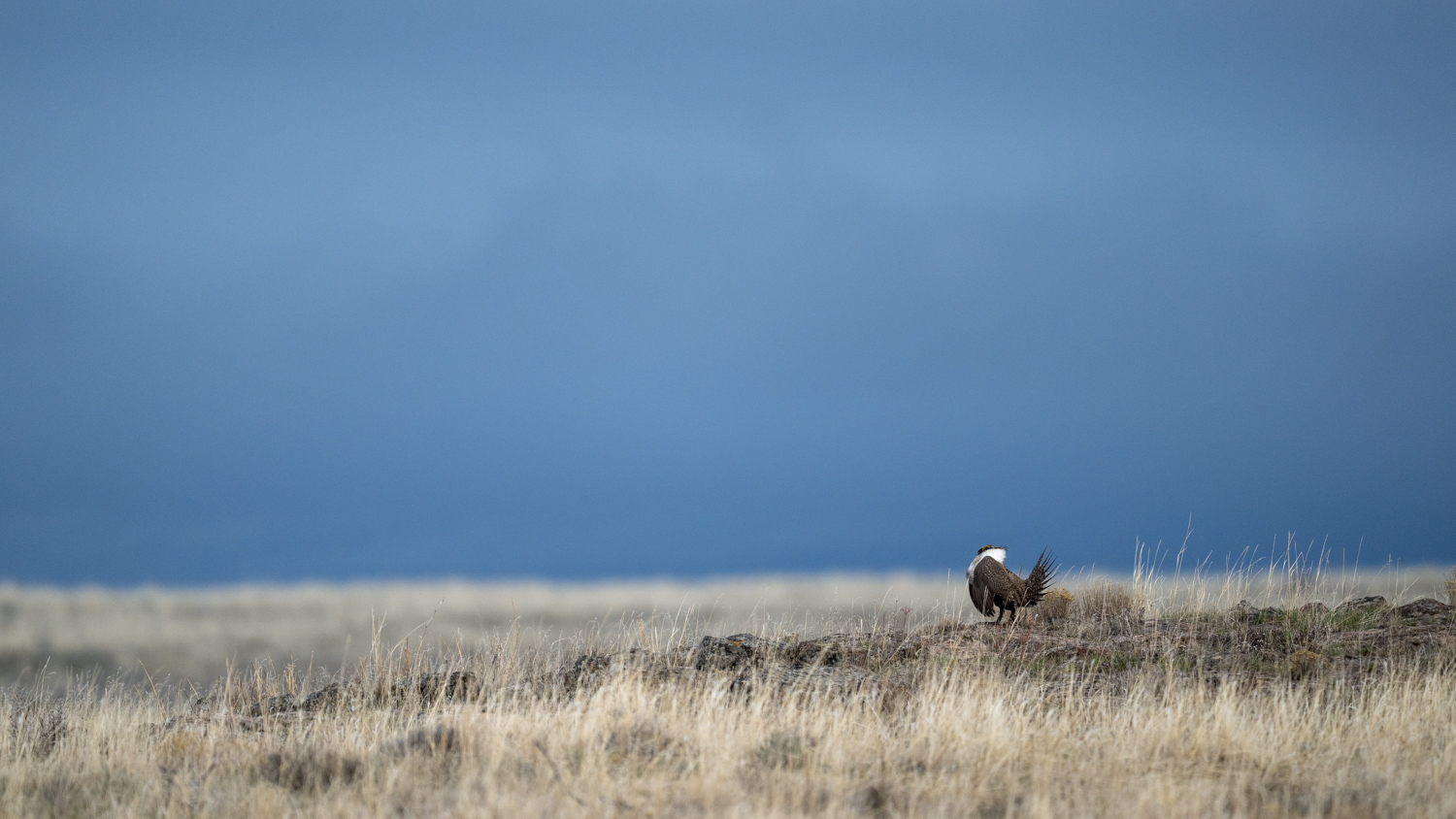
Photo by David Seidensticker
Conservation efforts have focused on a range of strategies:
- Habitat Conservation Plans: Many states and federal agencies have implemented habitat conservation and restoration plans that include limiting development in key sage-grouse areas.
- The Sage Grouse Initiative: Launched by the USDA’s Natural Resources Conservation Service, this initiative partners with ranchers and private landowners to conserve sagebrush habitat while maintaining productive rangelands.
- Protective Land Use Policies: Efforts have been made to limit energy development, road construction, and grazing in core sage-grouse habitats, especially during breeding and nesting seasons.
- Research and Monitoring: Long-term monitoring of sage-grouse populations and habitat trends supports adaptive management and informs policy decisions.
- Invasive Species and Fire Management: Programs to control invasive plants like cheatgrass and to manage fire regimes help maintain sagebrush integrity.
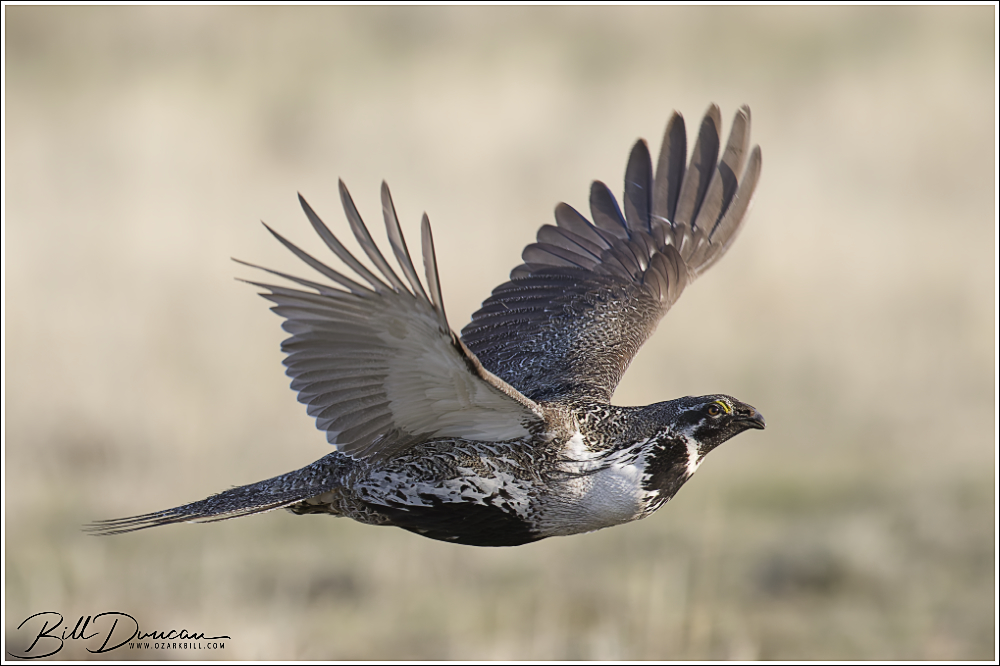
The GSGR is a keystone species of the sagebrush ecosystem and a symbol of the ecological richness of the American West. Its fascinating biology and dramatic mating rituals underscore the importance of conserving the natural habitats on which it depends. Efforts to protect and restore sagebrush landscapes are vital not only for the survival of this iconic bird but also for the broader health of the ecosystem it inhabits.
Side Quests
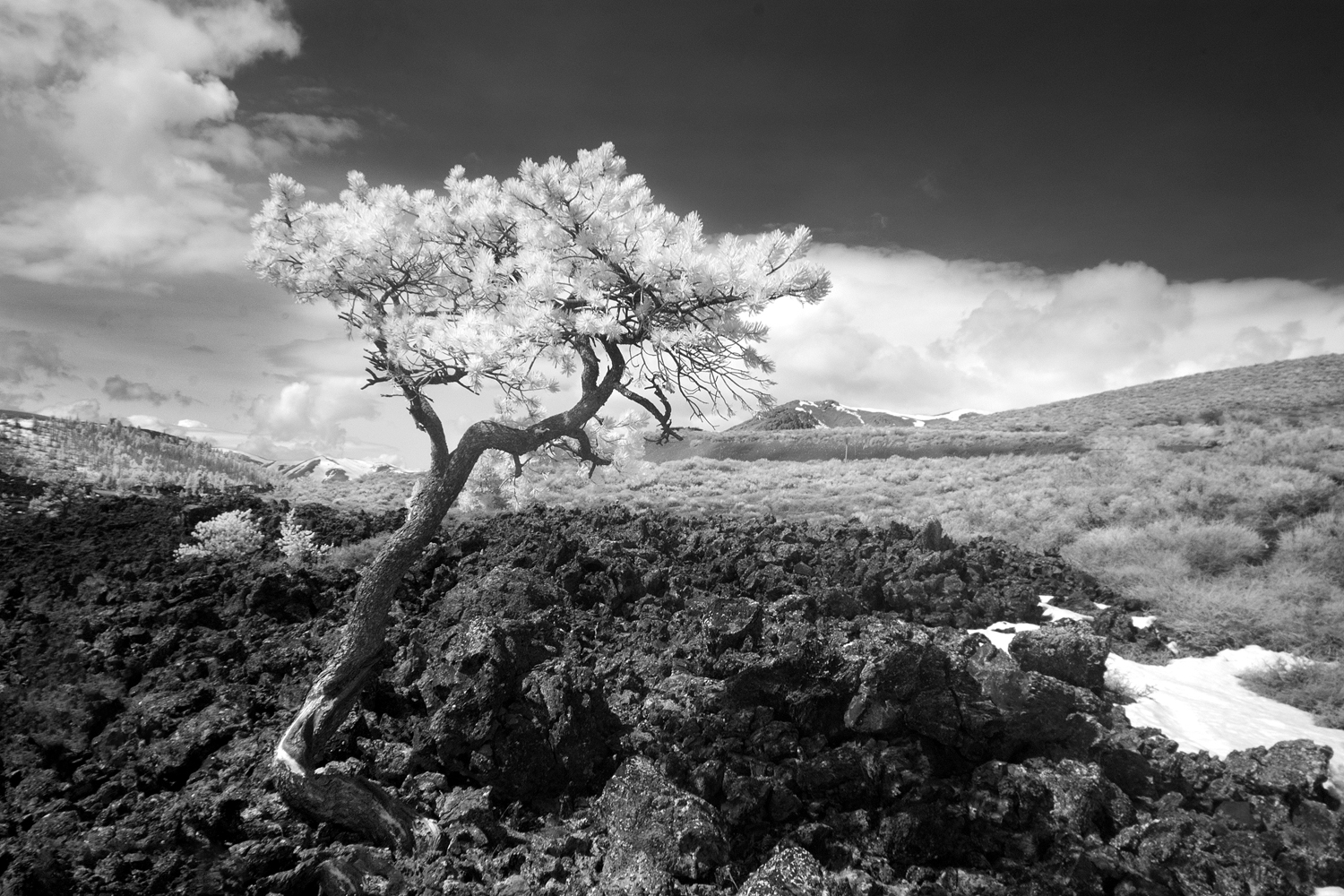
One of our post-lek side quests was to the Craters of the Moon National Monument and Preserve. Based on a tip from Steve, this would be a good location to look for Mountain Bluebird as well as some interesting geologic features and potential landscape opportunities. We did have very brief looks at Mountain Bluebirds but the winds were horrendous on the day of our visit with 40-50 mph sustained speeds. This made birding and photography exhausting and damn near perilous.
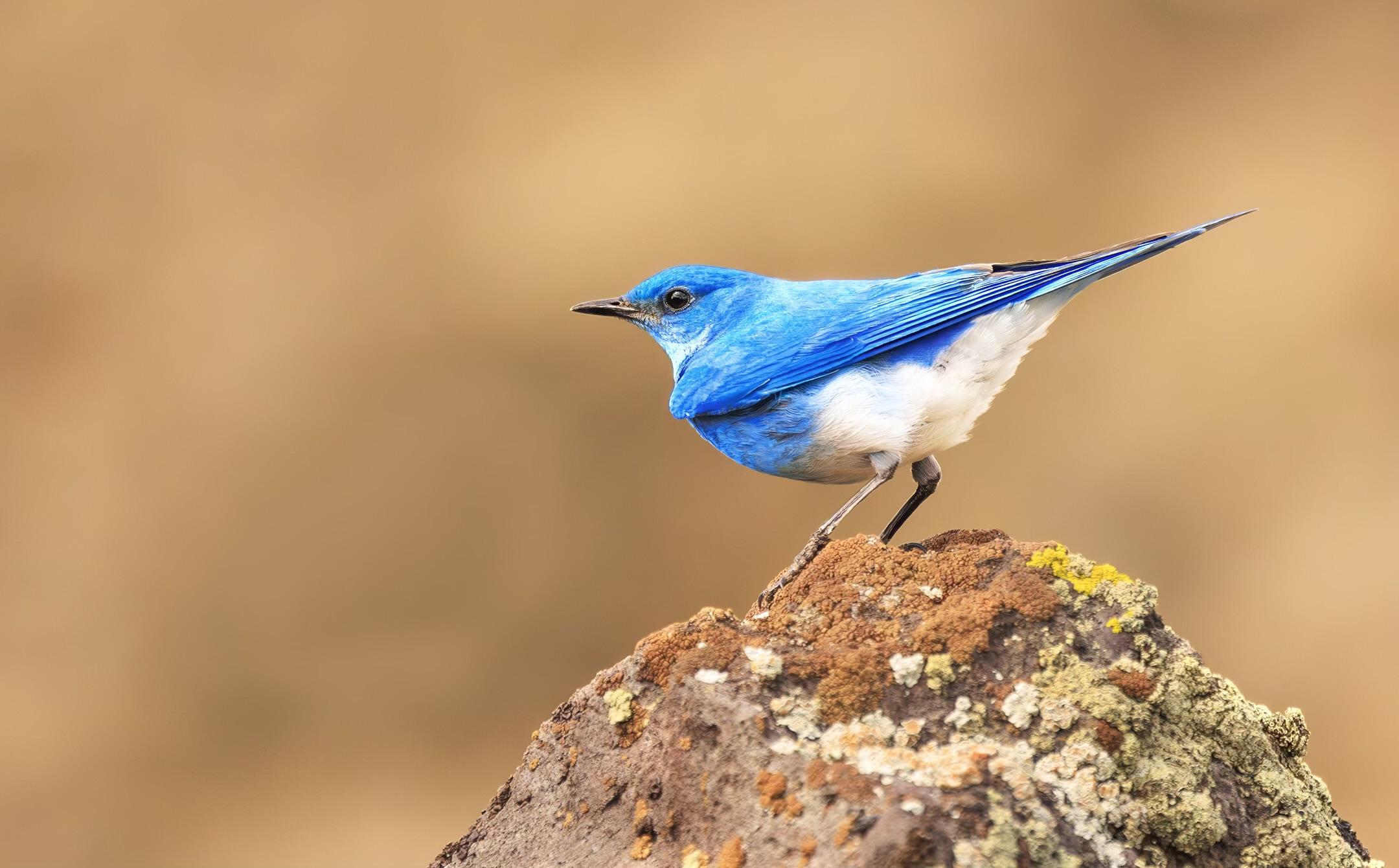
Photo by Dan Kirk
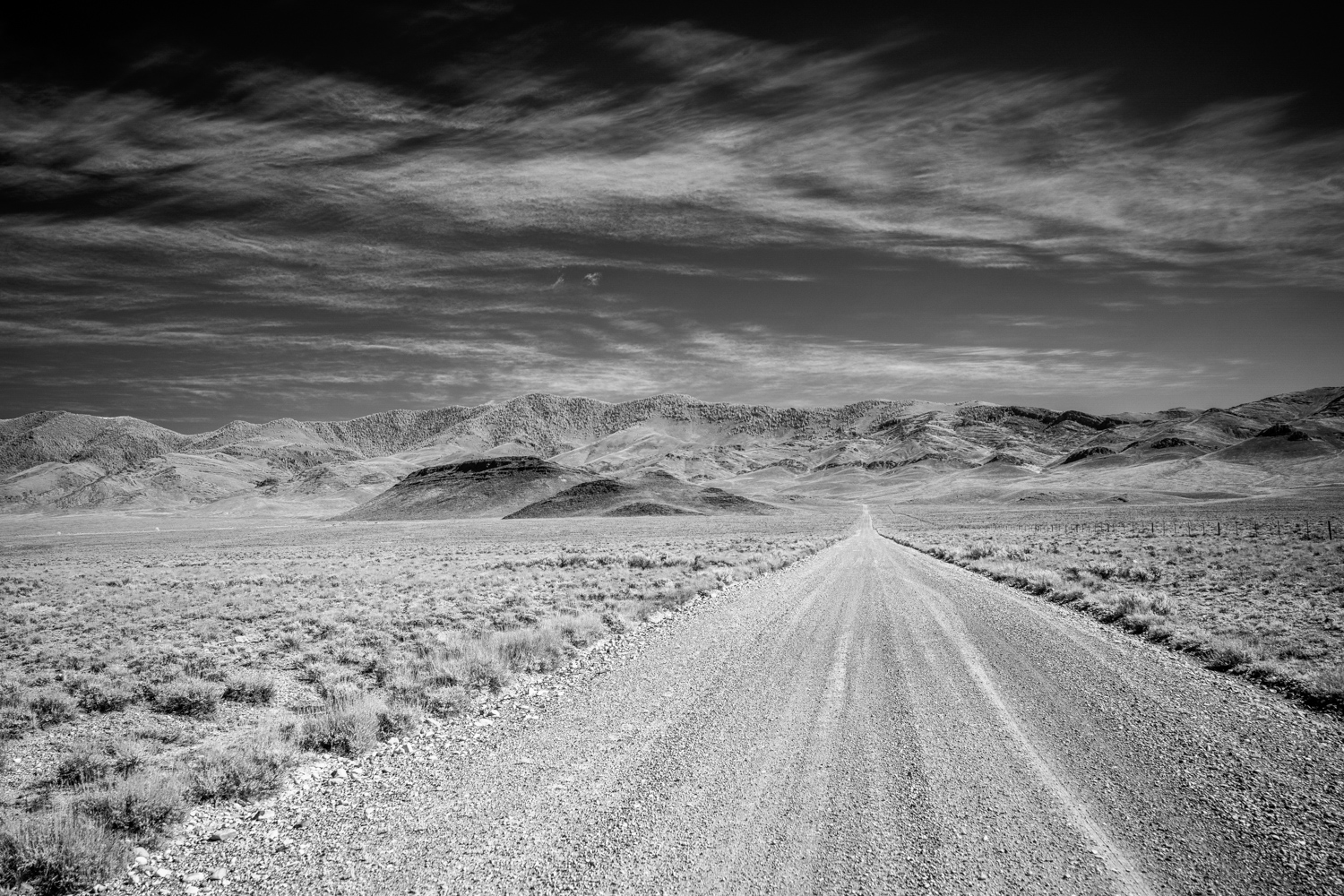
Photo by David Seidensticker
Based on another tip from Steve, we visited a foothills location to find the newly arrived Sagebrush Sparrow, a lifer species for all four of us. We had a great time with several cooperative males who were still setting up their individual territories.

Photo by Dan Kirk
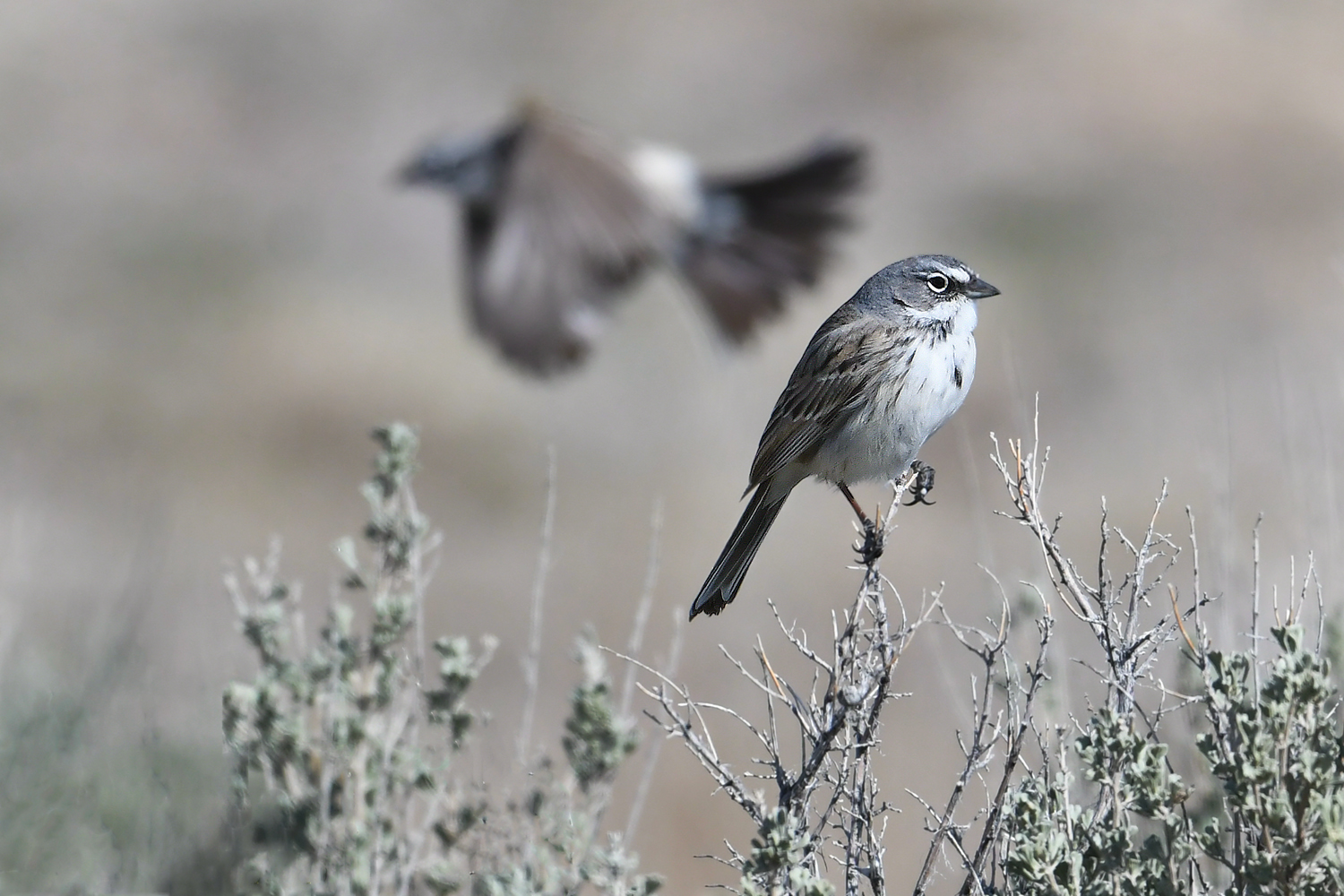
Photo by Casey Galvin
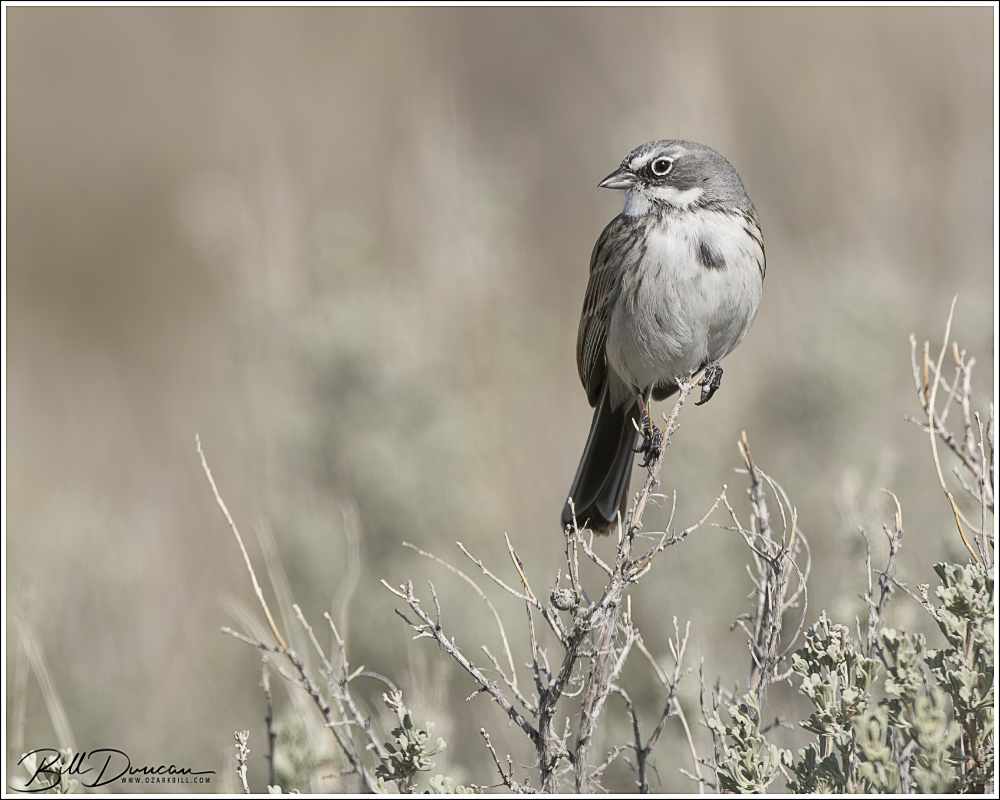
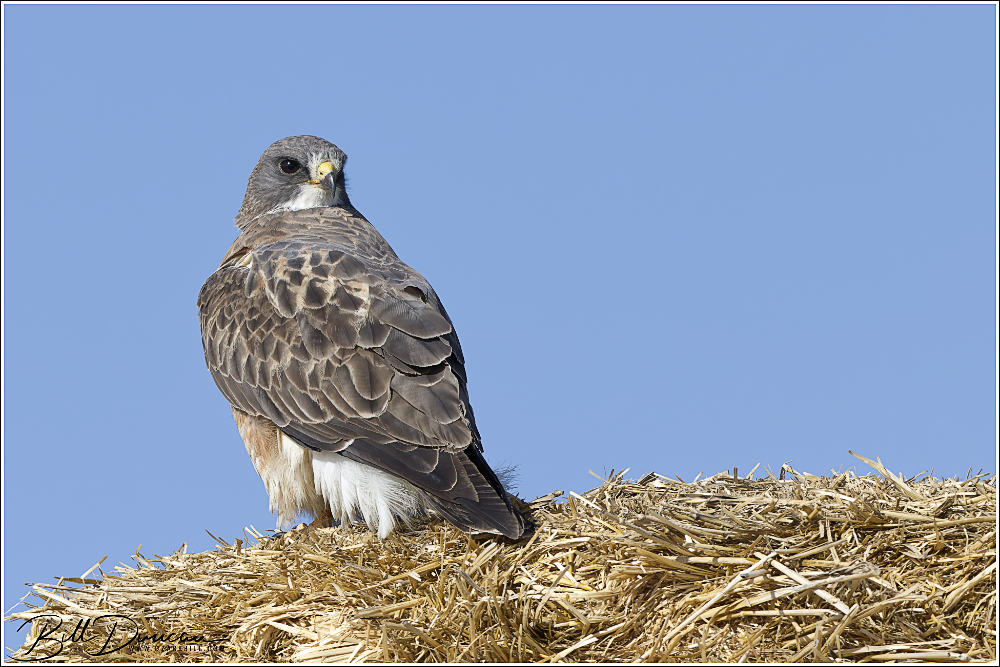
Photo by Bill Duncan
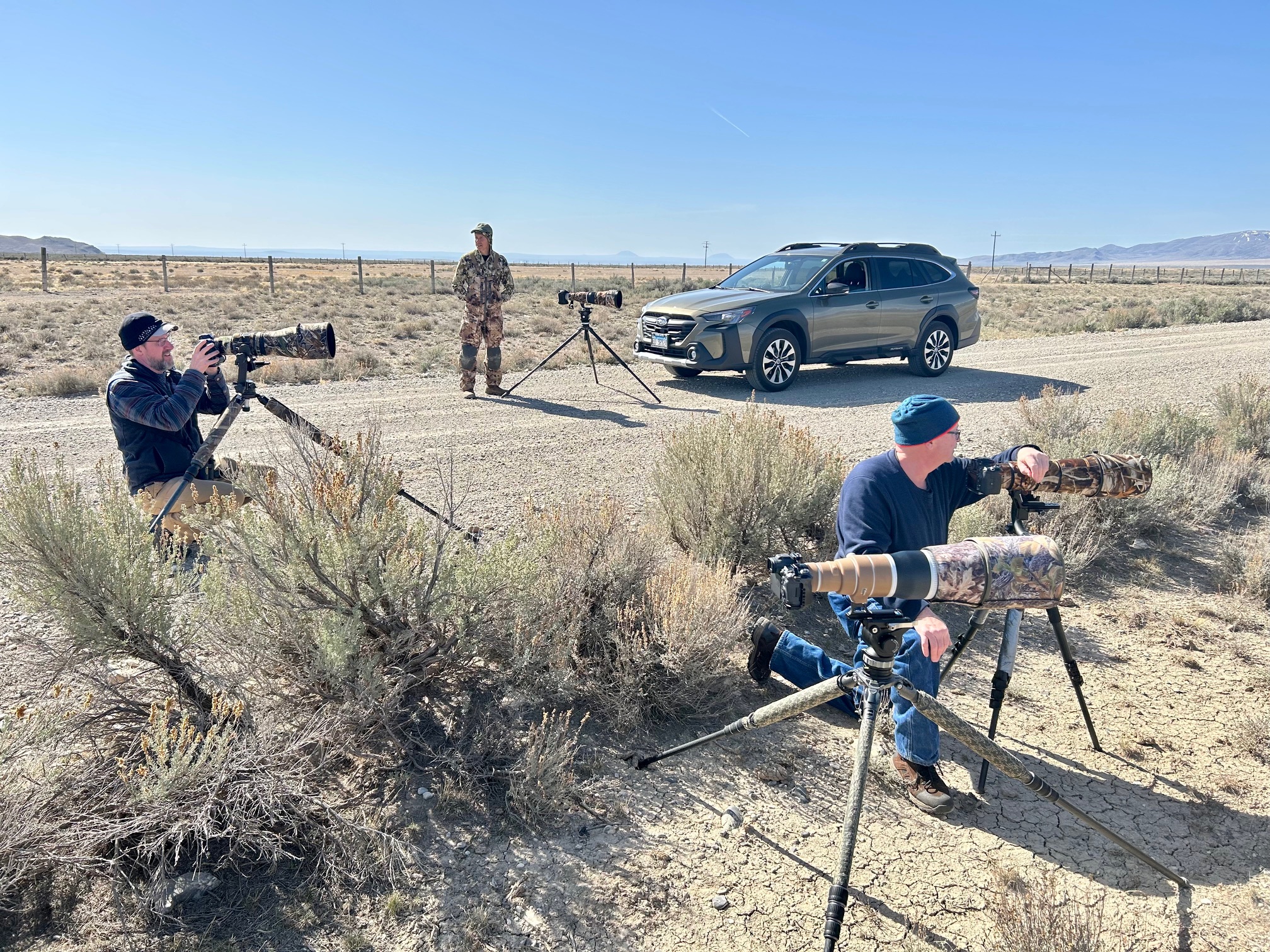
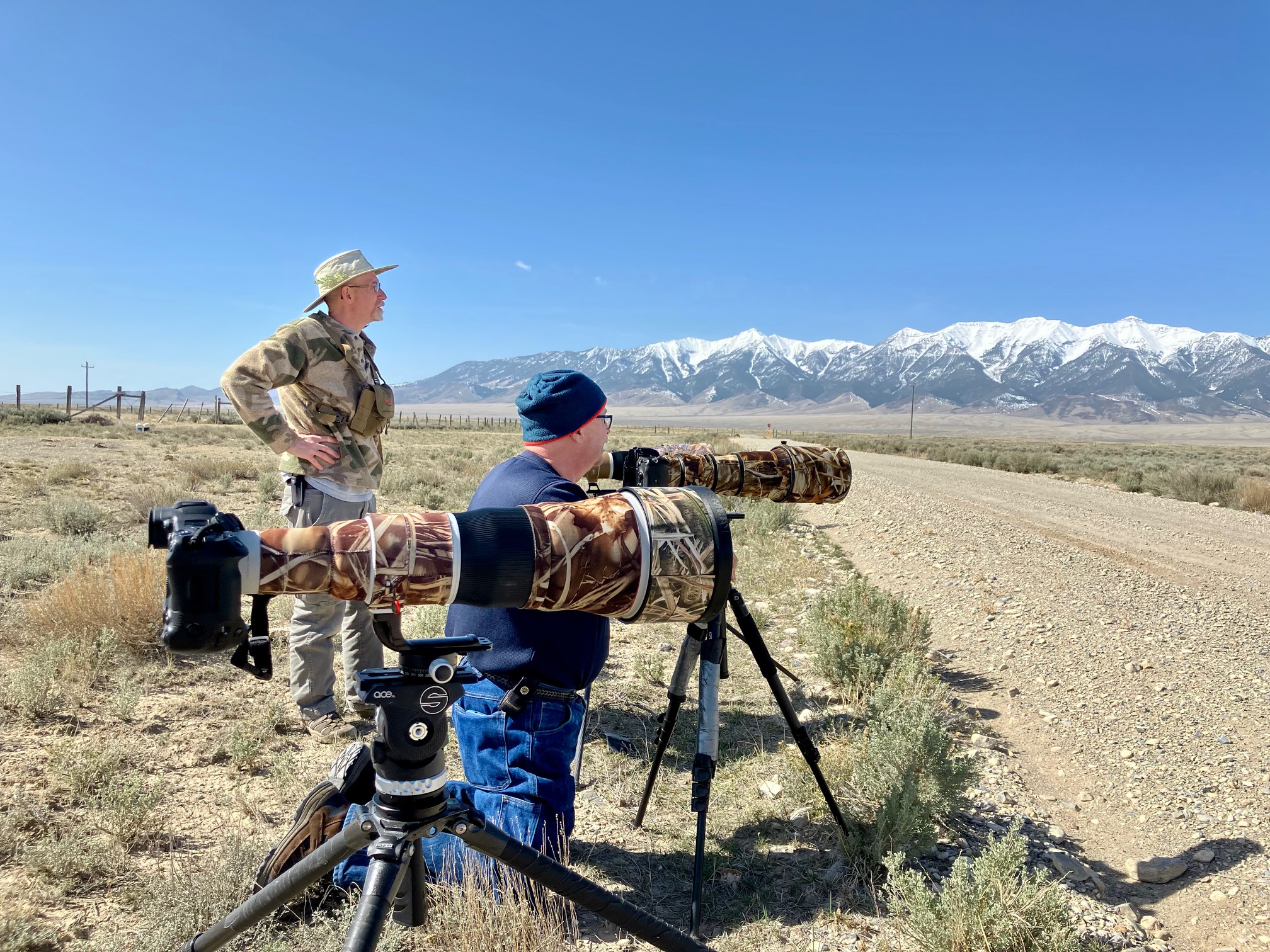
Photo by David Seidensticker
For another side quest, we ventured south for a quick visit to Grand Teton National Park. We had little luck with birds or wildlife, but David created this wonderful IR panorama of the mountain range.

Photo by David Seidensticker
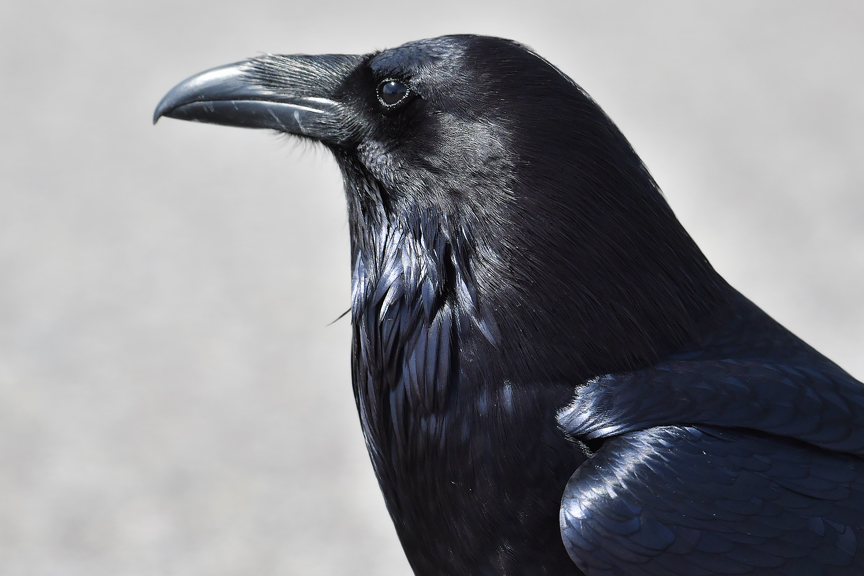
Photo by Casey Galvin
We had planned on staying a fourth day on the lek but none of us could imagine getting better or newer opportunities and the weather forecast was calling for clouds the next morning. Realizing we were relatively close (by western standards) and it wouldn’t really add much to our return trip back home, we decided to visit the Great Salt Lake and spent about six hours at Antelope Island State Park. This spot was unexpectantly beautiful and such an important area for western shorebirds and other water loving species. The waters were low and not conducive for great photography but it was thrilling to see thousands of American Avocets. We did have some nice opportunities for other birds and landscape photography as well.
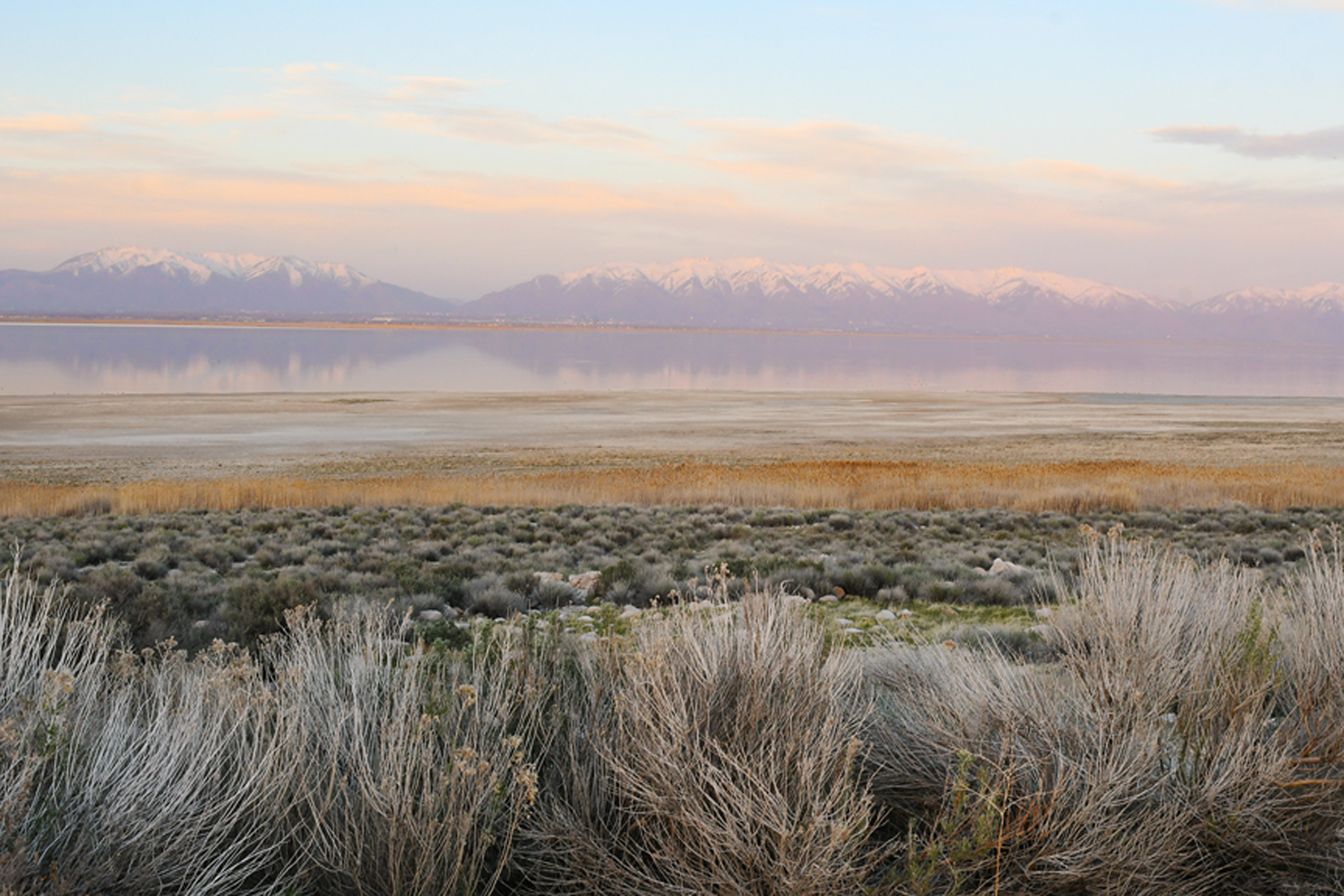
Photo by Casey Galvin
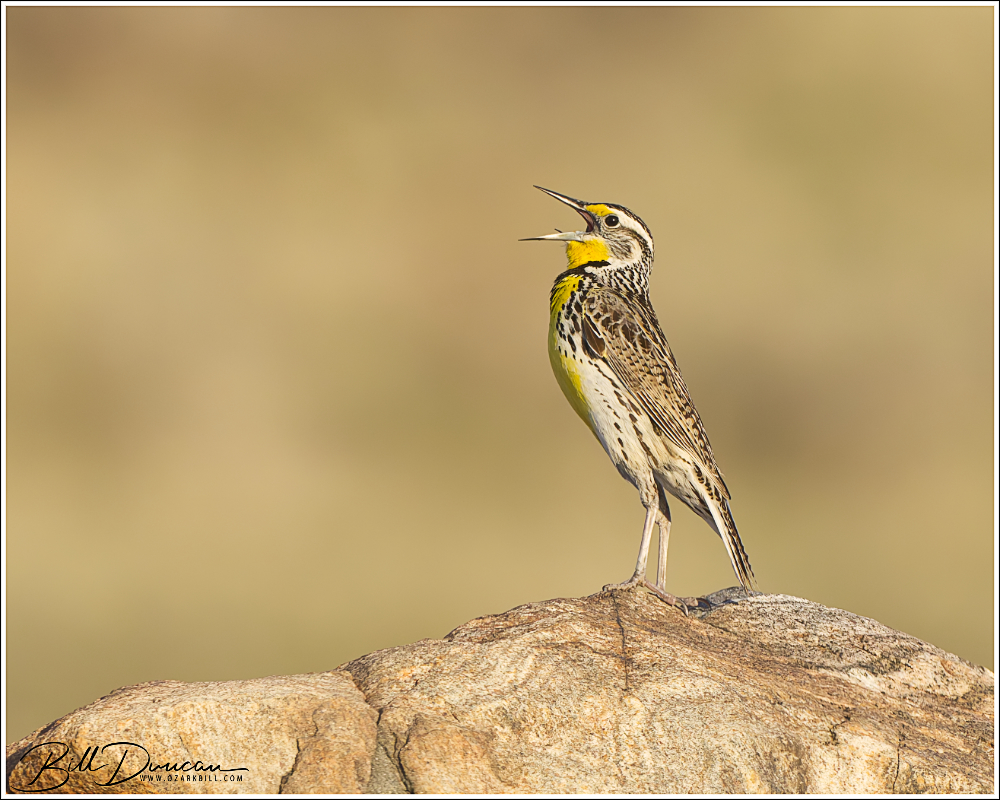
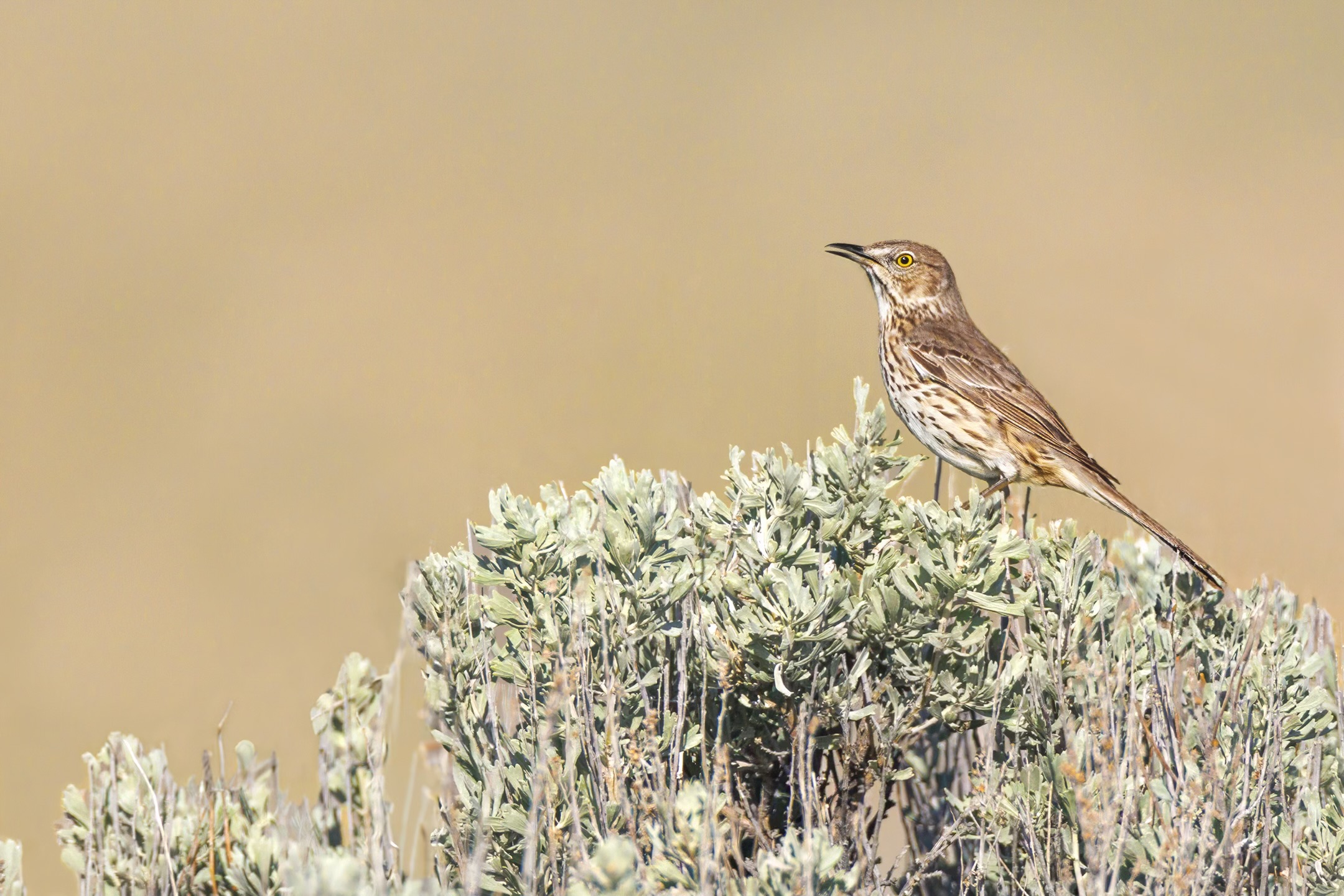
Photo by Dan Kirk
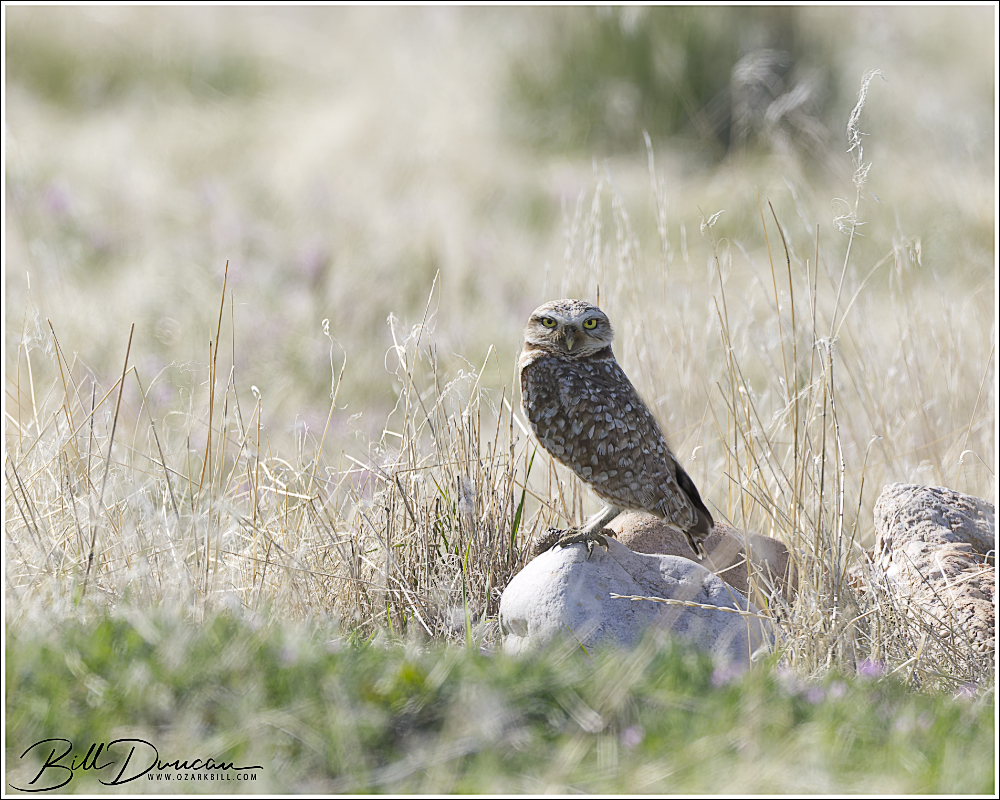
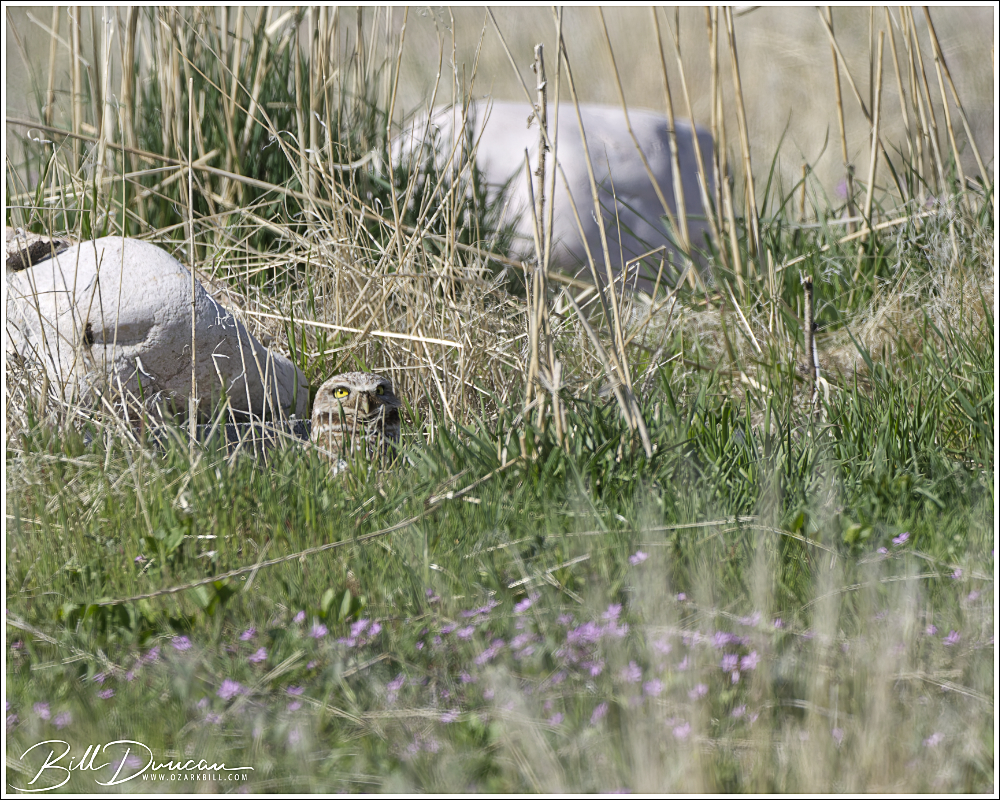
Burrowing Owl

Photo by Dan Kirk
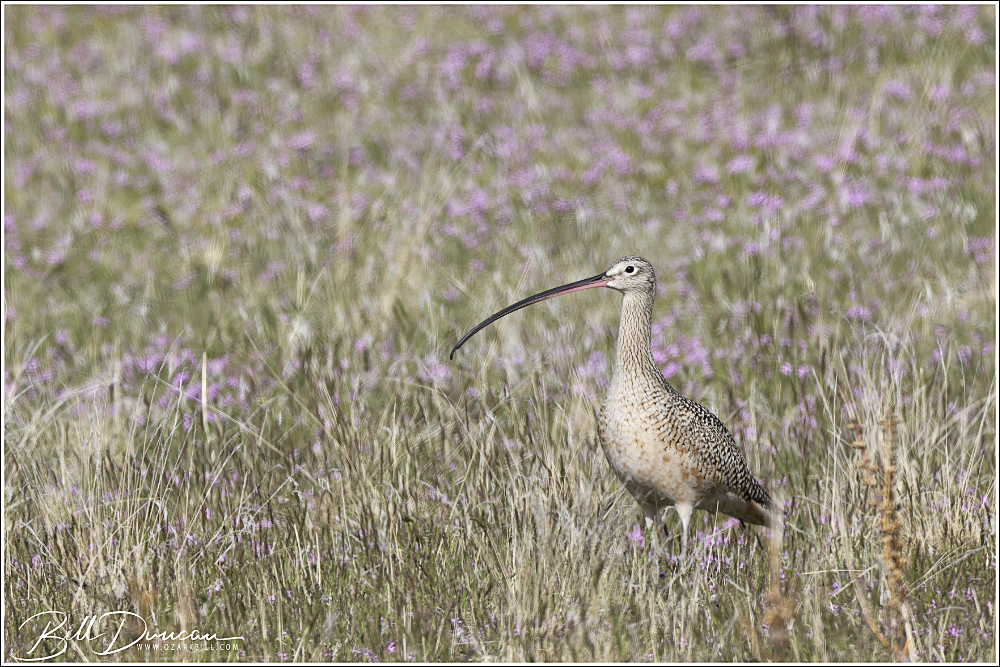

Photo by Dan Kirk
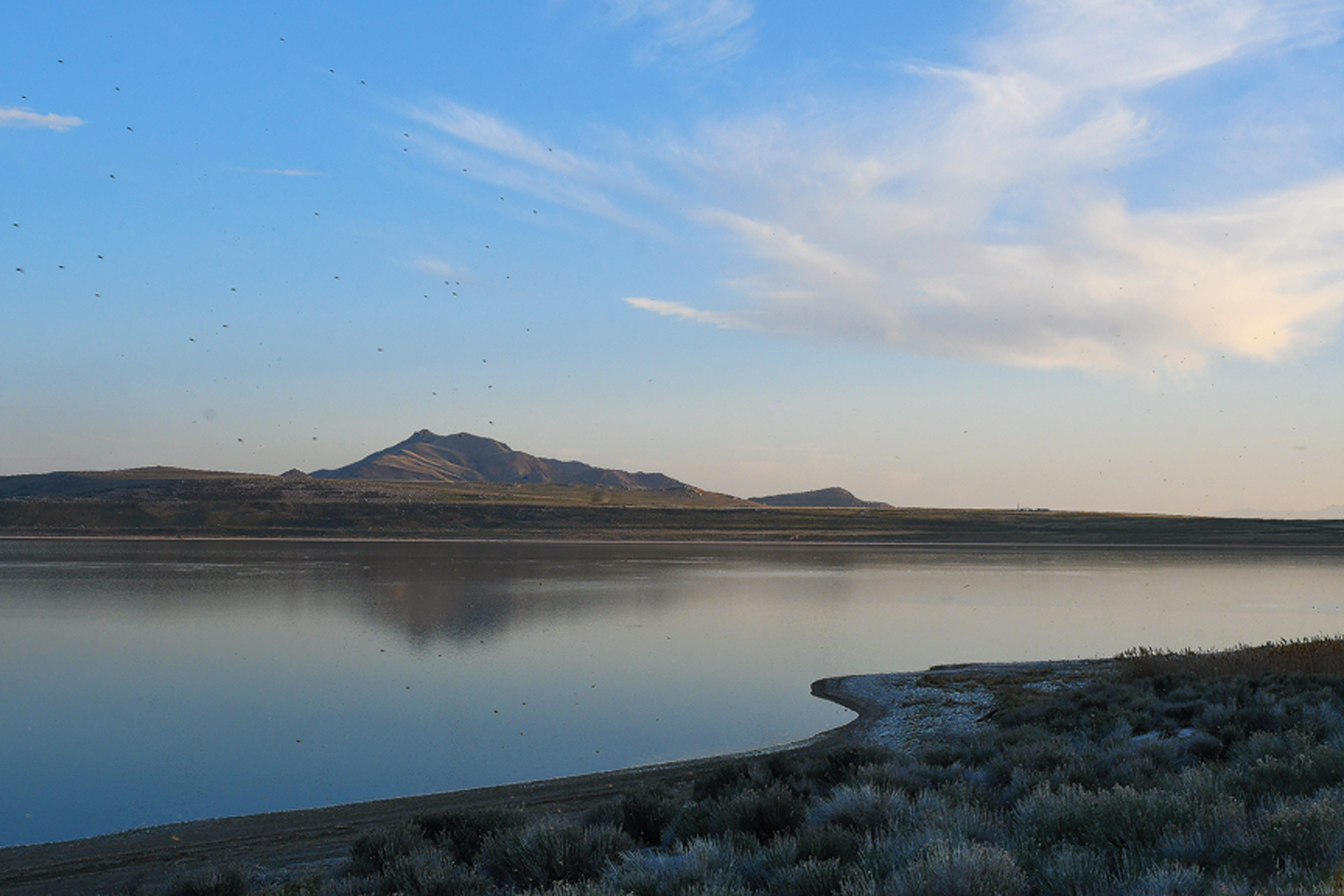
Photo by Casey Galvin
This wraps up our trip report for our time spent in the west. There are so many more photos by my friends and me that I could have easily included here, but I have to draw the line somewhere. This was a terrific trip that I won’t forget. Thanks again to Steve Jones and to David for handling so much of our trip logistics. And thank you, dear viewer. I appreciate any questions or comments you care to give below.
-OZB
 A Thousand Acres of Silphiums
Spectacular post, Bill. Certainly one of your best, about one of my favorite birds. I can’t imagine seeing 200 on a lek. What a trip! Looking forward to more photos from your week out west.
Diane
Thanks so much, Diane!
Outstanding work on this project, Bill! Honestly, this is so impressive I’m starting to wonder if you’ve secretly hired a team of geniuses—or maybe you’ve just unlocked the cheat codes of life. Exceptional job!
Thanks so much, Miguel 😊