"What a thousand acres of Silphiums looked like when they tickled the bellies of the buffalo is a question never again to be answered, and perhaps not even asked." -Aldo Leopold
The WGNSS Nature Photography Group headed to the St. Louis Zoo during a frigid winter spell this past weekend. Light could have been better and we struck out on a few things we were targeting, but I am pleased with a few images I was able to make. Everyone was well bundled for the conditions and I think had a nice time.
The takin, one of my favorite animals, is a large ungulate classified as vulnerable to extinction. It can be found in the eastern Himalayas.
The closest living relative of the giant panda and equipped with false thumbs used for grasping bamboo stalks, the red panda can also be found in the eastern Himalayas. Its conservation status is currently endangered.
Listed as vulnerable to extinction, the Red-naped crane can be found in eastern Asian countries of Mongolia, China, Russia, Korea among others.
With a current population in the wild of around 100 individuals, the Amur leopard is critically endangered.
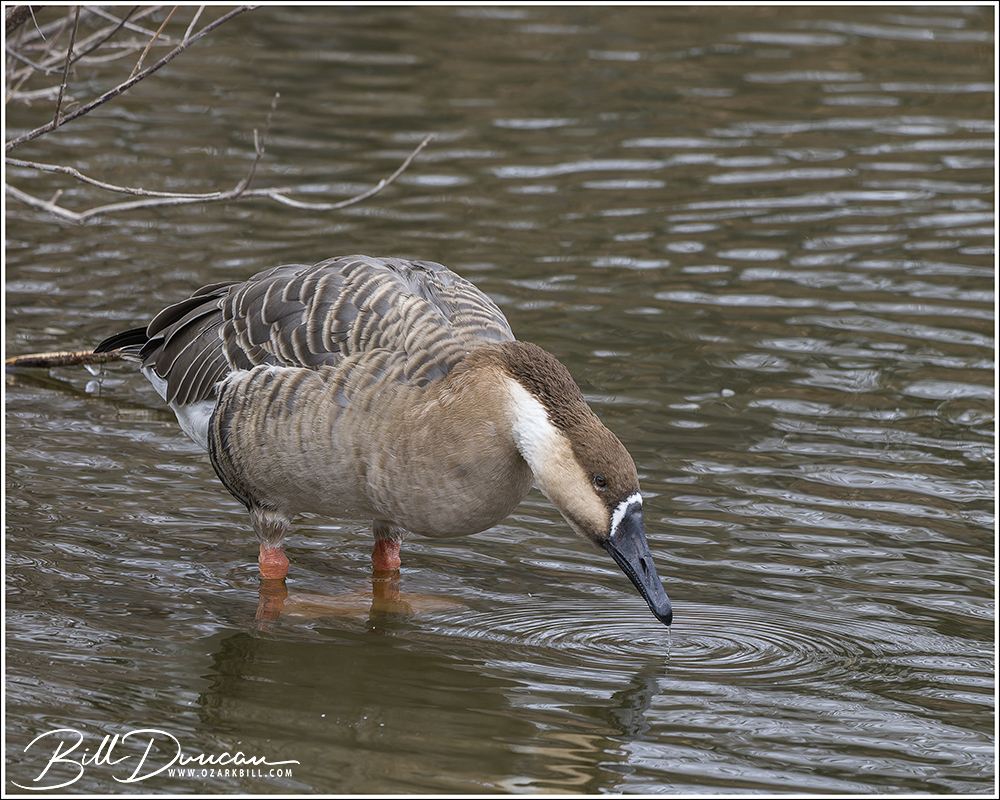
Classified by the IUCN as endangered, the Swan Goose can also be found in feral and domesticated populations outside its original north and east Asian distributions.
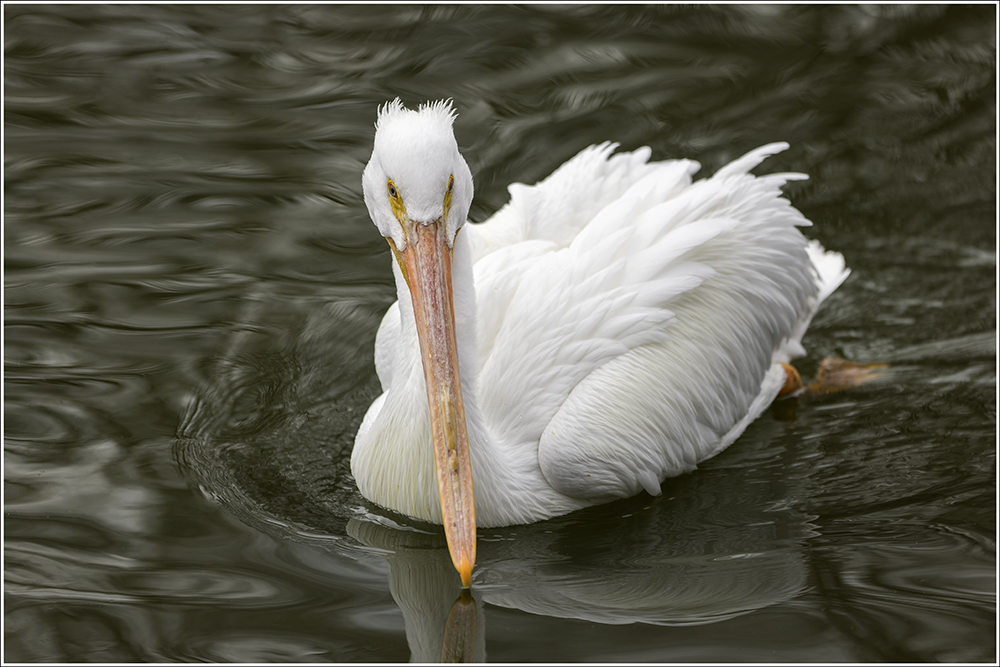
The St. Louis Zoo also contains a number of species native to Missouri, most of which are rescued animals that have poor chances of survival in the wild. Some, like the eastern grey squirrel and eastern cottontail, along with some waterfowl and wading birds are wild species that stick to the zoo grounds looking for easy meals.
Bald Eagle
Trumpeter Swan cygnet Trumpeter Swan adultAmerican White PelicanAmerican White Pelicaneastern cottontaileastern grey squirrel






 A Thousand Acres of Silphiums
Bill, these are fantastic, a great outing and even better images.